Feeds:
Posts
Comments

Posts Tagged ‘Canon 50D’

Two years ago in a posting, I confessed to being obsessed with photographing Red milkweed beetles (Tetraopes tetraophthalmus). Inexorably I kept finding myself being drawn back to these bright red beetles.

I thought I had outgrown my obsession, until I encountered several of my little red friend this past weekend at Green Spring Gardens. I immediately reverted to my old behavior and began to stalk them like a paparazzo, trying to get a good shot or any shot at all.

My obsession continues.

Red Milkweed BeetleRed Milkweed BeetleRed Milkweed Beetle

© Michael Q. Powell. All rights reserved


Read Full Post »

Whenever I have my macro lens on my camera I seem to be irresistibly drawn to bees, like bees to honey. No matter what else I am shooting during the summer, I always seem to have some images of bees interspersed among my other photos. Here are some of my recent favorite bee shots.

bee_yellow_blogbee_white_blogbee_red_blog

© Michael Q. Powell. All rights reserved

Read Full Post »

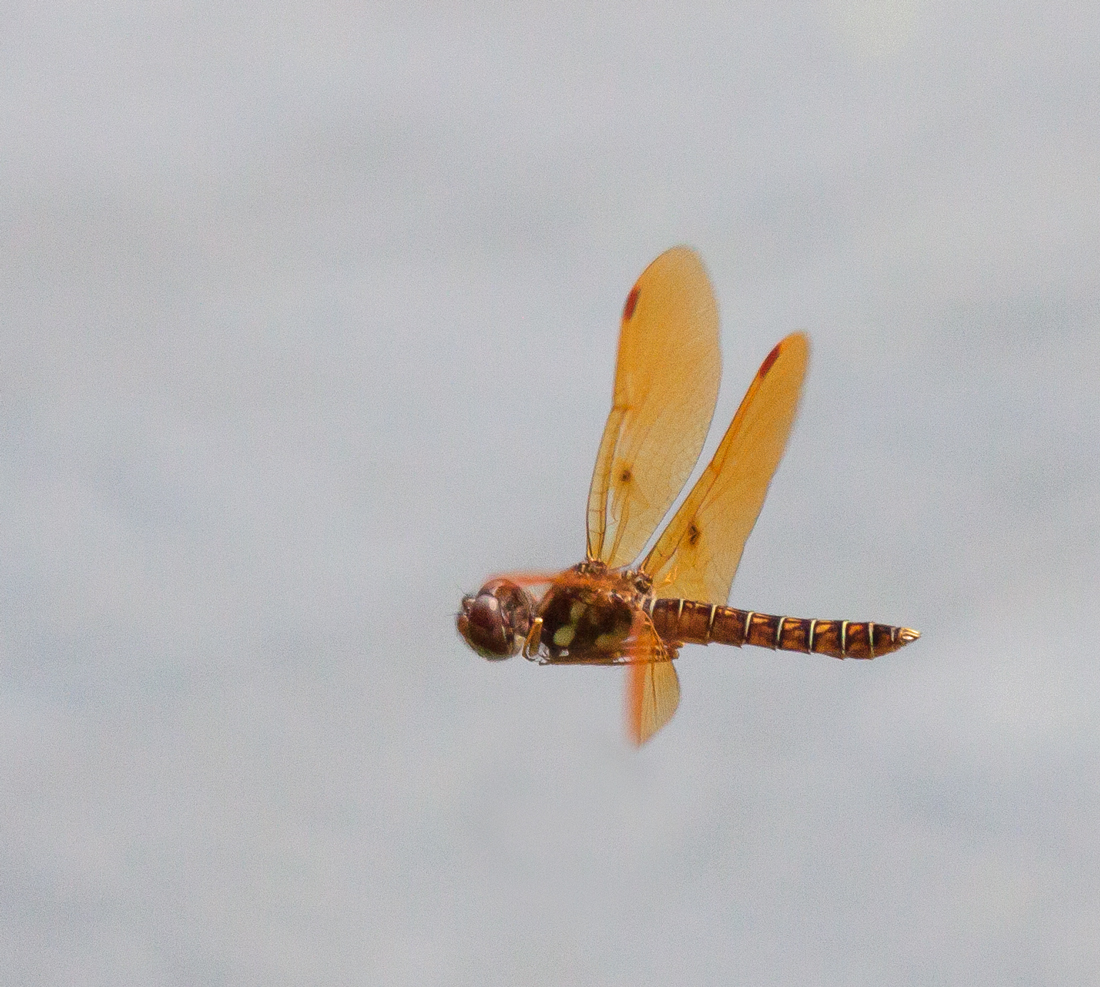
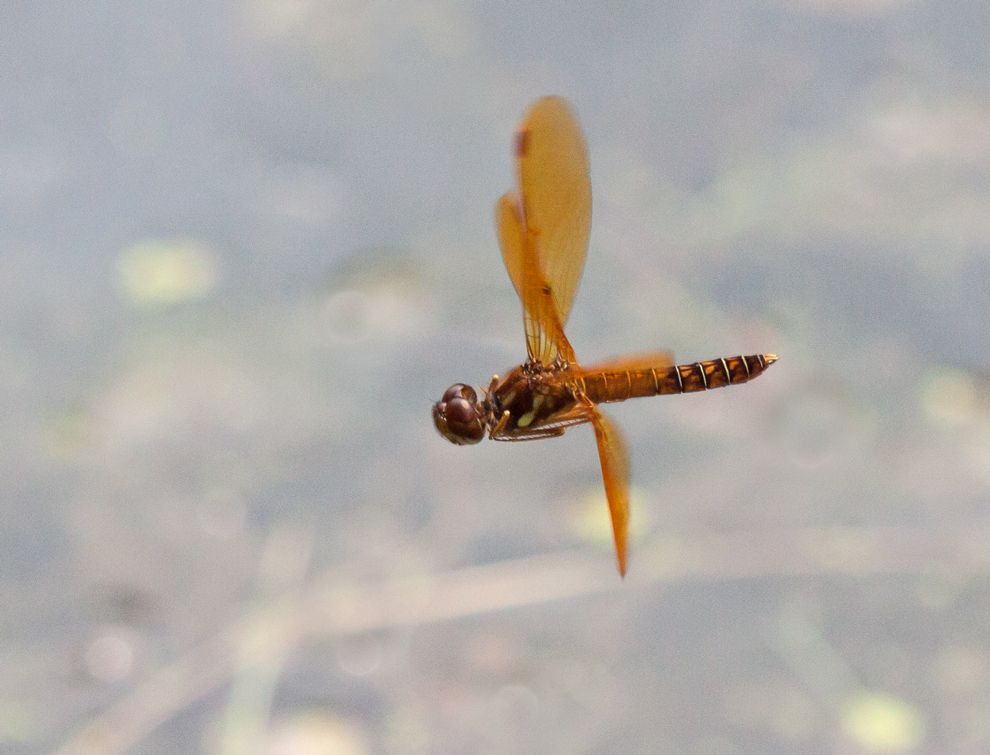
Photographing any dragonfly in flight is a real challenge, but this past weekend I spent time chasing after some of the smallest ones, the Eastern Amberwing dragonflies (Perithemis tenera). According to Bugguide, these dragonflies are typically 21-24mm in length, which is less than one inch, with a wingspan of maybe two inches or so.

amb2_fly_blog

There were lots of male Eastern Amberwings buzzing around the edges of a small pond at Green Spring Gardens, one of the local gardens that I like to visit. They were within range of the 180mm macro lens that I was using, but focusing and tracking were my biggest problems. The dragonflies did tend to hover a bit, which helped a little, but it was tough to get them in focus when focusing manually and almost impossible to do so with auto-focus.

I took a lot of shots and was happy that I managed to get some in decent focus, though I did have to crop the images. As I was preparing this posting, I noticed that I spent some time a year ago attempting to photograph the same dragonfly species. I think the results this year are marginally better, but you can make your own call by clicking on this link to the posting from July 2013.

amb4_fly_blogamb5_fly_blog amb3_fly_blog

amb1_fly_blog

© Michael Q. Powell. All rights reserved

Read Full Post »

A dragonfly perching on a heron? In real life it’s highly unlikely that you would see such a thing, but a male Blue Dasher dragonfly (Pachydiplax longipennis) decided that the metal silhouette of a Great Blue Heron (Ardea herodias) in a pond at Green Spring Gardens made a good spot to rest.

Click on any of the tiled images to see all of them full-sized in slide show mode.

Blue Dasher

© Michael Q. Powell. All rights reserved.


Read Full Post »

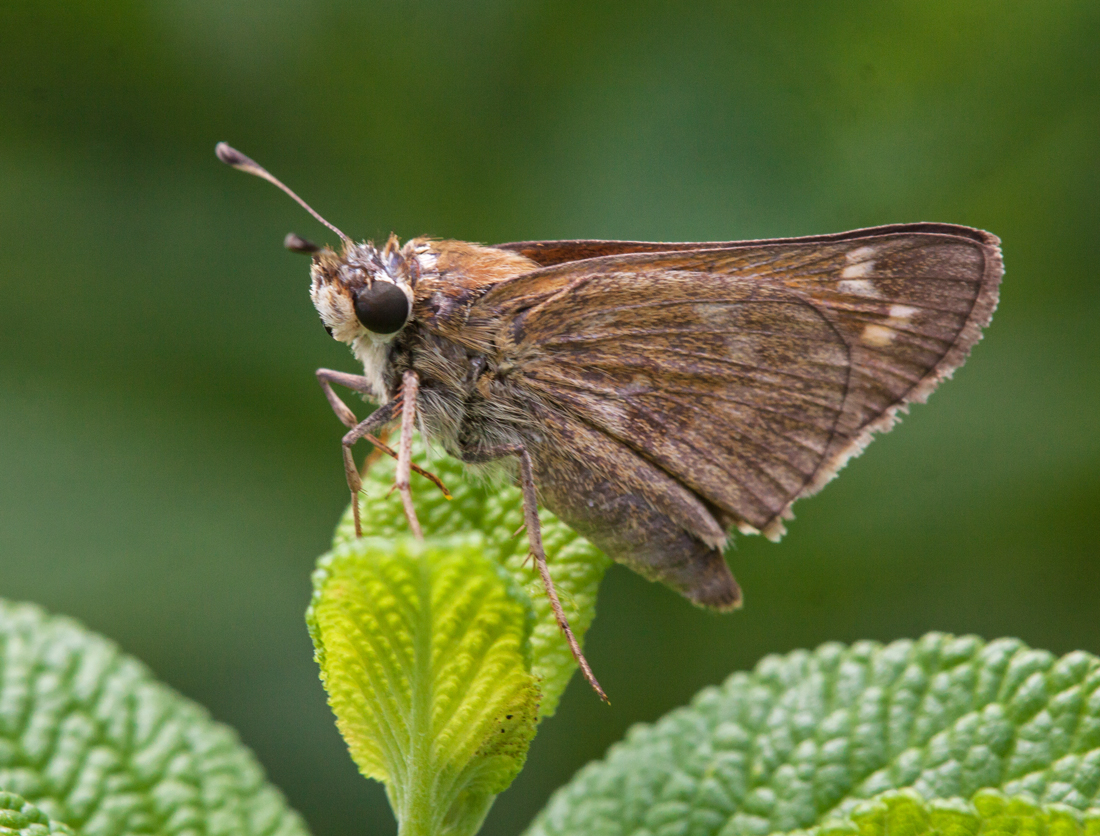
Small skipper butterflies don’t stand out as much as their larger, more colorful brethren, but they have an understated beauty that I find striking. It’s a daunting challenge, however, to identify them.

According to Wikipedia, there are more than 3500 recognized species of skippers worldwide, so I don’t feel too bad that my identification skills are weak in this area. As I looked through images on-line, I came across one identified as a Little Glassywing (Pompeius verna) that looks a bit like the one that I photographed, though my confidence level in this identification is pretty low.

I am confident, however, that I like the image I captured of the little skipper. There is a pretty good amount of detail, the background is blurred, and the leaves on which the butterfly is perched makes for an interesting pose.

UPDATE: A butterfly expert has definitively identified this as a female Sachem (Atalopedes campestris). Thanks to Joe Schelling and Jim Brock for their assistance in identifying this little skipper.

skipper1_blog

© Michael Q. Powell. All rights reserved.


Read Full Post »

In the shade of the flowering lotus plants, these two Eastern Pondhawk dragonflies (Erythemis simplicicollis) found a few moments for some summer lovin’. Summer lovin’, it happened so fast.

Eastern Pondhawks mating

© Michael Q. Powell. All rights reserved.

Read Full Post »

Even before they have bloomed, the buds of the Lotus flower (Nelumbo nucifera) can be spectacularly beautiful, like this one I photographed this past Monday at Green Spring Gardens, just a few miles from where I live in Northern Virginia.

lotus bud

© Michael Q. Powell. All rights reserved.

Read Full Post »

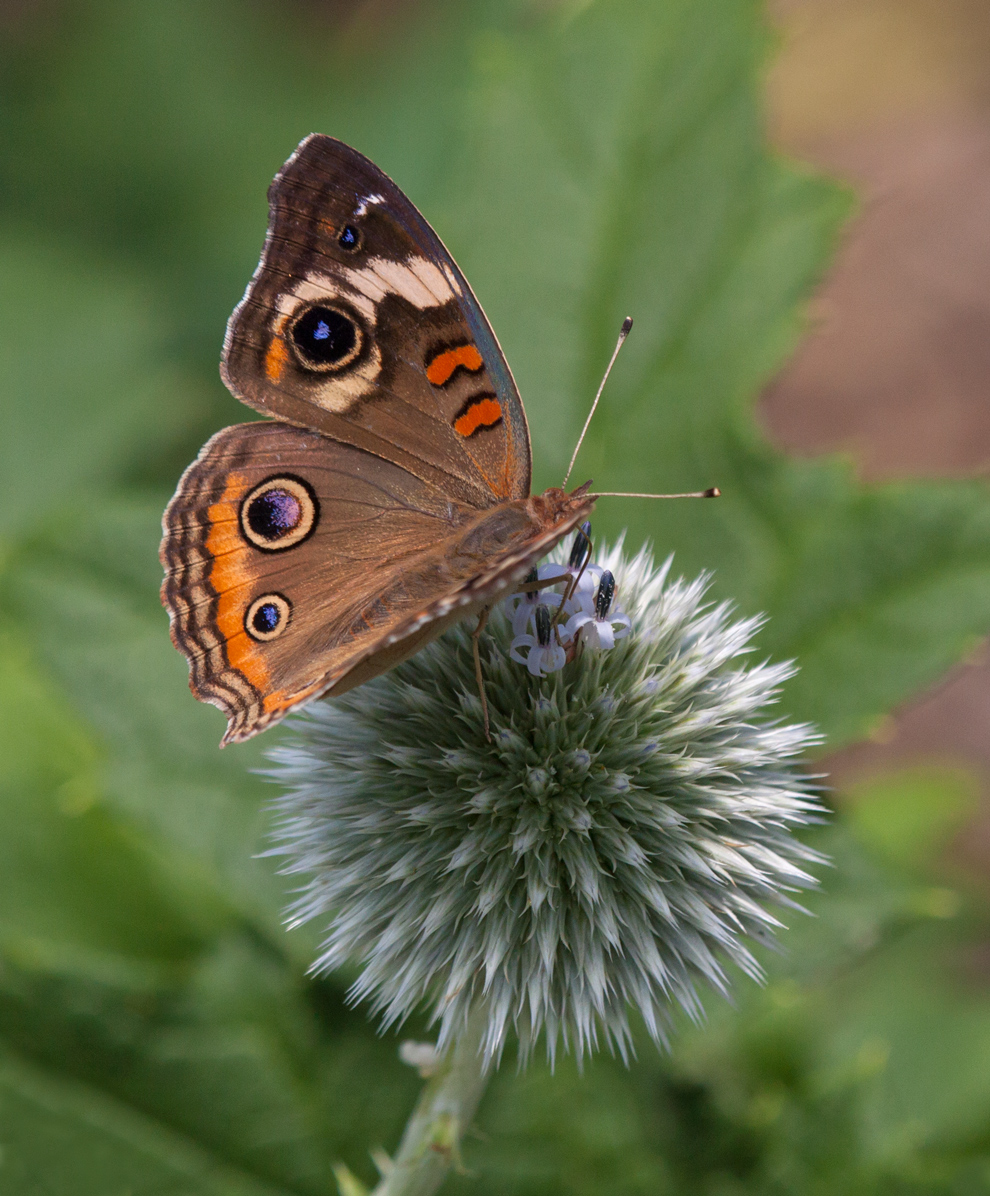
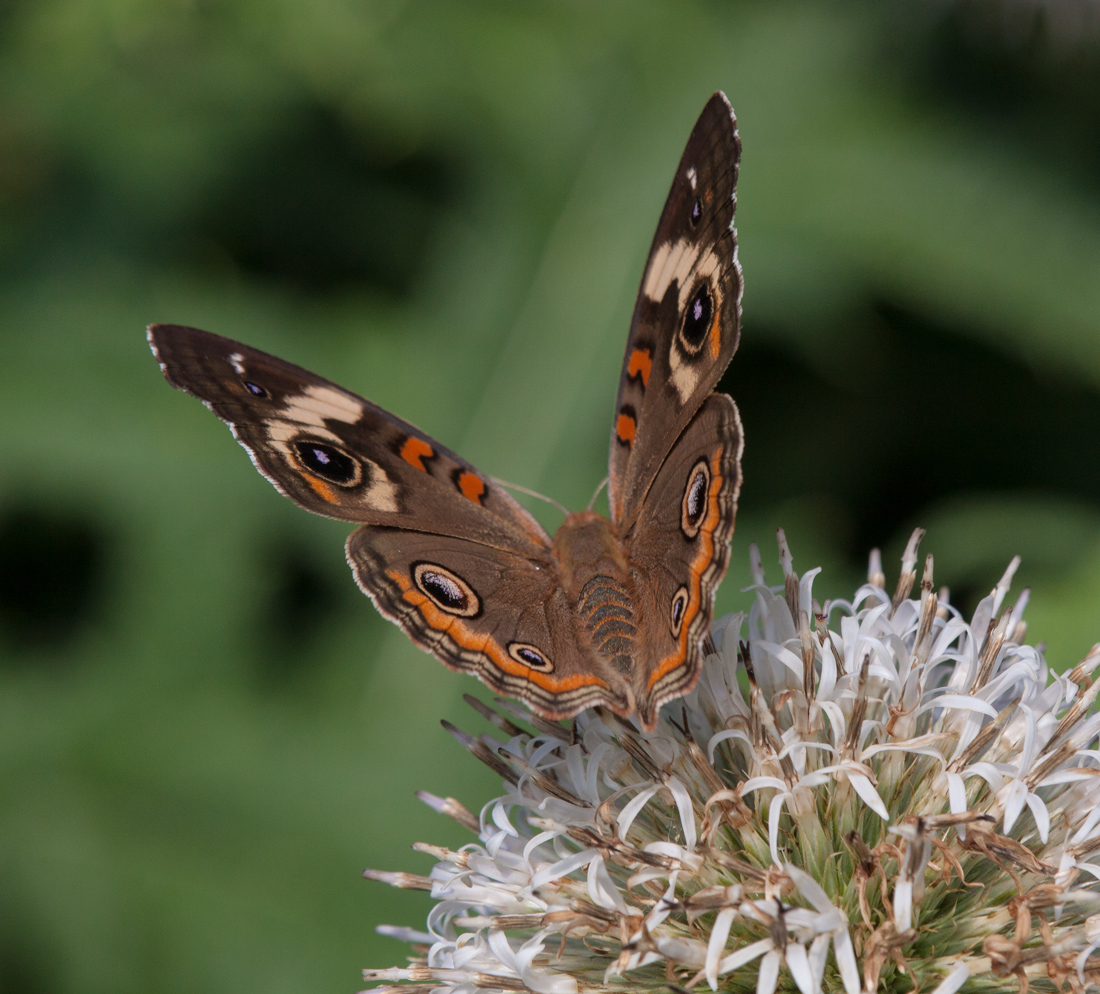
Although I don’t live in Ohio, nicknamed “The Buckeye State,” I think that I can claim that Virginia also is a Buckeye state, because we are a home to the uncommonly beautiful Common Buckeye butterfly (Junonia coenia).

Common Buckeye butterfly

I have seen few colorful butterflies so far this summer, besides the Great Spangled Fritillary butterflies that I featured in a posting in June. Where are all the Monarchs and Eastern Swallowtails? I don’t know if they were affected by the polar vortex of this past winter or if I am merely looking for them in all the wrong places, but their numbers seem to be unusually low this summer.

I was therefore thrilled this past Monday, when I caught sight of this Common Buckeye. Its coloration is so distinctive that I immediately recognized it and chased after it a bit. Fortunately I was able to capture several images of this beautiful creature before it flew out of sight.

Looking at these images, I am happy to proclaim that I live in a Buckeye state.

buckeye3_blog

buckeye2_blog

© Michael Q. Powell. All rights reserved.

Read Full Post »

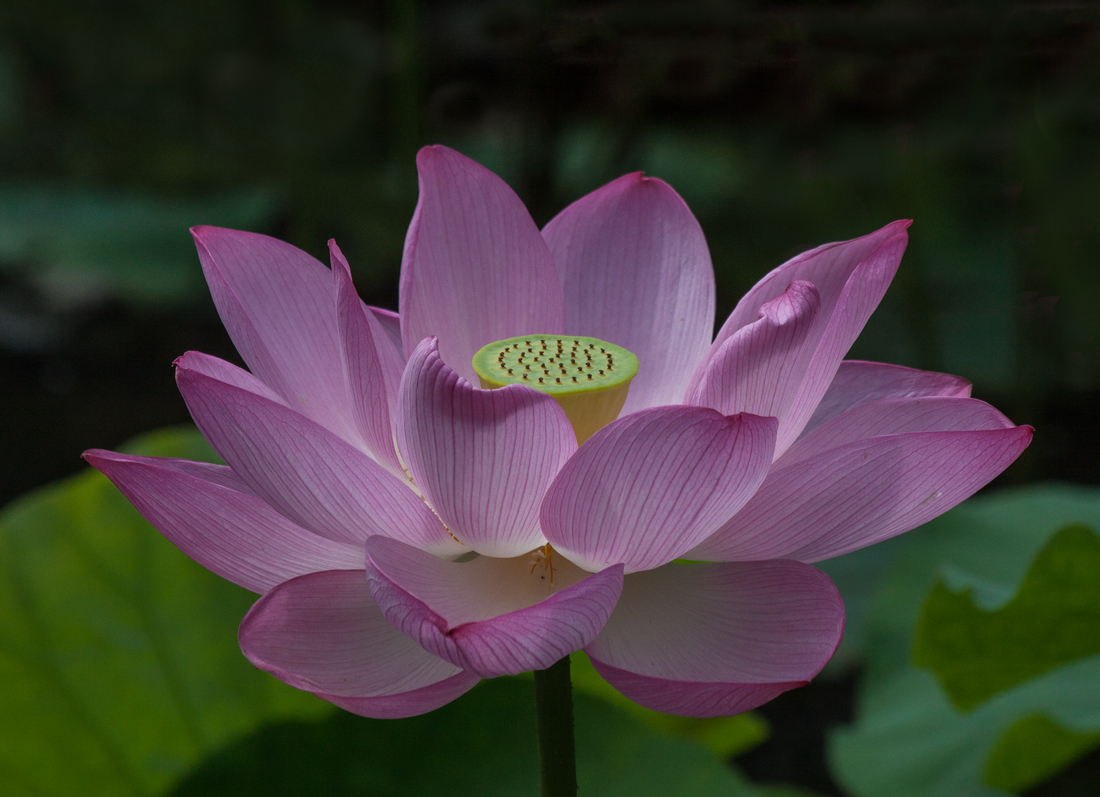
I simply love the exquisite beauty of lotus flowers.  A sense of tranquility seems to fill me during those moments when I am able to drink in their beauty, especially when I am alone.

I took these shots in mid-morning at Green Spring Gardens, a county-run facility that has two small, man-made ponds, in addition to the extensive gardens. The ponds are one of my favorite places to shoot when my time is limited and in the past I have captured some wonderful images of turtles, frogs, birds, and dragonflies. What makes the ponds really special for me, though, is that there are water lilies and lotuses at this time of the year.

I am experimenting with presenting my photos in the Gallery format. If you click on any one of the images, you can scroll through each of them in succession in full size. Let me know if  you think it works better than presenting each shot individually.

lotus3_blogWhen the lotus flowers are completely open, it is a real joy to be able to look inside the flower and glimpse the cylindrical seed pod, which contrasts wonderfully with the delicate pink petals in color as well as texture. I took these shots in the middle of the morning, which is usually a less than optimal time of day for lighting. In this case, though, the light, which was often coming from behind the flowers, helped to highlight the flowers and created some interesting shadows.

© Michael Q. Powell. All rights reserved.

Read Full Post »

Some amazingly beautiful water lilies were in bloom at a local garden yesterday morning and seemed to be glowing from within.

Green Spring Gardens is a county-run historic garden just a few miles from where I live. I used to shoot there really often, but have been spending more time instead at my local marshland park. A couple of recent postings by Rob Paine on his blog I see beauty all around reminded me of the beauty of this garden and I spent several hours there yesterday, getting shots, primarily of the water lilies, lotus flowers, and dragonflies.

This image is a sneak preview of yesterday’s shoot, with more to follow in the near future.

lily1_blog

© Michael Q. Powell. All rights reserved.


Read Full Post »

It may sound like a new summer beverage sensation, but the title is meant to be literal. I encountered this tiny Eastern Amberwing dragonfly (Perithemis tenera) sunning itself on a rock in a small, muddy creek in the back area of my local marshland park.

It was a bit unusual for me to see a dragonfly on a rock (usually they perch on vegetation or on the ground) and I think the texture of the rock adds visual interest to the shot without being distracting the eye. I was pleased to capture so much beautiful detail of this cool little dragonfly and was particularly happy to see how well the amber wings turned out.

drag1_rocks_blog

© Michael Q. Powell. All rights reserved.

Read Full Post »

Readers may have noticed that I rarely take photos of people and never photograph sporting events, but yesterday I found myself supporting one of my friends at the Capital Sprints Regatta in Washington D.C. on the Anacostia River. This was her first competition as a member of the DC Strokes Rowing Club and it was great to get some shots of her in action to commemorate the event.

I had never before been to a regatta and I took a lot of photos in an effort to capture the feeling of the experience. I selected a few of my favorites for this posting, including some close-up portraits as well as some action shots.

row4a_blog


© Michael Q. Powell. All rights reserved


Read Full Post »

How many views does your average post get? WordPress has a strange way of measuring “views” and “likes” that I haven’t quite been able to figure out, but I consider a posting to be successful if it gets about 30 views. A really popular posting might get 50 views.

As I close out my retrospective look this week at my first two years of blogging, I thought I would share again the posting that, statistically speaking, is by far the most popular. Out of the 1200+ postings that I have done, only seven have over a hundred views and the second most viewed posting has 138 views. The posting below has had 371 views.

Don’t get me wrong—I like these photos of the fuzzy white caterpillar, but I certainly don’t consider them to be my best or my favorite images. How did I get so many views?

Not long ago, Leanne Cole, one of my favorite bloggers did a couple of postings on Search Engine Optimization (SEO) that included a discussion of some techniques to make your photos and postings more visible when people do searches with Google and other search tools. I think I may have inadvertently used some of these approaches with the caterpillar posting, because the majority of the views seem to have come from people who found the images as the result of a search, and not from readers of my blog.

I don’t put a lot of faith in statistics and they don’t count for much in my personal estimation of the success of a posting. However, I am by nature a very curious person, so I can’t completely ignore them, even if they seem a little crazy.

Complete text of my 3 August 2013 “Fuzzy white caterpillar” posting:

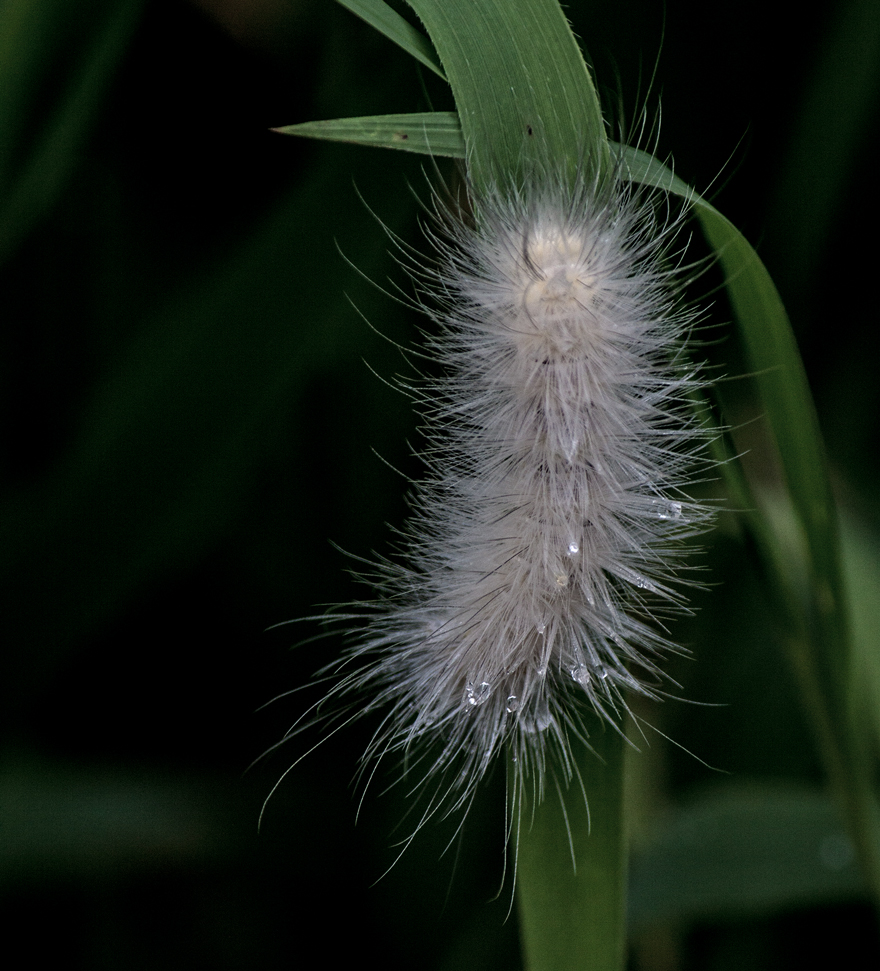
It’s hard enough to identify moths and butterflies when they are fully grown—it seems almost impossible to do so when they are caterpillars, like this fuzzy white caterpillar that I encountered today at my local marshland park.

The caterpillar had so much long hair that it was hard to see the actual body, which might have been quite small for all I could tell. It was crawling around in the cattails on a day that featured intermittent rain. If you look closely at the first shot, you can see little water drops near what I think is the area of the head.

The second shot may look like it was done with flash, but the darker background was caused merely by changing the settings on my camera and deliberately overexposing the image.

fuzzy2_blogfuzzy1_blog

© Michael Q. Powell. All rights reserved

Read Full Post »

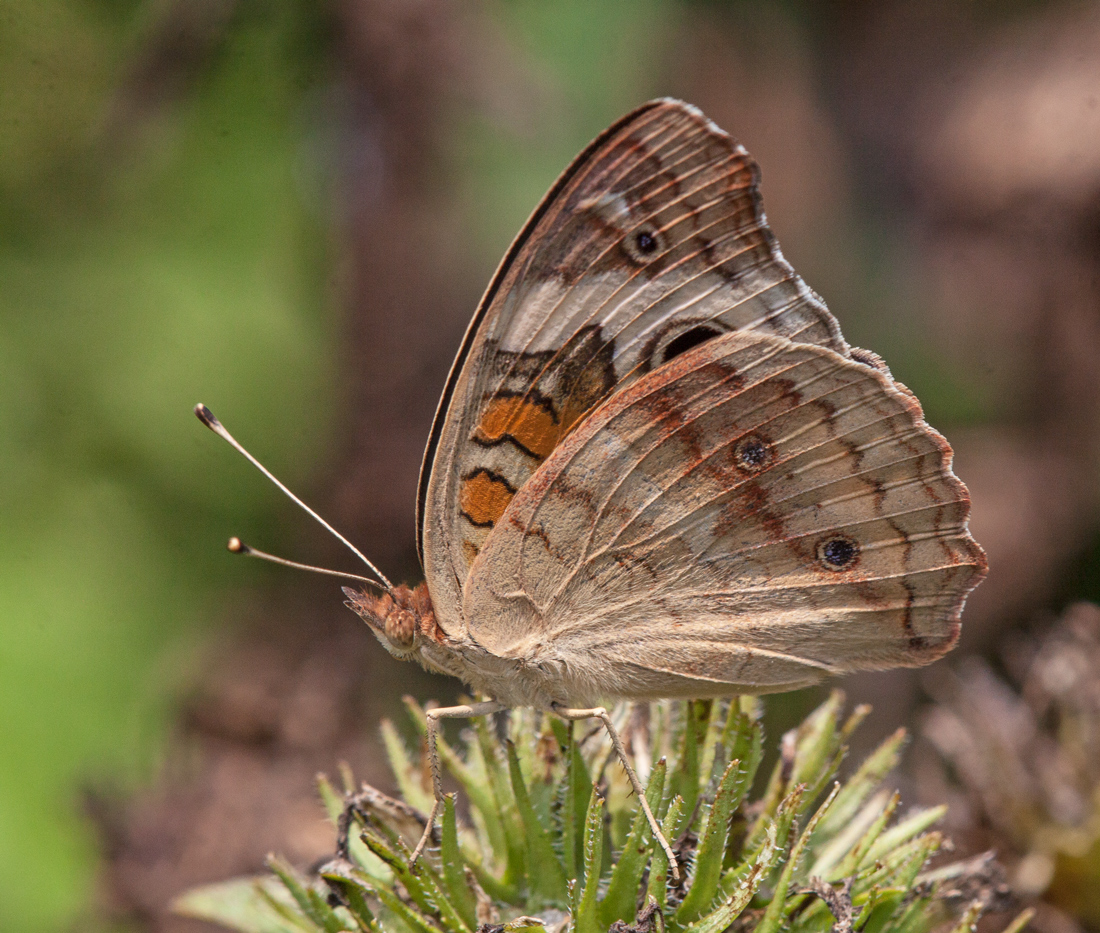
When I am walking through the woods adjacent to the marsh, I often see small brown butterflies flitting about, but it’s rare that one lands in a place where I can photograph it. Last week, however, I got lucky and I was finally able to get some shots of one of these elusive butterflies.

Now that I have the images, I am faced with the difficult task of trying to identify the butterfly. There are a lot of brown butterflies with a numerous eye spots on the wings and to my untrained eyes, they all look pretty much the same. I think this one may be of the genus Lethe, but is it a Pearly Eye, an Appalachian Brown, an Eyed Brown, or something entirely different?

For now, I’ll fall back on an old habit and make up my own name for the butterfly and call it the Beautiful Woodland butterfly.

butter2_blog

butter1_blog

© Michael Q. Powell. All rights reserved.


Read Full Post »

Do your review your photos rapidly before you choose the ones to post or do you carefully and systematically evaluate them and only then select the best ones?

I am often in a hurry.  Sometimes I will stop to work on a shot that I like before I have even reviewed the complete set of images. I generally  don’t work up postings in advance and I’ll write up the posting and push the “Publish” button with out realizing that I may have unmined gold waiting to be discovered.

Only later, when I go through the entire set of shots do I realize that I have a better shot than the one I posted and realize I should have at least posted both of them. If the differences are only minor, I won’t do an additional posting, but sometimes, like today, I feel compelled to post a second image.

As was the case in yesterday’s posting, this is a shot of what I think is an Eastern Carpenter Bee (Xylocopa virginica)—or possibly a bumblebee— on a Purple Coneflower (Echinacea purpurea). The angle and the lighting helped me capture a significant amount of the detail and texture of both the bee and the flower and the colors came through with a beautiful vibrancy. The bee was in an unusual position, which adds to the visual interest of the image.

This is one of my favorites of my recent images. You might think that this experience will teach me a lesson about the value of a full review before choosing images to process, but I suspect that this will happen again from time to time. I know my habits too well.

bee2cone_blog

© Michael Q. Powell. All rights reserved.


Read Full Post »

Yesterday was a beautiful, sunny day, but it was very breezy, which made it tough for me to get decent shots of bees in my neighbors’ garden. I am still going through my photos (and deleting a lot of them), but I was immediately drawn to this image of an Eastern Carpenter Bee (Xylocopa virginica) on a Purple Coneflower (Echinacea purpurea).

Although the dark background suggests the use of flash, I wasn’t using any flash and the shutter speed of 1/400 in the EXIF data is faster than the synch speed of my flash. I was trying to get as close to the bees as I could and the height of the coneflowers made it possible to get at eye level with the bee and get this head-on shot.

bee1_cone_blog

© Michael Q. Powell. All rights reserved.

Read Full Post »

What adds drama to a photo? Sometimes it is the lighting of a scene or the positioning of a subject. These recent shots of Blue Dasher dragonflies (Pachydiplax longipennis) seem to have a bit more drama and are more “artsy” than many of my typical images.

Should I start wearing a beret now when I am shooting?

dramatic_blog dramatic2_blog dramatic3_blog

© Michael Q. Powell. All rights reserved.

Read Full Post »

Two things really struck me when I first encountered this damselfly—its captivating blue eyes and its extraordinarily long abdomen.

Most damselfly fold in their wings when they are at rest, but damselflies of the Lestidae family keep them open and are commonly known as spreadwings. Only two members of this family are on the species list for my marshland park—the Swamp and the Slender Spreadwing—and this looks to me like might be a male Slender Spreadwing damselfly (Lestes rectangularis).

I would welcome a correction or confirmation of my identification, because I feel almost clueless when it comes to identifying damselflies.

damsel_blue1_blog

© Michael Q. Powell. All rights reserved.

Read Full Post »

Compared to the other dragonflies that I have photographed, the Eastern Amberwing (Perithemis tenera) is tiny, typically less than an inch in size (25mm), but it has such a distinctive look that it is easy to identify.

I was able to approach this dragonfly from the rear and from above as it was perched on some vegetation overhanging a muddy creek and I don’t think it sensed my presence, even though I was pretty close to it. .

amber1_blog

© Michael Q. Powell. All rights reserved.

Read Full Post »

It’s unusual for me to take a photograph of a dragonfly with my camera pointed upward, but this Bar-winged Skimmer (Libellula axilena) kept perching in the branches of a downed tree limb, enabling me to include a little patch of sky in some of the shots. This is a new species for me that was pointed out to me by fellow photographer Walter Sanford when we ran into each other at one of our favorite spots at our local marshland park. The second shot shows part of the wing pattern that is responsible for the common name of this species, “Bar-winged.”

barred1_blogbarred2_blog

© Michael Q. Powell. All rights reserved.


Read Full Post »

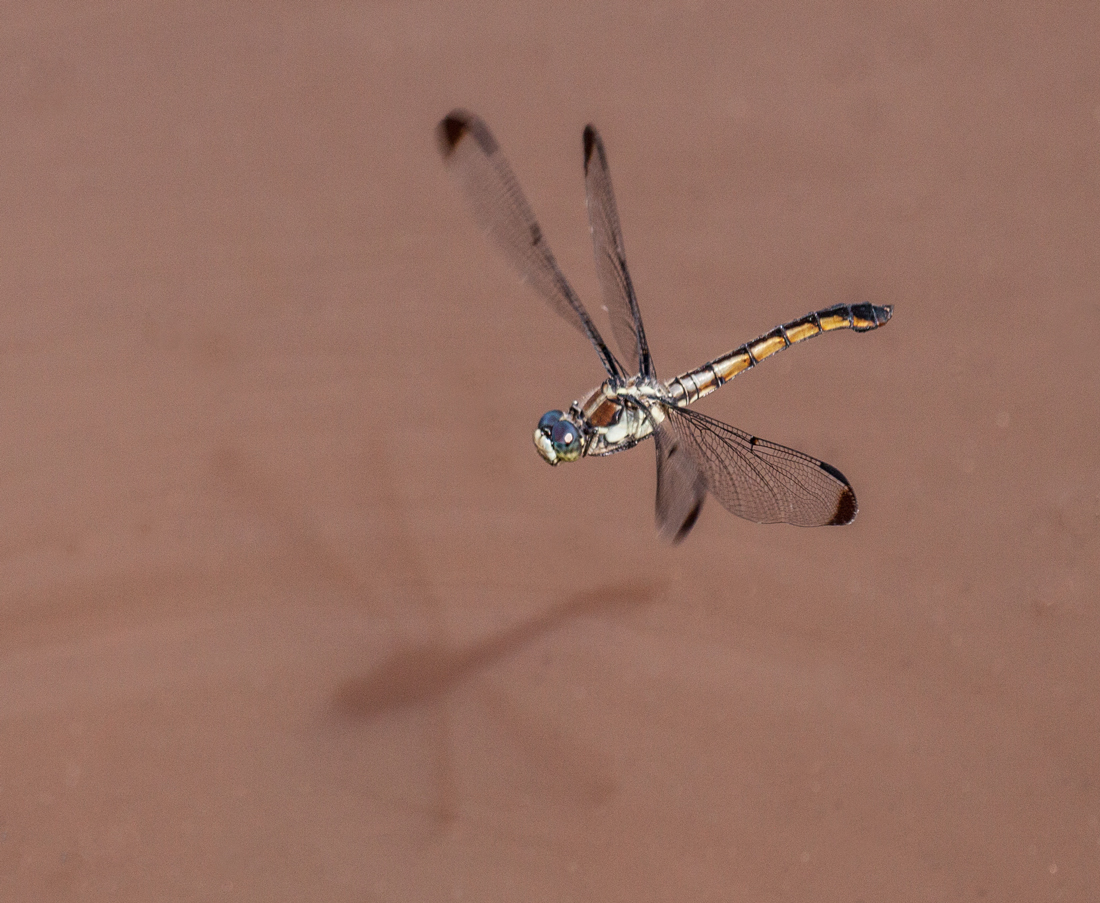
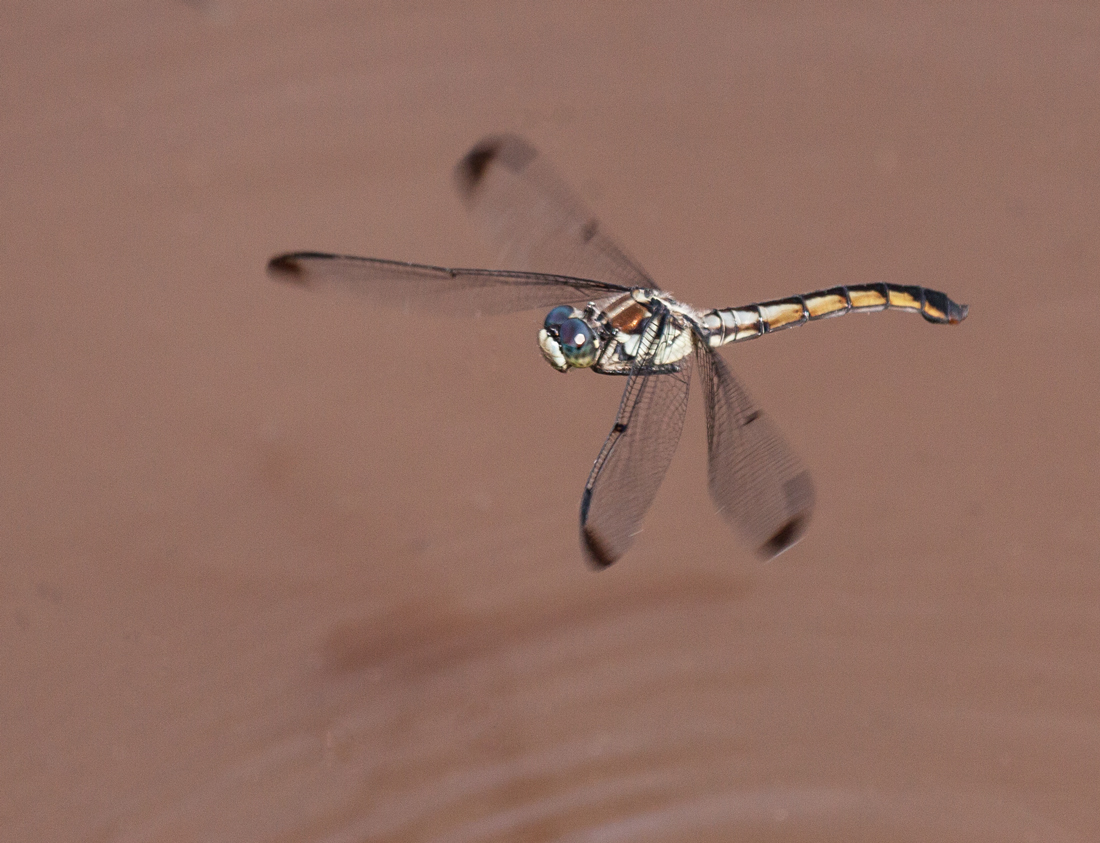
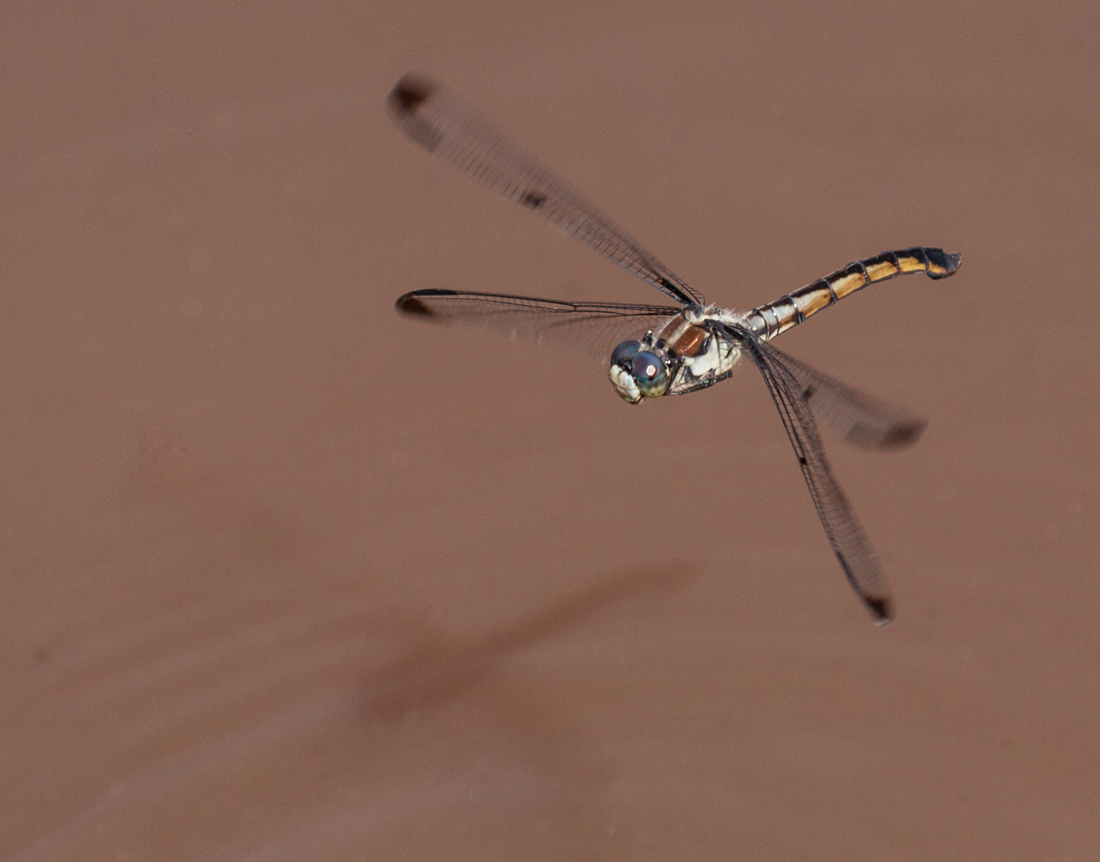
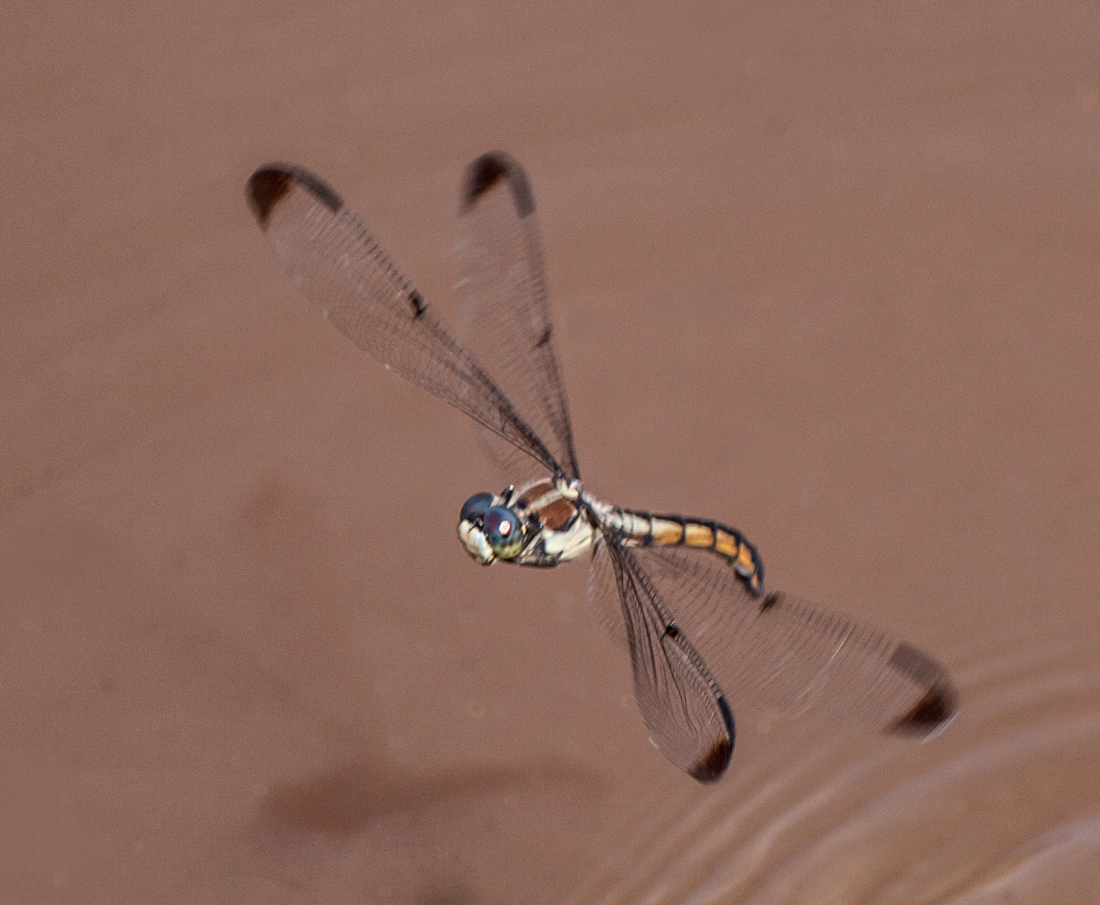
It’s tough to photograph a dragonfly in flight, but when it chooses to hover, there is a slightly better chance of getting a shot. That was the case recently when I encountered this female Great Blue Skimmer dragonfly (Libellula vibrans) that was in the process of depositing her eggs in the water. As her mate circled overhead, the female dragonfly would hover over the water and then periodically dip the tip of her tail in the water before returning to the hovering position. I was able to get several images of the hovering dragonfly, but got only a single image of her depositing the eggs.

flying1_skim_blogflying2_skim_blogflying3_skim_blogflying4_skim_blog

© Michael Q. Powell. All rights reserved.

Read Full Post »

Looking at my recent postings, you might come to the conclusion that I neglect damselflies, the smaller, less colorful members of the Odonata family, in favor of dragonflies. Actually, I really like damselflies, but they are so small that it is difficult to see them most of the time and quite a challenge to get a clear shot of one.

As I was searching for dragonflies, I came upon this beautiful black and blue damselfly perched on a small branch near the edge of a muddy creek and was able to get an unobstructed shot. You might think that identification would be easy, but there is a whole group of damselflies, the bluets, whose members have various combinations of black and blue.

So far, I haven’t been able to identify this damselfly, but I find its combination of black and turquoise to be elegant and really attractive.

damsel_bnb_blog

© Michael Q. Powell. All rights reserved.


Read Full Post »

Female dragonflies are often less colorful and visible than their male counterparts, but are equally beautiful.

A week ago, I did a posting featuring the dark blue male Spangled Skimmer dragonfly (Libellula cyanea) and noted that the white stigma (markings) on the wings help in identifying this species. In today’s image, a female Spangled Skimmer appears to be a natural model as she smiles and poses for the camera

spangled_fem_blog

© Michael Q. Powell. All rights reserved

Read Full Post »

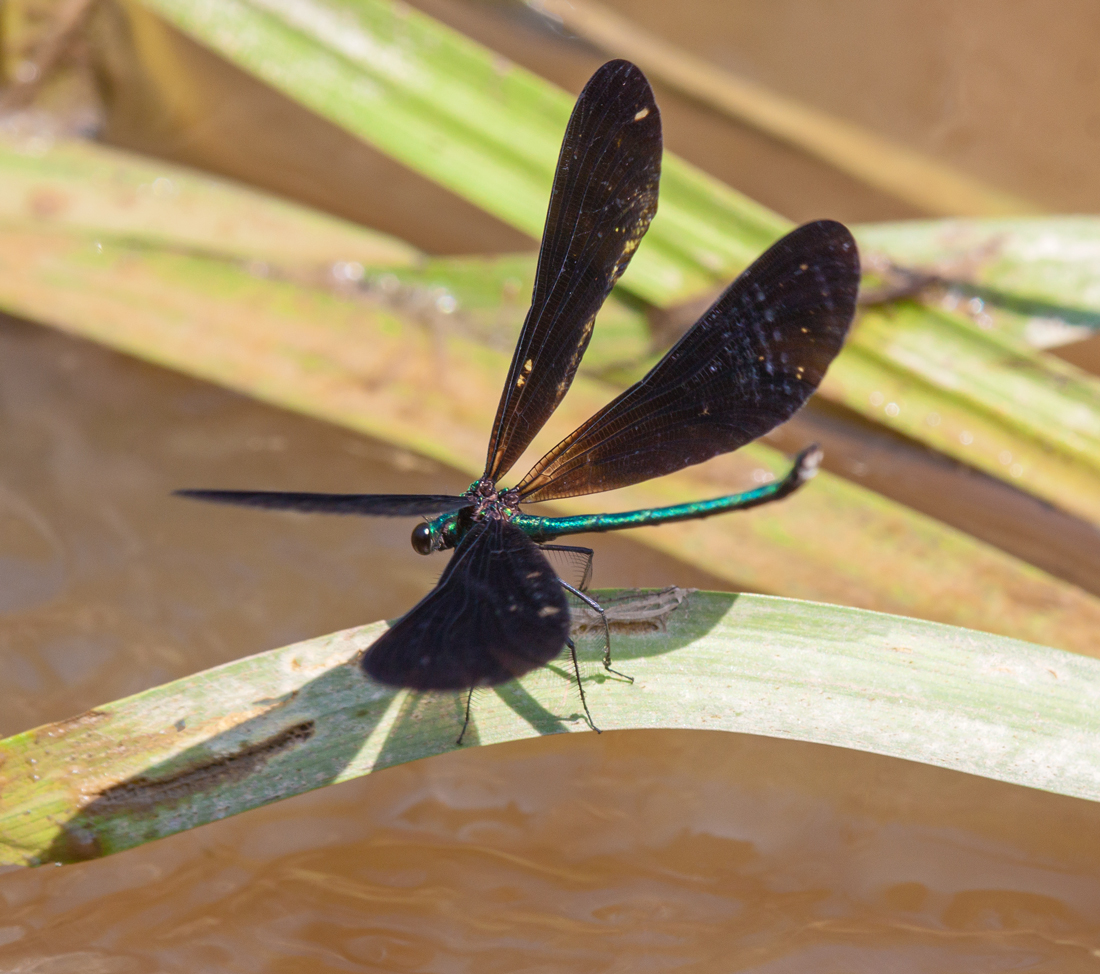
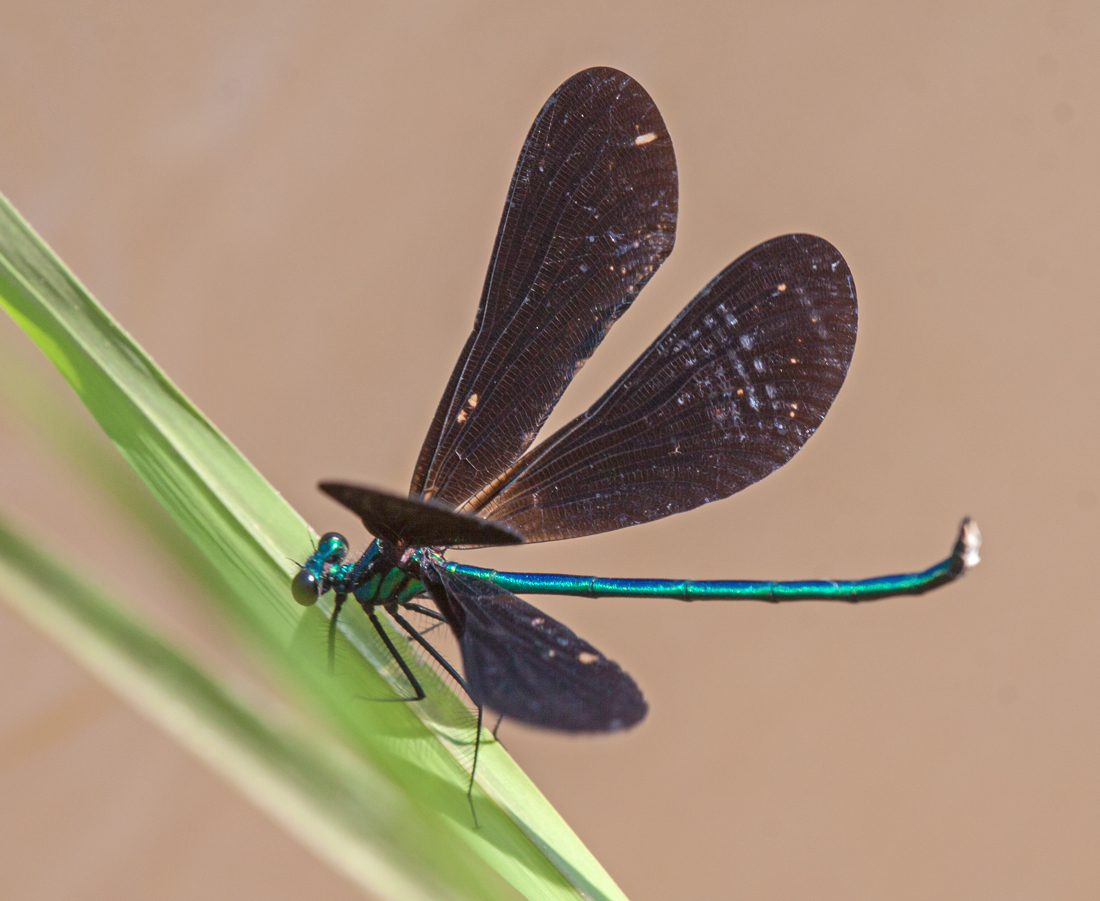
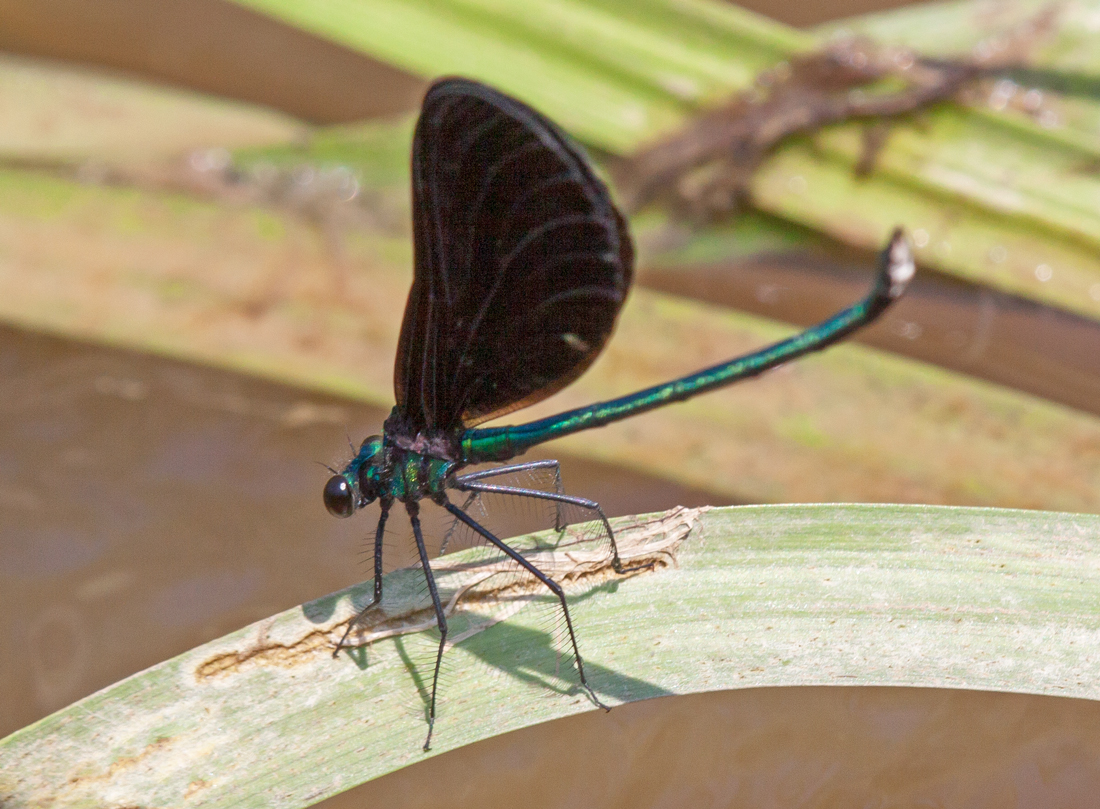
When you first catch sight of the fluttering flight of an Ebony Jewelwing damselfly (Calopteryx maculata) from a distance, it’s easy to think that it is a butterfly.

These damselflies are really weak fliers and they flutter slowly from one location to another nearby spot. Although they perch, they tend to do so on low vegetation and they don’t remain in one spot for very long, which makes it a challenge to get a decent photograph of one of them.

Their dark wings make them unusual and distinctive—all of the other damselflies that I have seen had clear wings—and help to set off the beautiful emerald color of their bodies.

According to bugguide.com, the Ebony Jewelwing’s scientific name Calopteryx maculata comes from the Greek “kalos” (beautiful) + “pteron” (wing or feather) and “macula” (a spot), a reference to the white spot near the tip of the female’s wing.

ebony1_blog

Ebony Jewelwing damselfly with opened wings

Ebony Jewelwing damselfly with opened wings

Ebony Jewelwing damselfly in a raised position with closed wings

Ebony Jewelwing damselfly in a raised position with closed wings

© Michael Q. Powell. All rights reserved


Read Full Post »

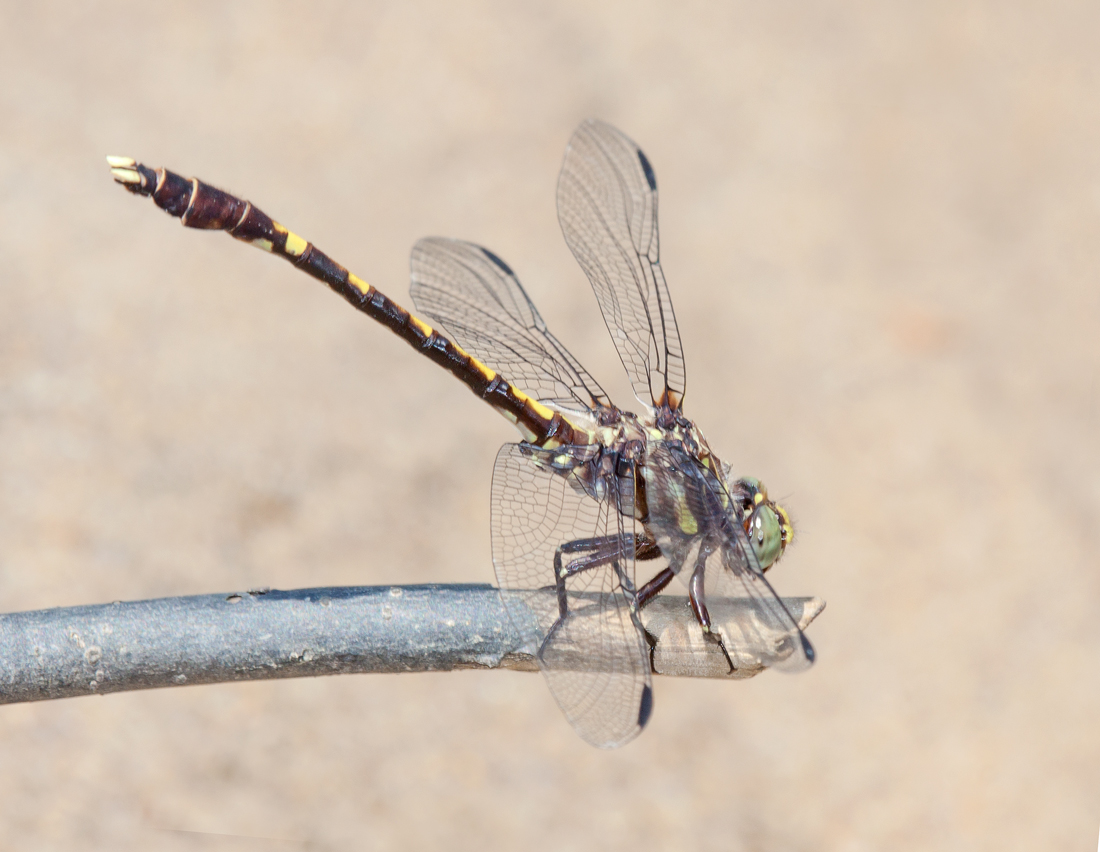
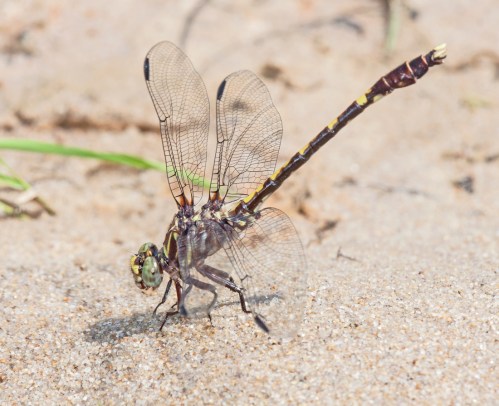
Last week I added the Common Sanddragon dragonfly (Progomphus obscurus) to the species list at Huntley Meadows Park, the marsh where I spend a lot of time walking and photographing. The park keeps a comprehensive list of species and it appears that this particular dragonfly had never before been observed and photographed within the park.
sand1_blog


I came across this dragonfly, which I recognized as some kind of clubtail, when I was hiking through a back area of the park. I was struck by the way the dragonfly was patrolling a small sandy stretch of a creek and kept returning to perches on that little beach. I took quite a few photos of the dragonfly, though I really wasn’t sure of its identity.

sand3_blog

The images would have remained unviewed on my computer for several days, but I mentioned my discovery to fellow blogger and photographer, Walter Sanford, who seemed to sense that I had captured something a bit out of the ordinary. He insisted that I send him a couple of images immediately, which I did. Walter tentatively identified the dragonfly as a Common Sanddragon and confirmed the identification with Kevin Munroe, who manages Huntley Meadows Park and is a dragonfly expert.

Kevin has a wonderful website, Dragonflies of Northern Virginia, that is full of fun and useful information about dragonflies in our area. In the section about Common Sanddragons, he notes, “Despite its name, this species is rare in Northern VA. In other parts of the country, where clean, sunny, shallow creeks with plenty of sandy/gravely banks are common, so too are Common Sanddragons. Our urban waterways are too influenced by stormwater, flowing fast and unchecked off impervious surfaces (roads, parking lots, roofs, etc.). This creates deeply incised, eroded banks and streambeds with excess silt, unstable flows.”

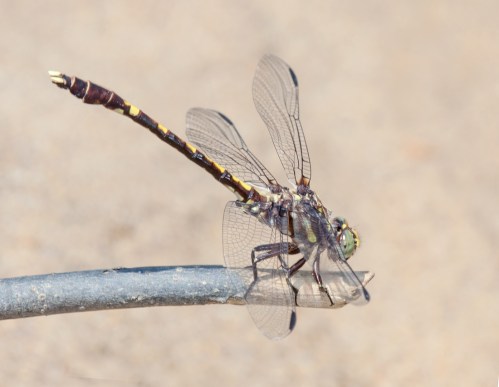
As a kind of experiment, I angled a couple of sticks in the sand to see if I could get one of them to perch on the stick. Although they kept returning primarily to the sand, a couple of times one perched on the stick and I got this shot.
sand2_blog

You may have noticed the raised tail in several of the shots. In other dragonflies, the “obelisk” position is a method of thermoregulation, but I am not sure if this is the case here—it might be related to efforts to attract a mate.

© Michael Q. Powell. All rights reserved


Read Full Post »

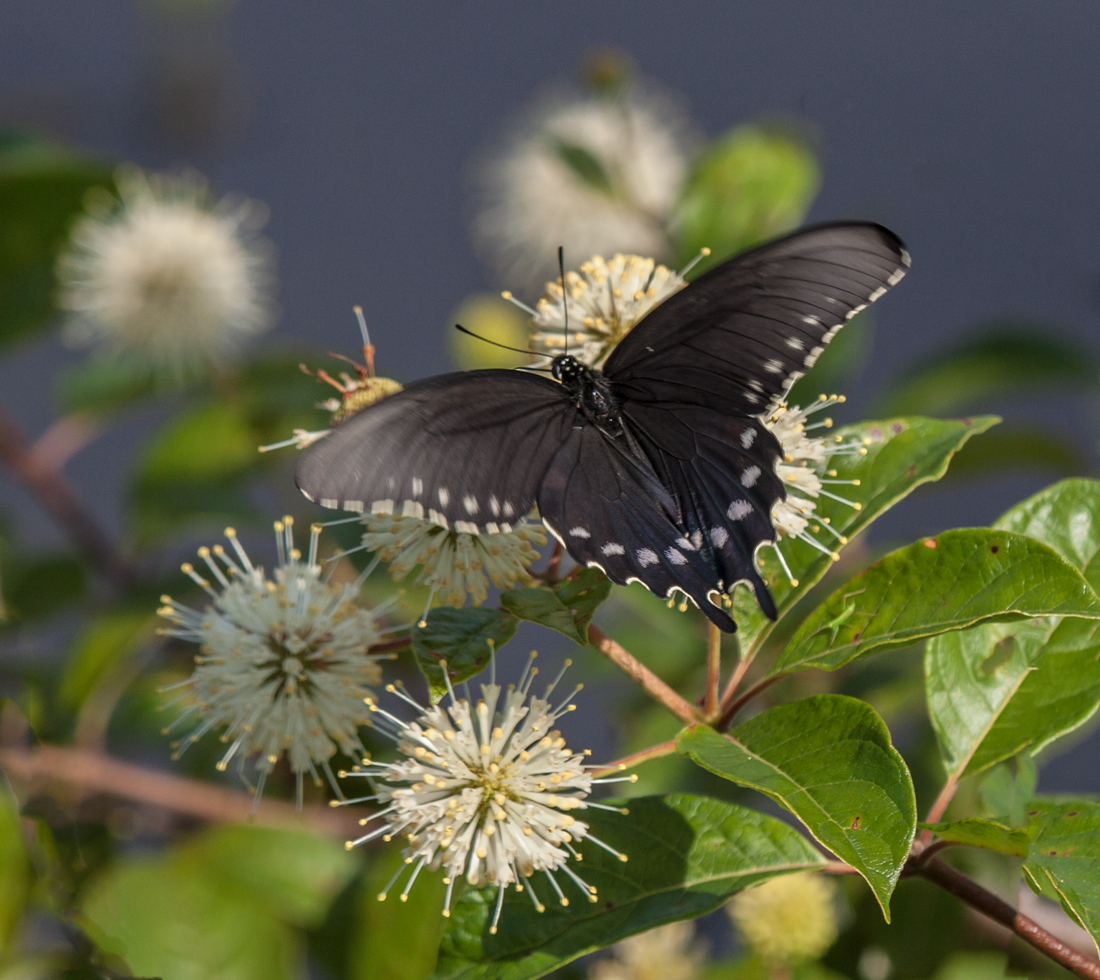
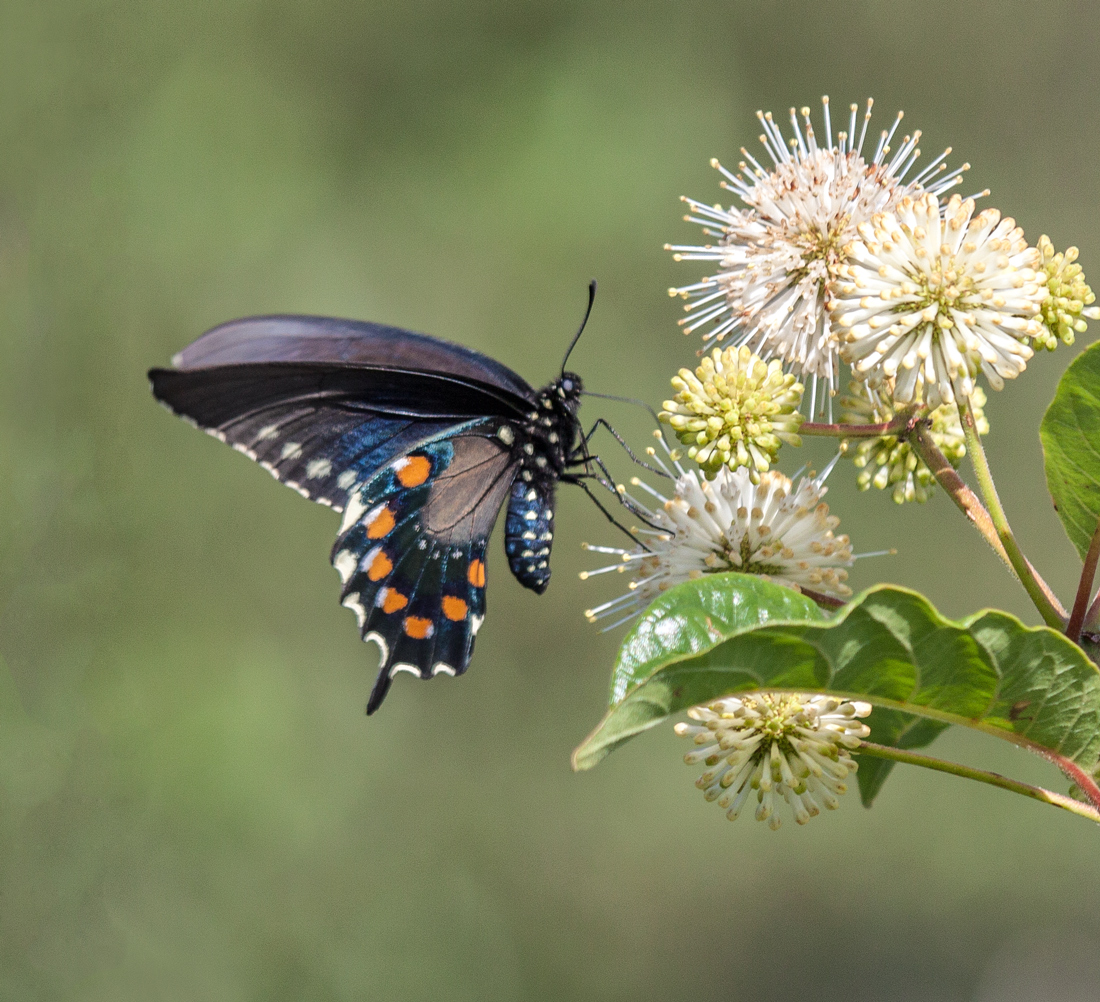
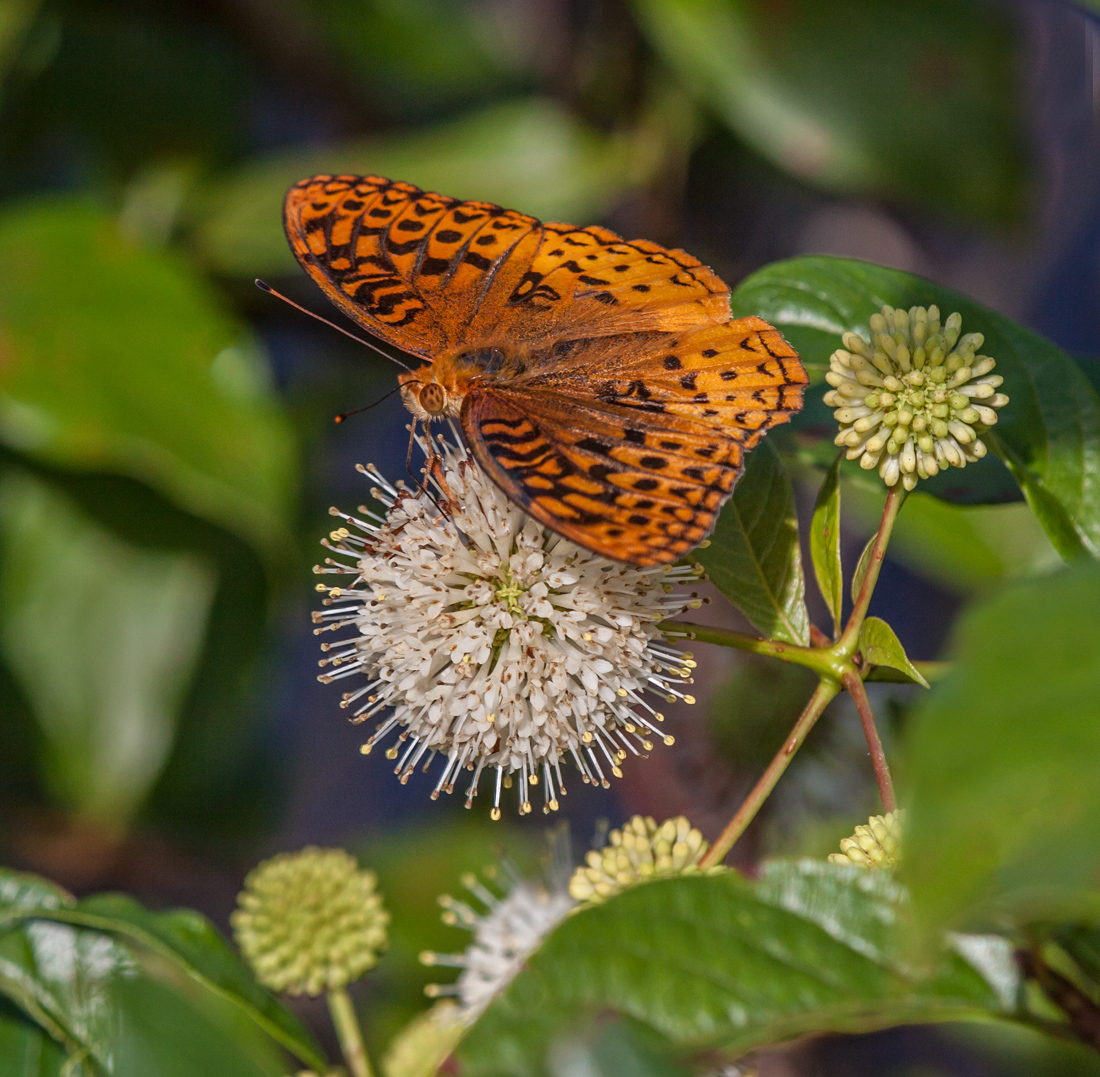
Buttonbushes are now blooming at my local marsh, attracting beautiful butterflies, including this Pipevine Swallowtail and this Great Spangled Fritillary.

I don’t know what it is about the Common Buttonbush (Cephalanthus occidentalis), but butterflies seem to find it irresistible. Several Pipevine Swallowtails (Battus philenor) flitted all around the bushes in frenetic motion, hardly every stopping to perch. The Great Spangled Fritillary (Speyeria cybele), however, seemed to take its time, lingering over each of the spiky spherical globes of the buttonbush.

pipevine2_blogpipevine1_blogspangled_bush_blog

© Michael Q. Powell. All rights reserved

Read Full Post »

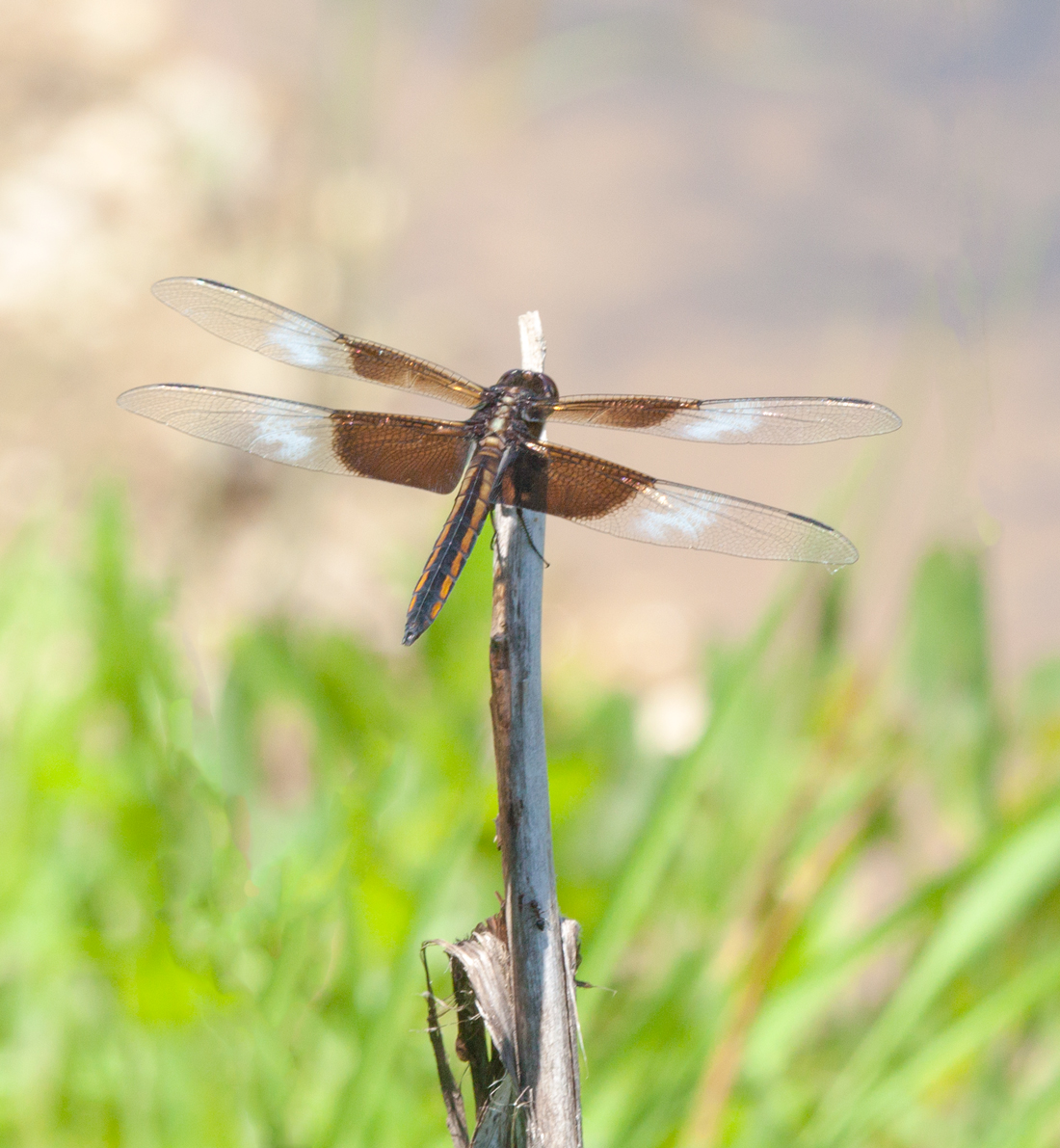
Although I usually try to get close up for my dragonfly photos, I am unusually pleased with this image I took yesterday of an immature male Widow Skimmer dragonfly (Libellula luctuosa), which has an artistic quality that is not always found in my close-ups.

For those who might be curious about the identification, the white on the wings indicates that it is a male (females have only dark blotches) and the yellow and black body indicates that it is immature,because adult males have bluish-colored bodies.

widow1_blog

© Michael Q. Powell. All rights reserved

Read Full Post »

Do you believe in unicorns? I spent part of yesterday chasing a flying unicorn, although it was the Unicorn Clubtail dragonfly (Arigomphus villosipes), not the one that looks like a horse.

Normally Unicorn Clubtails like to perch on flat surfaces, but this one chose to perch on a dead branch overlooking the muddy stream, allowing me to get a good look at it and a decent photograph.

Many people seem to like unicorns and rainbows. Now that I have captured a unicorn, I’m on the lookout for a rainbow–and it looks like it may rain later today.

unicorn1_blog

© Michael Q. Powell. All rights reserved.


Read Full Post »

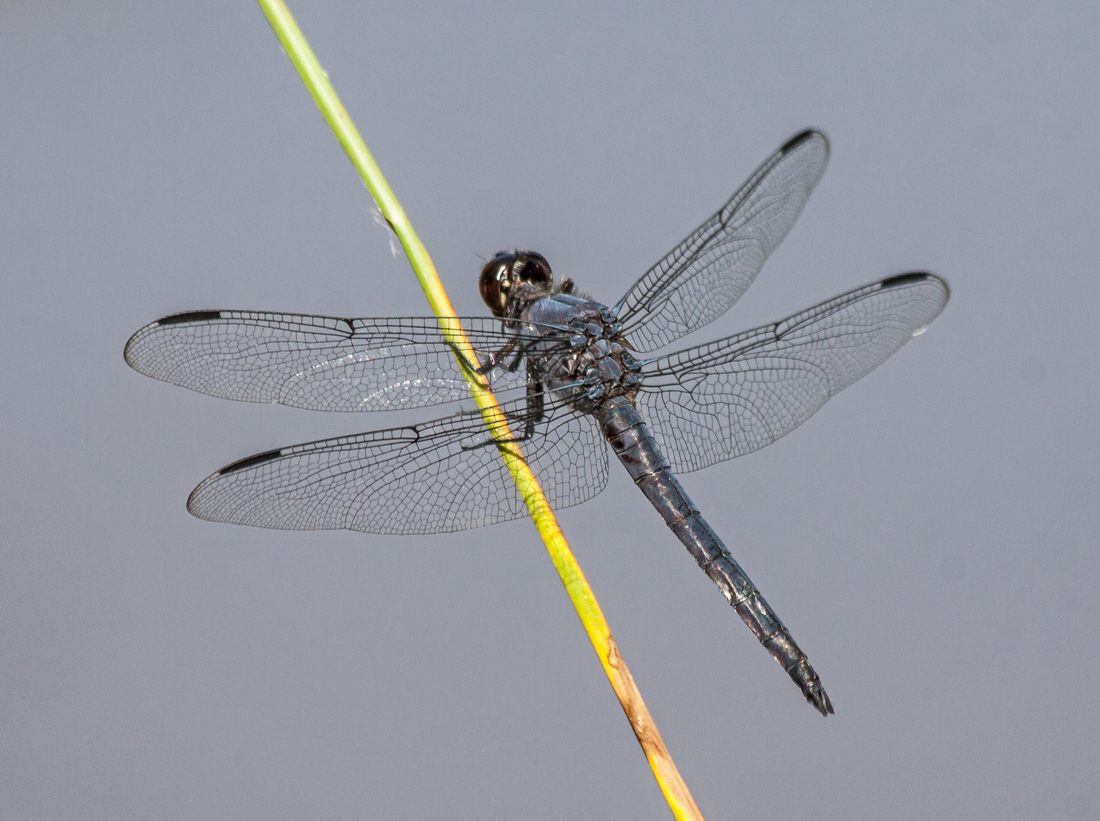
It’s prime season now for dragonflies and there are lots of them flying about. Some are brightly colored and gaudy, while others, like this Slaty Skimmer (Libellula incesta) that I encountered Tuesday at Huntley Meadows Park, have a more subdued and refined beauty.

I have been experimenting a bit with lenses and with camera settings as I chase after dragonflies. Although I often use my macro lens for this kind of shot, I took this one at 270mm of my 70-300mm telephoto zoom. I have been told that most telephoto lenses are a little soft at their extreme ends, so I pulled back a little from 300mm. Similarly, I shot this at f/10 to try to get a balance between sharpness and depth of field, while keeping the shutter speed high enough for me to easily handhold the camera.

Most of the time I use evaluative metering on my camera, but for most of my shots on Tuesday, I had the camera set for spot metering. In doing so, I realized quickly that I had to pay a lot more attention to the precise spot on which I was focusing, because that was going to play a disproportionate role in determining the exposure.

I realize, of course, that a lot of the choices will be situationally dependent, but it’s fun and instructive to try out new settings and combinations of settings in trying to improve the quality of my images. (Click on the image to see a higher resolution view of this dragonfly.)

slaty_skimmer1_blog

© Michael Q. Powell. All rights reserved.

Read Full Post »

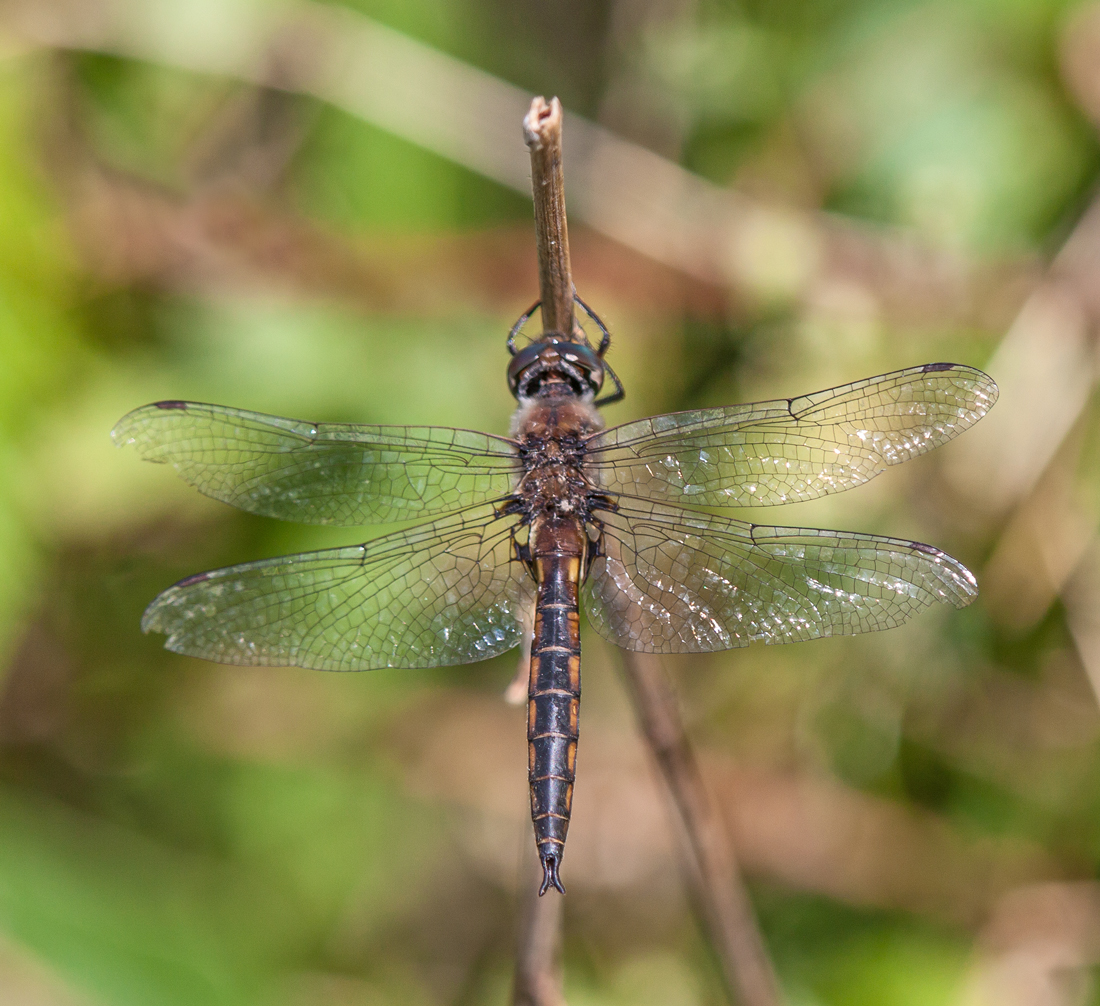
A few weeks ago, I did a posting with some close-up images of a Common Baskettail dragonfly (Epitheca cynosura), but one of my fellow photographers keeps reminding me that I have not posted any shots of the entire dragonfly, which it turns out is not all that common in our local marshland park.

This small collection of images highlights some of the notable features of the Common Baskettail dragonfly, including its beautiful blue eyes and unusual tail. I took these photographs a month ago (on 19 May), but I have fallen a bit behind on viewing and processing my shots.

baskettail1_blogbaskettail2_blogbaskettail3_blog

© Michael Q. Powell. All rights reserved.


Read Full Post »

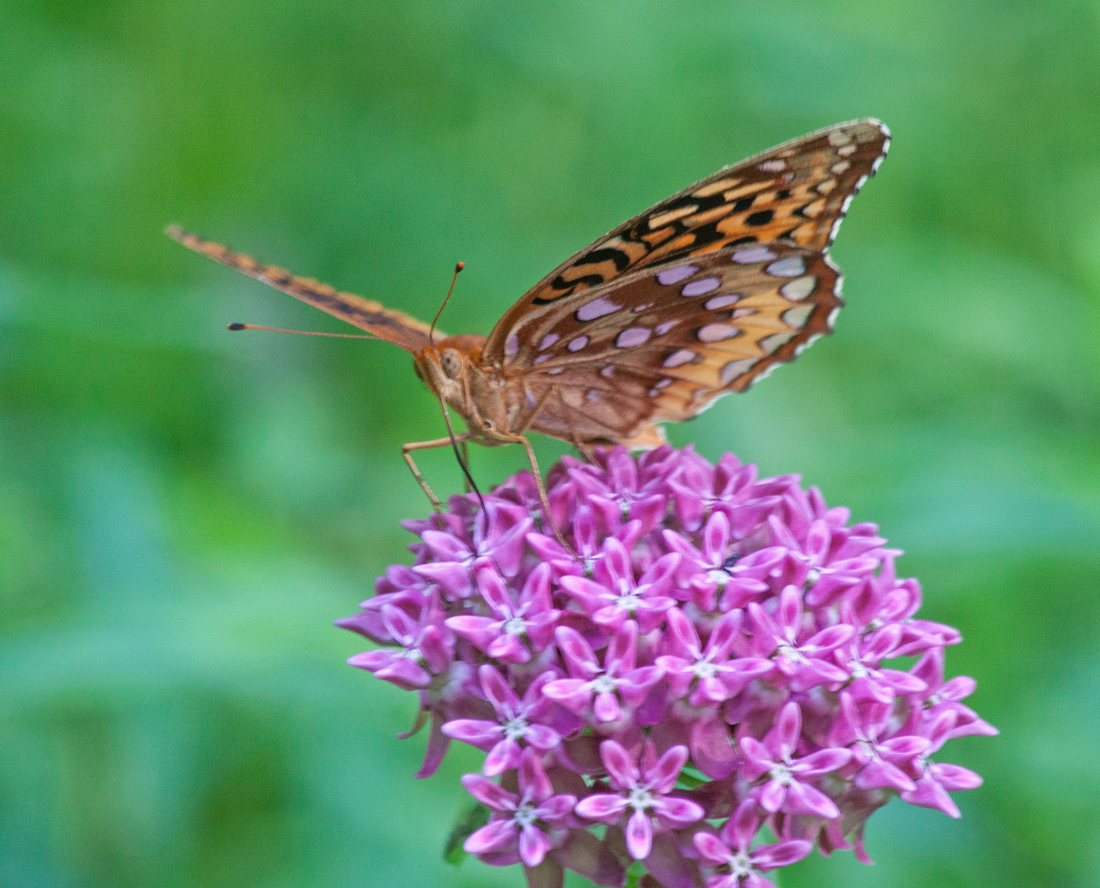
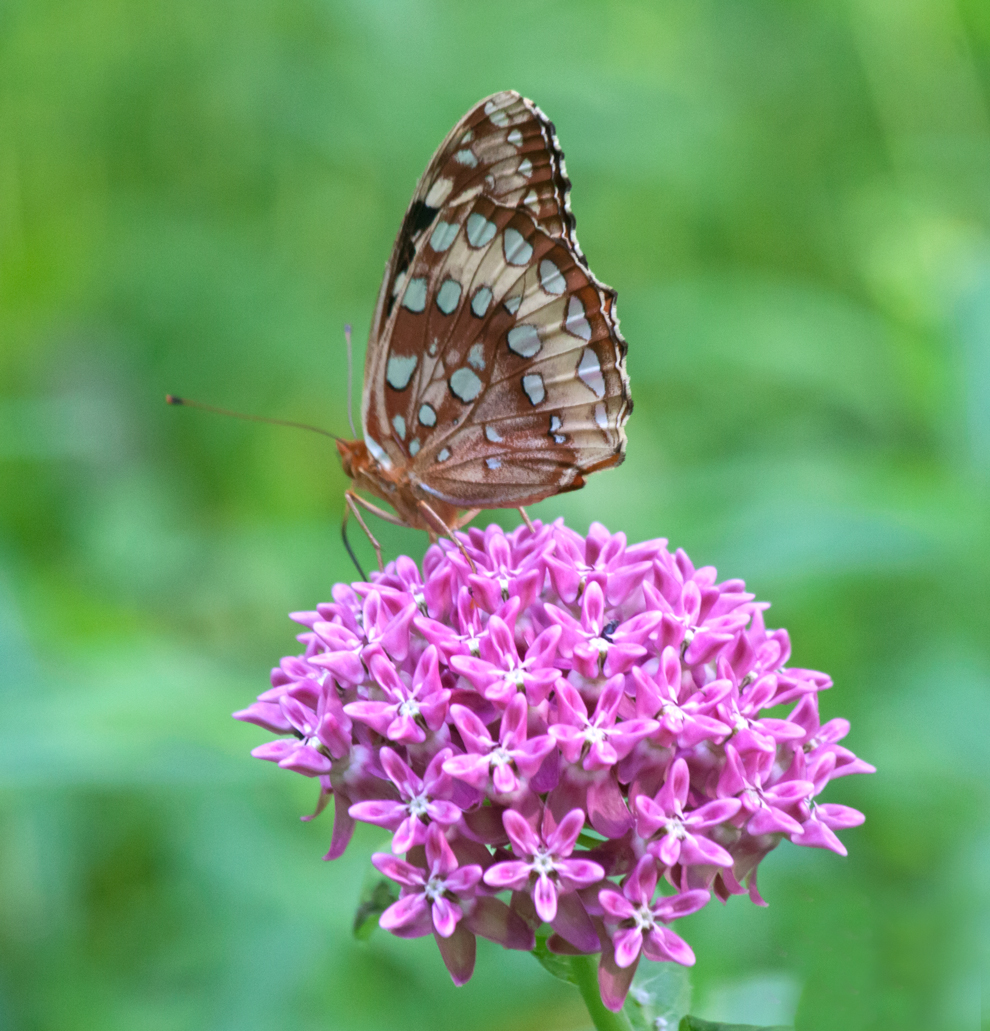
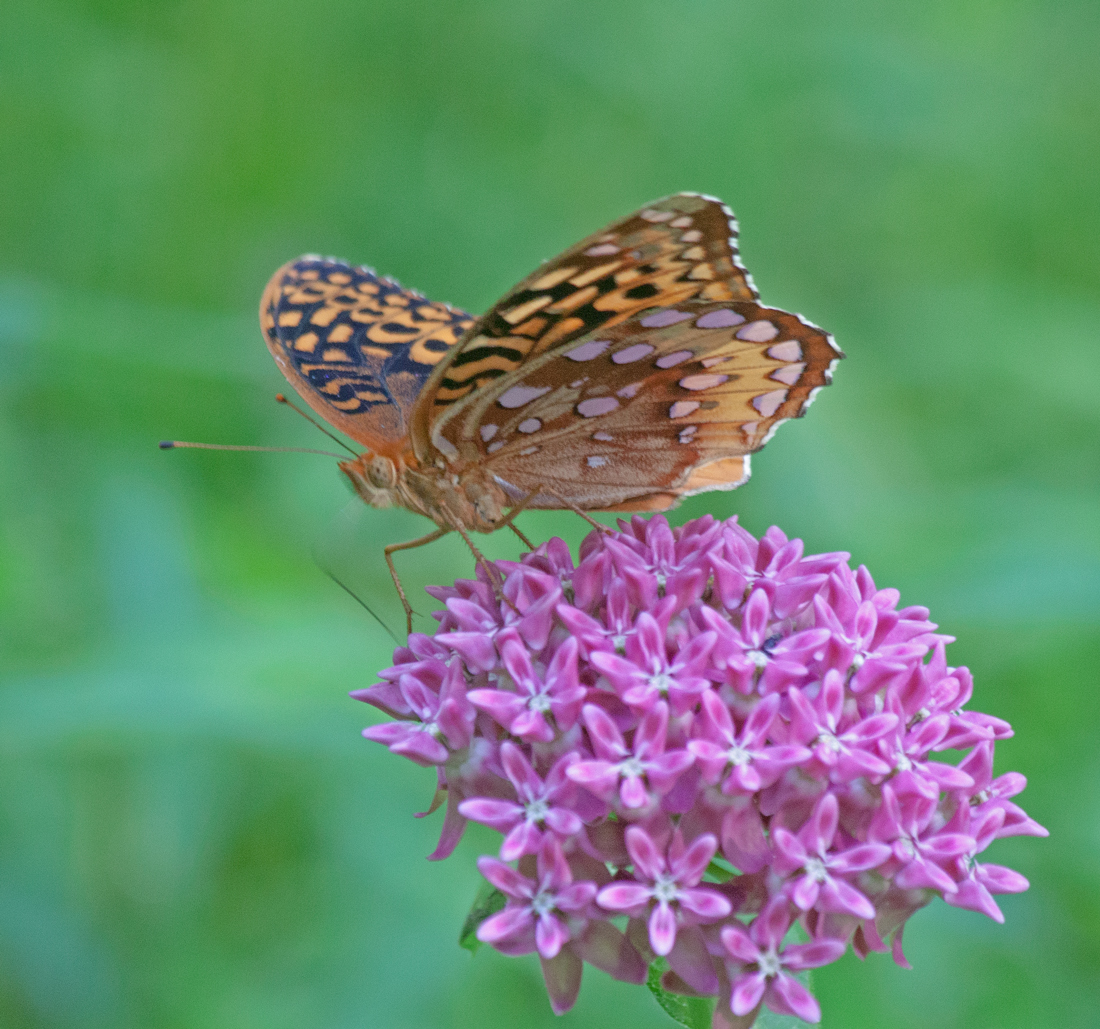
After a week and a half on the road, it was great for me to be able to return to my local marshland yesterday. I was thrilled to see that butterflies have reappeared, including Great Spangled Fritillary butterflies (Speyeria cybele). A group of about a half dozen or so of them kept returning to clusters of a pink-flowered plant that looks like a kind of milkweed, permitting me to get shots of the butterflies in various positions on the flowers.

spang_frit3_blogspang_frit1_blogspang_frit2_blog

© Michael Q. Powell. All rights reserved.

Read Full Post »
« Newer Posts - Older Posts »