Feeds:
Posts
Comments

Archive for October, 2026

I was delighted this past Tuesday to spot what I am pretty sure is a Blue-faced Meadowhawk dragonfly (Sympetrum ambiguum) during a visit to Occoquan Bay National Wildlife Refuge. The lighting was not that great when I took this shot, but the eyes of this dragonfly look to me like they are more blue than brown—if they were brown, then I would probably conclude that this was an Autumn Meadowhawk.

Whatever the case, it is still exciting for me to spot any dragonflies at all in the middle of October. For many people, Halloween is the time when they ask the question,”Trick or Treat?”—I got my “treat” a bit earlier this year.
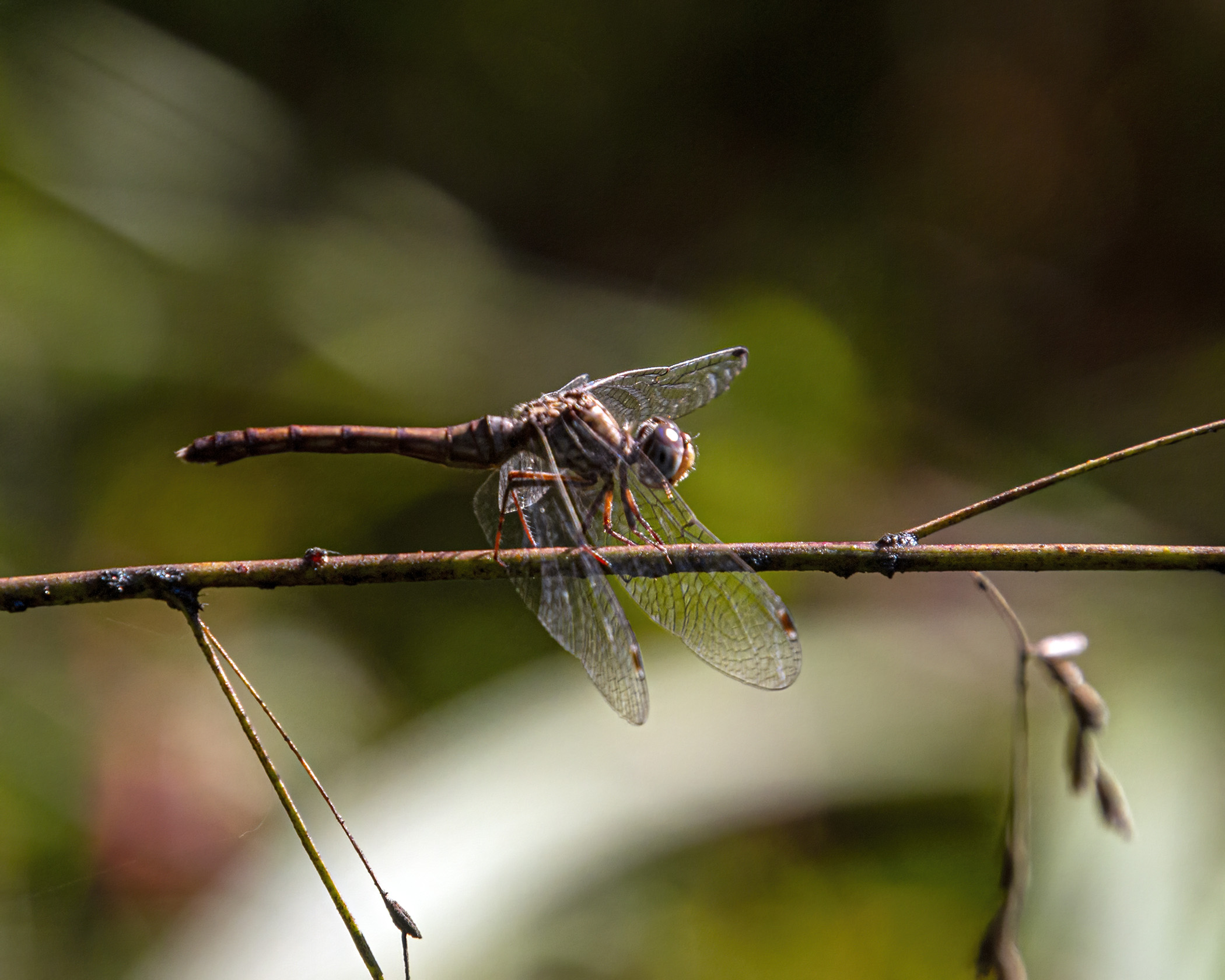
Blue-faced Meadowhawk

© Michael Q. Powell. All rights reserved.
Read Full Post »

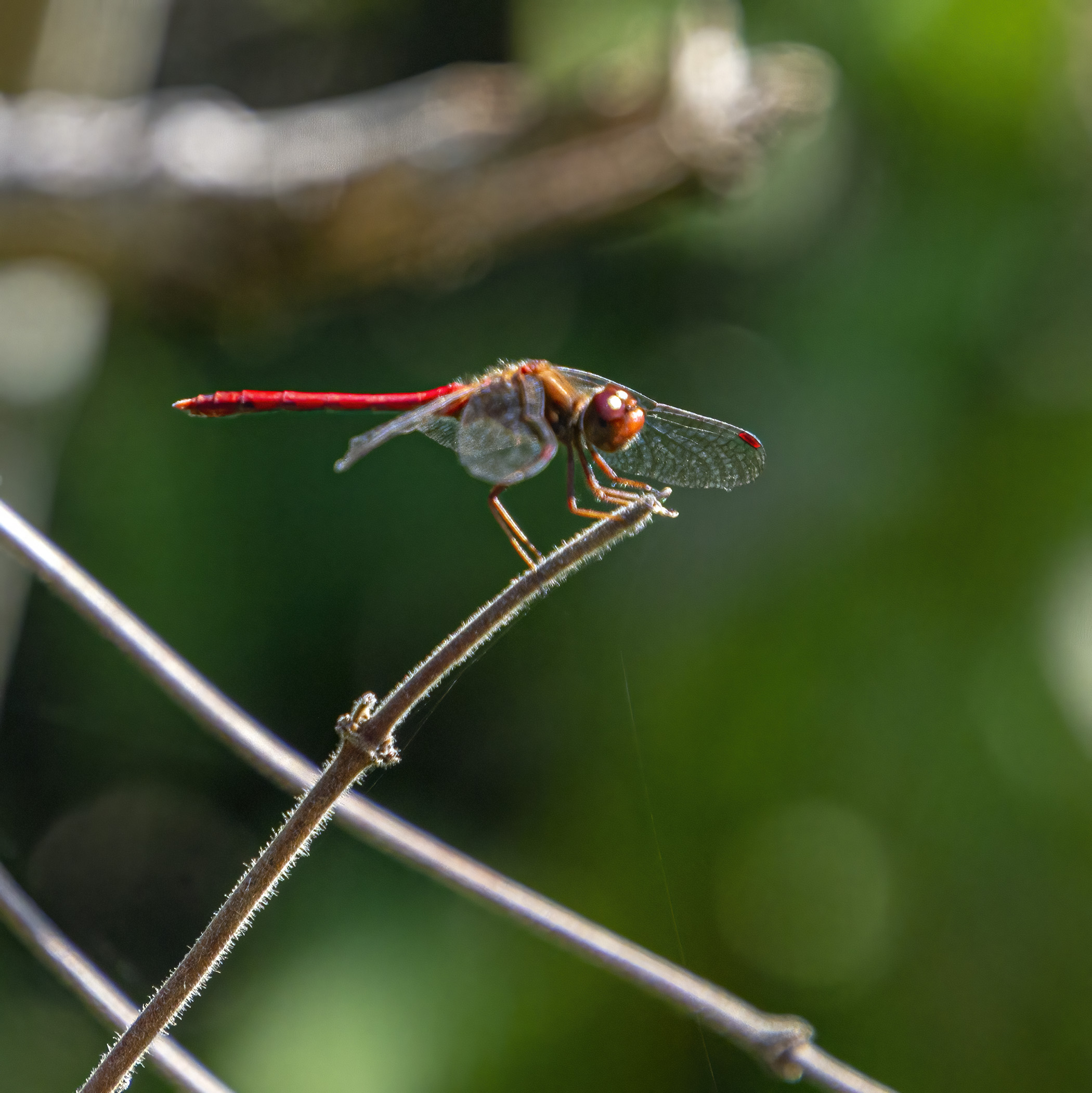
Yesterday (13 October) I spotted my first Autumn Meadowhawk dragonflies (Sympetrum vicinum) of the season during a visit to Occoquan Bay National WIldlife Refuge. This dragonfly species is generally the last one to disappear and in some past years I have spotted Autumn Meadowhawks as late as December.

Autumn Meadowhawks are relatively small dragonflies—a bit over an inch in length (26-35 mm)—and have bright red bodies, as you can see in this image that I captured yesterday. They are somewhat similar in appearance to to Blue-faced Meadowhawks, another autumn species that also have red bodies, but their eyes and “faces” are different colors—Blue-faced Meadowhawks have blue eyes and, as their name suggests, bluish faces, while Autumn Meadowhawks have brown eyes and tannish faces.

Autumn Meadowhawk

© Michael Q. Powell. All rights reserved.
 

Read Full Post »

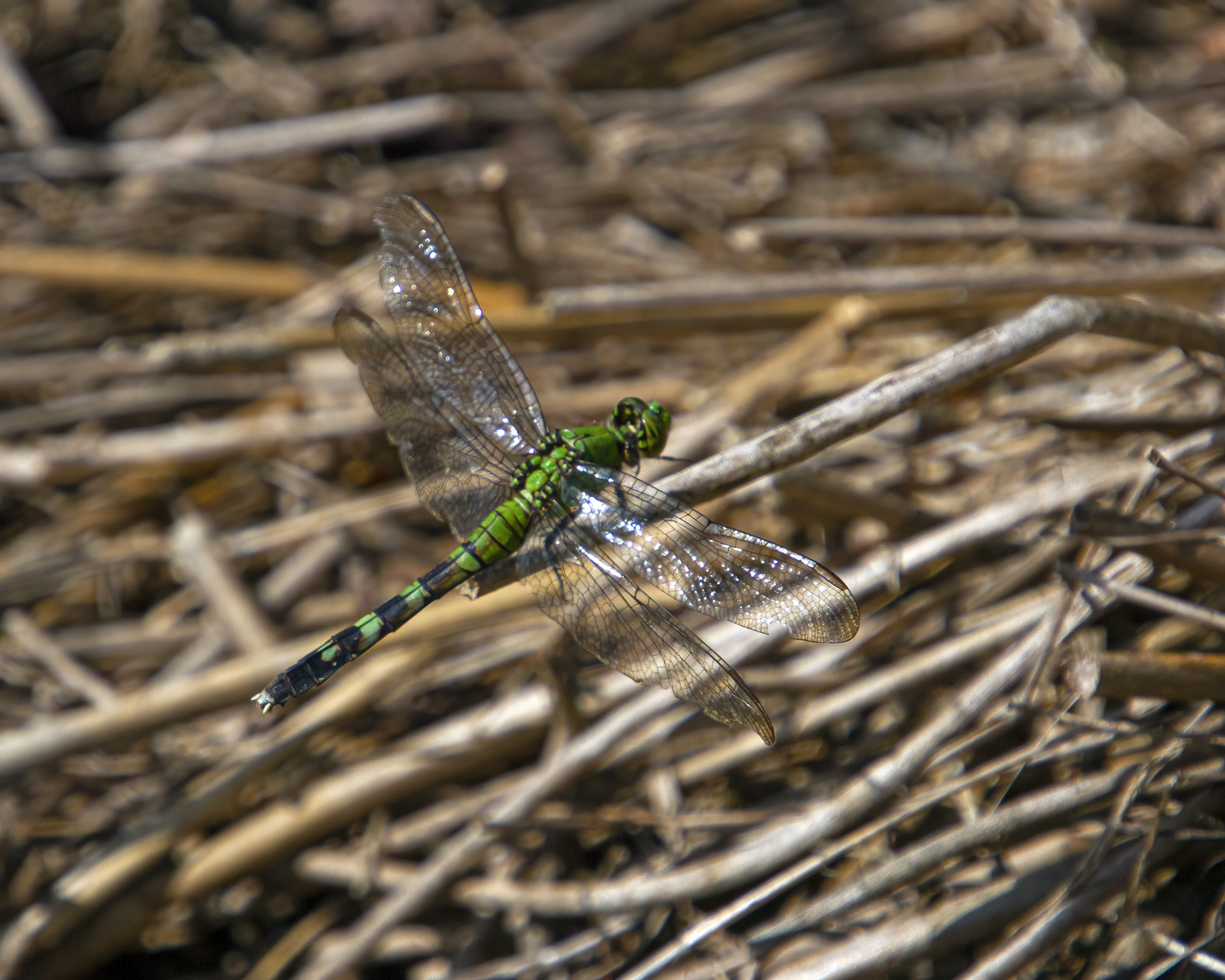
Earlier this month I went out with my camera to Occoquan Bay National Wildlife Refuge, looking for dragonflies that appear in the autumn, such as the Autumn Meadowhawk and the Blue-faced Meadowhawk. Alas, I did not spot any of these dragonflies with bright red bodies, but I was delighted to see that this striking female Eastern Pondhawk dragonfly (Erythemis simplicicollis) was still around.

Eastern Pondhawks are quite common in my area during the summer months, but are often difficult to see, because their emerald green bodies (for the females and immature males) tend to blend in with the abundant vegetation. That vegetation is starting to die off and dry out now, so I had no trouble tracking this dragonfly in the air and seeing when it landed. Achieving sharp focus was a bit more of a challenge, because my camera tended to focus on all of the various reeds and sticks in the background—I ended up shifting to manual focus to capture this image.

We are in a bit of a cloudy and rainy period right now, but I plan to go out again in the next week of so to search for the remaining dragonflies, many of which will be gone by the end of October.

Eastern Pondhawk

© Michael Q. Powell. All rights reserved.
Read Full Post »

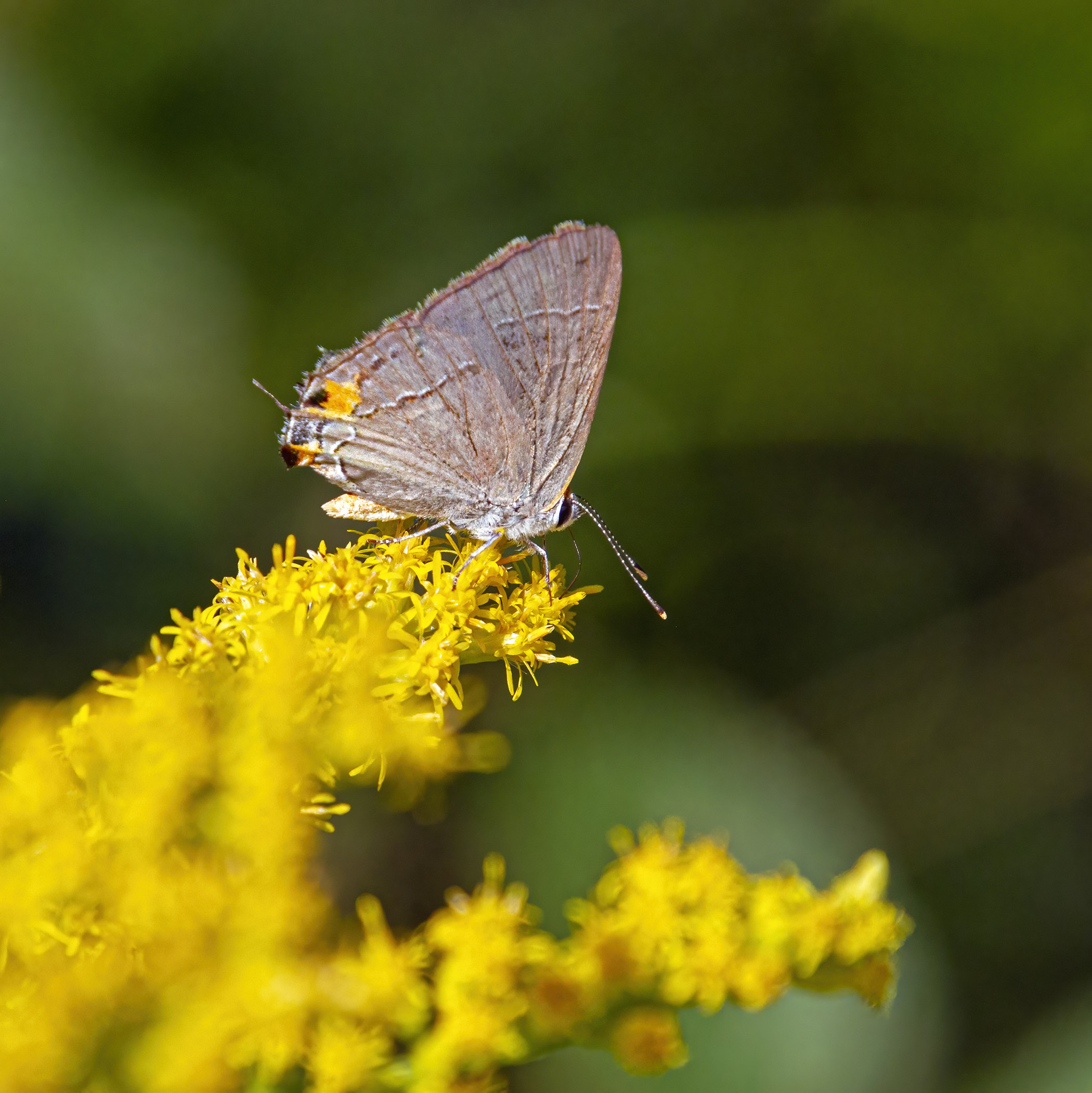
Last week at Occoquan Bay National Wildlife Refuge I managed to photograph this beautiful little Gray Hairstreak butterfly (Strymon melinus) as it was feeding on a flowering goldenrod plant. If you double click on the image you can see the extended proboscis, a hollow tube that the butterfly uses to suck in the nectar from the flowers. I was delighted also that I was able to capture tiny details, like the little tails of the hind wings and the colorful markings.

Many of the larger butterflies seem to be disappearing as we move deeper into autumn, but quite a few of these smaller butterflies are still active in my area.

Gray Hairstreak

© Michael Q. Powell. All rights reserved.
Read Full Post »

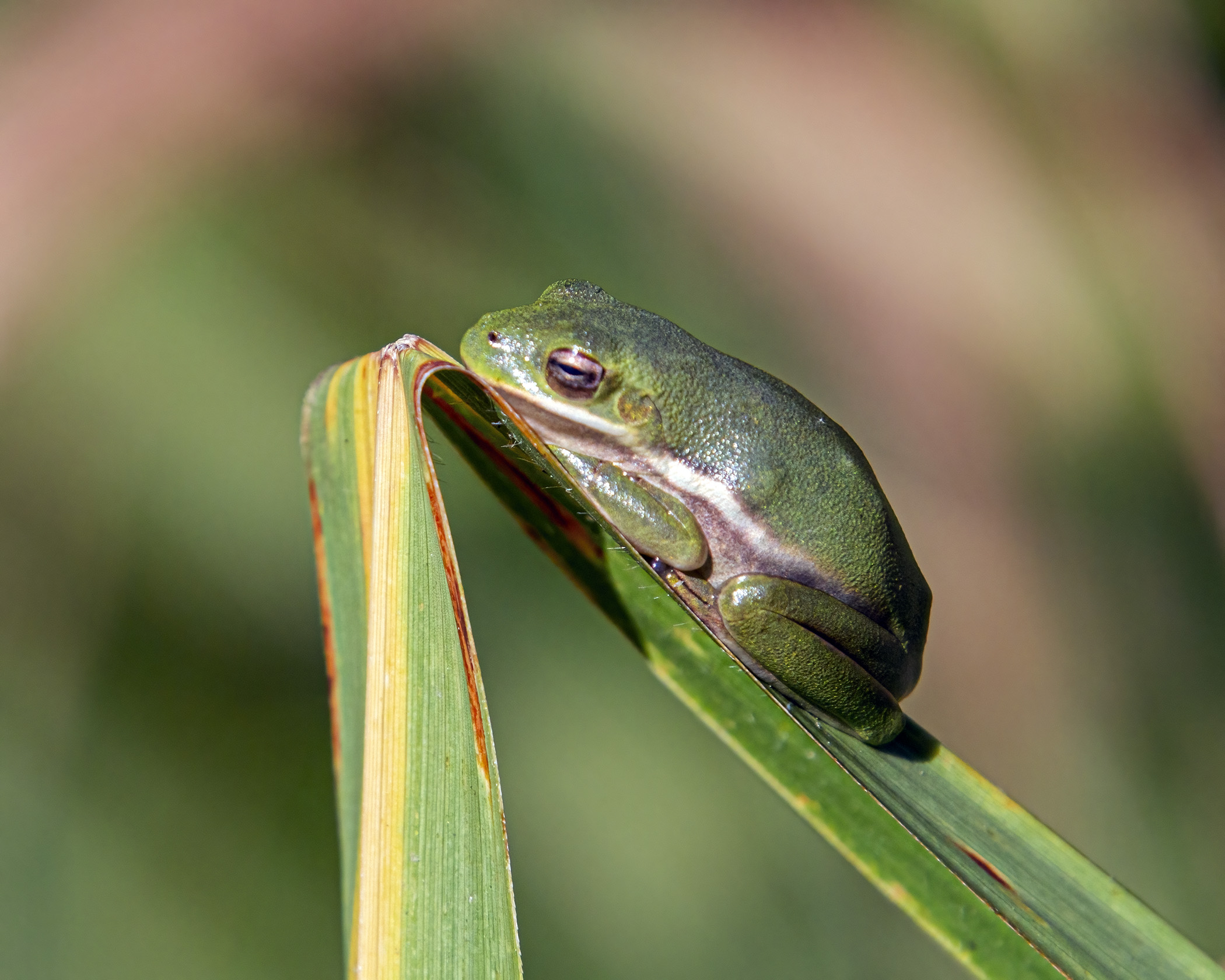
How do you spot subjects for your wildlife photographs? My eyes are generally attuned to movement and if a subject remains still, there is a pretty good chance I will not spot it as I scan my surroundings. I was thrilled, therefore, last Friday when I spotted this little Green Tree Frog (Drophytes cinereus) in the vegetation at the edge of a trail at Occoquan Bay National Wildlife Refuge. You can get a sense of how small and light the frog was if you look closely at the bent stem on which it is napping.

Somehow my eyes managed to pick out its shape as I was looking for dragonflies an other insects. I maneuvered around a bit to get this shot, but fortunately I did not disturb the little frog. As I understand it, this species is mostly nocturnal, so the frog really might have been sleeping. Tree frogs almost always look like they have sleepy eyes, so I can never tell for sure when they are actually sleeping—as far as I can tell, they do not snore.

Green Tree Frog

© Michael Q. Powell. All rights reserved.
Read Full Post »

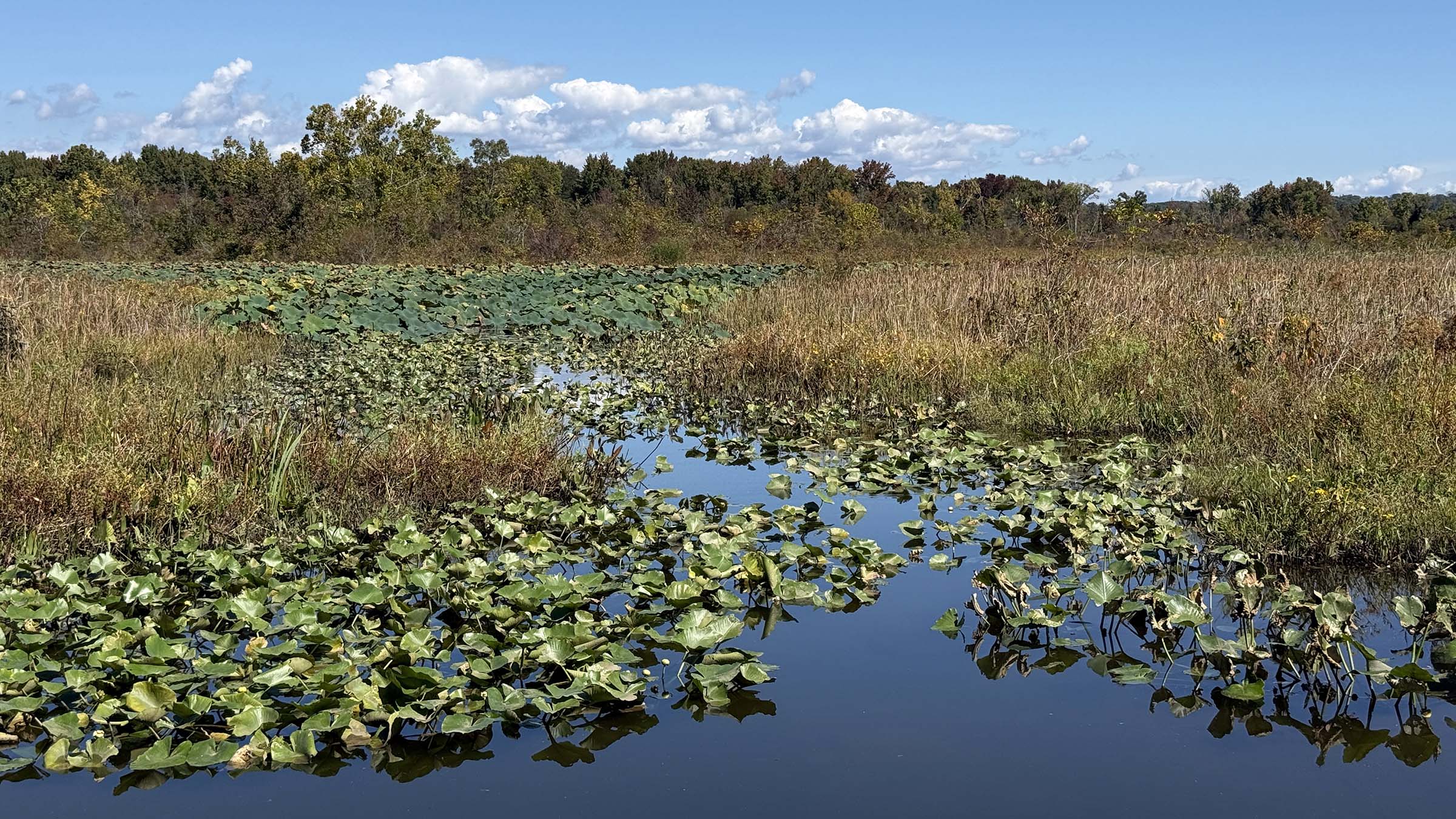
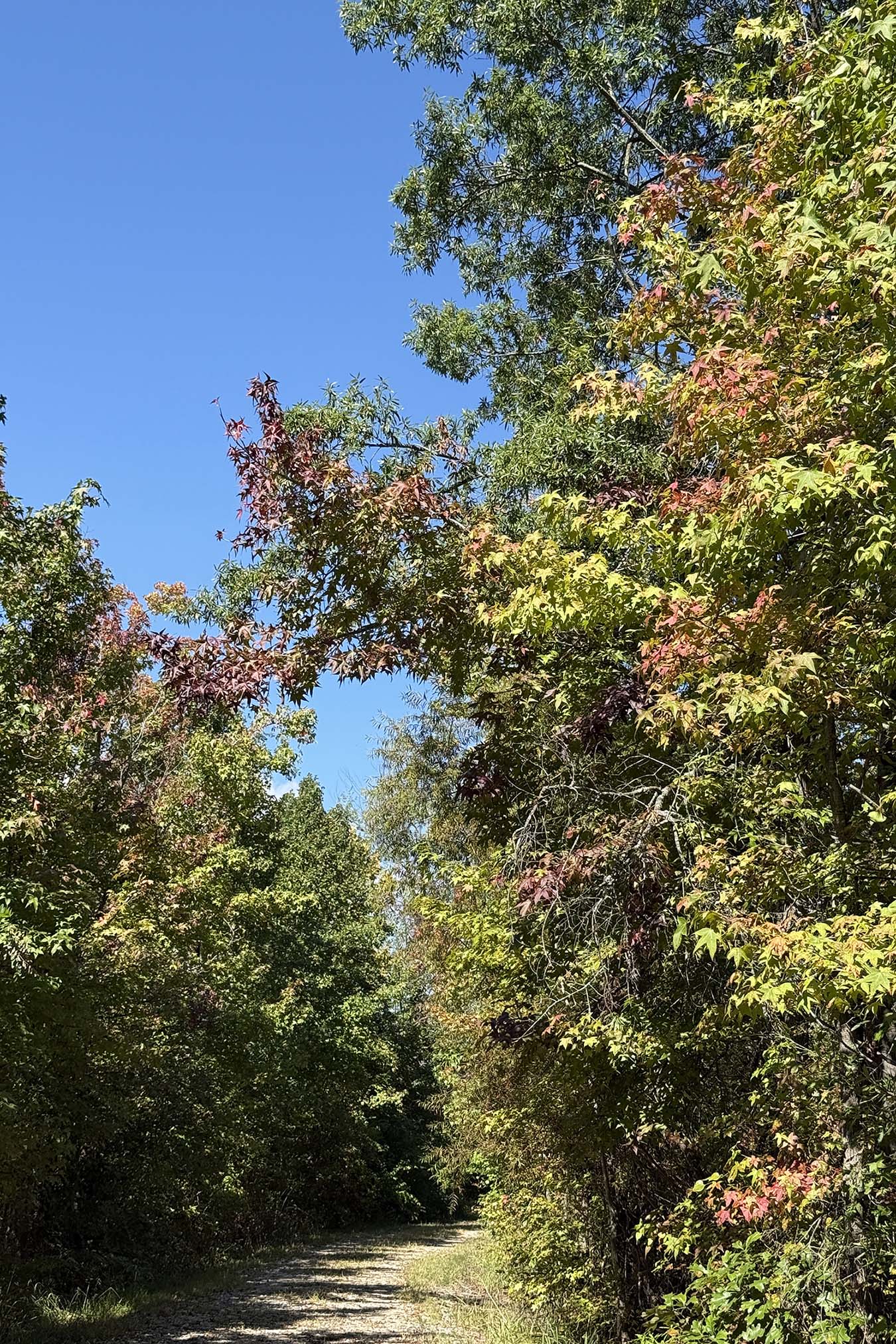
I was pleased to see a few pops of autumn color starting to emerge during a visit on Wednesday to Occoquan Bay National Wildlife Refuge. I grew up in New England and have memories of spectacular displays of colorful foliage. Unfortunately the fall colors in Northern Virginia are significantly more muted by contrast. Still, I really enjoy the changing season, when the nights are cool and the days are still warm.

Today is supposed to be another beautiful autumn day and I plan to spend a good part of it outdoors with my camera, hoping to capture a few photos of the remaining dragonflies.

autumn

autumn

Autumn

© Michael Q. Powell. All rights reserved.
Read Full Post »

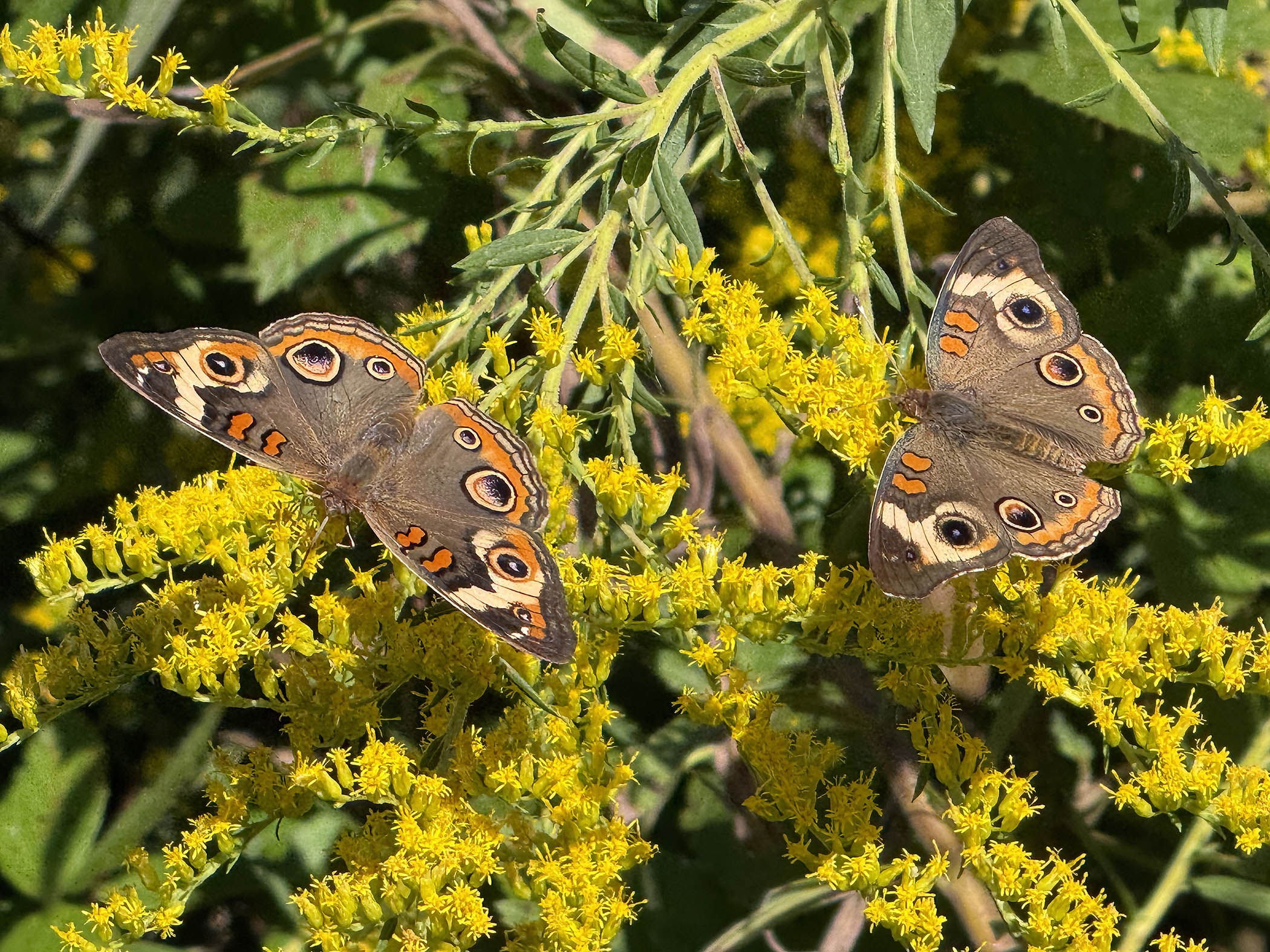
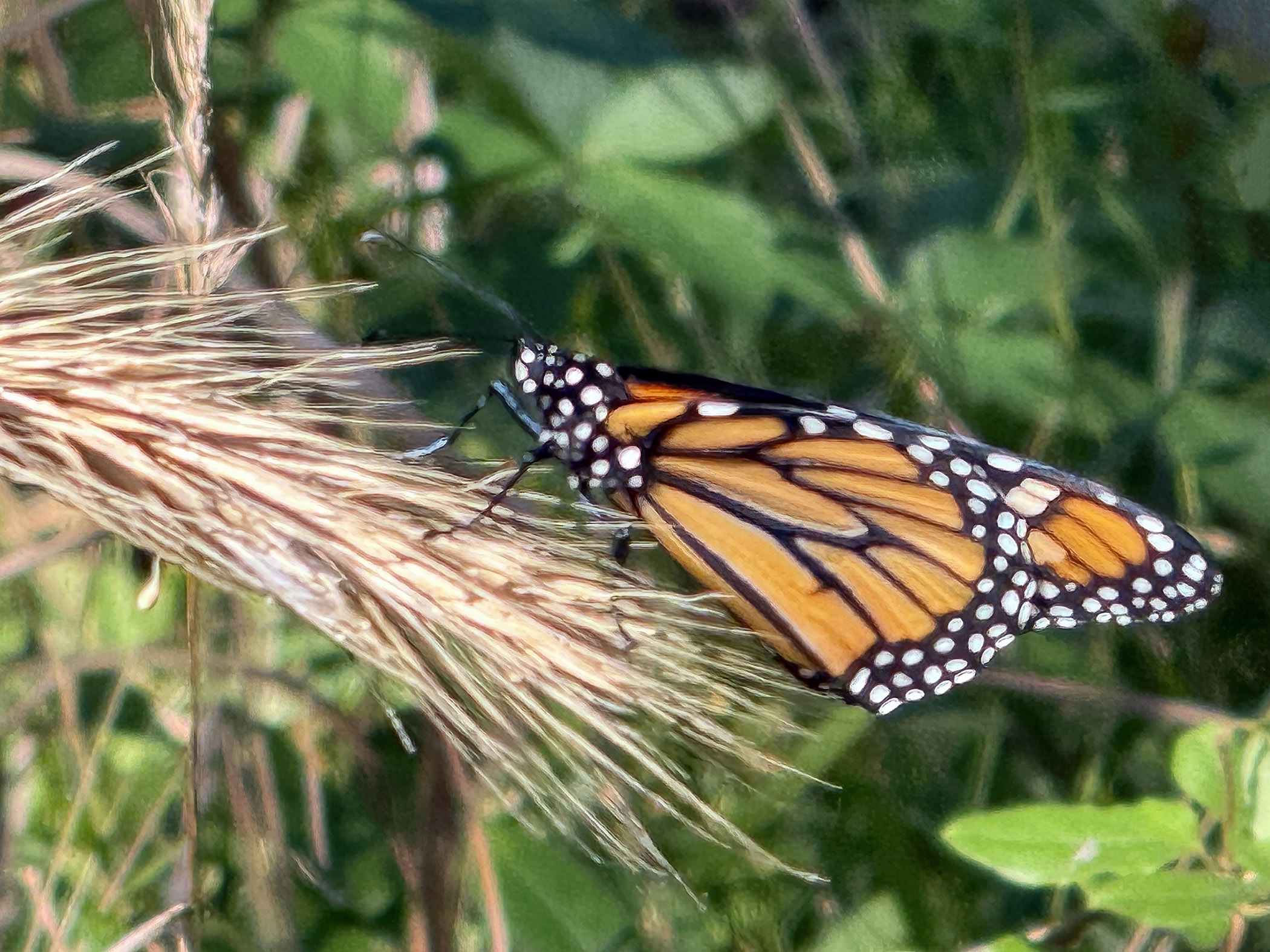
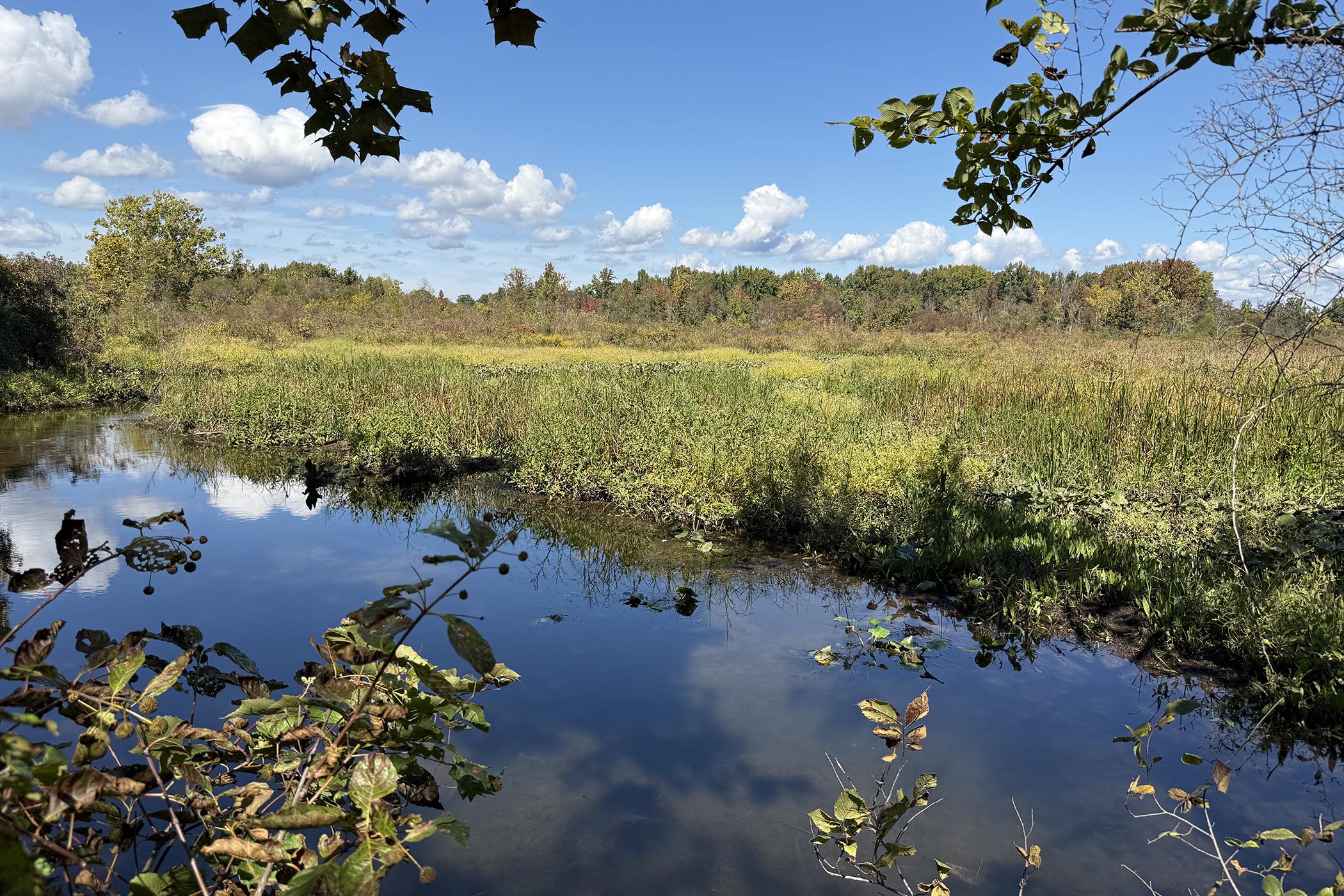
I was delighted yesterday (30 September) to spot this pair of Common Buckeye butterflies (Junonia coenia) feeding on some goldenrod (I think) plants at Occoquan Bay National Wildlife Refuge. I did not spot many dragonflies during my visit, but was delighted to see some many butterflies that were active in the abundant sunlight, including a Monarch butterfly (Danaus plexippus) that is probably passing through our area on a journey southward to a warmer location. I am including the shot of the Monarch in this posting because I love Monarch butterflies, though I note in passing that the shot is slightly out of focus.

Happy October!

Common Buckeye

Monarch butterfly

© Michael Q. Powell. All rights reserved.
Read Full Post »