Feeds:
Posts
Comments

Archive for the ‘Insects’ Category

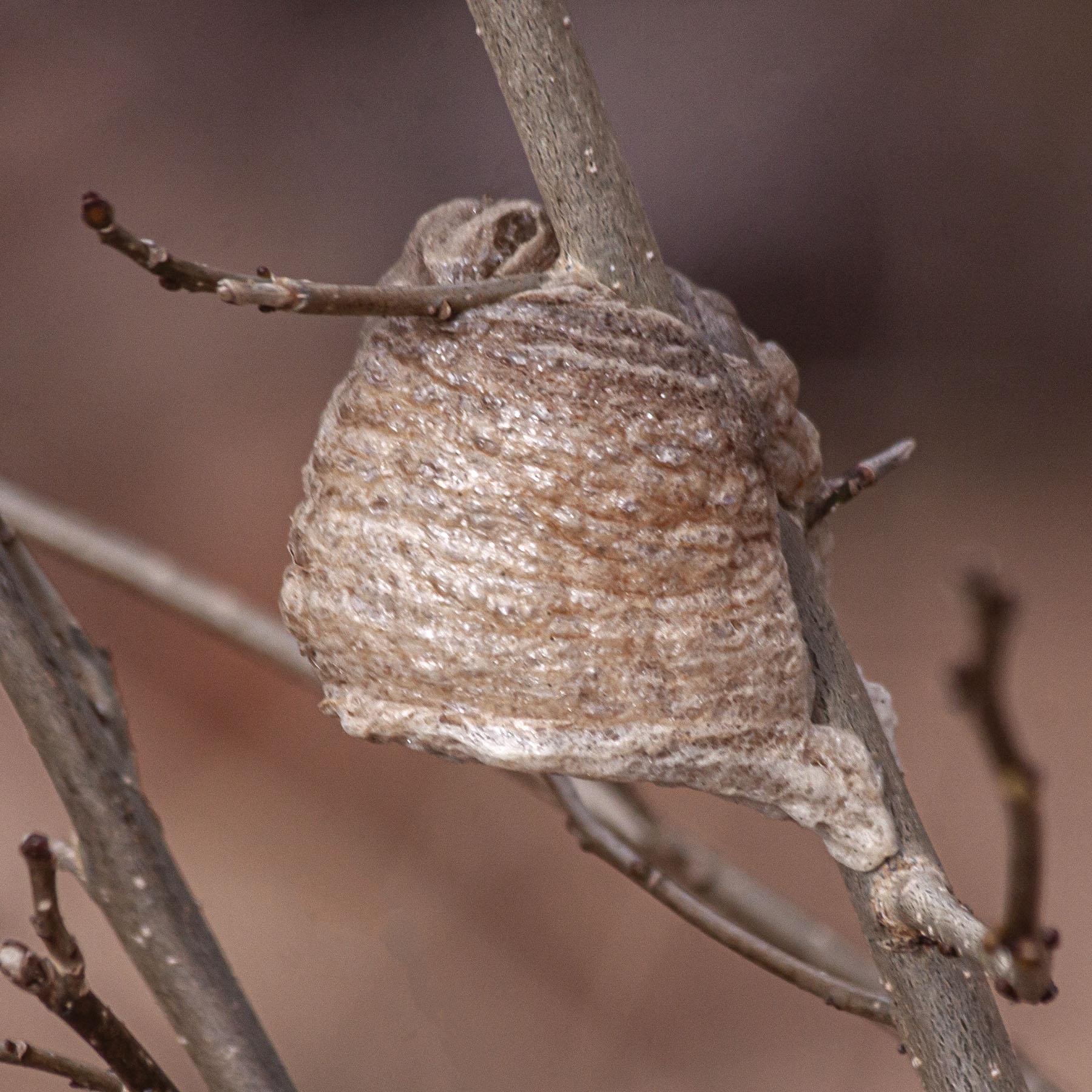
As I was exploring Occoquan Regional Park last week with fellow dragonfly enthusiast Walter Sanford, he pointed out a foamy-looking mass attached to the branches of a bush and asked me if I knew what it was. My first thought was that it was some sort of cocoon, but I had never seen one that looked like this. Walter informed me that it was an ootheca and when I continued to look at him with a blank stare, he explained that an ootheca is an egg case for a praying mantis, in this case most likely a Chinese mantis (Tenodera sinensis sinensis).

I did a little research on-line and learned more about oothecae in an article on the Thoughtco.com website.

“Soon after mating, a female praying mantis deposits a mass of eggs on a twig or other suitable structure. She may lay just a few dozen eggs or as many as 400 at one time. Using special accessory glands on her abdomen, the mother mantis then covers her eggs with a frothy substance, which hardens quickly to a consistency similar to polystyrene. This egg case is called an ootheca.”

Several articles warned readers against collecting one of these egg masses. Apparently indoor heat may cause the tiny mantises inside to think it is spring and you may suddenly find yourself with 400 new additions to your household.

ootheca

ootheca

© Michael Q. Powell. All rights reserved.

Read Full Post »

It is not yet dragonfly season, so I have no new photos of these amazing aerial acrobats. However, when I was searching for some other photos yesterday, I came across these images that I had worked up last May and had never posted. I sometimes get so focused on getting new photos that I forget about the older ones, which is why I usually try to do postings as soon as I can after a sighting.

Arrowhead Spiketails (Cordulegaster obliqua) are pretty uncommon in my area, but I was familiar with their appearance because I had seen one only a few days earlier when exploring a different location with fellow blogger and dragonfly enthusiast Walter Sanford (for more information on the earlier sighting, see my May 27, 2019 posting Female Arrowhead Spiketail dragonfly)

I spotted this dragonfly in the air as I was walking along a trail at Occoquan Regional Park and watched it land on some nearby vegetation. As I approached, it was easy for me to see the distinctive arrowhead pattern of the abdomen for which this species is named. Like other spiketails, Arrowhead Spiketails perch by hanging vertically or at an angle. This particular dragonfly, which happens to be a male, was quite cooperative and let me get close enough to get the portrait-style shot that you see as the second image below.

It will be at least two months before some of the early dragonfly species start to appear in our area. Unlike many summer species that are habitat generalists and are numerous for months on end, spring dragonfly species tend to be found in small numbers in very specific habitats for a limited period of time. Hopefully this posting—a flashback to last May—is a preview of coming attractions.

Arrowhead Spiketail

Arrowhead Spiketail

© Michael Q. Powell. All rights reserved.

Read Full Post »

A week ago I did a retrospective posting on some of my favorite photos from the first half of 2019 and alerted readers that a second posting would appear “in the next few days.” Here at last is part two—click here if you missed the first installment. As was the case in the initial posting, I went through my postings month by month and selected two photos for each month. I have provided a link to the individual postings in the captions of the photos to make it easier for interested readers to see the images in the context of the original postings, which often include additional photos and explanatory information.

If you look carefully at the dates, you may notice that I did not include any photos from November in this posting. As many of you may recall, I was in Paris for three weeks in November. After my first posting, one reader suggested that I do a separate posting for Paris, rather than be forced to select two photos from the many that I posted of my adventures in Paris. I decided to follow that recommendation, so hopefully there will be  a third and final posting of my look back at 2019 sometime “soon.”


Sable Clubtail

Sable Clubtail dragonfly, July 6, 2019 Sable Clubtail

Halloween Pennant

Halloween Pennant dragonfly July 31, 2019 Perching Halloween Pennant

Osprey

Osprey, August 3, 2019, No sushi for me

Eastern Ringtail

Eastern Ringtail dragonfly, August 5, 2019 Getting down with an Eastern Ringtail


crab spider

Crab spider, September 7, 2019, White-banded Crab Spider

Handsome Meadow Katydid

Handsome Meadow Katydid September 10, 2019 My favorite insect?


Blue-faced Meadowhawk

Blue-faced Meadowhawk dragonfly, October 2, 2019 Blue-faced Meadowhawk in October

Bald Eagle

Bald Eagle October 16, 2019 Bald Eagle Takeoff

Hooded Merganser duck December 7, 2019 Hoodie Season

Pied-billed Grebe

Pied-billed Grebe December 24, 2019 Portrait of a Pied-billed Grebe


© Michael Q. Powell. All rights reserved.
Read Full Post »

At the end of each year I am faced with a decision about whether to do a review of the year and/or select my favorite photos. Some years I have done a selection based on the number of views received; some years I have chosen my personal favorites; and some years I have opted to do no yearly retrospective whatsoever.

This year I went through my postings month by month and selected two photos for each month. Rather than give an explanation for each selection, I have provided links to the postings themselves to make it easier for interested readers to see the images in the context of the original postings that often include additional photos and explanatory information.

This has been a rewarding year for me in so many ways and I have had a lot of wonderful experiences capturing images. Thanks so much to all of you for your support and encouragement. Stay tuned for part two, which should appear in the next few days.


Northern Cardinal

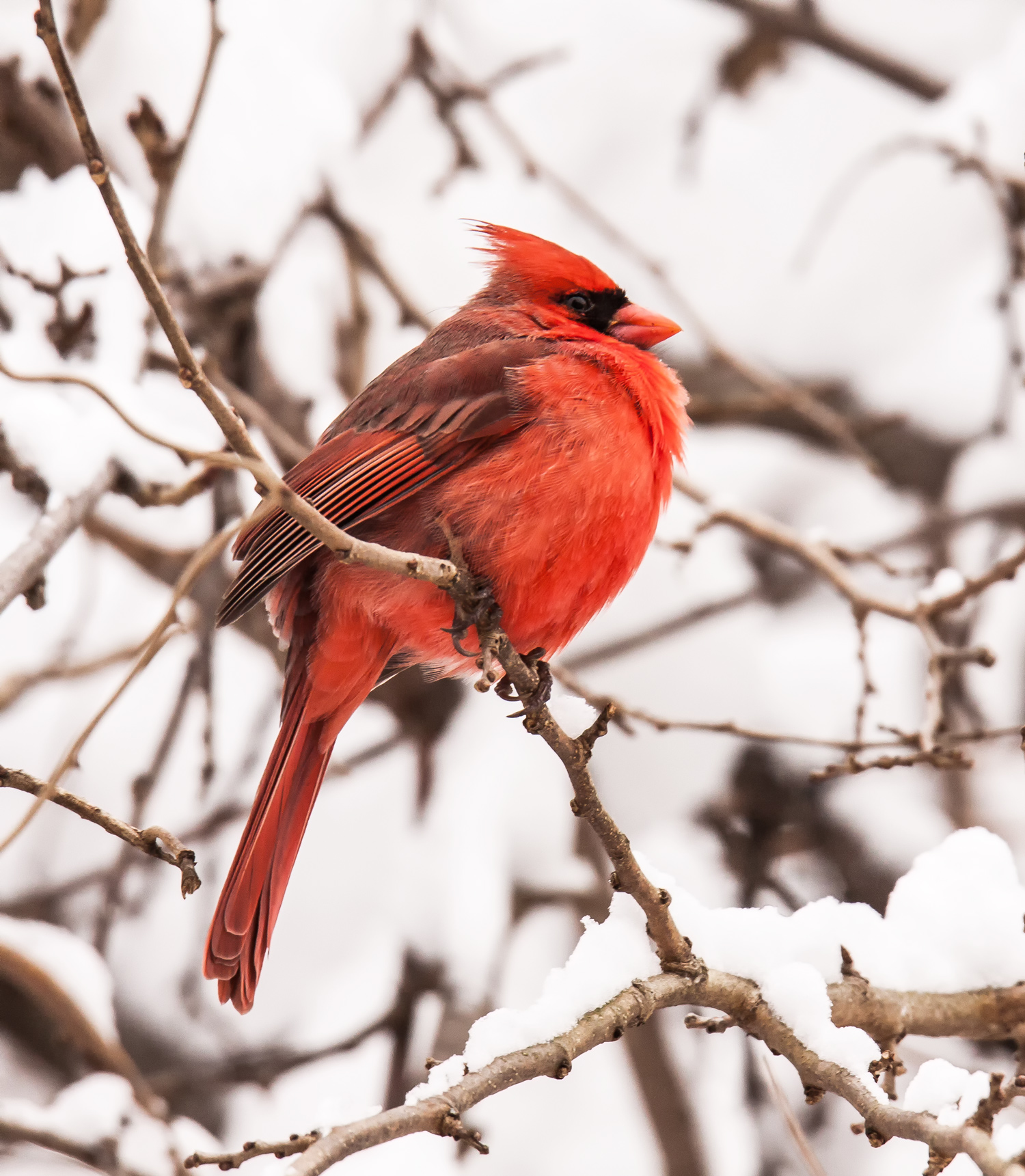
January 16, 2019 Cardinal in the snow (https://michaelqpowell.com/2019/01/16/cardinal-in-the-snow-3/


winter sunrise

February 4, 2019 Reflected sunrise colors (https://michaelqpowell.com/2019/02/04/reflected-sunrise-colors/)


mountains in Germany

February 22, 2019 Mountain views in Germany (https://michaelqpowell.com/2019/02/22/mountain-views-in-germany/)


Northern Mockingbird

March 30, 2019 Mockingbird seeking seeds (https://michaelqpowell.com/2019/03/30/mockingbird-seeking-seeds/)


Uhler's Sundragon

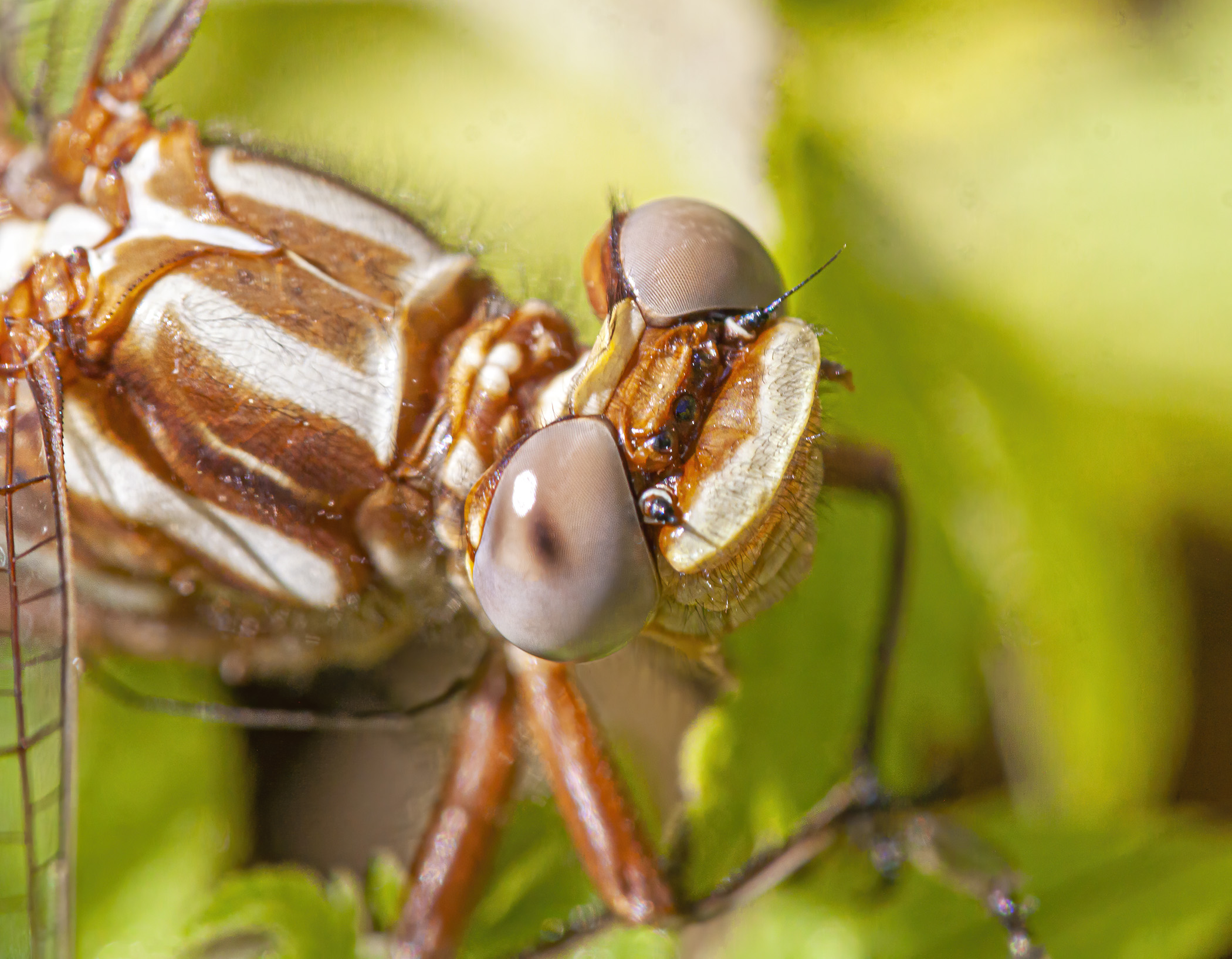
April 12, 2019 Uhler’s Sundragon dragonfly (https://michaelqpowell.com/2019/04/12/uhlers-sundragon-dragonfly/)


Hummingbird Clearwing Moth

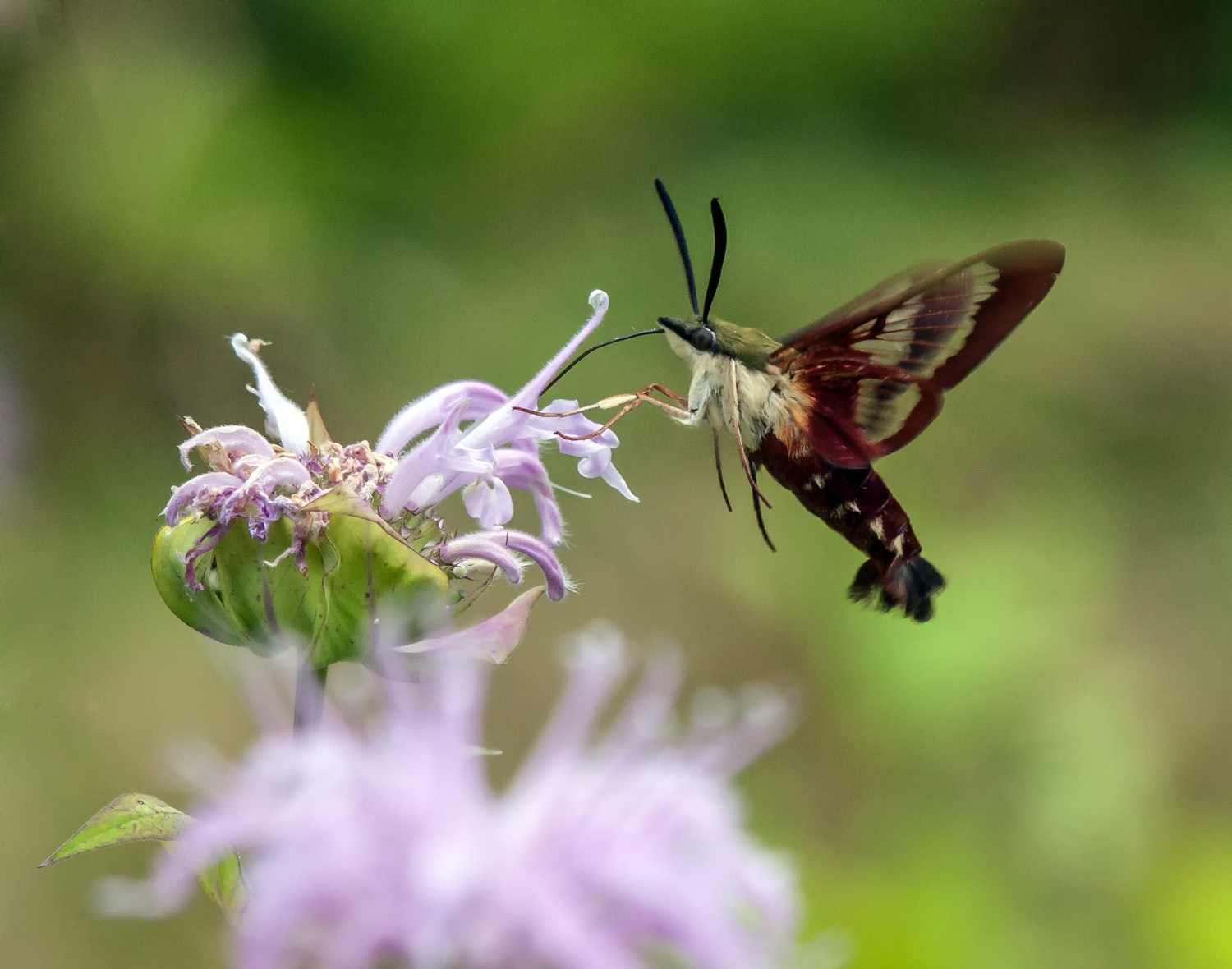
June 24, 2019 Hummingbird Moth (the posting was on 2 July, but the photo was taken on June 24) (https://michaelqpowell.com/2019/07/02/hummingbird-moth/)

© Michael Q. Powell. All rights reserved.


Read Full Post »

As I was going through my photos again from last week I came upon this image of an Autumn Meadowhawk dragonfly (Sympetrum vicinum) that I had spotted at Occoquan Bay National Wildlife Refuge. I already posted another shot of this dragonfly species from that day, but I like this shot even more, because it shows some of the details of the leaves on which the little red dragonfly was perched. I think the leaves help to give a better sense of the environment and emphasize the “autumn” in the name of the species.

Autumn Meadowhawk

© Michael Q. Powell. All rights reserved.

Read Full Post »

I was thrilled yesterday to spot almost a dozen Autumn Meadowhawk (Sympetrum vicinum) dragonflies at Occoquan Bay National Wildlife Refuge. These hardy little red dragonflies are always the last ones of the season and they often hang on until December. In some years they have even been spotted in early January.

When I explored the exact same area on Wednesday, I did not see a single one of these dragonflies. Why? Wednesday was heavily overcase, but yesterday the sun was shining brightly. Every single Autumn Meadowhawk that I saw was basking in the sun, perched on fallen leaves or logs. The sun seems to warm them up enough so that they can fly a bit, though I wonder if they manage to find anything to eat, given that there are almost no other insects flying.

So this year’s dragonfly season continues for at least a little while longer. As I search in the trees for birds, I will continue to look down as well, hopeful of spotting one of these beautiful aerial acrobats.

Autumn Meadowhawk

Autumn Meadowhawk

© Michael Q. Powell. All rights reserved.

Read Full Post »

Those of you who know me well are probably surprised that I have not yet posted an insect photo from Paris. I have chased after a few hornets and flies, but came up pretty much empty-handed. Yesterday, however, I came upon this cool little ladybug on top of a pole blocking off a pedestrian zone and finally captured an urban insect photo worth posting.

All things considered, the ladybug was quite cooperative. She—the ladybug might be a male, but the name causes me to assume it is a female—crawled around the spherical surface on the top of the pole, giving me a number of different views. I do not have a true macro lens with me, but I do have a 24mm lens that is sharp and lets me get pretty close.

I initially tried shooting downward at the ladybug, but the results were not very exciting. When I bent down so I was at eye-level or maybe slightly lower, I got a cool, out of focus street background that I really like.

I do not know enough about ladybugs in France to know if this is a domestic one or is a foreign visitor—there are certainly plenty of those in Paris, present company included.


ladybug in Paris

© Michael Q. Powell. All rights reserved.

Read Full Post »

Many people associate the color red with autumn because of the brilliant foliage that the season brings forth in places like New England. For me, though, red is an autumn color because of the bright red dragonflies that remain active in October and November (and sometimes even later in the year).

Yes, I continue to chase dragonflies as we move deeper and deeper into autumn. I spotted this handsome male Autumn Meadowhawk dragonfly(Sympetrum vicinum) last Wednesday at Jackson Miles Abbott Wetland Refuge in nearby Fort Belvoir, Virginia. Many of the Autumn Meadowhawks that I saw earlier this fall were females, which have a much more subdued coloration. There is nothing subdued about this male, which made it pretty easy to spot him, especially when he perched on a small stump at knee-level. You do have to pay attention to find them, however, because Autumn Meadowhawks are only about 1.3 inches (33 mm) in length.

Autumn Meadowhawk

© Michael Q. Powell. All rights reserved.

Read Full Post »

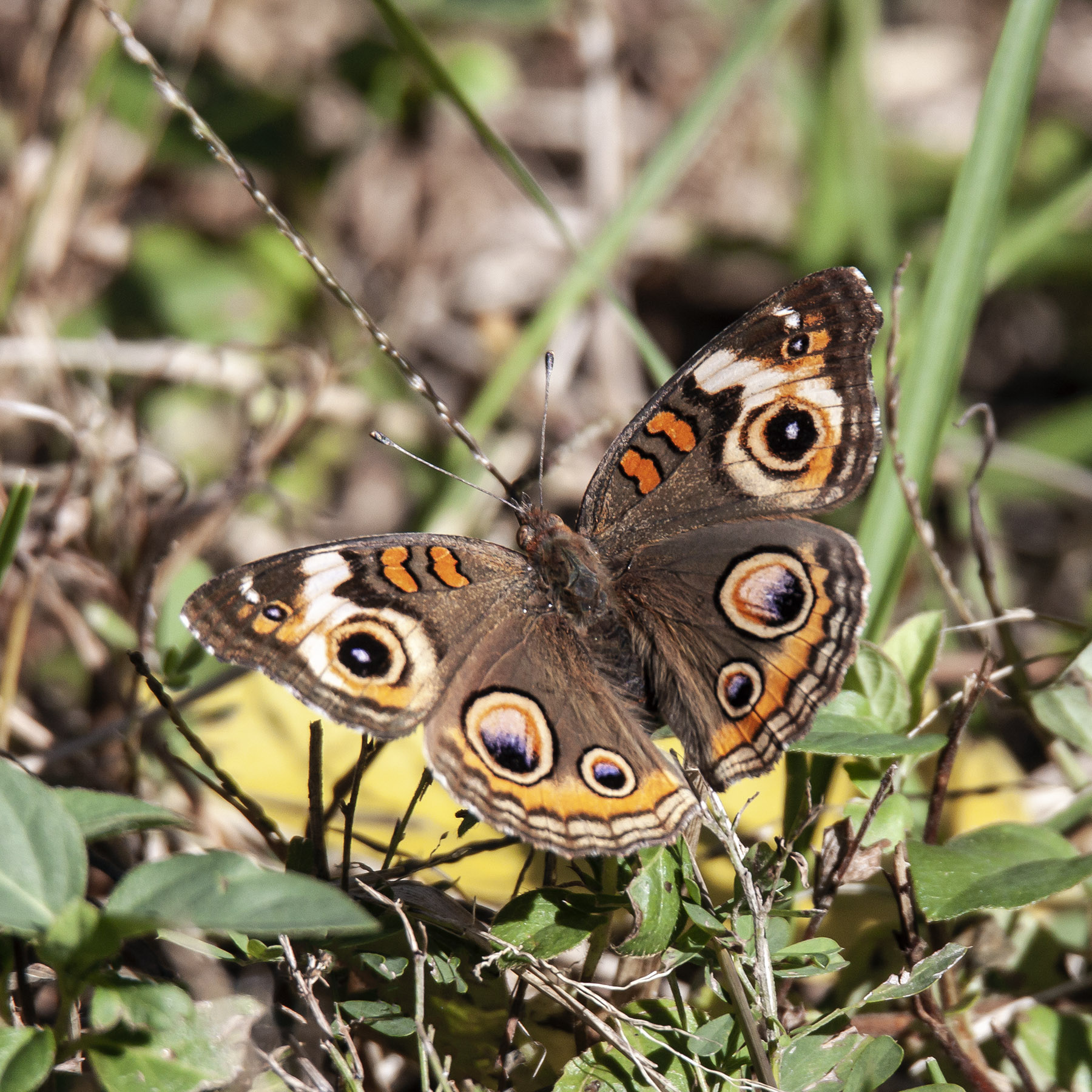
As I was wandering about Occoquan Bay National Wildlife Refuge earlier this week, I was struck by the large number of Common Buckeye butterflies (Junonia coenia) that I observed. Not only were there a lot of them, many of them appeared to be in almost pristine condition, unlike the tattered survivors of other butterfly species that are hanging on this late in the season.

I decided to do a little research and learned from bugguide.net that Common Buckeyes have two to three broods throughout the year from May to October. I had suspected that was the case and that helps to explain the “fresh” condition of the butterflies that I observed. What was a little more surprising to learn was that, “Adults from the south’s first brood migrate north in late spring and summer to temporarily colonize most of the United States and parts of southern Canada.”

I don’t know if the Common Buckeye butterflies in my area will migrate south to avoid the freezing temperatures that will soon be upon us or if they will remain with us. In either case, I love to see these little butterflies and marvel at the way that their colors fit in with nature’s autumn color palette.

Common Buckeye

© Michael Q. Powell. All rights reserved.

Read Full Post »

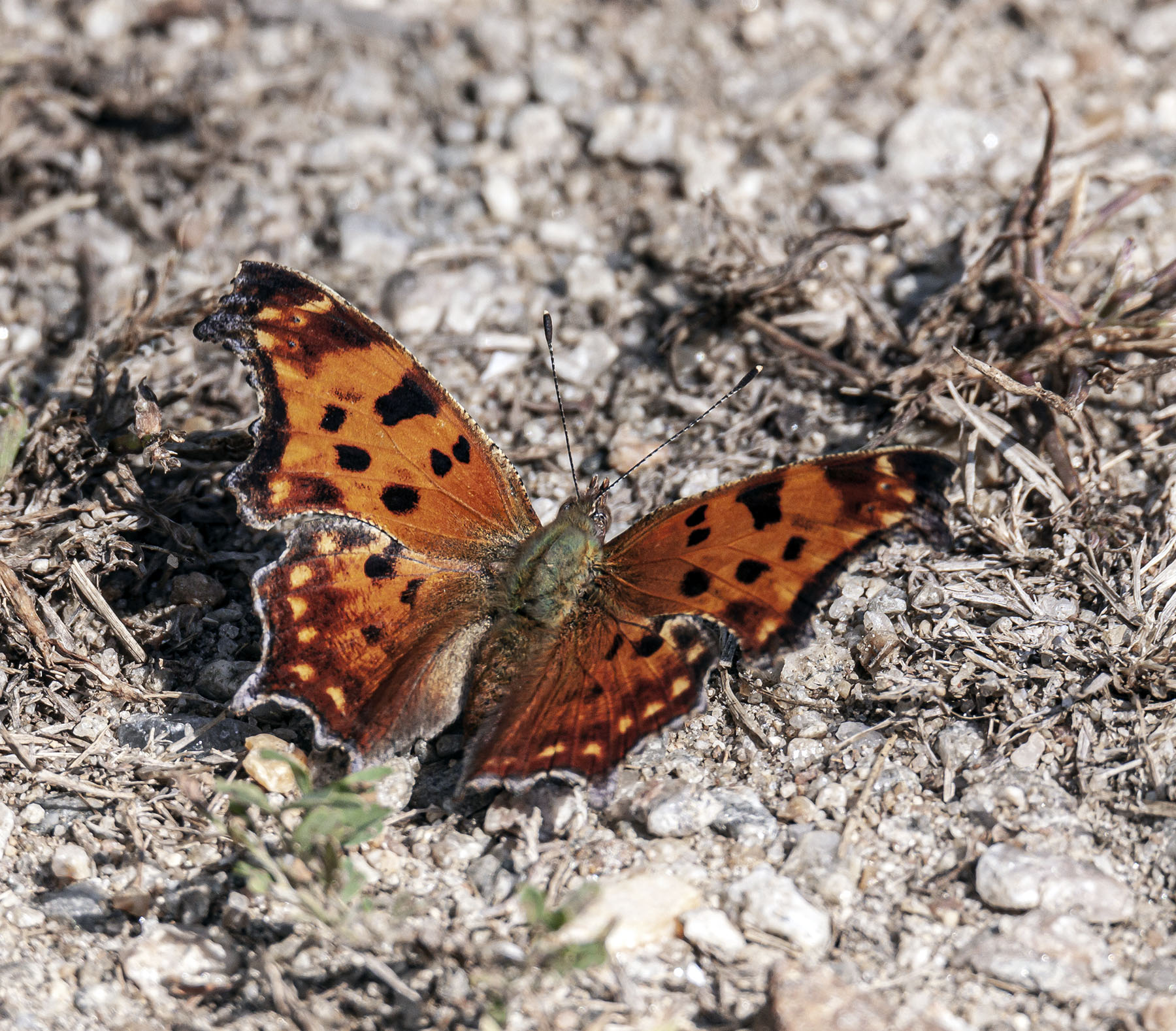
When they keep their wings closed, some butterflies match their surroundings so well that they are almost invisible. Question Mark butterflies (Polygonia interrogationis) look like dead leaves and at this time of the year there are plenty of fallen leaves littering the landscape.

It was impossible for me to me the distinctive autumn colors of this Question Mark when I spotted it earlier this month at Occoquan Bay National Wildlife Refuge.  I had to back up a bit in order to focus on the butterfly with my telephoto zoom lens and I actually had trouble seeing it when it decided to close its wings. Fortunately it spread its wings a little bit and I was able to capture the second image below.

A month or so ago it seemed like there were more dragonflies than butterflies, but now the ratio seems to have shifted. Butterflies, especially Common Buckeyes, are still flying in good numbers, while the quantity of dragonflies continues to drop.

Question Mark

Question Mark

© Michael Q. Powell. All rights reserved.


Read Full Post »

Most of my dragonflies have disappeared for the season. I will still occasionally spot a few survivors of the summer species, but their numbers are dwindling in the cooler autumn weather. One notable exception is the aptly named Autumn Meadowhawk dragonfly (Sympetrum vicinum). On Tuesday I spotted a good number of Autumn Meadowhawks while exploring Occoquan Bay National Wildlife Refuge and captured these images with my long telephoto zoom lens—it is a bit of a challenge to focus on such a small subject with a lens zoomed out to 600mm.

In the area in which I live, Autumn Meadowhawks remain with us throughout October and November. I have personally spotted some in December and have heard of other sightings in early January.

Autumn Meadowhawk

Autumn Meadowhawk

Autumn Meadowhawk

© Michael Q. Powell. All rights reserved.

Read Full Post »

Female Blue-faced Meadowhawk dragonflies (Sympetrum ambiguum) come in several different color variations. Some, like the one in the first image below have a reddish colored body, like the male of the species—they are known as andromorphs. Others are brownish in color, like the one in the second image below, and are know as heteromorphs. Irrespective of the body color, though, all of the females have striking blue eyes.

Usually it is harder to spot females than the more brightly colored males, but for some reason, these two females were the only Blue-faced Meadowhawks that I saw as I was exploring Occoquan Bay National Wildlife Refuge one day last week.

Where were all the males? Maybe they were watching a sporting event or were congregating at a local bar (or both).  🙂

Blue-faced Meadowhawk

Blue-faced Meadowhawk

© Michael Q. Powell. All rights reserved.


Read Full Post »

Whenever I see an Ailanthus Webworm moth (Atteva aurea), I assume that it is some kind of beetle. It is hard to believe that the colorful patterns are actually part of the wings and not a hard exterior shell. I spotted this beautiful little moth on some goldenrod last week while exploring Occoquan Bay National Wildlife Refuge.

The pattern on this insect’s body reminds me of an animal print. Wouldn’t it be cool to have fabric printed with this bold pattern? I can imagine throw pillows and even fashion accessories. From a marketing perspective, though, I think we would have to come up with a new name for the insect—a name like “webworm” probably would not attract many customers.

Ailanthus Webworm moth

© Michael Q. Powell. All rights reserved.


Read Full Post »

Do you ever stop to look at grasshoppers? A lot of them are really cool, like this giant one that I spotted on Thursday at Occoquan Bay National Wildlife Refuge. I love how it looks like the grasshopper is wearing a helmet on its head and a suit of armor on its torso.

I am not very good in identifying grasshopper species, but after looking through various internet sites, I wonder if this might be an Eastern Lubber grasshopper (Romalea guttata). This species is found only in the southeastern part of the United States. Virginia, where I live, is not within its listed range, so it is possible that this is a related species. Whatever the case, I definitely love the bold coloration of this giant grasshopper.

yellow grasshopper

© Michael Q. Powell. All rights reserved.


Read Full Post »

As many of you know, I love to photograph dragonflies and will often try to get close-up shots of them. Initially I captured a head-on shot of a female Blue-faced Meadowhawk dragonfly (Sympetrum ambiguum) that I spotted on Thursday at Occoquan Bay National Wildlife Refuge.

As I was observing this dragonfly at close range, she began to groom herself. I am not sure if she was cleaning her eyes or merely scratching an itch, but it was a bit eerie when she rotated her head more than 90 degrees to do so, as you can see in the second image. It brought back memories from my youth of Linda Blair’s spinning head in the original version of The Exorcist, though fortunately the dragonfly’s head did not rotate 360 degrees.

Blue-faced Meadowhawk

Blue-faced Meadowhawk

© Michael Q. Powell. All rights reserved.

Read Full Post »

Butterflies in October? October has been a crazy month weather-wise in Northern Virginia where I live. Yesterday we had a record high temperature of 98 degrees (37 degrees C) and it feels a lot more like summer than autumn. Therefore it did not seem at all strange that I saw lots of butterflies on Tuesday when I visited Huntley Meadows Park.

I spent quite a while chasing after this beautiful little butterfly, which I think is an Orange Sulphur butterfly (Colias eurytheme). Most of the time the butterfly would perch sidewards and then fly away when I tried to circle around to get a better angle for a shot. I was thrilled when I finallly managed to capture this image with the butterfly’s wings partially open. I also like the way that the light helped to illuminate some of the details in the wings.

I look forward to the cooler autumn weather that will eventually come, but for now I am continuing to enjoy some of the delights of this endless summer.

Orange Sulphur

© Michael Q. Powell. All rights reserved.


Read Full Post »

My dragonfly season is not over yet! Yesterday, the 1st of October, I managed to get my first good shots of the year of Blue-faced Meadowhawk dragonflies (Sympetrum ambiguum). This species emerges a bit earlier in the season, but generally does not make an appearance until September. (Fellow dragonfly enthusiast Walter Sanford posits that they spend that interim time in the tree tops.)

I really love the combination of colors of the Blue-faced Meadowhawk—I find the colors to be striking without being garish. You might think that these colors would make it easy to spot these dragonflies, but they are small in size with a length of 1.4 inches (36 mm) and are found only in very specific habitats.

I have been searching unsuccessfully for these little beauties the last few weeks at Occoquan Bay National Wildlife Refuge, my most frequent “habitat,” and ended up returning to Huntley Meadows Park, where I had seen them in the past. Huntley Meadows Park is a wonderful county-run marshland refuge and used to be my favorite location for nature photography. In recent years, though, the park has become a victim of its own success and there are often mobs of photographers on its boardwalk through the wetlands.

Perhaps I am a little selfish, but I do not like to share my wildlife experience with a large group of other people. For me, my treks with my camera are most often a solitary pursuit, a meandering one-on-one experience with nature.

What about you? Do you prefer to experience nature alone or with others?

Blue-faced Meadowhawk

Blue-faced Meadowhawk

Blue-faced Meadowhawk

© Michael Q. Powell. All rights reserved.


Read Full Post »

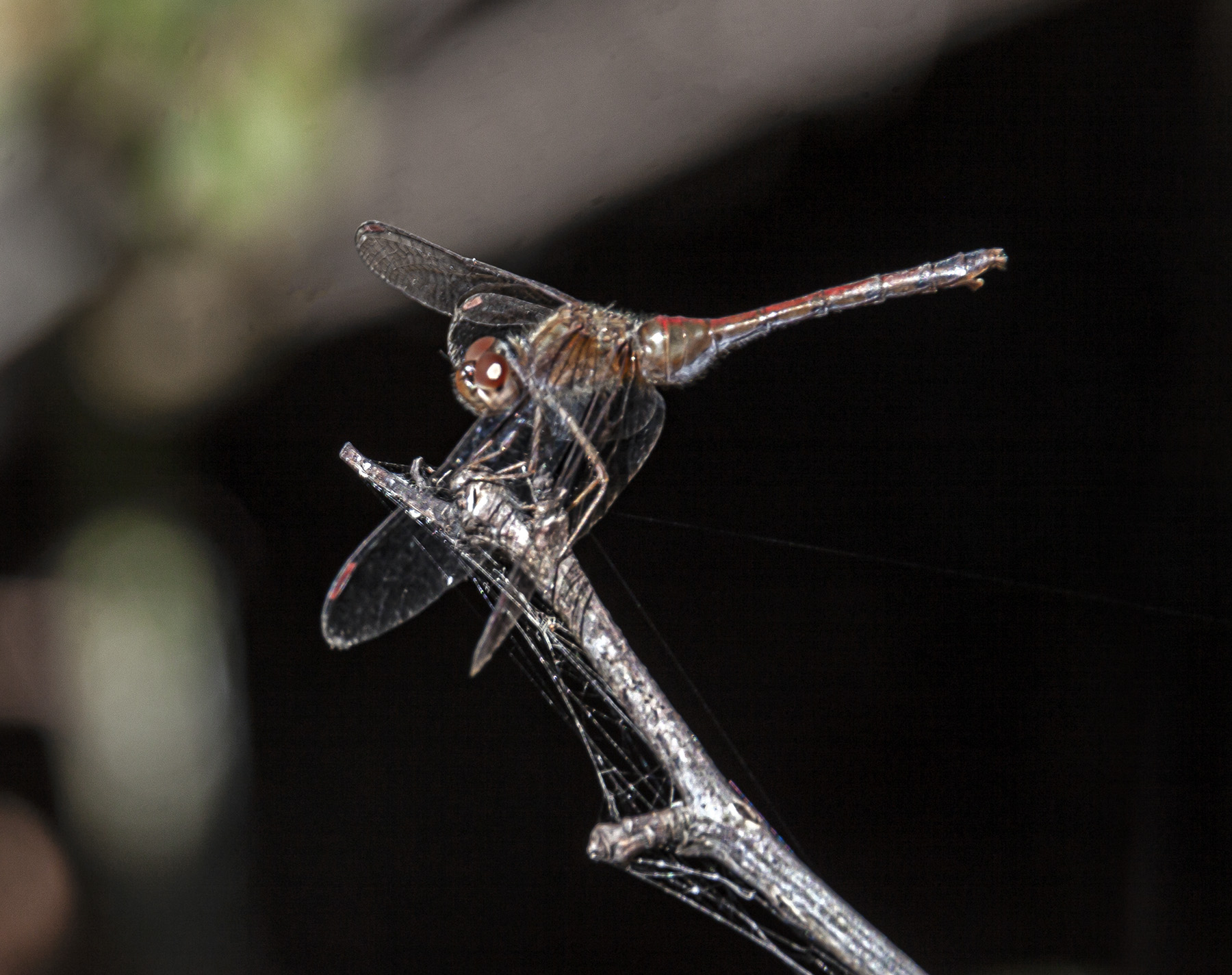
If you were a dragonfly, one of the constant hazards that you would face would be the ubiquitous spider webs that threaten to entangle you. At this time of the year those same webs annoy me as well—there is just something “icky” about an unexpected facial encounter with spider silk.

Last week I captured some more images of Fine-lined Emerald dragonflies (Somatochlora filosa) at Occoquan Bay National Wildlife Refuge. These rare and exotic dragonflies are always one of the highlights of my early autumn days.

In both images below there seems to be evidence of a spider’s work. What appears to be spider silk is hanging from the dragonfly’s wings in several place in the first image. In the second image there are remnants of a spider web on the branch from which the dragonfly was hanging.

I know that spiders have to eat too, but I must confess that I am rooting for the dragonflies when it comes to struggles between spiders and dragonflies.

Fine-lined Emerald

Fine-lined Emerald

© Michael Q. Powell. All rights reserved.

Read Full Post »

This female Great Blue Skimmer dragonfly (Libellula vibrans) seemed to be grinning at me one morning this past week at Occoquan Bay National Wildlife Refuge. Smiling is contagious, I have found.

I hope that your Sunday brings an equivalent smile to your face.

Great Blue Skimmer

© Michael Q. Powell. All rights reserved.


Read Full Post »

Last week I spotted this male Common Green Darner dragonfly (Anax junius) while exploring with fellow photographer and dragonfly enthusiast Walter Sanford . This beauty was part of a swarm of dragonflies we observed that was probably preparing for migration.

As I processed these images I was struck by the wonderful range of colors on this dragonfly’s body. As its name suggests, a Common Green Darner has lots of green, but this one also has beautiful shades of blue and violet. I have included two images that may look very similar, but in fact were taken with two different cameras from the same spot.

In the first shot, I zoomed in close with my SX50 super zoom camera to try to capture as much detail as I could. I took the second shot with a fixed-focus lens. The heavy vegetation did not permit me to get any closer, so I tried to compose the image to include more of the environment.

Personally I like the second shot a bit more than the first—I prefer the additional “breathing space” around the subject and I think the second shot is a little sharper. Do you prefer one of them over the other?

Common Green Darner

Common Green Darner

© Michael Q. Powell. All rights reserved.

Read Full Post »

On Monday I was really happy to spot this male Twelve-spotted Skimmer dragonfly (Libellula pulchella) at Occoquan Bay National Wildlife Refuge. Most dragonflies have clear wings and it is always special to see one with boldly patterned wings, like the Twelve-spotted Skimmer. This species is not particularly rare, but this is the first one that I have photographed this season.

Those of you who are mathematically inclined may wonder why this species is called “twelve-spotted” when there are clearly more than twelve spots. For the purposes of counting, however, only the dark spots matter and there are three on each wing. The female of the species also has twelve spots, but lacks the distinctive white spots of the male.


Twelve-spotted Skimmer

© Michael Q. Powell. All rights reserved.
Read Full Post »

Although the astronomical calendar indicates that it is now autumn, the summer season continues for many dragonflies. Many of them are showing a lot of wear and tear, like this female Great Blue Skimmer (Libellula vibrans) with tattered wings that I spotted last week at Occoquan Bay National Wildlife Refuge.

At this time of the year it is not uncommon to see dragonflies and butterflies with damaged wings, but this is one of the most extreme cases that I have ever witnessed. Amazingly, she was still able to fly.

Great Blue Skimmer

© Michael Q. Powell. All rights reserved.

Read Full Post »

For those of us in the Northern Hemisphere, today is the first day of autumn. In my area, today’s high temperature is forecast to reach 90 degrees (32 degrees C), so it does not really feel like autumn yet. However, it is beginning to look like autumn, with browns and orange tones starting to appear in the landscape.

Fortunately there are still lots of butterflies around, like this Viceroy Butterfly (Limenitis archippus) that I spotted last Wednesday at Occoquan Bay National Wildlife Refuge. The color palette of this shot really speaks to me of this new season.

Given that seasons are determined differently in different places by using meteorological or astrological calendars, I probably should try to be scrupulously inclusive and wish everyone a Happy September Equinox Day rather than Happy Autumn.

UPDATE: I took this shot while photowalking with fellow photographer and blogger, Walter Sanford. We did not talk about when we/if we might post an image of this butterfly, but it turns out he also posted one today. Checking out his posting if you like to read another take on our adventure and see a slightly different approach to photographing this butterfly. Walter and I have different backgrounds that affect the way we express ourselves in our words and in our images. Our complementary posts help to remind me that “reality” is as much subjective as it is objective.

Viceroy

© Michael Q. Powell. All rights reserved.
Read Full Post »

Dragonflies are remarkably uncooperative—I can rarely get them to perch in places where the light is good and the background is photogenic.  I love photographing butterflies in patches of colorful flowers, for example, and have often thought that it would be cool to shoot a dragonfly in a similar environment. Alas, dragonflies don’t seem to be attracted by nectar and pollen. I have repeatedly been frustrated by dragonflies that zoom past flowers and refuse to stop.

This past Wednesday, though, an emerald green female Eastern Pondhawk dragonfly (Erythemis simplicicollis) that I had been chasing surprisingly set herself down in a patch of bright yellow flowers. Moving as stealthily as I could with a racing heart, I managed to get close enough to the dragonfly to capture this image before she flew away.

When I am walking about with my camera, I try to be ready for the unexpected and on this occasion my persistence and quick reaction paid off.

Eastern Pondhawk

© Michael Q. Powell. All rights reserved.

Read Full Post »

I will often shoot the same subjects over and over again. Each photo opportunity offers the possibility of a difference setting, a different pose, and different lighting conditions. I guess that is why I like the excitement and unpredictability of nature photography versus the more controlled environment of studio photography.

Last week I captured this image of a female Big Bluet damselfly (Enallagma durum) at Occoquan Bay National Wildlife Refuge. The single leaf on which the damselfly is perched makes for a simple composition that helps the subject to stand out, which is really important when the subject is so small. The sunlight helped to create a cool elongated shadow on the leaf that add additional visual interest to the shot. The minimal color palette works well too, I think.

Sometimes it is nice to have a little extra drama in our lives, even if it is only a dramatic damselfly.


Big Bluet

© Michael Q. Powell. All rights reserved.

Read Full Post »

On Monday I spotted this freshly emerged female Common Green Darner dragonfly (Anax junius) at Occoquan Bay National Wildlife Refuge.  It won’t be long before it will be time for her to migrate southward. Yes, some dragonflies actually migrate.

When I first started getting into dragonflies, it never struck me that dragonflies could travel long distances. I figured that they lived and died in a relatively confined geographic area. Although that may be true for some dragonfly species, that is not the case for the Common Green Darner. One of my favorite websites, Dragonflies of Northern Virginia, describes the amazing saga of this species in these words:

“They emerge in the Southeast and fly north, arriving here late March thru May. After their long flight, they mate, lay eggs and die. Their young emerge in July and August. Congregating in large swarms, this 2nd generation begins flying south in September. They lay eggs that fall, after arriving in their southern destinations, and die. When their young hatch in March, they fly back to Northern Virginia and it starts again – a two generation migration.”

Many of us have gotten used to using Global Positioning System (GPS) devices to help us navigate or use Google Maps. How do these dragonflies know where to go? How do they find a destination that they have never visited before? It boggles my mind and fills me with awe and wonder when I contemplate questions like these.

Common Green Darner

Common Green Darner

© Michael Q. Powell. All rights reserved.
 

Read Full Post »

The Red-footed Cannibalfly (Promachus rufipes), a kind of robber fly has just about the coolest (and creepiest) name of any insect. I spotted this female Red-footed Cannibalfly last week at Occoquan Bay National Wildlife Refuge. If you look very closely at the image, you can actually see some of its tiny red feet. However, this insect is not known for being cute—it is a particularly fierce predator that can take down much larger prey, reportedly including hummingbirds.

On a personal basis, I have a particular fondness for the Red-footed Cannibalfly. On 31 August 2013, I did a posting called simply Red-footed Cannibalfly. The posting had some decent photos and and some interesting information and had a modest degree of success, with a total of 44 likes.

Amazingly, though, the posting has been viewed 2530 times to date. Apparently when folks go searching with Google, Bing, or some other search engine, they come across my posting and are intrigued enough to view it. I know that search engine algorithms are closely-guarded secrets, but for this one particular topic, I seem to have broken the code. If you do a search for “red-footed cannibalfly,” you might see my name pop up on the first page of results—it’s a weird claim to fame, but life on the internet is often a mystery.


Red-footed Cannibalfly

© Michael Q. Powell. All rights reserved.
Read Full Post »

Do you have a favorite insect? Although I like dragonflies a lot, my favorite insect is probably the rainbow-colored Handsome Meadow Katydid (Orchelimum pulchellum). I was thrilled to spot this beauty on some colorful vegetation last Saturday at Occoquan Bay National Wildlife Refuge.

I remember well the sense of incredulity that I felt when I saw one of these insects for the very first time—I simply could not believe that the bright colors were real. The beautiful curling leaves hide the details of the katydid’s body a little, but add a wonderful artistic element to this image. If want to see the brilliant colors of a Handsome Meadow Katydid on full display, check out this link to a 2013 posting that I entitled Rainbow Grasshopper—it is one of my most popular posts to date with over 315 views.

The vivid colors of this katydid are sure to grab your attention, but you should also be sure to check out its eyes. I am still blown away every time that I see those amazing eyes that seem to be looking deeply into me.  Here’s looking at you, kid.

Handsome Meadow Katydid

© Michael Q. Powell. All rights reserved.


Read Full Post »

If you were to pit a mantis against a spider, which one would have the advantage? I thought it would be the mantis, but that was clearly not the case this past week at Occoquan Bay National Wildlife Refuge. This spider had a large web stretched over a path on which I was walking, and I guess the mantis was unlucky enough to get stuck in its sticky strands as it was moving through the air.

mantis versus spider

© Michael Q. Powell. All rights reserved.
Read Full Post »

What signposts mark for you the transition from summer to autumn? Many folks might point to changes in the foliage colors or cooler weather, but for me the spotting of my first Fine-lined Emerald dragonfly (Somatochlora filosa) marks an unofficial beginning to the new season.

Fine-lined Emeralds are a relatively uncommon dragonfly species, both locally as well as nationally. They seem to prefer a coastal plain and are active for only about a month, generally the month of September. Yesterday I visited Occoquan Bay National Wildlife Refuge, a place where I have seen Fine-lined Emeralds in the past, and I was thrilled when I eventually spotted one. However, it took me several hours before I was able to capture this shot, because most of the Fine-lined Emeralds that I saw flew by me without stopping and I would lose them when I gave chase.

You probably noticed a few things about this dragonfly when you looked at the photo. First, it is clear why the family to which this dragonfly belongs is called “Emerald”—those brilliant green eyes are mesmerizing. Secondly, you can’t help but notice that Fine-lined Emeralds do not perch horizontally like most dragonflies you are likely to encounter. Instead, they hang almost vertically from bare branches. As a result, their slender bodies are hard for the eye to detect and also tend to confuse a camera’s autofocusing system. Most of the time I end up having to manually focus, as I did in this situation. Lastly, if you click on the image, you can see this dragonfly’s beautiful markings on the thorax (the “chest”) and the abdomen (the “tail”).

So, for me autumn has begun with the arrival of the Fine-lined Emerald dragonfly. Has autumn started for you yet or are you waiting for some additional personal signs of the season?

Fine-lined Emerald

© Michael Q. Powell. All rights reserved.

Read Full Post »

I guess that the main subject of this image is the tiny male Eastern Amberwing dragonfly (Perithemis tenera), but I must confess that I was equally drawn to the curving shapes of the branches sticking out of the water during my recent trip to Jackson Miles Abbott Wetland Refuge. Normally I try to fill as much of my frame with my primary subject by using a zoom lens or by moving closer, but in this case I actually moved back in order to be able to capture more of the vegetation.

I really like the way that the warm amber color of the aptly named Eastern Amberwing stands out against the muted tones of the rest of the image. The style of this image is different from most of my shots (assuming that I have an identifiable style), but I enjoy mixing it up from time to time by shooting from different angle or distances.

Eastern Amberwing

© Michael Q. Powell. All rights reserved.

Read Full Post »

« Newer Posts - Older Posts »