Feeds:
Posts
Comments

Archive for the ‘Nature’ Category

I was focusing my camera on a Barn Swallow (Hirundo rustica) perched on a branch, when out of nowhere another Barn Swallow appeared and started screeching as it hovered in midair. Fortunately I had enough presence of mind to press the shutter release.

It was raining most of the day and I was shooting one-handed under an umbrella much of the time. For this shot, I decided to use the built-in flash on my camera to add a little additional light. The reflections in the screeching bird’s eyes add to its almost maniacal look.

The bird on the branch was totally impassive. It turned its head toward the hovering bird, but did not appear to react in any other way.

The overall feel of the image is almost like a cartoon.  I really like the way it came out (and recognize that it was mostly luck and fortunate timing).

confrontation_blog

Michael Q. Powell. All rights reserved

Read Full Post »

I was thrilled this past Saturday when I caught sight of this Green Heron (Butorides virescens), because green herons have only recently returned to the area after spending their winter in warmer locations.

The lighting situation, however, was really problematic. There was beautiful dappled sunlight in the background, but the heron was mostly in heavy shade and his back was illuminated with harsh sunlight. I played around with a number of different settings and this was one of the better images.  I still had to make some adjustments in post-processing to pull some of the details out of the shadows, which made the final image a bit grainy.

I really like the Green Heron’s pose, as he looks off into the distance. I don’t think that he was actively fishing, but was merely relaxing in the shade of the tree.

greenheron1_blog

Michael Q. Powell. All rights reserved

Read Full Post »

The Great Blue Heron was too far away for me to capture many details, but the light early yesterday morning was especially beautiful, so I decided to pull back and try to capture the landscape, something that I don’t do very often.

I love the rich bands of color that I managed to capture in this shot and the gorgeous reflections in the water at my local marshland park. The red color, I believe, is from buds that were stripped from the trees by winds and rain this past week.

heron_blog

Michael Q. Powell. All rights reserved

Read Full Post »

Snake eyes are often cold and menacing, but somehow this snake that I encountered yesterday seems to have warm brown eyes that look almost like he is smiling.

This snake, which I think is a Common Garter Snake (Thamnophis sirtalis), was curled up in some underbrush near the edge of the marsh. It was a real challenge getting a clear view of his head, the more so because I was using my 135-400mm lens that has a minimum focusing distance of almost seven feet (two meters).

For this shot, I used my tripod so that I could get an exposure of 1/30 second at f/9, with the lens zoomed out to about 350mm. I like the fact that I was able to capture some of the beautiful texture of the scales on his skin. You can easily see how I had to look for little sight windows through the brush, which is mostly blurred and hopefully is not too distracting. Finally, I am happy that I managed to capture some of the sinuous curves that help to guide the viewer’s eye to the snake’s head.

snake1_blog

Michael Q. Powell. All rights reserved

Read Full Post »

It’s hard to imagine anything cuter than this tiny little Canada Goose that climbed into the water at my local marsh for a swim along with his siblings and his parents. They were close enough to me that I was able to frame the shot pretty much like you see it.

I really like the expression of the gosling as he seemed to turn his head to look at me and also like the contrast between the bright colors of the gosling and the more muted tones of the full-grown geese.

I just missed the drop of 15 Hooded Merganser ducklings from the nesting box this morning by about twenty minutes. Hopefully I will have the chance to celebrate more new lives like this little goose in the coming weeks.

gosling1_blog

Michael Q. Powell. All rights reserved

Read Full Post »

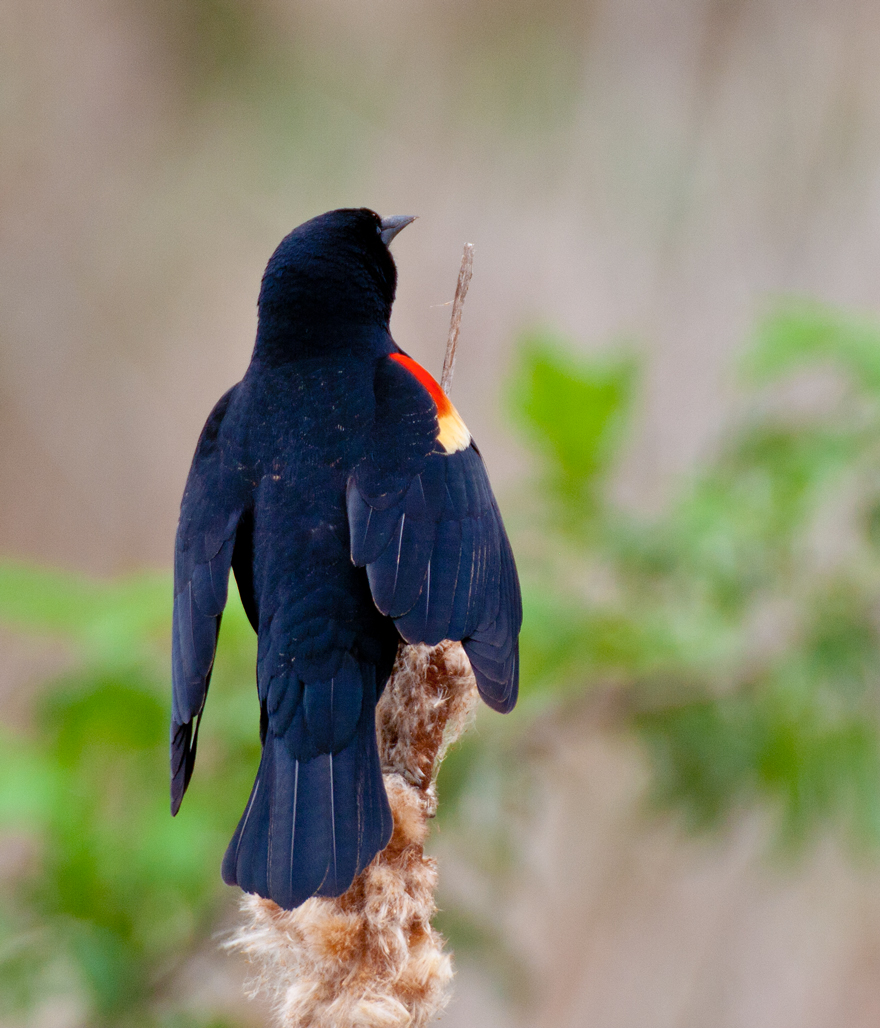
Male Red-winged Blackbirds (Agelaius phoeniceus) are loud and visible almost all of the time, but this one blackbird seemed even more determined than usual to pose for me. It was almost as though he was an experienced model, changing poses and holding them for a few seconds to allow me to get the shot before striking a new pose.

I wonder if he could have his own fashion show. Of course, we might have to alter the terminology a bit—I am not sure he would be keen to strut his stuff on something called a “catwalk.”

pose_blogAttention_blogstretch_blog

Michael Q. Powell. All rights reserved

Read Full Post »

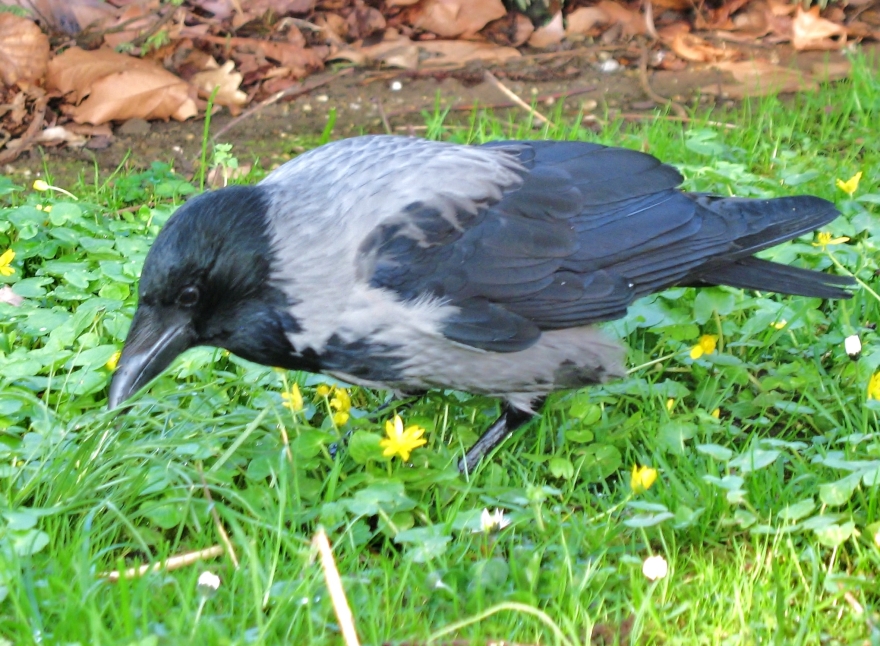
Walking through some of the parks here in Vienna, Austria, I couldn’t help but notice that the crows here are not at all the same as the crows in my part of the United States.

I am here in Vienna for work for a few days and have spent my free time walking through the parks, checking out the birds and plants.  Most of the birds that I see are pigeons, but I was really struck by the large black-and-white crows that periodically fly onto the scene.

A little research on the internet reveals that these are Hooded Crows (Corvus cornix), and not the  all-black American Crow (Corvus brachyrhynchos) that I am used to seeing.

The only camera that I have with me is my trusty Canon A620 point-and-shoot. It is compact, but its 4x zoom makes it less than ideal for capturing birds. However, several crows were relatively cooperative yesterday and let me get close enough to get these shots.

I’ll probably post a few photos of buildings in the next day or two, but wanted to let folks know that I am still drawn to seek out nature, even in the midst of a big city.

crow1b_blogcrow_frontb

Michael Q. Powell. All rights reserved
Read Full Post »

The soggy, overcast weather this past Friday kept people away from my local marshland park and allowed me to get these shots of a Greater Yellowlegs (Tringa melanoleuca).

I don’t normally see these birds and if I do, they are almost always beyond the range of my lens. This day, however, there were a couple of yellowlegs and another smaller shorebird, which I was told was a Solitary Sandpiper, that moved back and forth in the water, remaining within range for quite some time.

The lighting was a little  tricky for me, with the sky almost white most of the time, though sometimes the sun would peek out from behind all of the clouds. Most of the shots were a little underexposed, but I was able to correct them with a few little tweaks in post-production. I especially like the lighting in the first photo, in which the water has some color to it.

I am happy, though, that I was able to get some pretty clear shots of this beautiful bird, thanks in part to some careful focusing and the use of a tripod. (If you want to see another shot of the yellowlegs, checkout my earlier posting.)

yellowlegs4_blogyellowlegs3_blogyellowlegs2_blogyellowlegs1_blog

Michael Q. Powell. All rights reserved
Read Full Post »

I continue my efforts to capture photos of herons and egrets in flight whenever I can and here are a couple of shots from this past weekend of a flying egret.

In theory, it should be easy to photograph these birds—they are large and fly slowly—but the changing backgrounds and direction of flight has often made it tough to get the proper exposure and focus.

The egrets were gone all winter, but they are back now. I am hoping that I will continue to see them often enough to be able to get some better photos of them (or at least to try).

egret_flying2_blogegret_flying_blog

Michael Q. Powell. All rights reserved

Read Full Post »

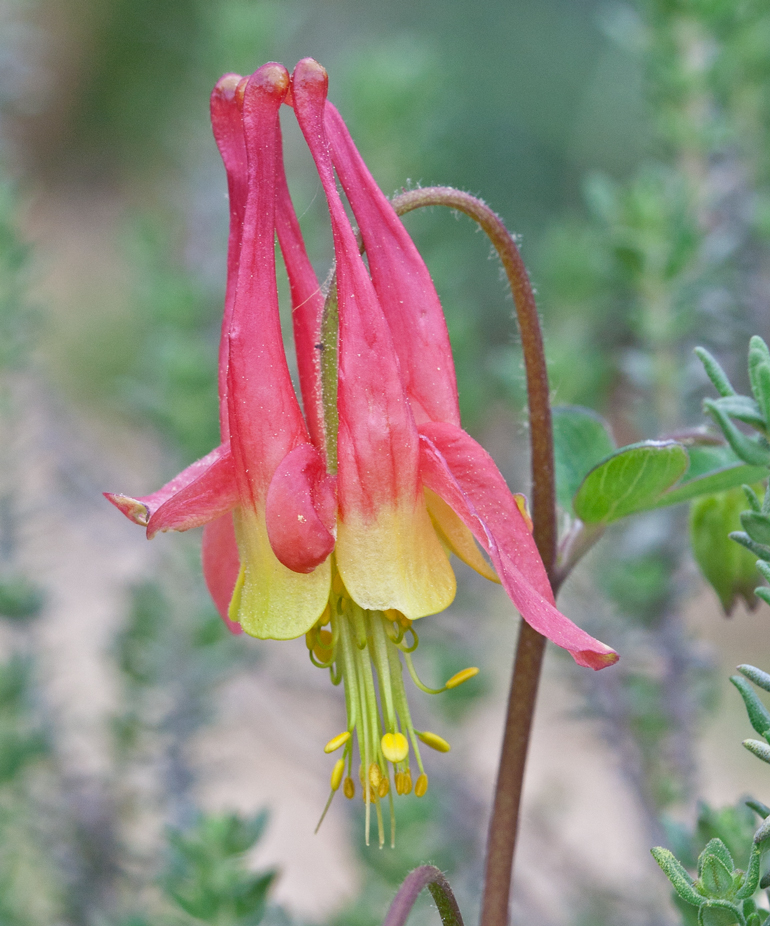
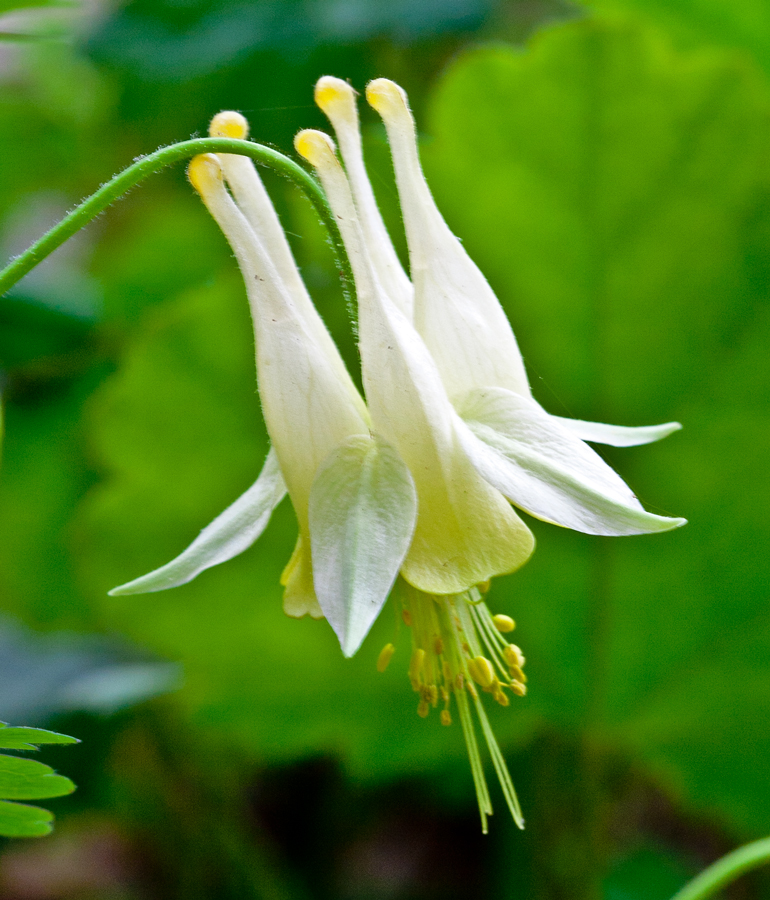
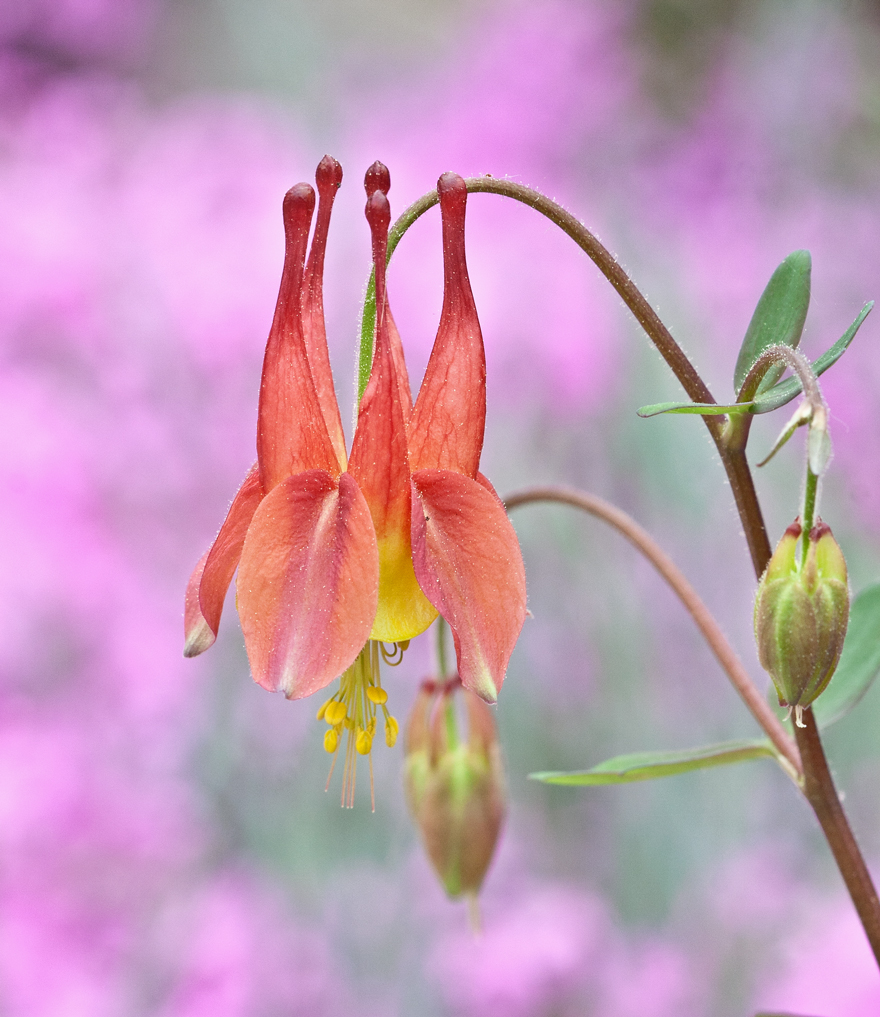
After first getting introduced to these pretty little flowers last spring, the Columbine (genus Aquilegia) rapidly became one of my favorites. They come in a lot of different colors, although the only ones blooming in the county-run garden that I visited this weekend were red-and-yellow ones and white ones.

Normally it’s not that difficult to get decent shots of these flowers, but the day was windy and that made it tough to control the depth of field (which normally requires a slower shutter speed) and stop the movement caused by the wind.

The pretty pink in the background of the final photo came from a patch of phlox that blanked a large area of a rock garden. I think I got some pretty good  photos of the phlox, so you may see them in another posting later.

columbine2_blogcolumbine1_blogcolumbine3_blog

Michael Q. Powell. All rights reserved

Read Full Post »

Yesterday on a heavily overcast day, a few shorebirds were closer to the shore than usual at the pond area of my local marsh, including this one, which I was told is a Greater Yellowlegs (Tringa melanoleuca). As I looked through my bird identification book, I realize that identification of shorebirds is pretty difficult, given that many of them look almost the same, so I can’t guarantee that my identification is accurate.

I am working on a few more images of the yellowlegs, but thought that I would share this one initially, because I was able to capture the bird as it was reaching into the water. The light was not bright, but there was enough of if to produce a beautiful reflection in the water as the bird reached below this surface with its bill.

yellowlegs5_blog

Michael Q. Powell. All rights reserved

Read Full Post »

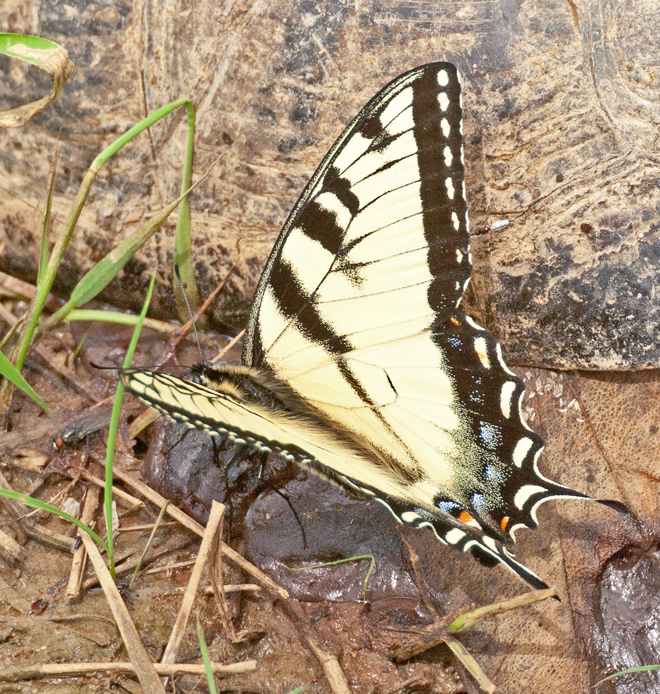
I was really surprised today when I saw the the familiar shape and color of a female Eastern Tiger Swallowtail butterfly (Papilio glaucus). Somehow I had expected to see them much later in the spring.

Normally I like to try to get photos of these beautiful butterflies perched on colorful flowers, but there are no colorful flowers yet in the marsh. Unfortunately, the butterfly that I was able to photograph decided to perch on the decomposing carcass of a snapping turtle (as you can see in the first photo). Most of my other shots were at least partially obscured by the grass.

Gradually the cast of characters is coming together that will probably play leading  roles in my blog postings in the upcoming months, the birds and beasts, and the reptiles and amphibians, not to mention the plants and flowers. I can hardly wait.

swallowtail1_blogswallowtail2_blog

Michael Q. Powell. All rights reserved

Read Full Post »

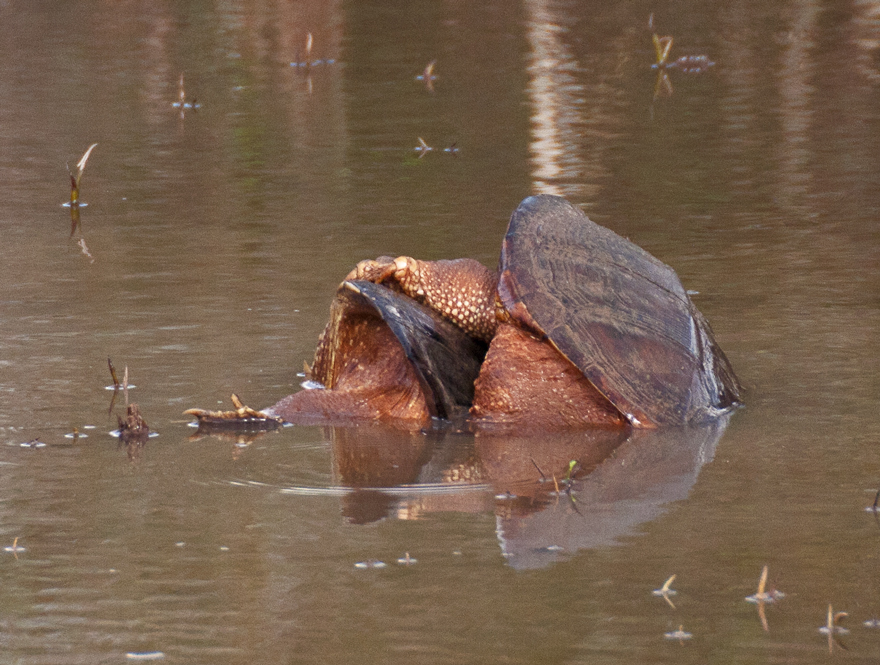
Last weekend I kept seeing snapping turtles in the water with their shells at an angle to the surface. Initially I couldn’t figure out what was going on, until a helpful fellow photographer explained that the turtles were mating.

Mating? That sort of made sense, but I was a little confused, because in each case I could see only a single turtle. Doesn’t it take two to tango? I kept watching and eventually I was able to see that there were two turtles, but one of them was being held underwater most of the time. It seemed pretty violent. On the positive side, it seems that the female did not bite off the male’s head in the process, as praying mantises are said to do while mating.

As I look the photos below, I have trouble identifying body parts and determining which ones belong to which turtle. I don’t understand the anatomy of the Eastern Snapping Turtle (Chelydra serpentina serpentina) and will leave that to the experts.

turtles2_edited-1_blogturtle1_edited-1_blog

Michael Q. Powell. All rights reserved

Read Full Post »

I like backlighting a lot, especially when the light shines through and illuminates beautiful colors, like those of this tulip in a neighbor’s garden.

backlit_tulip1_blog

Michael Q. Powell. All rights reserved

Read Full Post »

The last month or so I have been keeping an eye on a couple of female Hooded Merganser ducks that are using a nesting box at my local marshland park. One of my fellow photographers has already posted a photo of one of them, surrounded by a dozen or so cute little ducklings, so I may have missed one of the moments that I was hoping to catch.

A little earlier this month, though, I had a special moment with one of them, when I arrived at the park early in the morning, just after the sun had risen. The small female duck was more out in the open than usual, though she was still pretty far away. Initially she seemed to be taking a bath, as she stuck her head under water and would shake a little. Eventually she climbed out of the water onto a log and began to groom herself.

The light at that moment from the back and the side made the spiky reddish-blond hair on her head glow and also created a nice reflection in the water. She seemed unhurried and unafraid as she basked in the beautiful early morning light.

For at least a moment, the two of us were freed from the cares of our everyday lives.

merganser_morning_blogmerganser2_blog

Michael Q. Powell. All rights reserved

Read Full Post »

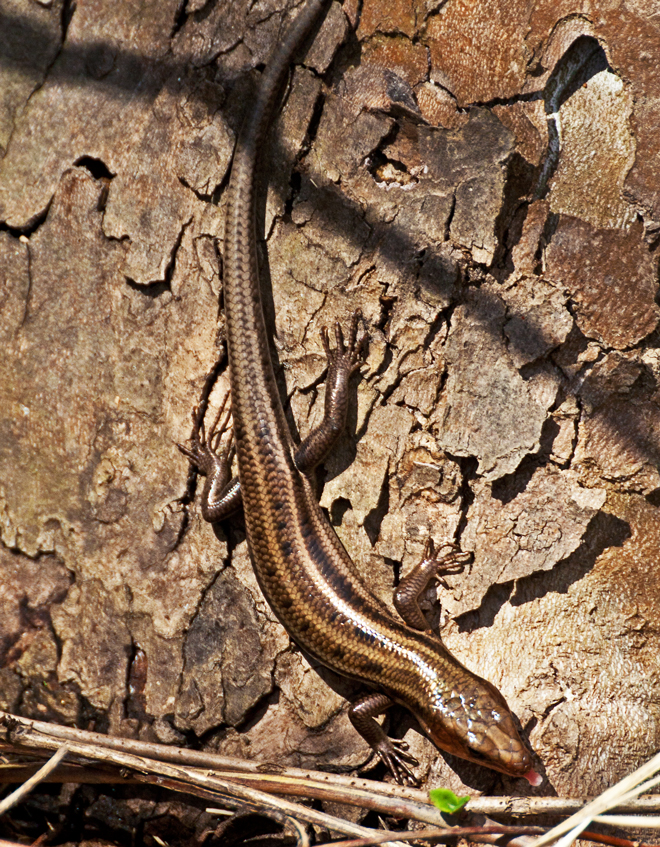
The warmer weather seems to have brought out all of the critters in my marshland park, including what I think is a Common Five-Lined Skink (Plestiodon fasciatus). I don’t often see lizards around here, so I was particularly happy when this one slowly crawled down a tree, permitting me to get this shot.

I wonder why he was sticking out his tongue at me.

skink_edited-1_blog

Michael Q. Powell. All rights reserved
Read Full Post »

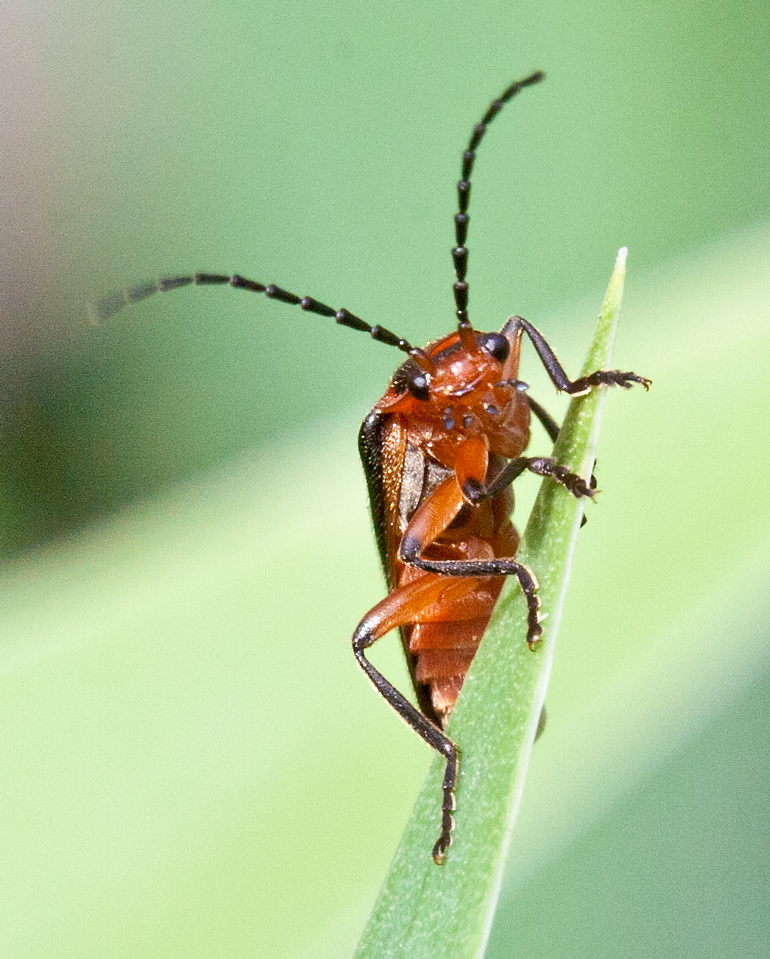
An insect on the edge of a leaf is a perfect candidate for a macro shot and when I saw this one from a distance in my neighbor’s garden, I got to work without a clue about its identity.

When I looked at the photos initially, I thought I had captured images of a Red Milkweed Beetle (Tetraopes tetrophthalmus), because of its bright red body and curved, segmented antennae. (I have a self-identified obsession with this insect that I discussed in a blog posting last year.) However, there were a few problems with that identification. This beetle seemed smaller; it was on a plant that was definitely not a milkweed plant; and it seemed too early to be seeing a milkweed beetle. My identification was further complicated by the fact that I never did see the back of the beetle.

So what insect did I photograph? I have been going over photos at bugguide.net, one of my favorite sources and wonder if this might be a Lily Leaf Beetle (Lilioceris lilii). Tentatively, though I like the name that I invented for this post, Red Spring Beetle.

I may not be sure about the identification of this insect, but I know that I like the photos that I managed to get, especially the first one. I captured a pretty good amount of detail and I like the way that he posed, looking directly at me.

red_bug3_blogred_bug2_edited-1

Michael Q. Powell. All rights reserved
Read Full Post »

As I was admiring the beautiful tulips in my neighbors’ garden, I noticed this fly perched on the edge of one of them. In a different setting he might have gone unnoticed, but here the details of the fly provide a nice contrast with the wonderful primary colors of the tulips in the background.

With spring here in full force, I am reacquainting myself with my macro lens, causing me to look more closely at details like the red compound eyes of this fly and his hairy back legs.  It’s fun too to note the details of his tiny little feet.

I am now remembering how much I have to pay attention to lighting, depth of field, and shutter speed when shooting macro shots, particularly because my macro lens is not image stabilized. Very minor problems can really be magnified when I try to get in this close, especially with an animate subject.

fly_tulip_blog

Michael Q. Powell. All rights reserved
Read Full Post »

It doesn’t get much simpler than this—light shining through this leaf from behind created a graphic image that stands out from its blurry background. The color palette is mostly just shades of green. The suggestions of lines in the background help to add some visual interest.

The image is both striking and soothing to me, an interesting combination of reactions.

leaf2_blog

Michael Q. Powell. All rights reserved

Read Full Post »

We’ll have more ladybugs in our neighborhood even sooner than I expected.

My neighbor and photography mentor, Cindy Dyer, has ladybug larvae in her garden as I showed in a recent posting. Some of them have already entered the pupa stage, the final stage before adulthood. Once metamorphosis is complete, the shell splits open and a full-grown ladybug emerges. Initially, the shell is soft, but pretty rapidly the exoskeleton hardens and takes on the look that we associate with ladybugs.

Here’s a photo from today of a ladybug pupa. I think that it is probably from a Harlequin Ladybug (Harmonia axyridis), a type that is also known as the Multicolored Asian Lady Beetle. If you want to know more about the life cycle of a ladybug, check out the posting that I did last fall entitled Baby Ladybugs.

larva2_web

Michael Q. Powell. All rights reserved
Read Full Post »

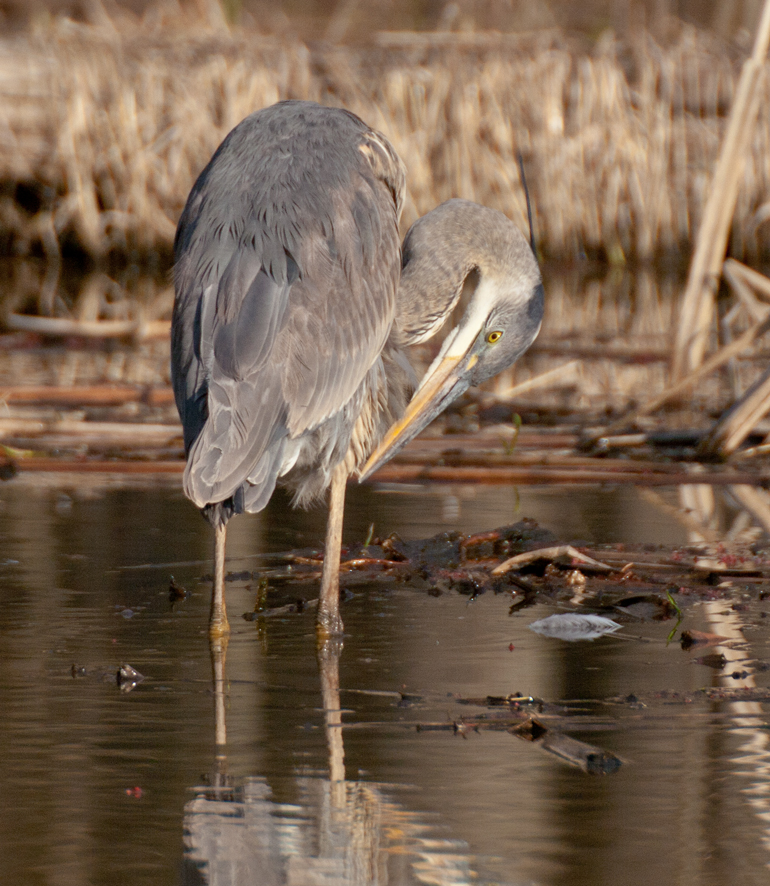
Although it is exciting to be able to capture a photo of a Great Blue Heron (Ardea herodias) flying or catching a fish, I find them to be beautiful even when they are standing still.

I came upon this heron early one morning a week ago or so and was struck by the serenity of the moment. The heron seemed pensive and the beautiful morning light helped to provide some wonderful reflections in the still water of the beaver pond.

The second shot was taken a little later that same morning, after the heron had groomed himself. In this photo, I am amazed at how tall the heron looks with his neck fully extended.

It was rare for me to be able to get unobstructed shots of a heron from relatively close range, and I was pretty happy to be able to get shots like this.

standing_heron1_blogstanding_heron4_blog

Michael Q. Powell. All rights reserved

Read Full Post »

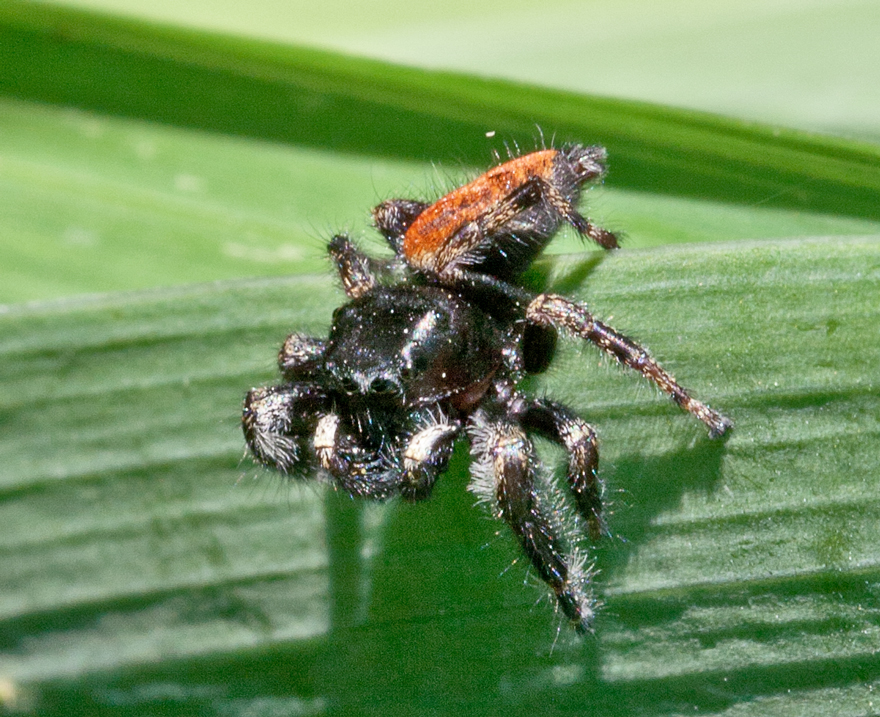
I was checking out the plants yesterday in my neighbor’s garden when I came upon this cool-looking spider, a type that I had never before encountered. From an initial check on-line, it looks like this might be a kind of jumping spider, though I really am out on a limb with the guess. In any case, I really like the combination of red and black on his body and the multiple eyes that are just visible.

With the arrival of spring, I am starting to see some familiar insects from last year and some new “friends.” It’s an exciting time for me.

spider_blog

Michael Q. Powell. All rights reserved

Read Full Post »

A blog about a frog on a log in a bog—is this how Doctor Seuss got started?

The subject is ordinary and the composition is simple, but I really like the result. The frog seems to be lost in a moment of contemplation as he stares out across the pond and I made sure not to wake him from his reverie as I quietly snapped his photo and moved on.

frog1_blog

Michael Q. Powell. All rights reserved
Read Full Post »

When I came across this fairly large snake, which I think is a Northern Black Racer snake (Coluber constrictor constrictor), I was happy that I had a fairly long telephoto lens.

He looked to be about 48 inches long (1.2 meters) and was partially coiled on top of a bush at the edge of the beaver pond at my local marsh. Although he was basking in the sun, he was definitely alert, which was one of the reasons why I was very cautious. The photo provides a close-up view of his head, but it was shot with my zoom lens at about 340mm, so I was not close and personal with him.

Wikipedia notes that this snake usually swallows its prey alive, despite the “constrictor” in its Latin name. Although these snakes will try to avoid predators, “once cornered they put up a vigorous fight, biting hard and often.” I’ll definitely keep that in mind.

One other interesting bit of trivia that I discovered about the Northern Black Racer snake (and I recognize that I could be wrong in my identification) is that the snake was designated as the official state reptile of Ohio in 1995.

snake_blog

Michael Q. Powell. All rights reserved

Read Full Post »

I am going to have to brush up on my insect identification skills, but I think that this cool-looking insect is a larval form of a ladybug.

I don’t have a garden of my own, but one of my neighbors, fellow blogger and photographer Cindy Dyer, has a wonderful garden that is always full of colorful flowers and insects. I photographed this insect in her garden this afternoon.

The sunlight was a little too direct and the shadows are too harsh. I am happy, though, that I was able to pick up many of the insect’s details with my macro lens. In case you are curious, the bright red in the background is a group of tulips that are in full bloom.

As always, I welcome corrections or clarifications about my identification of my subject—there are lots of folks on-line with greater knowledge and experience in all of the subject areas in which I shoot.

insect_blog

Michael Q. Powell. All rights reserved

Read Full Post »

Standing at an apparent crossroad, I was struggling to decide if I should continue to focus my attention on birds, as I did much of the winter, or switch back to the insects that populated so many of my photographs last summer.

This photo of a Red-winged Blackbird (Agelaius phoeniceus) from yesterday suggests that maybe I don’t necessarily have to choose one or the other, that maybe I can live in both worlds at least some of the time.

I wonder how often in my life I set up these kind of false choices, when I would be better served by thinking more expansively and creatively.

blackbird_bug_blog

Michael Q. Powell. All rights reserved

Read Full Post »

Today I saw my first dragonflies of the spring, which I am pretty sure were Common Green Darners (Anax junius). They buzzed by me several times, but never stopped to perch.

I had reconciled myself to the likelihood that I would not get a single shot.  Suddenly a dragonfly that I was chasing stopped and hovered over the water. I have never had any success before in capturing an in-flight image of a dragonfly, but somehow I was able to grab focus and got several pretty good shots. The beautiful, two-toned colors of this dragonfly are amazing.

I look forward to a new season of chasing dragonflies, but suspect that I will have to work hard to top this first dragonfly of the spring.

dragonfly_blog

Michael Q. Powell. All rights reserved
Read Full Post »

I arrived at the marsh early in the morning, just as this Great Blue Heron (Ardea herodias) was getting up. He seemed to be going through his pre-breakfast routine, grooming and preening and getting ready for the day ahead. It was fascinating to watch him contort his long neck as he sought to arrange his feathers just so. The water was calm enough that he could have used it as a mirror, if he had wanted to do so.

I am not sure if he was trying to make himself look bigger and fluffier, was airing himself out,  or just wanted some additional air for insulation, but at one point he shook himself vigorously. I was fortunate enough to get the first photo as he was in the process of ruffling the feathers.

Eventually, my feathered friend decided that he was presentable and stood motionless, as though posing for me. I’ll post some of those images later.

standing_heron3_blog

standing_heron2_blog

Michael Q. Powell. All rights reserved
Read Full Post »

This is another close-up, pseudo-macro image that I shot with my telephoto zoom lens and I really like the way that the yellow in the center of the white flower seems to glow. Controlling depth of field was especially challenging when shooting something like this with my lens set a little over 300mm. I wanted the background to be as green as I could get it, which is tough at this time of year, so I had to bend low to get this angle. I achieved that goal partially,  though I was not able to blur out the background very well.

I guess it’s finally time to pull out the macro lens.

glow_blog

Michael Q. Powell. All rights reserved

Read Full Post »

Most often I see small woodpeckers high up in the trees, pecking at the smaller branches there, but this male Red-bellied Woodpecker (Melanerpes carolinus) seemed determined to take on the challenge of the trunk of this substantial-sized tree. I really like his pose, as he appears to be contemplating how best to tackle this problem.

Does he dream of great things, like excavating holes in trees like those in the second and third photos? Maybe he was an orphan and was raised by a family of Pileated Woodpeckers and doesn’t recognize any limitations in his size.

I am still trying to get photos of the larger woodpeckers that made the impressive series of holes. I hear a jackhammer-like sound when they are working, but they manage to elude me each time.

For now, I am content with my photo of the smaller woodpecker, attempting to punch above his weight class.

woodpecker1_blogtree1_blogtree2_blog

Michael Q. Powell. All rights reserved

Read Full Post »

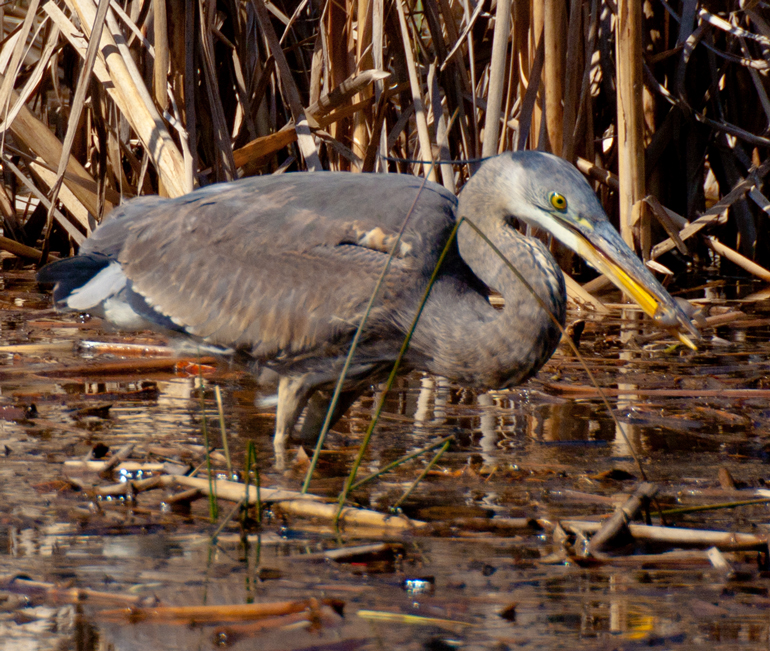
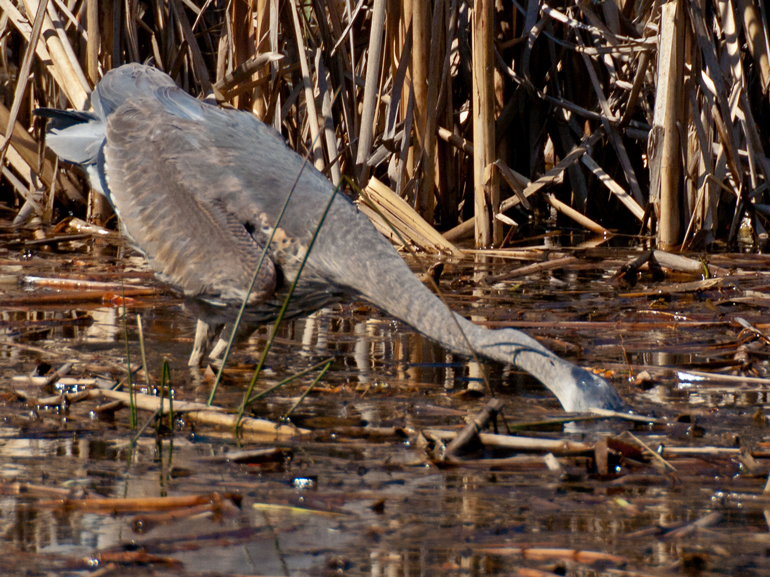
A Great Blue Heron this weekend was poised, waiting to strike, and I waited with my camera and my tripod, hoping to capture the moment of triumphal success.

I had visions of the heron pulling some big fish out of the water, like I see in Phil Lanoue‘s incredible photos, and watching as he struggled to swallow it whole.

The reality, as you can see, was much more modest. After all, the Great Blue Heron (Ardea herodias) was fishing in the beaver pond at my local marsh and the pickings were pretty slim. Initially, I though he had caught a frog, but the photo suggests it was a small fish, though it is hard to tell for sure because of the catch’s small size.

The second photo shows his pre-strike position. The heron stood motionless in this position for what seemed like an eternity. I am amazed that he could see anything in the shallow, reed-covered water.

When he struck, he didn’t even have to put his head very deeply into the water or use a lot of force to catch the fish. The final shot shows the heron swallowing his catch. It did not take any special maneuvering to get the little fish down his throat.

I saw a heron hanging around the same beaver pond the following day. I hope he is not spending all of his time in this one location or I may end up photographing a really skinny heron in the future.

heron1_blogheron2_blogheron3_blogheron4_blog

Michael Q. Powell. All rights reserved

Read Full Post »

« Newer Posts - Older Posts »