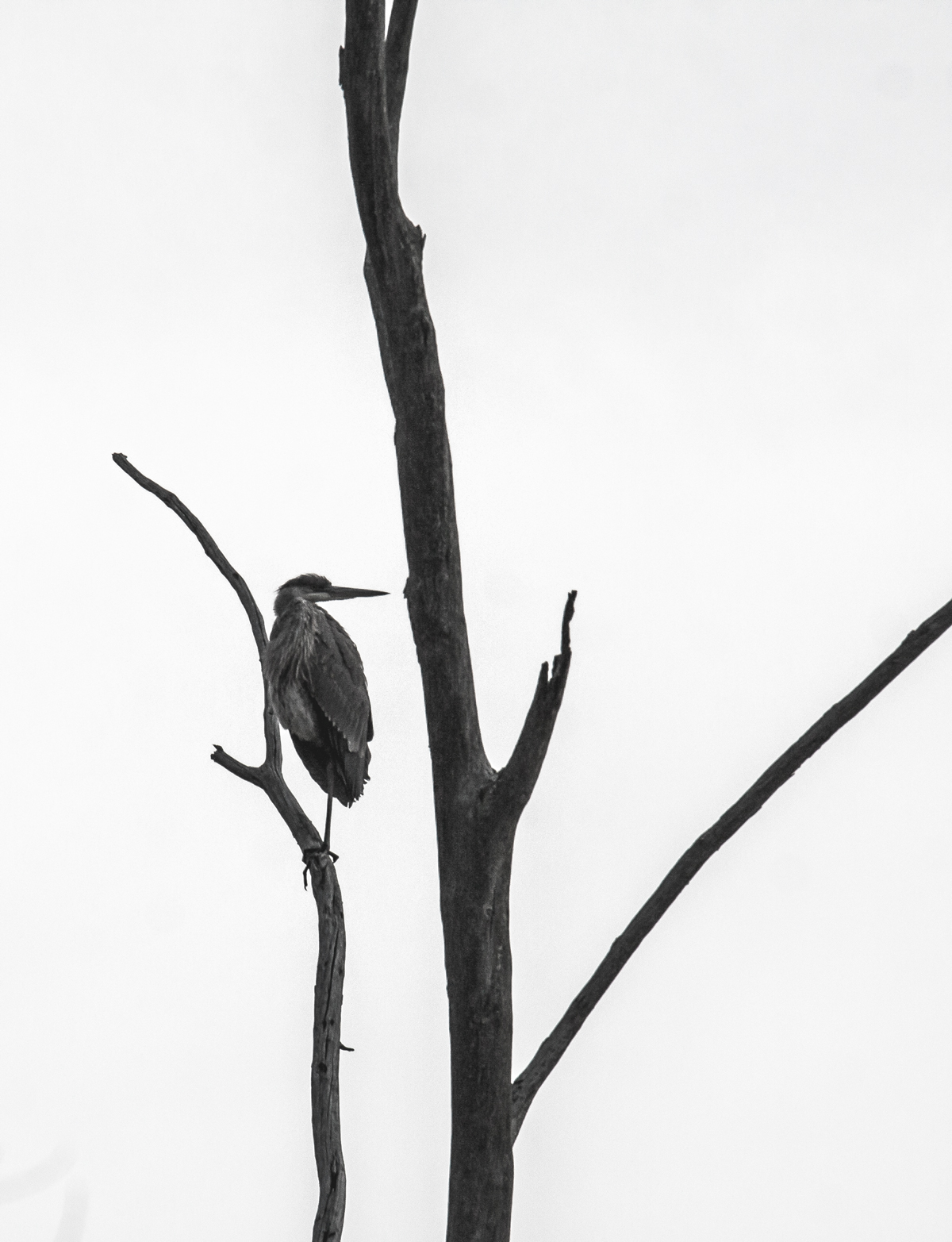
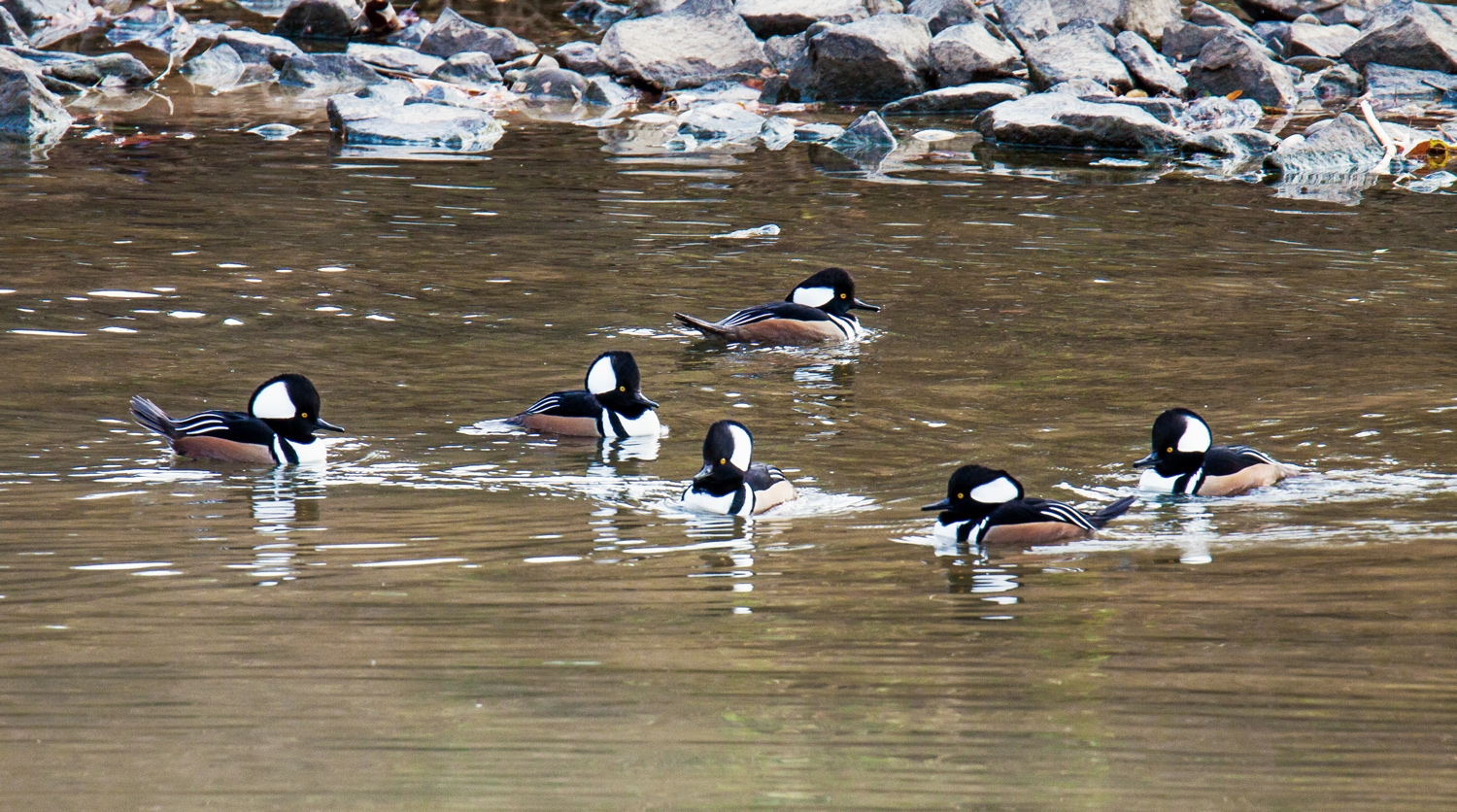
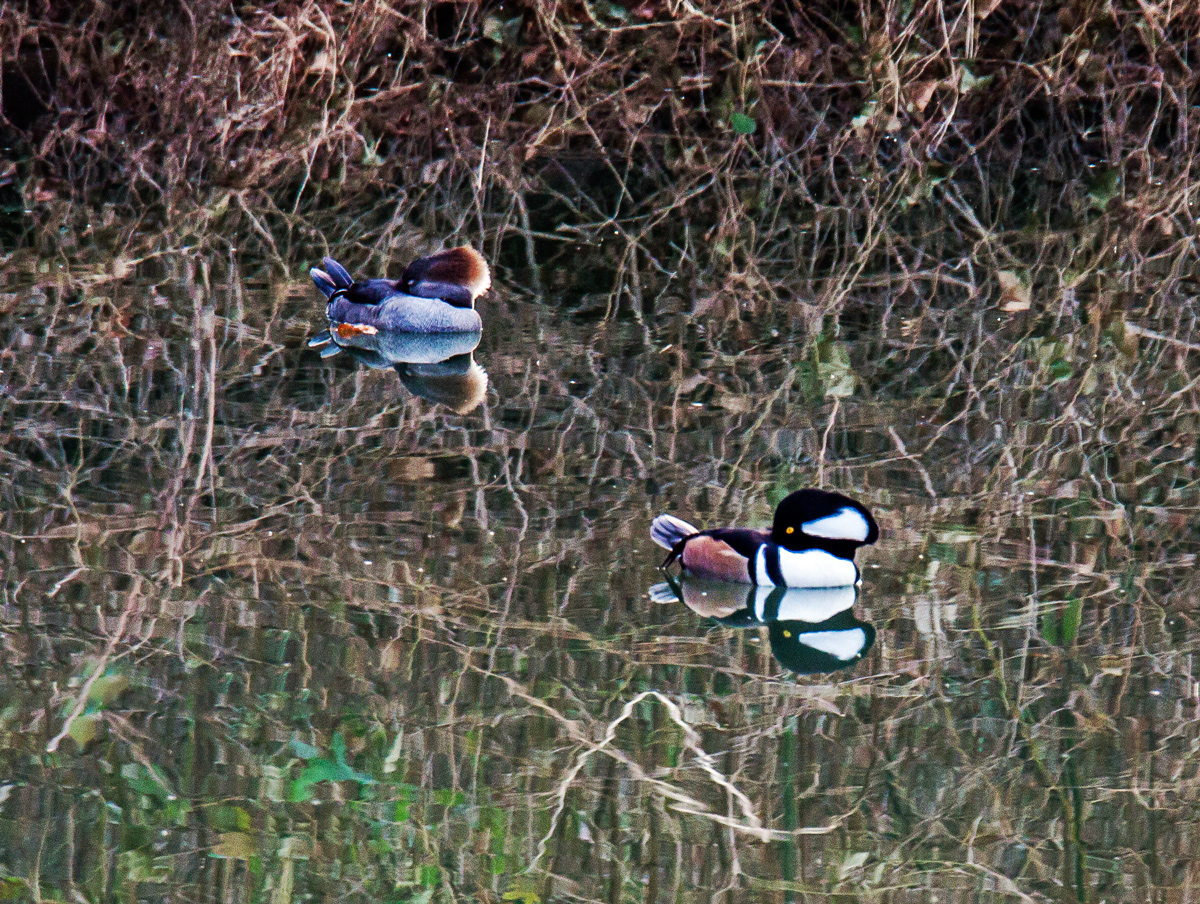
I am not sure what this Great Blue Heron (Ardea herodias) was doing when I spotted it this past weekend at Huntley Meadows Park, but it looked to be admiring its most recent manicure.
© Michael Q. Powell. All rights reserved.
Posted in Birds, Humor, Nature, Photography, wildlife, tagged Alexandria VA, Ardea herodias, Canon 50D, Great Blue Heron, heron, heron manicure, Huntley Meadows Park, Tamron 150-600mm on October 3, 2016| 2 Comments »
I am not sure what this Great Blue Heron (Ardea herodias) was doing when I spotted it this past weekend at Huntley Meadows Park, but it looked to be admiring its most recent manicure.
© Michael Q. Powell. All rights reserved.
Posted in Birds, Nature, Photography, Portraits, wildlife, tagged Alexandria VA, Calidris minutilla, Canon 50D, Huntley Meadows Park, Least Sandpiper, sandpiper, Tamron 150-600mm on October 2, 2016| 7 Comments »
It’s probably good for the ego to have “great” in your name, like Great Blue Herons and Great Egrets. Hopefully this little bird’s self-esteem is not damaged by being called a Least Sandpiper (Calidris minutilla). I spotted this diminutive beauty last week at Huntley Meadows Park before the start of all of the recent rain. The extremely dry weather had made the water very shallow in some portions of the marsh and had attracted tiny shore birds like this one.
© Michael Q. Powell. All rights reserved.
Posted in Birds, Nature, Photography, wildlife, tagged Alexandria VA, Belted Kingfisher, birds in flight, Canon 50D, female Belted Kingfisher, Huntley Meadows Park, kingfisher, Megaceryle alcyon, Tamron 150-600mm on October 1, 2016| 5 Comments »
On a cloudy, misty afternoon yesterday at Huntley Meadows Park, this female Belted Kingfisher ( Megaceryle alcyon) couldn’t make up her mind where to perch, flying from one rotted tree to another in the marshland. I was thrilled to get this shot when she took off from one of her perches.
© Michael Q. Powell. All rights reserved.
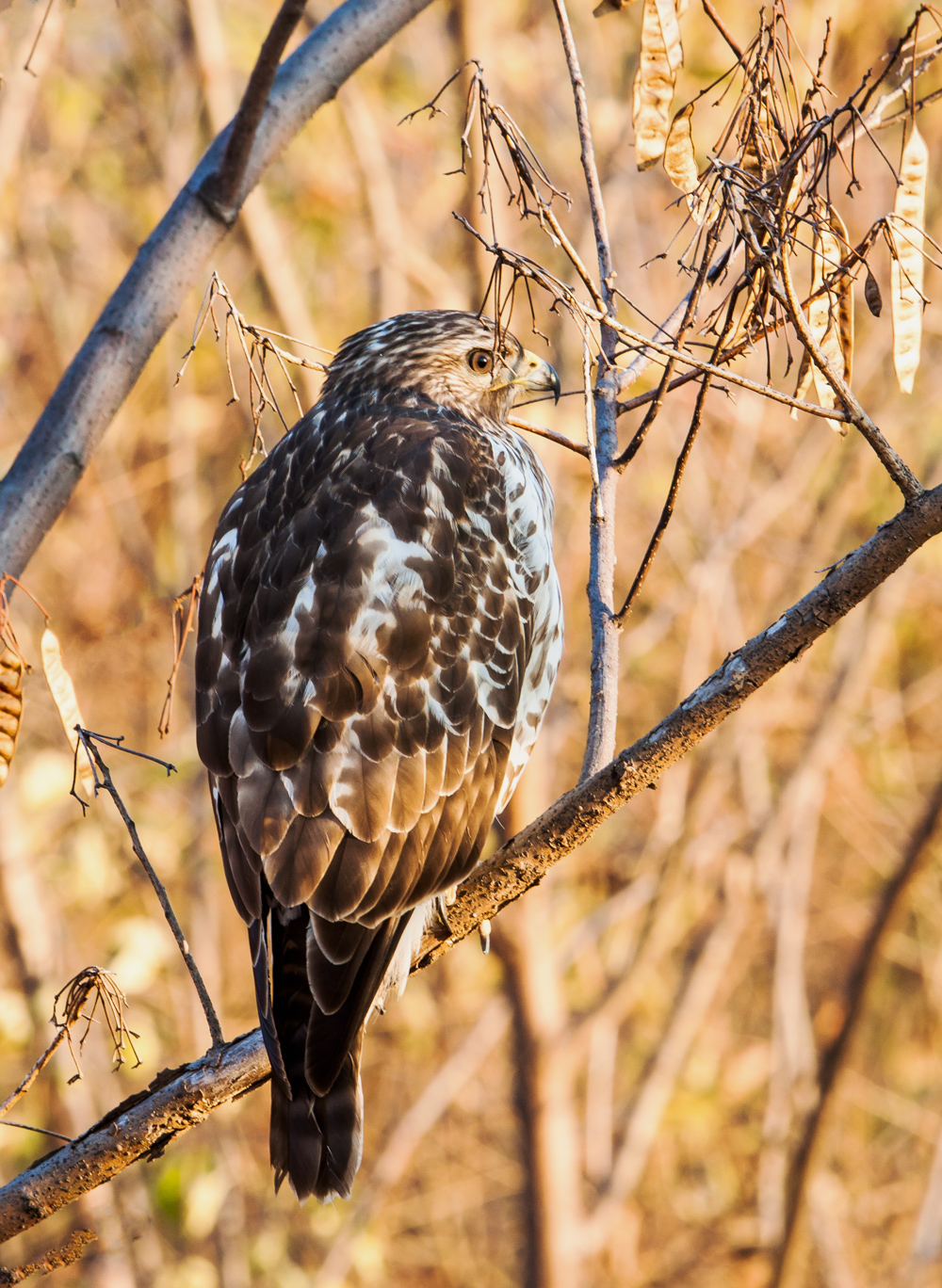
Posted in Birds, Nature, Photography, wildlife, tagged Alexandria VA, Buteo lineatus, Canon 50D, hawk cry, Huntley Meadows Park, Red-Shouldered Hawk, screaming hawk, Tamron 150-600mm on October 1, 2016| 13 Comments »
“How can you just leave me standing? Alone in a world that’s so cold?…Why do we scream at each other? This is what it sounds like when hawks cry.” (Apologies to Prince for changing the words of the song “When Doves Cry.”)
On a gray, gloomy day at Huntley Meadows Park, hawks were crying out all afternoon. One hawk would start to scream and its call would be echoed back from somewhere in the distance. Sometimes I would hear a cry from the cloud-covered sky, but I never got a glimpse of the passing hawks.
I was fortunate to be in the right place when one hawk started crying. From the cry, I knew that the hawk was nearby, but I had trouble locating it as I scanned the trees. Finally I spotted it, a juvenile Red-shouldered Hawk (Buteo lineatus). I snapped off a couple of images and then started to adjust the camera’s settings. I had barely taken the camera from my eye when the hawk took off.
The moment was gone and for a short period of time the marsh was silent.
© Michael Q. Powell. All rights reserved.
Posted in Humor, Insects, Macro Photography, Nature, wildlife, tagged Acronicta oblinita, Alexandria VA, Canon 50D, Huntley Meadows Park, Smeared Dagger, Smeared Dagger caterpillar, Smeared Dagger Moth caterpillar, Tamron 180mm on September 30, 2016| 5 Comments »
I love to photograph insects with cool or unusual names, like this caterpillar known as the Smeared Dagger moth caterpillar (Acronicta oblinita). Who makes up these crazy names? (Photographed on Monday at Huntley Meadows Park.)
One of my other favorite names is the Twice-stabbed Stink Bug (Cosmopepla lintneriana). Yes, that’s a real insect. You can’t just make this stuff up, or maybe you can.
© Michael Q. Powell. All rights reserved.
Posted in Autumn, Butterflies, Insects, Nature, Photography, wildlife, tagged Canon 50D, Fort Belvoir VA, Jackson Miles Abbott Wetlands Refuge, Limenitis arthemis, Red-spotted Purple, Red-spotted Purple butterfly, Tamron 180mm on September 29, 2016| 3 Comments »
The leaves are speckled with blemishes and the Red-spotted Purple butterfly (Limenitis arthemis) is faded and tattered, but there is real beauty in the imperfection of autumn. Photographed this past weekend at Jackson Miles Abbott Wetlands Refuge in Fort Belvoir, Virginia.
© Michael Q. Powell. All rights reserved.
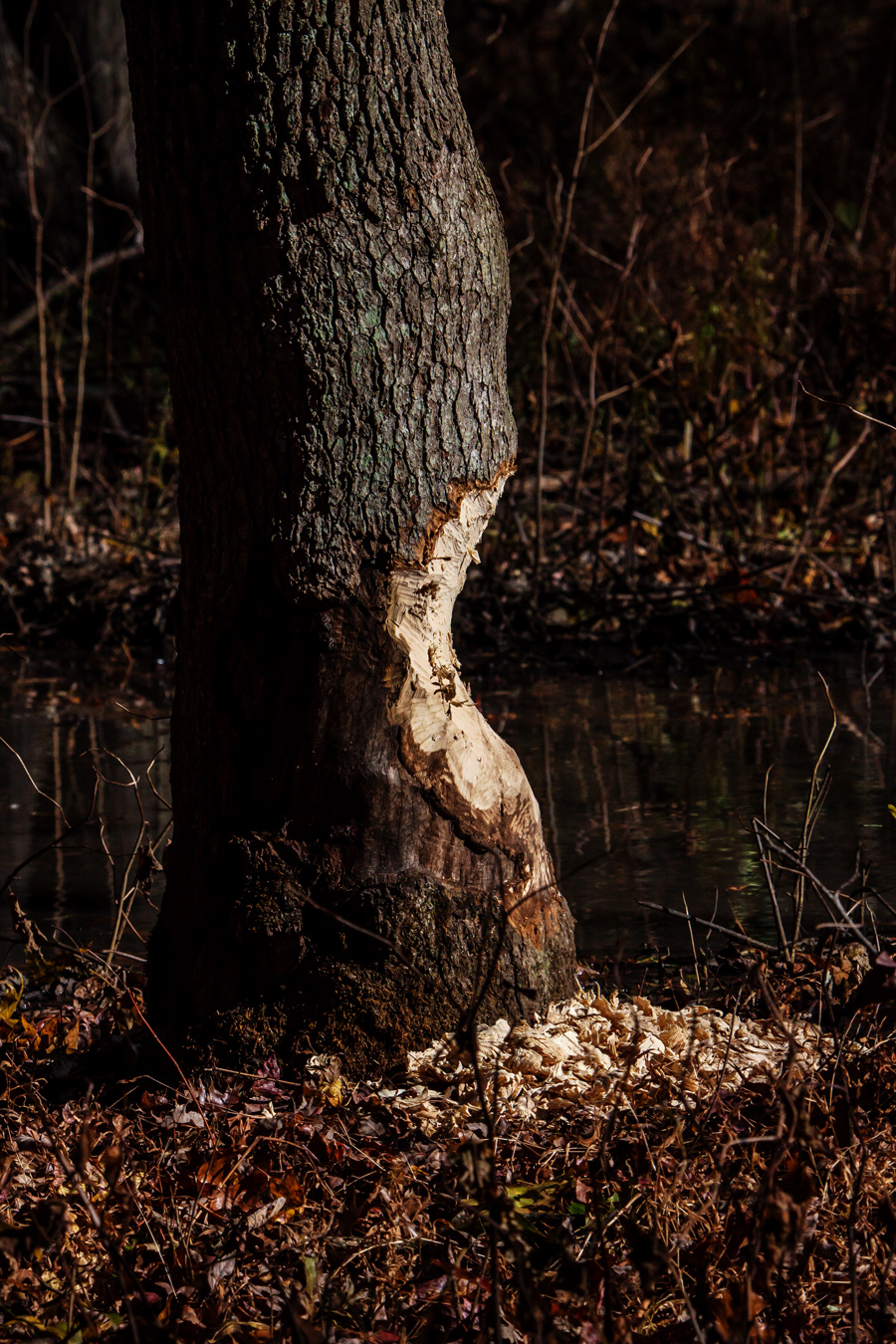
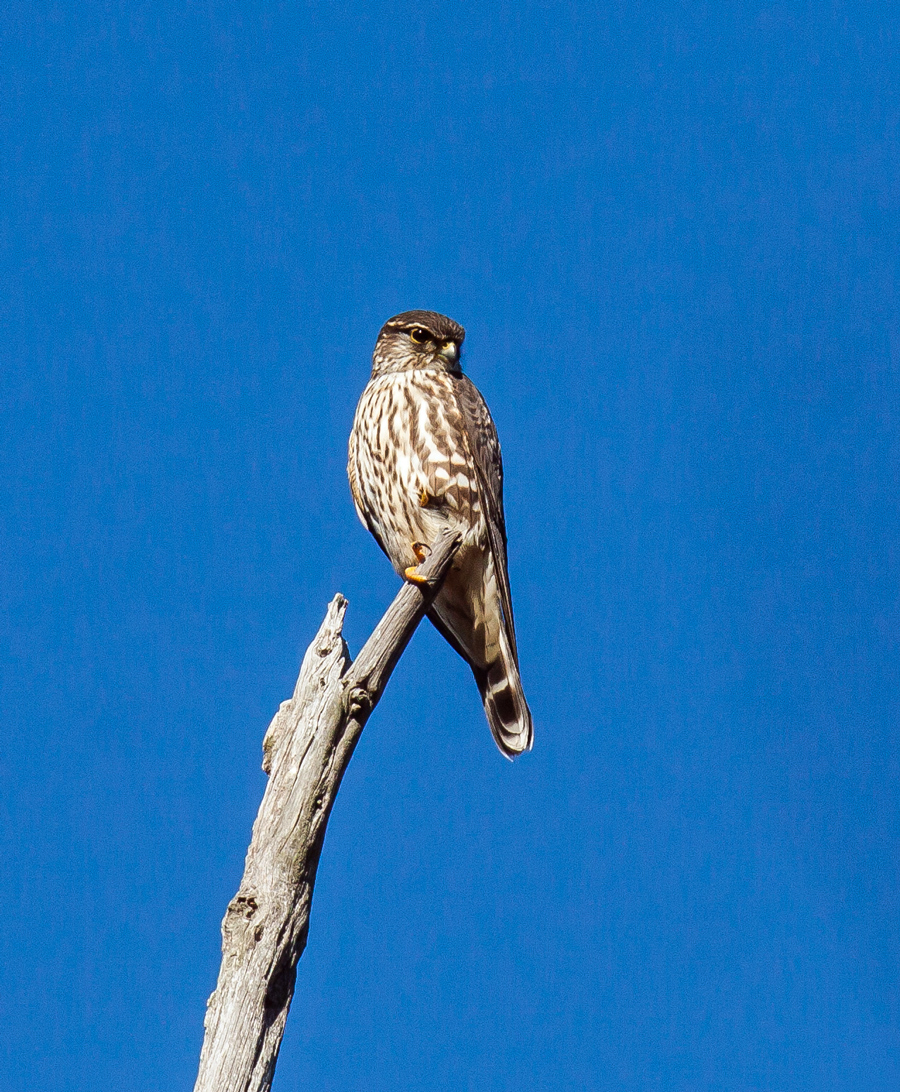
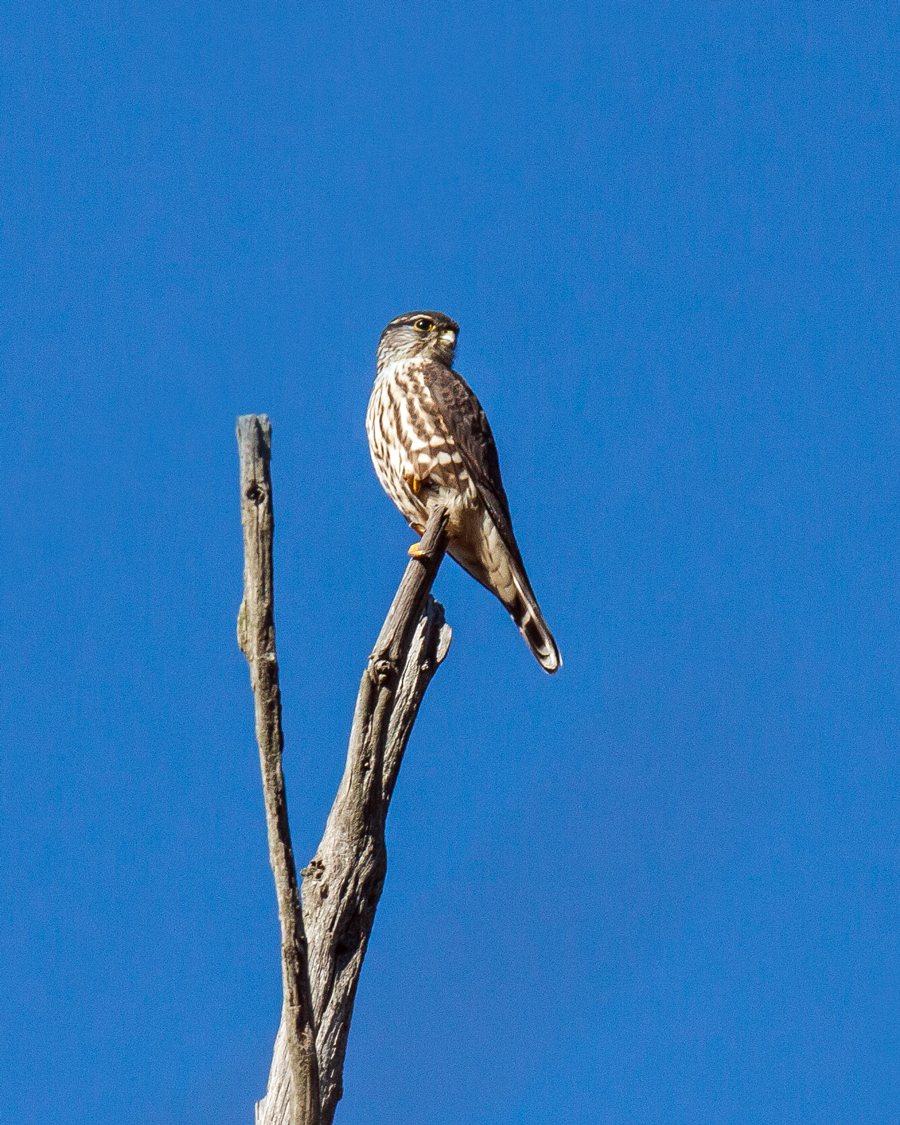
Posted in Birds, Nature, Photography, wildlife, tagged Accipiter cooperii, Accipiter striatus, Alexandria VA, Buteo lineatus, Canon 50D, Cooper's Hawk, hawk, Huntley Meadows Park, Red-Shouldered Hawk, Sharp-shinned Hawk, Tamron 150-600mm on September 28, 2016| 16 Comments »
© Michael Q. Powell. All rights reserved.
Posted in Arachnids, Nature, Photography, spiders, wildlife, tagged Alexandria VA, Argiope aurantia, Black and Yellow Garden Orbweaver spider, Canon 50D, Jackson Miles Abbott Wetlands Refuge, Tamron 180mm on September 27, 2016| 7 Comments »
I’m always happy to see a black and yellow garden spider (Argiope aurantia). I love its colorful patterns and its intricate web (and apologies to readers who are totally creeped out by spiders). I spotted this beauty this past weekend in a patch of goldenrod at Jackson Miles Abbott Wetlands Refuge.
© Michael Q. Powell. All rights reserved.
Posted in Birds, Nature, Photography, wildlife, tagged Alexandria VA, Ardea herodias, Canon 50D, fog, Great Blue Heron, Huntley Meadows Park, Tamron 150-600mm on September 26, 2016| 7 Comments »
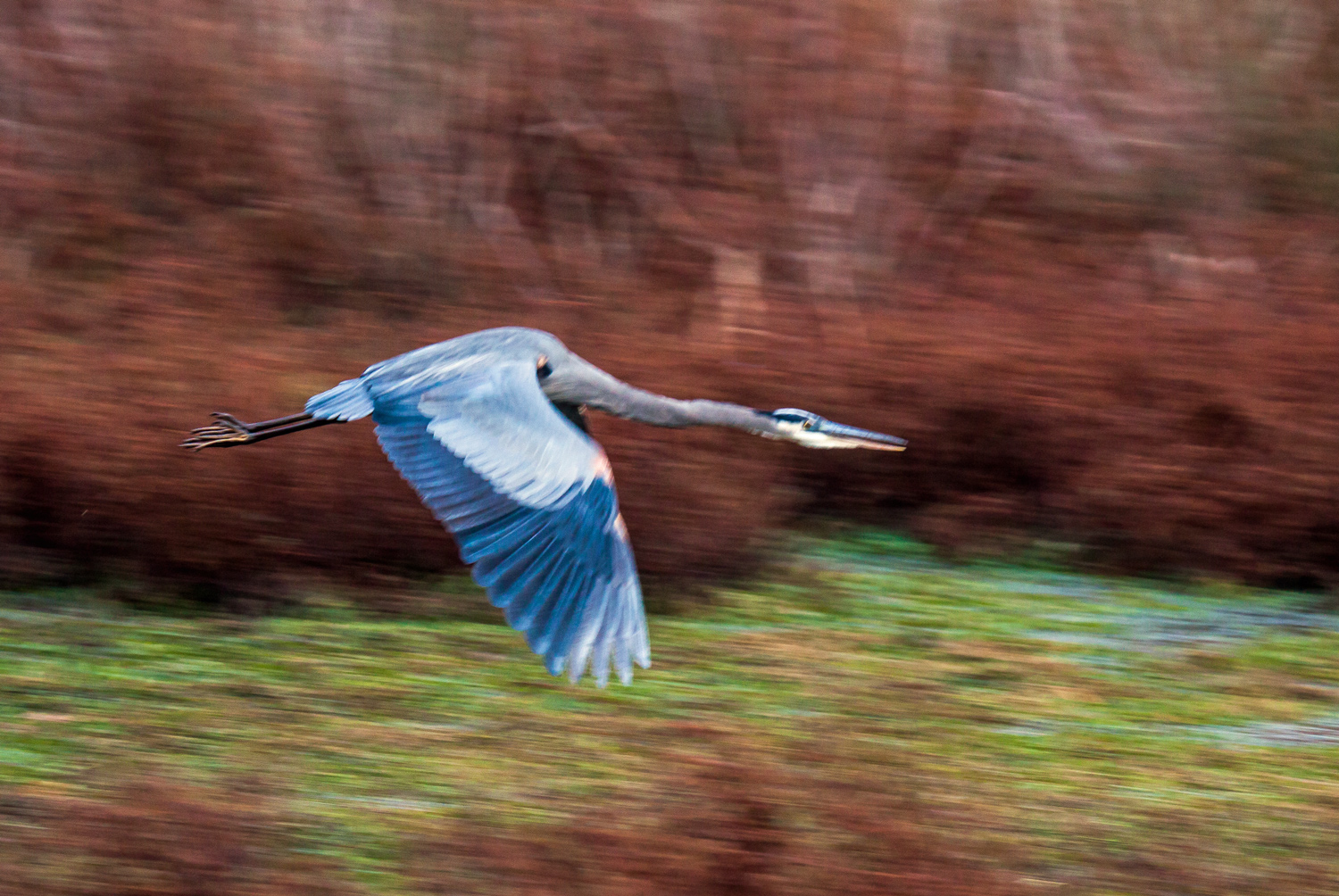
Fog hung over the wetlands at Huntley Meadows Park early Friday morning, making the walk on the boardwalk a little eerie. When a spooked Great Blue Heron (Ardea herodias) took off right in front of me I was scared almost witless, but had the presence of mind to get this shot.
Here’s a shot that I took shortly after the first one that gives you a sense of what the boardwalk looks like as it makes it way through the wetlands of my favorite marshland park.
© Michael Q. Powell. All rights reserved.
Posted in Autumn, Birds, Nature, Photography, wildlife, tagged Alexandria VA, Canon 50D, Charadrius semipalmatus, Huntley Meadows Park, plover, Semipalmated Plover, Tamron 150-600mm telephoto on September 25, 2016| 2 Comments »
Water levels are pretty low in some areas of the wetlands at my favorite marshland park, providing a perfect habitat for some visiting shore birds. On Friday at Huntley Meadows Park I spotted a number of tiny shore birds including this one that I am pretty sure is a Semipalmated Plover (Charadrius semipalmatus).
© Michael Q. Powell. All rights reserved.
Posted in Autumn, Dragonflies, Insects, Nature, Photography, wildlife, tagged Alexandria VA, Blue-faced Meadowhawk, Blue-faced Meadowhawk dragonfly, Canon 50D, Huntley Meadows Park, Sympetrum ambiguum, Tamron 180mm on September 25, 2016| 10 Comments »
On Friday I had a close encounter with one of my favorite dragonflies, a spectacular Blue-faced Meadowhawk (Sympetrum ambiguum). This species is a sign for me each year of the arrival of autumn and I eagerly await its appearance. I find the blue eyes to be mesmerizing and simply love the way that they contrast with the bold red color of its body.
I could go on and on about the beauty of this dragonfly until I too was blue in the face, but I will simply let you enjoy a glimpse of its beauty.
© Michael Q. Powell. All rights reserved
Posted in Dragonflies, Insects, Nature, wildlife, tagged Canon 50D, dragonfly in flight, Fort Belvoir VA, Jackson Miles Abbott Wetlands Refuge, Russet-tipped Clubtail, Russet-tipped Clubtail dragonfly, Stylurus plagiatus, Tamron 180mm on September 24, 2016| 7 Comments »
When fellow photographer and local dragonfly expert Walter Sanford posted a photo of a Russet-tailed Clubtail dragonfly (Stylurus plagiatus) that he had spotted on Thursday at Jackson Miles Abbott Wetlands Refuge, I was filled with an overwhelming urge to see if I could find the dragonfly. At this time of the year, as the dragonfly season winds down, I really don’t think much about finding new species, so this was an exciting challenge.
I knew the general location, but I forgot to ask Walter for more specific information about his find. Was it near the water or in the woods or along the stream or among the wildflowers? It was a kind of crazy quixotic quest, but I am pretty persistent, so I scoured the area, making loop after loop around a small pond.
My hope and my energy were beginning to fade when I suddenly caught sight of a dragonfly’s wings shining in the sunlight. The dragonfly was perched on some vegetation at the edge of the treeline. Moving as stealthily as I could, I approached the dragonfly and realized that I had found the Russet-tipped Clubtail. I often complain about the inappropriateness of the names of insects, but in this case it fit perfectly.
I managed to take a number of shots of the perching dragonfly before it flew off, heading deeper into the woods. After it had flown a short distance, it seemed to stop abruptly in mid-air. What was going on? I switched to manual focus and took a few shots and then began to worry that the dragonfly had gotten caught in a bit of spider web. (All morning long I kept running into spider webs at face level as I walked through the woods.) As I moved my hand closer to the dragonfly in an attempt to free it, the dragonfly flew off and disappeared. I didn’t see any evidence of a spider web, so it was probably only my overly active imagination.
This was one of my most memorable encounters with a dragonfly. I may stop by again this weekend to see if it is still hanging around, but the chances are not good that I will see it again. Still, lightning can strike twice and that kind of optimism helps to fuel my enthusiasm for photography.
© Michael Q. Powell. All rights reserved
Posted in Humor, Insects, Macro Photography, Nature, Photography, wildlife, tagged Alexandria VA, Canon 50D, Handsome Meadow Katydid, Jackson Miles Abbott Wetlands Refuge, katydid, Orchelimum pulchellum, Tamron 180mm on September 23, 2016| 3 Comments »
The rays of sunshine illuminated her face and our eyes met and Katy and I shared a moment when time seemed to stand still. Alas, the spell was soon broken and she abandoned me. Yes, Katy did.
I took this shot last weekend at Jackson Miles Abbott Wetlands Refuge at Fort Belvoir, Virginia. I believe that “Katy” is a Handsome Meadow Katydid (Orchelimum pulchellum), although much of the katydid’s body remained in the shadows so I am not one hundred percent sure of the species identification, though the length of the antennae makes me confident that it is a katydid and not a grasshopper.
It was a fun challenge to get this shot, which I decided to post uncropped. I was sprawled on the ground, trying to get at eye level with the katydid and move in as closely as I could without disturbing the stalks of grass. For a shot like this, my 180mm macro lens was perfect, though I really have to focus on technique to make sure that my shooting position is steady, given that the lens does not have any built-in image stabilization (VR for Nikon folks).
© Michael Q. Powell. All rights reserved
Posted in Butterflies, Insects, Nature, Photography, wildlife, tagged Alexandria VA, Canon 50D, Cercyonis pegala, Common Wood Nymph, Huntley Meadows Park, nymphomania, Tamron 180mm on September 22, 2016| 9 Comments »
© Michael Q. Powell. All rights reserved
Posted in Birds, Nature, Photography, wildlife, tagged Alexandria VA, Ardea herodias, Canon SX50, Cook Lake, Great Blue Heron, heron on September 20, 2016| 10 Comments »
Late Saturday afternoon I was exploring Cook Lake, a tiny urban fishing lake adjacent to a water park in Alexandria, Virginia. I accidently spooked a Great Blue Heron (Ardea herodias) that flew to a fallen tree on the shore. The lighting was beautiful and the heron struck a pose that I can only describe as heroic.
I never get tired of photographing Great Blue Herons.
© Michael Q. Powell. All rights reserved
Posted in Amphibians, frog, Nature, Photography, wildlife, tagged Alexandria VA, Ben Brennan Park, Canon SX50, frogs, leapfrog on September 19, 2016| 14 Comments »
I have always been fascinated with frogs. As a child, I remember my amazement at seeing photos of colorful tropical frogs in National Geographic, especially the green tree frogs with big red eyes. Growing older, I loved Kermit the Frog, especially his quirky sense of humor and his propensity for bursting out in song. Even now, one of my all-time favorite movie scenes is from the beginning of The Muppet Movie, where the view begins high above the trees and gradually zooms in on Kermit, who is sitting on a log playing the banjo and singing The Rainbow Connection. I try to hold on to the innocent, wide-eyed optimism of that song.
As a photographer, I have list of aspirational shots, made up of images, subjects, and situations that I would love to photograph. For a long time, I longed to capture a photo of a frog perched on a lily pad. After numerous unsuccessful attempts, I managed to capture such an image a couple of years ago. Despite that “success” I still keep my eyes open for frogs whenever I am in an area with lily pads.
This past weekend I hit the jackpot when I spotted three frogs on a single lily pad. I was exploring a small lake at Ben Brennan Park, a small suburban park in Alexandria, Virginia with a variety of recreational facilities. There is a small elevated bridge over one section of the lake and it was from this vantage point that I was able to capture this image. Initially the three frogs were all facing outwards, looking like they were defending their pad from outside intruders. Just before I took this shot, however, the frog in the back turned toward the middle and looked like he was trying to sneak up on his buddy.
Perhaps he simply wanted to play a game of leapfrog.
© Michael Q. Powell. All rights reserved
Posted in Birds, Nature, Photography, wildlife, tagged Alexandria VA, Belted Kingfisher, Cameron Run, Canon SX50, male Belted Kingfisher, Megaceryle alcyon, Potomac River on September 18, 2016| 6 Comments »
Yesterday I was on a biking/walking trail that follows Cameron Run, a tributary stream of the Potomac River, when I heard the unmistakable rattling call of a Belted Kingfisher (Megaceryle alcyon). As I moved through the vegetation to investigate, I spotted a kingfisher perched on a rock jutting out of the water. I had my Canon SX50 zoomed out to its maximum length, but it wasn’t enough—I needed to get closer.
As I made my way slowly down a steep slope, my footing gave way and I unceremoniously slid for a short distance on my back side. No surprisingly I spooked the kingfisher. What was surprising was that the kingfisher did not fly up into the trees, but instead he flew to a more distant smaller rock that was barely bigger than he was. (You can tell that it is a male because, unlike the female, he does not have chestnut stripe across his chest.)
The kingfisher soon took to the air and was joined by another one. They proceeded to fly back and forth over a portion of the stream, calling out loudly the entire time. They didn’t actually buzz me, but they did fly in my general direction a couple of times before veering off. What was going on?
I got a somewhat blurry shot of the second kingfisher, a female, that confirmed my suspicion that this was a couple. According to the Cornell Lab of Ornithology website, “During breeding season the Belted Kingfisher pair defends a territory against other kingfishers. A territory along a stream includes just the streambed and the vegetation along it, and averages 0.6 mile long. The nest burrow is usually in a dirt bank near water. The tunnel slopes upward from the entrance, perhaps to keep water from entering the nest. Tunnel length ranges from 1 to 8 feet.”
This behavior suggests to me that there could be baby kingfishers in the area. I certainly didn’t see any babies and suspect that a nest would probably be on the opposite side of the stream from where I took these photos, an area that is more remote and inacessible.
© Michael Q. Powell. All rights reserved
Posted in Insects, Macro Photography, Nature, Photography, wildlife, tagged Alexandria VA, Canon 50D, David Carradine, grasshoppers, Huntley Meadows Park, Kung Fu, Tamron 180mm on September 16, 2016| 9 Comments »
© Michael Q. Powell. All rights reserved
Posted in Dragonflies, Insects, Macro Photography, Nature, wildlife, tagged Alexandria VA, Blue-faced Meadowhawk, Blue-faced Meadowhawk dragonfly, Canon 50D, dragonflies mating, Huntley Meadows Park, Sympetrum ambiguum, Tamron 180mm on September 13, 2016| 6 Comments »
Most of the Blue-faced Meadowhawk dragonflies (Sympetrum ambiguum) yesterday at Huntley Meadows Park were perched alone in the bright sunlight, but some of them managed to find mates and were “getting busy.” No matter how many times I have seen this behavior, I continue to be amazed by the unusual and acrobatic method that dragonflies use when mating.
I usually start to see the brightly-colored Blue-faced Meadowhawks in early September, at a time when the overall number of dragonflies is declining and they are one of the signs for me of the end of the summer. This species seems to be generally tolerant of my presence, although some individuals are quite skittish, and I have managed to get some close-up shots of them in the past.
Don’t be surprised to see more photos of the Blue-faced Meadowhawks in upcoming weeks—they are one of my favorite species of dragonflies.
© Michael Q. Powell. All rights reserved
Posted in Birds, Nature, Photography, wildlife, tagged Alexandria VA, Archilochus colubris, Canon 50D, green spring gardens, hummingbird, Ruby-throated Hummingbird, salvia, Tamron 150-600mm on September 3, 2016| 8 Comments »
Posted in Birds, Nature, Photography, wildlife, tagged Alexandria VA, Canon 50D, Huntley Meadows Park, Osprey, Pandion haliaetus, Tamron 150-600mm on August 31, 2016| 5 Comments »
It’s hard to get an Osprey ( Pandion haliaetus) to cooperate in posing. When I asked this osprey to smile for me this past weekend at Huntley Meadows Park, this was the best look that it would give me, which looks more like a smirk than a smile to me.
I was shooting from quite a distance away, waiting and waiting for the osprey to take flight. The osprey was in no hurry, however, and when I moved on, the osprey was still perched on the branch. I had the impression that the osprey wanted some solitude, because the osprey would periodically glare at me with this look, which suggested to me that my presence was not really welcome.
I am not sure how long the ospreys will remain with us. I have seen them off and on throughout the summer, but have never spotted a nest in the park. As we move into autumn, there will be a big turnover of birds, with some migrating south and others arriving to winter with us in Northern Virginia. Readers will probably notice too a changeover in the content of the blog postings, with fewer insects and more birds.
© Michael Q. Powell. All rights reserved
Posted in Birds, Nature, Photography, wildlife, tagged Alexandria VA, Ardea alba, birds in flight, Canon 50D, Great Egret, Huntley Meadows Park, takeoff, Tamron 150-600mm on August 22, 2016| 4 Comments »
The Great Egret (Ardea alba) was beautiful in the bright sunlight. Its wingspan was impressive and its flight was graceful as it took to the air.
Yes, the takeoff indeed was great.
© Michael Q. Powell. All rights reserved.
Posted in Dragonflies, Insects, Macro Photography, Nature, Photography, wildlife, tagged Alexandria VA, Blue Dasher, Blue Dasher dragonfly, Canon 50D, Huntley Meadows Park, obelisk pose, Pachydiplax longipennis, Tamron 180mm on August 18, 2016| 7 Comments »
Blue Dashers (Pachydiplax longipennis) are one of my favorite summer dragonflies. I spotted this one recently at Huntley Meadows Park, perched on the railing of an observation deck in the obelisk pose.
The dragonfly was pretty cooperative and I was able to try few different angles and shooting positions. Although I had my camera’s aperture set to f/10, you can see that the depth of field was relatively shallow and I tried to take advantage of that to isolate the subject and the specific rail on which it was perched.
© Michael Q. Powell. All rights reserved.
Posted in Birds, Nature, Photography, Portraits, wildlife, tagged Alexandria VA, Butorides virescens, Canon 50D, Great Green Heron, green heron, Huntley Meadows Park, Tamron 150-600mm on August 12, 2016| 5 Comments »
Although I enjoy watching the Great Egrets and Great Blue Herons at Huntley Meadows Park, the much smaller Green Herons (Butorides virescens) are my favorites. Green Herons just seem to have an amazing amount of personality packed in their compact bodies.
I think they deserve to have a “Great” in their name too.
© Michael Q. Powell. All rights reserved.
Posted in Humor, Nature, Photography, wildlife, tagged Alexandria VA, Ardea alba, Ardea herodias, Canon 50D, Great Blue Heron, Great Egret, Huntley Meadows Park, Tamron 150-600mm on August 7, 2016| 12 Comments »
A Great Egret (Ardea alba) and a Great Blue Heron (Ardea herodias) started goofing around yesterday at Huntley Meadows Park when I was trying to take their photo together—I think they are great friends. They looked like they were posing for a selfie.
I cropped the image to a square to make it easier for them to post to their Instagram pages.
© Michael Q. Powell. All rights reserved.
Posted in Birds, Nature, Photography, wildlife, tagged Butorides virescens, Canon 50D, green heron, Huntley Meadows Park, Tamron 150-600mm on August 6, 2016| 9 Comments »
A Green Heron (Butorides virescens) was perched this morning on the raised edge of the boardwalk at Huntley Meadows Park, peering down into the murky water. Apparently the heron didn’t like what it saw, for it turned abruptly and decided to cross the boardwalk. I captured this shot as the heron was taking its first tentative step in the new direction.
© Michael Q. Powell. All rights reserved.
Posted in Birds, Nature, Photography, Summer, wildlife, tagged Alexandria VA, Canon 50D, Cardinalis cardinalis, Huntley Meadows Park, Northern cardinal, Tamron 150-600mm on July 27, 2016| 5 Comments »
How do birds manage to survive the unbearable heat of summer? Monday, on a day when temperatures soared to 100 degrees (38 degrees C), I spotted this Northern Cardinal (Cardinalis cardinalis) at Huntley Meadows Park. It was sitting in the shade and looked like it had fluffed up its feathers or was drying off after a dip in the pond in an effort to stay cool.
I was the crazy one standing in the sun.
© Michael Q. Powell. All rights reserved.
Posted in Butterflies, Insects, Macro Photography, Nature, Photography, Summer, wildlife, tagged Alexandria VA, Eastern Tiger Swallowtail, Eastern Tiger Swallowtail butterfly, green spring gardens, Papilio glaucus on July 18, 2016| 6 Comments »
Some folks are really into chasing imaginary creatures with their cellphones. I prefer to chase living creatures with my camera and captured this image of a beautiful Eastern Tiger Swallowtail butterfly (Papilio glaucus) yesterday as it was feeding at Green Spring Gardens, a county-run historic garden in Northern Virginia.
The butterfly gave me multiple opportunities to get shots as it flew around a small area of the gardens, but it rarely gave me an obstructed view. Often it was partially buried in the flowers or turned away from me at an angle. When I took this shot, the butterfly had opened its wings and offered me a rare look at its body as well as its amazingly long proboscis.
© Michael Q. Powell. All rights reserved.
Posted in Nature, Photography, wildlife, tagged Alexandria VA, Ardea herodias, Canon 50D, ducklings, Great Blue Heron, Huntley Meadows Park, mallard duck, Tamron 150-600mm on July 16, 2016| Leave a Comment »
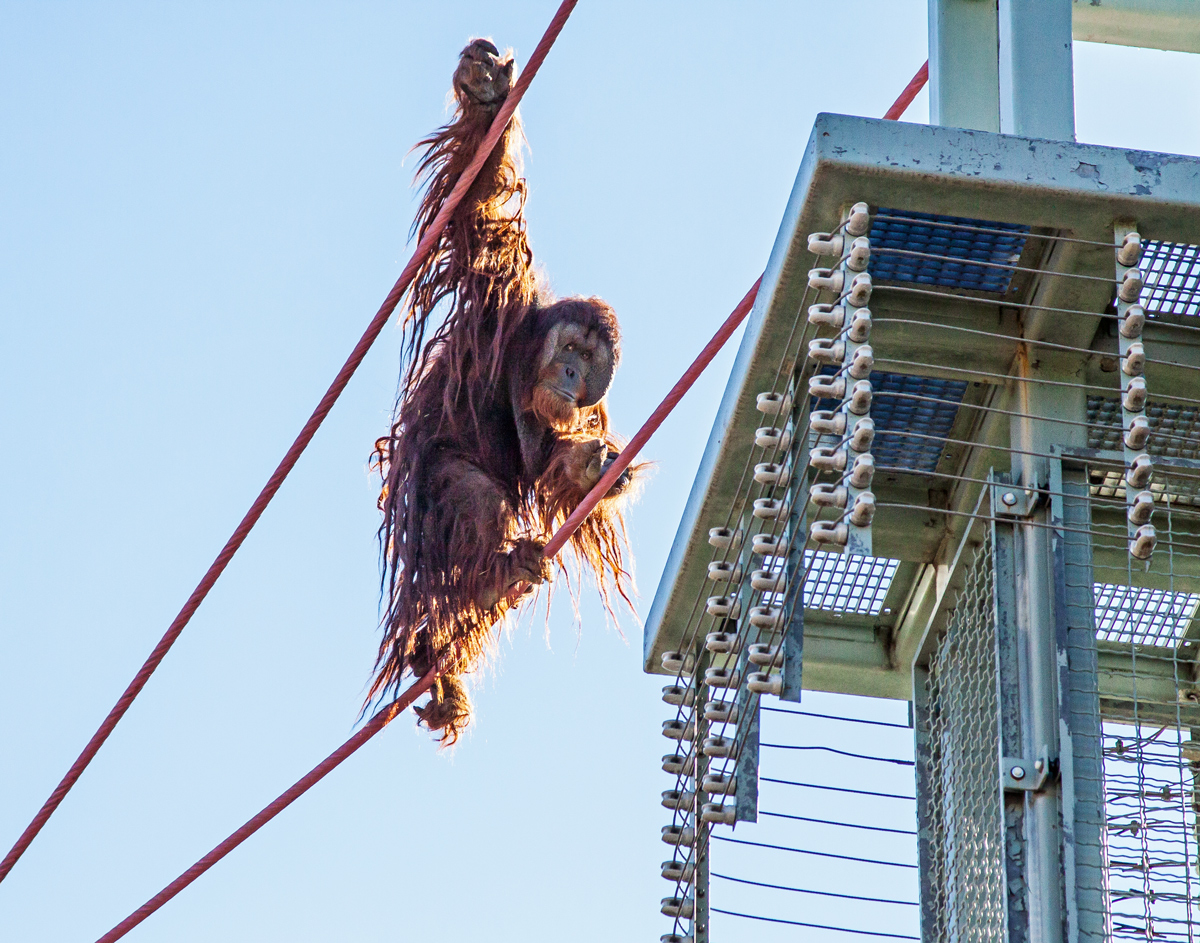
What do you want to be when you grow up? I wonder if these ducklings were dreaming of growing to be as big as a Great Blue Heron (Ardea herodias) when they swam toward its reflection yesterday at Huntley Meadows Park.
© Michael Q. Powell. All rights reserved.
Posted in Dragonflies, Macro Photography, Nature, Photography, Summer, wildlife, tagged Alexandria VA, Canon 50D, Epiaeschna heros, Huntley Meadows Park, Swamp Darner, Swamp Darner dragonfly, Tamron 150-600mm on July 16, 2016| 4 Comments »
Yesterday I spotted this spectacular female Swamp Darner dragonfly (Epiaeschna heros) at Huntley Meadows Park. At almost 3 1/2 inches long (90 mm), Swamp Darners are one of the largest dragonflies in our area.
It was a rare treat for me to capture shots of one perching—usually I see them only in flight. Like most darners, Swamp Darners hand vertically from vegetation, often low to the ground. I was fortunate to see this beautiful dragonfly fly to the perch and it remained there long enough for me to maneuver into position for a clear shot with my long zoom lens. I actually had to pull back from the maximum 600mm focal length of the lens in order to be able to fit the dragonfly’s entire body in the frame.
If you want to get a higher-resolution look at some of the wonderful details of this dragonfly, including the amazing colors of its eyes, be sure to click on the image.
© Michael Q. Powell. All rights reserved.
Posted in Birds, Nature, Photography, wildlife, tagged Alexandria VA, Ardea herodias, Canon 50D, catching fish, Great Blue Heron, green spring gardens, Tamron 180mm on July 10, 2016| 20 Comments »
How many large fish can there possibly be in the tiny man-made pond at Green Spring Gardens? That was my initial thought when I stumbled upon a Great Blue Heron (Ardea herodias) intently focused on the water at one end of the pond. I crept as close as I could, acutely aware that I had a non-zooming macro lens on my camera, and watched and waited.
I was somewhat surprised when the heron finally made a strike and was amazed when it pulled out a large fish. Almost immediately, the heron headed for dry land, probably fearing that it might drop the fish into the water. Playing it safe proved to be a good choice for the heron subsequently did drop the fish onto the ground. I am not sure if it was an accidental drop or if it was an intentional maneuver to grab the fish, but the heron had no trouble retrieving the fish.
It took a little while for the heron to position the fish, but once the fish was in place, the heron swallowed the fish in a single gulp. The heron then stretched out its neck and I could almost watch as the fish made its way down the neck and into the heron’s stomach.
© Michael Q. Powell. All rights reserved.