How to you measure success in your life and in your activities? When I was still working, I was repeatedly told that “impact” was more important than raw numbers. When it came time for a performance evaluation, however, raw numbers inevitably came into play because they are quantifiable, while “impact” was much harder to measure. So many of our managers tended to focus on things that were easily measured rather than on what was important.
WordPress provides lots of data for those of us writing blogs on this platform. In 2021, for example, the data show that I published 425 blog posts with a total of 86,891 words and 54,680 views. Is that good? How do you answer that question? What is the best metric to use? To whom do you compare yourself?
For me, 2021 was a successful year. Despite the ongoing pandemic, I got to see lots of cool things in nature and had plenty of wonderful photographic opportunities. I had some great interactions with readers and sparked some fascinating discussions. In case you are curious about the numbers, in 2020 I published 436 posts and had 53,156 views, so my total views in 2021 were a little higher despite a slighter smaller number of posts.
I take WordPress stats with a grain of salt, however, because I am never sure how they are calculated. What counts as a “view,” for example? Some readers view the posts in the Reader portion of the WordPress feed, while others click through to the blog itself. Do they both count, or only those in the latter group?
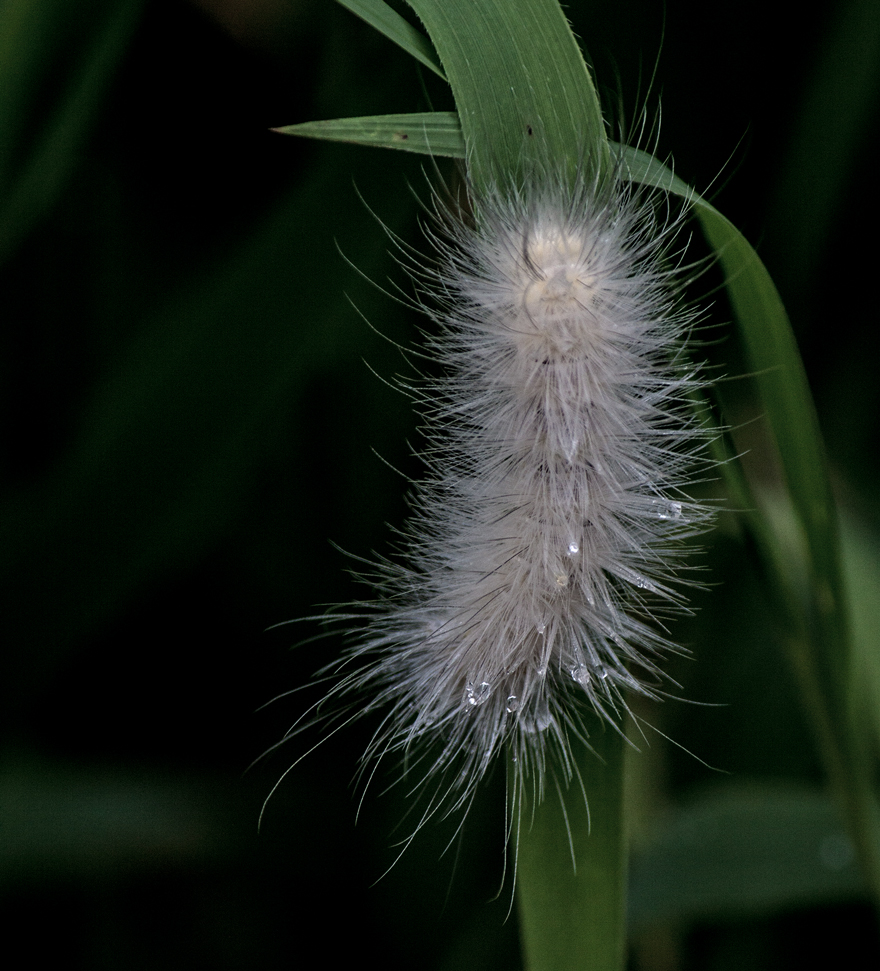
I am always intrigued at the end of the year to see which posts were viewed the most often. As is usually the case, none of my most viewed posts in 2021 were written during that year. Here are my top five most viewed posts this past year with indications of the number of views in 2021, the total lifetime views for the post, and the date of its original publication. I have extracted a photo from each of the posts to give you an idea of the content and added links to the title of each post that you can click to read the original posting in its full “glory” and original context.
As I view these images, I am struck by several things. First of all, it is obvious to me that these are far from being my best photos. They are cool records of some interesting encounters, but they are not the kind of images that I would enter into a contest. Additionally I note that most of the shots were taken quite a while ago.
What do these images have in common? It seems to me that the titles of all of these posts are fairly generic and are the kinds of search terms that someone might enter into Google. Your results may vary, but when I enter “groundhog in a tree” in Google, for example, my blog post is the first entry in the search results and my photo below is the first image shown. Do you get the same results?
Nobody knows for sure how the Google algorithms work, but it seems to me that I might have inadvertently “cracked” the code this year, and the result was 1,055 views of my groundhog post from two years ago out of a total of 54,680 views this past year for the entire blog.
Don’t worry, though, I can almost guarantee that I am not going to switch to totally generic titles for my posts. As is the case with the text of the postings, I sometimes like to have titles that are quirky, humorous, or have lame puns in them.
I will probably do at least one more retrospective posting soon with a look at some of the most viewed or best postings of 2021 that were actually written in 2021. Stay tuned for that post and in the meantime those of you who still use checks can start practicing writing “2022”—I am sure that I will have trouble writing dates for at least the next few weeks.
Groundhog in a tree ; 1055 views (total lifetime views: 1157); originally published—11 April 2019

Blue-eyed garter snake ; 791 views (total lifetime views: 2211); originally published— 9 May 2016

Fuzzy white caterpillar ; 511 views (total lifetime views: 2758); originally published— 3 August 2013

Tiny orange butterfly ; 374 views (total lifetime views: 822); originally published— 17 September 2013

Male and female garden spiders ; 367 views (total lifetime views: 462); originally published— 12 August 2020

© Michael Q. Powell. All rights reserved.
Read Full Post »















 Mike Powell