Feeds:
Posts
Comments

Posts Tagged ‘skunk cabbage’

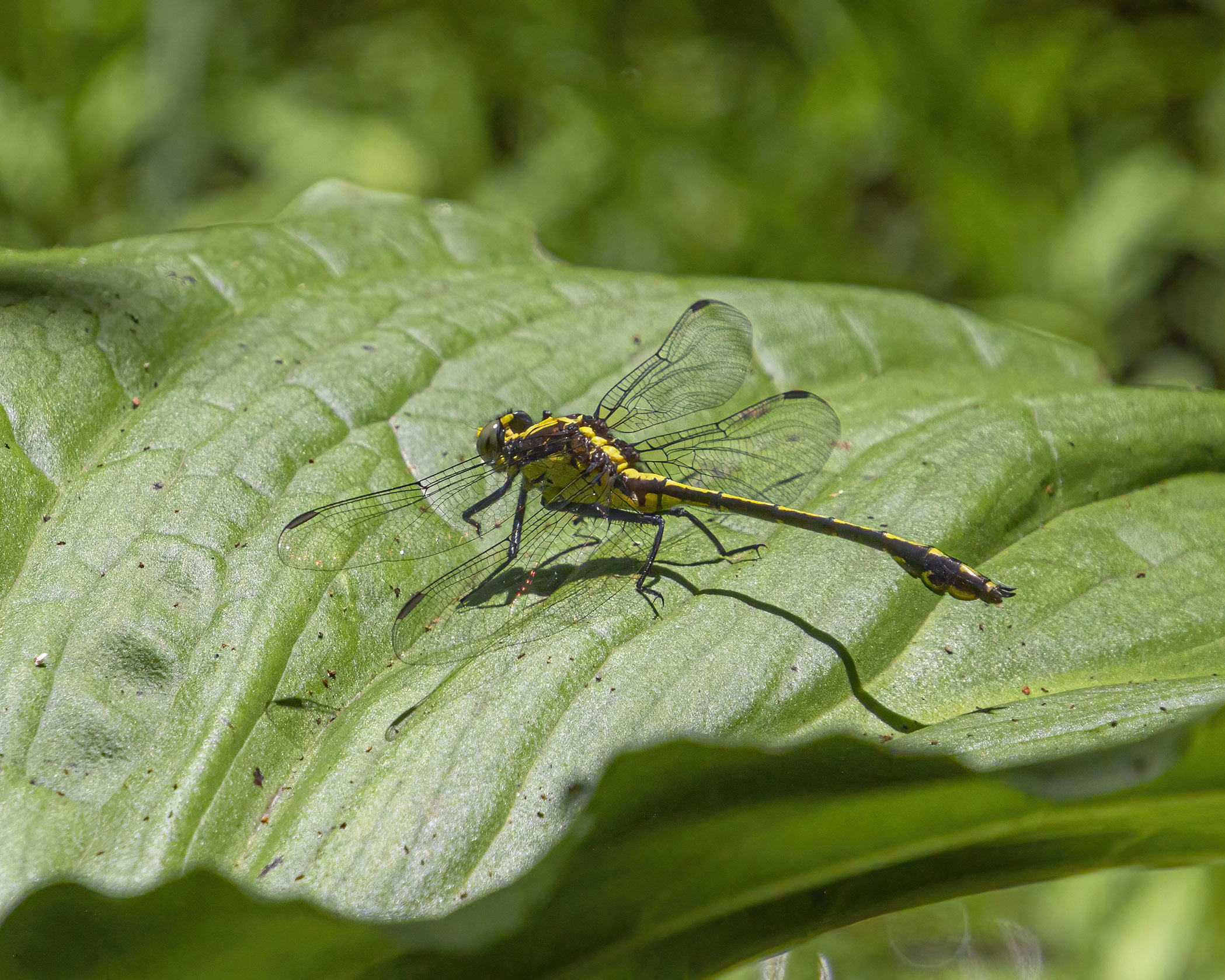
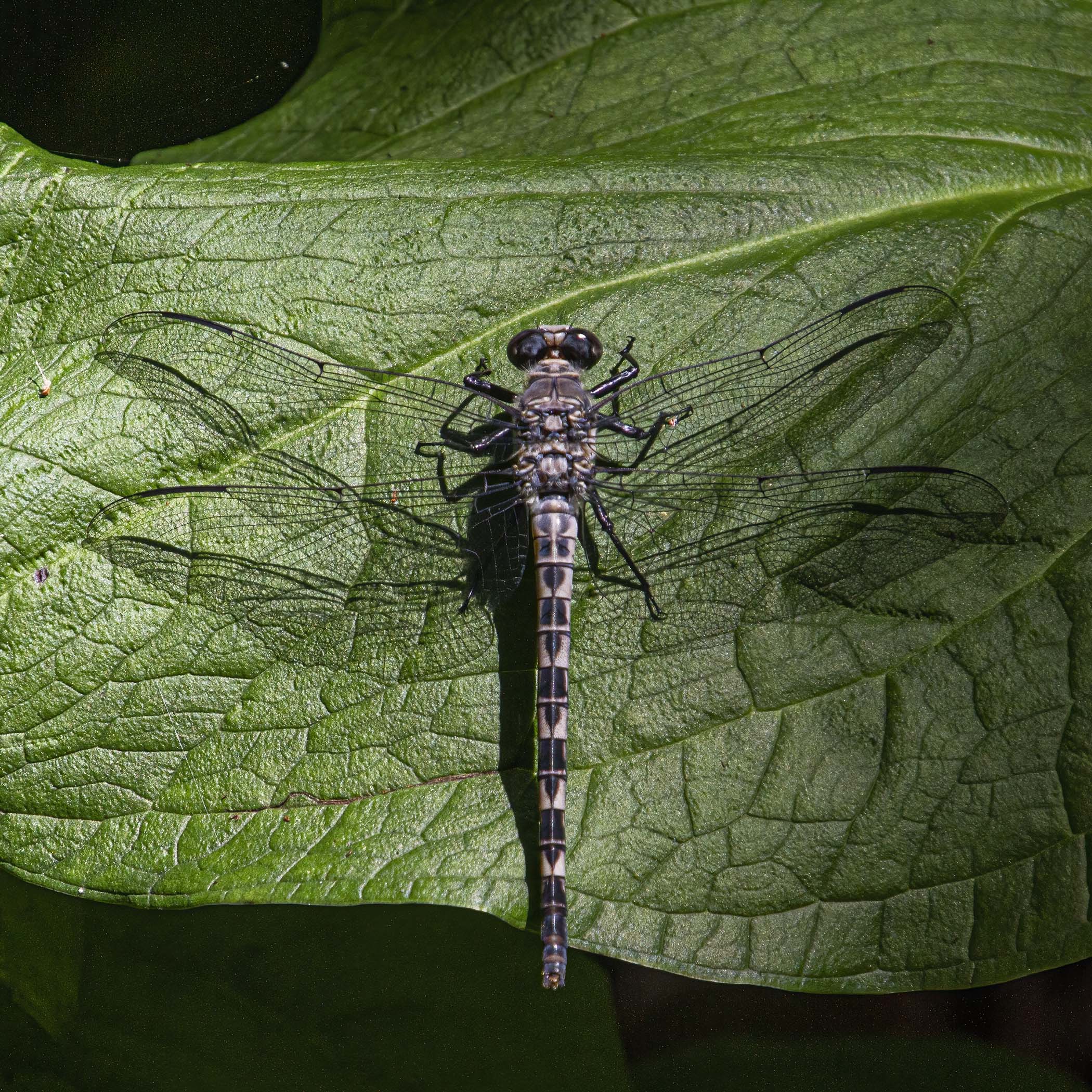
I was thrilled on Thursday to spot several Gray Petaltail dragonflies (Tachopteryx thoreyi) while I was exploring a small local pond. Actually I was exploring a mucky seep area beyond the pond, a habitat that I knew was preferred by this species. When I find an area with a lot of skunk cabbage, I know I am in the right kind of place to find this species.

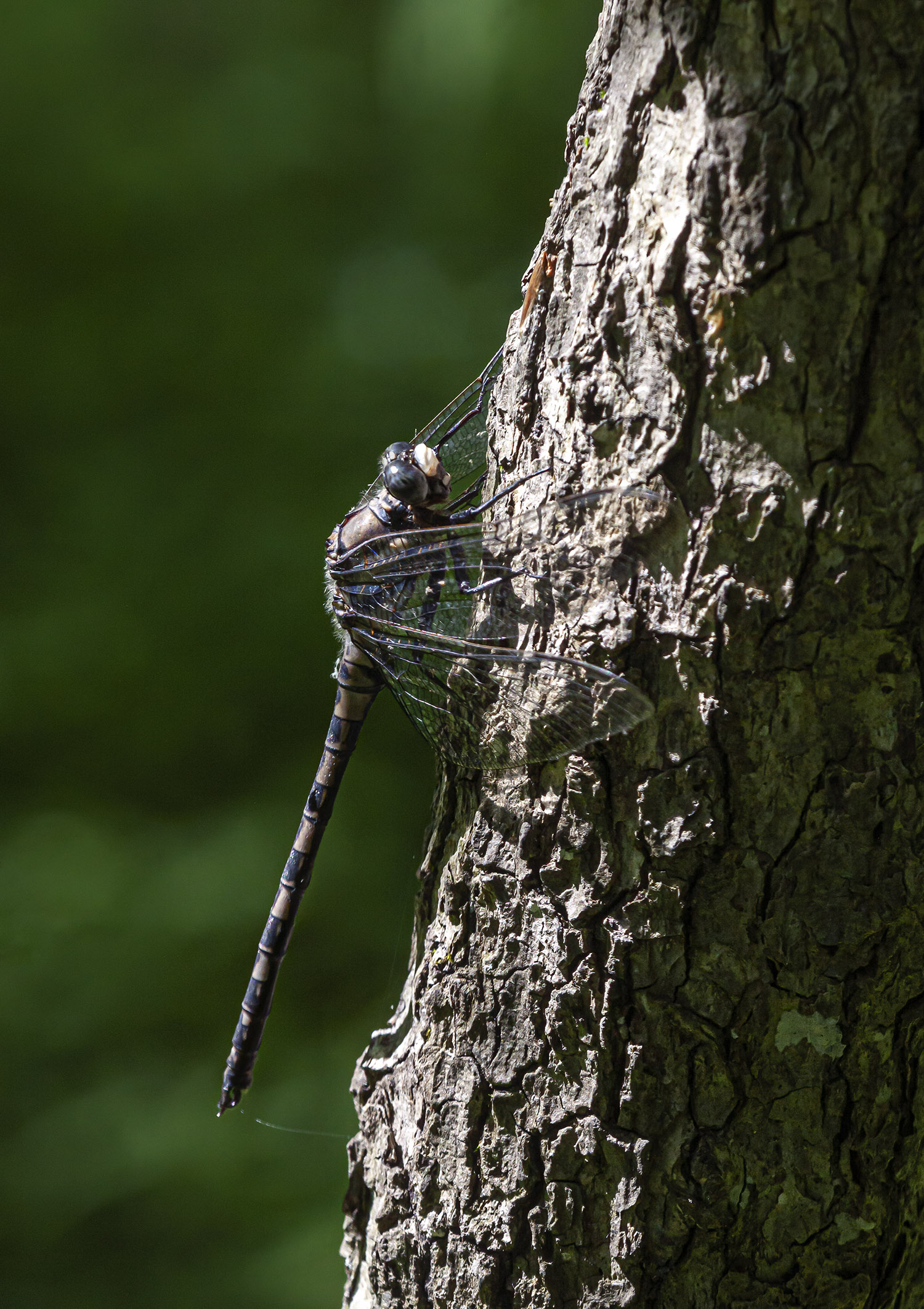
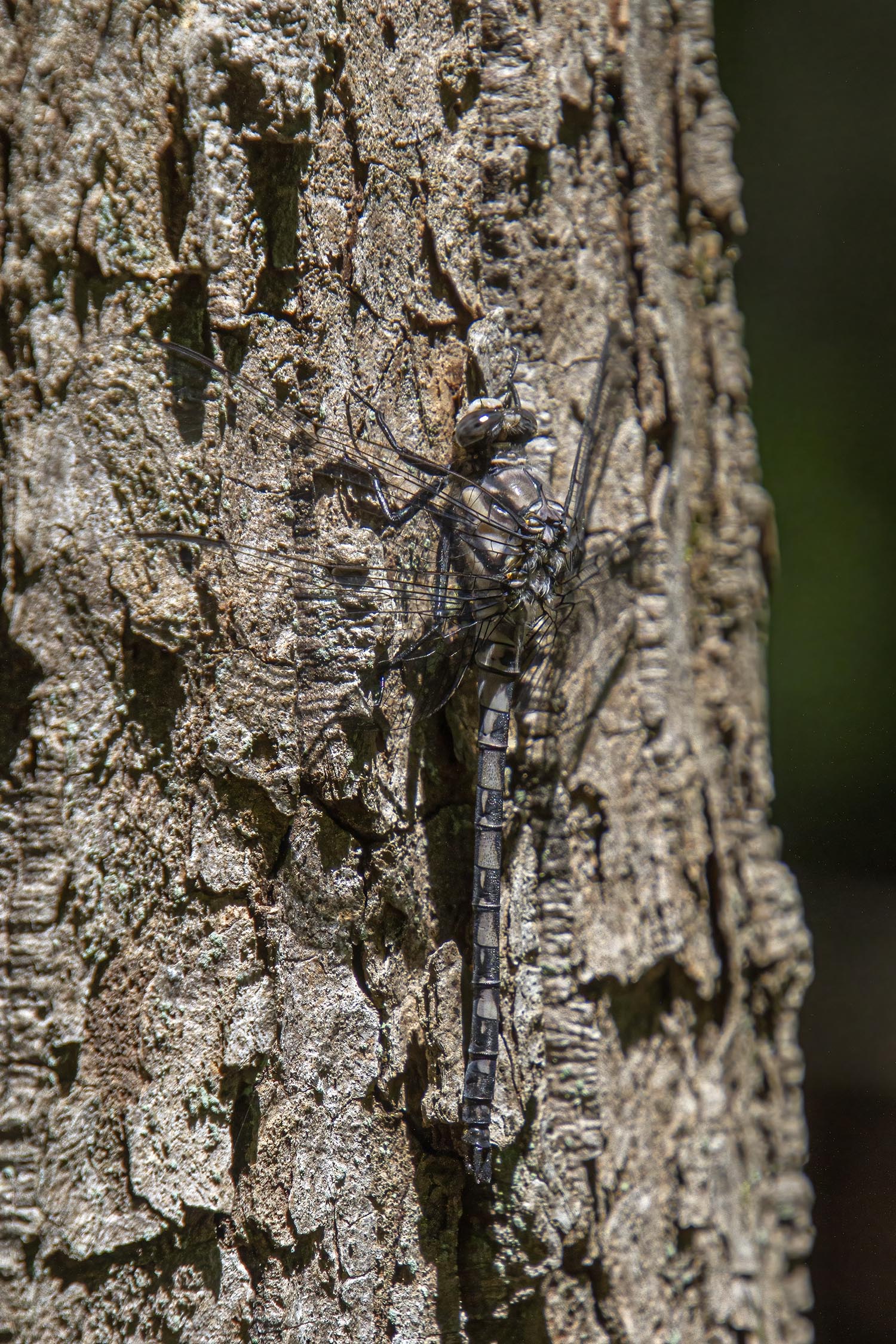
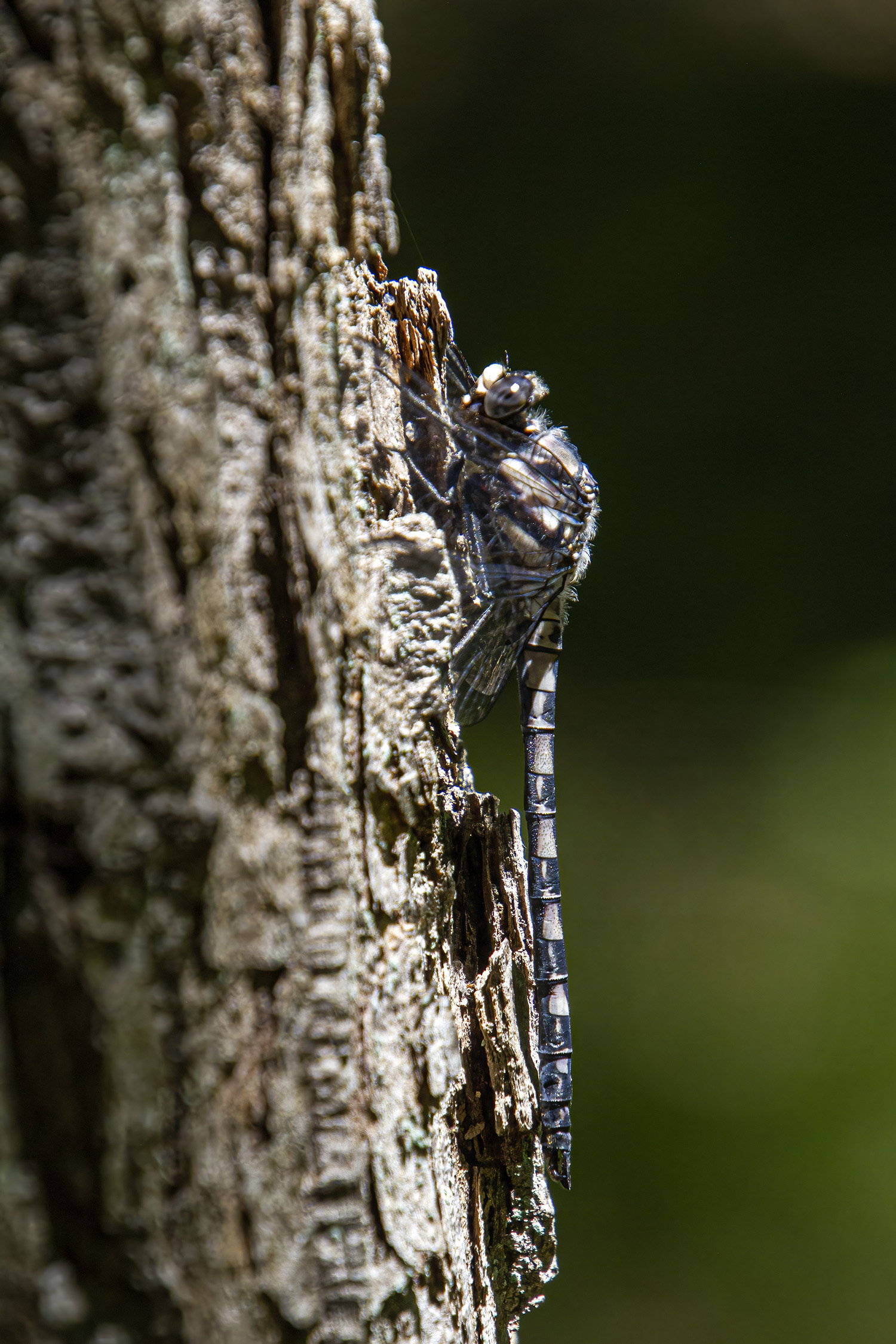
Gray Petaltails are amazing. They are the only member of the monotypic genus Tachopteryx and are often considered to be the most primitive living odonates. Colorwise, they are mostly grey and black, which allows them to blend in perfectly with the bark of tree trunks on which they often perch.

The first photo below shows an almost perfectly camouflaged Gray Petaltail. I watched it land on the tree trunk and still had some difficulty finding it in my camera’s viewfinder. I carefully moved to the side a bit and captured the second image in which you can see the dragonfly a bit better.

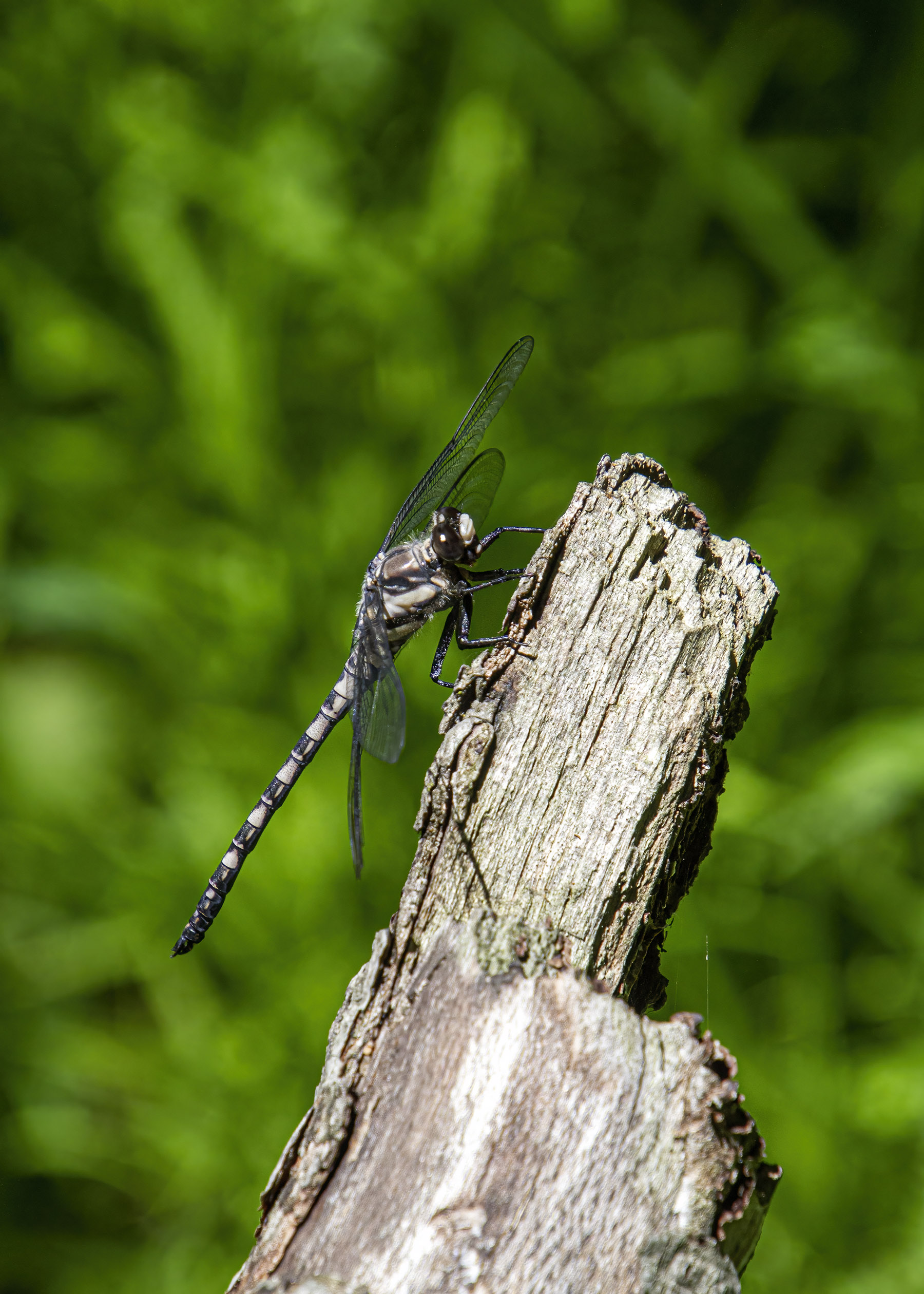
Once I had spotted my first Gray Petaltail, I hung around the seep area for quite a while and had a number of additional encounters. The third photo shows a Gray Petaltail perching on a broken off tree in the distance and I really like the way that the background looks in the shot.

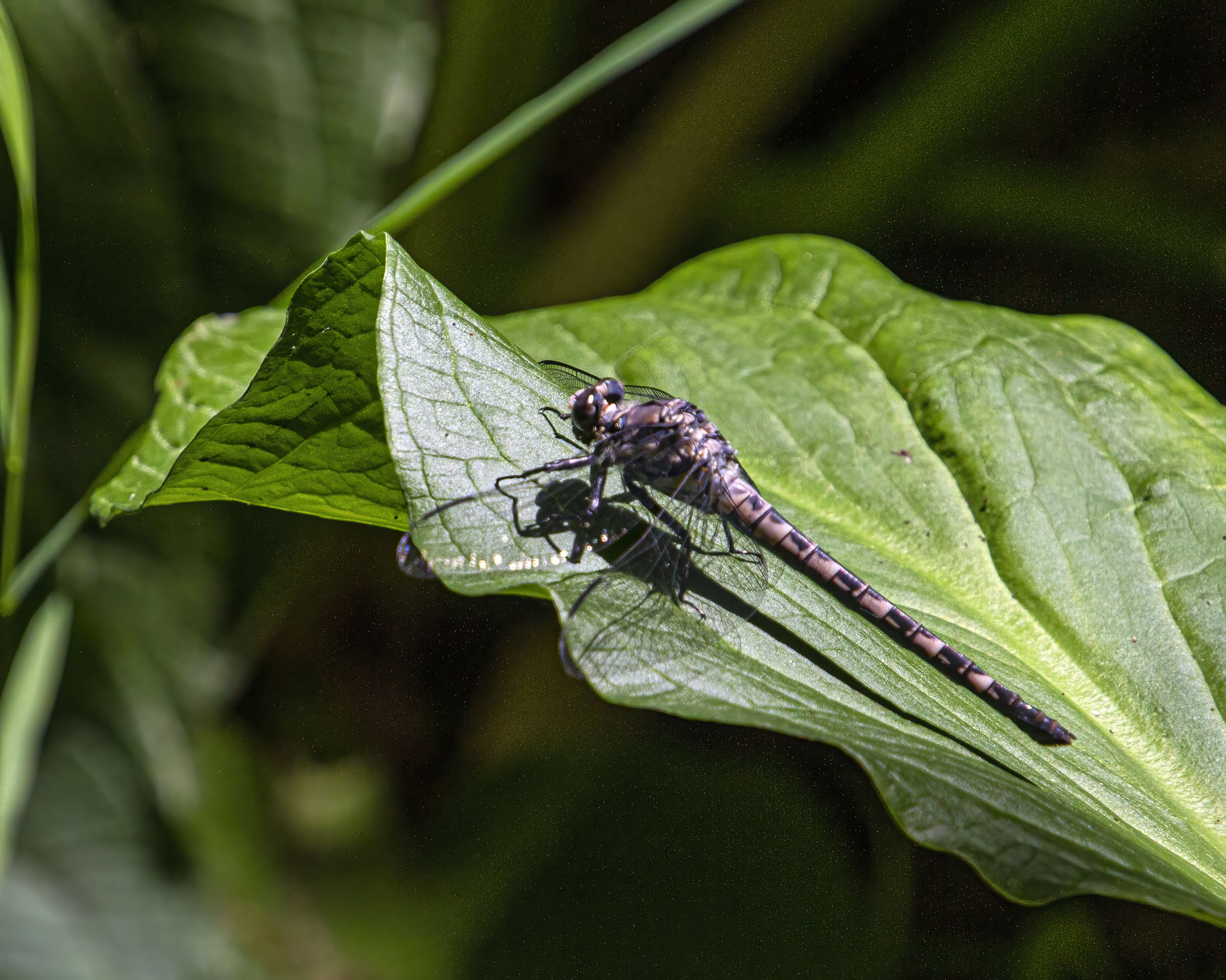
The final two shots are among my favorites, because they show a Gray Petaltail perched horizontally on skunk cabbage leaves. I have often tried to get shots like these, but in the past the Gray Petaltails have rarely perched on this vegetation. In the final image the dragonfly looks like it is perched vertically, but I took the shot with my camera pointed downward at the Gray Petaltail that was perched horizontally on the skunk cabbage leaf. I love the way I was able to capture the texture of the leaf and the shadows of the wings was a nice bonus.

Gray Petaltail


Gray Petaltail

Gray Petaltail

Gray Petaltail

Gray Petaltail

© Michael Q. Powell. All rights reserved.


Read Full Post »

Not all plants wait for the spring to start growing. Skunk cabbage (Symplocarpus foetid) starts growing in the winter and can generate its own heat and even melt snow around it when the ground is frozen. According to Wikipedia, skunk cabbage “is notable for its ability to generate temperatures of up to 27–63 °F (15–35 °C) above air temperature by cyanide resistant cellular respiration in order to melt its way through frozen ground, placing it among a small group of thermogenic plants.” I spotted these skunk cabbage plants this past Saturday at Occoquan Regional Park.

So why am I interested in this plant? Several types of dragonflies, including the Arrowhead Spiketail dragonfly and the Gray Petaltail dragonfly can be found in the kind of forest seeps where skunk cabbage grows. I am conducting advance reconnaissance of locations to explore when dragonfly season finally arrives. Last year I spotted my first dragonflies in early April, so I have “only” three months to wait for the opening of the 2021 dragonfly season.

skunk cabbage

© Michael Q. Powell. All rights reserved.
Read Full Post »

Where can you find dragonflies? You can find them almost anywhere where there is some kind of water nearby, but different species have preferred habitats. Some dragonflies can be found at lakes or ponds or streams or in sunlit meadows or in the margins of the forest.

Some of my favorites, including the Gray Petaltail dragonfly (Tachopteryx thoreyi) are creatures of the seeps, those mucky forest areas where skunk cabbages are likely to grow. Most of the photos that I have published of Gray Petaltails have shown them perching vertically on sunlit trees near those seeps. That is where they are found most often, although they will sometimes perch on people with gray shirts, perhaps mistaking them for trees. I have had it happen to me on multiple occasions and, even though I love dragonflies, it is a little disconcerting when one of these large dragonflies flies by your head with an audible whir and lands on you.

As I was exploring a seepy area in Occoquan Regional Park on Wednesday, I was thrilled to be able to capture a shot of a Gray Petaltail perched horizontally on some skunk cabbage. What was he doing there? My first thought was that maybe he had just emerged and was waiting for his wings to harden. Unlike many other dragonfly larvae that live in the water, Gray Petaltail larvae live in the moist leaves in and around the seeps, so that is were they undergo their amazing metamorphosis from larvae into dragonflies.

When the dragonfly flew to a nearby tree, as shown in the second shot, it appeared to be a full-grown adult. I am still at a loss to explain why he was previously perched on skunk cabbage. Who knows? However, I do like the way that way that the background of this image is diagonally broken up into a kind of yin-yang pattern, a wonderful backdrop for this dragonfly’s muted colors.

The final photo is a quick shot to give you a visual impression some of the elements in a sun-lit forest seep, the preferred habitat for a Gray Petaltail dragonfly. This seep is on the side of a hill, so the water is not stagnant, but instead slowly oozes its way into a stream. If you want to find a Gray Petaltail on your own, this is the kind of place where you need to search.

Gray Petaltail

Gray Petaltail

seep

© Michael Q. Powell. All rights reserved.
 

Read Full Post »

The past few weeks I have been searching for patches of skunk cabbage (Symplocarpus foetidus). What exactly is skunk cabbage? The Gardening Know How website describes the plant in these words, “Skunk cabbage is a perennial wildflower that grows in swampy, wet areas of forest lands. This unusual plant sprouts very early in the spring, and has an odd chemistry that creates its own heat, often melting the snow around itself as it first sprouts in the spring.” In case you are curious, the plant gets its name from the fact that its leaves gives off a smell of skunk or rotting meat when they are crushed or bruised—I can’t personally vouch for that fact, but am willing to accept it at face-value.

So why am I looking for this curious plant that has already begun to sprout in my area? Several types of dragonflies, including the Arrowhead Spiketail dragonfly (Cordulegaster obliqua) that I featured last week, and the Gray Petaltail dragonfly (Tachopteryx thoreyi) can be found in the kind of forest seeps where skunk cabbage grows. The purpose of my recent trips to several parks has been to conduct advance reconnaissance of locations to explore when dragonfly season finally arrives.

For more information about skunk cabbage and how dragonflies are associated with this plant, check out this recent posting by Walter Sanford, my friend and fellow dragonfly enthusiast, with whom I have conducted some of these scouting expeditions.


skunk cabbage

skunk cabbage

skunk cabbage

© Michael Q. Powell. All rights reserved.


Read Full Post »