January 6, 2022 by Mike Powell
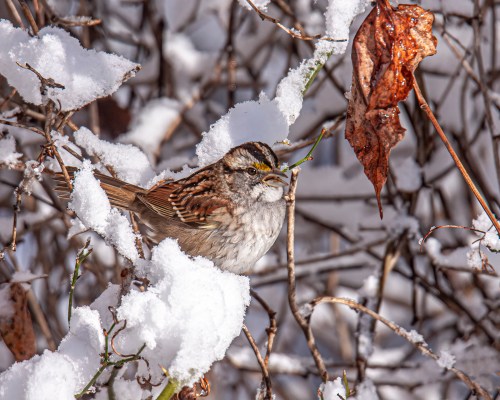
It was delightful on Tuesday to photograph cardinals with a brilliant blue sky as a backdrop, but many of the birds that I try to photograph do not perch high up in the trees. Birds like this White-throated Sparrow (Zonotrichia albicollis) spent most of the time near the ground, poking about in the undergrowth. If I am lucky enough to get a clear view of one of these birds, the background is likely to be cluttered and distracting.
Snow has a way of decluttering the image, obscuring some of the pesky background branches. This was the case in the first image when I was able to capture the intensity of the sparrow in mid-cry. His little white “beard” is a perfect for the match for the snow and I was happy to be able to capture his little yellow eye stripe.
The second image has a much more gentle feel to it. The blurred snowy background allows us to focus on the puffed-up sparrow perched on the tiny branch protruding from the snow. The sparrow seemed to be taking a break, resting and recovering as it contemplated its next moves. As is usually the case, the sparrow did not sit still for very long and resumed its foraging a short time later.

© Michael Q. Powell. All rights reserved.
Posted in Birds | Tagged Alexandria VA, Canon 50D, Runnymeade, snow, sparrow, Tamron 150-600mm, white-throated sparrow, Zonotrichia albicollis | 7 Comments »
January 5, 2022 by Mike Powell
Yesterday afternoon I trudged through the snow in the wooded areas of my townhouse community and was thrilled to spot a few birds. The sun was shining brightly and the skies were blue, but the temperatures never really rose above the freezing level.
It felt invigorating to be outdoors, though I must admit that I felt a little self-conscious skulking about behind my neighbors’ houses with a camera with a long lens. However, nobody called the police to report a peeping Tom, so I guess that I was ok.
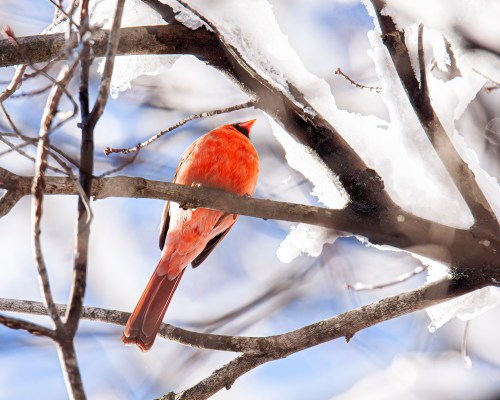
When it comes to iconic shots of birds in the snow, nothing beats the impact of a bright red Northern Cardinal (Cardinalis cardinalis). The only problem was that I could not find one. Fortunately I was able to spot an equally stunning female cardinal that appeared to be basking in the warmth of the sunlight. I had to maneuver about quite a bit to get a clear shot of her, but am pretty happy with the composition that I was able to get, especially in the first photo that captured some of her personality.
Eventually I did find a male cardinal, but he was not very cooperative. I could see his color clearly—it is impossible to hide when you are that brightly colored—but branches kept me from getting a clean shot. The final image shows the only unobstructed view I could get of the cardinal when I was almost directly below him as he steadfastly ignored me and refused to look down at me. Still, I really like the shot, which has an abstract feel to it that I find really appealing.


© Michael Q. Powell. All rights reserved.
Posted in Birds, Nature, Photography, wildlife, Winter | Tagged Alexandria VA, canon 50, cardinal, Cardinalis cardinalis, female Northern Cardinal, Northern cardinal, Runnymeade, Tamron 150-600mm | 18 Comments »
January 4, 2022 by Mike Powell
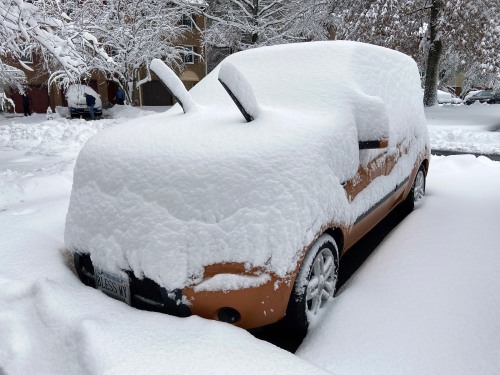
It has been several years since we had a substantial snowfall in our area. Last winter we had a total accumulation of 5.4 inches (14 cm) of snow and the year before that we had a total of only 0.6 inches (15 mm). This storm started as rain at night and then turned into a steady snowfall of wet snow throughout the morning and early afternoon. One of my neighbors measured the total amount of snow we received at 10 inches (25 cm).
Not surprisingly, schools were closed for the day as were the federal and local governments—the road crews in this area are simply not equipped to removed this large a quantity of snow. Eventually people emerged from their cozy homes to dig themselves out. I live in densely-packed a townhouse community and one of our biggest challenges when it snows is finding a place to pile the snow.
About half of the cars in the neighborhood are now cleared and the roads have been plowed—the first photo shows my little KIA Soul with its blanket of snow that I have removed. However, temperatures overnight dipped to 19 degrees (minus 7 degrees C) and the roads are an icy mess this morning. Schools have another snow day and recovery will continue.
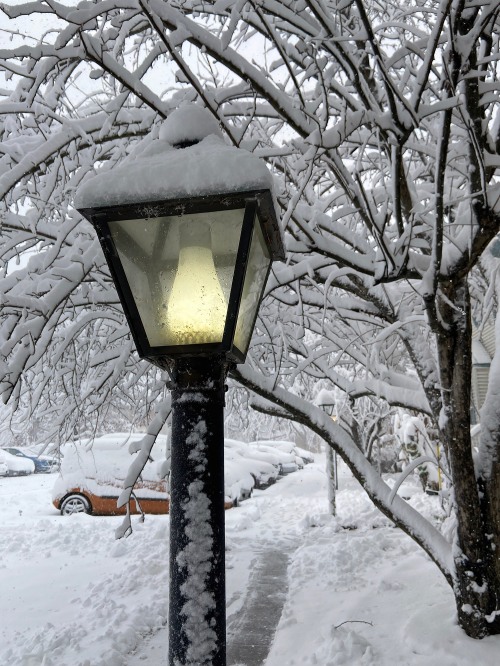
Unlike in some areas, we were fortunate not to lose power. However, the weight of the heavy snow caused numerous tree branches to fall—several large branches from pine trees fell into my back yard, but did not cause any damage. Additional, a large pine tree toppled over behind my townhouse as shown in the final photo. Luckily it fell away from the houses and managed not to hit any fences or cars, though it is now blocking a sidewalk.
I think I am going to stay put most of today and not venture out on the icy roads with my car. The temperatures are forecast to rise to the freezing point around noon and I may try to venture out with my camera and see if any of the neighborhood wildlife creatures are active. I’m be careful, though, because I am very conscious of the fact that the winter snow can be dangerous as well as being beautiful.
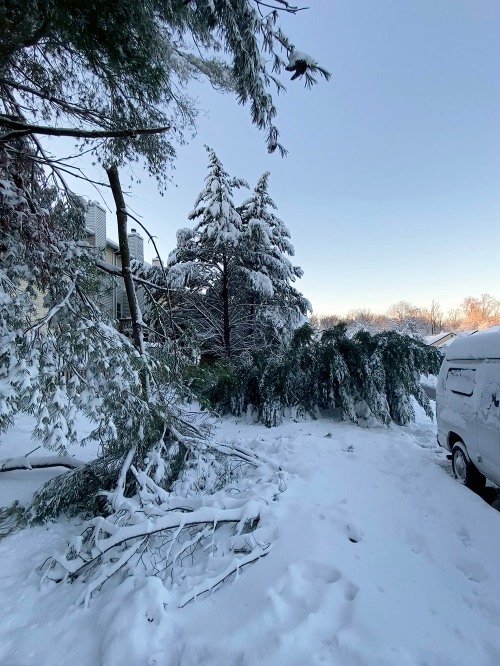
© Michael Q. Powell. All rights reserved.
Posted in Landscape, new year, Photography, Winter | Tagged iPhone 11, KIA Soul, snow, snowfall, winter 2022 | 31 Comments »
January 3, 2022 by Mike Powell
Yesterday I featured my five most-viewed posts in 2021, all of which were published in previous years. Today I decided to show you photos from my five most-viewed posts in 2021 that were actually written in 2021. In many ways, these photos are a better representation of my me and my blog than yesterday’s set of images.
What do I mean? As I noted yesterday, most of the views for my older posts probably came from someone doing a Google search for a particular subject or combination of words. My posts popped up in their results because of the words in the posts themselves and the keywords that I have associated with the posts. I like the way that my posts take on a life of their own after they are published, but there is a kind of randomness to the process.
Most of my views for the postings below almost certainly came from folks who currently follow my blog and viewed the posts within the first few days after they were written. These viewers, many of whom I now consider my friends, are much more likely to read the entire text of the posts and to provide detailed comments. I really value that sense of engagement and the feeling of community that this process builds, which has been of even greater importance than ever during the ongoing pandemic.
In terms of the quality of the photos and the variety of the subjects, I like today’s images a lot. Many people know of my fondness for dragonflies and I am tickled to see that two images of dragonflies made the cut. Those two images (and the other three as well) show of some of the skills and creativity that I strive to apply to my photography—they are not merely documentary shots.
I encourage you to click on the titles of the individual postings to visit or re-visit the original posts. If you, you will discover that most of these postings contain a lot a lot “me”—my personal philosophy, priorities, and personality. You can see that approach in my use of titles like “Hope and happiness” and “To everything there is a season.”
I should warn you, though, that these postings might be a little longer than some of my other posts. WordPress tells me that my average post for 2021 had 204 words, and these five may be longer than that. When I sit down to write a posting, I tend to use a stream-of-consciousness style. I compose as I am thinking, letting my mind run in whatever direction it happens to go. As a result, I may ramble a bit or go off on tangents, but the results are often a direct reflection of the genuine me.
It is snowing our right now, our first snow of the season and we are forecast to get up to 10 inches (25 cm) of snow. In many ways, this is a White Christmas for us. I attend an Episcopal church and we begin our celebration on Christmas Eve, followed by the Twelve Days of Christmas, leading up to the Epiphany, when the Magi appeared. If I remember the lyrics right, today my true love should bring “ten lords a-leaping.” Hopefully my day (and yours too) will be more peaceful than that and we will all have a silent night.
Hope and happiness: 213 views, originally published—22 January 2021

Nine year anniversary: 189 views, originally published—7 July 2021

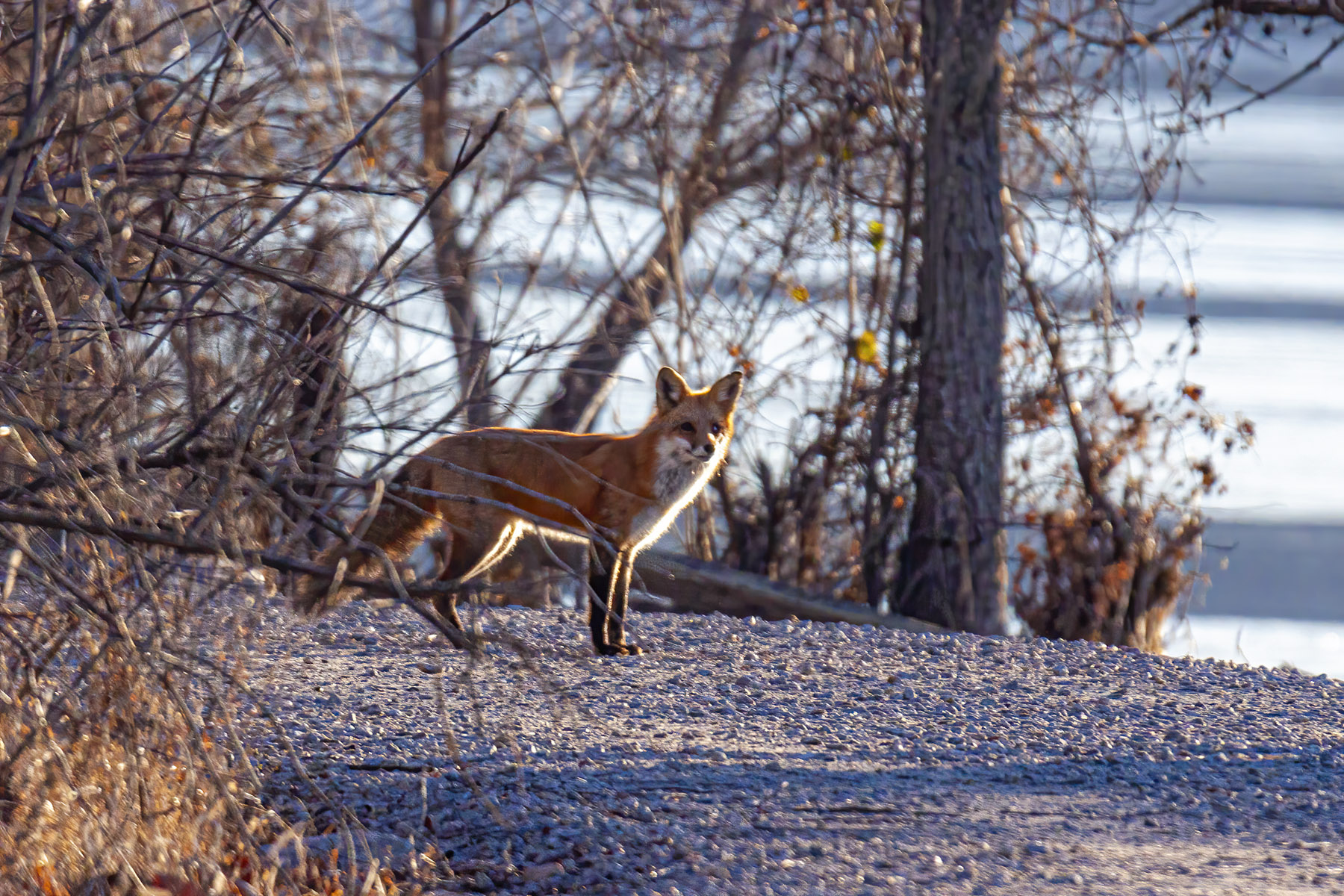
Early morning fox: 142 views, originally published—6 February 2021

A kaleidoscope of butterflies: 138 views, originally published—6 April 2021

To everything there is a season: 134 views, originally published—11 October 2021

© Michael Q. Powell. All rights reserved.
Posted in animals, Birds, Insects, new year, Photography, wildlife | Tagged 2021 retrospective, New Year 2022, retrospective | 24 Comments »
January 2, 2022 by Mike Powell
How to you measure success in your life and in your activities? When I was still working, I was repeatedly told that “impact” was more important than raw numbers. When it came time for a performance evaluation, however, raw numbers inevitably came into play because they are quantifiable, while “impact” was much harder to measure. So many of our managers tended to focus on things that were easily measured rather than on what was important.
WordPress provides lots of data for those of us writing blogs on this platform. In 2021, for example, the data show that I published 425 blog posts with a total of 86,891 words and 54,680 views. Is that good? How do you answer that question? What is the best metric to use? To whom do you compare yourself?
For me, 2021 was a successful year. Despite the ongoing pandemic, I got to see lots of cool things in nature and had plenty of wonderful photographic opportunities. I had some great interactions with readers and sparked some fascinating discussions. In case you are curious about the numbers, in 2020 I published 436 posts and had 53,156 views, so my total views in 2021 were a little higher despite a slighter smaller number of posts.
I take WordPress stats with a grain of salt, however, because I am never sure how they are calculated. What counts as a “view,” for example? Some readers view the posts in the Reader portion of the WordPress feed, while others click through to the blog itself. Do they both count, or only those in the latter group?
I am always intrigued at the end of the year to see which posts were viewed the most often. As is usually the case, none of my most viewed posts in 2021 were written during that year. Here are my top five most viewed posts this past year with indications of the number of views in 2021, the total lifetime views for the post, and the date of its original publication. I have extracted a photo from each of the posts to give you an idea of the content and added links to the title of each post that you can click to read the original posting in its full “glory” and original context.
As I view these images, I am struck by several things. First of all, it is obvious to me that these are far from being my best photos. They are cool records of some interesting encounters, but they are not the kind of images that I would enter into a contest. Additionally I note that most of the shots were taken quite a while ago.
What do these images have in common? It seems to me that the titles of all of these posts are fairly generic and are the kinds of search terms that someone might enter into Google. Your results may vary, but when I enter “groundhog in a tree” in Google, for example, my blog post is the first entry in the search results and my photo below is the first image shown. Do you get the same results?
Nobody knows for sure how the Google algorithms work, but it seems to me that I might have inadvertently “cracked” the code this year, and the result was 1,055 views of my groundhog post from two years ago out of a total of 54,680 views this past year for the entire blog.
Don’t worry, though, I can almost guarantee that I am not going to switch to totally generic titles for my posts. As is the case with the text of the postings, I sometimes like to have titles that are quirky, humorous, or have lame puns in them.
I will probably do at least one more retrospective posting soon with a look at some of the most viewed or best postings of 2021 that were actually written in 2021. Stay tuned for that post and in the meantime those of you who still use checks can start practicing writing “2022”—I am sure that I will have trouble writing dates for at least the next few weeks.
Groundhog in a tree ; 1055 views (total lifetime views: 1157); originally published—11 April 2019

Blue-eyed garter snake ; 791 views (total lifetime views: 2211); originally published— 9 May 2016

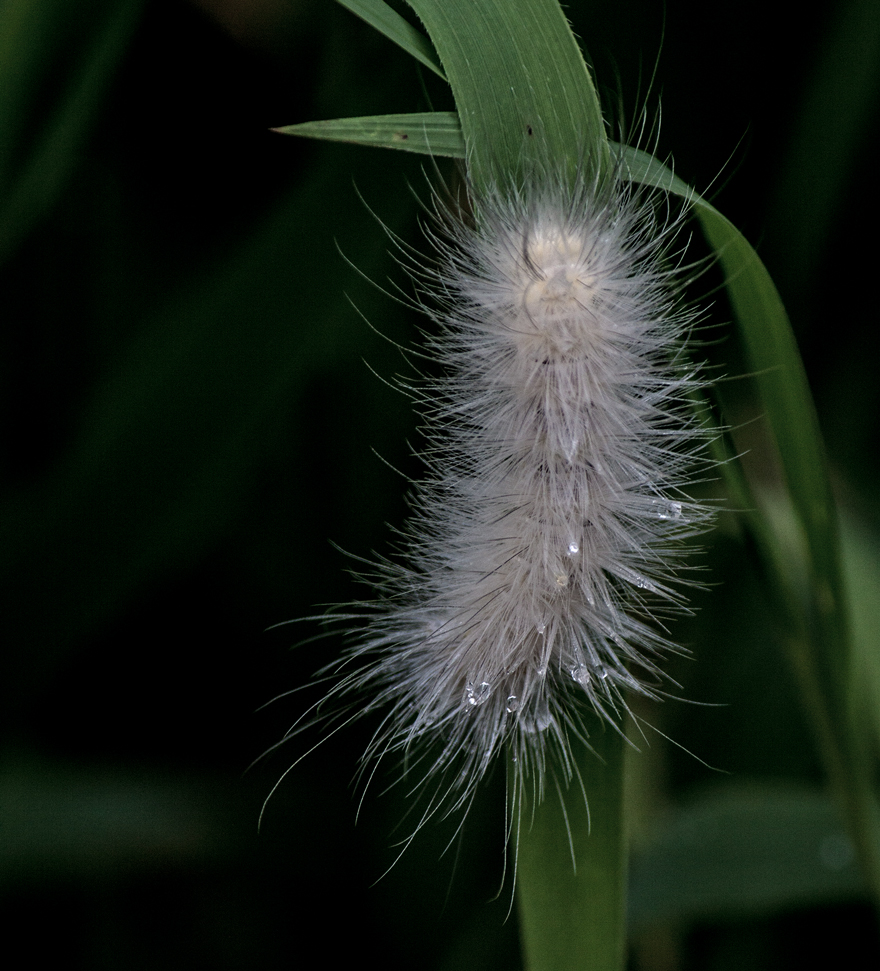
Fuzzy white caterpillar ; 511 views (total lifetime views: 2758); originally published— 3 August 2013

Tiny orange butterfly ; 374 views (total lifetime views: 822); originally published— 17 September 2013

Male and female garden spiders ; 367 views (total lifetime views: 462); originally published— 12 August 2020

© Michael Q. Powell. All rights reserved.
Posted in Humor, Nature, new year, Photography, wildlife | Tagged 2021 retrospective, most viewed posts of 2021, New Years 2022 | 13 Comments »
January 1, 2022 by Mike Powell
It is a cool, rainy morning here as I sit here, trying to think about what I want to say as I begin the new year. I planned on watching the ball fall at Times Square at midnight, but dozed off on the sofa and missed the moment—I guess that is a sign that I am getting old.
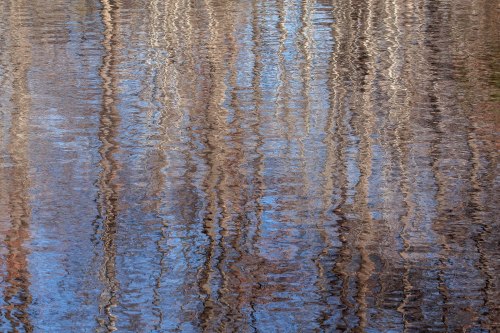
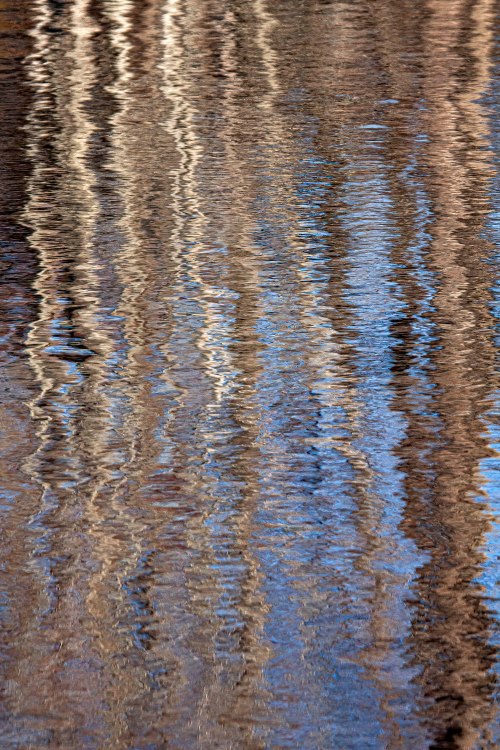
I am feeling pensive right now as I think about the year that has just concluded and wonder what the new year will hold for me. I decided to share some photos that I took last week at the little pond that I featured yesterday. I was utterly fascinated by the reflections of some of the trees at the edge of the pond and the textures that appeared in the ripples on the surface of the water.
Normally I have much more of an identifiable main subject when I am taking a photo, but in those moments I was mesmerized, feeling a little bit like I was looking at a Monet painting. Sometimes I get into an “artsy” trance of sorts and I have no idea how long I stood there with my camera pointing down at the water on the opposite shore.
A few people passed by, but fortunately did not pose the sometimes annoying question that I am frequently asked about what I was photographing. I often have to bite my tongue and not reply with the words resounding in my head—”I was trying to photograph a bird that you spooked with your noisy arrival.” In this case, there was no live subject to scare away, but it would have destroyed my meditative concentration.
I have to admit that I am a little selfish when it comes to sharing my wildlife experience in person with others—I prefer to enjoy the beauty of nature in solitude. I often avoid locations that have abundant wildlife, if I know there will be crowds of photographers. As I like to tell my friends, I was avoiding people long before it became popular during this pandemic.
I will probably do some kind of more organized retrospective look at the postings of this past year in the next few days. For today, though, I wanted to share some musings and reflections.
Best wishes to all of you for a happy and healthy New Year.

© Michael Q. Powell. All rights reserved.
Posted in abstract, Landscape, Nature, new year, Photography | Tagged Canon 50D, Kingstowne VA, new year, New Year 2022, reflections, ripples, Tamron 150-600mm | 17 Comments »
December 31, 2021 by Mike Powell
Early in the winter, several species of water birds migrate to a water-retention pond in a nearby community called Kingstowne and they generally remain there until spring. The water in the center of the pond is quite deep and the species that like to dive for their food (versus those that “dabble” on the surface of the water) spend most of their time there.
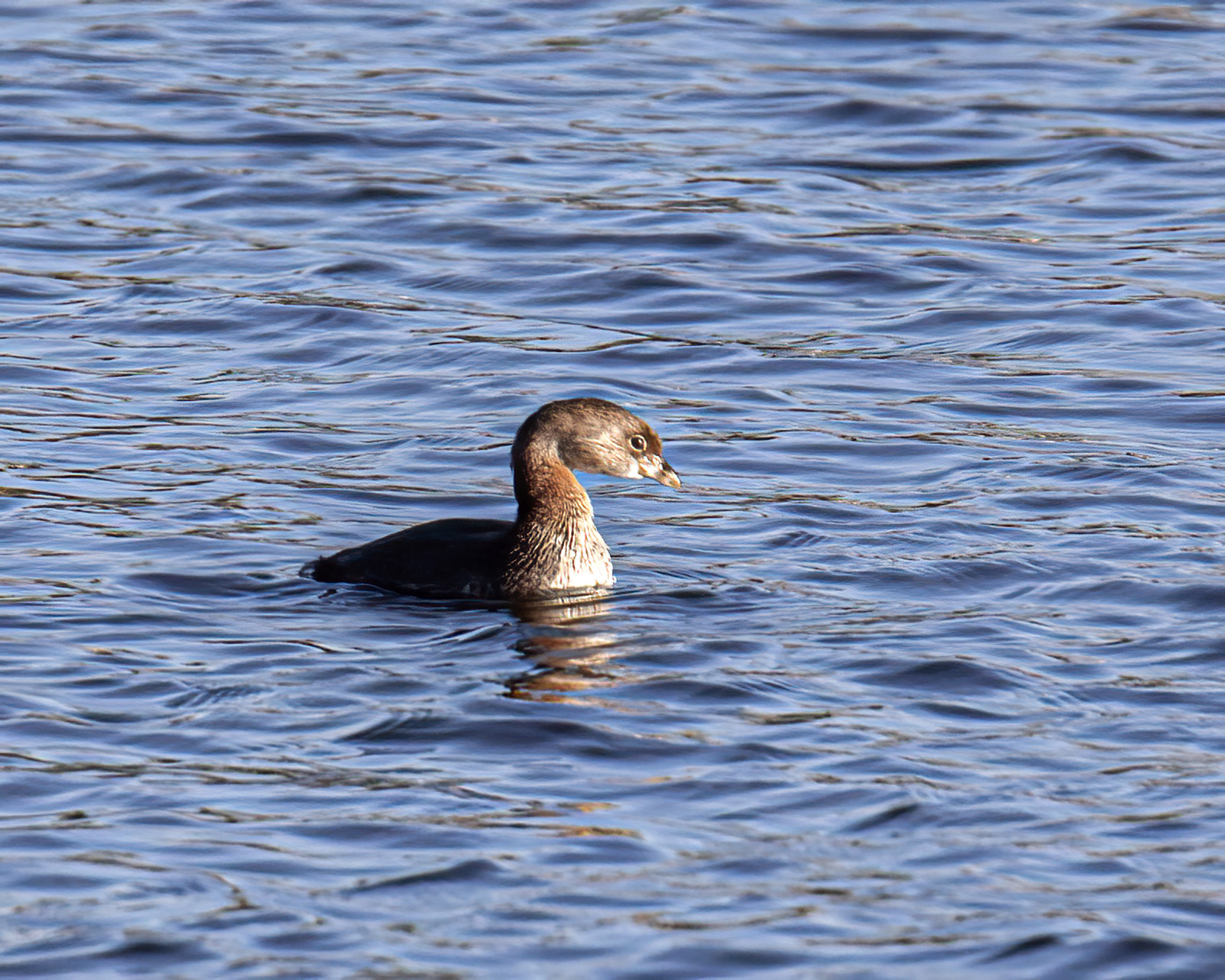
Last Sunday I managed to capture a few long distance shots of the newest visitors, including a Ring-necked Duck (Aythya collaris) and a Pied-billed Grebe (Podilymbus podiceps). A quick visual comparison of the two species shows how remarkably different they are in appearance.
Ring-necked Ducks have beautiful markings and striking yellow eyes, but their overall shape is fairly typical for a duck. Pied-billed Grebes, on the other hand, has such distorted proportions with overly large heads, short bills, and chunky bodies, that they always looks cartoonish to me. You can’t see it in the photo, but Pied-billed Grebes also have lobed feet, rather than the webbed feet of most ducks.
This pond is only a mile or so from where I live, so it is a really convenient location when I want just a short outing with my camera. It is adjacent to a shopping center, so it is not exactly like going out into the wilds, but it serves as a kind of oasis for me, a place where I can drink in the beauty of nature and restore my inner balance.


© Michael Q. Powell. All rights reserved.
Posted in Birds, Nature, Photography, wildlife, Winter | Tagged Aythya collaris, Canon 50D, Kingstowne VA, Pied-billed Grebe, Podilymbus podiceps, Ring-necked duck, Tamron 150-600mm | 2 Comments »
December 30, 2021 by Mike Powell
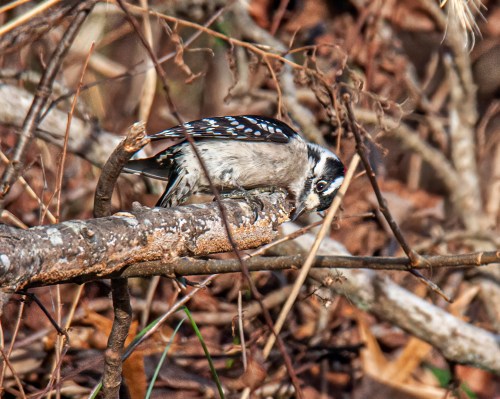
I love getting photos of big, spectacular birds like the Bald Eagles that I have featured recently, but I also enjoy photographing smaller birds that others often ignore, like these industrious little Downy Woodpeckers (Dryobates pubescens) that I have spotted in December at Occoquan Bay National Wildlife Refuge.
Downy Woodpeckers are the smallest woodpeckers in our area and are the ones that I am most likely to see. I have always admired their work ethic—they appear to have endless energy and are constantly in motion as the poke, probe, and hammer with their bills in search of little insects.
Normally I see Downy Woodpeckers in an upright position, but the one in the first photo was perched horizontally as he investigated a fallen branch. I can tell it is a male because I can see a little bit of the red patch on the back of his head that females do not have.
I am fascinated by the pose of the Downy Woodpecker in the second photo. The woodpecker is perched on a small branch with poison ivy berries, which many bird species eat during the winter, but seems to be attracted to the tree in the distance. Does the woodpecker think that the pickings may be better on the tree (or maybe I should say “peckings” rather than “pickings”)?
As I was preparing this post, I was shocked to discover that the Latin name for this species had changed. From the very start, my photography mentor Cindy Dyer encouraged me to include both the common names and the Latin names for my subjects and I have tried to follow that practice. I am used to using the Latin name Picoides pubescens and learned that it is now referred to as Dryobates pubescens.
What happened? I do not know all of the details, but, according to Wikipedia, as a result of a 2015 molecular phylogenetic study, the Downy Woodpecker was moved out of the genus Picodes and placed with four other species in the resurrected genus Dryobates. It is intriguing to see that scientists are constantly learning new things about the birds and other creatures that I have the privilege of photographing. Wow!

© Michael Q. Powell. All rights reserved.
Posted in Birds, Nature, Photography, wildlife, Winter | Tagged Canon 50D, Downy Woodpecker, Dryobates pubescens, Occoquan Bay National Wildlife Refuge, Picoides pubescens, Tamron 150-600mm, Woodbridge VA | 8 Comments »
December 29, 2021 by Mike Powell
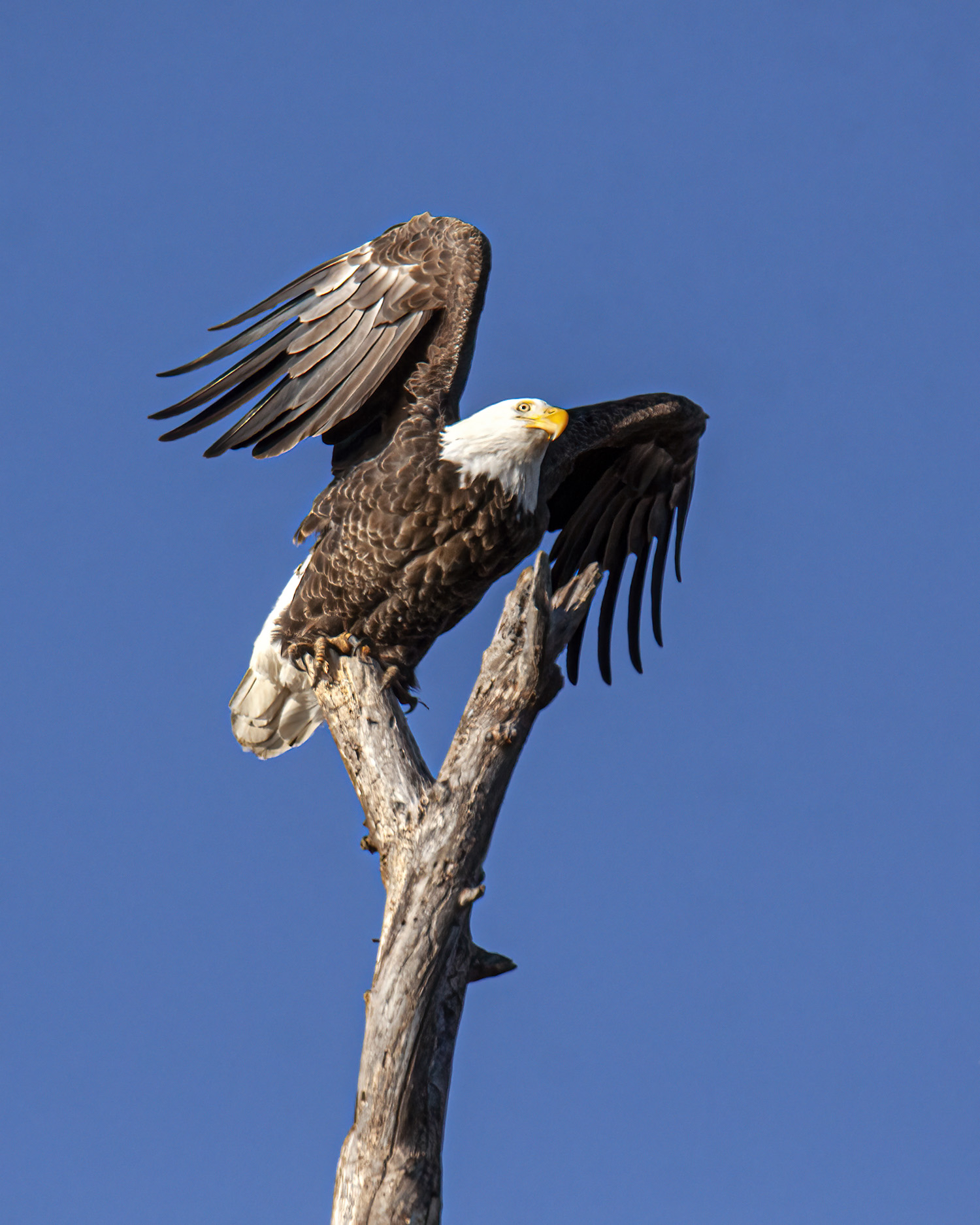
Last week I managed to maneuver myself so that I had a clean line of sight to one of the Bald Eagles (Haliaeetus leucocephalus) at Occoquan Bay National Wildlife Refuge. Most of the time my view is at least partially blocked by vegetation or the eagle flies away before I can get myself into position.
This eagle was perched on a broken off tree, not far from a nesting site. I extended my 150-600mm telephoto lens to its maximum length and watched and waited. Fortunately I was using a monopod to steady my camera and lens, so I was able to keep my camera and raised for an extended period of time and the eagle adjusted its feathers and monitored the area from its high perch.
After a while, I noticed that eagle was getting a little fidgety and I correctly anticipated that the eagle was preparing to take off and managed to capture a couple of images as it was doing so. It may sound like a pretty straightforward process, but in fact the eagle has lots of options when it takes to the air—it can fly off in any direction and at any height.
When I am in this kind of situation, I feel a bit like the goalkeeper for a penalty kick in a soccer (football) match. I know that there will be a moment of decisive action and that I will have to react quickly. I will watch my “opponent” for telltales signs of his intentions, but ultimately I will have to commit to one direction as I “guess” when and how it will act. Sometimes the goalkeeper makes the save and sometimes he is outsmarted by the offensive player—that, in essence, is the story of the life of a wildlife photographer.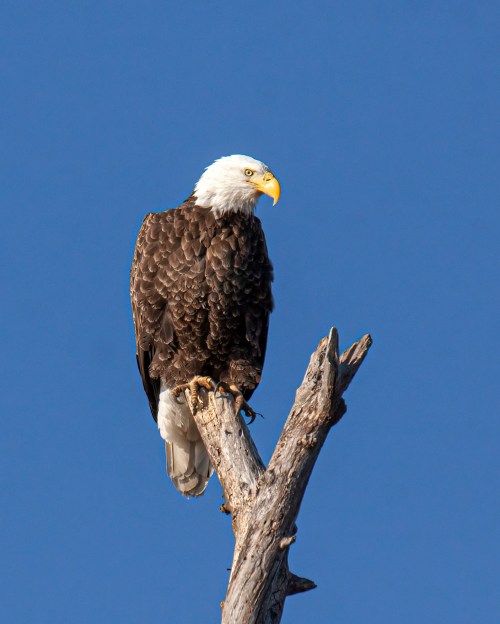


© Michael Q. Powell. All rights reserved.
Posted in Birds, Nature, Photography, wildlife, Winter | Tagged Bald Eagle, bald eagle takeoff, Canon 50D, Haliaeetus leucocephalus, Occoquan Bay National Wildlife Refuge, Tamron 150-600mm, Woodbridge VA | 17 Comments »
December 28, 2021 by Mike Powell
Last week I spotted this Black Vulture (Coragyps atratus) pacing about in an area adjacent to a small stream at Occoquan Bay National Wildlife Refuge. I don’t know if there were fish remains nearby or if the vulture was simply on its way to get a drink of water.
It looked to me like the vulture was in a contemplative mood, totally lost in its thoughts as it moved slowly forward. Of course, I may have been merely projecting on the vulture my mood at that moment—nature often has a soothing, calming effect on me and my long walks with my camera are a wonderful time for reflection.

© Michael Q. Powell. All rights reserved.
Posted in Birds, Nature, Photography, wildlife, Winter | Tagged Black Vulture, Canon 50D, Coragyps atratus, Occoquan Bay National Wildlife Refuge, pacing vulture, pensive vulture, Tamron 150-600mm, Woodbridge | 5 Comments »
December 27, 2021 by Mike Powell
It is almost nesting season for Bald Eagles (Haliaeetus leucocephalus). Recently when I have seen eagles, they have mostly been in pairs. When I spotted the Bald Eagle in the first photo last Monday, it was calling out loudly to its mate, I believe, as it perched atop a raised platform at Occoquan Bay National Wildlife Refuge on which ospreys sometimes build a nest. An actual nesting site that has been used in recent years is located in a nearby sycamore tree.
A much larger nest is located in another part of the refuge, as shown in the second photo. Two eagles—presumably a mating pair—were hanging around close to that nest, though I have not yet seen them occupy it. The final photo is a close-up shot of the eagle that was perched right above the nest.
I will be checking the nesting sites periodically for signs of further activity. The large nest is set back from the trail a good ways, so you cannot approach it and the trail remains open. The smaller nest in the sycamore tree is adjacent to a trail that is now closed to keep the eagles from being disturbed. I am able to observe that nest from the barrier that blocks the trail and, if I am lucky, I will be able to monitor the nest and capture a few distant shots as I have done in the past.


© Michael Q. Powell. All rights reserved.
Posted in Birds, Nature, Photography, wildlife, Winter | Tagged Bald Eagle, bald eagle nest, Canon 50D, Haliaeetus leucocephalus, Occoquan Bay National Wildlife Refuge, Tamron 150-600mm, Woodbridge VA | 10 Comments »
December 26, 2021 by Mike Powell
I was delighted last Monday to capture a shot of this energetic little Brown Creeper (Certhia americana) at Occoquan Bay National Wildlife Refuge. These tiny songbirds move upwards around tree trunks and branches in a spiraling motion as they search for insects. Their mottled plumage helps them to blend in with the bark of the trees, which makes them really tough to spot and to photograph.

© Michael Q. Powell. All rights reserved.
Posted in Birds, Nature, Photography, wildlife, Winter | Tagged brown creeper, Canon 50D, Certhia americana, creeper, Occoquan Bay National Wildlife Refuge, Tamron 150-600mm, Woodbridge VA | 7 Comments »
December 25, 2021 by Mike Powell
I’m dreaming of a white Christmas, but it definitely will not happen here in Northern Virginia where I live. High temperatures today are forecast to reach 67 degrees (19 degrees C), which is quite a bit warmer than normal for this time of the year, and we are much more likely to see rain than snow this day.
In order to put folks into more of a traditional Christmas spirit (at least those of us who live in the Northern Hemisphere), I thought I would post a few snowy images from my visit in late November to Mount Rainier National Park in the state of Washington.
Merry Christmas to all of you who are celebrating today and best wishes to all for a happy and healthy new year.


© Michael Q. Powell. All rights reserved.
Posted in Christmas, Landscape, Photography, Travel, Winter | Tagged canon 55-250mm, Canon SL2, iPhone 11, Mount Rainier, Mount Rainier National Park, Washington state, White Christmas | 20 Comments »
December 24, 2021 by Mike Powell
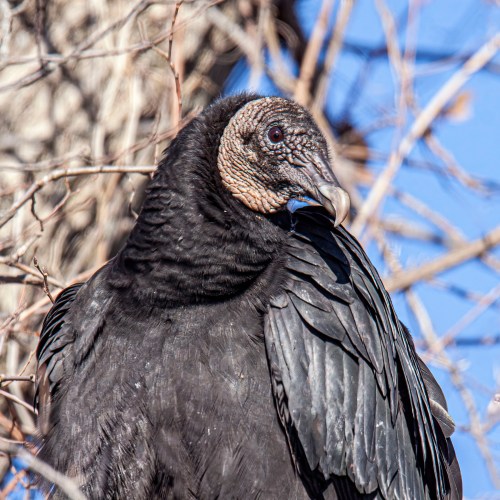
There were a lot of Black Vultures (Coragyps atratus) on Monday at Occoquan Bay National Wildlife Refuge, including one that smiled for me as as it posed for a portrait. The vulture was perched in a tree that so close to the edge of the trail that I had to zoom out to capture its entire body in the second shot. I am not sure why the Black Vultures were not flying much, but during the day I spotted a dozen or so vultures roosting together in different areas of the refuge.
Generally I see Turkey Vultures, which have bright red heads, more often than Black Vultures, though we do have both species in our area. According to the Cornell Lab of Ornithology, “Turkey Vultures have an excellent sense of smell, but Black Vultures aren’t nearly as accomplished sniffers. To find food they soar high in the sky and keep an eye on the lower-soaring Turkey Vultures. When a Turkey Vulture’s nose detects the delicious aroma of decaying flesh and descends on a carcass, the Black Vulture follows close behind.”
With respect to the large group of Black Vultures roosting together, apparently that it normal behavior. The Cornell Lab of Ornithology notes that, “Black Vultures are monogamous, staying with their mates for many years, all year round. They feed their young for as many as eight months after fledging, and maintain strong social bonds with their families throughout their lives. Black Vultures roost in large flocks in the evening, using the communal roost as a meeting place where foraging groups can assemble and adults can reconvene with their young.”
Perhaps the final captured captured a pre-Christmas family gathering of Black Vultures. I wonder how they celebrate the holidays.


© Michael Q. Powell. All rights reserved.
Posted in Birds, Nature, Photography, wildlife, Winter | Tagged Black Vulture, Black Vultures, Canon 50D, Coragyps atratus, Occoquan Bay National Wildlife Refuge, Tamron 150-600mm, Woodbridge VA | 4 Comments »
December 23, 2021 by Mike Powell
I spotted this juvenile Red-shouldered Hawk (Buteo lineatus) on Monday at Occoquan Bay National Wildlife Refuge as it perched high in a distant tree. It was cold and breezy, so I kept one of my hands inside the pouch of my hooded sweatshirt much of the time. Similarly the hawk appeared to be trying to stay warm by tucking one of its feet inside its puffed out feathers with only the tips of his talons exposed.
The hawk was very alert and soon sensed my presence and flew a short distance to a tree a little farther away. It perched there for only a few moments before it took off again and I was able to capture the second shot below. I was pretty lucky with the timing of the shot, because I managed to capture a relatively clear view of the hawk’s head in between the the branches of the tree. Serendipitously I also captured a tiny branch in midair that had been dislodged as the hawk pushed away from the branch—you may need to enlarge the photo to see the branch, but it is in the lower left-hand corner of the image.
I am pretty sure this is a Red-shouldered Hawk, but identification is sometimes a little tricky for me with immature birds. Earlier this season, for example, I spotted an immature Cooper’s Hawk that had markings similar to this hawk. However that hawk seemed to have longer tail feathers and a slimmer body than this one. Here is a link to that 3 November 2021 posting entitles Cooper’s Hawk (immature), in case you want to do your own visual comparison between the two hawks.


© Michael Q. Powell. All rights reserved.
Posted in Birds, Nature, Photography, wildlife | Tagged Buteo lineatus, Canon 50D, juvenile Red-shouldered Hawk, Occoquan Bay National Wildlife Refuge, Red-Shouldered Hawk, Tamron 150-600mm, Woodbridge VA | 10 Comments »
December 22, 2021 by Mike Powell
I always admire the agility and balancing skills of tiny birds—I know that I could not hold a position like that of this sparrow that I spotted last week at Huntley Meadows Park. I think that it is a Song Sparrow (Melospiza melodia), but I am always a bit uncertain when it comes to sparrows.
As for balance, I know that I can always use more of that in my life. When I was still working full-time, all my employers gave lip service to the importance of “work-life balance.” The sad reality was that most of us were workaholics devoting way too much energy to our work and neglecting our lives. It was only when I cut back on my hours during the final decade of my work life that I began to discover some of that mythical sense of balance.
Part of that process has been a deliberate cultivation of my creative side, which I have neglected most of my life. My photography and this blog have played a critical role in that journey of discovery and rediscovery. I really appreciate all of the support and encouragement that so many of you have provided over the years and continue to provide as my journey continues. Thanks.

© Michael Q. Powell. All rights reserved.
Posted in Birds, Nature, Photography, Portraits, wildlife, Winter | Tagged Alexandria VA, Canon 50D, Huntley Meadows Park, Melospiza melodia, song sparrow, Tamron 150-600mm | 20 Comments »
December 21, 2021 by Mike Powell
A Bald Eagle (Haliaeetus leucocephalus) was wedged in so tightly between the branches that it almost looked like it was hugging the tree last Thursday at Occoquan Bay National Wildlife Refuge. The eagle was perched in a tree just off of the trail that I was following. The sun was shining brightly, but it was not generating much heat and a breeze was kicking up periodically, ruffling the eagle’s feathers.
I realized that I had a problem when I first focused on the eagle—I was looking right into the sun and the eagle was nothing but a silhouette. On one side of me was thick vegetation and the water of the bay was on the other side, so my options for framing a shot were limited. I realized that the only way that I could get a decent shot of the eagle was to walk past it and then turn to face it with the sun to my back.
Sound crazy, right? I moved as slowly and cautiously as I could and amazingly my plan worked. As the first photo suggests, the eagle was aware of my presence, but did not immediately take off. I observed it silently for a few minutes as it adjusted its position and preened a bit.
I was preparing to move on when suddenly the eagle took off. My camera was zoomed in all of the way, so I was not able to capture the eagle’s full wingspan when it flew almost directly over me as it cleared the sweet gum tree in which it was perched. I managed, however, to get a pretty good shot at the eagle’s body and especially its talons from this unusual shooting angle.
It is almost time for the eagles at the refuge to begin their nesting and authorities have already blocked the roads in some areas of the refuge. With a little luck, though, I will be able to get some shots in the upcoming of the eagle couples as they renovate the nests, albeit from a far greater distance than when I captured the images in this posting.


© Michael Q. Powell. All rights reserved.
Posted in Birds, Nature, Photography, wildlife, Winter | Tagged Bald Eagle, bald eagle takeoff, Canon 50D, Haliaeetus leucocephalus, Occoquan Bay National Wildlife Refuge, Tamron 150-600mm, Woodbridge VA | 9 Comments »
December 20, 2021 by Mike Powell
I often have trouble identifying sparrows, with the possible exception of White-throated Sparrows (Zonotrichia albicollis). These colorful sparrows migrate to my area in the fall and overwinter with us in quite large numbers. Their prominent white “beards” help me to distinguish them from other sparrows and often remind me of Santa Claus, especially during the pre-Christmas frenzy of activity during December.
Sometimes, though, the white throat patch is not quite so prominent, as in the second image below. In cases like this, I rely on the bright yellow stripe between the bill and eye, an area known as the “lore,” to identify the bird as a White-throated Sparrow.


© Michael Q. Powell. All rights reserved.
Posted in Birds, Nature, Photography, wildlife, Winter | Tagged Canon 50D, Occoquan Bay National Wildlife Refuge, sparrow, Tamron 150-600mm, white-throated sparrow, Woodbridge VA, Zonotrichia albicollis | 2 Comments »
December 19, 2021 by Mike Powell
Carolina Wrens (Thryothorus ludovicianus) are incredibly hard to see, because they spend a lot of their time moving through the underbrush in areas with heavy vegetation. However, it is not hard to know that one of them is around, because Carolina Wrens delivers an amazing number of decibels for their size.
These spunky little birds sing loudly and often—according to the Cornell Lab of Ornithology, one captive male Carolina Wren sang nearly 3,000 times in a single day. The Cornell Lab noted further that, “Only male Carolina Wrens sing—a series of several quick, whistled notes, repeated a few times. The entire song usually lasts less than 2 seconds and the notes are usually described as three-parted, as in a repeated teakettle or germany. Each male has a repertoire of up to several dozen different song variations. He’ll sing one of these about 15 times before changing his tune.” Check out this link to hear recordings of some of those sounds.
This past Thursday, I while I was at Occoquan Bay National Wildlife Refuge, I spotted some movement in the brush and heard the singing of a Carolina Wren. The bird was mostly hidden, but I managed to find a small visual tunnel through the vegetation that allowed me to get this shot of the wren when it hopped up onto a broken-off branch.
I was thrilled to be able to capture this image mid-song—it helps to show the personality of the wren. I also really like limited color palette—mostly various shades of brown—that give the image a really pleasant color harmony.

© Michael Q. Powell. All rights reserved.
Posted in Birds, Nature, Photography, wildlife, Winter | Tagged Canon 50D, Carolina Wren, Occoquan Bay National Wildlife Refuge, Tamron 150-600mm, Thryothorus ludovicianus, Woodbridge VA, wren | 22 Comments »
December 18, 2021 by Mike Powell
I often see Turkey Vultures (Cathartes aura) soaring high overhead when I am exploring Occoquan Bay National Wildlife Refuge. I have always been amazed at the way that they effortlessly glide for long periods of time without having to flap their wings. I never really appreciated, though, how massive a wingspan Turkey Vultures have, because the the previous times I had seen a vulture at close range, they have generally been perched with their wings tucked in.
On Thursday, I managed to flush several Turkey Vultures that had been pecking away at something at water’s edge. They flew up into some nearby trees and began to preen themselves as they patiently waited for me to pass. I was quite surprised when one of them spread its wings wide open and then glanced back at me over its shoulder. The wing display was impressive.
I also took advantage of the situation to capture a portrait shot of one of the other vultures that was perched on a broken off tree. I not sure that I would call this bird “beautiful” in a traditional sense, but I do like the way that I was able to capture a bit of its personality in this shot—there is even a hint of a smile.


© Michael Q. Powell. All rights reserved.
Posted in Birds, Nature, Photography, Portraits, wildlife, Winter | Tagged Canon 50D, Cathartes aura, massive wingspan, Occoquan Bay National Wildlife Refuge, Tamron 150-600mm, turkey vulture, vulture, Woodbridge VA | 11 Comments »
December 17, 2021 by Mike Powell
Most woodpeckers have simple patterns of black and white feathers and sometimes a touch of red. Northern Flickers (Colaptes auratus), on the other hand, have a beautiful brown plumage that is richly patterned with black spots, bars, and crescents and also have brightly-colored wing and tail feathers that, alas, are often hidden from view when they are perched—I like to think of flickers as the “rock stars” of the woodpecker world.
I was fascinated to read on the Cornell Lab of Ornithology website that there are two variants of Northern Flickers, an Eastern one and a Western one. “The key difference is the color of the flight-feather shafts, which are either a lemon yellow or a rosy red. Yellow-shafted forms have tan faces and gray crowns, and a red crescent on the nape. Males have a black mustache stripe. Red-shafted forms have a gray face, brown crown, and no nape crescent, with males showing a red mustache stripe.”
The flicker’s flight-feathers are not visible in the photo below, but you can see the male’s black mustache stripe, indicating that he is an Eastern variant. I highly recommend clicking on the image to get a closer view of the fascinating patterns in the plumage of this beautiful bird that I spotted on Wednesday at Huntley Meadows Park.

© Michael Q. Powell. All rights reserved.
Posted in Birds, Nature, Photography, Portraits, wildlife, Winter | Tagged Alexandria VA, Canon 50D, Colaptes auratus, Huntley Meadows Park, male Northern Flicker, Northern Flicker, Tamron 150-600mm | 10 Comments »
December 16, 2021 by Mike Powell
Chickadees are masters at staying hidden. These little birds seem to enjoy hanging out in the shadowy branches, where their lack of bright colors makes them hard to spot. It is amazing how often we tend to focus on colors to make something “pop” out of a scene.
I spotted this Carolina Chickadee (Poecile carolinensis) last week at Occoquan Bay National Wildlife Refuge when it perched momentarily on an open branch. I really like the way the image turned out—a pleasant little portrait with a simple composition and limited color palette.

© Michael Q. Powell. All rights reserved.
Posted in Birds, Nature, Photography, Portraits, wildlife | Tagged Canon 50D, Carolina Chickadee, chickadee, Occoquan Bay National Wildlife Refuge, Poecile carolinensis, Tamron 150-600mm, Woodbridge VA | 8 Comments »
December 15, 2021 by Mike Powell
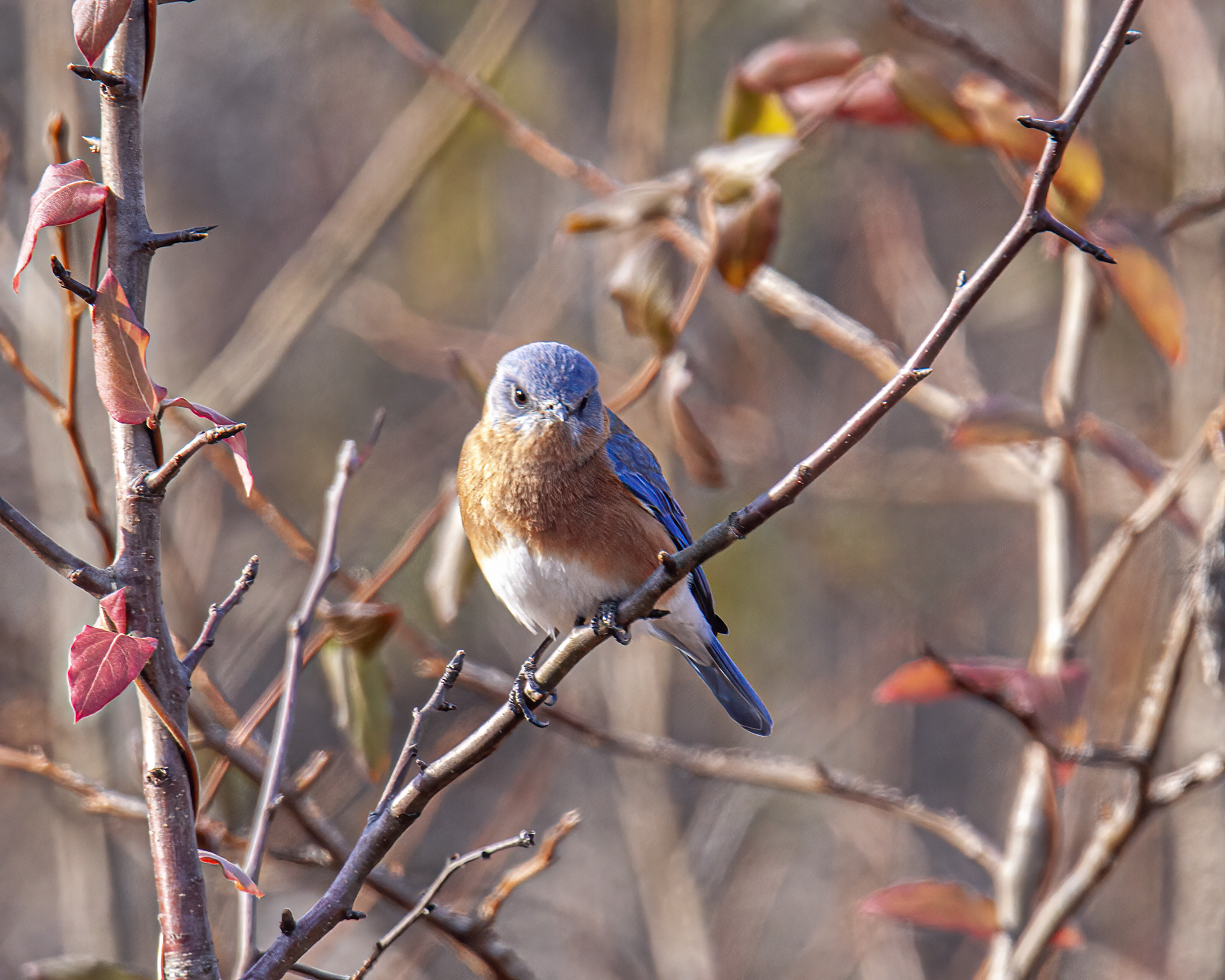
Do certain bird elicit an involuntary emotional response from you when you see them? Eastern Bluebirds (Sialia sialis) invariably make me feel happy—I can’t help but smile when I see one of these “bluebirds of happiness,” like the ones that I spotted last week at Occoquan Bay National Wildlife Refuge.
I have wonderful memories of watching The Wizard of Oz as a child and many times since then. One of my favorite moments in the movie is when Dorothy (Judy Garland) sings “Over the Rainbow.” I love to think of a place where the dreams that you dare really do come true, somehow symbolized by bluebirds flying.
“Somewhere over the rainbow, bluebirds fly
Birds fly over the rainbow
Why, oh, why can’t I?
If happy little bluebirds fly
Beyond the rainbow
Why, oh, why can’t I?”


© Michael Q. Powell. All rights reserved.
Posted in Birds, Nature, Photography, wildlife, Winter | Tagged bluebird of happiness, Canon 50D, Eastern Bluebird, Judy Garland, Occoquan Bay National Wildlife Refuge, Over the Rainbow, Sialia sialis, Somewhere Over the Rainbow, Tamron 150-600mm, The Wizard of Oz, Woodbridge VA | 11 Comments »
December 14, 2021 by Mike Powell
It was cold, cloudy, and windy last week when I visited Occoquan Bay National Wildlife Refuge—it definitely is beginning to feel like winter. I had bundled up, wearing a hooded jacket and gloves in an effort to stay warm.
On days like this, I often marvel at the ability of wild creatures to survive in harsh weather conditions. I was a little surprised when I spotted a Bald Eagle (Haliaeetus leucocephalus) nestled into the inner branches of a tree. Quite often when I see eagles, they are perched at the top of trees, majestically surveying their kingdom from on high.
This eagle, however, seemed to be hunched over a bit with its feathers puffed up, perched lower in the tree. The eagle’s feet with their massive talons were tucked in under the feathers, presumably to help them stay warm.
Vegetation kept me from getting very close to the eagle and I really did not want to disturb the eagle from its comfortable perch. So I framed my shots from a somewhat awkward angle, content that I had even spotted this handsome bird.
As I was preparing to move on, I noticed the eagle beginning to shift around a little. I correctly guessed that the eagle was preparing to take off, but did not react quickly enough to capture the action. I was still focused on the branch and when the eagle spread its wings and took to the air, I clipped its wings, not realizing in that split second that I had zoomed in too closely.
Still, I am pretty happy with the second shot below and the way that it caught the eagle in mid-air. There is a dynamic feel in this kind of action shot that is impossible to capture when a bird remains perched. The degree of difficulty though is significantly magnified when motion is involved, so I tend to judge myself a little less critically when photographing moving subjects, like this puffy bald eagle, vice static subjects.


© Michael Q. Powell. All rights reserved.
Posted in Birds, Nature, Photography, wildlife, Winter | Tagged Bald Eagle, Canon 50D, Haliaeetus leucocephalus, Occoquan Bay National Wildlife Refuge, puffy eagle, Tamron 150-600mm, Woodbridge VA | 7 Comments »
December 13, 2021 by Mike Powell
Even when the winter days are dark and gray and clouds cover the sky, I can usually spot some sparrows foraging about on the ground or in the trees. I used to throw all of the sparrow into the the category of “little brown birds,” but over time I have begun to be able to identify some of the individual sparrow species.
I spotted this sparrow last week as I was exploring Occoquan Bay National Wildlife Refuge and am pretty confident that it is a Song Sparrow (Melospiza melodia). I really like the streaky pattern on its chest feathers and the warm red-brown color on its head.
Normally I won’t try to get a head-on shot of a bird, because it tends to distort their features, but I like the way that I was able to capture the intensity of the sparrow as it glared at me when I was capturing the first image—it did not seem very happy with my presence. The second pose is a more traditional bird image from the same perch after the sparrow lowered its head and turned to the side.
I will usually try to take multiple photos in a sequence when a bird is perched like this, because, I have learned, birds change their positions really quickly and very frequently. I never know when I might be able to capture a more interesting pose as the bird shifts about, so I often keep shooting—it is amazing how many shots I end up of empty perches when my finger triggers the shutter a split second after the bird has flown away.


© Michael Q. Powell. All rights reserved.
Posted in Birds, Nature, Photography, wildlife, Winter | Tagged Canon 50D, Melospiza melodia, Occoquan Bay National Wildlife Refuge, song sparrow, Tamron 150-600mm, Woodbridge VA | 5 Comments »
December 12, 2021 by Mike Powell
I was thrilled when I spotted a flock of Cedar Waxwings (Bombycilla cedrorum) on Thursday at Occoquan Bay National Wildlife Refuge, because I consider them to be one of the coolest-looking birds in our area. I love their rakish masks, punk-style crests, and yellow-tipped tails. I do not see them very often, but when I do, the Cedar Waxwings tend to be part of a large group.
The Cedar Waxwings moved from tree to tree, devouring berries as they went along. According to the Cornell Lab of Ornithology, the Cedar Waxwing is one of the few North American birds that specializes in eating fruit and it can survive on fruit alone for several months. However, “Because they eat so much fruit, Cedar Waxwings occasionally become intoxicated or even die when they run across overripe berries that have started to ferment and produce alcohol.”
I was hoping to get some shots of these voracious birds in action, but they stayed high in the trees and were mostly hidden from view by branches. I am pretty happy, though, with the shots that I was able to get of these beautiful birds.


© Michael Q. Powell. All rights reserved.
Posted in Birds, Nature, Photography, wildlife, Winter | Tagged Bombycilla cedrorum, Canon 50D, Cedar Waxwing, Occoquan Bay National Wildlife Refuge, Tamron 150-600mm, Woodbridge VA | 12 Comments »
December 11, 2021 by Mike Powell
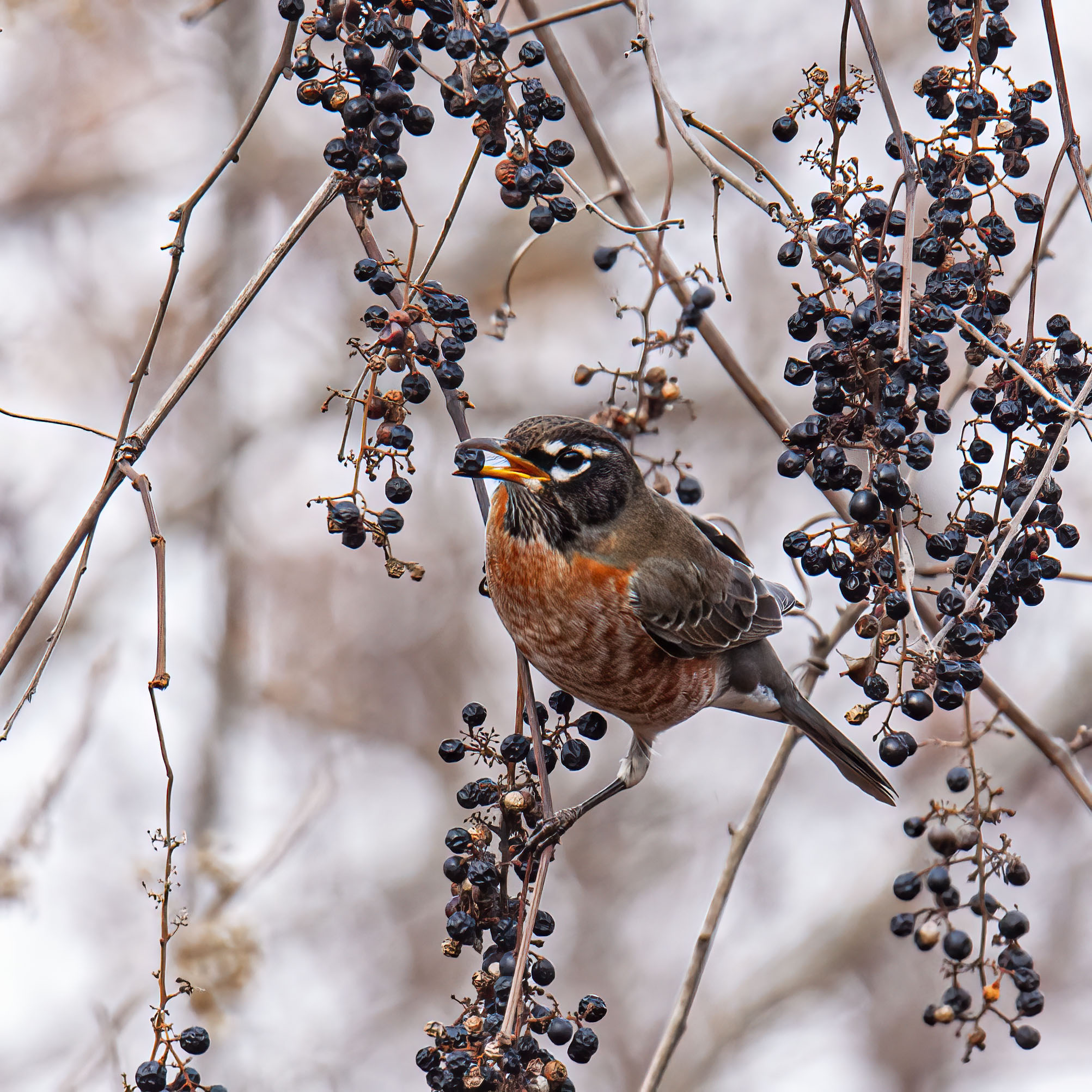
When I was growing up in Massachusetts, I always looked considered the appearance of an American Robin (Turdus migratorius) to be a harbinger of spring. In my mind’s eye I think of robins pecking about in the grass, pulling fat little worms out of the ground.
In Northern Virginia, where I now live, I am likely to see robins throughout the entire year. This past Thursday I spotted a large flock of them at Occoquan Bay National Wildlife Refuge. Robins always seem warm and familiar to me and never fail to bring a smile to my face, in part because they bring to mind the song “When The Red Red Robin Comes Bob Bob Bobbin’ Along.” Check out this YouTube link to a wonderful version of that song by Al Jolson.
As we approach the start of winter, robins and many other birds start to eat increasingly larger amounts of fruits and sees, which is good, because it would be tough for them to find worms or insects. The robin featured in these photos was feasting on some berries. They kind of look like wild grapes, but I definitely do not know plants well enough to know if that is what they actually were. In any case, the robin seemed to be really enjoying them.


© Michael Q. Powell. All rights reserved.
Posted in Birds, Nature, Photography, wildlife, Winter | Tagged American robin, Canon 50D, Occoquan Bay National Wildlife Refuge, robin, Tamron 150-600mm, Turdus migratorius, Woodbridge VA | 18 Comments »
December 10, 2021 by Mike Powell
Many of the birds that I try to photograph are skittish, but the Belted Kingfisher (Megaceryle alcyon) may take the prize for being the most skittish. The kingfisher is amazingly energetic and exceptionally alert and will frequently fly away before I am even aware of its presence. As it zooms out of sight, the kingfisher will often make a distinctive rattling call, almost like it is taunting me.
Yesterday at Occoquan Bay National Wildlife Refuge, I spotted the distinctive silhouette of a kingfisher perched on branch overlooking the water. The small bird was a good distance away, but as I peered through my telephoto lens, I could tell that it had caught a fish and was busily subduing the fish—a kingfisher will pound its prey against its perch before swallowing it head first.
I was faced with a dilemma. Should I try to get a distant shot, knowing that I might scare the bird away, or should I try to move closer for a better shot and risk not getting any shots at all? In this case, I chose the safer approach and took this long range shot. The kingfisher did not fly away while I was taking the shot, but when I took few steps down the trail towards it, the kingfisher immediately took to the air.
I am pretty happy with the image that I was able to capture. If you click on the photo, you will see that I was able to capture some of the detail of this beautiful little bird and even some details of the hapless fish.

© Michael Q. Powell. All rights reserved.
Posted in Birds, Nature, Photography, wildlife, Winter | Tagged Belted Kingfisher, Canon 50D, kingfisher, Megaceryle alcyon, Occoquan Bay National Wildlife Refuge, Tamron 150-600mm, Woodbridge VA | 17 Comments »
December 9, 2021 by Mike Powell
Although there are quite a few Wild Turkeys (Meleagris gallopavo) at Occoquan Bay National Wildlife Refuge, they tend to pretty elusive and I never quite know when I will encounter one. I spotted two large turkeys on Monday and was happy to be able to snap off a few shots before they disappeared into the underbrush.
The “beard” of this turkey is quite impressive in its length, so it is most likely a mature male—as is the case with humans, most female wild turkeys do not have beards. A turkey’s beard grows throughout its life and can reach a length of over 12 inches (30 cm).
Apparently you can also tell the age of a male wild turkey by the size of its spurs, the pointy protrusions on the lower portion of a turkey’s legs. If you click on the second image, you can get a better look at this turkey’s spurs that are quite prominent, again signifying that this is a mature male, probably at least a couple of years old.


© Michael Q. Powell. All rights reserved.
Posted in Birds, Nature, Photography, wildlife, Winter | Tagged Canon 50D, Meleagris gallopavo, Occoquan Bay National Wildlife Refuge, Tamron 150-600mm, Wild Turkey, Woodbridge VA | 15 Comments »
December 8, 2021 by Mike Powell
It was relatively warm on Monday and there was occasional sunshine, so I ventured out to Occoquan Bay National Wildlife Refuge to see if I could find any late season dragonflies. I came up empty-handed when it came to dragonflies, but was quite surprised when I spotted this snake sunning itself along one of the trails at the refuge. I figured that all of the snakes in the area would have already begun their long winter naps.
Several years ago I learned that snakes do not actually hibernate, but enter into a similar state known as brumation where they become less active and their metabolism slows down tremendously and they sleep for long periods of time. They will, however, wake up to forage for food and water and if a sudden warm snap occurs and temperatures rise for a few days at a time. When the weather cools back down, they will go back into their brumation state once again.
I have never been very good in identifying dark-colored snakes in my area. I think that this might be a Northern Water Snake (Nerodia sipedon), but there is also a chance that it might be a Northern Black Racer (Coluber constrictor constrictor) or an Eastern Ratsnake (Pantherophis alleghaniensis). Whatever the case, I like the way that I was able to capture the different textures of the environment and the snake in this mini-portrait.
The weather has turned cold again, with the possibility of snow showers today. I am pretty sure that this snake has gone back to sleep by now, waiting for the next warm spell to reappear.

© Michael Q. Powell. All rights reserved.
Posted in Nature, Photography, Reptiles, snake, wildlife, Winter | Tagged Canon 50D, Coluber constrictor constrictor, Eastern Ratsnake, Nerodia sipedon, Northern Black Racer, Northern Water Snake, Occoquan Bay National Wildlife Refuge, Pantherophis alleghaniensis, Tamron 150-600mm, Woodbridge VA | 7 Comments »
December 7, 2021 by Mike Powell
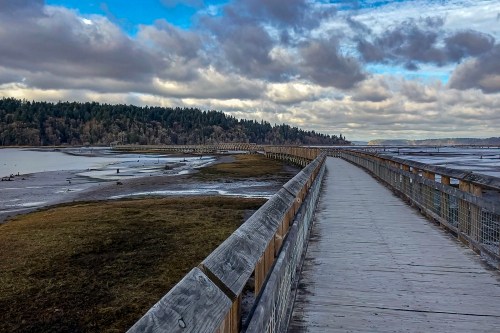
Last Friday I visited the Billy Frank Jr. Nisqually National Wildlife Refuge, an amazing spot located eight miles (13 km) east of Olympia, Washington. The wildlife refuge is home to the Nisqually River Delta, which has the unique status as Washington’s largest relatively undisturbed estuary. The confluence of the freshwater Nisqually River and the saltwater south Puget Sound has created a variety of unique environments, each rich in nutrients and natural resources for the local wildlife. The delta provides habitats for more than 300 different species of fish and wildlife, according to Wikipedia.
One of the coolest features of the refuge is the mile-long (1.6 km) Nisqually Estuary Boardwalk that extends into the mudflats and marshes. I was able to observe all kinds of waterfowl from the boardwalk, although the water level was so low that most of them were too far away to photograph. I focused most of my photographic efforts on trying to get wide angle shots with my iPhone, including the panorama shot that I included as a final photo.
The brochure for the wildlife refuge included a quotation by Victor B. Scheffer, scholar and author, that really struck me. “Any meeting of a river and a sea is a place of change…It will be proof of our ability to survive…if we learn to respect wild places like the Nisqually Delta, to trust them for their naturalness, and to love them for their power to move us.”


© Michael Q. Powell. All rights reserved.
Posted in Landscape, Nature, Photography, Travel, Winter | Tagged Billy Frank Jr. Nisqually National Wildlife Refuge, iPhone 11, Nisqually National Wildlife Refuge, Nisqually River, Olympia WA, Puget Sound | 7 Comments »
« Newer Posts - Older Posts »
















 Mike Powell