Feeds:
Posts
Comments

Archive for the ‘Flowers’ Category

I have known for a while that hummingbirds are attracted to trumpet vines, so I keep my eyes open whenever I pass a stand of them near the observation tower at Huntley Meadows Park. Yesterday morning I finally lucked out and spotted a female Ruby-throated Hummingbird (Archilochus colubris) in the midst of the trumpet vines (Campsis radicansand managed to capture these images, including one in which the hummingbird was resting for a few seconds on a branch before resuming her energetic activity.

Ruby-throated Hummingbird

Ruby-throated Hummingbird

© Michael Q. Powell. All rights reserved

Read Full Post »

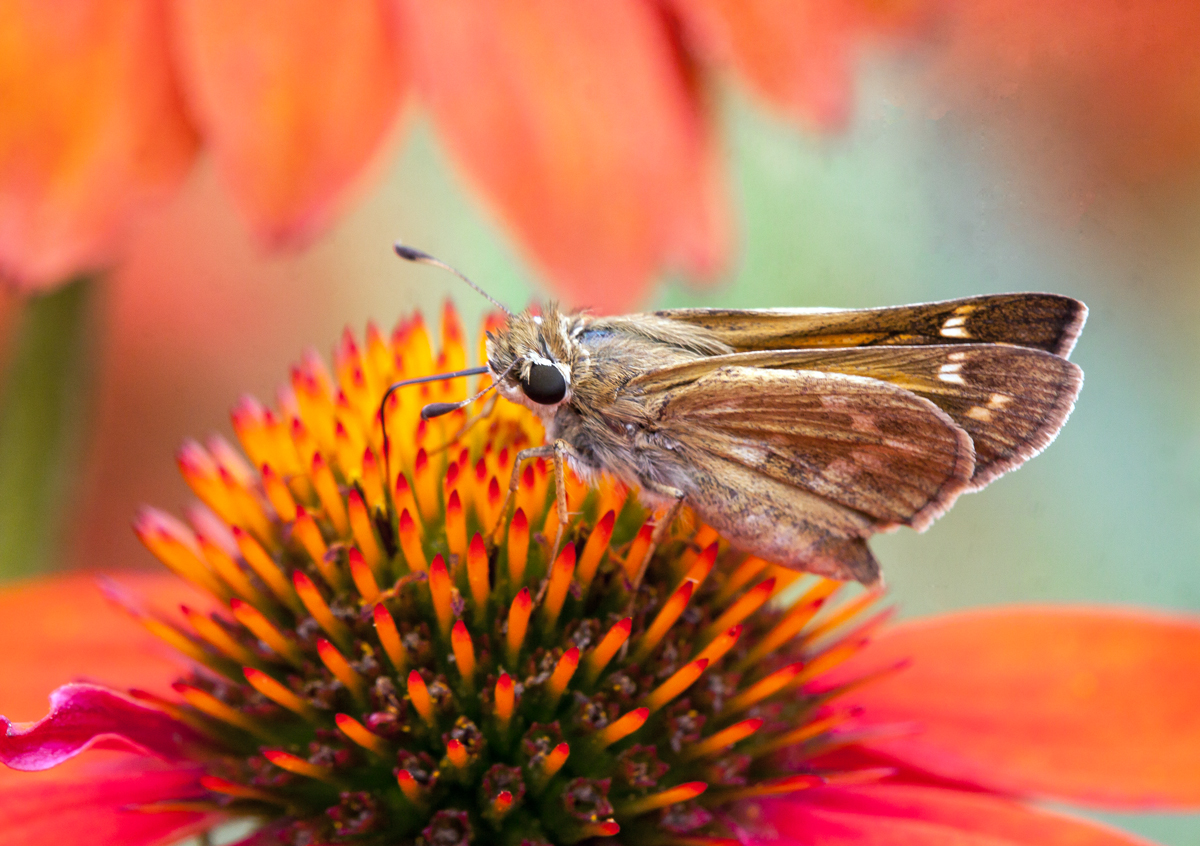
Brightly-colored flowers and butterflies—-what a wonderful combination for a summer’s day. I spotted these beauties this past weekend at Meadowlark Botanical Gardens in Vienna, Virginia.

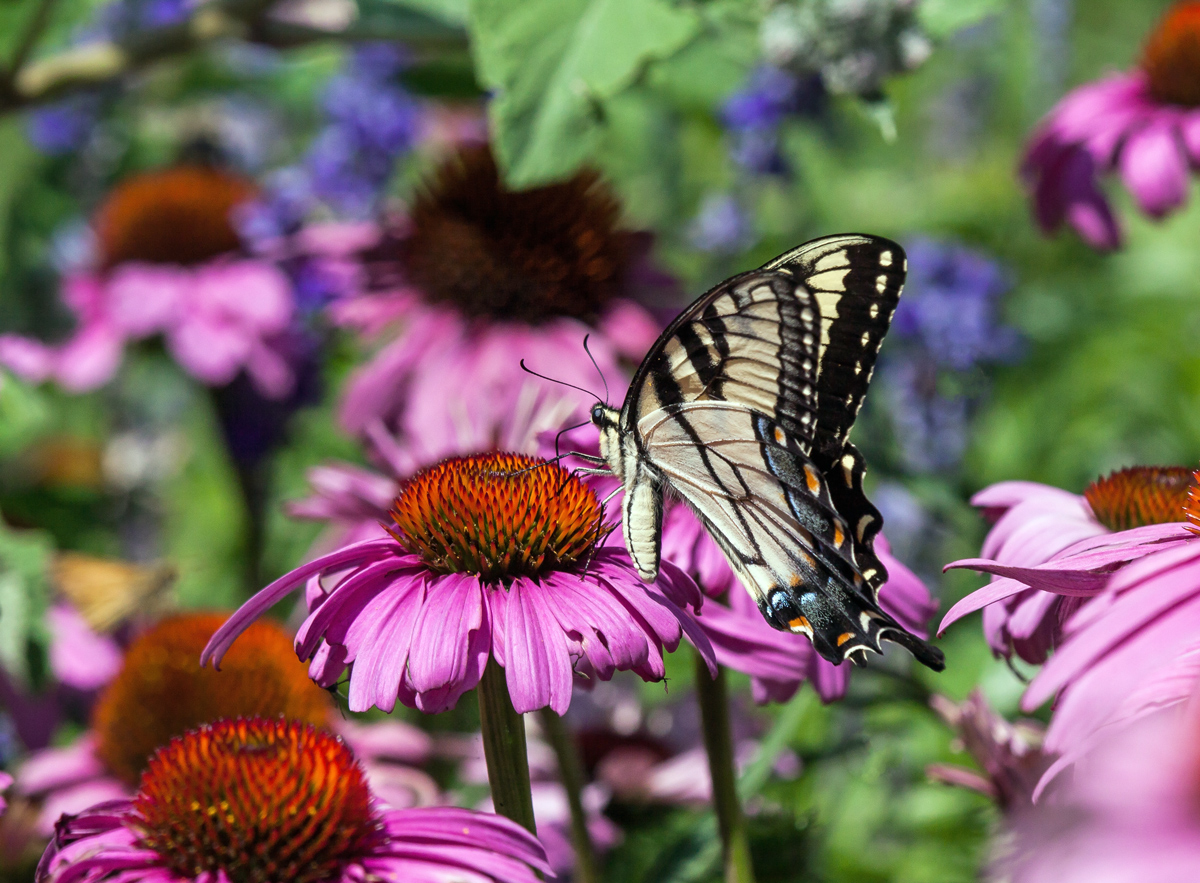
The first shot features a little skipper butterfly on a spectacular, orange-red coneflower. The other two shots highlight the beauty of an Eastern Tiger Swallowtail (Papilio glaucus) in a patch of the more frequently observed purple coneflowers.

skipper on a coneflower

Eastern Tiger SwallowtailEastern Tiger Swallowtail

© Michael Q. Powell. All rights reserved

Read Full Post »

I just love the vibrant colors of the tropical water lilies at Kenilworth Park and Aquatic Gardens, like this one that I photographed on Sunday during a brief trip there. These gardens, located in a part of Washington D.C.,  are run by the National Park Service and have acres of ponds with all kinds of lotuses and water lilies. The tropical water lilies are in small cement ponds behind the visitor center and are one of my favorite spots to visit.

tropical water lily

tropical water lily

tropical water lily

© Michael Q. Powell. All rights reserved.

Read Full Post »

It is already June, but today I thought I would post an image of a striking May flower that I photographed late last month. Some of you know that I don’t have my own garden, though I am trying to grow some flowers in my yard this year. I generally have to rely on the garden of one of my neighbors, my photography mentor Cindy Dyer, for beautiful flowers to shoot.

I stopped by her house on the day when her first red day lily opened up. More of them are blooming now, but there is always something special about the first one. I love the rich red color of this particular variety of lily.  When I was growing up in Massachusetts. my Mom had some orange tiger lilies that appeared each year that she especially loved. This lily, of course, is a different color, but somehow it brought back memories of my departed Mom.


lily

© Michael Q. Powell. All rights reserved


Read Full Post »

There were crowds of people at Huntley Meadows Park on Monday, a  holiday in the United States, but I managed to find some moments of serenity and solitude as I contemplated this skipper butterfly perched on a faded iris at the edge of a vernal pool off of the beaten path.

I may be a little selfish, I suppose, but I enjoy nature most when I don’t have to share it with others.


Skipper on iris

© Michael Q. Powell. All rights reserved

Read Full Post »

Every spring I seem to have the same problem—I see small brown skipper butterflies and can’t seem to identify them. Wikipedia notes that there are over 3500 species recognized worldwide, so I don’t feel too bad about my poor identification skills. I spotted this particular one during a recent trip to Meadowlark Botanical Gardens in Vienna, Virginia as it was feeding on what looks to be some variety of salvia flower—there are a lot of types of salvia flowers too.

As I looked through internet photos of possible matches for my skipper, I considered that it might be a Peck’s Skipper or possibly a Fiery Skipper, but none of them is a perfect match. I’m hoping that it turns out to be a Zabulon Skipper (Poanes zabulon). Why? More than anything else, I think “Zabulon” is a cool name.

skipper

© Michael Q. Powell. All rights reserved

Read Full Post »

The simple shape and spare palette of spiderwort plants (g. Tradescantia) really appeal to me and I found myself taking innumerable photos of them during a visit with fellow photographer Cindy Dyer to Meadowlark Botanical Gardens in Vienna, Virginia this past weekend. Be sure to check out Cindy’s blog for some awesome colorful images of many of the other flowers that we observed.

My friends all know that I have a warped sense of humor, so it would come as no surprise to them when I confess that I can’t help but think of an abnormal growth on an arachnid every time that I use the word “spiderwort.” As the weather continues to warm up, I’m pretty confident that I will soon be featuring images of spiders, warts and all.

spiderwort

© Michael Q. Powell. All rights reserved

Read Full Post »

Flowers are beautiful, of course, but when it comes to taking photos, I seem to be equally (or more) attracted to insects among the flowers. Yesterday we finally had some sunshine here in Northern Virginia after three soggy days in a row and I made a trip to Green Spring Gardens with my mentor Cindy Dyer to check out the flowers in bloom.

The wind was blowing most of the afternoon, which turned many of the flowers into moving targets, but patience and persistence allowed me to get some shots of some of my favorites, like love-in-a-mist and columbines. I am still going through my images, but I was immediately attracted to this shot of a bee in flight that I captured as it moved from one iris to another.

I remember being a little surprised to see a bee gathering pollen from irises—there seemed to be much candidates nearby, including some large, showy peonies. The bee didn’t spend long in each iris and the long petals of the iris often hid the bee from view. As I was tracking the bee, I somehow managed to maintain focus and captured this whimsical little shot of it in mid-air. My shutter speed of 1/640 sec was not fast enough to freeze the wings, but I really like the blur of the wings, which enhances the sense of motion for me.

bee and iris


© Michael Q. Powell. All rights reserved

Read Full Post »

Is it just me, or does this iris make anyone else think of a rather elegant lady with a broad-brimmed hat? There is just something whimsical about the position of this rather ordinary flower that brings a smile to my face.

I don’t have my own garden, but fellow photographer and neighbor Cindy Dyer has all kinds of flowers in her garden. Her irises have just started to bloom and I walked by her townhouse recently and spotted this somewhat faded iris and took this shot.

iris

© Michael Q. Powell. All rights reserved

Read Full Post »

Best wishes for a blessed and happy Easter to all who are celebrating this day. Earlier this morning I went to an outdoor sunrise service at my church at 6:30 a.m. and I am not getting ready for our normal morning service in a couple of hours. Easter is a bit later this year than in some years in the past and it was already light and pleasantly warm when we began our service—in past years we were often bundled up and needed flashlights to read the programs.

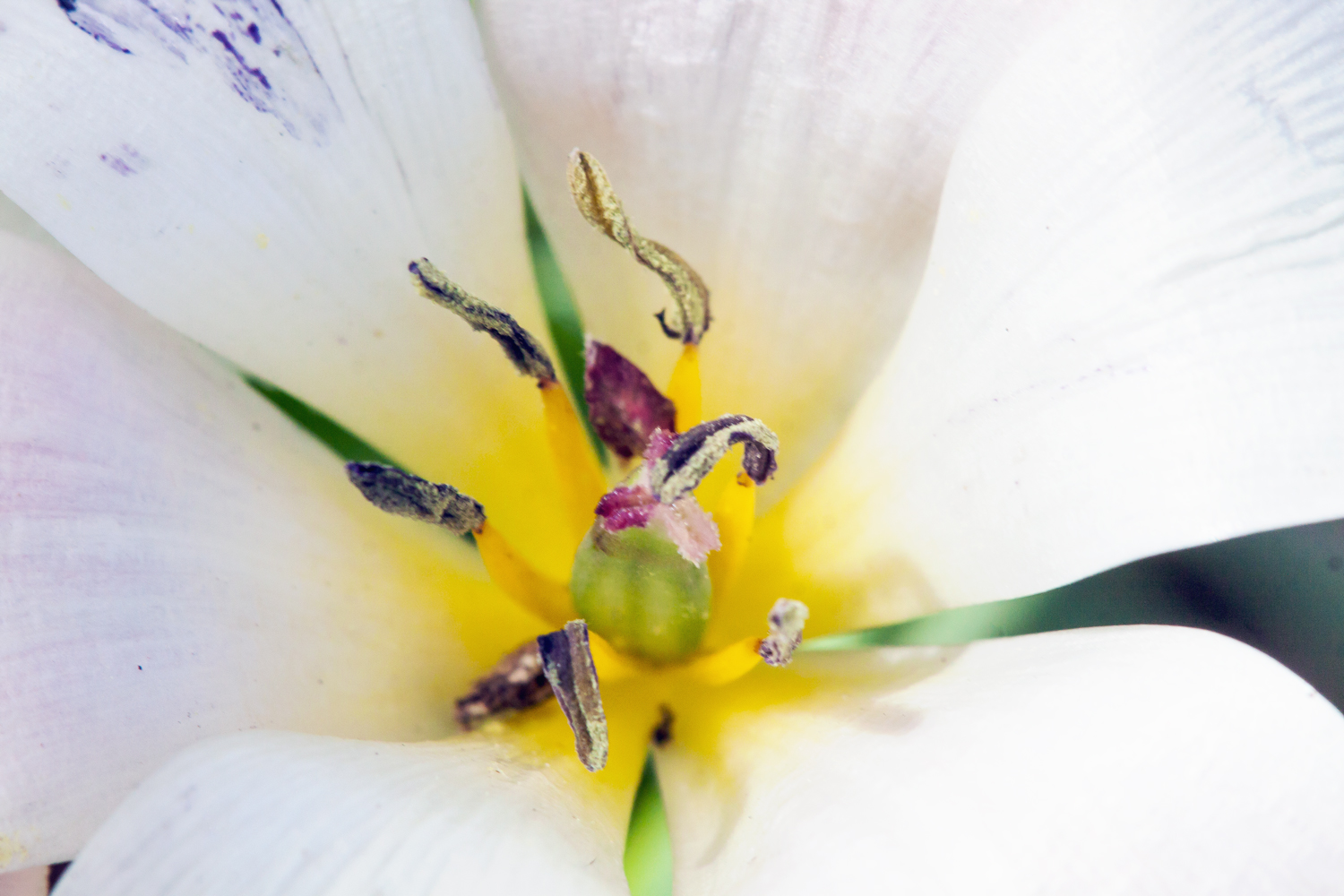
I chose two images to celebrate Easter. The first is a macro shot of a flower from a recent trip to Green Spring Gardens and it speaks to me of the growth and renewal of this season. The second is a shot of my PR (Prime Rib), my very own Easter bunny, who greets me each morning.

Happy Easter to all of you.

Easter

Prime Rib

© Michael Q. Powell. All rights reserved

Read Full Post »

I don’t have my own garden, but my neighbor and fellow photographer Cindy Dyer always has beautiful flowers in her garden, like this Lady Jane tulip (Tulipa clusiana) that I photographed yesterday afternoon with the sunlight streaming in from behind the flower.

Lady Jane tulip

© Michael Q. Powell. All rights reserved.

Read Full Post »

During the winter months, my macro lens doesn’t get used much, but I was happy to have it with me during my recent trip to Georgia when I spotted this beautiful flower in bloom at the Oxbow Meadows Environmental Learning Center in Columbus. I’m pretty sure that it is a variety of spiderwort ( g. Tradescantia), a commonly seen flower where I live, but not in February

I grew to love this kind of shot when I first started shooting with Cindy Dyer, my photography mentor and muse. She infused me with a love for macro photography and for botanical subjects that is re-energized each spring. As I look at this image, I imagine her telling me how much she likes it, but also gently reminding me that I should have shot it with a tripod to get the extra degree of sharpness and more precise framing.

spiderwort

© Michael Q. Powell. All rights reserved.

Read Full Post »

Earlier this week I chased after this beautiful little butterfly at Green Spring Gardens, in Alexandria, Virginia. I am pretty sure that it’s a Clouded Sulphur butterfly (Colias philodice), but have no idea of the identity of the flower on which it is feeding. Although at first glance it may look like I used flash for this image, a close examination of the shadows shows the direction of the bright sunlight. I was using spot metering for this light-colored subject, which meant that the background was significantly underexposed when getting a proper exposure of the primary subject.

Clouded Sulphur

© Michael Q. Powell. All rights reserved.

Read Full Post »

It doesn’t really matter where I am—if I see a butterfly, I am almost certainly going to chase after it with the hope of capturing an image. That was certainly the case last week in Brussels when I spotted this tiny butterfly and managed to take this shot of it.

As some of you may recall, I am now using a superzoom Canon SX50 when I am travelling. I haven’t used it very often, so I am still learning its capabilities and limitations. I am pretty happy with the way the camera was able to capture some of the small details of this butterfly, including its extended proboscis, and the way that it rendered the out of focus flowers in the background. I am not ready to give up my DSLR, but I will certain consider taking the SX50 with me on those occasions when I just don’t feel like hauling my DSLR and multiple lenses.

butterfly in Brussels

© Michael Q. Powell. All rights reserved

Read Full Post »

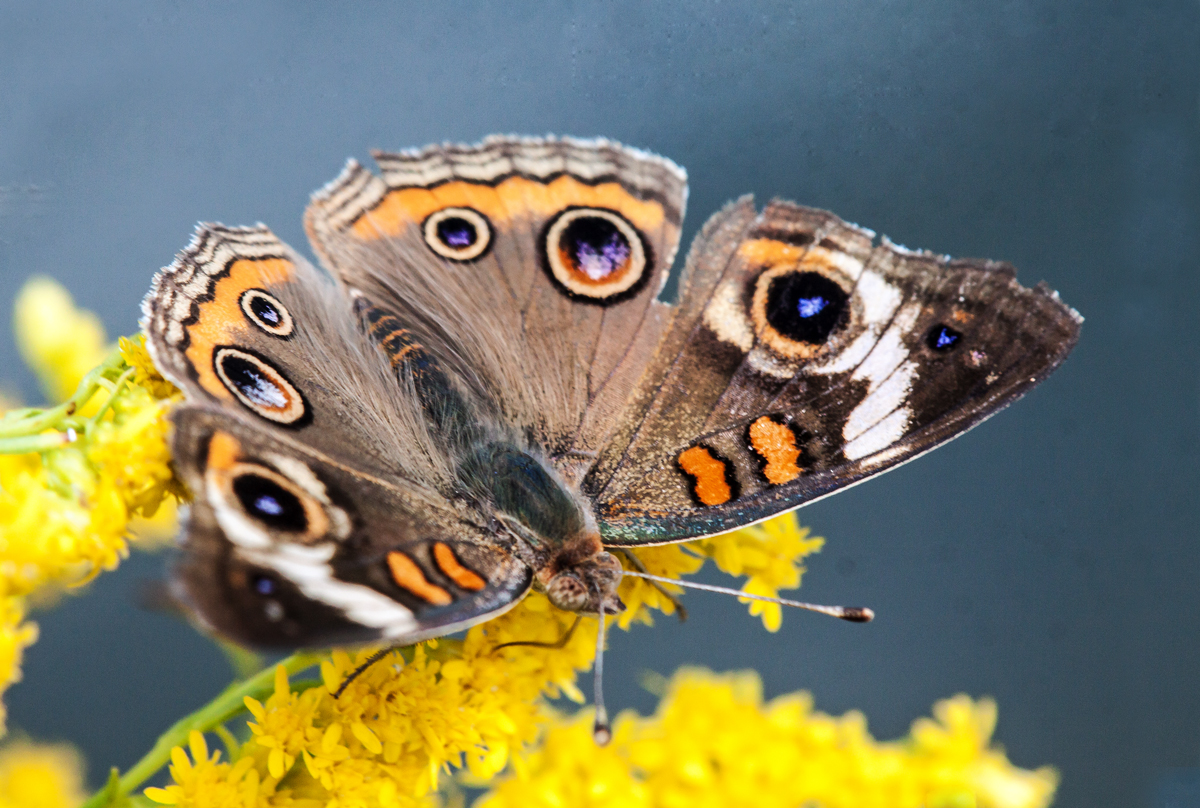
This Common Buckeye butterfly (Junonia coenia) was so focused on the goldenrod flowers that it was either unaware of my presence or simply didn’t care on Monday at Jackson Miles Abbott Wetlands Refuge. I was therefore able to capture the beauty of the butterfly from a somewhat unusual angle that lets us see some of the wonderful markings on the body as well as on the wings.

Common Buckeye

© Michael Q. Powell. All rights reserved.

Read Full Post »

The leaves of the lotuses at Green Spring Gardens were well past their prime, but they turned out to be fascinating subjects for a series of abstract images.

lotus leaf

lotus leaf

lotus leaf

© Michael Q. Powell. All rights reserved.

Read Full Post »

Hot, humid summer days may be a little tough on us, but butterflies seem to love them. I captured this shot of a spectacular Eastern Tiger Swallowtail (Papilio glaucus) this past weekend at Huntley Meadows Park as it sipped nectar from what I think is Joe-Pye weed (g. Eutrochium). (I am a bit uncertain about the plant identification and wonder if it might instead be a kind of milkweed, but “Joe Pye” rhymes with butterfly and sounds cooler, so I’ll go with that as a possible identification.)

Unlike many butterflies that I see at this time of the year whose wings are tattered and torn, this butterfly seemed to be in perfect condition. The sun was shining brightly when I took these shots and I was really afraid of blowing out the highlights of this lightly-c0lored butterfly. I switched the metering on my camera to spot metering and was able to get a good exposure of the butterfly and the background went really dark, adding a bit of drama to the images.

Eastern Tiger Swallowtail

Eastern Tiger Swallowtail

Eastern Tiger Swallowtail

© Michael Q. Powell. All rights reserved.

Read Full Post »

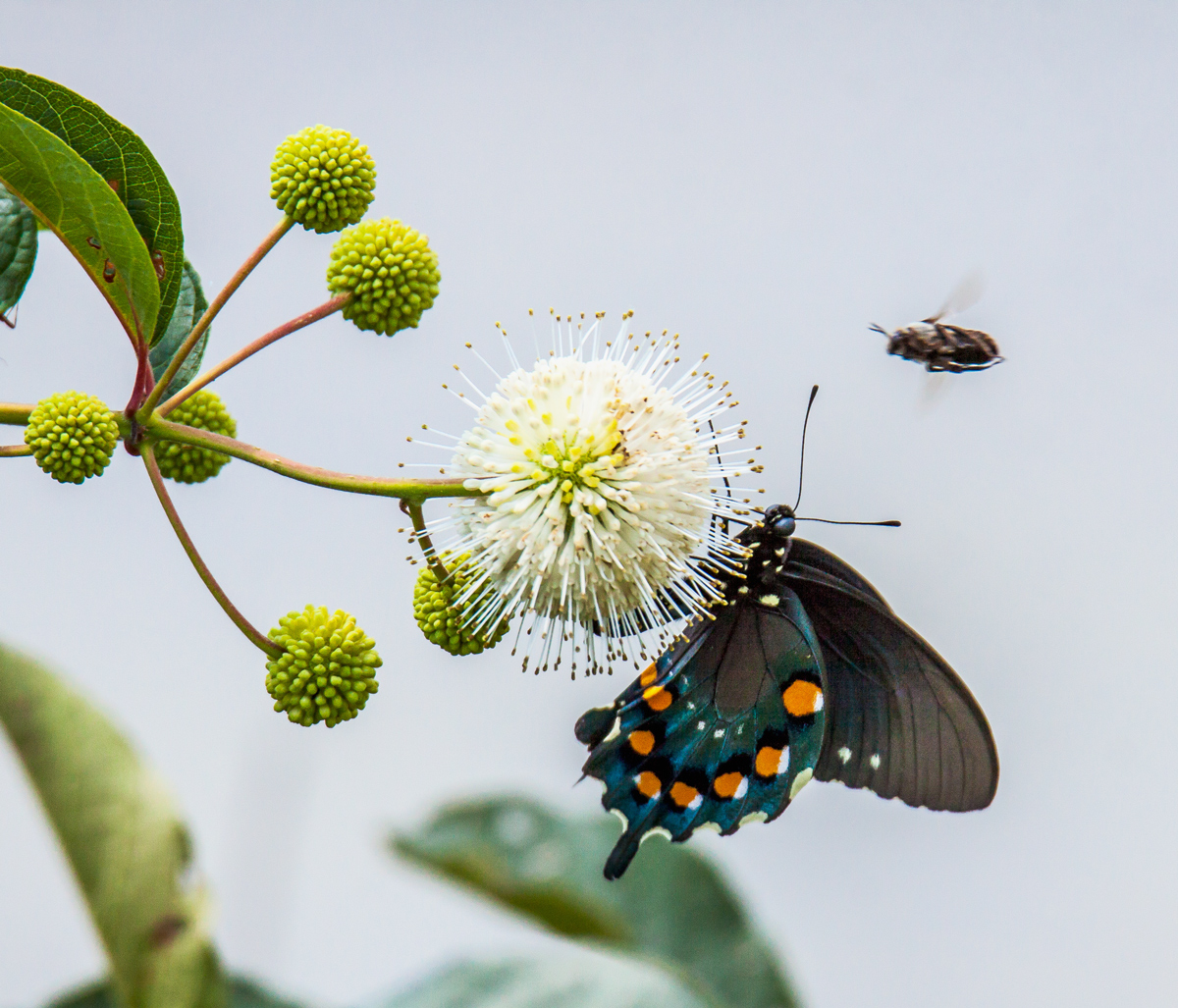
Butterflies were really active this past Monday at Huntley Meadows Park, especially around the buttonbushes (Cephalanthus occidentalis). A dark swallowtail butterfly caught my eye and my mind raced to remember how to distinguish among the various dark swallowtails. Fortunately I had enough presence of mind to capture some images, knowing I could search different resources when I got home.

I’m pretty confident that the butterfly in question is a Pipevine Swallowtail (Battus philenor). One of its distinguishing characteristics is a single row of orange spots in the shape of a C. As I was searching the internet, I came across a wonderful posting by Louisana Naturalist that has side-by-side photos of four different dark swallowtails —the Black Swallowtail, the dark morph of the female Eastern Tiger Swallowtail, the Spicebush Swallowtail, and the Pipevine Swallowtail.

As I was trying to get a shot of this butterfly, which was in constant motion, another insect decided to photobomb us. I think it is a bee and I am including a photo of the photobombing insect just for fun.

Pipevine Swallowtail

Pipevine Swallowtail

© Michael Q. Powell. All rights reserved.

Read Full Post »

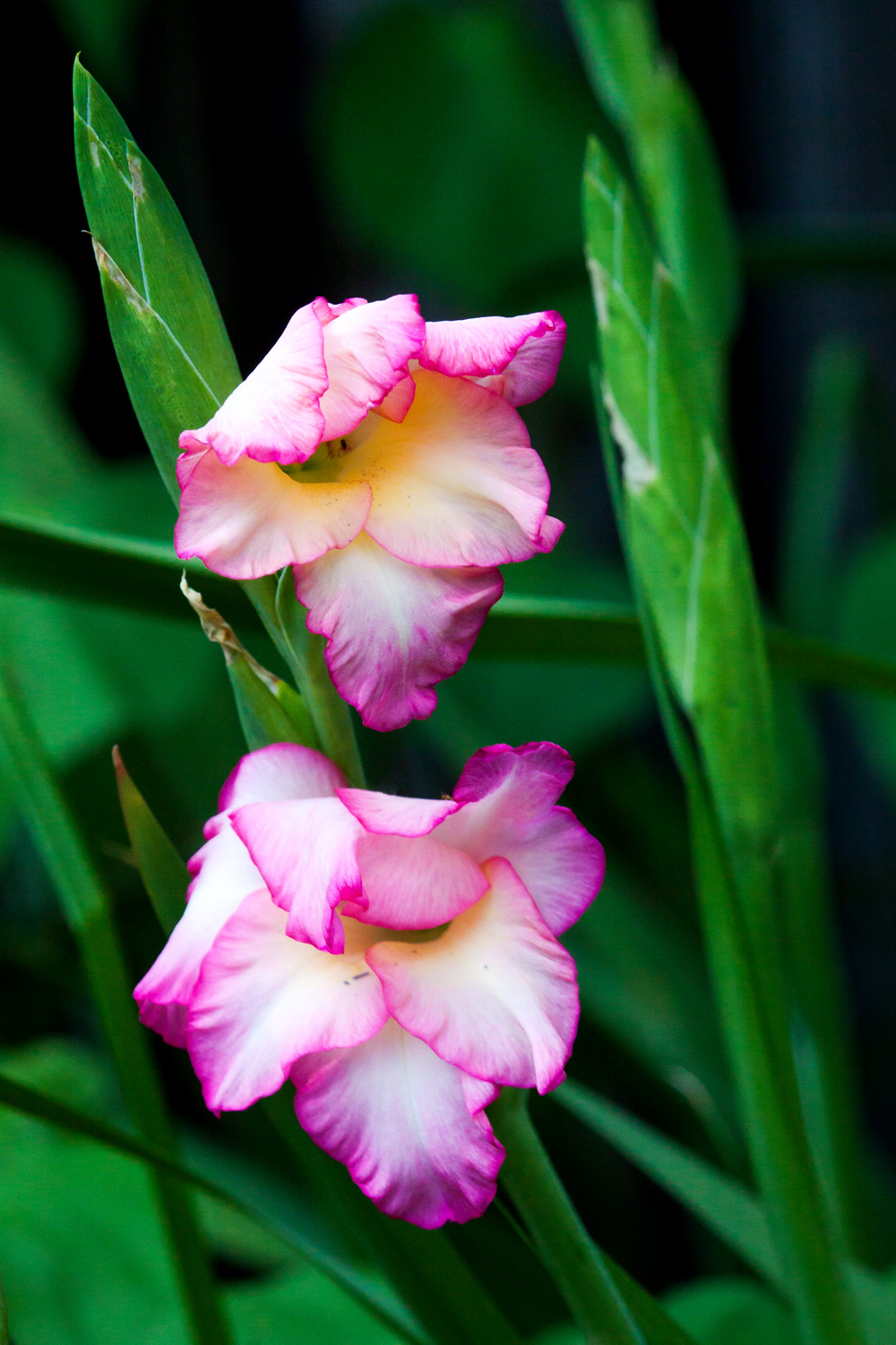
When the temperature is 96 degrees outside (about 36 degrees C), it’s hard to have the energy to go far with my camera. Fortunately, my neighbor, fellow photographer Cindy Dyer, has an awesome garden. I was glad to be able to capture this shot of some gladiolas that were blooming there this past weekend.

Thanks, Cindy.

gladiolas

© Michael Q. Powell. All rights reserved.

Read Full Post »

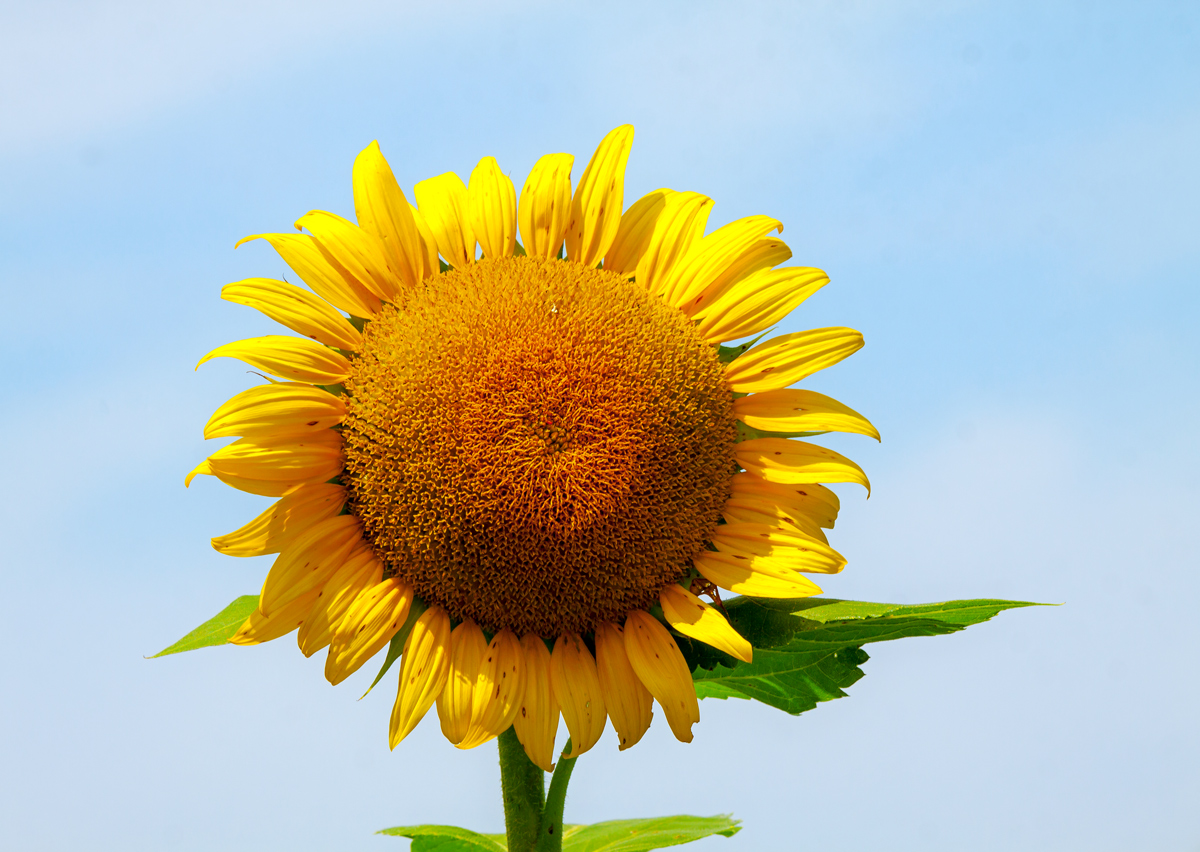
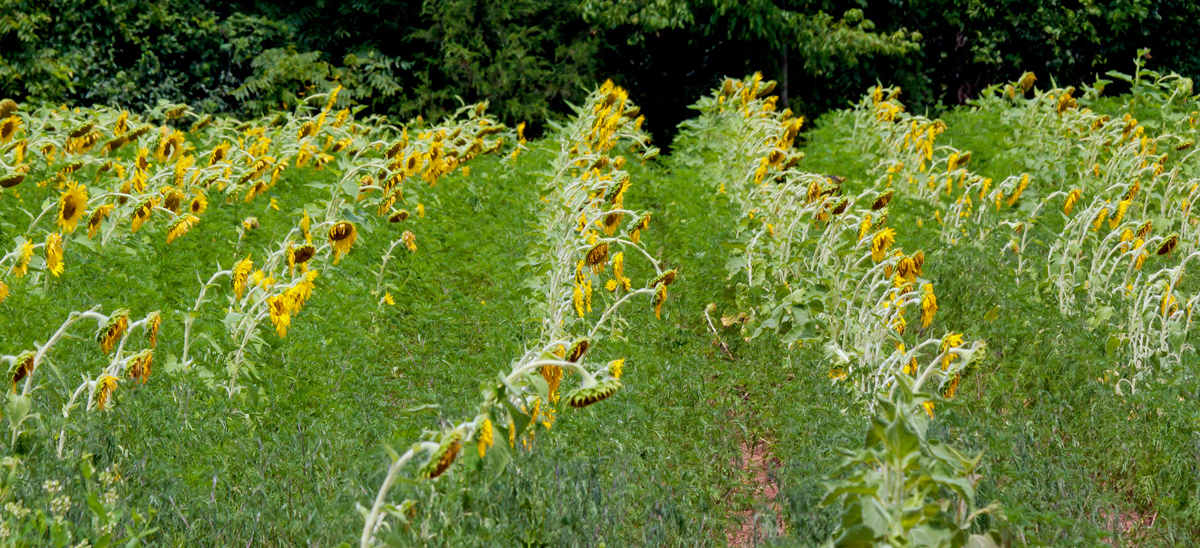
The bright colors and distinctive shape of sunflowers never fail to bring a smile to my face. Here’s a shot of one from my trip last Friday to McKee-Beshers Wildlife Management Area in Poolesville, Maryland.

sunflower

Normally a shot like this is easy to get when the towering sunflowers reach tall into the sky. In reality, however, the sunflowers at this site were not that tall and I had to crouch low to the ground to capture this image. In addition, many of the sunflowers were a bit wilted and past their peak. One of my Facebook readers commented that it looked like the flowers had their heads bowed in prayer in the following shot, which gives you and idea of the conditions in one area of the field of sunflowers.

sunflower

© Michael Q. Powell. All rights reserved.

Read Full Post »

Yesterday I traveled with my photography mentor Cindy Dyer to McKee-Beshers Wildlife Management Area in nearby Poolesville, Maryland to check out the large fields of sunflowers that are planted there each year. We just missed the peak blooming period and many of the sunflowers were drooping and seemed a little wilted. Cindy, who has visited this area multiple times, noted that the sunflowers were not as tall or as dense as in previous years.

Several American Goldfinches (Spinus tristis) that I observed in the fields, however, were definitely not disappointed—they were gorging themselves on sunflower seeds. The goldfinches were pretty skittish, but occasionally were distracted enough when feeding that I was able to get some shots, despite the fact that I was shooting with my 180mm macro lens.

American Goldfinch


American Goldfinch

American Goldfinch

American Goldfinch

© Michael Q. Powell. All rights reserved.

Read Full Post »

This weekend when I visited Green Spring Gardens I was shocked to see that not a single lotus flower was blooming, given that so many were blooming recently at nearby Kenilworth Park and Aquatic Gardens. As I looked in vain for a flower, I somehow became fascinated with the shapes of the leaves of the lotus plants and their interplay with the light and captured these almost abstract images.

These images are definitely different from the ones that I normally post, but I thought I would share them to show you what unexpectedly caught my eye that day.

lotus leaf


lotus leaf

© Michael Q. Powell. All rights reserved.

Read Full Post »

I absolutely love the vibrant colors of the daylilies in the garden of my neighbor, Cindy Dyer. Cindy is best known for her photos of flowers that have appeared multiple times on U.S. postage stamps, but she photographs a wide variety of subjects. On a more personal level, she has served as my photography mentor over the past four years and has been a constant source of encouragement and inspiration for me.

As I was capturing some images of the daylilies, I thought back to one of my earliest lessons with Cindy in which she reassured me that I didn’t have to capture the entire flower when I photographed it. That simple insight helped me realize that I was doing something more than simply documenting reality—I was creating my own version of reality through a series of artistic and technical choices.

I learned a powerful and liberating lesson that day that has continued to shape the way I approach most of my photography.

daylily

© Michael Q. Powell. All rights reserved.

Read Full Post »

Do your remember what it was like to be young and in love? You and your beloved couldn’t beat to be separated—you were always together, always close, always touching, like these two Shasta Daisies growing in the garden of my neighbor and fellow photographer Cindy Dyer.

As I was looking for information about the Shasta Daisy, I came across this fascinating information on the history on the flower at lutherburbank.org:

“2001 marked the 100th anniversary of Luther Burbank’s introduction of the Shasta daisy, one of America’s most beloved garden flowers. Burbank spent 17 years developing this quadruple hybrid which he named after Mt. Shasta. Others have continued Burbank’s work and many new varieties of the Shasta daisy have been introduced since Burbank completed his work more than 100 years ago.”

Shasta Daisy

© Michael Q. Powell. All rights reserved.

Read Full Post »

There is something really special about water lilies (g. Nymphaea)—it’s easy for me to understand why impressionist painter Claude Monet was obsessed with them. During my recent visit to Kenilworth Park and Aquatic Gardens in Washington D.C. many of the water lilies were closed up, probably because of the extreme heat of the midday sun, but I did manage to get some shots.

The traditional white water lilies tend to have a calming effect on me. For those folks looking for a bit more passion, there were also some fiery red water lilies.

Water lily

water lily

water lily

© Michael Q. Powell. All rights reserved.

Read Full Post »

How far do you usually travel when you want to take some photos? I capture a lot of my wildlife/nature images in my local area, but generally I get into my car and travel at least a few miles before I begin shooting.

Sometimes, though, I feel the urge to shoot, but don’t really want to travel far. In those moments I will usually walk over to the townhouse of my neighbor, fellow photographer Cindy Dyer, who always seems to have an assortment of photogenic flowers in bloom.

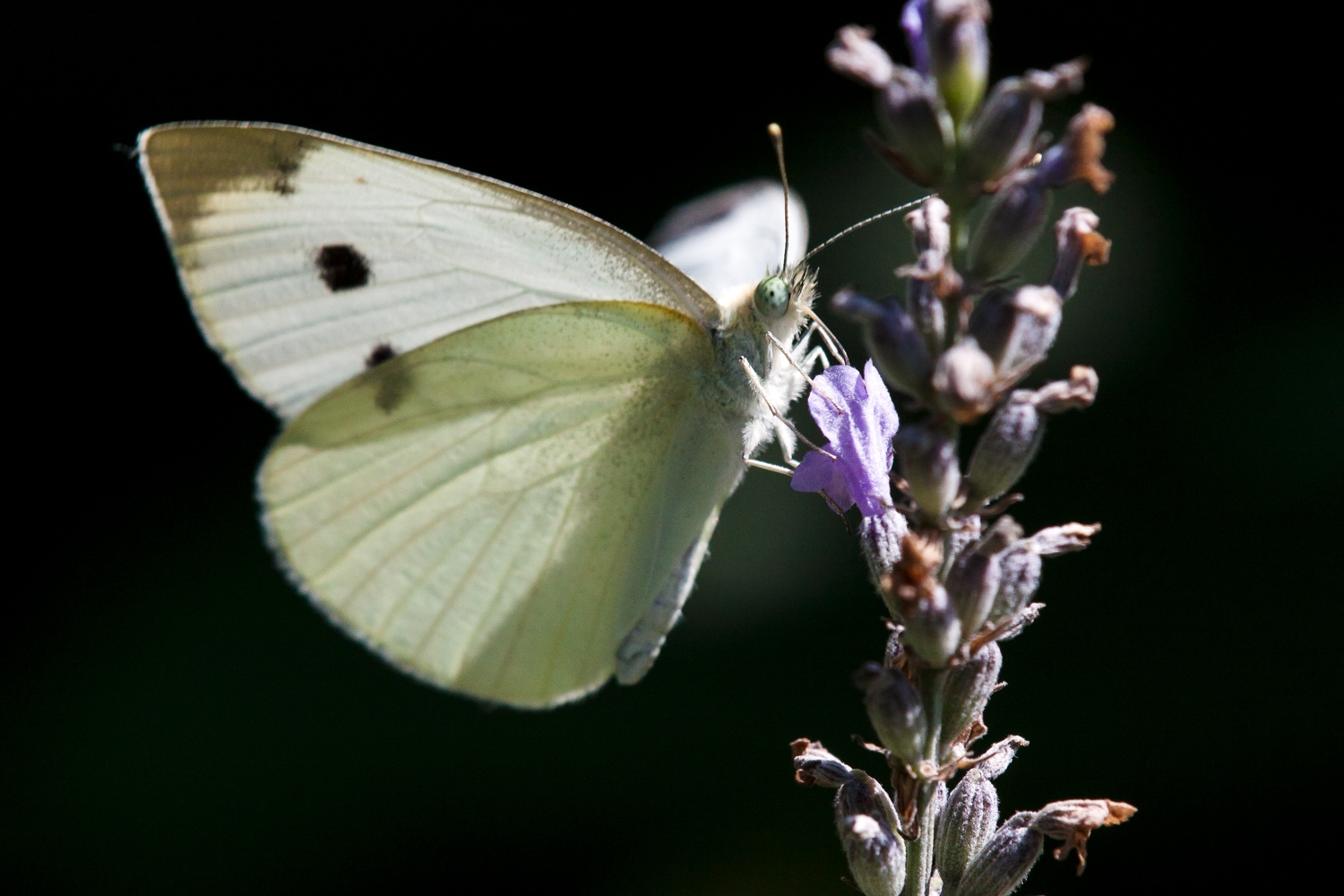
Last week I chased a Cabbage White butterfly (Pieris rapae) that I spotted fluttering about the flowers in garden. It passed by the globe thistles and the cone flowers and finally perched for a moment on a lavender plant. The sun was shining brightly, which I knew would create problems in getting a proper exposure of the dazzling white wings of the butterfly. I switched my metering to spot metering and the wings retained their details, but the background became really dark, creating a dramatic lighting effect that I really like. As always, I was thrilled to be able to see the beautiful green eye of this common butterfly that is often ignored or simply taken for granted.

Cabbage White

© Michael Q. Powell. All rights reserved.

Read Full Post »

Normally I try to move in really close to my subjects using a telephoto or macro lens. Yesterday, however, I decided to try to “see” the world differently by using a wider lens (24-105mm) during a quick trip with my photography mentor Cindy Dyer to Kenilworth Park and Aquatic Gardens in the Anacostia area of Washington D.C. to check out the water lilies and lotus flowers.

The trip was a spur-of-the-moment decision while we were eating lunch, so we knew that we would miss out on the soft early morning light that we both prefer. However, the weather was beautiful, with the temperatures and humidity less oppressive than in recent weeks, so we decided to brave the Washington D.C. area traffic to check out the park.

Cindy is no stranger to the park. Last year four of her images of water lilies from the park appeared on US postage stamps, which were so popular that half a billion were printed. Check out this link to see information about these stamps. Earlier this year, one of Cindy’s images of Sacred Lotuses at the park was on one of the 16 postage stamps issued to commemorate the centennial of the National Park Service. Check out this link for more information about that stamp.

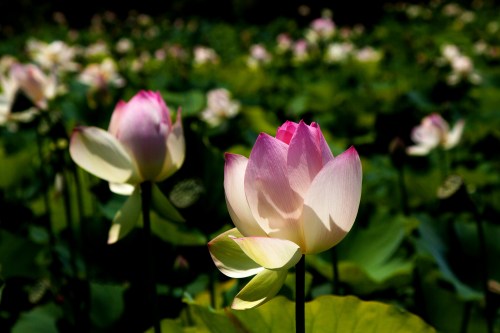
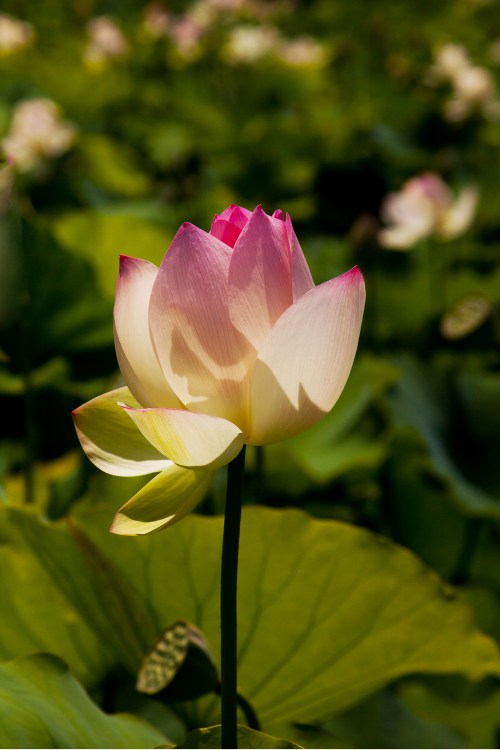
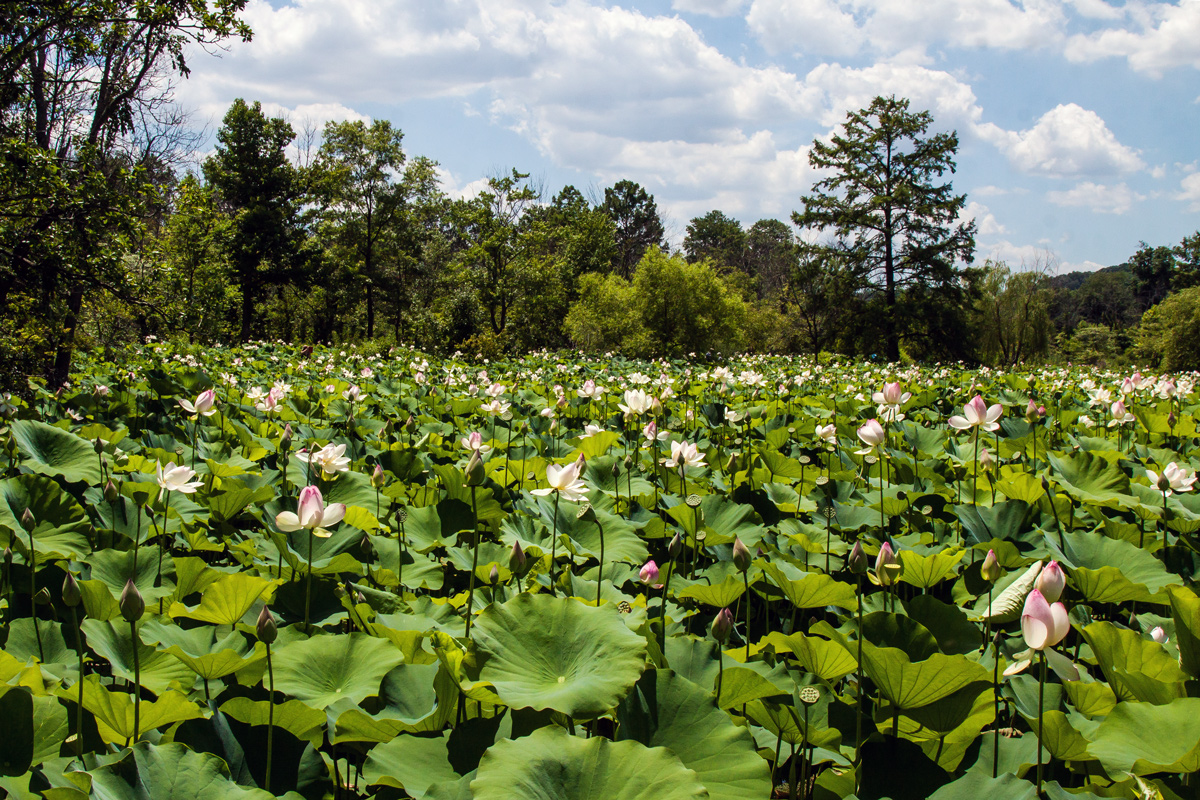
Here are some of my images of Sacred Lotuses (Nelumbo nucifera) from yesterday as I tried to step back a bit and see the flowers as part of a larger landscape. Initially I struggled a bit as I kept focusing on details, but my mind and my eye grew accustomed to the idea that the lens was not going to let me get in close. Gradually I started to see things differently and to frame my photos accordingly.

Kenilworth Park and Aquatic Gardens

Acres and acres of lotuses

Kenilworth Park and Aquatic Gardens

Lotuses fading into the distance

Kenilworth Park and Aquatic Gardens

Lotus and seed pod

© Michael Q. Powell. All rights reserved.

Read Full Post »
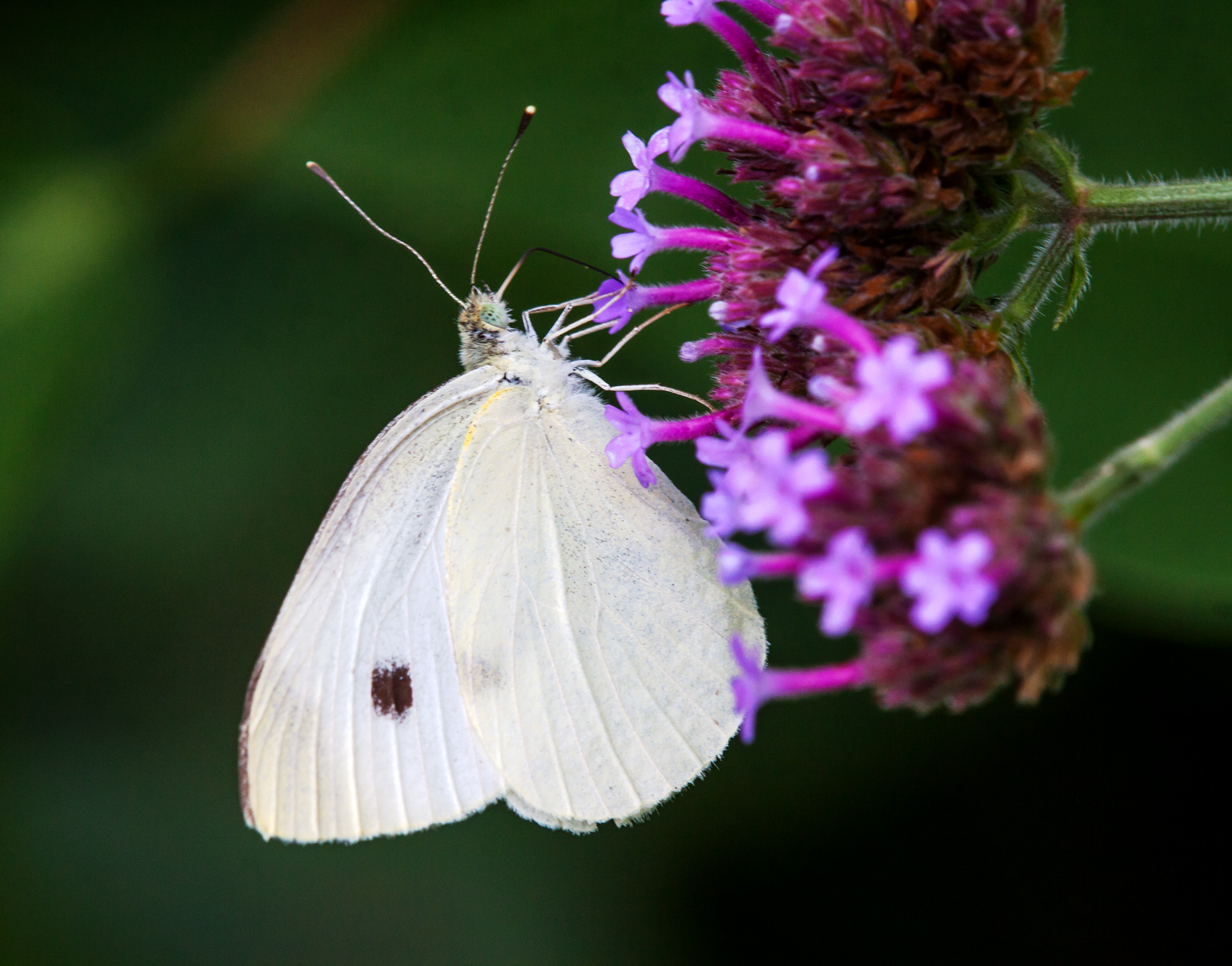
Cabbage White butterflies (Pieris rapae) are very active and their blindingly white wings often cause images to be overexposed. When the light is right, though, you can see their enchanting speckled green eyes, like those of this butterfly that I spotted during a recent trip to Brookside Gardens in Wheaton, Maryland.

Cabbage White

© Michael Q. Powell. All rights reserved.

Read Full Post »

The light falling on this Silver-spotted Skipper butterfly (Epargyreus clarus) yesterday was beautiful and dramatic at Brookside Gardens in Wheaton, Maryland. I was focusing on the butterfly with my camera set for spot metering and I think that setting was largely responsible for creating the dark, underexposed background.

I was going to crop the image, but decided that I like the composition as it came out of the camera. My normal impulse is to zoom in or crop the shot so that my subject fills a larger part of the frame, but in this case I really like the large amount of negative space.

This shot reminds me a bit of a studio shot, the kind that would have required a number of carefully placed lights to create the same dramatic effect, not to mention a cooperative butterfly. Taking advantage of the natural lighting required a whole lot less effort. “More drama and less effort”—I like the sound of that as an approach to photography, which often seems so complicated.

Silver-spotted Skipper

© Michael Q. Powell. All rights reserved.

Read Full Post »

As I was looking over a whole range of the colorful flowers yesterday at Green Spring Gardens, I gradually realized that I was drawn most to those with simple shapes and relatively subdued colors, like the modest spiderwort (g. Tradescantia). There is a real beauty in its simplicity.

The bees seemed to like the spiderworts too, including one that I photographed with overfilled pollen sacs.

spiderwort

spiderwort

© Michael Q. Powell. All rights reserved.

Read Full Post »

For a change of pace I decided today to visit Green Spring Gardens, a historical county-run garden that always has lots of beautiful flowers. Some purple poppies were among my favorites. Several of them were in bloom, surrounded by a large number of seed pods. A honey bee and I were attracted to the same flower at the same time—the bee ignored me and busily went about its work.

Purple Poppy

© Michael Q. Powell. All rights reserved.

Read Full Post »
« Newer Posts - Older Posts »