Feeds:
Posts
Comments

Archive for the ‘Art’ Category

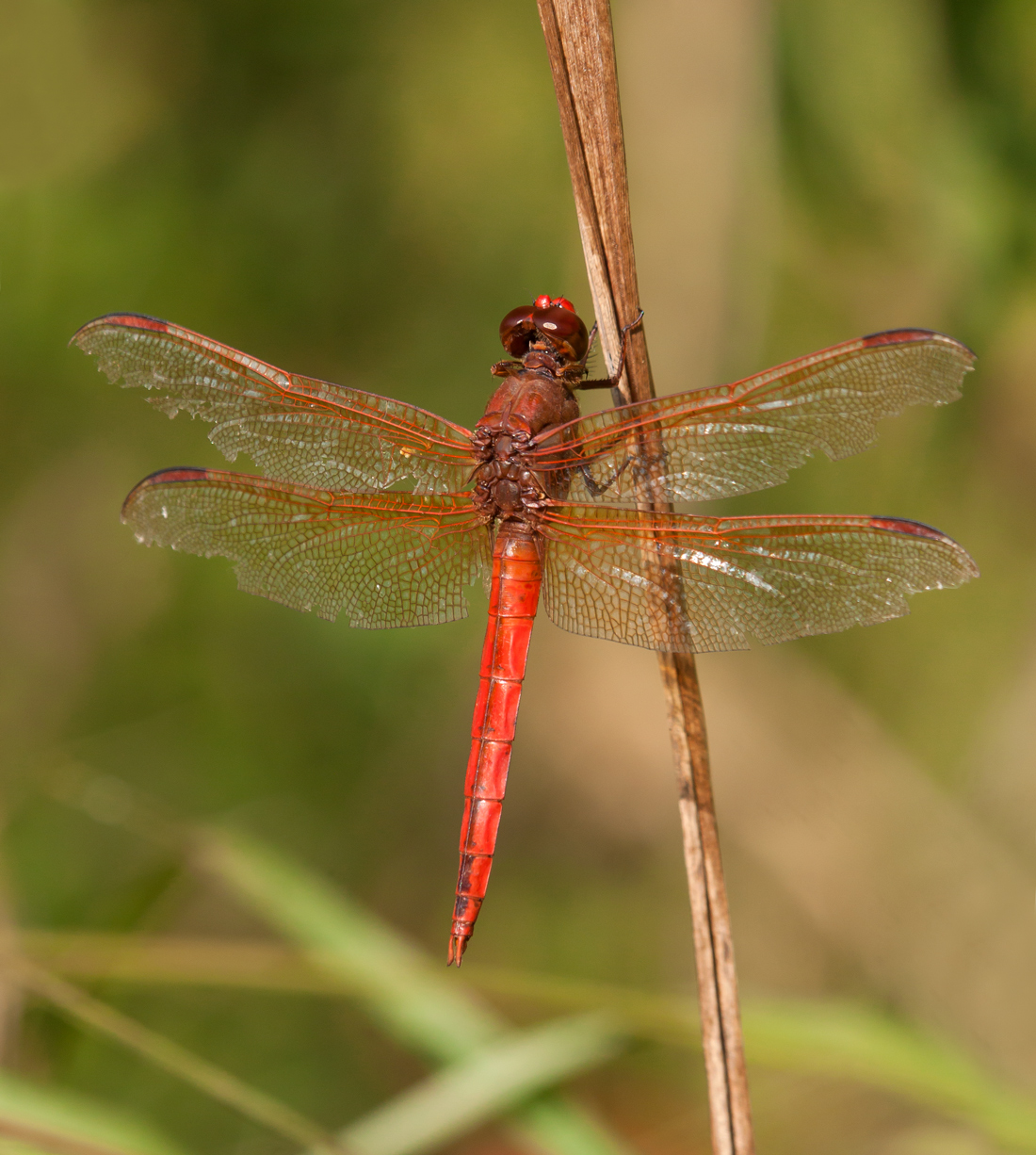
Two weeks ago, during the waning days of summer, I captured this image of a beautiful Needham’s Skimmer dragonfly (Libellula needhami) at Huntley Meadows Park, the local marshland where I do a lot of my shooting. The vivid red of its body made it really stand out—camouflage did not seem to be a viable option.

Although this dragonfly species is pretty common, I only saw a couple of them this season and this was the only one that I managed to photograph. The dragonfly was perched on a dried stalk in a field and it was tough to try to get any kind of clear background, particularly because I did not want to move too much and risk scaring away the dragonfly.

In these two images, you can see two slightly different approaches that I used. In the first one, I was not worried that there were some horizontal stalks in the background. In fact, I actually like the repetition of the horizontal line and don’t find them distracting, given how blurred they are. In the second image, I tried to get as uncluttered a background as I could, which isolates the dragonfly a little better. I tend to like the first image a little more, but I welcome any thoughts about which image you prefer.

Needham's SkimmerNeedham's Skimmer

© Michael Q. Powell. All rights reserved.


Read Full Post »

Here’s an awesome image of a pair of mating dragonflies by a photographer with whom I often go shooting at my local marshland park. Be sure to check out the rest of his blog for some more amazing shots.

waltersanford's avatarwalter sanford's photoblog

Lately I’ve been working harder at “making art” rather than just getting a shot. How am I doing?

Autumn Meadowhawk dragonflies (mating pair, in wheel)

The preceding photo shows a mating pair of Autumn Meadowhawk dragonflies (Sympetrum vicinum) spotted during a photowalk at Huntley Meadows Park on Sunday, 28 September 2014. The pair is shown “in wheel.”

The copulatory, or wheel, position is unique to the Odonata, as is the distant separation of the male’s genital opening and copulatory organs. Source Credit: Paulson, Dennis (2011-12-19). Dragonflies and Damselflies of the East (Princeton Field Guides) (Kindle Locations 377-378). Princeton University Press. Kindle Edition.

All dragonflies and damselflies have a 10-segmented abdomen: male dragonfly secondary genitalia are located in segments two and three (2 and 3); female genitalia in segment eight (8). Therefore, the male dragonfly is on top; the female is on the bottom.

Copyright © 2014 Walter Sanford. All rights reserved.

View original post

Read Full Post »

Do you photograph some subjects over and over again, hoping to get better (or at least different) images? I never grow tired of observing herons and egrets at my local marshland park. Most of the time, they (and I) are standing still, waiting for a brief moment of action, generally when they are fishing or when they take off into the air. These birds look gangly and awkward when on the ground or in the water, but when they are flying, it’s like watching an aerial ballet.

I took this shot last Friday as a Great Egret (Ardea alba) was just taking off from the muddy waters of one of the small ponds at the park. I was thrilled to be able to capture both a shadow and reflection of the graceful bird. Although I often have trouble getting a good exposure and frequently blow out the highlights, in this case I as able to capture some of the details of the wing feathers.

The egrets will be migrating out of this area soon, but I will continue to have the herons to keep me occupied in the upcoming months (and I’ll be trying to get more shots like this one).

Great Egret

© Michael Q. Powell. All rights reserved.
Read Full Post »

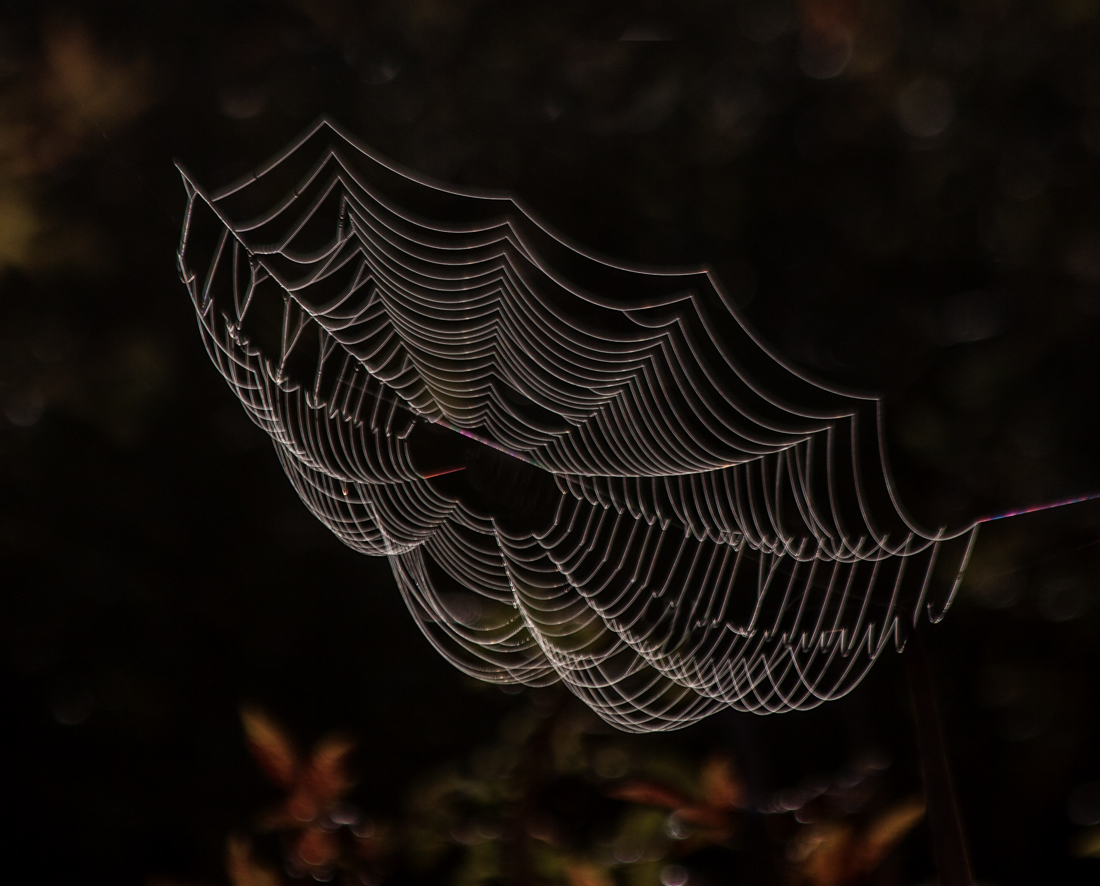
One of the joys of arriving early at the marsh at this time of the year is having the chance to see spiders’ handiwork, backlit by the rising sun.

web2_blog web3_blog

© Michael Q. Powell. All rights reserved.

Read Full Post »

Do you have a favorite insect? I realize that’s a strange question and, if pressed, most people probably would respond with the name of a butterfly or perhaps a ladybug or a dragonfly, but my favorite is unquestionably the Handsome Meadow Katydid (Orchelimum pulchellum).

Two summers ago, I had my initial encounter with the rainbow-colored grasshopper-like insect at my local marshland park and it was love at first sight. It was so unexpected to see those beautiful blue eyes staring at me with apparent curiosity. The amazing colors of the body are so vivid and varied that one of my friends accused me of creating them in Photoshop. I can’t help but be cheered up by the mere sight of one of these beauties.

There was a lot of reconstruction work at my marsh this past year and water levels are a lot higher than in the past. All summer I waited for my friends to reappear, fearing that the changed habitat or the polar vortex of this past winter had adversely affected their survival. Suddenly, two weeks ago I started hearing from others that the Handsome Meadow Katydids were back.

Last week, I finally saw a few of these beauties myself and took this shot of one of them. In addition to the gorgeous colors, you can’t help but notice the really long legs and antennae (is one of them missing).

I don’t care who you are—you have to agree that these katydids really are handsome, even if it’s not at the top of your list. As for me, it’s still my favorite.

Handsome Meadow Katydid

© Michael Q. Powell. All rights reserved.

Read Full Post »

There is perhaps nothing more ordinary than this, a simple Cabbage White butterfly (Pieris rapae) on a small white flower (which is possibly a weed), but the ordinary can be extraordinarily beautiful.

Cabbage White butterfly

© Michael Q. Powell. All rights reserved.

Read Full Post »

What is street art? I tend to think of street art as a category that encompasses a broad range of artistic expressions in a public area. As I walked through the streets of Brussels during this trip, I saw art everywhere—underfoot, in the form of a brass grate in the street; in the air, in the form of a Tintin mural on the side of a building; and at eye level, in the form of a grafitti-covered security cover for a shop and in a stenciled image on the side of a potato delivery truck.

© Michael Q. Powell. All rights reserved.
Read Full Post »

One of favorite things about walking around in the old area of Brussels near the Grand-Place is that you can unexpectedly come across giant murals on the sides of buildings illustrating scenes from the Adventures of Tintin.  This series of comic books was created by Belgian artist Georges Remi (who wrote under the pen name of Hergé) and was one of the most popular European comic series in the 20th century.

Although I am fortunate to make trips to Brussels a couple of times a year, my trips are short in duration and I never get to know the city very well. As a result, it’s a real joy to rediscover a Tintin mural when I am wandering through the winding streets of Brussels, as I did yesterday, when I stumbled onto one of my favorite murals, depicting two boys walking together.

CORRECTION: It turns out that there are a lot of different comic book artists have works depicted in murals throughout Brussels and this mural from a series by Frank Pé with a main character called Broussaille, not from the Tintin series. Broussaille is the blond character on the right and his girlfriend Catherine is on the left. The mural was painted in 1991 and then repainted in 1999 to make Catherine appear more feminine—many believed the mural depicted a gay couple, given the proximity of the mural to Brussel’s gay district.

walking_blog

You also can see some interesting signs in the streets of Brussels, like this one, which seems to be advertising a beer by using a baby.

beer_baby_blog

© Michael Q. Powell. All rights reserved.

Read Full Post »

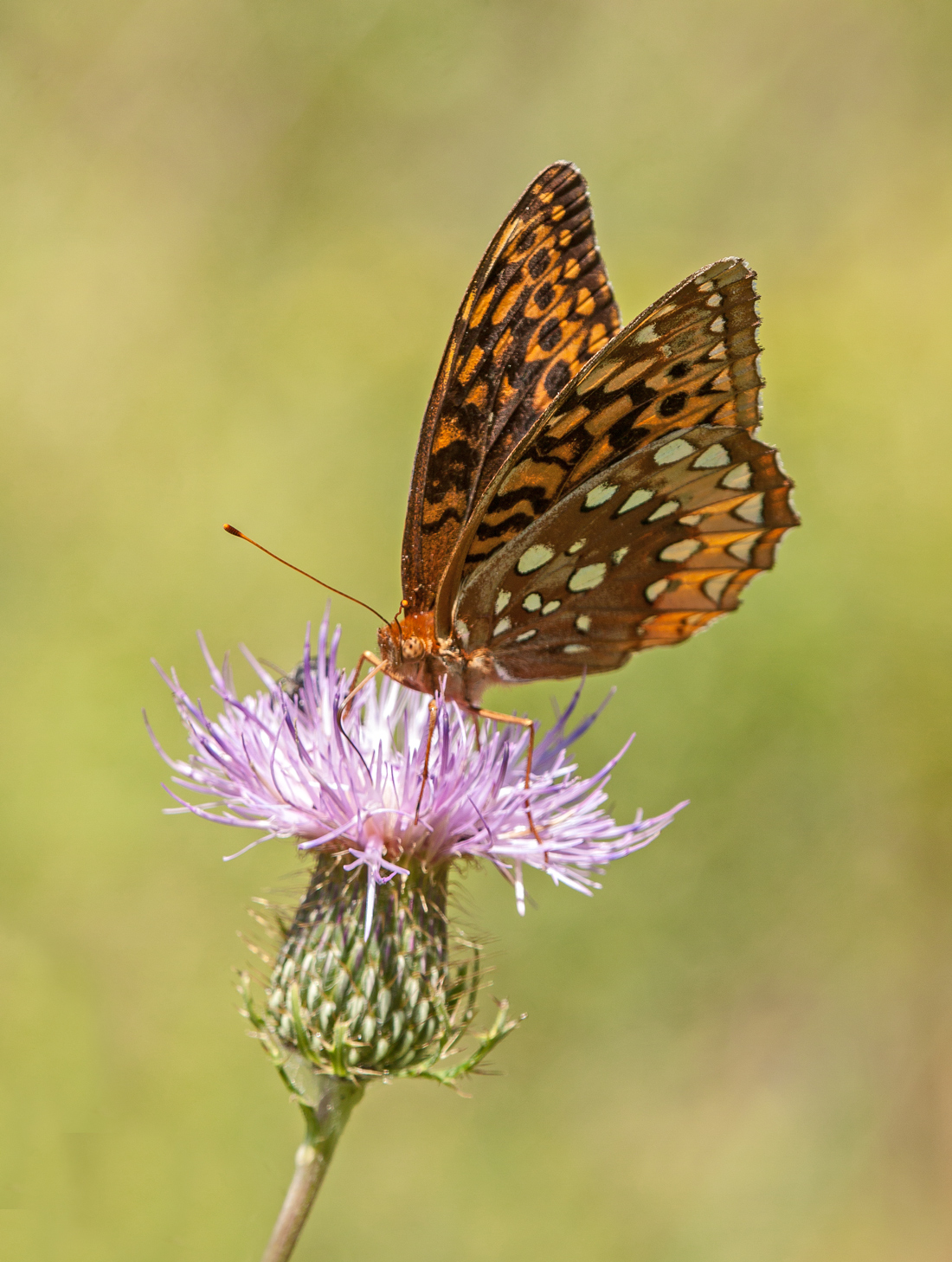
As I came out of the woods into a meadow at my local marshland park, I caught sight of some bright orange butterflies, which I could immediately identify as Great Spangled Fritillary butterflies (Speyeria cybele). The butterflies were concentrating their attention on a small cluster of plants which looked to be some kind of thistle.

I moved closer to get some shots, wading through the vegetation, which by this time of the summer is chest-high. I’ve already learned the hard way about the “joys” of chiggers and ticks, but I tossed my concerns to the side and boldly stepped forward. Fortunately for me, the butterflies were distracted with their feeding activity and did not fly away at my approach.

The sunlight was pretty strong and the look of the photo changed a lot as I circled around the butterflies, as you can see from the images below. I took a lot of shots, some of which I have not yet processed, but I was so happy with the images that I captured that I figured I better post some while it is still summer. Don’t be surprised if you see a few more images like this in the near future.

Great Spangled Fritillary

Great Spangled FritillaryGreat Spangled Fritillary

© Michael Q. Powell. All rights reserved.

Read Full Post »

This summer I haven’t been seeing any of the large orb-weaver spiders at my local marsh that I observed in previous years, but the small spiders can be equally beautiful.

I spotted this little spider when I was hiking through the woods. There wasn’t really enough room to set up my tripod, so I ended up taking the shot handheld with the available light, which meant my depth of field was pretty limited. Although my normal instinct is to move in really close, I decided to take some shots from a slight distance and I like one of the resulting images so much that I am presenting it with almost no cropping (which is unusual for my insect shots). I especially like the interplay of light and shadows on the different elements in the scene, which together produce a sense of drama.

spider1_small_blog

© Michael Q. Powell. All rights reserved.

Read Full Post »

Generally I prefer to have a natural background for wildlife shots, but when a Green Heron (Butorides virescens) that I was observing this past Friday at my local marsh took off, I ended up shooting it against the backdrop of the boardwalk. I really like the look of the resulting shot, which juxtaposes those natural and industrial elements in an unusual way.

If you enjoy photos with this type of contrast of the natural and the man-made, check out my posting from this past week of an “industrial” dragonfly.

Green Heron Huntley Meadows

© Michael Q. Powell. All rights reserved.

Read Full Post »

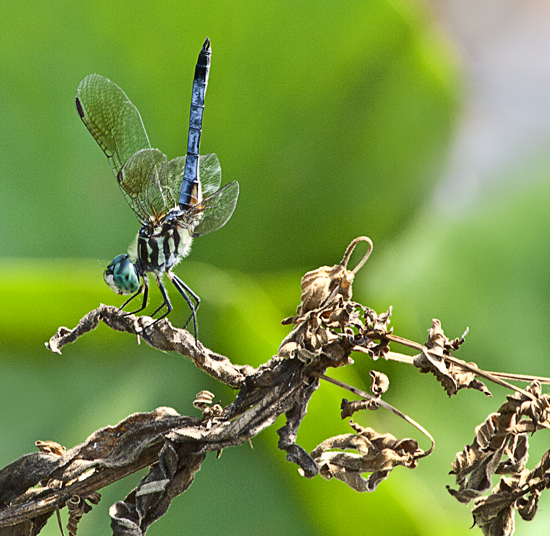
The light reflecting off the water in the background was really bright, creating these disco ball highlights when I took these shots of a male Blue Dasher dragonfly (Pachydiplax longipennis) recently at Green Spring Gardens. Normally I try to avoid distinctive specular highlights, but in this case I decided to embrace them.

Why do I suddenly feel an irresistible urge to watch Saturday Night Fever?

disco1_blogdisco2_blog

© Michael Q. Powell. All rights reserved

Read Full Post »

Even before they have bloomed, the buds of the Lotus flower (Nelumbo nucifera) can be spectacularly beautiful, like this one I photographed this past Monday at Green Spring Gardens, just a few miles from where I live in Northern Virginia.

lotus bud

© Michael Q. Powell. All rights reserved.

Read Full Post »

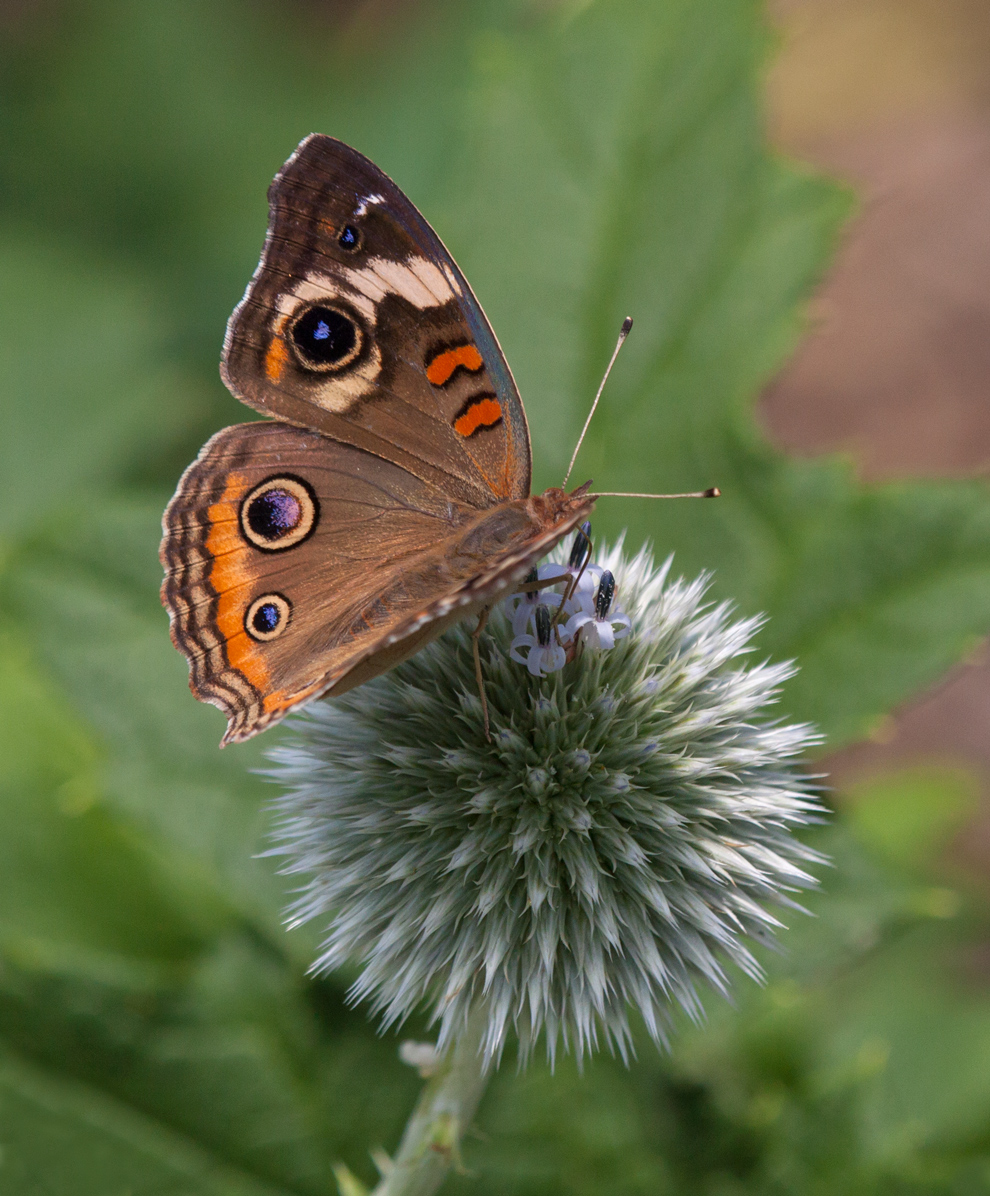
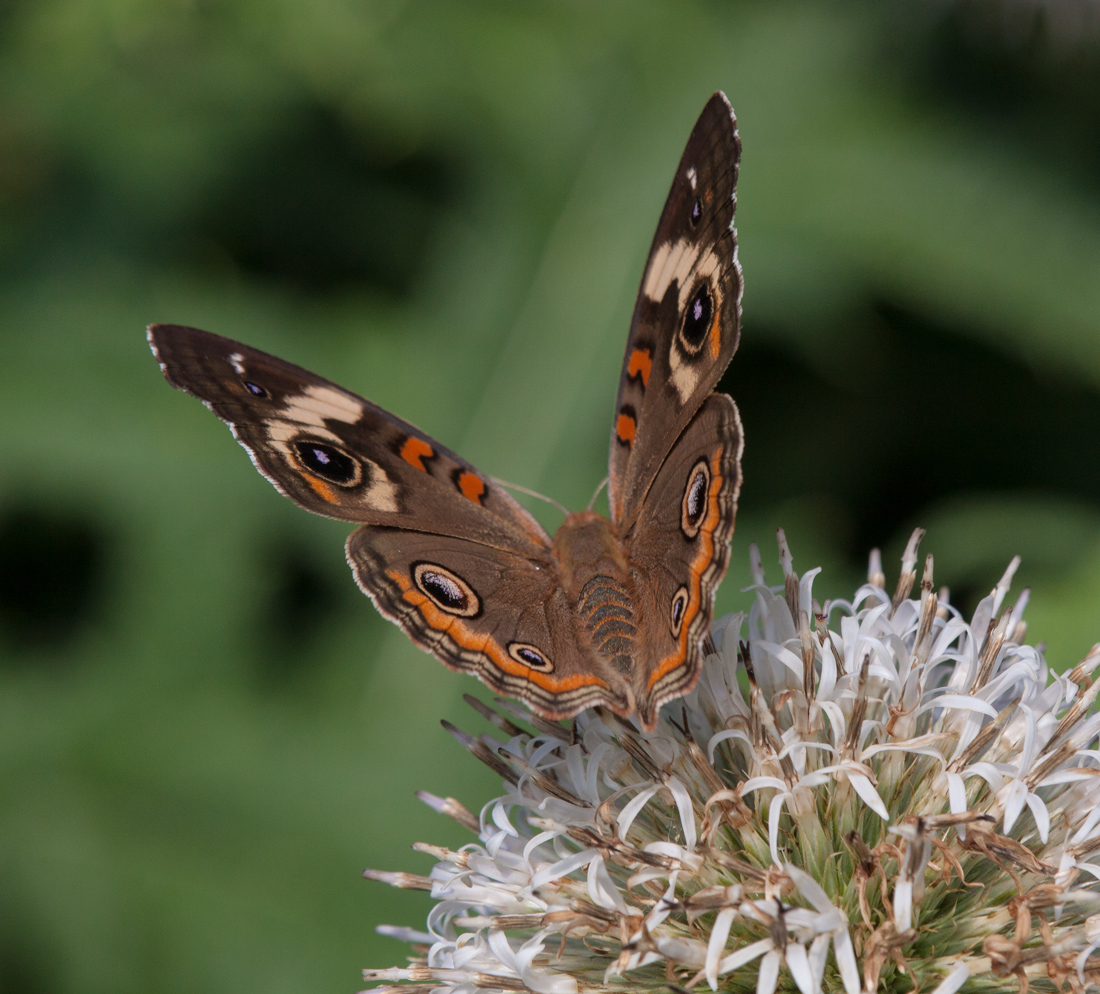
Although I don’t live in Ohio, nicknamed “The Buckeye State,” I think that I can claim that Virginia also is a Buckeye state, because we are a home to the uncommonly beautiful Common Buckeye butterfly (Junonia coenia).

Common Buckeye butterfly

I have seen few colorful butterflies so far this summer, besides the Great Spangled Fritillary butterflies that I featured in a posting in June. Where are all the Monarchs and Eastern Swallowtails? I don’t know if they were affected by the polar vortex of this past winter or if I am merely looking for them in all the wrong places, but their numbers seem to be unusually low this summer.

I was therefore thrilled this past Monday, when I caught sight of this Common Buckeye. Its coloration is so distinctive that I immediately recognized it and chased after it a bit. Fortunately I was able to capture several images of this beautiful creature before it flew out of sight.

Looking at these images, I am happy to proclaim that I live in a Buckeye state.

buckeye3_blog

buckeye2_blog

© Michael Q. Powell. All rights reserved.

Read Full Post »

Two years ago today, my photography mentor and dear friend Cindy Dyer sat me down at her computer and told me that I was going to start a blog. We had just returned from a photo shoot at Kenilworth Aquatic Gardens in Washington D.C. and had taken lots of shots of waterlilies, lotus flowers, and dragonflies.

Cindy is a professional photographer and web designer and I had previously looked at her blog (which currently has had over 560,000 views), but I had never really thought about starting a blog myself. Inside I had all kinds of concerns about my inadequacies as a photographer and about not being ready to share my images with an audience broader than, but Cindy was undeterred and helped me choose a theme and a banner and set up my basic page.

My first posting was short, only 14 words and included a shot of a Blue Dasher dragonfly. I have reposted it below for your convenience or you can use the link in the first sentence of this paragraph.

Today’s posting is posting number 1,224. I never imagined that I would enjoy this blog as much as I have or that I would continue so faithfully to document my journey into photography. Thanks to so many of you readers who have encouraged and supported me along the way.

I may take a pause this week to reflect on that journey and possibly re-post some of my favorites from the last two years. Don’t worry, though, I be back to posting new images before long.

My first WordPress posting on 7 July 2012:

I photographed this Blue Dasher dragonfly (Pachydiplax longipennis) at Kenilworth Aquatic Gardens this morning.

© Michael Q. Powell. All rights reserved.

Read Full Post »

Do your review your photos rapidly before you choose the ones to post or do you carefully and systematically evaluate them and only then select the best ones?

I am often in a hurry.  Sometimes I will stop to work on a shot that I like before I have even reviewed the complete set of images. I generally  don’t work up postings in advance and I’ll write up the posting and push the “Publish” button with out realizing that I may have unmined gold waiting to be discovered.

Only later, when I go through the entire set of shots do I realize that I have a better shot than the one I posted and realize I should have at least posted both of them. If the differences are only minor, I won’t do an additional posting, but sometimes, like today, I feel compelled to post a second image.

As was the case in yesterday’s posting, this is a shot of what I think is an Eastern Carpenter Bee (Xylocopa virginica)—or possibly a bumblebee— on a Purple Coneflower (Echinacea purpurea). The angle and the lighting helped me capture a significant amount of the detail and texture of both the bee and the flower and the colors came through with a beautiful vibrancy. The bee was in an unusual position, which adds to the visual interest of the image.

This is one of my favorites of my recent images. You might think that this experience will teach me a lesson about the value of a full review before choosing images to process, but I suspect that this will happen again from time to time. I know my habits too well.

bee2cone_blog

© Michael Q. Powell. All rights reserved.


Read Full Post »

Yesterday was a beautiful, sunny day, but it was very breezy, which made it tough for me to get decent shots of bees in my neighbors’ garden. I am still going through my photos (and deleting a lot of them), but I was immediately drawn to this image of an Eastern Carpenter Bee (Xylocopa virginica) on a Purple Coneflower (Echinacea purpurea).

Although the dark background suggests the use of flash, I wasn’t using any flash and the shutter speed of 1/400 in the EXIF data is faster than the synch speed of my flash. I was trying to get as close to the bees as I could and the height of the coneflowers made it possible to get at eye level with the bee and get this head-on shot.

bee1_cone_blog

© Michael Q. Powell. All rights reserved.

Read Full Post »

What adds drama to a photo? Sometimes it is the lighting of a scene or the positioning of a subject. These recent shots of Blue Dasher dragonflies (Pachydiplax longipennis) seem to have a bit more drama and are more “artsy” than many of my typical images.

Should I start wearing a beret now when I am shooting?

dramatic_blog dramatic2_blog dramatic3_blog

© Michael Q. Powell. All rights reserved.
Read Full Post »

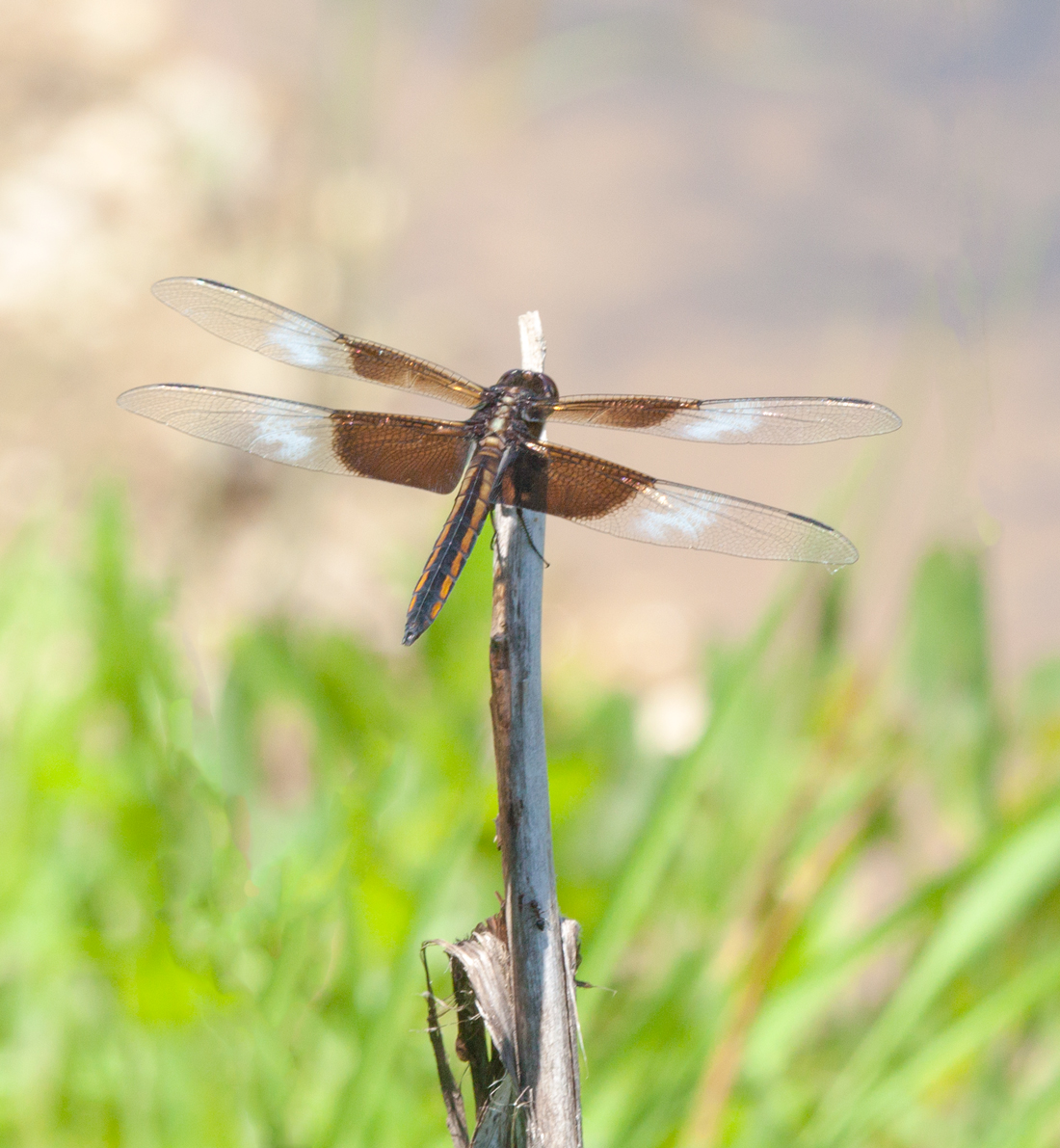
Although I usually try to get close up for my dragonfly photos, I am unusually pleased with this image I took yesterday of an immature male Widow Skimmer dragonfly (Libellula luctuosa), which has an artistic quality that is not always found in my close-ups.

For those who might be curious about the identification, the white on the wings indicates that it is a male (females have only dark blotches) and the yellow and black body indicates that it is immature,because adult males have bluish-colored bodies.

widow1_blog

© Michael Q. Powell. All rights reserved

Read Full Post »

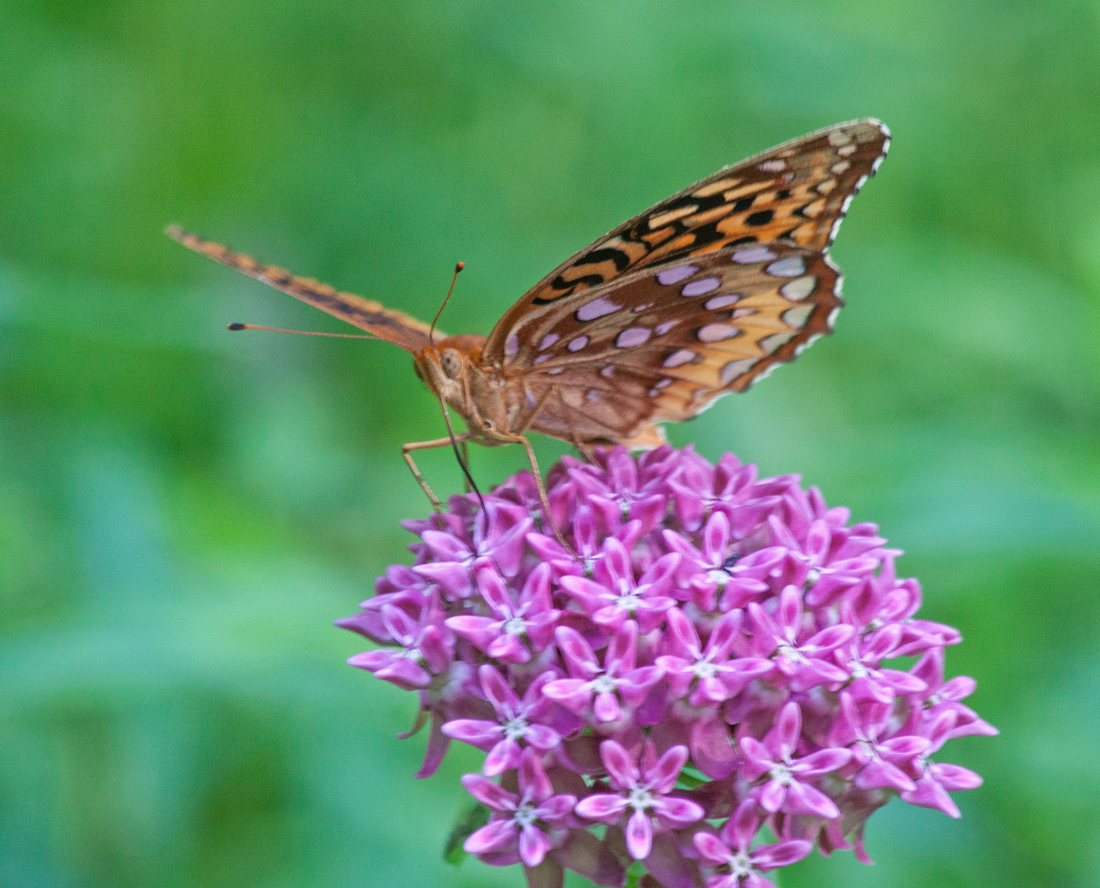
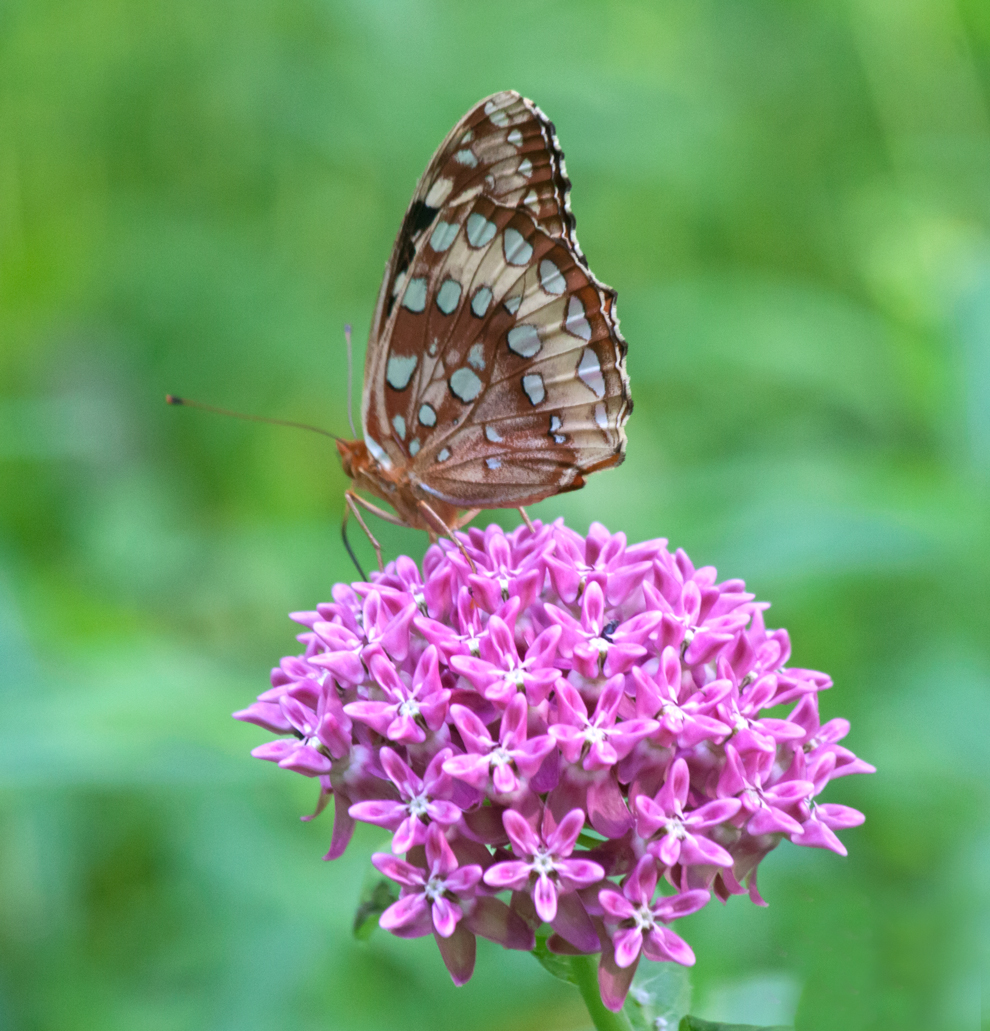
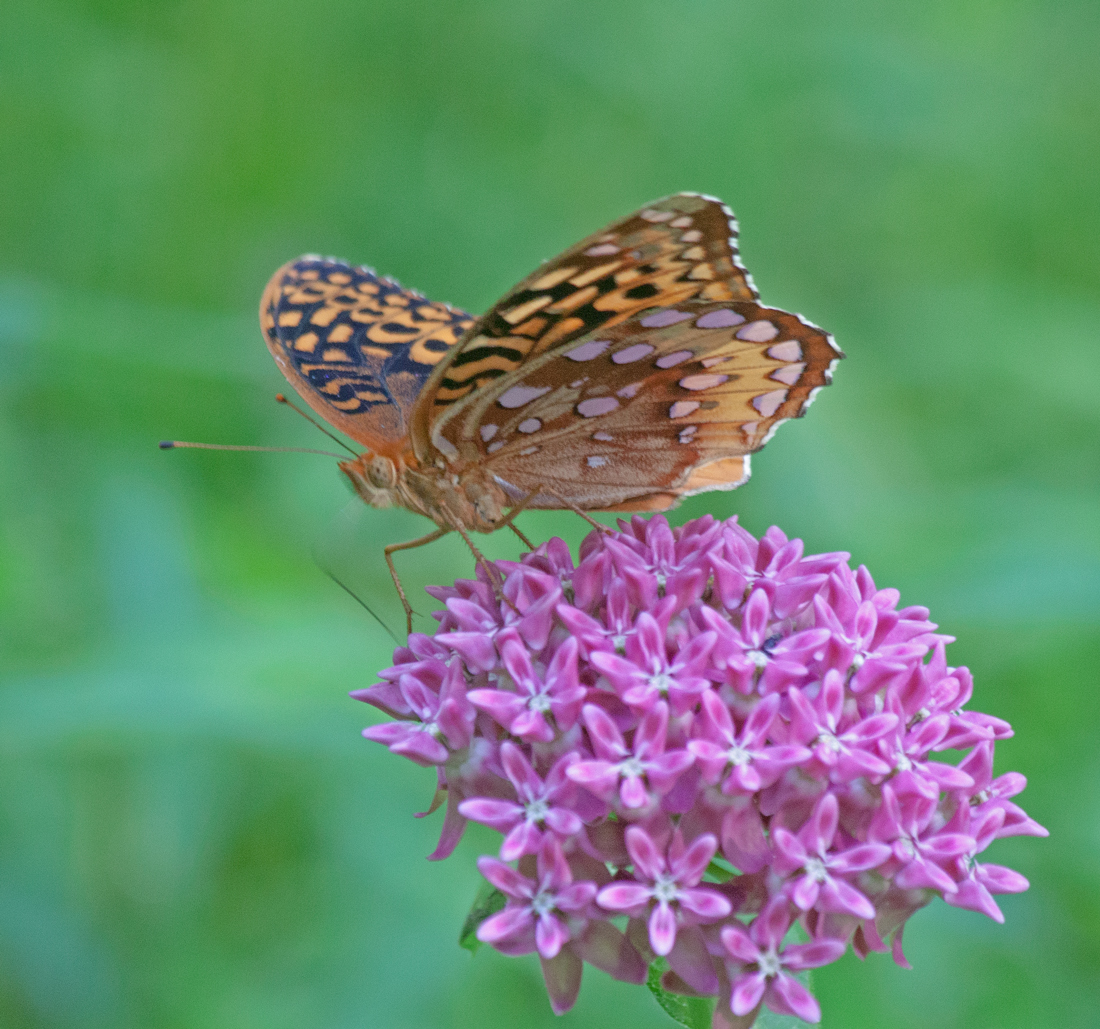
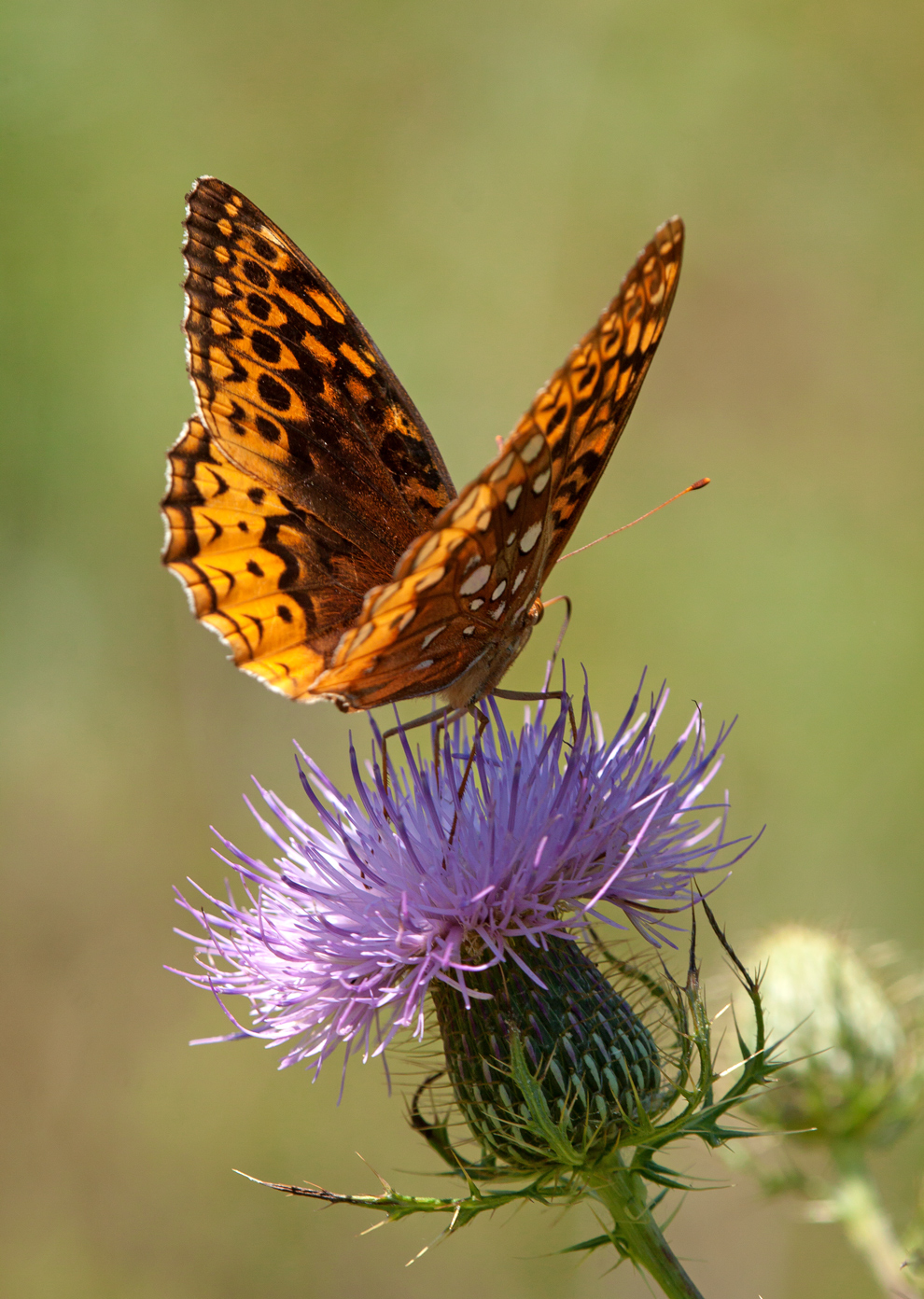
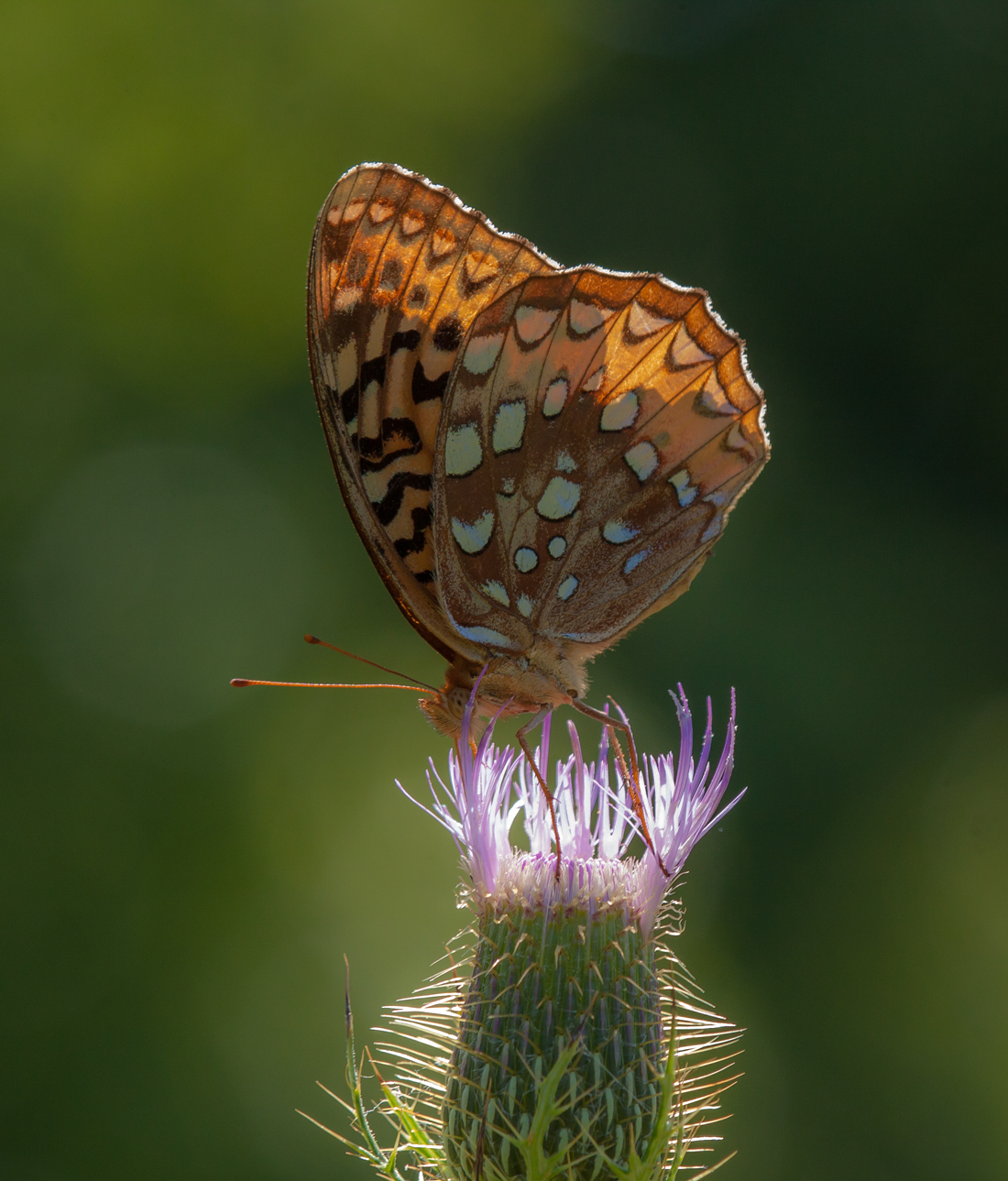
After a week and a half on the road, it was great for me to be able to return to my local marshland yesterday. I was thrilled to see that butterflies have reappeared, including Great Spangled Fritillary butterflies (Speyeria cybele). A group of about a half dozen or so of them kept returning to clusters of a pink-flowered plant that looks like a kind of milkweed, permitting me to get shots of the butterflies in various positions on the flowers.

spang_frit3_blogspang_frit1_blogspang_frit2_blog

© Michael Q. Powell. All rights reserved.
Read Full Post »

What do you think about when you hear the word “dasher?”  From my early childhood days, the word meant only one thing—it was the name of one of Santa’s reindeer.

Many of us grew up hearing these familiar words from the poem “Twas the Night Before Christmas” (“A Visit From St. Nicholas“) by Clement Clarke Moore:

More rapid than eagles his coursers they came,

And he whistled, and shouted, and called them by name;

“Now, Dasher! now, Dancer! now, Prancer and Vixen!

On, Comet! on, Cupid! on, Donder and Blitzen!

To the top of the porch! to the top of the wall!

Now dash away! dash away! dash away all!”

So, every time I see a Blue Dasher dragonfly (Pachydiplax longipennis), like this beautiful male that I photographed this weekend, I can’t help but have a little thought of Christmas, even on the hottest days of summer.

But Santa, some may complain, didn’t have a blue Dasher. That’s true, of course, but Elvis had no problem singing of a Blue Christmas, the perfect setting for a Blue Dasher. (Click here to watch a You Tube video of Elvis singing this signature tune.)

dasher1_june_blog

© Michael Q. Powell. All rights reserved.
Read Full Post »

To crop, or not to crop—that is the question. At a certain point in time when we are processing our images, we are all come face to face with this question. To some photographers, composing perfectly in the camera is the ultimate virtue, and they take pride in the fact that they do not crop (and object when their images are cropped).

Moose Peterson is one prominent photographer who does not crop and he explained his views in a fascinating blog posting in 2012 entitled, “The Crop Revisited.” I am still pondering one of his conclusions, “When you don’t give yourself the option to “fix it in post,” photographers push themselves. This always make a better click and the story telling, the subject, that passion of that click becomes clearer and clearer.”

Most of us could not live with such a high standard and for various reasons we choose to crop. I am so used to cropping my images that even when I compose an image just the way that I want it, I am tempted to move in closer with my crop. That was my dilemma with this image of a damselfly on the edge of a lily pad, as it was framed when it came out of the camera.

damsel_pad_blogI really like the long sinuous curve on the left and the large expanse of green on the right. I worry, however, that the damselfly is taking up too little space of the image and is not prominent enough. So I cropped a bit and produced a second version.

damsel_pad_crop_blog

That’s not a very extreme crop, but somehow the image feels different to me. Does it make any difference to you? Do you prefer one of the two over the other?

UPDATE: Fellow blogger and local dragonfly expert, Walter Sanford, has identified this for me as an Eastern Forktail damselfly (Ischnura verticalis). Thanks, Walter.

© Michael Q. Powell. All rights reserved.


Read Full Post »

Do you ever find yourself looking at flies? No, I don’t mean looking at them with a fly swatter in your hand and murder in your heart and I don’t mean admiring the beautiful colors of butterflies and dragonflies.

What I have in mind is marveling at the variety of more ordinary flies, discovering the details of their amazing eyes and hairy little bodies. Sometimes you have to move in really close and bend down to their level (and a macro lens helps).

When you do, a whole new world opens up.

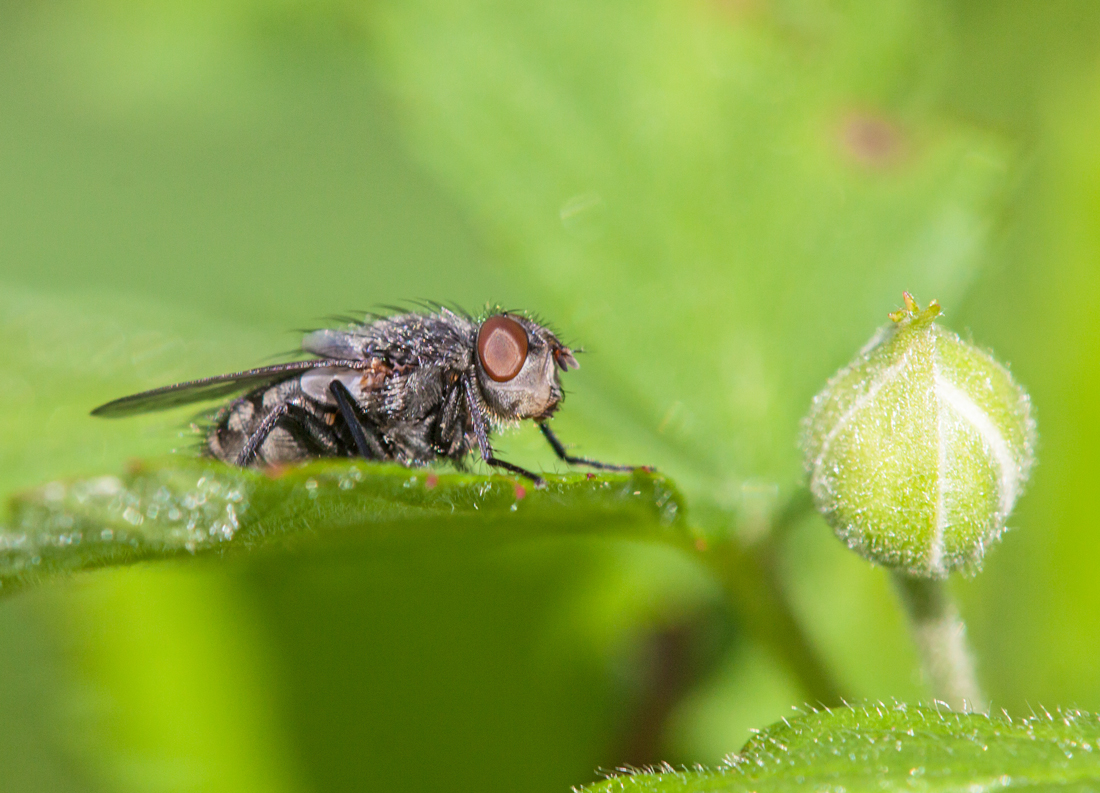
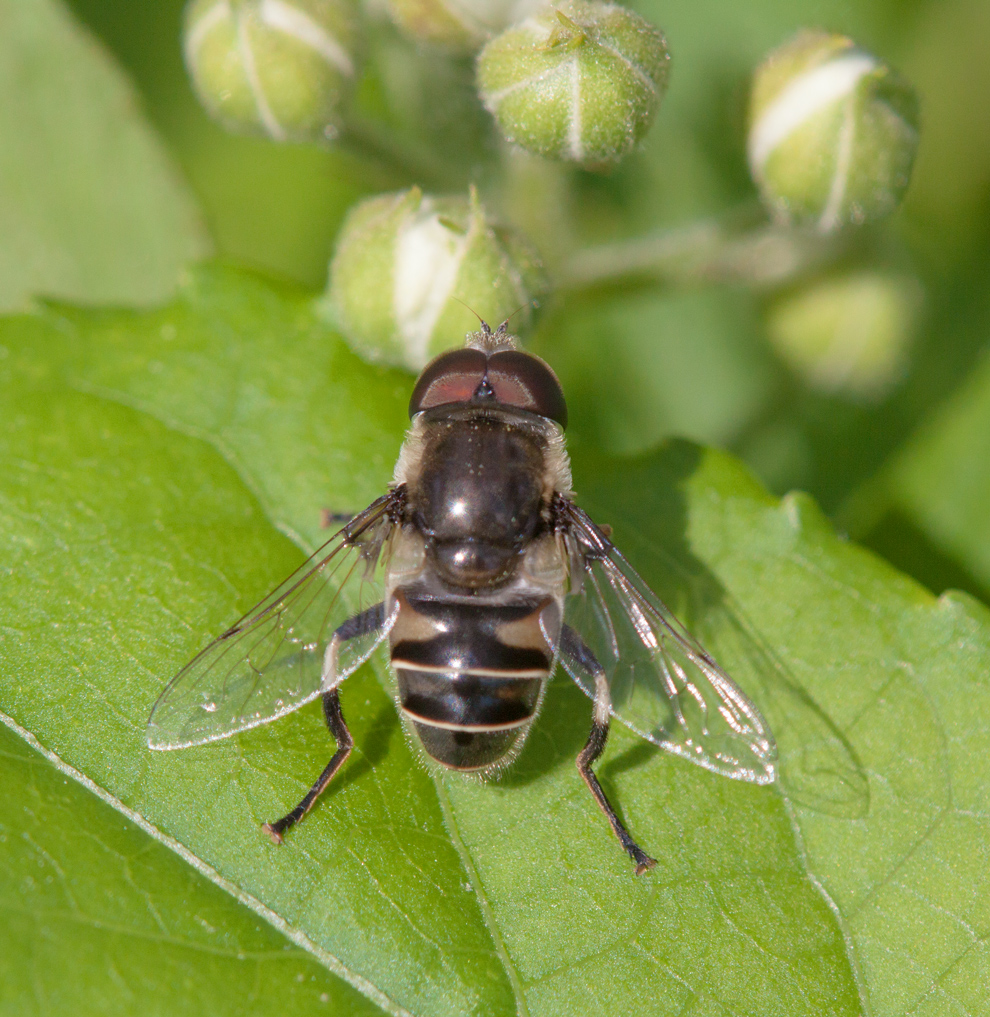
Here are a few shots of different flies that I’ve encountered recently.

fly_leaf_blogfly_striped_blogChristmas_fly_blog

© Michael Q. Powell. All rights reserved.

Read Full Post »

Green Herons (Butorides virescens) are once again hanging out at my local marshland park. Unlike Great Blue Herons (Ardea herodias), which fish while wading in the water, these smaller herons usually wait at water’s edge or on vegetation, which normally makes them tough to spot. This Green Heron, though, decided to perch on a log in plain view, which allowed to take this rather formal looking portrait shot.


heron_green_blog

© Michael Q. Powell. All rights reserved.

Read Full Post »

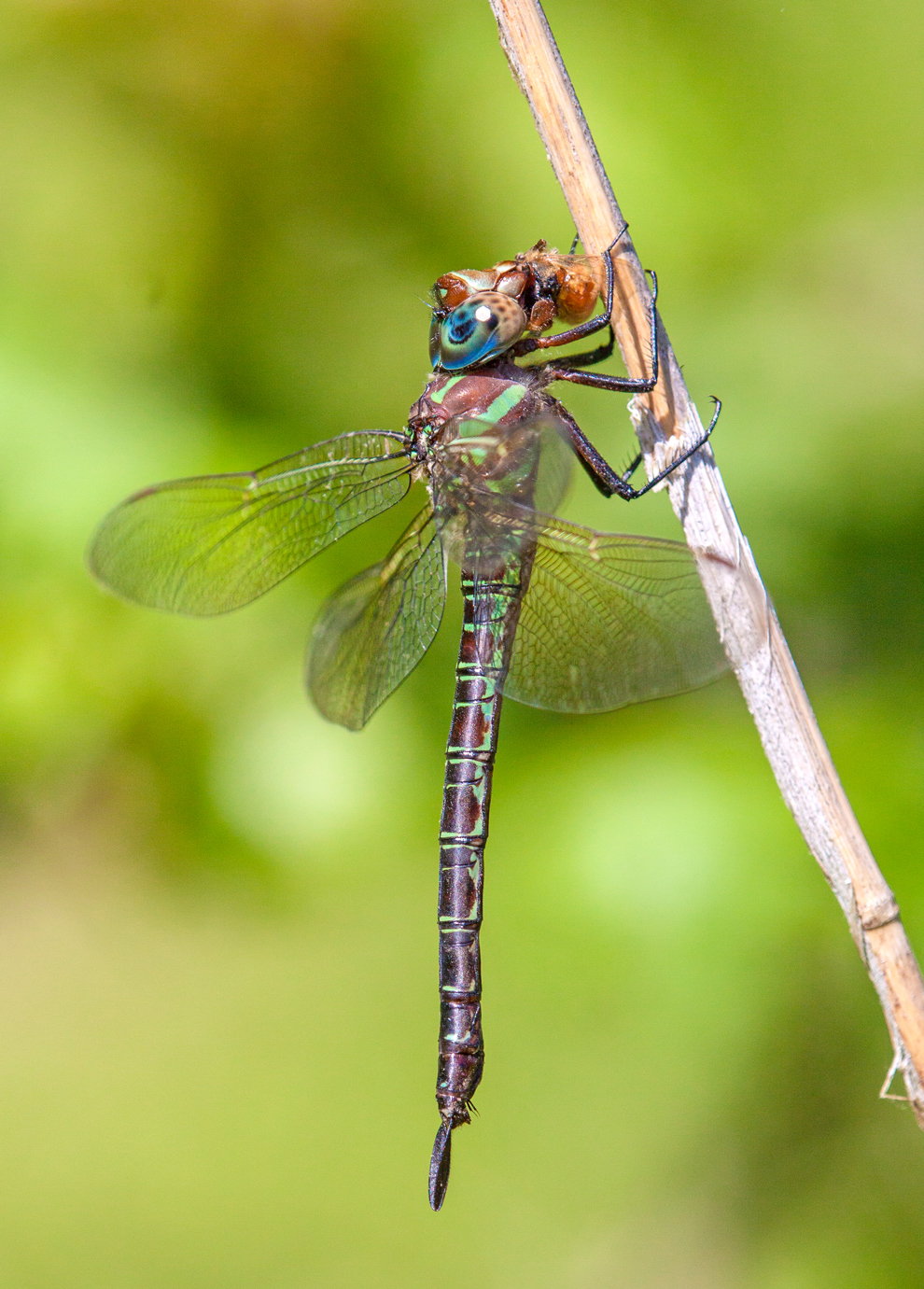
This might be the most beautiful dragonfly that I have ever photographed, a Swamp Darner (Epiaeschna heros) that I encountered yesterday at Huntley Meadows Park in Alexandria, Virginia. Swamp Darners have gorgeous colors, including incredibly striking blue eyes—be sure to click on the image to get a higher resolution view of the dragonfly.

swamp2_darner_blog

© Michael Q. Powell. All rights reserved.

Read Full Post »

My breathing stopped for a moment on Monday when I first caught sight of the colors and patterns of this beautiful dragonfly, a species that I had never seen before.  The dragonfly was flying around near a drainage area just off one of the main trails at my local marshland park. Fortunately for me, the dragonfly landed and I was able to move in pretty close to investigate.

This dragonfly reminded me a little of a Halloween Pennant dragonfly (Celithemis eponina), a gorgeous species with orange veins and brown patches on its wings, but I was pretty certain that this was a different kind of dragonfly. (For comparison, check out my posting on the Halloween Pennant from August 2012 with one of the best photos that I have taken of any dragonfly.)

I am no expert on dragonfly identification, but the wing pattern here is distinctive and I have concluded that this is probably a Painted Skimmer dragonfly (Libellula semifasciata). Not long ago, a friend introduced me to a wonderful resource for dragonflies in my area, a website on Dragonflies of Northern Virginia that is run by Kevin Munroe, the manager of Huntley Meadows Park, the marsh where I take many of my nature photographs, including this one. Here is a link to the portion of that website that covers the Painted Skimmer, including identification features and other fascinating bits of information.

As I maneuvered around composing this shot, I realized how tricky it is to get the proper depth of field for a dragonfly, especially if I want to have the face visible. In this case, the two wings closest to the camera are in focus and the wings farther away are out of focus, along with the background.

dragon_veined_blog

© Michael Q. Powell. All rights reserved.

Read Full Post »

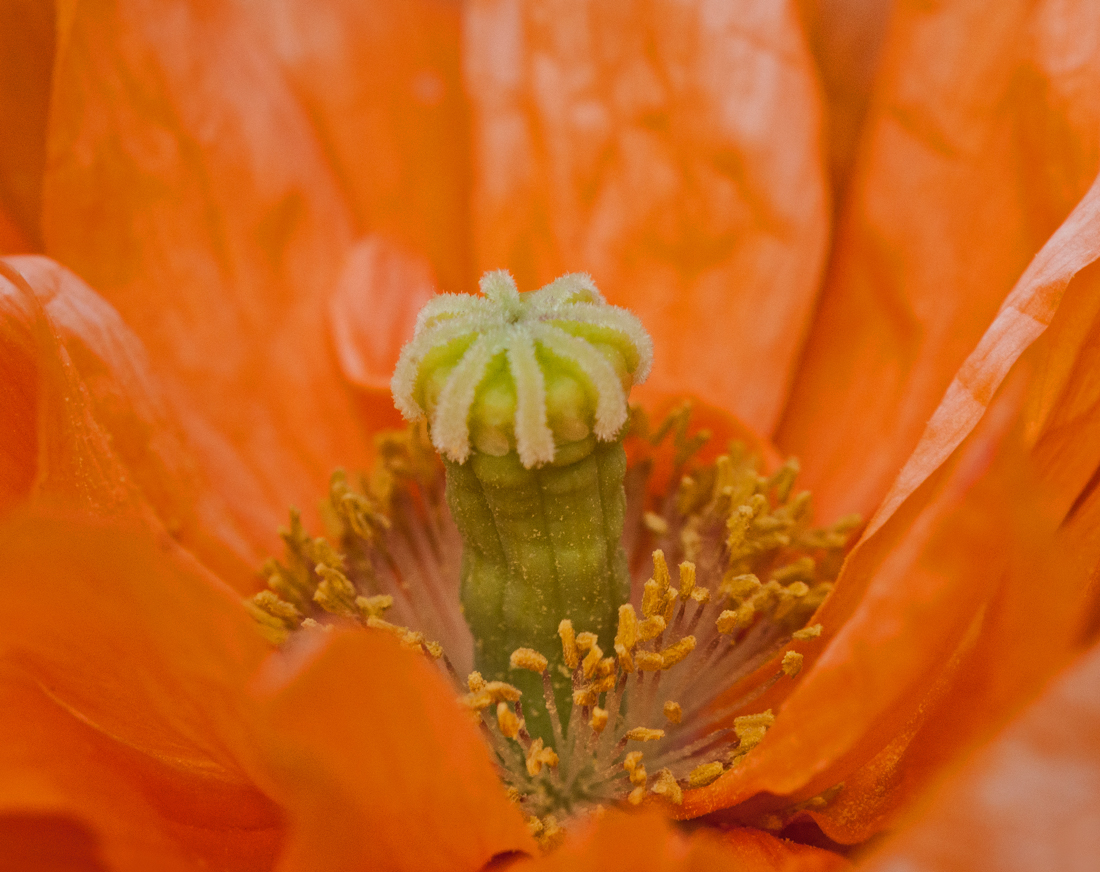
There is something about orange poppies that really draws my attention. Maybe it’s their bright color or maybe it’s the unusual looking central column topped by a star. I remember being mesmerized by their beauty last year and I felt the same when they reappeared this year. Roses are nice, but this flower attracts me even more.

poppy2_blogpoppy1_blog

© Michael Q. Powell. All rights reserved.
Read Full Post »

During a short visit to Green Spring Gardens this past weekend, I was thrilled to see that one of my favorite flowers is starting to bloom, Love-in-a-mist (Nigella damascena). I smile at its name and marvel at its delicate beauty.

love1_blog

© Michael Q. Powell. All rights reserved.
Read Full Post »

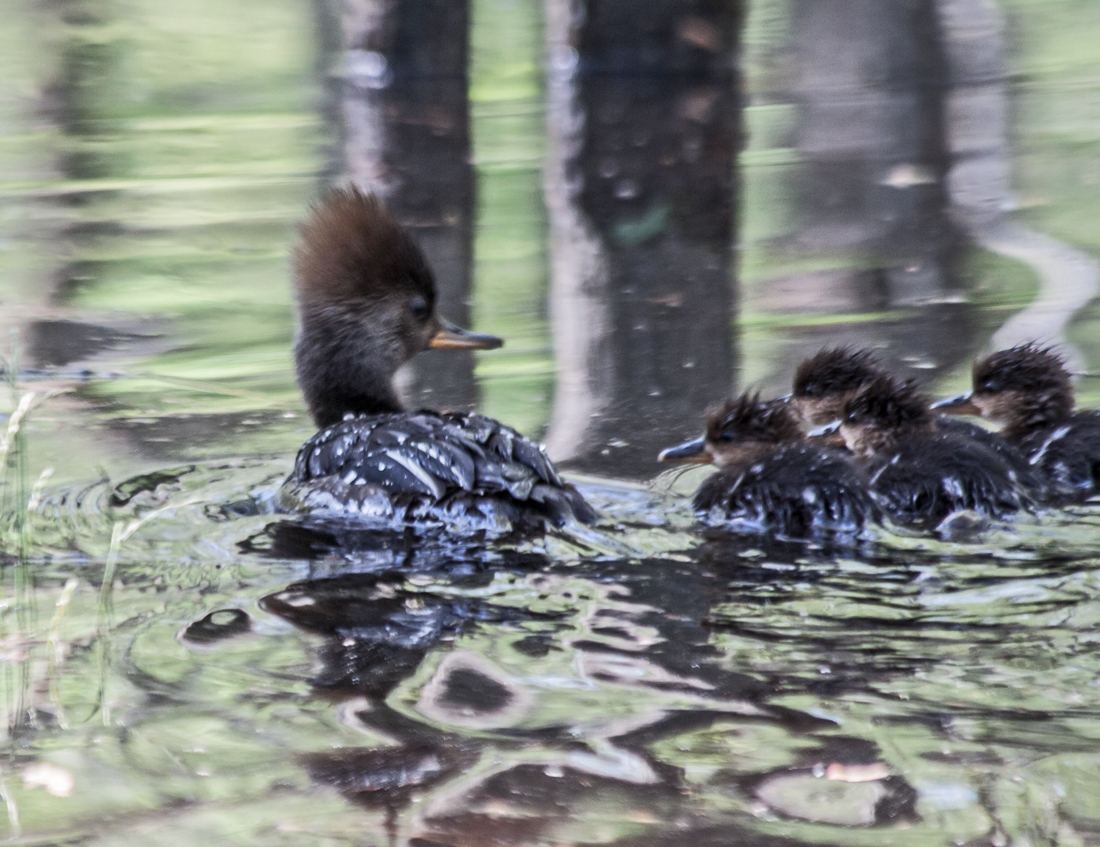
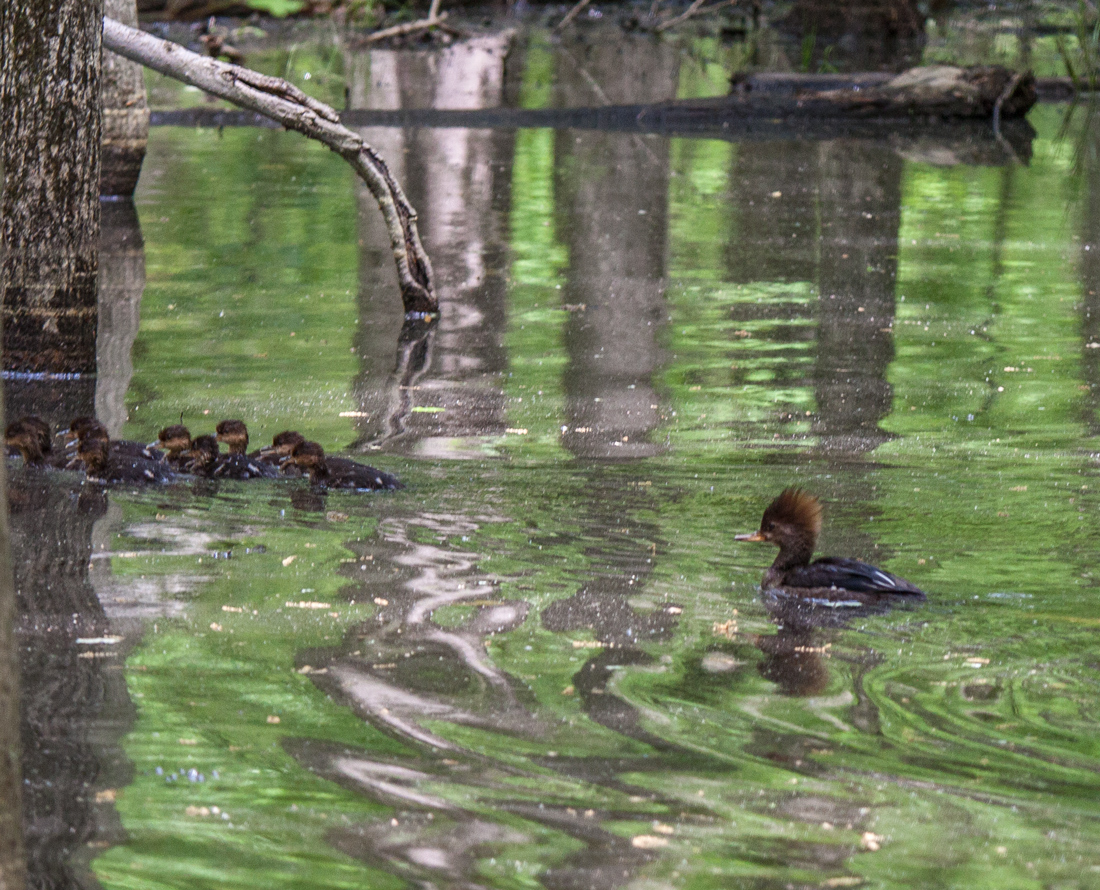
Several weeks after I first spotted a family of Hooded Merganser ducks (Lophodytes cucullatus) at my local marsh, I continue run into this single mother and her adorable ducklings. (Click here to see the original posting.)

The ducks seem to hang out a lot in one flooded, shady area of the marsh that is relatively shallow and doesn’t seem to have the snapping turtles that plagued similar families last year. The light is limited and the ducks start moving as soon as they sense my presence, so getting photos has been a challenge. Here’s a selection of some of my favorite shots to date of this cute little family.

mama_swamp4_blog

Mama duck gives a reminder to the ducklings to stay together and follow her.

mama_swamp3_blog

Trying to move out, but some of the ducklings want to look back toward me.

Mama duck takes up a rear position to ensure there are no stragglers.

Mama duck takes up a rear position to ensure there are no stragglers.

Grainy close-up shot that shows some of the personality of the ducklings.

Grainy close-up shot that shows some of the personality of the ducklings.

© Michael Q. Powell. All rights reserved.
Read Full Post »

Although I wake up to the sound of birds loudly chirping at this time of the year, it is getting increasingly difficult to see most of them as the trees regain their thick covering of leaves. The male Red-winged Blackbird (Agelaius phoeniceus) is a notable exception, because he does not hide behind the foliage. Instead, he seems to choose the highest point in the open from which to boldly make his loud calls—there is not timidity or shyness in this bird.

The blackbird puts so much energy into his “singing” that at times his perch becomes precarious. I captured this blackbird in one such moment, when his position seems so awkward and distorted that looks like a cartoon to me.

blackbird_cartoon_blog

© Michael Q. Powell. All rights reserved.
Read Full Post »

As we move deeper into spring, dragonfly nymphs are emerging from the water and starting their transformed lives as acrobatic flyers. This past weekend I spotted some young male Common Whitetail dragonflies (Plathemis lydia) in different stages of development.

Not surprisingly, adult male Common Whitetail dragonflies have white tails—it seems like most species are named after the characteristics of the male. Check out one of my postings from last year to see what a mature adult male looks like. When they first emerge, however, the males have the same body colors and patterns as the females. Fortunately, it’s easy to tell them apart, because the wing patterns are different in the male and female whitetails. (For more information about these dragonflies, take a look at the pages at bugguide.net.)

The dragonfly in the first shot is well on his way to becoming an adult and was bold enough to be flying over the water. The one in the second shot is younger, and seemed to content to remain in the vegetation at a distance from the open water.

A "tween" male--the abdomen is beginning to turn blue, but the adolescent body pattern still shows

A “tween” male–the abdomen is beginning to turn blue, but the adolescent body pattern still shows

An immature male, with the body pattern of a female and the wing pattern of an adult male

An immature male, with the body pattern of a female and the wing pattern of an adult male

© Michael Q. Powell. All rights reserved.

Read Full Post »

« Newer Posts - Older Posts »