Feeds:
Posts
Comments

Posts Tagged ‘Tamron 180mm’

I featured some tiny white forest wildflowers in a recent posting. Here now as a companion to that posting are a few images of colorful forest wildflowers that I have seen when exploring recently in Prince William County.

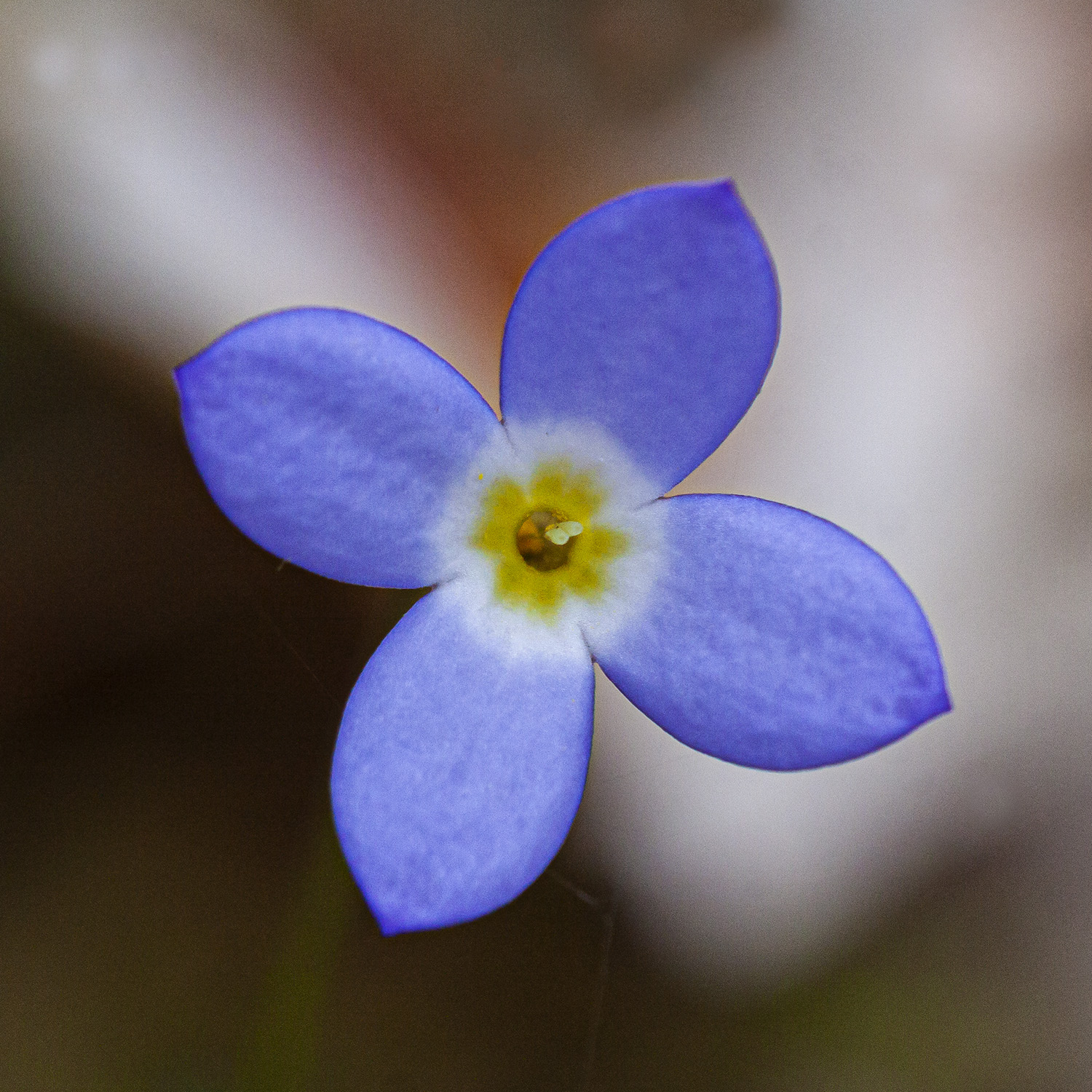
The first shot is a small wildflower known simply as a Bluet (Houstonia caerulea). The flower in the second image is the appropriately named Spring Beauty (Claytonia virginica), known also as the Eastern Spring Beauty, because there is also a similar Western Spring Beauty (Claytonia lanceolata). I do not know for sure the name of third flower, but I believe that it is some kind of wild violet.

As always, I welcome assistance in identifying my subjects, particularly if I have misidentified one. Thanks.

bluet

spring beauty

wild violet

© Michael Q. Powell. All rights reserved.

Read Full Post »

I have not yet seen any large spiders this spring, but I have run across a few long-jawed spiders. The bodies of long-jawed orb weaver spiders of the Tetragnathidae family tend to be thin and they have extremely long legs of varying lengths. Most often I find them on vegetation overhanging the water, which in this case was a small pond at Jackson Miles Abbott Wetland Refuge.

long-jawed spider

© Michael Q. Powell. All rights reserved.


Read Full Post »

It is still really early in the dragonfly season in my area, so each one that I am fortunate enough to spot is special to me. I was therefore thrilled to photograph this male Common Baskettail dragonfly (Epitheca cynosura) on Monday as it was hanging vertically from the leaves of a small tree at Occoquan Bay National Wildlife Refuge. If you double-click on the image, you can see the dragonfly’s tiny feet with which it is clinging to the leaf.

Most of the times in the past when I have seen members of this species, they have been flying out of reach of my camera. According to the Dragonflies of Northern Virginia website, Common Baskettails are hard to spot because they are small with mostly clear wings and spend much of their time hovering high over clearings, making them “probably our least seen “common” dragonfly.”

Common Baskettail

© Michael Q. Powell. All rights reserved.


Read Full Post »

Though their petals may shrivel and fall away, these tulips remain beautiful and elegant in my eyes. Is beauty eternal?

I am convinced that, despite the popular adage that “beauty fades,” beauty is in fact eternal when we broaden our perceptions and allow ourselves to look more deeply. One of my favorite quotes from one of my favorite books Le Petit Prince (The Little Prince) says, “On ne voit bien qu’avec le cœur. L’essentiel est invisible pour les yeux.” (It is only with the heart that you can see well. That which is essential is invisible to the eyes).

Perhaps we need to change the familiar saying that “beauty is in the eyes of the beholder” to “beauty is in the heart of the beholder.”

tulip

Lady Jane tulip

© Michael Q. Powell. All rights reserved.

Read Full Post »

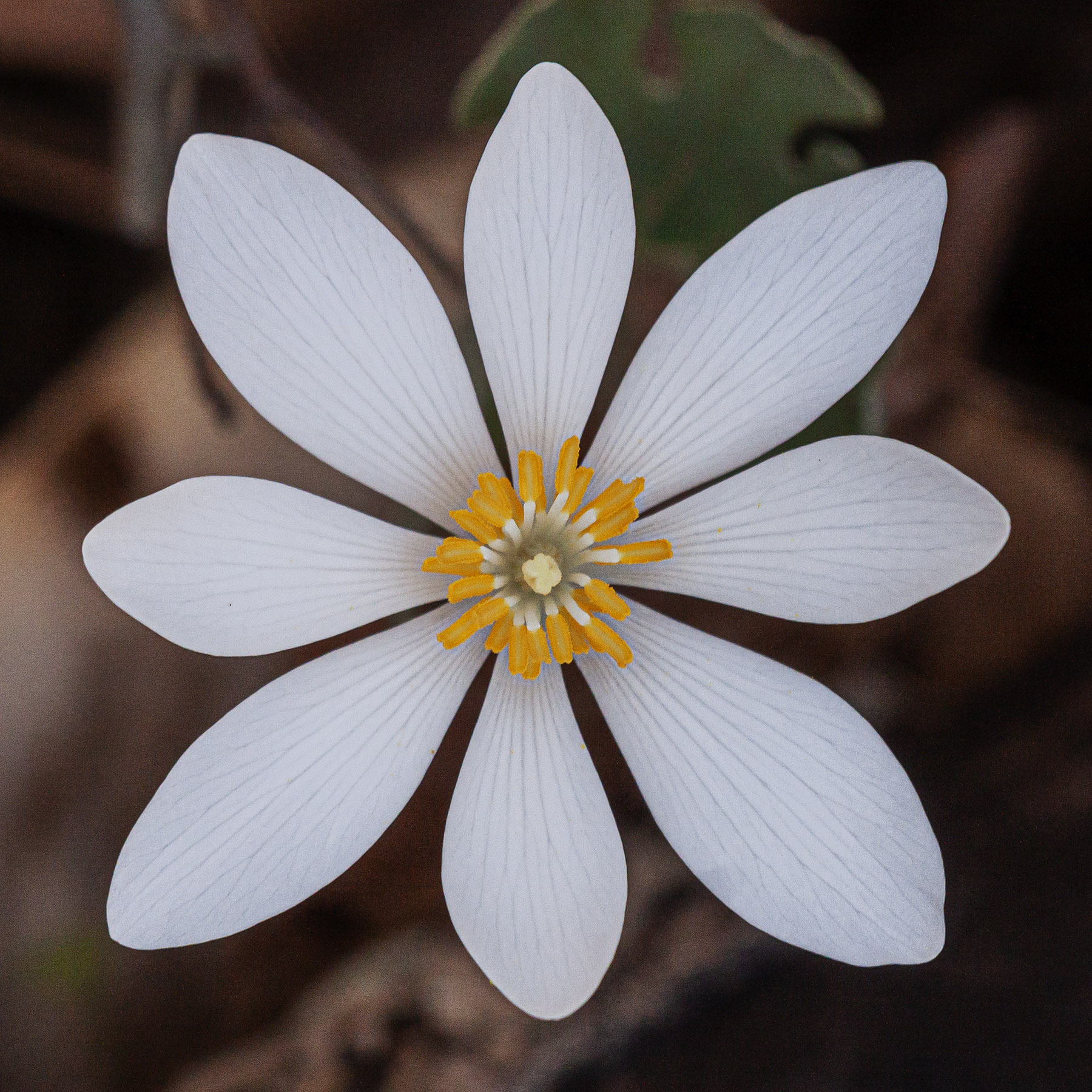
For a short time each spring, tiny wildflowers spring up from the forest floor, giving the forest a magical feel. Many of the forest flowers are white and at first glance they all look the same. When I looked more closely, though, I discovered a wide variety of petal shapes and patterns.

Within this group of three flowers, I can identify only the middle one, which I am pretty sure is a Star Chickweed (Stellaria pubera). If you happen to recognize the others, I would appreciate your help in identifying them. Thanks.

UPDATE:  Steve Gingold has identified the first flower as Bloodroot and the third one as Wood Anemone. Thanks, Steve.

forest flower

forest flower

forest flower

© Michael Q. Powell. All rights reserved.

Read Full Post »

I felt like I had hit the jackpot last Friday when I finally spotted several Uhler’s Sundragon dragonflies (Helocordulia uhleri) while exploring a stream in Prince William County, Virginia. Uhler’s Sundragons are a scarce and seldom seen dragonfly species with a brief and early flight period. There is a very active Virginia dragonfly group in Facebook that posts sightings and photos and it appears that my sightings of this species were the first in our state for 2020.

Last year I was able to do some reconnaissance of an area where this species had been spotted in previous years using information shared with me by fellow dragonfly fanatic and blogger Walter Sanford. Eventually I found and photographed some Uhler’s Sanddragons and he and I were able to spot them again several times.

This species generally is found in a specific type of habitat—”Clean, sandy or gravely forest streams with a mix of riffles and pools,” according to the excellent Dragonflies of Northern Virginia website. So Friday I scoured the locations where had spotted them last year and it was in one such location that I spotted the Ashy Clubtail and Common Green Darner that I featured recently in my posting First dragonflies of the season. I looked for Uhler’s Sundragons there but came up empty-handed.

It was at a second spot that I finally spotted one as it flew through the air and landed on a piece of vegetation. There is not much flying this early in the season and I could tell from the way that it perched that it was probably my target species. I think I was shaking a little bit and certainly my heart rate had accelerated, but I managed to get a shot of that one (the middle shot below), before it flew away. A few minutes later, I had another spotting and captured the last shot below—it might have been the same dragonfly or a different one.

Part of my long walk back took me along another stretch of the same stream and I was absolutely thrilled when I spotted yet another Uhler’s Sundragon and captured my favorite shot of the day, the first one below. It turns out that all of the Uhler’s Sundragons that I photographed were females. I am not sure if the males were all out patrolling or were simply in other locations.

Many of the locations where I might normally search for dragonflies are closed and some of the others are potentially crowded, so I am not willing to go there. As you can see from my recent postings, I am staying really close to home most of the time, with trips like this one to remote locations being a rare exception.

Uhler's Sundragon

Uhler's Sundragon

Uhler's Sundragon

© Michael Q. Powell. All rights reserved.

Read Full Post »

What do you call a group of butterflies? I have always been fascinated by the collective nouns that we use in English for groups of creatures. I was delighted to learn that one of the collective nouns used for butterflies is a kaleidoscope.

“A kaleidoscope of butterflies” seems to be the perfect descriptor for this group of beautiful Eastern Tiger Swallowtail butterflies (Papilio glaucus) that I spotted yesterday. They appeared to be engaged in a behavior known as “puddling,” during which the butterflies, most often the males, gather minerals and other nutrients from the soil or other organic material.


Eastern Tiger Swallowtails

© Michael Q. Powell. All rights reserved.

Read Full Post »

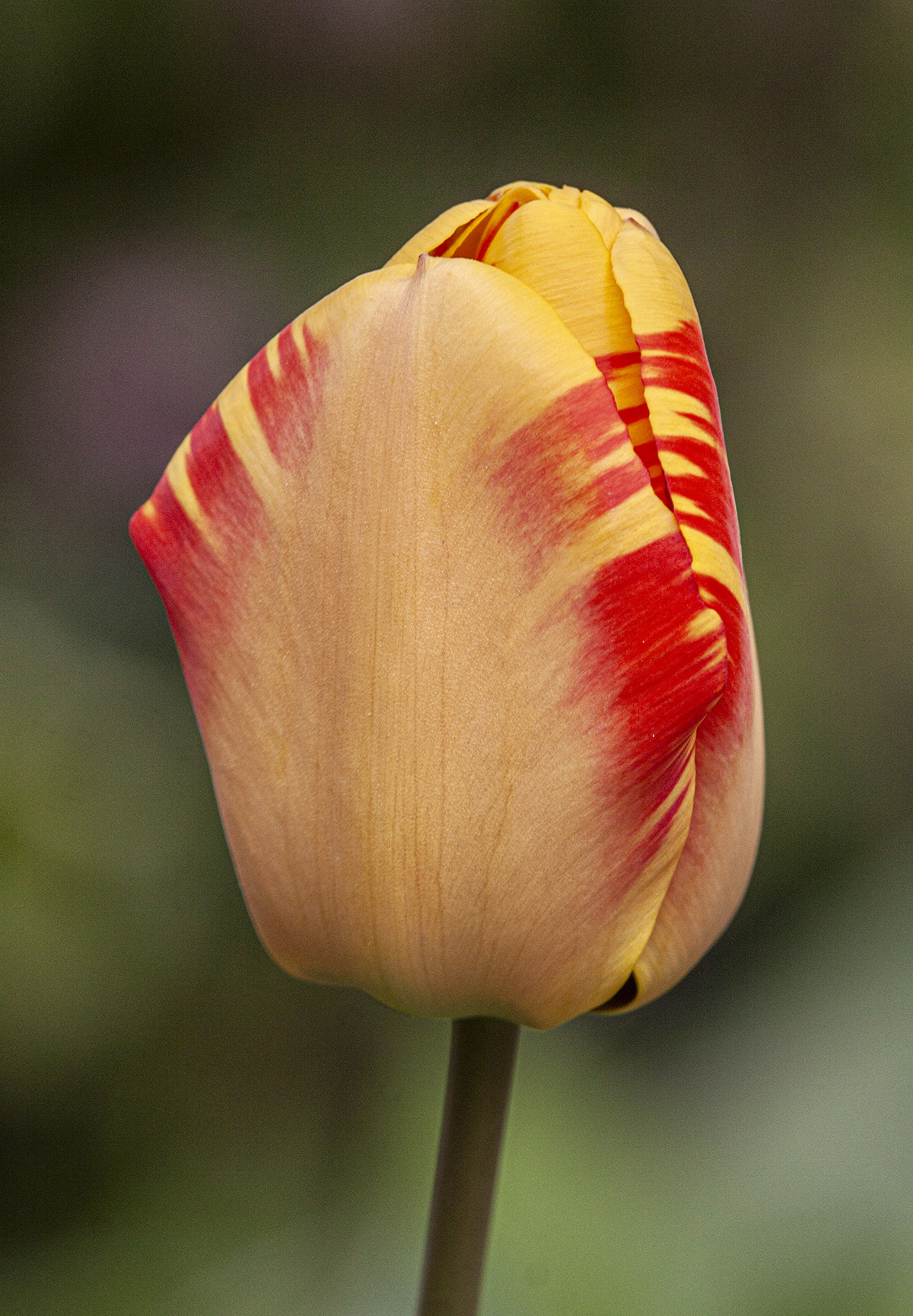
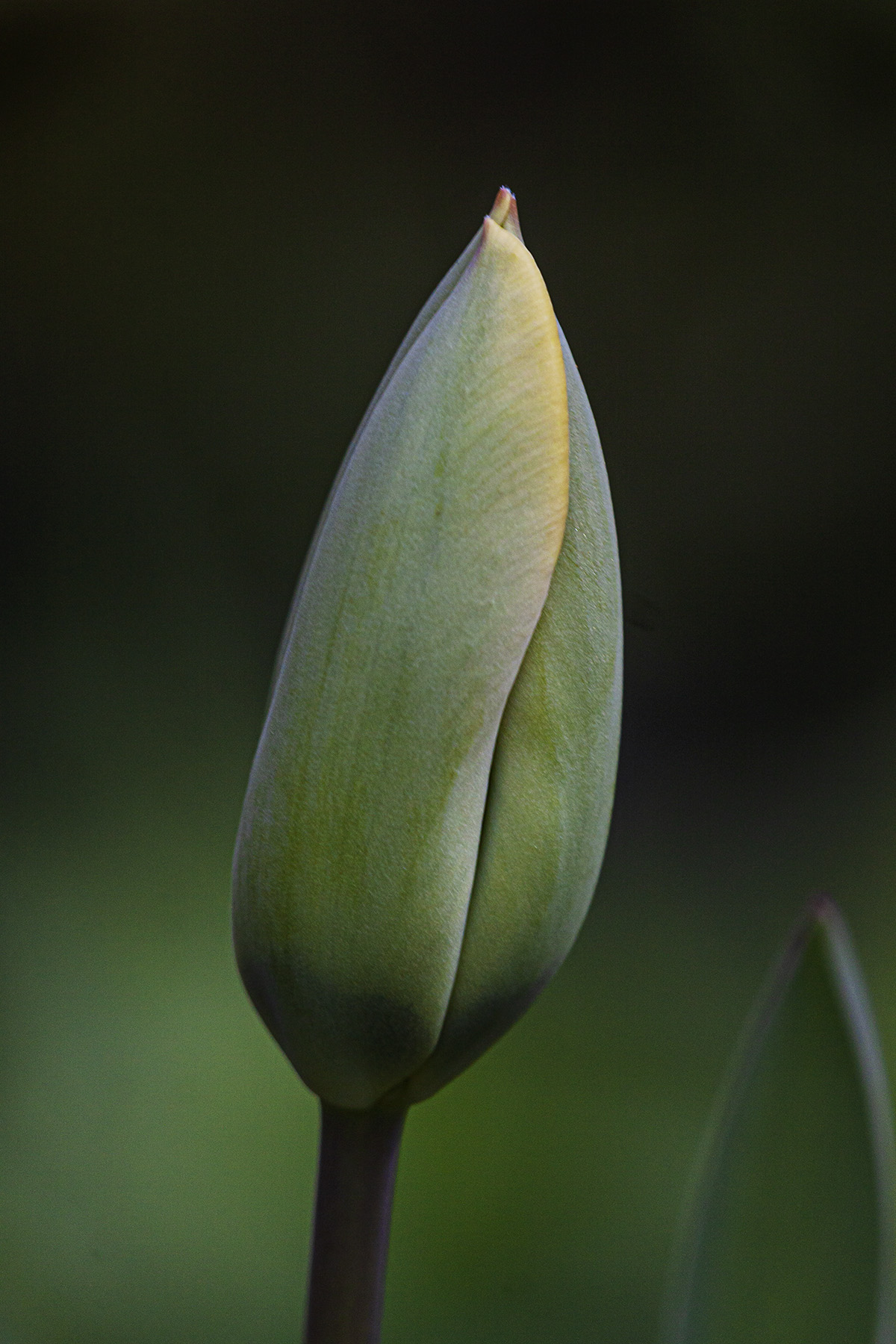
What are your feelings about the future? For me, they are like this tulip bud, full of the promise of new life and beauty that is yet to come. The challenge for us all is to be patient and wait with joyful expectation.

As with all of my other recent tulip shots, I photographed this bud in the garden of my neighbor and friend Cindy Dyer. Thanks, Cindy.

tulip bud

© Michael Q. Powell. All rights reserved.


Read Full Post »

Last Friday I photographed my first dragonflies of the spring, a male Common Green Darner (Anax junius) and a female Ashy Clubtail (Phanogomphus lividus). The Common Green Darner is probably a migratory dragonfly that is just passing through as it heads north—we do have local-born members of this species, but it is too early for them to have emerged.

The Ashy Clubtail, which was actually the first dragonfly that I photographed, almost certainly emerged locally. When a dragonfly emerges, its wings are really shiny and the wings of this Ashy Clubtail were definitely sparkling in the sunlight. According to the local flight calendar, the Ashy Clubtail is one of the earliest dragonflies in our area to emerge, but I have never seen one this early before.

As you can see, I captured the images of both of these dragonflies when they were perched flat on the ground. There were dry leaves all around, which made a stealthy approach almost impossible and focusing on the dragonfly was a bit of a challenge.

Common Green Darner

Ashy Clubtail

© Michael Q. Powell. All rights reserved.

Read Full Post »

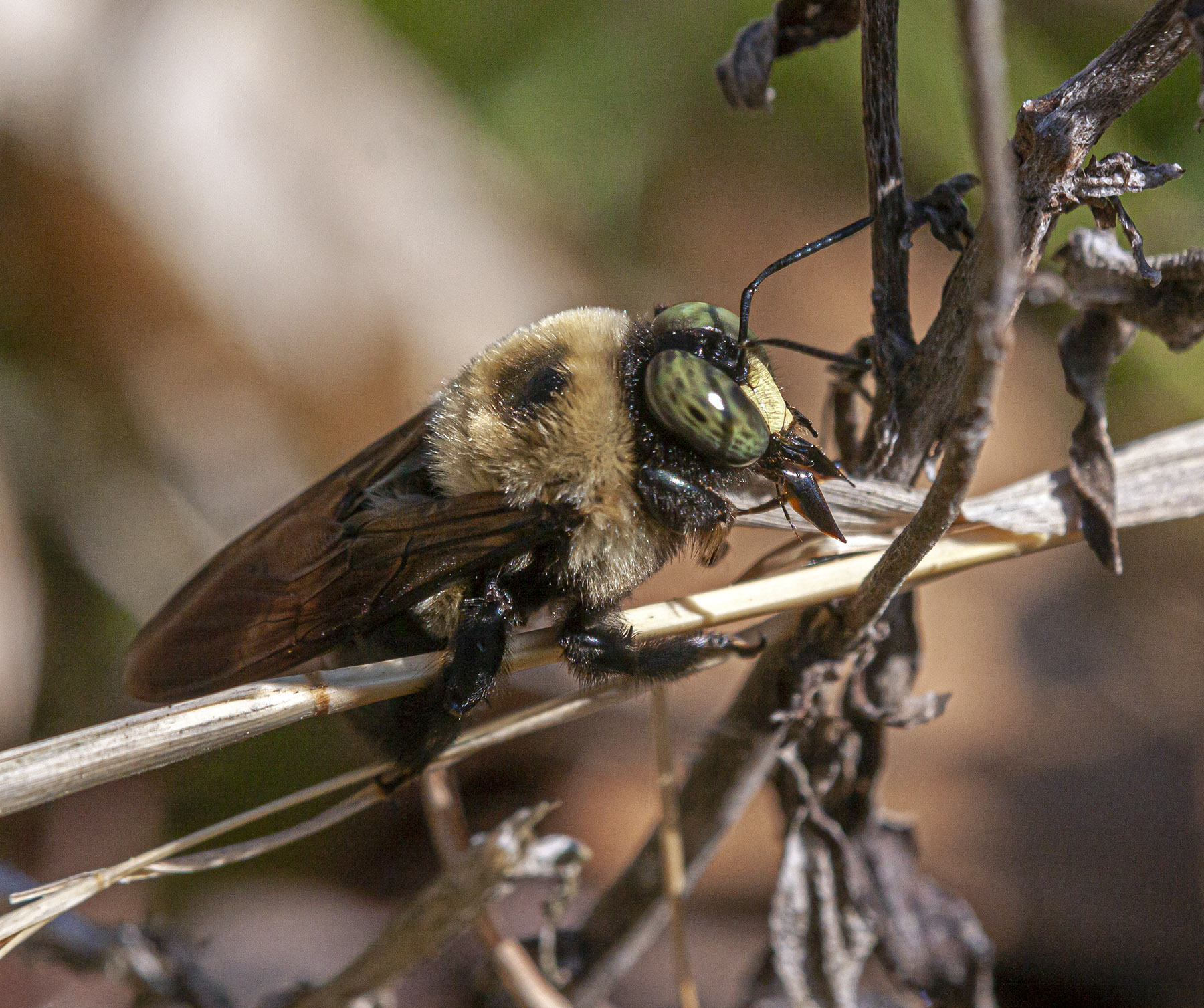
Did you know that some bees have green speckled eyes? I was really startled by the brightness of this bee’s eyes as I was taking its photo last Monday while exploring in Prince William County, Virginia. Some research on-line revealed that this is a male Eastern Carpenter Bee (Xylocopa virginica).

I was pretty sure that I had never before seen a bee like this, but I was wrong. As I was preparing this posting, I discovered that I had seen a similar bee in October 2012 and published a posting entitled “Green-eyed Eastern Carpenter bee.” Wow. It’s been a long time between sightings, so maybe I can be forgiven for having forgotten about the previous time, though at my age I can simply claim that I had a “senior moment.” Ages has its privileges.

Eastern Carpenter Bee

© Michael Q. Powell. All rights reserved.

Read Full Post »

Beauty is everywhere, including in the abstract patterns of nature. Last week my eyes were drawn to the interplay of light and shadows in the leaves of some iris plants that have not yet bloomed in the garden of my neighbor Cindy Dyer. I love the series of triangles and straight lines in the resulting image and there is something soothing and peaceful about the various shades of green.

When I posted this image in Facebook, my pastor noted that these leaves reminded her of the palms that we would normally be waving in a procession to begin the celebration of Palm Sunday. In a few hours we will be celebrating in a different way, via Zoom teleconferencing software, but we have been asked to gather some branches or colorful pieces of cloth to wave in front of our cameras as we say, “Blessed is he that cometh in the name of the Lord; Hosanna in the highest.” This pandemic has changed some of the outward aspects of our worship, but we continue on.

Whether you are Christian or not, my prayer is that this Sunday finds you feeling thankfulness in the midst of this crisis for what you still have and not merely lamenting that which you have lost. I also pray that you are filled with the joyful hope that we will eventually make it through this difficult time. If there is one thing we have certainly learned, it is that we are truly all in this together.

leaves

© Michael Q. Powell. All rights reserved.

Read Full Post »

This week I did a pair of postings in a single day that I called “beauty and the beast” that was so well received that I thought I would do it again. Earlier this morning I did the “beauty” part with a shot of some crabapple blossoms in my front yard. For the “beast” part, I decided to feature this shot of a little orchard spider (Leucauge venusta) in the garden of my neighbor, fellow photographer and blogger Cindy Dyer. The spider was hanging in the midst of a group of irises that have not yet bloomed and I was happy to be able to be able to frame the shot so you have a sense of the spider’s environment.

As always, I offer my apologies to those who are creeped out by spiders, and recommend that you check out the crabapple posting if you have not seen it yet. As for me, I find spiders to be always fascinating and often beautiful.

orchard orbweaver spider

© Michael Q. Powell. All rights reserved.

Read Full Post »

The two-colored tulips in the garden of my neighbor and friend Cindy Dyer were open yesterday and they are awesome. The first macro shot makes the tulip look almost like a little pinwheel. The second shot gives you a greater sense of the colors and patterns in these beautiful tulips—the delicate feathering of the red on the yellow petals is simply breathtaking.

tulip

tulip

© Michael Q. Powell. All rights reserved.

Read Full Post »

Nature is full of wonderful shapes, like the spiral of this curled-up fern—at this stage it is know as a fiddlehead—that I spotted on Monday while exploring in Prince William County. A few days afterwards, Gary Bolstad published a photo of a fiddlehead in New Zealand in his blog krikitarts.wordpress.com. Gary is an amazing photographer and you should really check out his wonderful blog.

In replying to a comment I made about his posting, Gary explained that “The Māori name for a fiddlehead is Koru, and the spiral shape is an essential part of their culture and probably the most common shape used in the design of their carved greenstone (jade) jewelry. It can represent creation, perpetual movement, return to a point of origin, equilibrium/harmony in life, and new life.”

I think we could all use more equilibrium and harmony in our lives during these unsettling times.

fiddlehead

© Michael Q. Powell. All rights reserved.


Read Full Post »

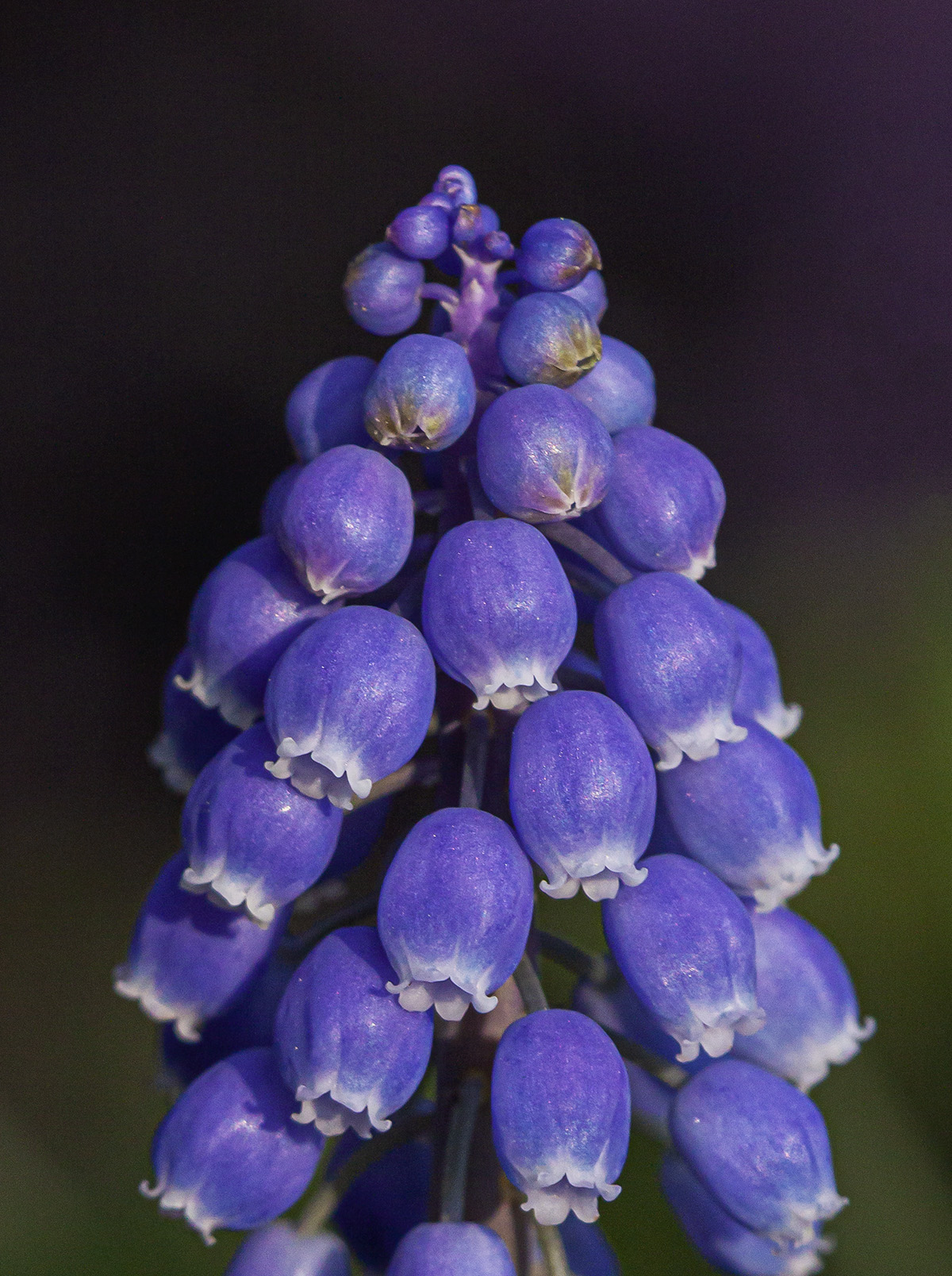
Beauty is everywhere. A few minutes ago I walked over to the garden of my friend and neighbor Cindy Dyer and captured this modest image of a little grape hyacinth (g. Muscari). I just love that vibrant violet color.
So often, taking photos is a multi-hour endeavor for me. Normally I pack my gear and head off to remote locations and walk and walk, watching and waiting for opportunities to arise. It definitely is not normal now, so I am relearning the joy of taking photos in small doses, a few minutes here and a few minutes there. Perhaps I won’t capture stunning action shots, but I am convinced that the words with which I began this posting are true—beauty is everywhere.
grape hyacinth
© Michael Q. Powell. All rights reserved.

Read Full Post »

From a distance, I noticed yesterday that some yellow tulips were getting ready to bloom in the garden of my neighbor and photography mentor Cindy Dyer. Cindy deliberately chooses colorful, photogenic flowers for her garden, so I love visiting it frequently. As I got close, I noted the spectacular two-color patterns of these tulips. When I sent a photo to Cindy, she informed me that they are known as “broken tulips.”

Perhaps she told me some time in the past what “broken tulips” are, but I rushed to Google to find out why they are considered to be “broken.” This term refers to the dramatic color-breaking of these flowers, an effect highly sought after during the 17th-century Dutch “tulip mania,” according to Wikipedia. Historically, these changes are caused by a virus infects the tulip bulb and causes the cultivar to “break” its lock on a single color, resulting in intricate bars, stripes, streaks, featherings or flame-like effects of different colors on the petals.

Unfortunately, the virus weakens the bulbs and as a result some famous color-broken varieties no long exist. Today’s “broken tulips” are no longer caused by a viral infection, but are stable variants produced through breeding. Cindy noted to me that her tulips have been going strong for at least five years.

I was feeling creative yesterday when I took these photos and tried a lot of different angles and settings to get some unusual looks. I decided mainly to feature the areas with the different colors and deliberately shot with a shallow depth of field that causes the edges that are away from the center to be soft and out of focus. I think it worked out pretty well.

I decided to post these images today as a counterbalance to the photograph of a wolf spider that I posted earlier, a kind of “beauty and the beast” set of postings. I am guessing that almost everyone will like at least one of the two postings.
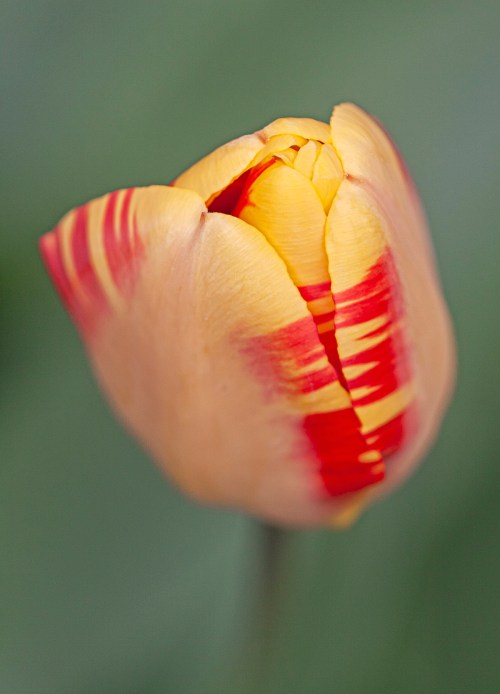
broken tulip

broken tulip

broken tulip

© Michael Q. Powell. All rights reserved.


Read Full Post »
Whenever I have my macro lens on my camera, I tend to scan small areas very carefully, looking for variations of color and patterns or signs of movement. The colorful markings permitted me to spot the tiny cricket frog that I featured in yesterday’s posting. Not far from the frog’s habitat, it was movement that allowed me to spot this cool-looking wolf spider (Tigrosa georgicola) on Monday. The spider was slowly crawling through some leaf litter and I was able to grab this shot when it paused for a second in an open area.

I believe that this is the first wolf spider that I have ever photographed. Fortunately I was able to get help in identifying it in a Facebook group devoted to spider identification. I know that some people are totally creeped out by spiders, while others are fascinated by them. I apologize to those in the former group, but hope that exposure to these spiders through my photos will help you appreciate their beauty—they truly are amazing creatures.

If you are at all interested in or curious about wolf spiders (and there are a lot of different species), you should check out Pete Hillman’s blog that just yesterday featured a photo of a wolf spider basking in the sun. Those who really like spiders will love a posting that Pete did earlier in the month entitled Not One For The Squeamish that shows a female wolf spider with a group of little spiderlings on her back—be sure to double-click on that image.


wolf spider

© Michael Q. Powell. All rights reserved.

Read Full Post »

Yesterday I captured this shot of an Eastern Cricket Frog (Acris crepitans) while exploring a seepy area in Prince William County, Virginia. The frog was tiny, only an inch or so (25 mm) in length. I was thankful for the green markings or I might otherwise have missed seeing the frog. The markings look very much like an arrow point towards the frog’s head. They also gave me something on which to focus since the rest of the frog’s body was pretty well camouflaged.

Eastern Cricket Frog

© Michael Q. Powell. All rights reserved.

Read Full Post »

It is easy for me to be delighted and entranced by simple things in nature, like this dandelion seed head that I spotted last week in my neighborhood. I remember the joy of blowing on these balls of fluff when I was a child and watching the little seeds sail through the air.

Yesterday the Governor of Virginia, the state in which I live, issued an executive order directing us all to stay at home except for a limited number of excepted essential tasks, including things like getting groceries and seeking medical care. One of the exceptions is “Engaging in outdoor activity, including exercise, provided individuals comply with social distancing requirements.” I am not yet sure if my forays into the wild with my camera would still be permitted as “engaging in outdoor.” If not, the content of my blog postings might change a little, but I plan to continue to post.

Whatever the case, I think this is a good time for us to be mindful of and thankful for the simple delights that can be found all around us.

dandelion

© Michael Q. Powell. All rights reserved.

Read Full Post »

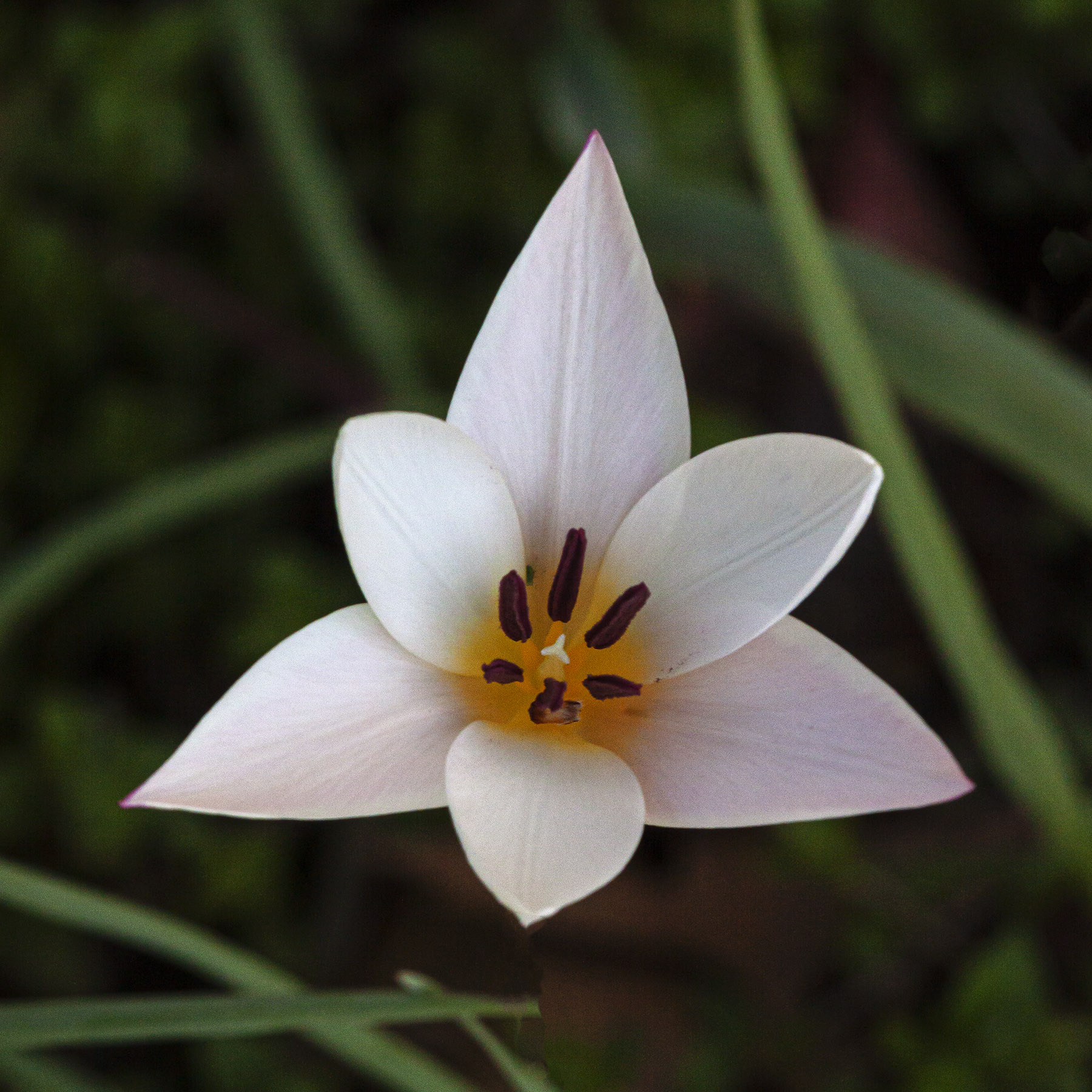
The Lady Jane tulips (Tulipa clusianaLady Jane”) in the garden of my neighbor and photography mentor Cindy Dyer are now fully in bloom. In a recent post called Two tulips, I featured a side view of a mostly closed flower, highlighting the tulip’s unusual shape and reddish-pink color. This time, I shot almost straight down from above and was struck by the geometric shapes in the petals, the stamen, and even the stigma (the little three-lobed part in the very center of the flower). For the middle shot, I shot from a slight angle to give a somewhat more natural perspective.

I hope that all of you are staying safe and healthy. I am remaining close to home most of the time and it has been a blessing for me to be able to find such beautiful subjects to photograph almost literally across the street—Cindy and I live at opposite sides of a suburban semi-circle.


Lady Jane tulip

Lady Jane tulip

Lady Jane tulip

© Michael Q. Powell. All rights reserved.


Read Full Post »

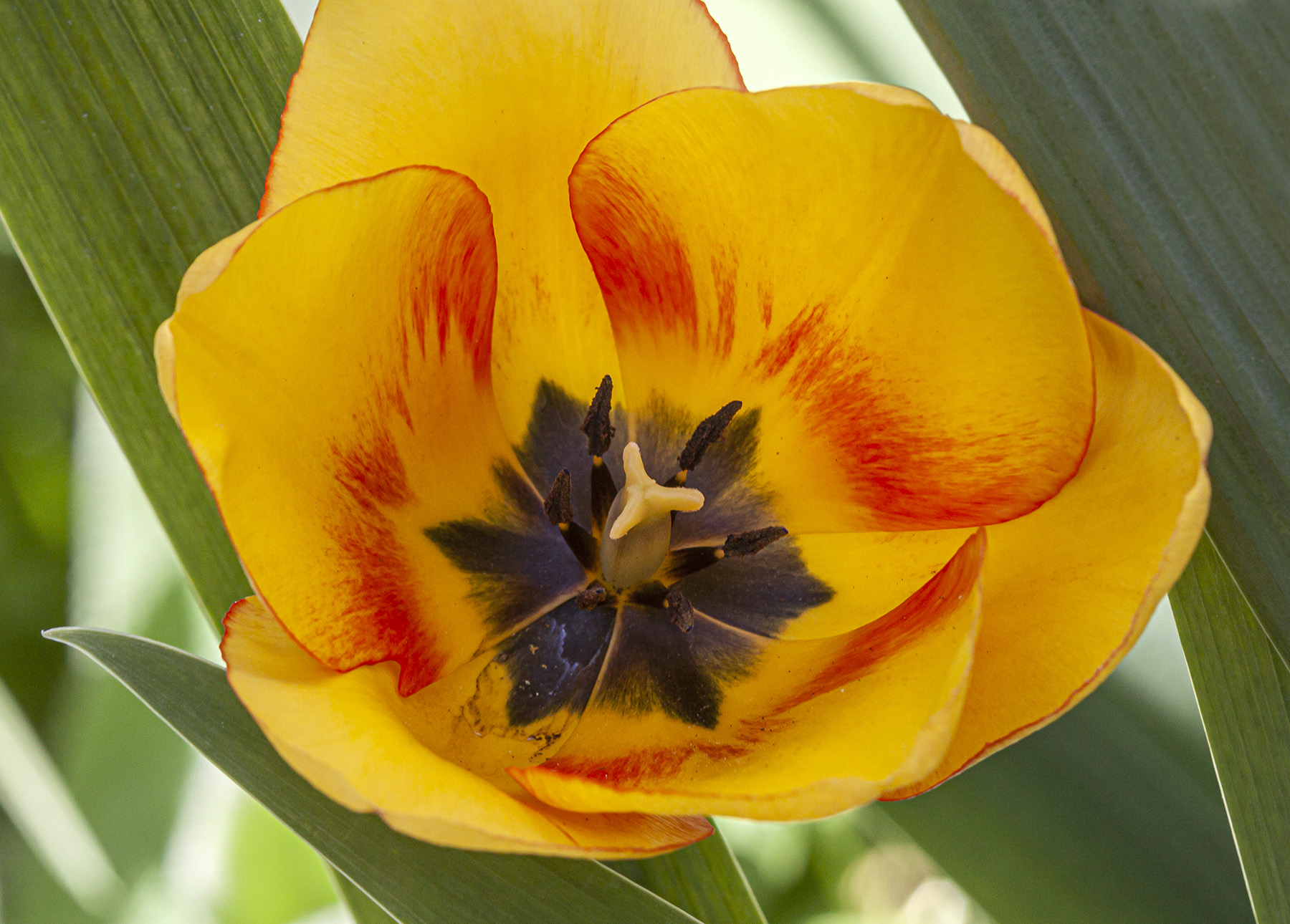
Need a blast of bright color? Here you go, a shot I took of the inside of a gorgeous red tulip blooming this morning in the garden of my neighbor and photography mentor Cindy Dyer.  This view straight down into the tulip reminds me of the kaleidoscopes that fascinated me endlessly when I was a youth. I managed to frame this shot almost exactly as I had envisioned, so I decided not to crop it at all, which is pretty unusual for me.

tulip

© Michael Q. Powell. All rights reserved.

Read Full Post »

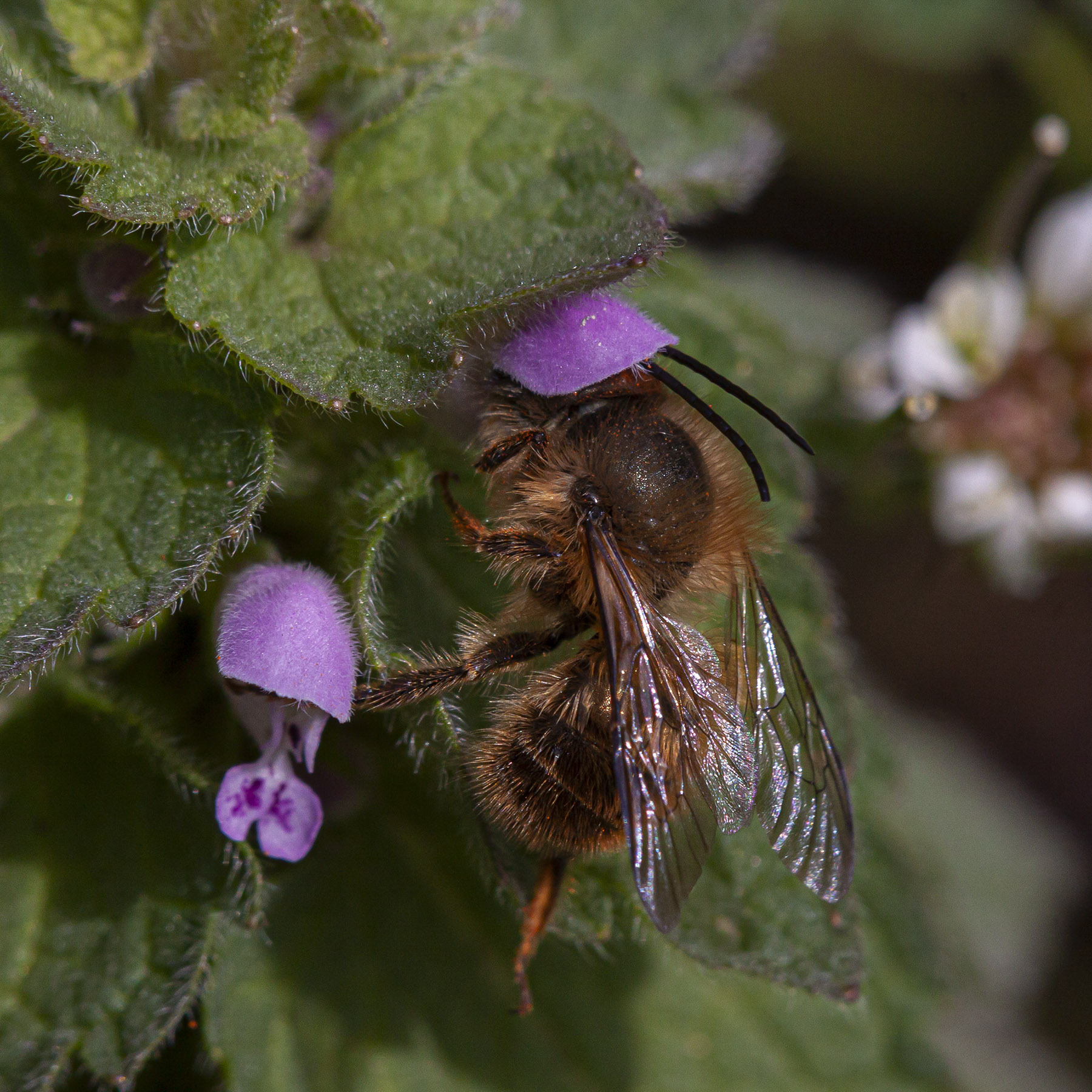
Although the temperatures were cool on Tuesday afternoon, this little bee was busy in the garden of my neighbor and friend Cindy Dyer. The plant on which the bee was feeding technically bight be considered to be a weed, and not a flower, but the bee surely did not mind.

Most of the pollen that I am used to seeing is bright yellow, but in this case it appeared to red in color. As you can see in the second photo, the bee was using a headfirst approach—for extended periods of time it would bury its head among the small petals of this plant.

I went searching around on internet trying to identify the plant and I think it might be Henbit (Lamium amplexicaule). I would welcome a confirmation or correction of this identification by someone more familiar with flowers than I am.

bee

bee

© Michael Q. Powell. All rights reserved.

Read Full Post »

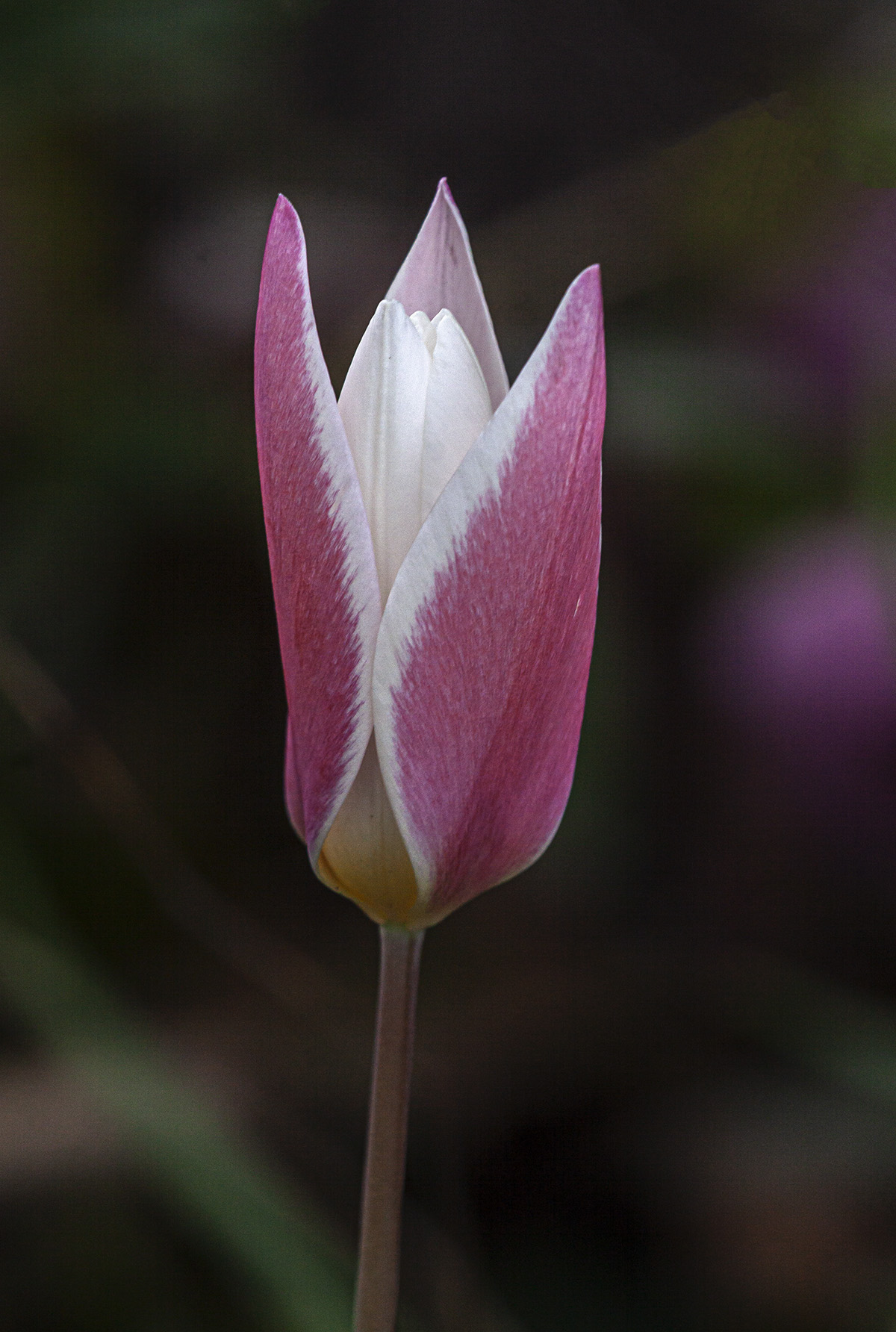
You don’t have to go far to find beauty—it is all around us. I spotted this beautiful Lady Jane tulip yesterday afternoon in the garden of my neighbor and fellow photographer Cindy Dyer. Cindy loves to photograph flowers and has planted a wide assortment of photogenic flowers in her front and side gardens. I was delighted to see that about a dozen of these little tulips were starting to bloom.

Many of Cindy’s “normal” tulips are starting to form buds, but only one is blooming right now, the beautiful red one that is shown in the final photo. I have always been impressed by the photos that tourists take of broad swaths of colorful tulips in the Netherlands, but for me, I tend to find beauty in the individual flowers.

Lady Jane Tulip

tulip

© Michael Q. Powell. All rights reserved.

Read Full Post »
As our weather continues to warm up, more and more creatures are reappearing, like this Spotted Turtle (Clemmys guttata) that I spotted yesterday at Jackson Miles Abbott Wetland Refuge. As you can see from the photo, the turtle was on dry land, in a wooded area with pine trees, rather than in the water like most of the other turtles that I saw yesterday.

Spotted Turtles are relatively small, about 3.5 – 4.5 inches in length (9 – 11.5 cm), according to the Virginia Herpetological Society website. The website also notes that this species is seen primarily in the early spring, but seldom beyond the month of June. Spotted Turtles enter into a state of dormancy (technically it is “aestivation”) during the warmest months under vegetation and during the coldest months under mud. During those periods they are inactive and their metabolism rate is lower, but their physiological state can be rapidly reversed, and they can quickly return to a normal state.

Spotted Turtle

© Michael Q. Powell. All rights reserved.


Read Full Post »

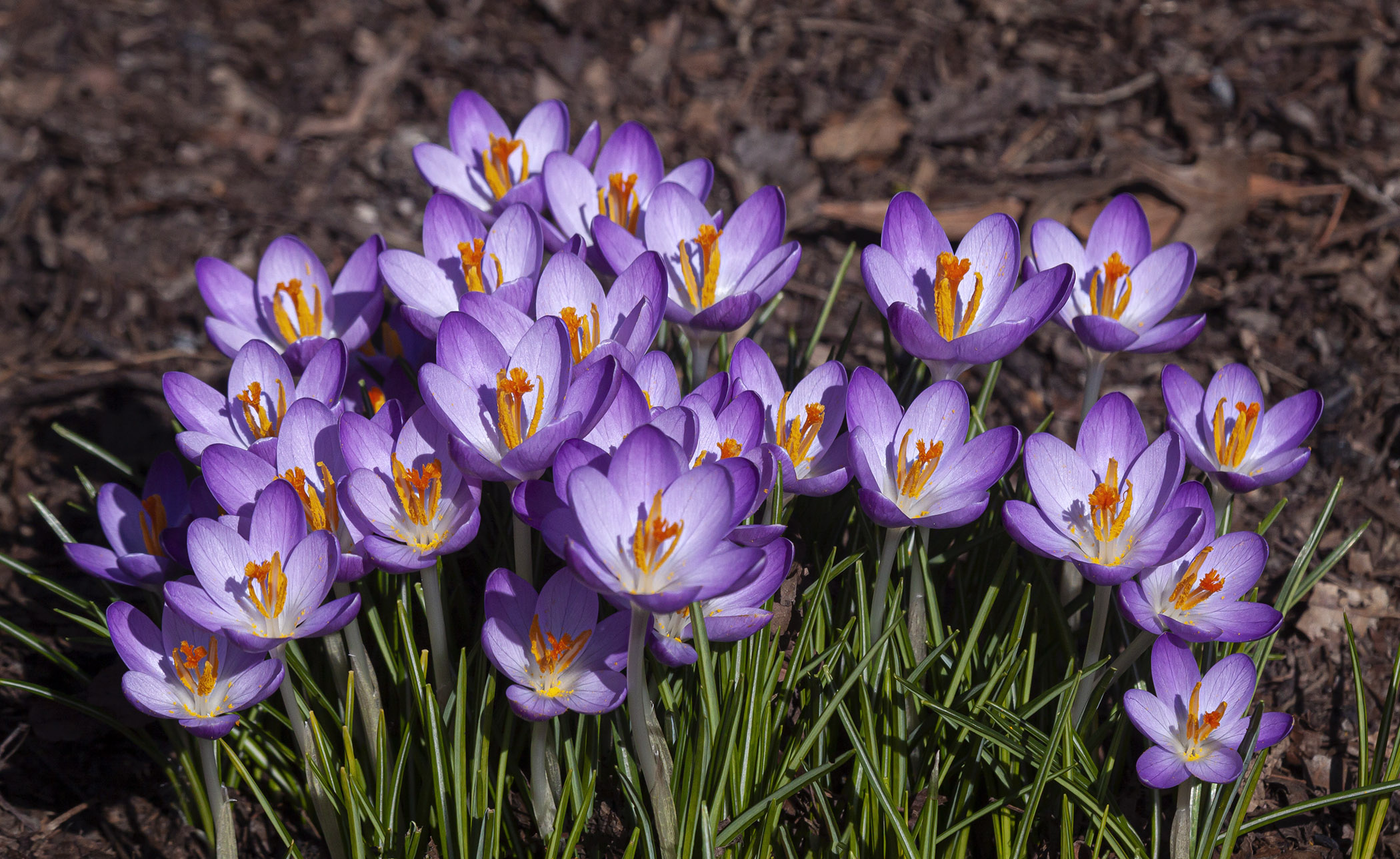
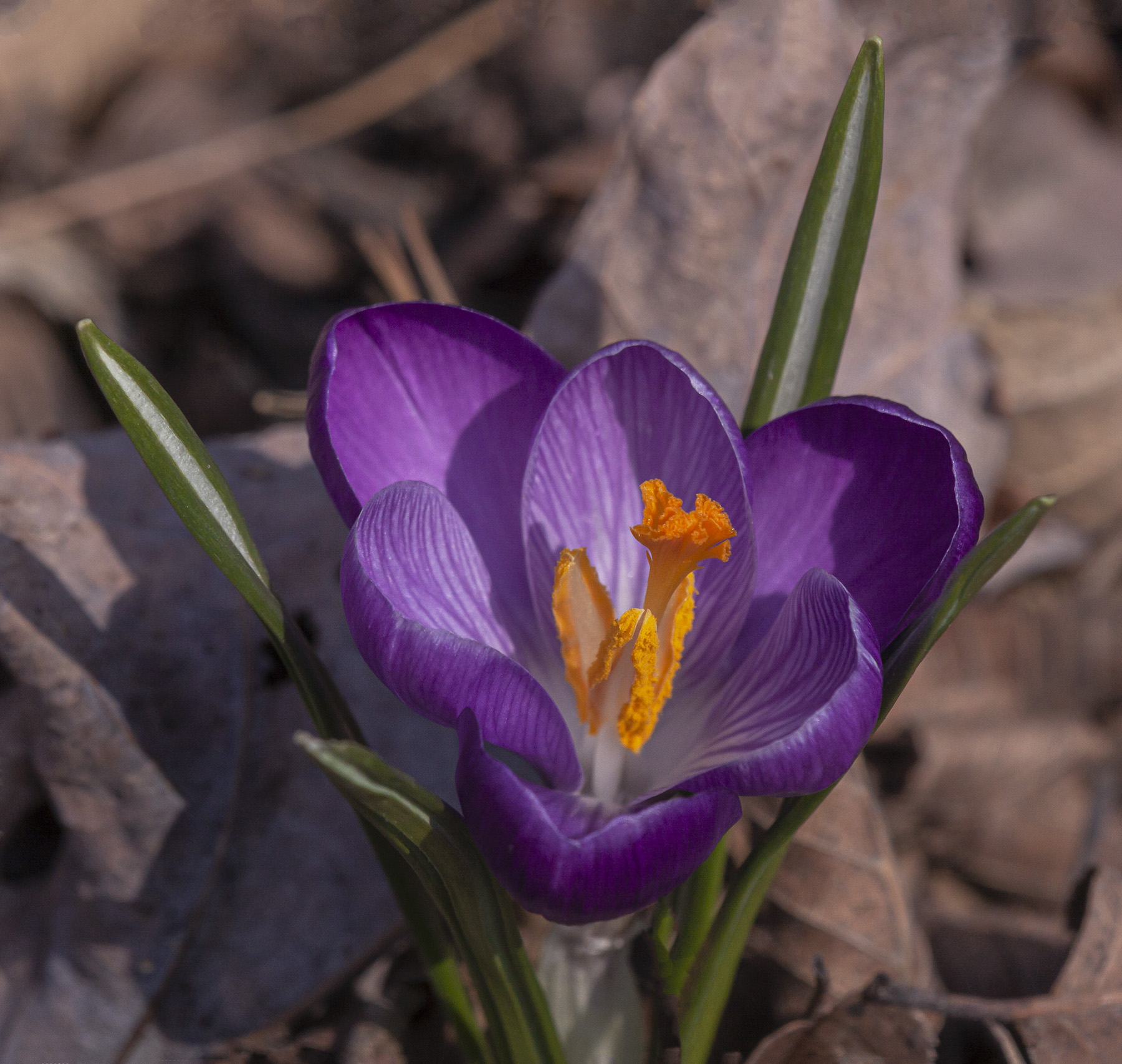
This winter has been usually mild and spring color is already starting to appear in our area. During a visit yesterday to Green Spring Gardens, a local county-run historical garden, I spotted crocuses in bloom at several locations. Finding crocuses was not too much of a surprise, since they are usually among the first flowers to appear each spring.  However, it was an unexpected bonus to be able to photograph a honey bee collecting pollen inside of one of the crocuses.

In many ways yesterday’s photography was a return to my roots. When I started getting more serious about photography seven years ago, I did a lot of shooting with my friend and mentor, Cindy Dyer. One of her many areas of specialization is macro photography of flowers and some of her flower images have even appeared on US postage stamps. From her I learned a lot about the technical aspects of photography, like composition and depth of field, but more importantly she encouraged and inspired me back then and continues to do so to this day. Thanks, Cindy.

I started off photographing flowers with a few insects, but gradually realized that I was more interested in shooting insects with a few flowers. I can appreciate the beauty of the crocuses in the second and third images below, but the first shot is more representative of my desired shooting style.

crocus

© Michael Q. Powell. All rights reserved.

Read Full Post »

It is not yet dragonfly season, so I have no new photos of these amazing aerial acrobats. However, when I was searching for some other photos yesterday, I came across these images that I had worked up last May and had never posted. I sometimes get so focused on getting new photos that I forget about the older ones, which is why I usually try to do postings as soon as I can after a sighting.

Arrowhead Spiketails (Cordulegaster obliqua) are pretty uncommon in my area, but I was familiar with their appearance because I had seen one only a few days earlier when exploring a different location with fellow blogger and dragonfly enthusiast Walter Sanford (for more information on the earlier sighting, see my May 27, 2019 posting Female Arrowhead Spiketail dragonfly)

I spotted this dragonfly in the air as I was walking along a trail at Occoquan Regional Park and watched it land on some nearby vegetation. As I approached, it was easy for me to see the distinctive arrowhead pattern of the abdomen for which this species is named. Like other spiketails, Arrowhead Spiketails perch by hanging vertically or at an angle. This particular dragonfly, which happens to be a male, was quite cooperative and let me get close enough to get the portrait-style shot that you see as the second image below.

It will be at least two months before some of the early dragonfly species start to appear in our area. Unlike many summer species that are habitat generalists and are numerous for months on end, spring dragonfly species tend to be found in small numbers in very specific habitats for a limited period of time. Hopefully this posting—a flashback to last May—is a preview of coming attractions.

Arrowhead Spiketail

Arrowhead Spiketail

© Michael Q. Powell. All rights reserved.

Read Full Post »

Many people associate the color red with autumn because of the brilliant foliage that the season brings forth in places like New England. For me, though, red is an autumn color because of the bright red dragonflies that remain active in October and November (and sometimes even later in the year).

Yes, I continue to chase dragonflies as we move deeper and deeper into autumn. I spotted this handsome male Autumn Meadowhawk dragonfly(Sympetrum vicinum) last Wednesday at Jackson Miles Abbott Wetland Refuge in nearby Fort Belvoir, Virginia. Many of the Autumn Meadowhawks that I saw earlier this fall were females, which have a much more subdued coloration. There is nothing subdued about this male, which made it pretty easy to spot him, especially when he perched on a small stump at knee-level. You do have to pay attention to find them, however, because Autumn Meadowhawks are only about 1.3 inches (33 mm) in length.

Autumn Meadowhawk

© Michael Q. Powell. All rights reserved.

Read Full Post »

A sharp-eyed fellow photographer spotted this Northern Rough Green Snake (Opheodrys aestivus) at eye level in a tree at Jackson Miles Abbott Wetland Refuge this past Wednesday as we both were searching for dragonflies. The sun was shining brightly and I suspect the snake was basking in its warm on a relatively cool day. I managed to capture a few shots of this colorful snake before it silently slithered away.

Northern Rough Green Snake

Northern Rough Green Snake

© Michael Q. Powell. All rights reserved.

Read Full Post »

Female Blue-faced Meadowhawk dragonflies (Sympetrum ambiguum) come in several different color variations. Some, like the one in the first image below have a reddish colored body, like the male of the species—they are known as andromorphs. Others are brownish in color, like the one in the second image below, and are know as heteromorphs. Irrespective of the body color, though, all of the females have striking blue eyes.

Usually it is harder to spot females than the more brightly colored males, but for some reason, these two females were the only Blue-faced Meadowhawks that I saw as I was exploring Occoquan Bay National Wildlife Refuge one day last week.

Where were all the males? Maybe they were watching a sporting event or were congregating at a local bar (or both).  🙂

Blue-faced Meadowhawk

Blue-faced Meadowhawk

© Michael Q. Powell. All rights reserved.


Read Full Post »

What is the fastest animal on earth? My mind immediately thinks of the cheetah, which can run in short bursts at speeds up to 75 miles per hour (121 km/h). Indeed the cheetah is the fastest land animal. However, the Peregrine Falcon (Falco peregrinus), the fastest member of the animal kingdom, can reach speeds up to 242 miles per hour (389 km/h) when in a dive.

I was thrilled last week to spot this Peregrine Falcon perched at the top of a distant tree while exploring Occoquan Bay National Wildlife Refuge. The bird was hard to see on an overcast day, but the muscular way that it was perched caused me to conclude that it was a bird of prey. I took this shot with my macro lens in order to document my sighting. As I was pulling out my camera with a longer zoom lens, the falcon flew off into the air. It flew away too fast for me to get a shot

When I read about the top speed of the Peregrine Falcon, I wondered how in the world that speed was determined. I came across this fascinating National Geographic film clip that documents one effort to measure the speed of a Peregrine Falcon. It is a short video that is well worth watching and includes a trained falcon and sky-diving scientists.

I love watching birds of all shapes and sizes, but there is something really special about seeing a powerful raptor like this Peregrine Falcon.


Peregrine Falcon

© Michael Q. Powell. All rights reserved.

Read Full Post »
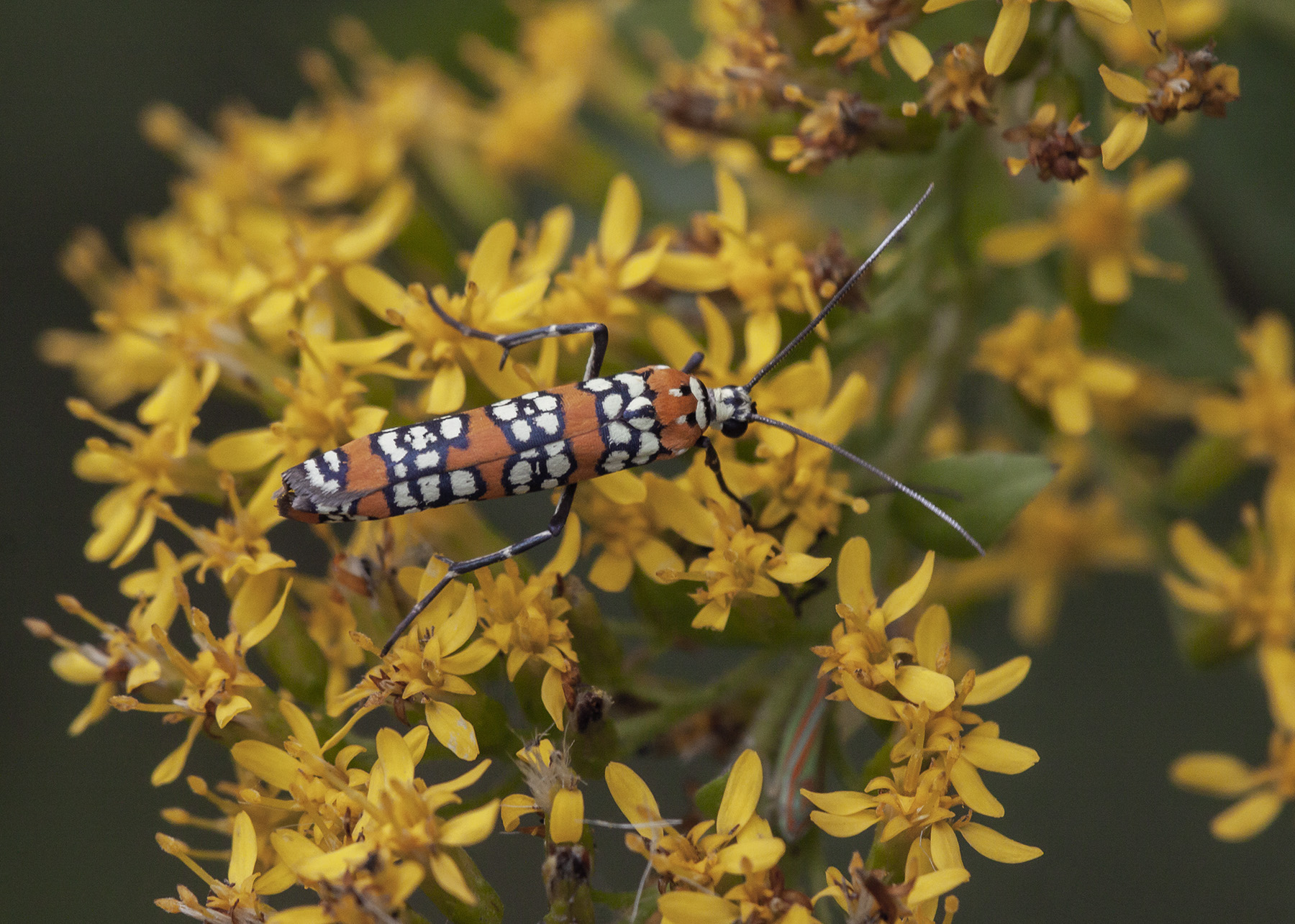
Whenever I see an Ailanthus Webworm moth (Atteva aurea), I assume that it is some kind of beetle. It is hard to believe that the colorful patterns are actually part of the wings and not a hard exterior shell. I spotted this beautiful little moth on some goldenrod last week while exploring Occoquan Bay National Wildlife Refuge.

The pattern on this insect’s body reminds me of an animal print. Wouldn’t it be cool to have fabric printed with this bold pattern? I can imagine throw pillows and even fashion accessories. From a marketing perspective, though, I think we would have to come up with a new name for the insect—a name like “webworm” probably would not attract many customers.

Ailanthus Webworm moth

© Michael Q. Powell. All rights reserved.


Read Full Post »

« Newer Posts - Older Posts »