Feeds:
Posts
Comments

Archive for the ‘Flowers’ Category

The intricate shape and delicate colors of this beautiful little flower simply captivated me yesterday at Meadowlark Botanical Gardens in Vienna, Virginia. (I think it is a kind of columbine flower.)

columbine

© Michael Q. Powell. All rights reserved.

Read Full Post »

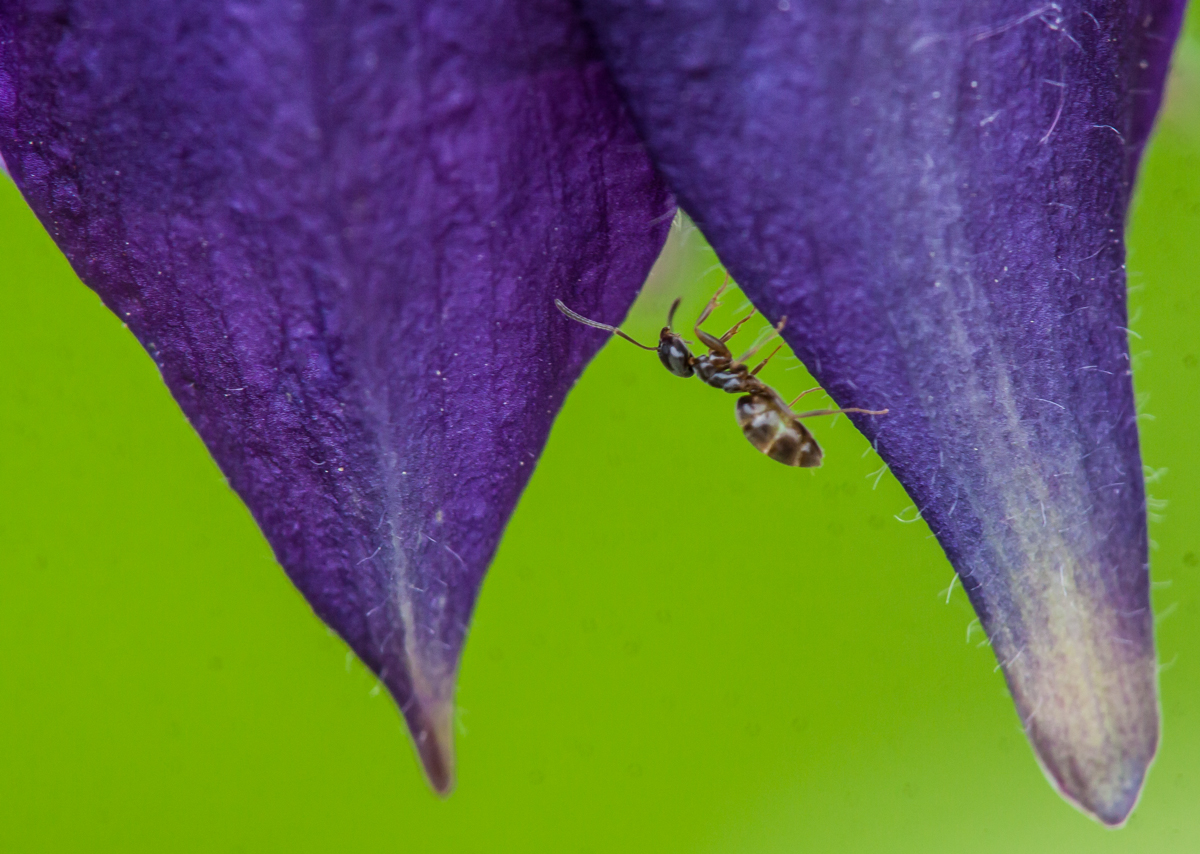
There were lots of flowers in bloom during a trip this past Friday to Green Spring Gardens, but not many insects. However, I did manage to find this intrepid ant testing his mountaineering skills as he climbed up and down the edges of a purple Columbine flower.

alpine ant

© Michael Q. Powell. All rights reserved.
Read Full Post »

One of my favorite spring flowers is the Columbine (genus Aquilegia), whose name comes from the Latin for “dove,” because the inverted flower is said to resemble five doves clustered together. Columbines come in many colors and color combinations and I am always fascinated by the shapes and colors of this unusual-looking flower.

I photographed this beautiful little Columbine on the first day of May at Green Spring Gardens in Alexandria, Virginia, a county-run historical garden that is one of my favorite places for photographing flowers.

Columbine

© Michael Q. Powell. All rights reserved.

Read Full Post »

Tiny pink and white wildflowers carpeting the forest floor at this time of the year—how appropriate it is that they are actually called Spring Beauties (Claytonia virginica).

Spring Beauty

Spring Beauty

Spring Beauty

© Michael Q. Powell. All rights reserved.


Read Full Post »

What is the best way to capture the beauty of the fragile wildflowers that carpet the forest floors at this time of the year? Should I try to photograph a single flower? Should I move in even closer and focus on only part of the flower (or crop away part of the flower)? Should the images be realistic or abstract?

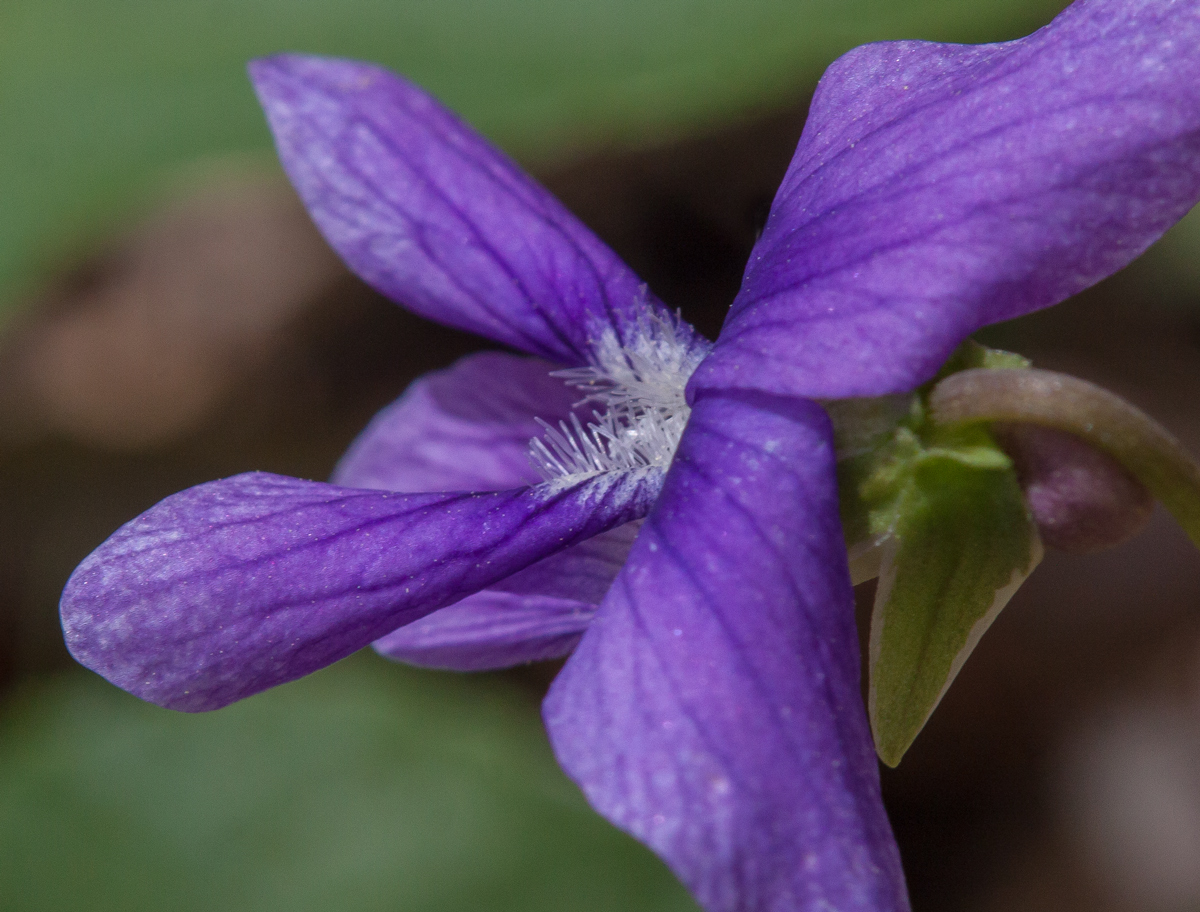
These were some of the thoughts that went through my head as I took these shots of what I think is a kind of wild violet. As some of you can readily tell, I was in another one of my “artsy” moods. In case you didn’t notice, the first and last shots are actually variations of the same image that I cropped differently. I just couldn’t decide which one I liked better, so I included them both.

violetvioletvioletviolet

© Michael Q. Powell. All rights reserved.

Read Full Post »

The forest floor is carpeted with tiny wildflowers at this time of the year and even this large black snake seemed to be taking time to appreciate their beauty.

The little flowers are Spring Beauties (Claytonia virginica) and I think the snake may be a Northern Black Racer (Coluber constrictor constrictor), though I must confess that I grow a bit confused when reading the descriptions about how to distinguish Black Racers from Eastern Ratsnakes.

Unlike an earlier shot this spring of another black snake, which I photographed with my telephoto zoom lens, I took this shot with my 180mm macro lens, getting as low as I could and as close as I dared.

Northern Black Racer

© Michael Q. Powell. All rights reserved.


Read Full Post »

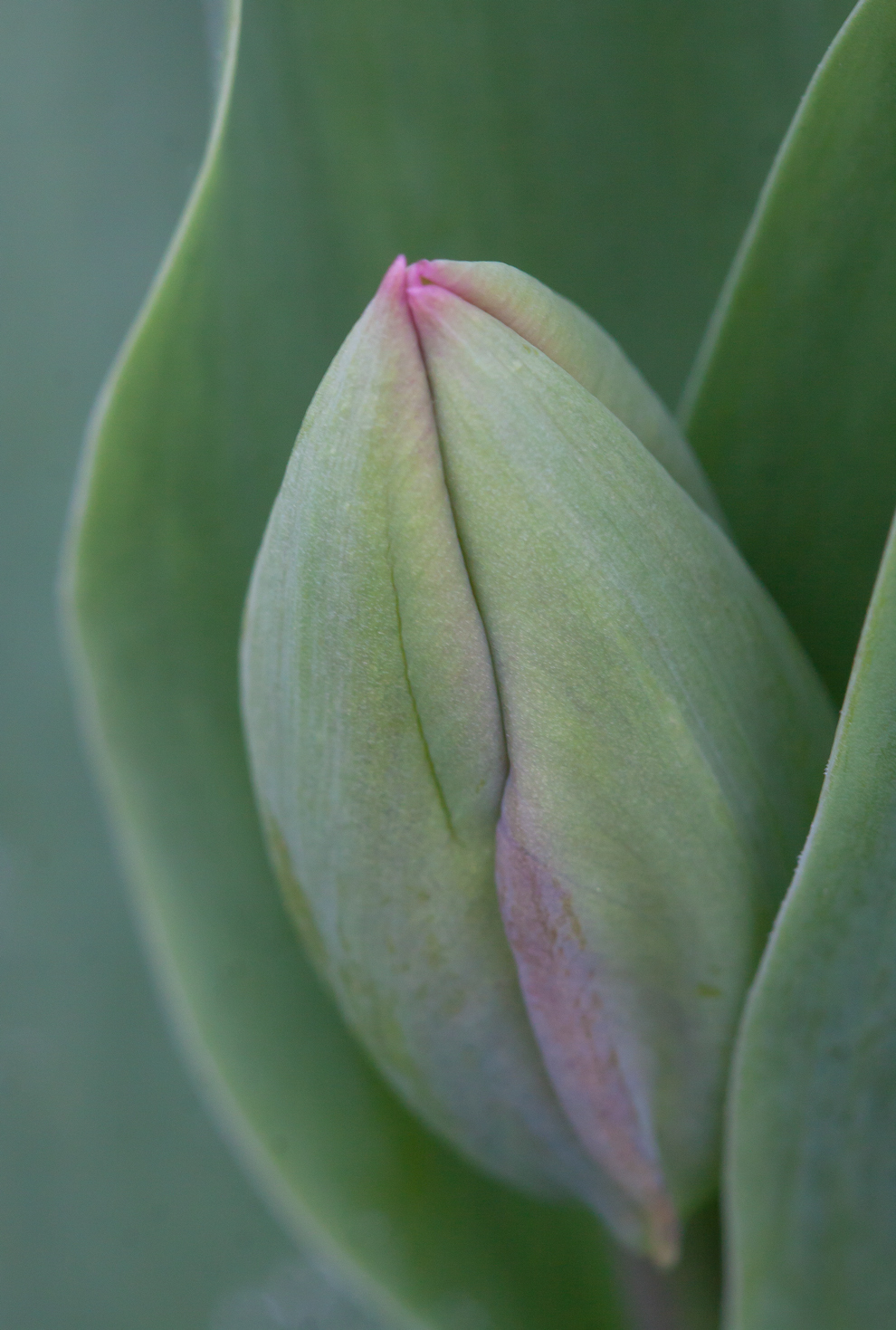
When you think of a gorgeous tulip, do you have to see it flowering to recall its beauty, or does a mere hint of its future shape and color suffice?

This image is different from my “normal” style of images, which tend to emphasize a kind of detailed realism. It is an almost abstract look at this flower, emphasizing shapes and colors and lines, with a minimum of details. There is an “artsy” side of me that I consider to be underdeveloped. Every now and then that tendency comes to the surface and I’ll step out of my comfortable box and try something a bit different.

tulip

© Michael Q. Powell. All rights reserved.
Read Full Post »

Cindy Dyer, my mentor, is a source of constant encouragement and inspiration for me and also has a wonderful garden of photogenic flowers to photograph. I took this shot of a Snowflake flower (Leucojum aestivum) on a recent misty morning. The image is an homage to Cindy, because it is similar in style to one of her images that I really admire.

In many ways this photo is a companion to the image I posted a few days ago of raindrops on a snowdrop flower.

Snowflake

© Michael Q. Powell. All rights reserved.

Read Full Post »

It’s showtime in the Washington D.C. area—the cherry blossoms are in full bloom. There is no denying their beauty, but somehow I am drawn even more to the simple beauty of modest flowers like this snowdrop (genus Galanthus) that I observed this past Friday. There was a light drizzle most of the day, which coated the unopened petals with beautiful crystal-like globes.

Simple beauty—I find it to be irresistible.

snowdrop

© Michael Q. Powell. All rights reserved.

Read Full Post »

During the spring our eyes are naturally drawn to signs of new life, but somehow yesterday it was the signs of the past that caught my attention. I was fascinated by the structure of the skeletonized remains of an unknown flower, whose beauty has long ago faded into a lace-like form that reminded me of a butterfly.

Beauty and fragility—an appropriate metaphor for our lives.

skeletonized flower

© Michael Q. Powell. All rights reserved.

Read Full Post »

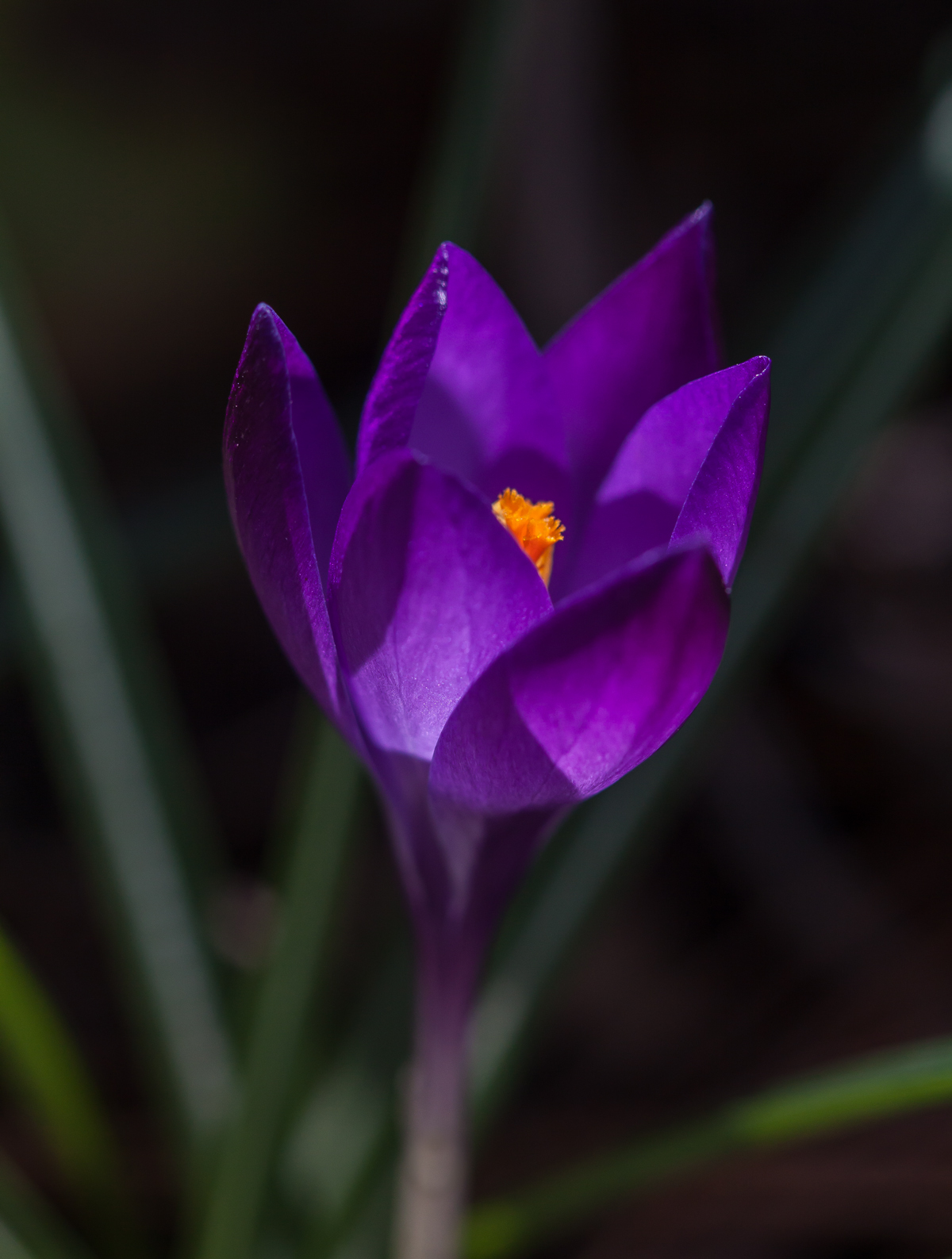
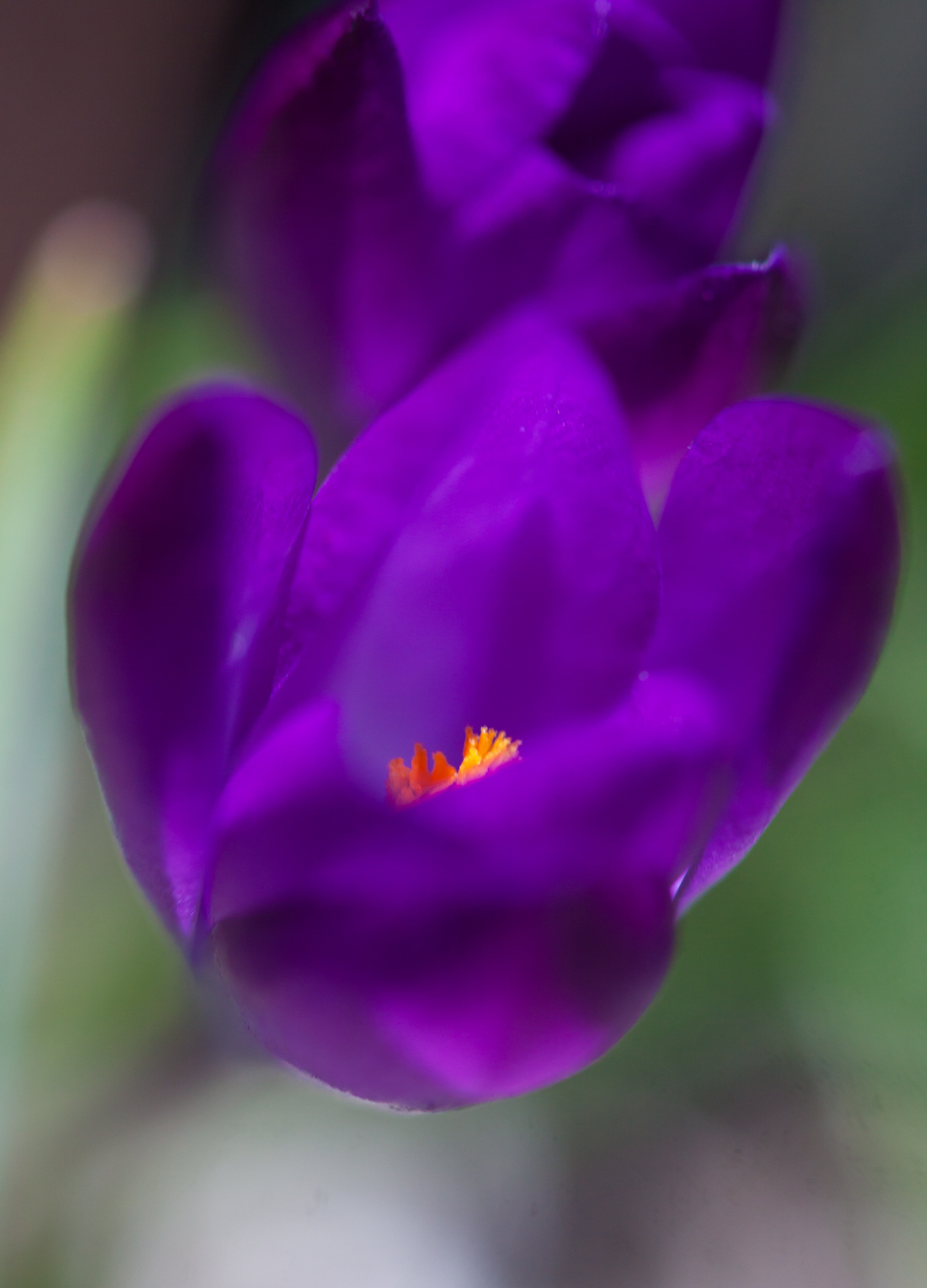
After a long winter wait, I am finally seeing a few spring flowers blooming in the gardens in my neighborhood. So far all I see are crocuses, but it looks like the daffodils will not be far behind. The weather is still erratic—I awoke to sub-freezing temperatures yesterday morning—but it is beginning to look like spring is here at last.

I took these crocus shots in the middle of the day on a windy, sunny afternoon. In the first image, I was trying to capture some of the beauty of the sunlight coming through the petals. In the second shot, I had the lens almost wide open and the really shallow depth of field helps to give a dreamy painterly quality to the image that I really like. The two images are very different, but I think they work especially well as a set.

crocus

crocus

© Michael Q. Powell. All rights reserved.

Read Full Post »

All orchids are beautiful, but I am particularly fascinated by Lady’s Slipper orchids, which are characterized by a slipper-shaped pouch. The pouch traps insects that help to fertilize the flower as they climb up and out of the pouch. According to Wikipedia, the Lady’s Slipper orchids are in the orchid subfamily Cypripedioideae, though some apparently consider them to be their own family separate from the other orchids.

I took this shot last week in Washington D.C. at the US Botanic Garden. There were several rooms full of orchids of all kinds, including multiple species of Lady’s Slipper orchids—it was almost like being in heaven.

Lady's Slipper orchid

© Michael Q. Powell. All rights reserved.
Read Full Post »


The weather has not been very cooperative and outdoors there are not yet many flowers blooming. Yesterday I went to the US Botanic Garden in Washington D.C. to get my “fix” of flowers in a more temperate setting. Among the many beautiful flowers that I observed was this Madeira Cranesbill geranium (Geranium maderense).

Madeira Cranesbill geranium

© Michael Q. Powell. All rights reserved.

Read Full Post »

Imagine what it would be like to have a half billion miniature copies of some your images making their way across the country in the form of postage stamps. Last week I was thrilled to travel to Cleveland, Ohio with my mentor and friend, Cindy Dyer and her husband for the first day ceremony for the Water Lily stamps that feature four of her photos.

cindydyer's avatarCindy Dyer's Blog

Last week my water lily FOREVER stamps were unveiled at the Garfield-Perry March Stamp Show in Cleveland, Ohio. First photo: digital postmark first day covers and booklet of stamps; second photo: autographed program and cancelled stamps from First Day Ceremony: autographed by Jay Bigalke, American Philatelic Society, Editor of The American Philatelist; Paul Davis from U.S. Postal Service, who sang the National Anthem; Harold Chapman, President of the Garfield-Perry Stamp Club, who gave the welcome; remarks by Cynthia Druckenbord, Vice President of the Cleveland Botanical Garden; (then me!); and then Melvin J. Anderson, U.S. Postal Service Northern Ohio District Manager, and I got to unveil a giant poster with the water lily stamps (Third photo, shot by my dear friend Michael Powell).

The water lily stamps are available in booklet form at post offices across the U.S. You can also order them online.

Stamps in…

View original post 56 more words

Read Full Post »

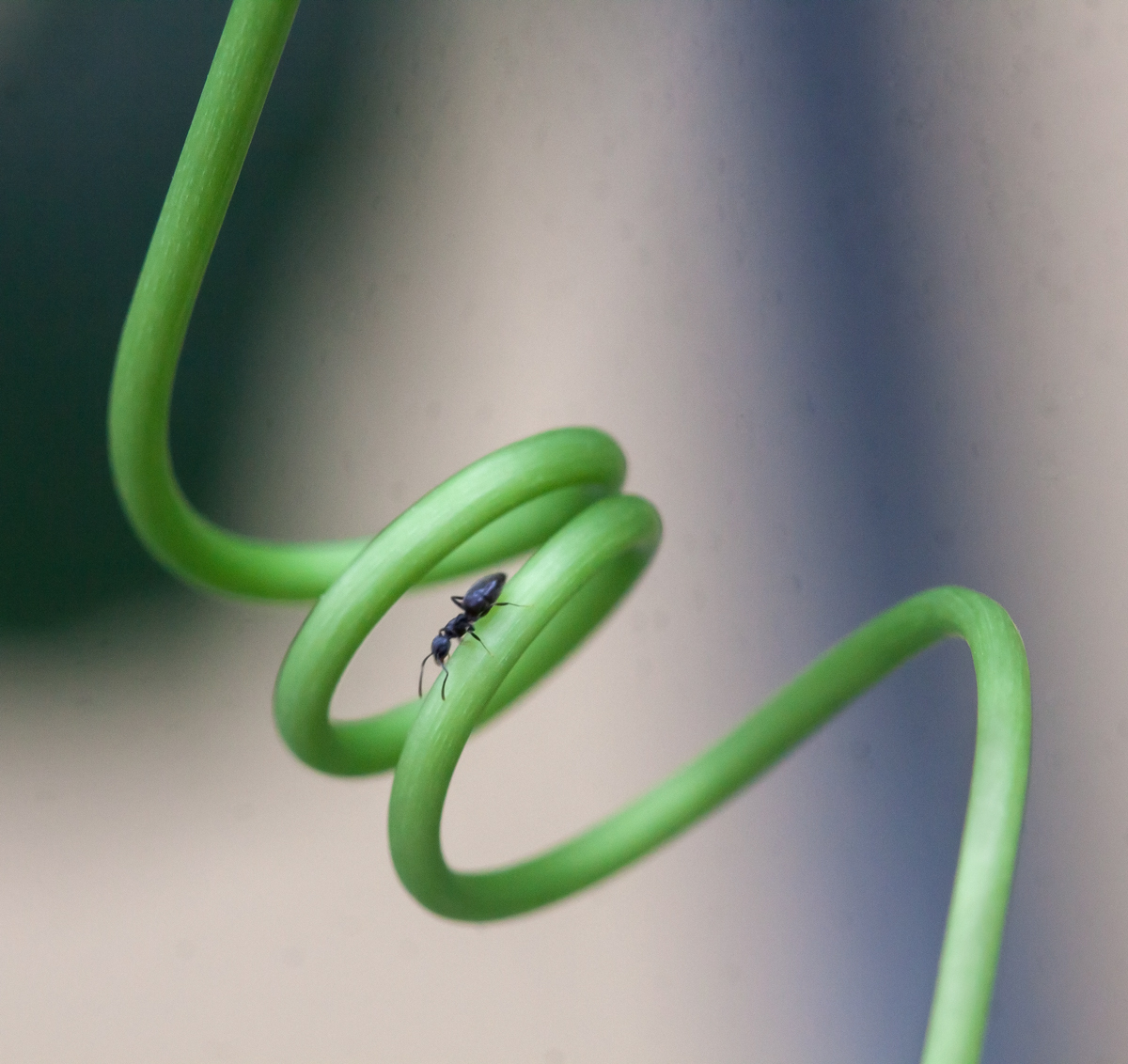
I’m so desperate for the weather to warm up more and for insects to emerge that I got really excited when one of my fellow photographers spotted a small ant on one of the tendrils of a passion flower vine yesterday at the US Botanic Garden in Washington DC.

The ant seemed determined to follow the long and winding road.

winding1_blog

© Michael Q. Powell. All rights reserved.

Read Full Post »

One of the many highlights of my trip this past weekend to Ohio was a visit to the Franklin Park Conservatory and Botanical Gardens in Columbus, where I was able to observe butterflies and orchids in a wonderful indoor setting.

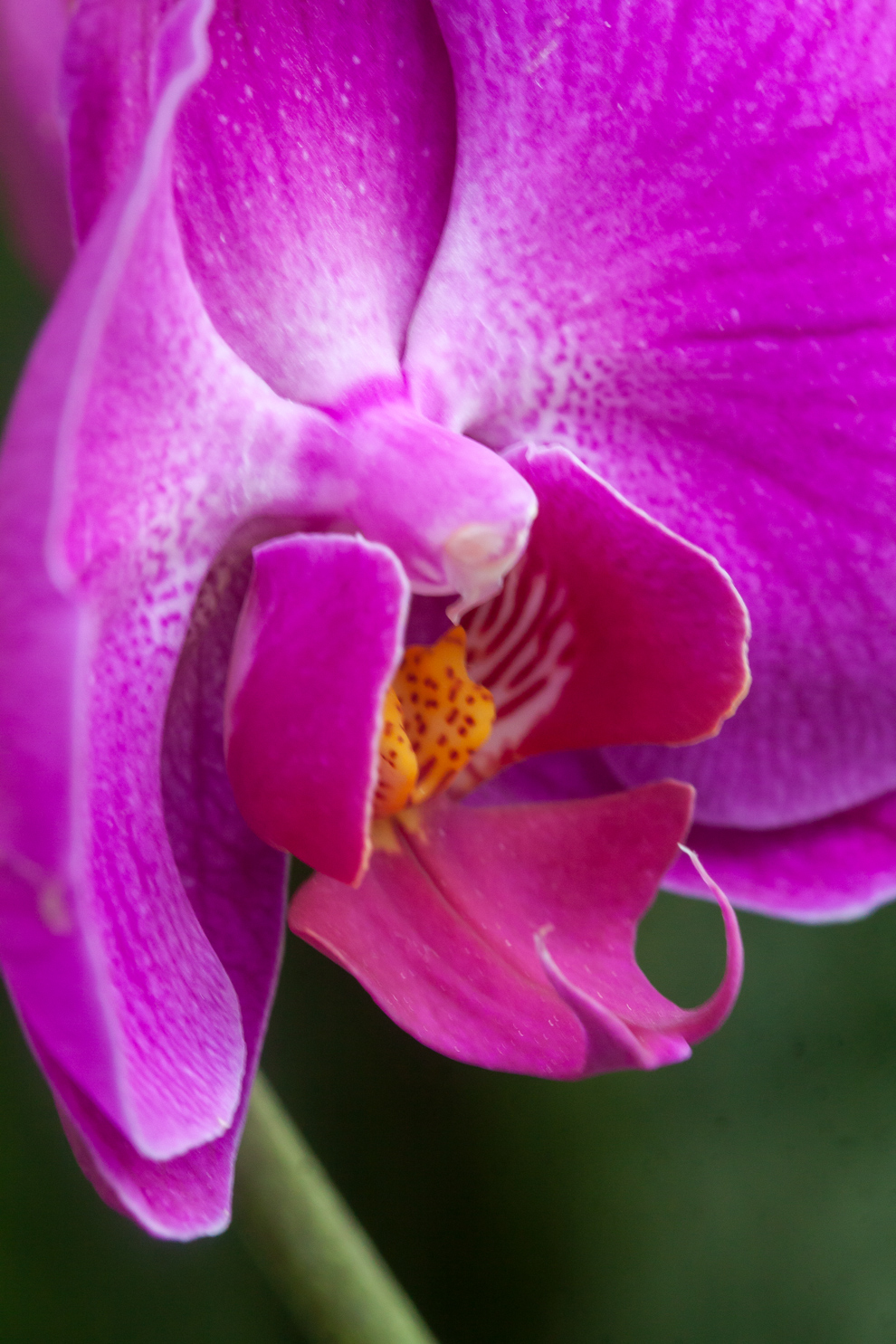
I am still going through a backlog of photos, but this gorgeous pink orchid is one of my initial favorites. It was great to have macro lens back in my hands after a winter in which it mostly stayed on the shelf.

Orchid

© Michael Q. Powell. All rights reserved.

Read Full Post »

I can’t identify this tiny flowering plant, but it is blooming now in the garden of one of my neighbors. Despite the large mounds of snow throughout my townhouse neighborhood, I can’t help but hope and believe that spring is not far away.

flower1a_blog


© Michael Q. Powell. All rights reserved.
Read Full Post »

I have been told that rose hips are an excellent source of Vitamin C. They don’t seem to be the favorite food of the birds in my local marsh, however,  and there are lots of the rose hips still around in mid-February. Northern Cardinals, though, will sometimes smash them against the railing of the boardwalk in order to get to the seeds inside, leaving behind a trail of discarded outer skins.

This past weekend, I watched a male Northern Cardinal (Cardinalis cardinalis) patiently extract the seeds from a small pile of rose hips. There were plenty more available, but he seemed content to snack on only a few of them—maybe their taste is too strong or acidic to consume a large quantity of them.

I believe that these rose hips are from Swamp Roses (Rosa palustris), which covered parts of the marsh during the summer and were amazingly fragrant.

Northern Cardinal

Northern Cardinal

Northern Cardinal

© Michael Q. Powell. All rights reserved.
 

Read Full Post »

The calendar indicates that we are well into autumn, but this metallic green sweat bee (genus Agapostemon) that I observed on Friday at Huntley Meadows Park was busily gathering pollen as though it were spring. With eyes that look like a mask, it looks like he decided to dress us as a Teenage Mutant Ninja Turtle for Halloween.

Teenage Mutant Ninja Bee

Teenage Mutant Ninja Bee

© Michael Q. Powell. All rights reserved.

Read Full Post »

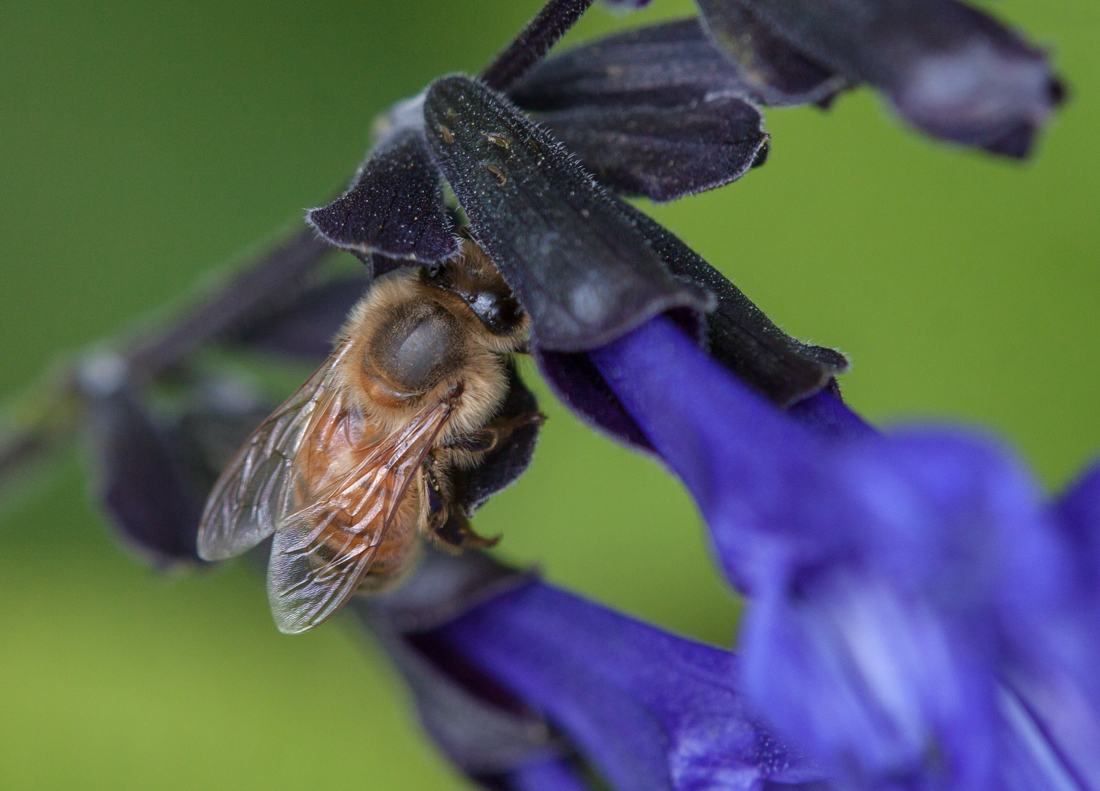
Flowers and bees have a mutualistic relationship—the flower provides the nectar and the bee assists in pollination. Sometimes, though, bees will circumvent the process by drilling a hole in the side of the flower and gaining access to the nectar without touching the reproductive parts of the flower, a process sometimes called “nectar robbing.”

Last weekend, I encountered this bee, which looks to be a honeybee, repeatedly taking nectar from the side of a Salvia flower. In an earlier posting, I showed that it was a tight fit for a bumblebee to enter the flower from the front, but it nonetheless did its part in pollination. The honeybee apparently decided it was easier to take a shortcut and go directly to the nectar.

honey2_bloghoney1_blog

© Michael Q. Powell. All rights reserved.


Read Full Post »

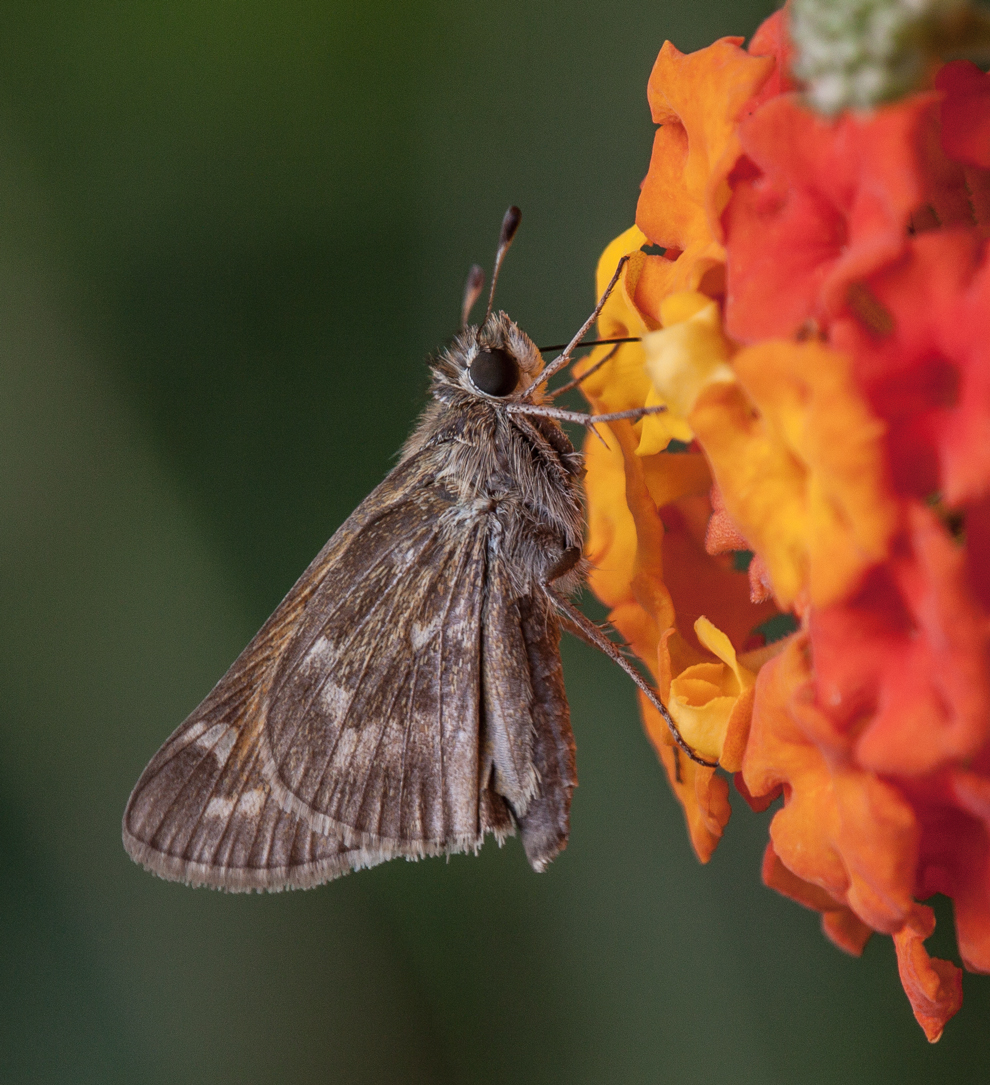
It’s a gray and gloomy day with intermittent rain—I feed the need for some color. This little skipper butterfly was busily at work last week on some very colorful flowers and I was able to catch him in action with his proboscis extended.

I am not sure what kind of skipper this is (there are more than 3500 species of skippers worldwide), but it looks a little like one that a reader identified for me as a Peck’s Skipper (Polites peckius). I must confess, though, that many skippers look very similar to me, so my identification is very tentative.

Capturing the butterfly with my macro lens was not too much of a problem, but I had a real problem in processing these shots because of some super bright highlights coming of the yellow flowers. I ended up darkening the highlights and desaturating the color in order to restore some detail to those flowers. I am not sure if I am happy with the results and might choose to process them differently another time. (The RAW images are still intact.)

skipper2_oct_blogskipper1_oct_blog

© Michael Q. Powell. All rights reserved.

Read Full Post »

Although it is already October and the weather is getting cooler, the local bees have not yet called it quits for the season. I am not sure what kind of purple flower this is, but the bumblebee was busily burrowing its head into its open blossoms.

I was happy to be able to catch the bee in action, capturing an “artsy” image of the moment.

October bee

© Michael Q. Powell. All rights reserved.
Read Full Post »

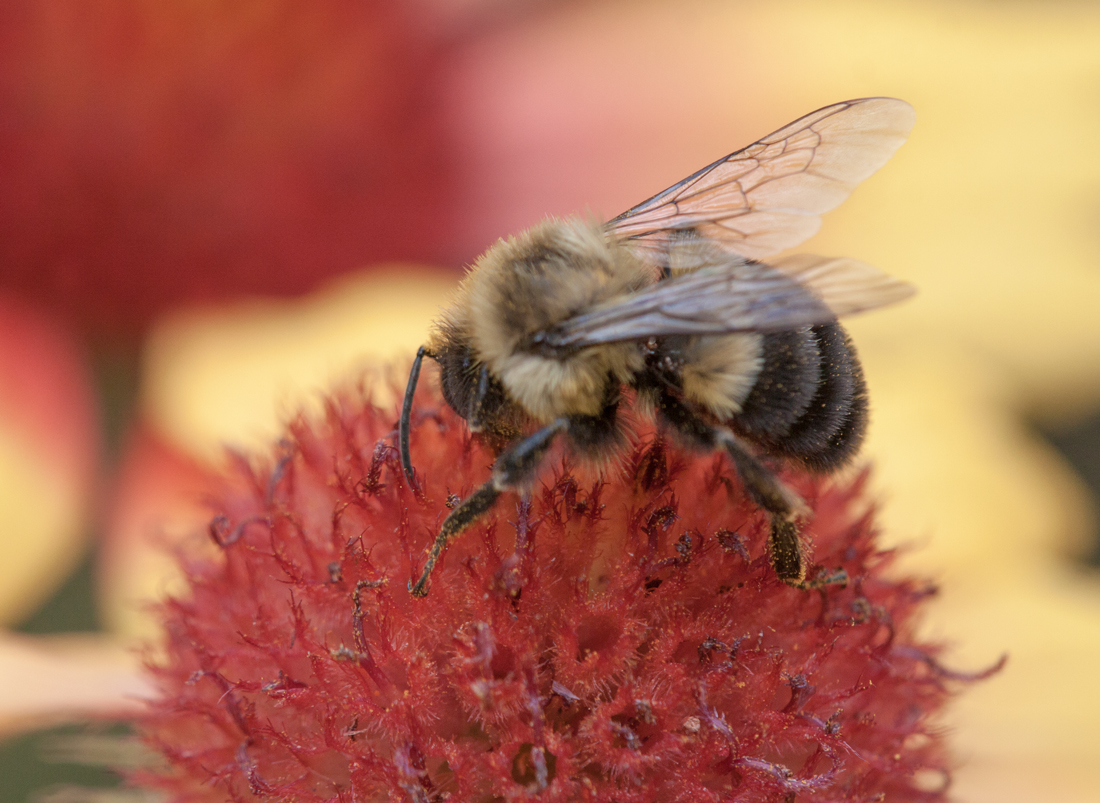
With rain and gray skies that started today, I feel the need to compensate with some bright colors, so I thought I’d post an image from this past weekend. I love the way that it looks like this bumblebee is clinging to a rolling red ball, which, of course, is merely the center of a flower in the garden of my neighbor and fellow photographer Cindy Dyer.

bee_fall_blog

© Michael Q. Powell. All rights reserved.
Read Full Post »

There is perhaps nothing more ordinary than this, a simple Cabbage White butterfly (Pieris rapae) on a small white flower (which is possibly a weed), but the ordinary can be extraordinarily beautiful.

Cabbage White butterfly

© Michael Q. Powell. All rights reserved.

Read Full Post »

As this Great Spangled Fritillary butterfly (Speyeria cybele) moved about on a flower, the light hit it in different ways, beautifully illuminating its colorful wings.


© Michael Q. Powell. All rights reserved.


Read Full Post »

During these last few days of summer, the bees seem especially busy. I love the sight of bees covered in pollen, especially unusual ones like this striped bee (I think it is a bee, but would welcome corrections to my identification).

bee_summer_blog

© Michael Q. Powell. All rights reserved.

Read Full Post »

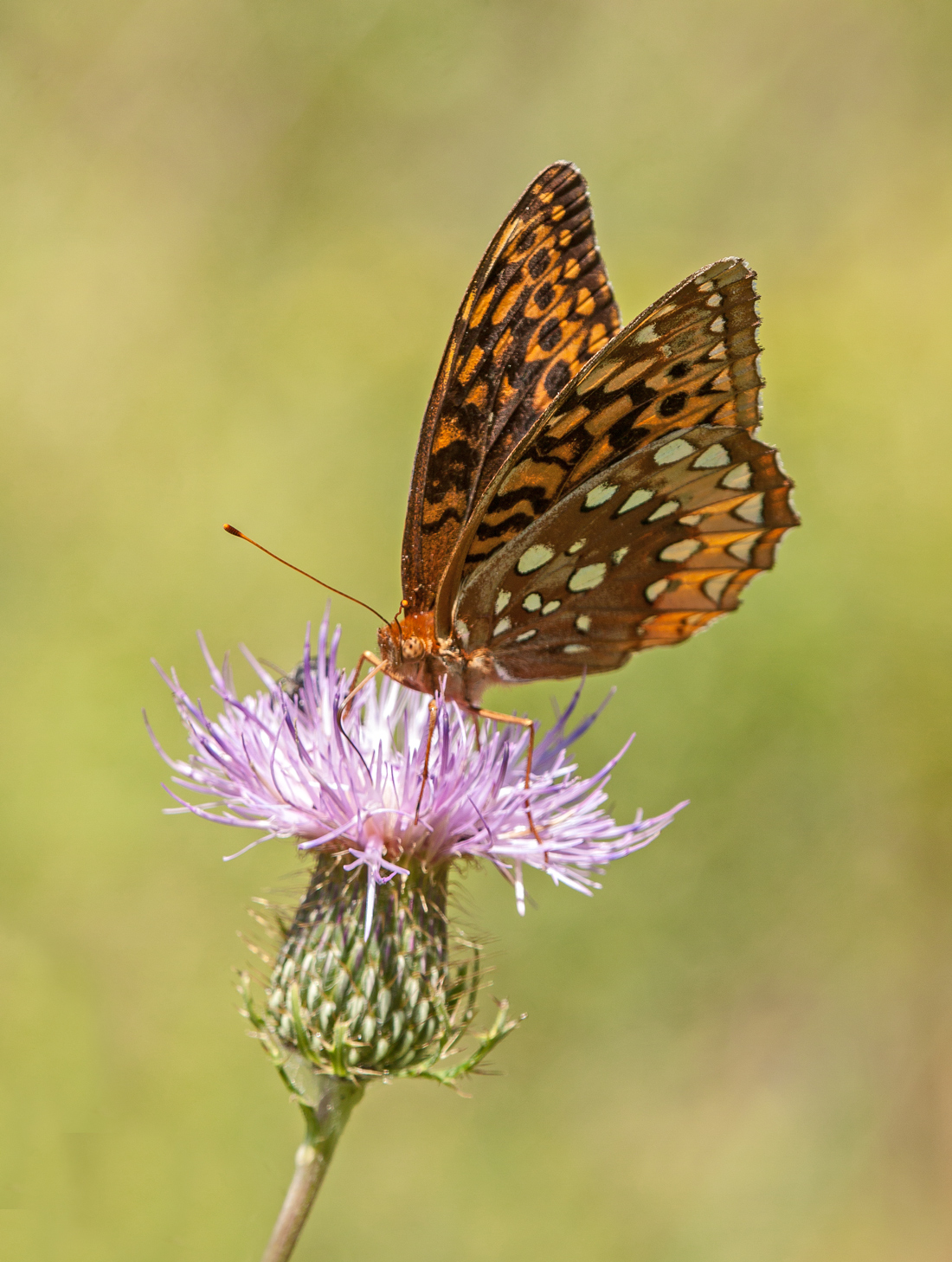
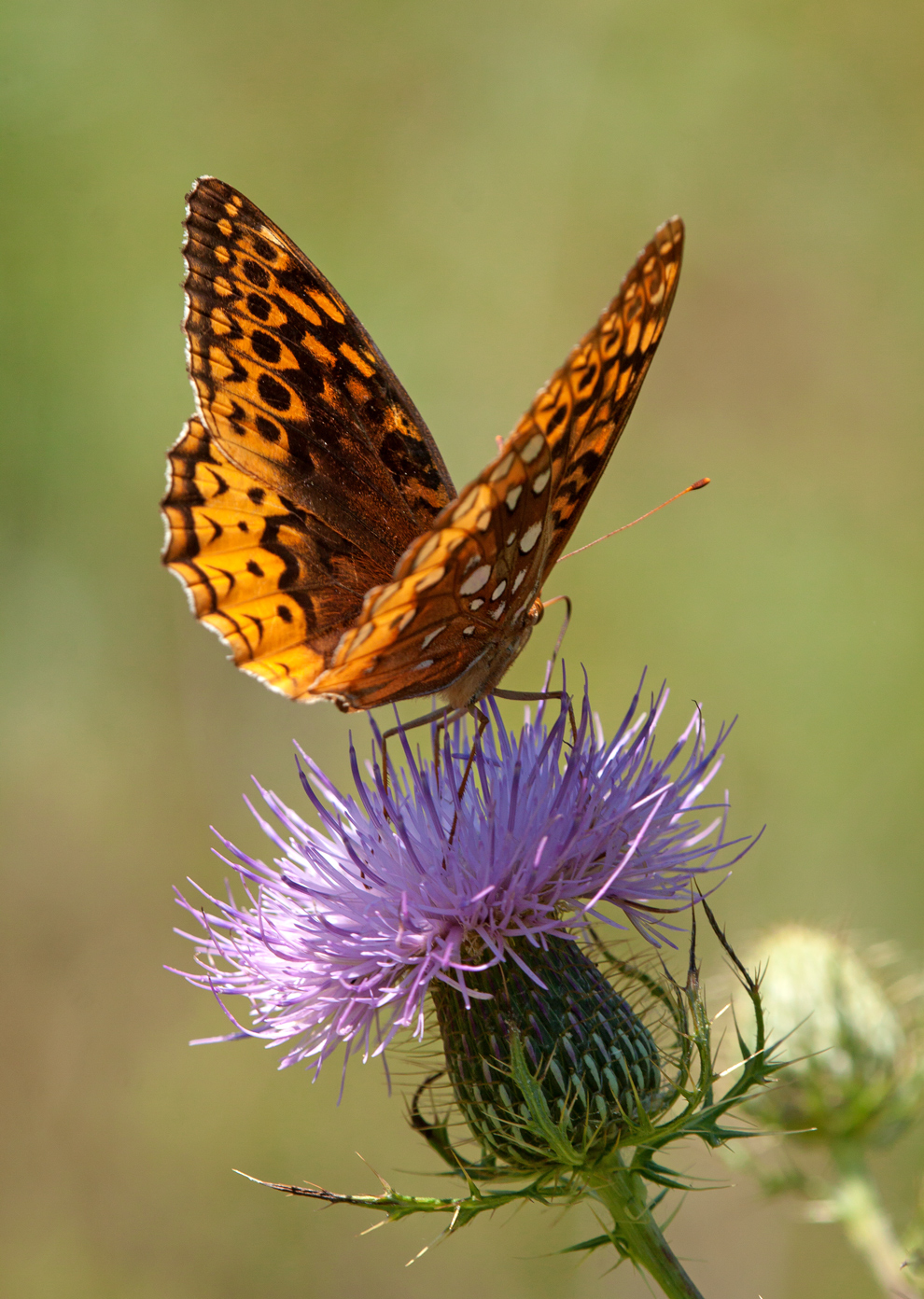
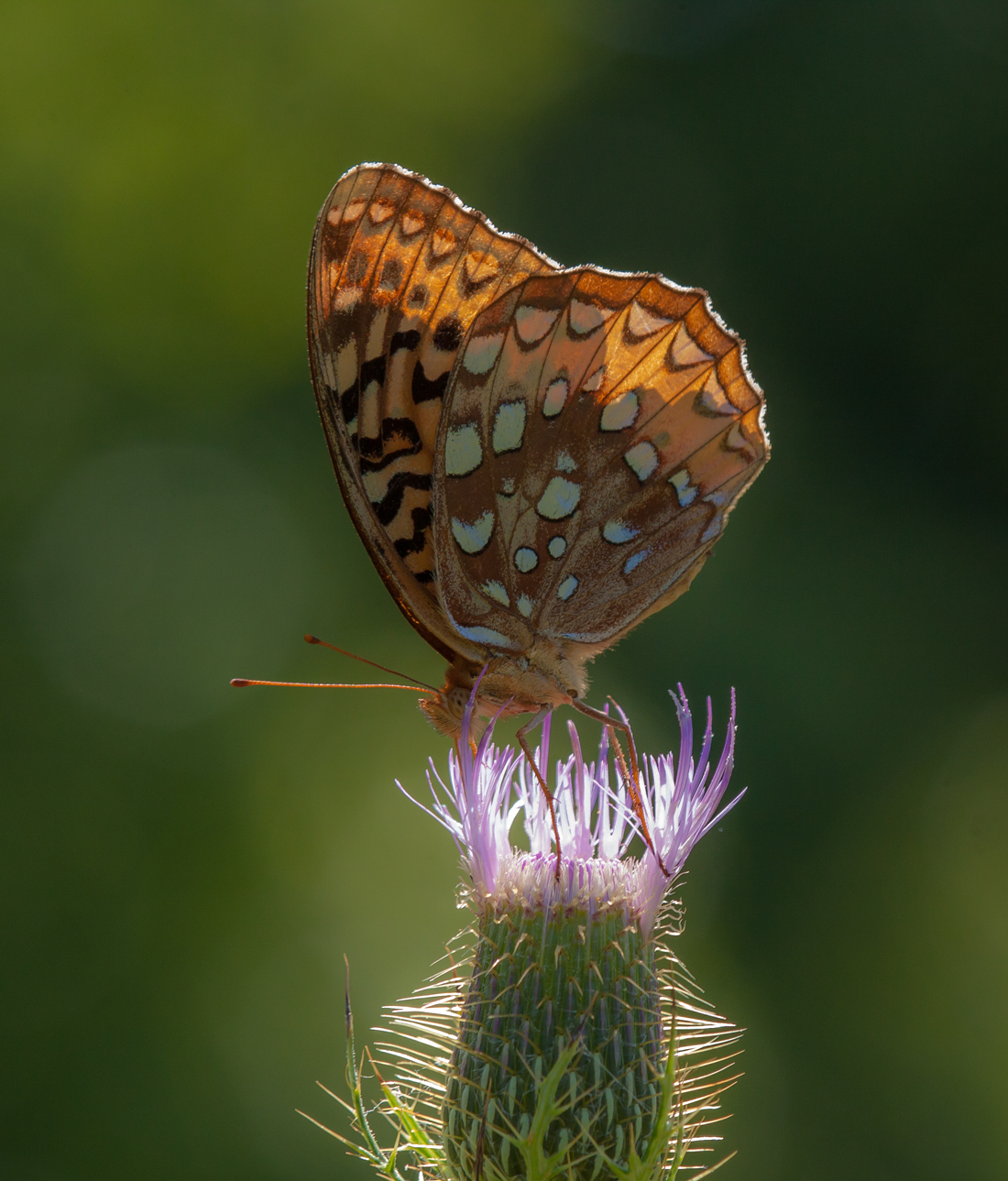
As I came out of the woods into a meadow at my local marshland park, I caught sight of some bright orange butterflies, which I could immediately identify as Great Spangled Fritillary butterflies (Speyeria cybele). The butterflies were concentrating their attention on a small cluster of plants which looked to be some kind of thistle.

I moved closer to get some shots, wading through the vegetation, which by this time of the summer is chest-high. I’ve already learned the hard way about the “joys” of chiggers and ticks, but I tossed my concerns to the side and boldly stepped forward. Fortunately for me, the butterflies were distracted with their feeding activity and did not fly away at my approach.

The sunlight was pretty strong and the look of the photo changed a lot as I circled around the butterflies, as you can see from the images below. I took a lot of shots, some of which I have not yet processed, but I was so happy with the images that I captured that I figured I better post some while it is still summer. Don’t be surprised if you see a few more images like this in the near future.

Great Spangled Fritillary

Great Spangled FritillaryGreat Spangled Fritillary

© Michael Q. Powell. All rights reserved.

Read Full Post »

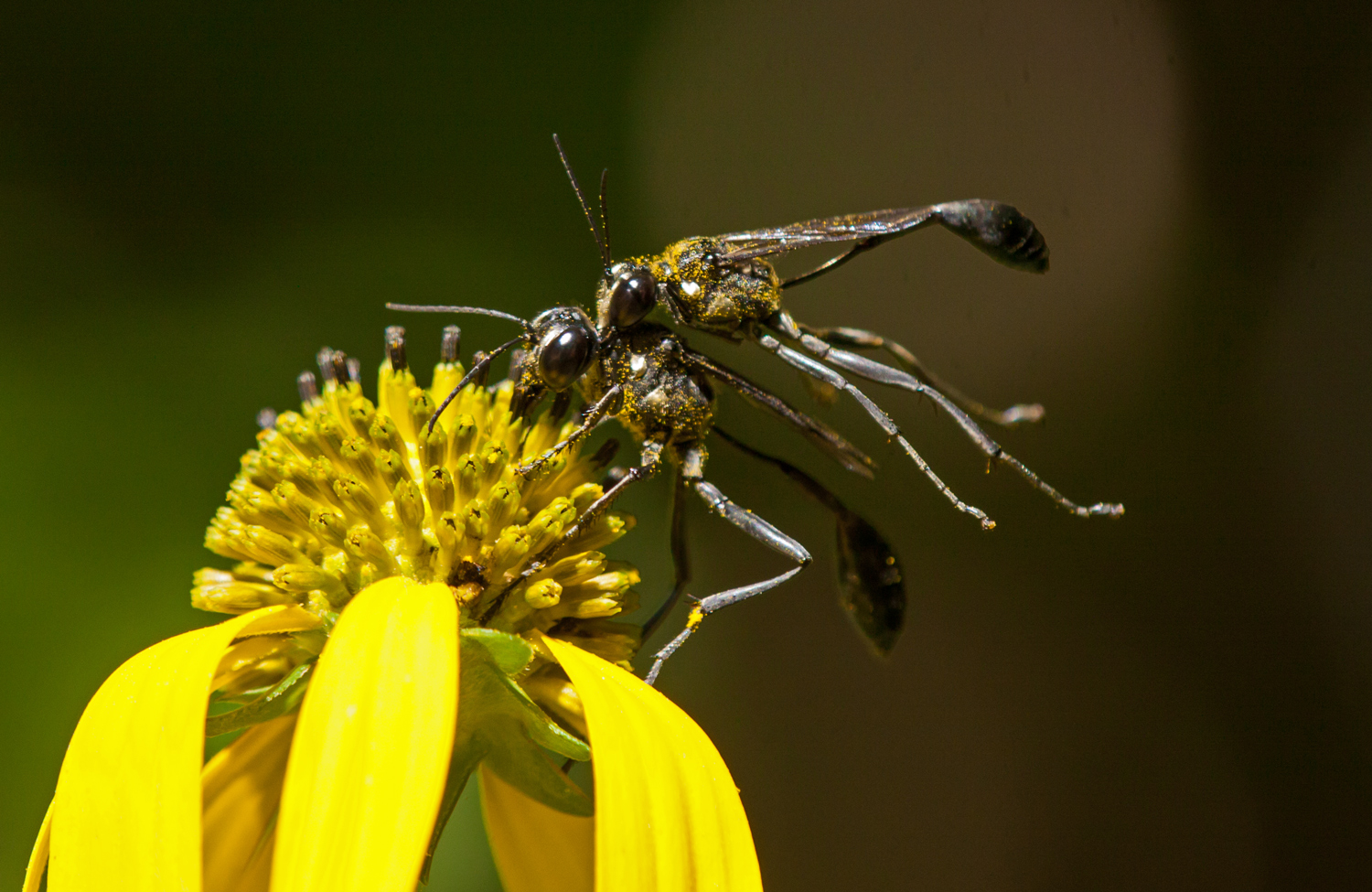
I don’t know much about the intimate life of wasps, but it sure looked to me like one of them is giving the other a loving nibble on the back of its neck. Both of them were covered in a lot of pollen, like they had just had a roll in the hay, figuratively speaking.

The two of them had flown to this flower in what appeared to be a mating position, though I can’t tell if the wasps are actually hooked up in this shot. My experience with dragonflies, however, has shown me that insects can mate in all kinds of unusual positions.

I am comfortable with moving in close for photos of bees, but I decided that in this case it was prudent to maintain a respectful distance from the wasps.

wasp kiss

© Michael Q. Powell. All rights reserved.

Read Full Post »

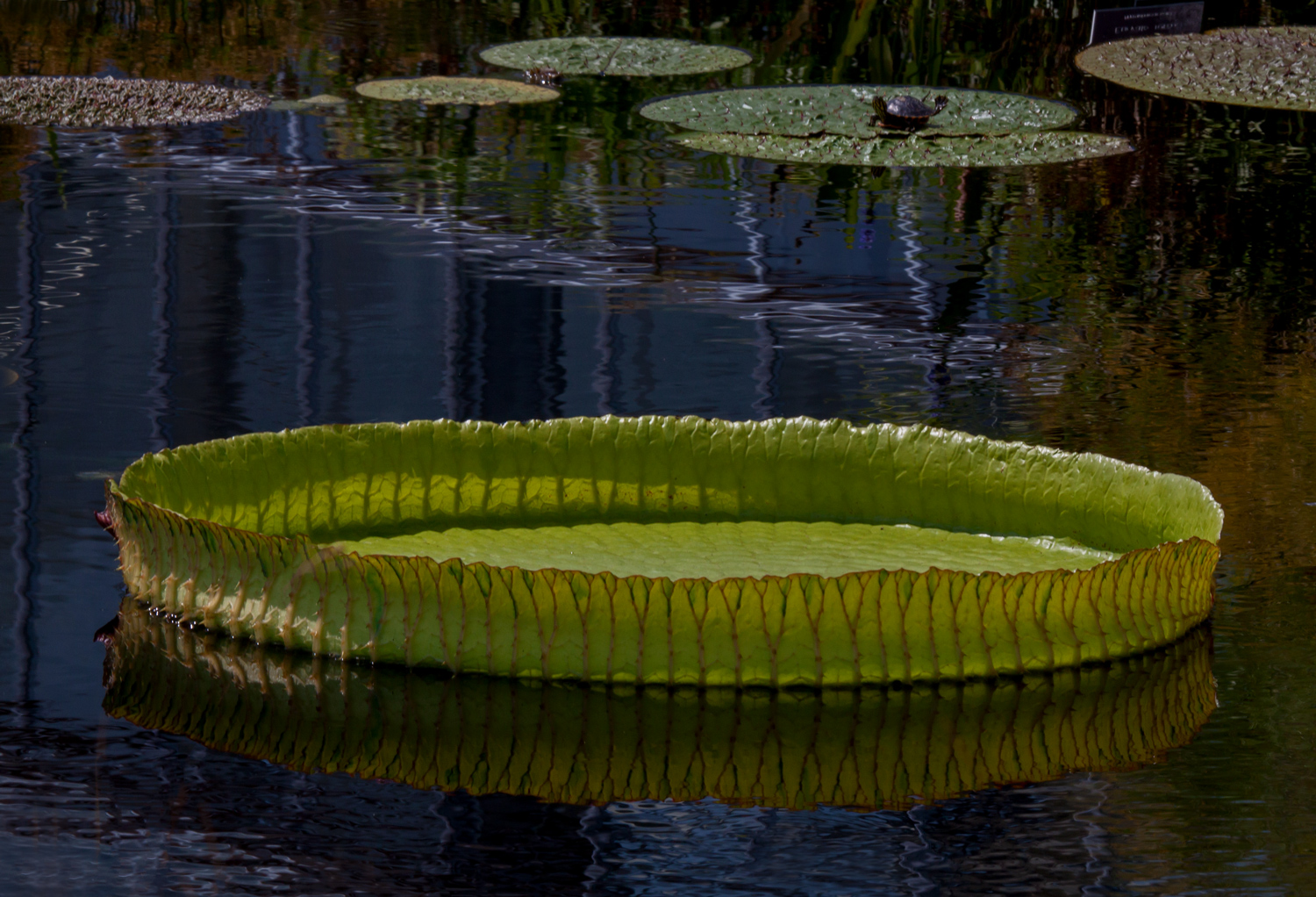
One of the highlights of last weekend’s trip with some friends to Lewis Ginter Botanical Garden in Richmond, Virginia was the giant lily pads outside of the glass-encased conservatory. I think they are from the Victoria genus of water lilies (possibly Victoria amazonica) which, according to Wikipedia, can grow to almost ten feet in diameter and support a weight of up to 70 pounds.

The turtle in the background was a bonus—I didn’t even realize that it was there until I looked at my images on my computer.

giant_lily1_blog

© Michael Q. Powell. All rights reserved.

Read Full Post »

The few Monarch butterflies (Danaus plexippus) that I observed earlier this season were all in gardens, so I was especially happy when I spotted one this past weekend in the wild, feeding on some Swamp Milkweed (Asclepias incarnata) at my local marsh.

The little patch of Swamp Milkweed was a pretty good distance away, so I had to use the long end of my 70-300mm zoom for these shots. It looks like many of the flowers of the milkweed had not yet opened, but the butterfly obviously found it to be attractive enough to stop for a moment.

Monarch Butterfly Huntley MeadowsMonarch Butterfly Swamp Milkweed

© Michael Q. Powell. All rights reserved.
Read Full Post »

I used to think that there were only one or two varieties of black-colored swallowtails, but as I learned there were more such species (some deliberating mimicking each other), I’d sometimes get confused and frustrated when trying to distinguish among them.

For example, I encountered this beautiful black swallowtail butterfly feeding on a Cardinal Flower (Lobelia cardinalis) this past weekend at my local marsh. It is definitely an unusual circumstance when I can identify a flower, but not the insect.

So, I asked myself, is this a female Eastern Tiger Swallowtail or a Pipevine Swallowtail or a Spicebush Swallowtail or a Black Swallowtail? How can you tell them apart, given they are all black and all have swallowtails?

While searching on the internet, I came across a wonderful blog posting on a site called Louisiana Naturalist that compared all four of these swallowtail species and pointed out clearly the distinguishing marks. Once I looked at the posting, it was pretty clear that “my” butterfly is a Spicebush Swallowtail (Papilio troilus). Why am I so confident? One of the identifying marks is the blue comet-like marking that interrupts the inner row of orange spots.

It’s interesting to see this butterfly feeding on the Cardinal Flower. The website of the Lady Bird Johnson Wildflower Center at the University of Texas states that the Cardinal Flower depends on hummingbirds for pollination, because most insects find its long tubular flowers difficult to navigate. I suspect that butterflies play a role in pollinating these plants, even if they are not as efficient as bees would be (or maybe even hummingbirds).

Spicebush Swallowtail

© Michael Q. Powell. All rights reserved.
Read Full Post »

« Newer Posts - Older Posts »