Feeds:
Posts
Comments

Archive for the ‘Autumn’ Category

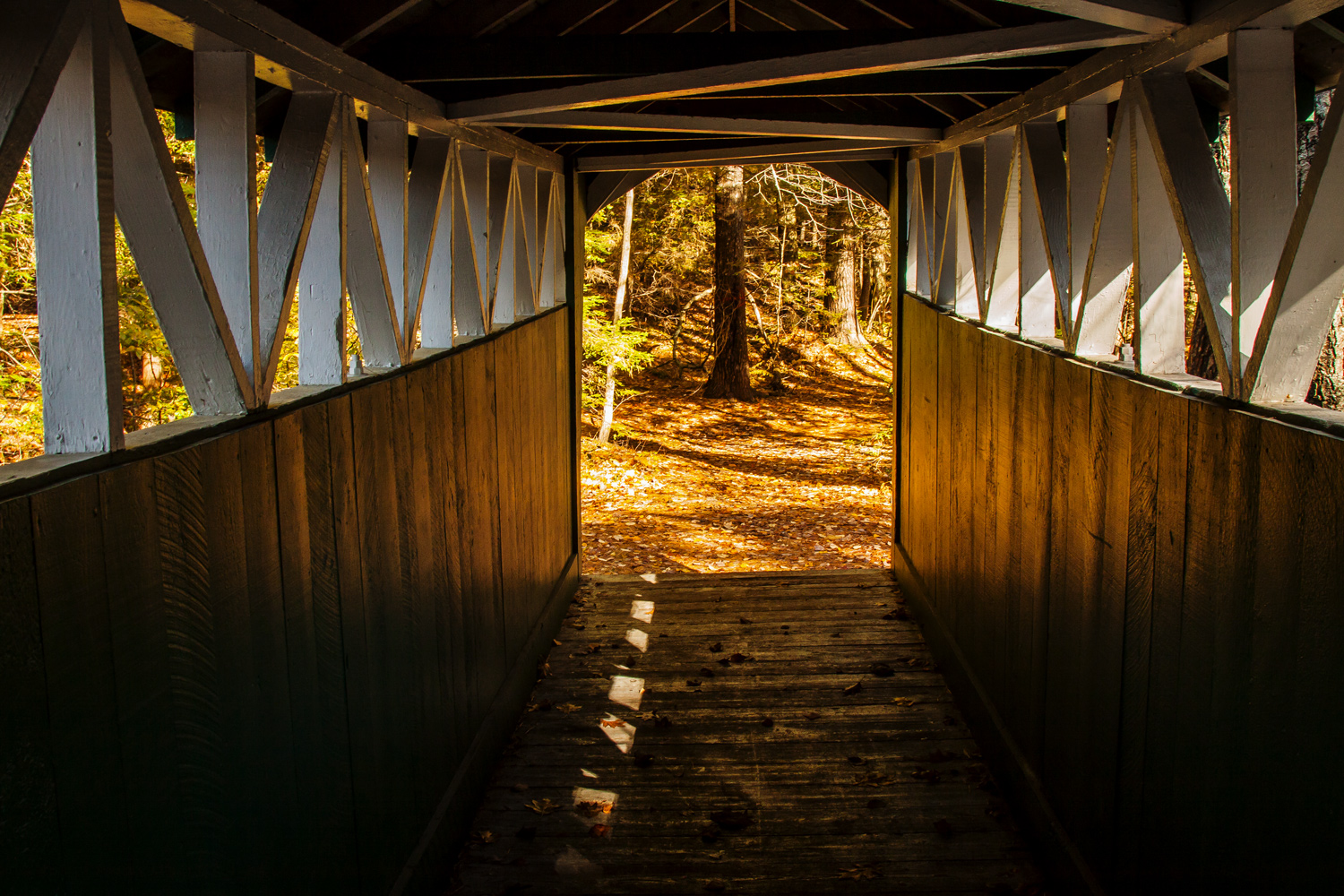
One of my favorite places in Ocean Park, Maine is a small covered bridge that leads into a grove of beautiful trees. The bride crosses a stream and is barely wide enough for two people to walk through side-by-side. It was dedicated in 1944 as a war memorial.

Ocean Park is a special place for my family. My parents went on their honeymoon there and eventually retired to the small community. Those of you who read this blog regularly know that I was recently in Maine. Unfortunately it was not for pleasure, but was in connection with what proved to be a fatal heart attack for one of my younger brothers.

The final image of these three is my favorite, because it serves as a kind of visual metaphor for me of the passing of my brother Patrick.

covered bridge

covered bridge

covered bridge

© Michael Q. Powell. All rights reserved.

Read Full Post »

The sky was mostly clouded over as I made my way toward the beach in the early morning, but the dawn’s early light helped me to see the wooden pathway through the dune grass at Old Orchard Beach in Maine. Although I couldn’t see the sun itself, a reddish glow was reflected on the clouds and sometimes onto the water.

It was a fun challenge to try to capture the beautiful light in different ways, from the very realistic to the almost abstract.

dawn's early light

dawn's early light

dawn;s early light


© Michael Q. Powell. All rights reserved.

Read Full Post »

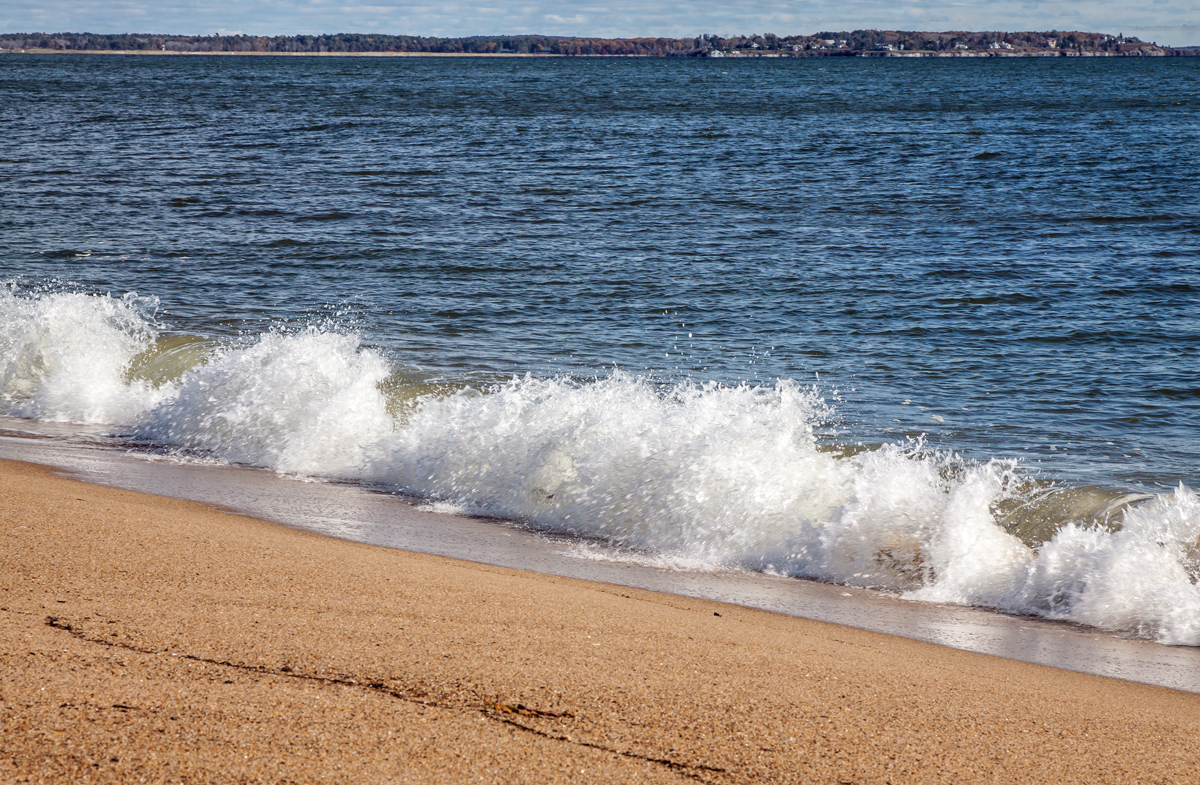
I don’t often shoot landscapes (or seascapes), but the beauty of the ocean and the waves crashing on the shore inspired me to give it a shot. Normally I take photos with a macro lens or a telephoto zoom, but I was fortunate to have brought along a 24-105mm lens. Here are a few favorite images that I captured yesterday at Old Orchard Beach, Maine.

Old Orchard Beach

Old Orchard Beach

© Michael Q. Powell. All rights reserved.

Read Full Post »

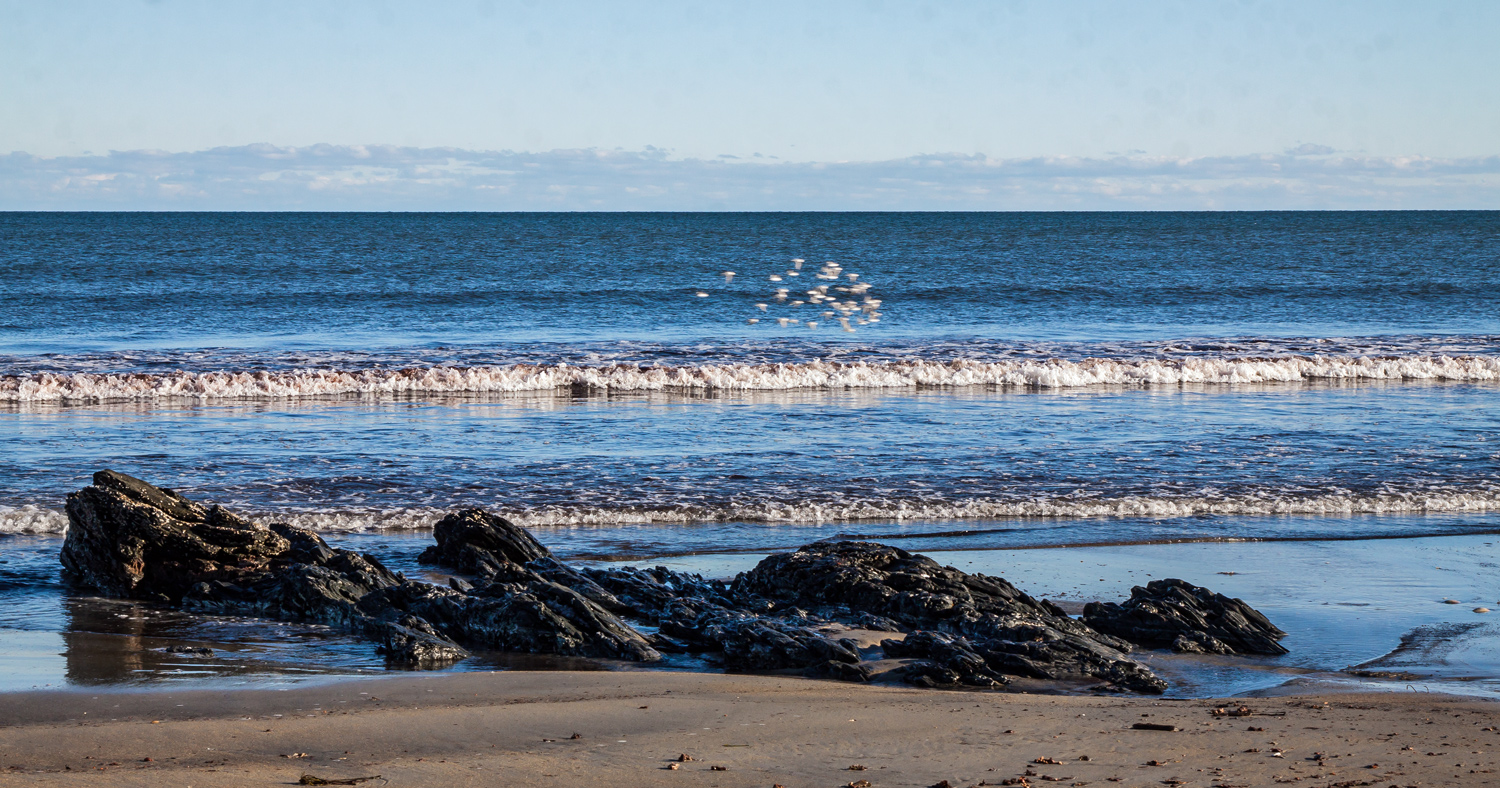
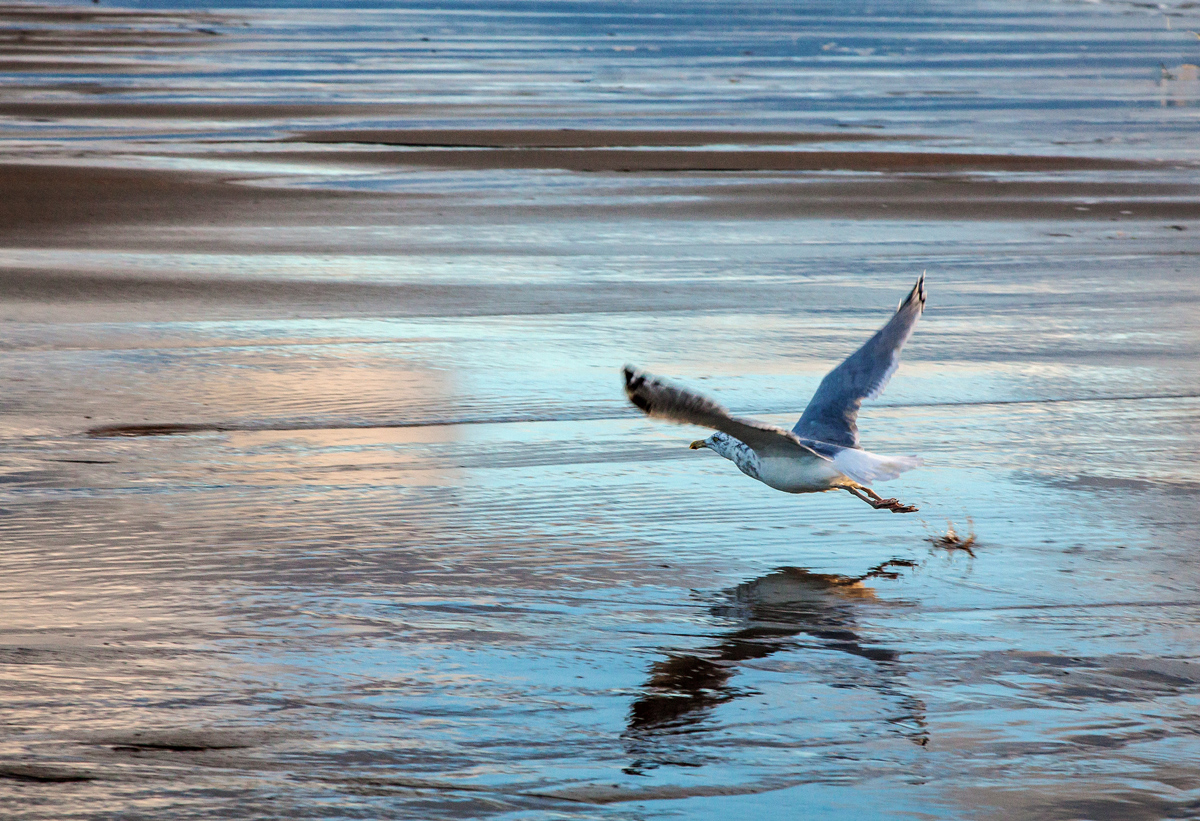
A walk along the beach early Halloween morning in Ocean Park, Maine helped to refresh my mind, my body, and my spirit. I had made a quick trip to Maine for a family emergency and was feeling really stressed. The peace and power of the ocean had an amazing therapeutic effect on me.

The tourists are now almost gone from this vacation area south of Portland and the beach was mostly deserted except for me, some shore birds and an occasional dog walker.

gull at dawn

shorebirds at dawn

© Michael Q. Powell. All rights reserved.

Read Full Post »

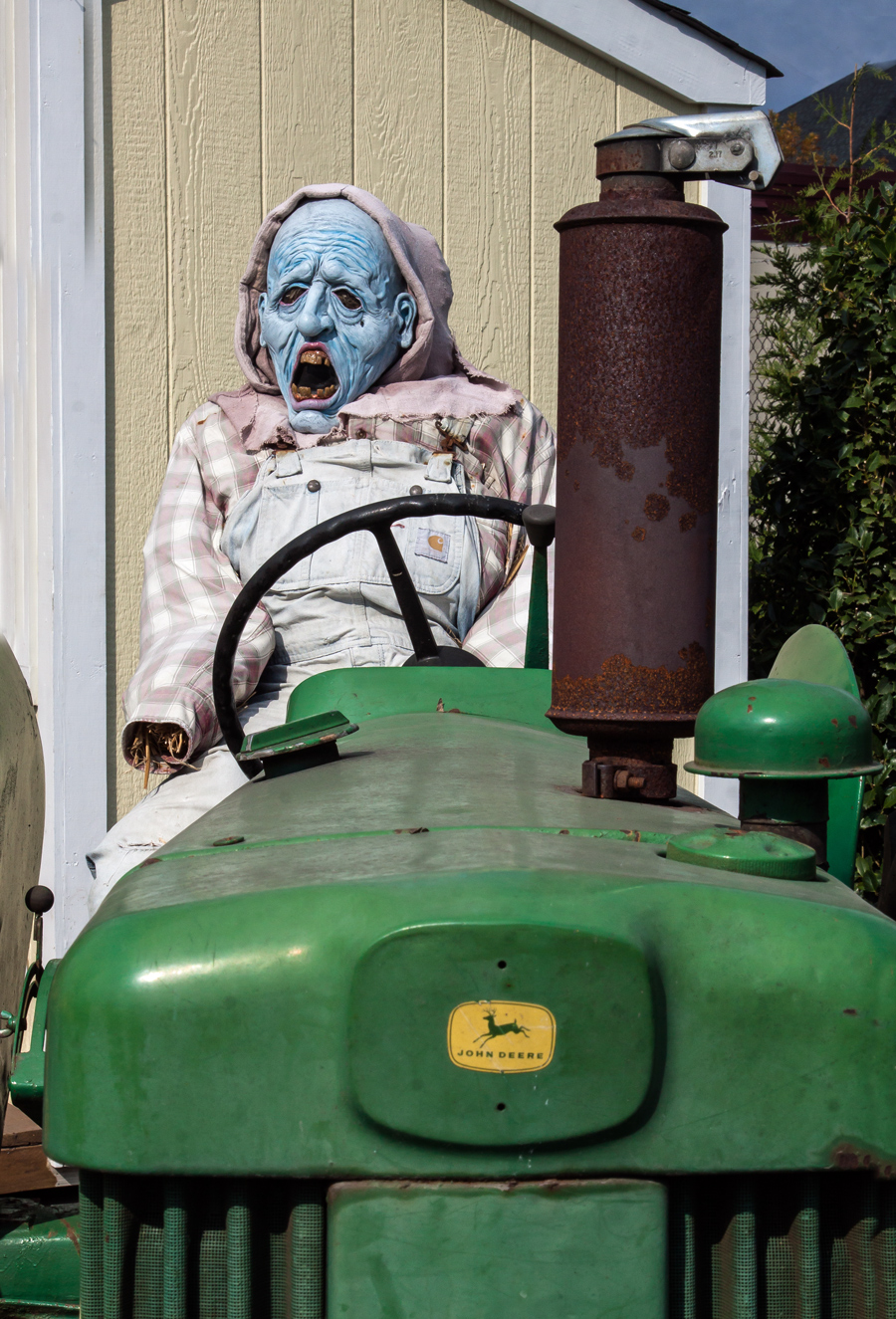
I grew up in the suburbs and have never lived in the country, but somehow I love the beauty of old tractors. During my recent visit to a local produce center that I have featured the last few day, my eyes were inexorably drawn to the a green tractor and its ghoulish driver. Oh, Deere. The scene was staged at the edge of the property, so it was hard to get a shot that did not include barbed wire and chain link fence.  Here are a few shots from different angles to give you an overall view (yes, the driver is wearing overalls)  as well as a wide-angle view.

Happy Halloween!

Halloween tractor


Halloween tractor


Halloween tractor

© Michael Q. Powell. All rights reserved.

Read Full Post »

Some very creative people must work at the local pumpkin patch at Nalls Produce Center in Alexandria, Virginia. As I wandered about, I encountered numerous mini-scenes celebrating farm life and/or Halloween.

One of my favorites featured a crazed–looking cat in overalls conversing with a cow. I also really liked the jack-o-lantern made with all natural materials. I can’t recall ever before seeing a jack-o-lantern with hair.

Halloween

Halloween

© Michael Q. Powell. All rights reserved.

Read Full Post »

I love the way that the folks at Nalls Produce Center chose to display their wide variety of autumn produce—it is almost like a work of art. It was a challenge to photograph the wall of produce and I never did get the angles quite right. so all my photos were crooked to one degree or another. I thought about trying to photograph individual boxes, but decided to photograph them in multiples of varying numbers.

As I look overt the images I continue to marvel at the differences in size, shape, color, and texture of the fruits and vegetables on display.

autumn produce

autumn produce

autumn produce

© Michael Q. Powell. All rights reserved.

Read Full Post »

Nothing quite says autumn like a visit to a pumpkin patch. In this case it was a brief excursion to Nalls Produce Center, a nearby establishment that has an amazing assortment of produce and plants. Normally I think of pumpkins as being orange and there are plenty of orange pumpkins there of all shapes and sizes. They also have an incredible variety of pumpkins of different colors, including the multi-colored ones in the final photo. They are known by a number of different names including Turk’s Turban and Mexican Hat.

pumpkin patch

pumpkin patch

pumpkins4_blog

Mexican Hat pumpkin

© Michael Q. Powell. All rights reserved.

Read Full Post »

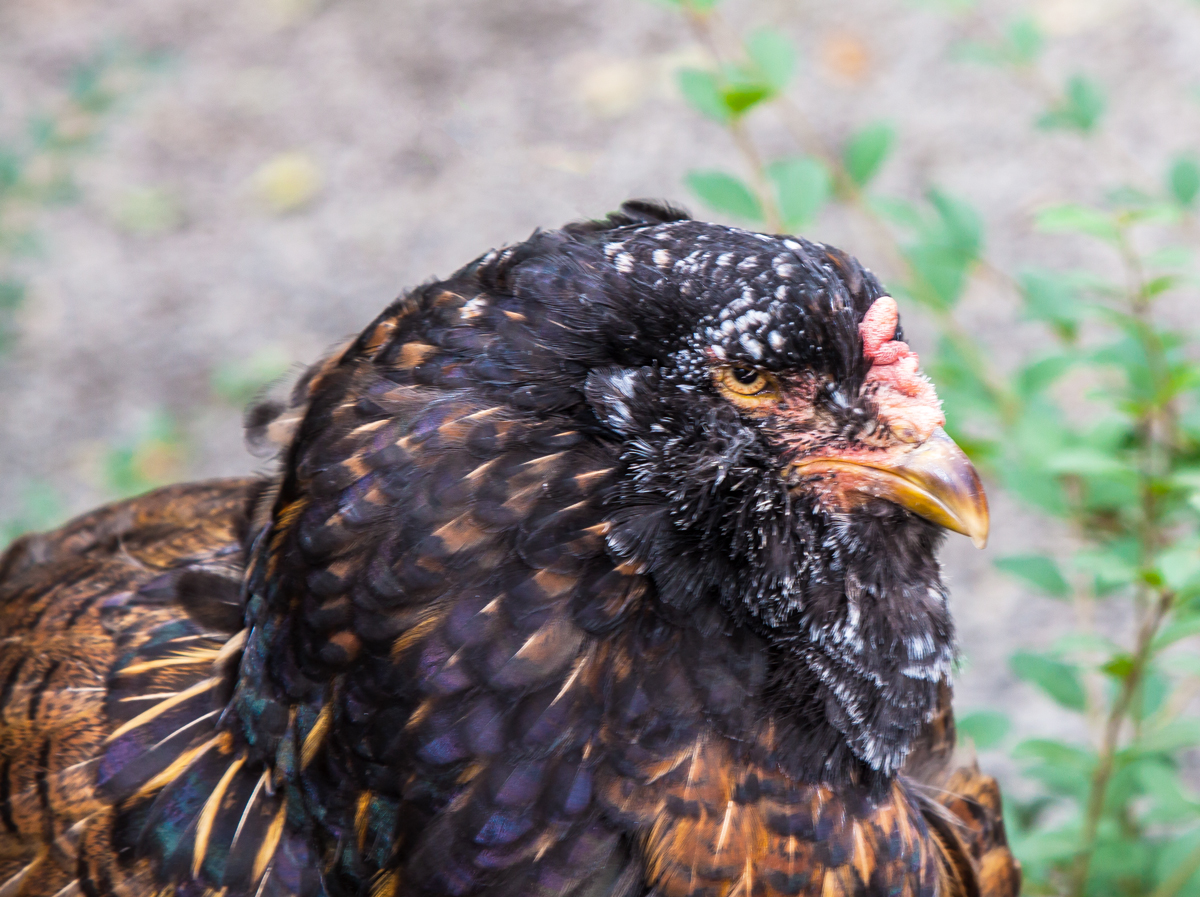
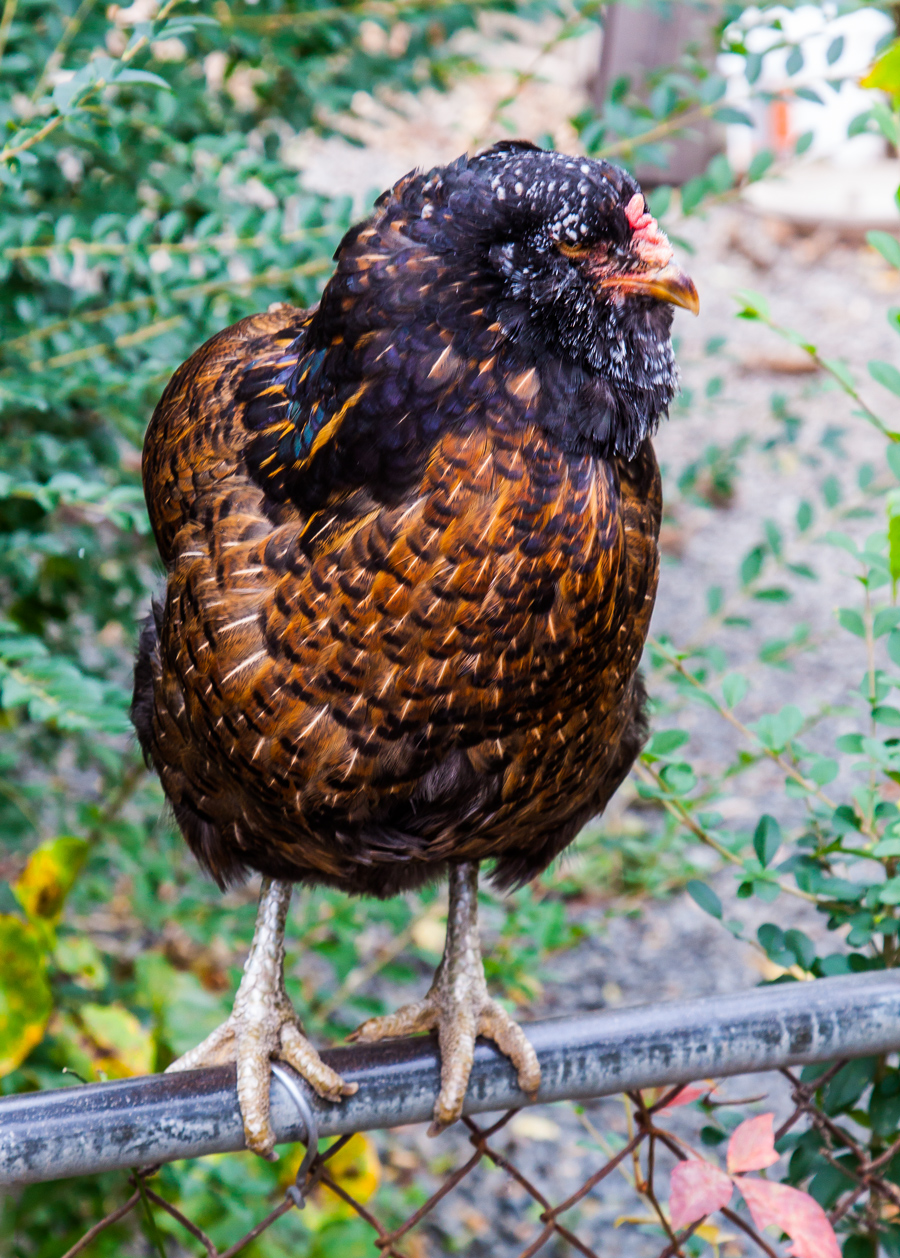
I grew up in the suburbs and don’t know much about domestic fowl, but it seems to me that this colorful bird must be some kind of funky chicken. I love the colors and the patterns in the feathers of this chicken.

I spotted this chicken during a visit to Nalls Produce Center, a wonderful location in our area to see all kinds of colorful produce and plant. While there, I also took some shots of pumpkins that I will probably feature in a posting later this week.

funky chicken

funky chicken

© Michael Q. Powell. All rights reserved.

Read Full Post »

How do you capture the beauty of autumn? If you live in a location where there are broad expanses of trees full of brightly colored leaves, it would be pretty easy, I think. In Northern Virginia where I live, the colors tend to be muted and isolated. There are patches of colors here and there, but it seems like many of the leaves go straight from green to brown.

On some recent trips to Huntley Meadows Park, my favorite shooting location, I tried to capture some glimpses of the changing season using my telephoto zoom lens. The colors and patterns of the fall foliage turned into abstract patterns when viewed through a telephoto lens.

Here are some of my favorite shots as I focused in on the autumn foliage. I am also including a final image that attempts to capture the feeling of walking down a trail in the crisp morning air with fallen leaves crunching underfoot.

fall foliage

fall foliage

fall foliage

fall foliage

fall foliage

autumn trail

© Michael Q. Powell. All rights reserved.

Read Full Post »

Periodically I’d catch a glimpse of a warbler in the trees of Huntley Meadows Park last Friday, but they mostly remained hidden deep within the branches. This Yellow-rumped Warbler (Setophaga coronata), however, ventured out of the shadows just enough that I was able to get this long-distance shot of it.

Yellow-rumped Warbler

© Michael Q. Powell. All rights reserved.

Read Full Post »

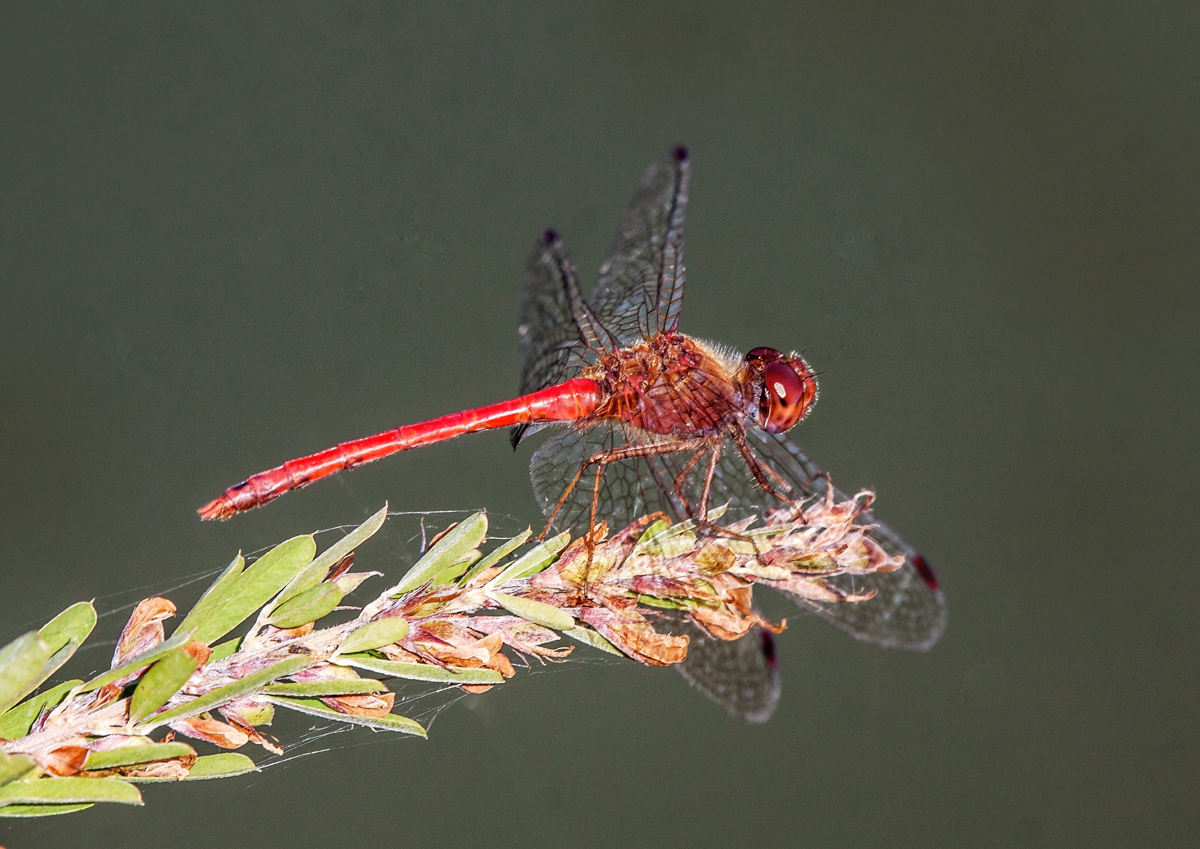
I am not about to make a sign proclaiming that “The End is Near,” but I couldn’t help feeling a slight sense of impending doom when I spotted an Autumn Meadowhawk dragonfly (Sympetrum vicinum) this past weekend. In our area, Autumn Meadowhawks are the ultimate survivors of the dragonfly season and they can usually be found well into December and occasionally into January.

This pretty red and brown dragonfly is a harbinger of doom—inexorably  winter is approaching and dragonflies will eventually cease to fly until the spring.  For now, though, I’ll continue to search for these spectacular aerial acrobats and enjoy their beauty and skill when I am lucky enough to find one.

Autumn Meadowhawk

© Michael Q. Powell. All rights reserved.

Read Full Post »

Yesterday I spotted this beautiful Double-crested Cormorant (Phalacrocorax auritus) in the vegetation along the shore of the Potomac River as I explored Dyke Marsh Wildlife Preserve in Alexandria, Virginia. Although “heavy-boned” is a euphemism sometimes used for large people, it is literally true for cormorants and is one of the reasons why they ride so low in the water. Additionally, their feathers don’t shed water like those of ducks and can get waterlogged, which makes it easier to dive deeper, but requires them to dry them out periodically.

I hoped to catch a cormorant with its wings extended for drying, but none of the cormorants I saw were accommodating in that regard yesterday. I’m no psychic, but I foresee a return trip to that area in the near future.

Double-crested Cormorant

© Michael Q. Powell. All rights reserved.

Read Full Post »

I am not sure if it is the cooler autumn weather or the impending winter, but all of the sudden the trees are alive with the sounds of woodpeckers. I can hear them pecking away  and calling out to each other high in the trees. Unfortunately there are still a lot of leaves on the trees, making it hard to spot these busy birds.

On Friday at Huntley Meadows Park, I did manage to get a clear view of a beautiful little Red-bellied Woodpecker (Melanerpes carolinus) feverishly  foraging in a tree. Suddenly the woodpecker turned its head in my direction as though it wanted to proudly show me the bright red fruit that it had discovered.  With the fruit firmly in its bill and a slight smile on its face, the woodpecker flew away, perhaps to cache its find for another day.

Red-bellied Woodpecker

Red-bellied Woodpecker

Red-bellied Woodpecker

© Michael Q. Powell. All rights reserved.

Read Full Post »

Bluebirds are often considered to be a symbol of happiness and I was definitely happy to spot this beautiful Eastern Bluebird (Sialia sialis) yesterday at Huntley Meadows Park. I saw bluebirds a number of times during my walk around the park on a sunny autumn day, but this was one of the only ones that was within range of my camera.

Eastern Bluebird

© Michael Q. Powell. All rights reserved.

Read Full Post »

Many dragonflies are very skittish and will fly away as you get close. Blue-faced Meadowhawks (Sympetrum ambiguum), however, appear to be unusually inquisitive, like this one that perched on my knee Monday at Huntley Meadows Park as I was trying to photograph another dragonfly.

He seemed to want to check me out at close range and I returned the favor.

Blue-faced Meadowhawk

© Michael Q. Powell. All rights reserved.

Read Full Post »

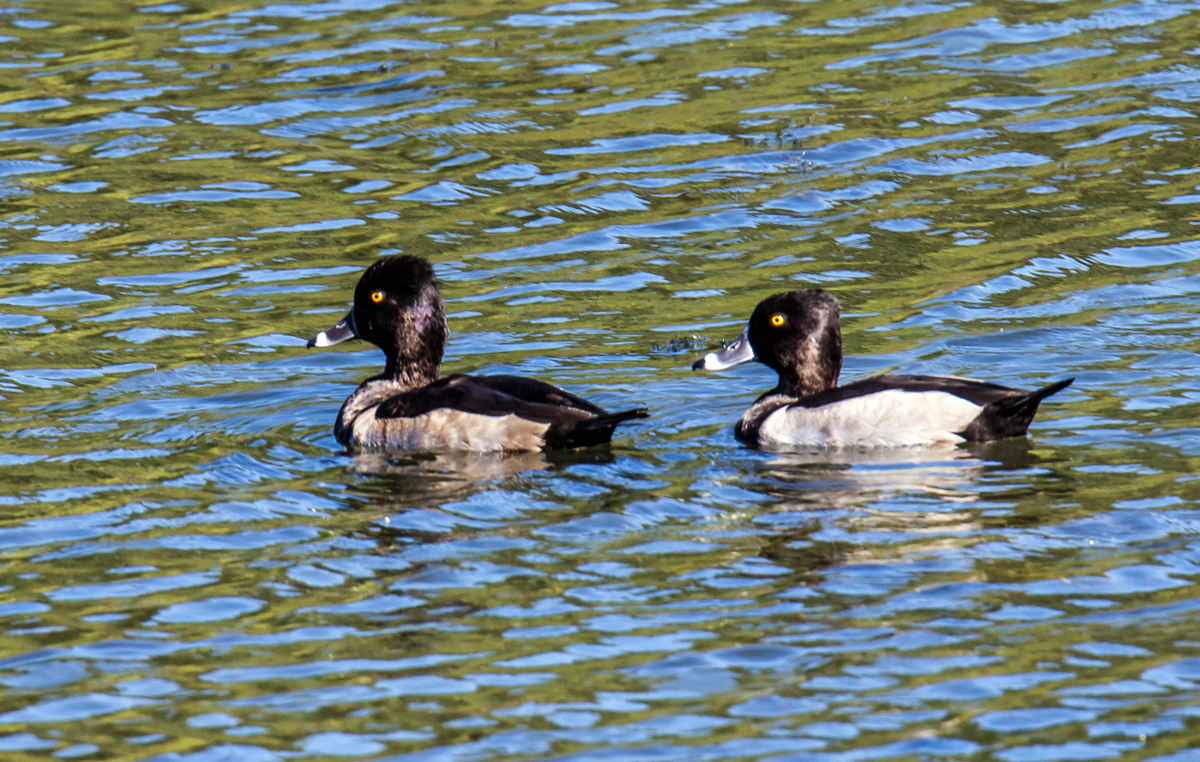
As we move deeper into fall we will be seeing more and more migrating birds in Northern Virginia, where I live . Some will just be passing through the area, but others will probably overwinter here, like these Ring-necked ducks (Aythya collaris) that I spotted yesterday at a small suburban pond less than a mile from my townhouse.

Unlike most of the ducks that I see, Ring-necked ducks are diving ducks, not dabbling ducks. As a consequence, they spend most of the time in the middle of the pond, making them a bit tough to photograph. Fortunately the sun was shining brightly yesterday, so that I was able to capture the ducks’ golden eyes even when shooting at a distance.

Ring-necked duck


© Michael Q. Powell. All rights reserved.

Read Full Post »

The beautiful orange and brown colors of this Eastern Comma butterfly (Polygonia comma) that I recently spotted at Huntley Meadows Park make it a perfect symbol of this autumn season. This species seems to like to perch on trees, sometimes facing downward, as was the case this time.

Not long ago I did a posting that featured a Question Mark butterflya species that closely resembles this one, but the relatively clear white marking on the hind wing make me think this is an Eastern Comma butterfly. My recent record in correctly identifying butterflies has not been great, however, so I welcome a correction if my identification is incorrect.

It is not immediately apparent from this image, but Eastern Comma butterflies blend in really well with the bark of the trees. The sun was shining through the wings from behind, making the orange color of the inner wings much more prominent than usual, allowing us to see both the colors and the shape of this beautiful butterfly.

Eastern Comma

© Michael Q. Powell. All rights reserved.

Read Full Post »

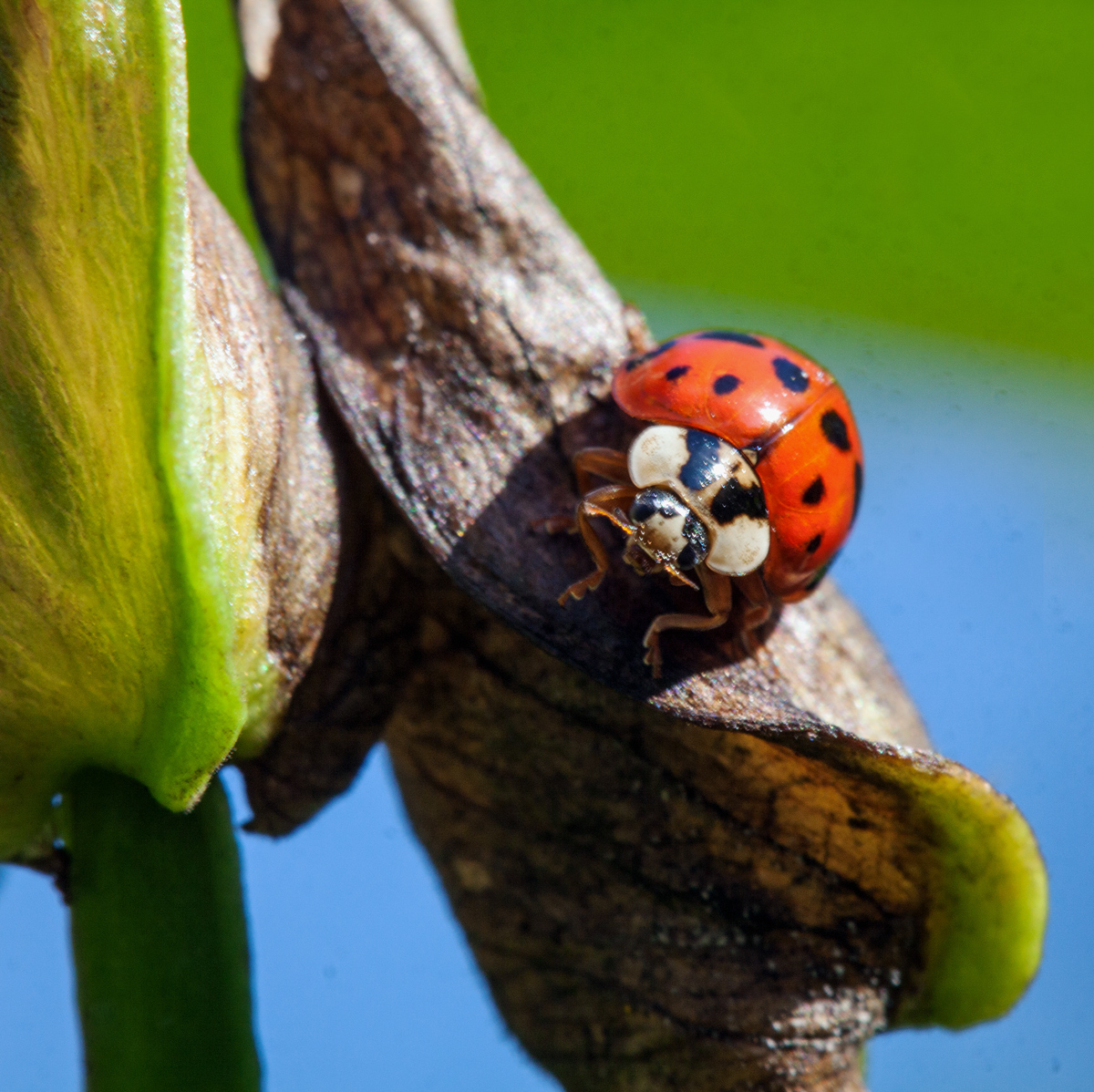
I love ladybugs but don’t see them very often.  I was therefore pretty happy on Monday when I spotted this one crawling around in the vegetation at Jackson Miles Abbott Wetlands Refuge. So often a ladybug will keep its head so close to the vegetation that it’s hard to see it, but this one cooperated by raising its head, almost like it was posing for me.

ladybug

© Michael Q. Powell. All rights reserved.

Read Full Post »

There are a lot of fallen leaves scattered all about my neighborhood and at first I thought this butterfly was merely one of them. Then it opened its wings, revealing its inner beauty. Wow!

I am pretty sure this is a Question Mark butterfly (Polygonia interrogationis), though there is also a chance that it might be an Eastern Comma butterfly (Polygonia comma). Yes, there are butterflies named after punctuation marks.

How do you tell them apart? Well. there is a little white marking on the wings and if it has a single part, it’s a comma, and if it has two parts, it’s a question mark. My challenge in this case was that the marking was not very distinctive. I looked through a lot of material and photos on the internet and the wing shape and coloration started to push me toward the Question Mark, but I still had questions. I came across a posting by TrekOhio.com that illustrated the differences in the spots on the inner wings and I convinced myself the spots in the second photo look like those of a Question Mark.

Whatever the case, the butterfly’s resemblance to a fallen leaf and its beautiful orange color are reminders to me that autumn is surely here, my favorite time of the year.

Question Mark butterfly

Question Mark butterfly

© Michael Q. Powell. All rights reserved.

Read Full Post »

The leaves are speckled with blemishes and the Red-spotted Purple butterfly (Limenitis arthemis) is faded and tattered, but there is real beauty in the imperfection of autumn. Photographed this past weekend at Jackson Miles Abbott Wetlands Refuge in Fort Belvoir, Virginia.

Red-spotted Purple

© Michael Q. Powell. All rights reserved.

Read Full Post »

Water levels are pretty low in some areas of the wetlands at my favorite marshland park, providing a perfect habitat for some visiting shore birds. On Friday at Huntley Meadows Park I spotted a number of tiny shore birds including this one that I am pretty sure is a Semipalmated Plover (Charadrius semipalmatus).

Semipalmated Plover

© Michael Q. Powell. All rights reserved.

Read Full Post »

On Friday I had a close encounter with one of my favorite dragonflies, a spectacular Blue-faced Meadowhawk (Sympetrum ambiguum). This species is a sign for me each year of the arrival of autumn and I eagerly await its appearance. I find the blue eyes to be mesmerizing and simply love the way that they contrast with the bold red color of its body.

I could go on and on about the beauty of this dragonfly until I too was blue in the face, but I will simply let you enjoy a glimpse of its beauty.

Blue-faced Meadowhawk

© Michael Q. Powell. All rights reserved


Read Full Post »

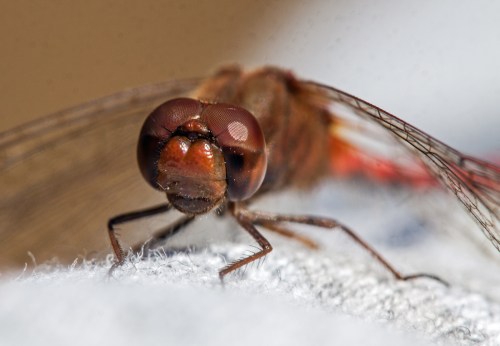
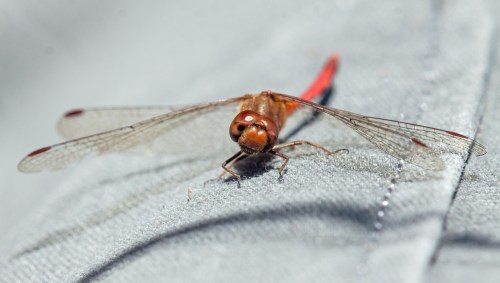
Autumn Meadowhawk dragonflies, the sole survivors at this time of the year, are very friendly and it’s not unusual for them to perch on you. It took some contortions, but I managed to get these shots recently of an Autumn Meadowhawk (Sympetrum vicinum) perched on my arm and my leg.

The first shot, in which the dragonfly was perched on my arm between my elbow and my wrist,  was particularly challenging, because I had to shoot it one-handed. My Canon 50D and Tamron 180mm macro lens together weigh close to 4 pounds (1800 grams), so it was a little tough to hold steady. Additionally, the lens has a minimum focusing distance of 18 inches (470 mm), so I had to slowly stretch out the arm to gain the needed distance for the shot. By comparison, the second shot, in which the dragonfly was on my leg, was easier to shoot and I was able to capture the dragonfly’s entire body.

With a little luck, I’ll continue to see these pretty little dragonflies for a few more weeks, and then I’ll turn my attention to birds (and hopefully the occasional mammal).

Autumn Meadowhawk

Autumn Meadowhawk

© Michael Q. Powell. All rights reserved.

Read Full Post »

Some folks might be surprised to learn that I continue to spot dragonflies, despite the cooler weather of late November. Autumn Meadowhawks (Sympetrum vicinum) are a particularly hardy species and in past years I have observed these tiny red beauties into December.

One of the challenges for the Autumn Meadowhawks is to warm up and I have noticed that they sometimes like to perch on one particular sign at Huntley Meadows Park, the county-run marshland park where I take many of my photos. The sign is angled to make it easier for viewers to read, making it perfect for a basking dragonfly.

In this image I was able to capture a favorite portion of the text on that sign and a cooperative Autumn Meadowhawk added a useful accent to the message. The last sentence sums up pretty well my view of nature and my aspiration during my visits to walk lightly.

walk lightly

© Michael Q. Powell. All rights reserved.

Read Full Post »

I’m still making my way through my photos from my recent encounter with a Red Fox (Vulpes vulpes), trying to decide which ones I like most. What an unexpected pleasure it is to have so many shots from which to choose.

I am so thankful and feel blessed that I had the chance to observe the fox in the wild for a relatively extended period of time. For more info on the encounter, check out my initial posting Fox at water’s edge.

Here are a couple more of my initial favorite images from the shoot. Stay tuned for another possible posting if I decide that I simply have to share a few more images.

Red Fox

Red Fox

© Michael Q. Powell. All rights reserved.

Read Full Post »

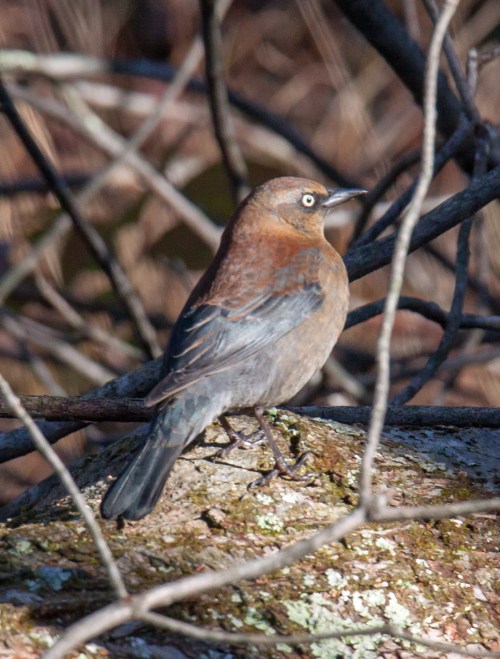
On Friday I spotted a very small flock of what I think are Rusty Blackbirds at Huntley Meadows Park. Unlike the much more common Red-winged Blackbirds (Agelaius phoeniceus), Rusty Blackbirds (Euphagus carolinus) like to forage in shallow pools of water at the edge of the woods, so they are often in the shadows

According to the Cornell Lab of Ornithology, the Rusty Blackbird is one of North America’s most rapidly declining species of birds. “The population has plunged an estimated 85-99 percent over the past forty years and scientists are completely puzzled as to what is the cause.”

At this non-breeding time of the year, the male and the female have similar coloration, with the male having a darker head and breast. I may have captured a male in the first photo and a female in the second or they may both be females, with the differences caused by changed lighting in the two images.

Rusty Blackbird

Rusty Blackbird

© Michael Q. Powell. All rights reserved.


Read Full Post »

I am not particularly fond of mosquitoes and flies landing on me, but I love it when a colorful dragonfly chooses to do so. Autumn Meadowhawks are especially friendly in this regard and my friend Walter Sanford captured some fun images of these little red beauties that had landed on different parts of his body (and even included a few photos I took of him with his little friends). Check out his posting!

waltersanford's avatarwalter sanford's photoblog

The Autumn Meadowhawk dragonflies (Sympetrum vicinum) were especially “friendly” during a recent visit to Huntley Meadows Park, landing on me frequently as Michael Powell and I were searching for Great Spreadwing damselflies (Archilestes grandis).

My Photos

The following individual is a male, perching on the leg of my Columbia convertible pants. Regular readers of my photoblog know I’m especially fond of head-tilts in which the dragonfly seems to display some of its personality. Like this guy, who I imagine is thinking “What are you looking at? That’s right pal, I’m perching on your pants!”

An Autumn Meadowhawk dragonfly (Sympetrum vicinum) spotted at Huntley Meadows Park, Fairfax County, Virginia USA. This individual is a male, perching on my leg (Columbia pants). 11 NOV 2015 | Huntley Meadows Park | Autumn Meadowhawk (male)

The next photo shows two individuals perching on my pants, both females, as indicated by their coloration and terminal appendages.

Two Autumn Meadowhawk dragonflies (Sympetrum vicinum) spotted at Huntley Meadows Park, Fairfax County, Virginia USA. These individuals are females, perching on my leg (Columbia pants). 11 NOV 2015 | Huntley Meadows Park | Autumn Meadowhawk (male)

The last individual is another female. I shot this photo…

View original post 279 more words

Read Full Post »

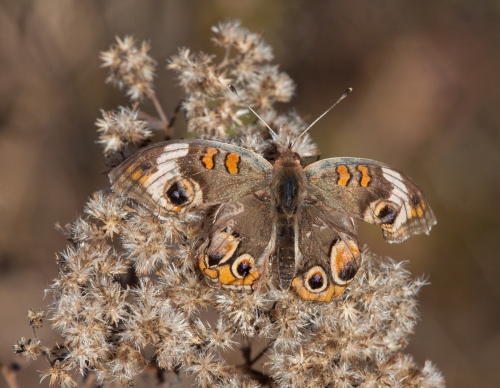
At first I thought it was only a leaf blowing in the breeze and then I slowly came to realize that it was a Common Buckeye butterfly (Junonia coenia), an unexpected sight in mid-November.

Although faded and tattered, this survivor butterfly is still spectacular, despite its “common” name.

Common Buckeye

© Michael Q. Powell. All rights reserved.

Read Full Post »

I don’t really expect to see snakes in mid-November. Surely they are all holed-up somewhere, waiting for spring to come.

Last week, however, when I was concluding a successful search for a Great Spreadwing damselfly with fellow odonate enthusiast Walter Sanford, I spotted portions of the body of an Eastern Garter Snake (Thamnophis sirtalis sirtalis) as it slithered in an out of the fallen leaves that covered the path on which we were walking. Then we spotted a second one and a third.

I felt a little like Indiana Jones in the Raiders of the Lost Ark, when he dropped his torch into the well and saw that the floor below was covered with slithering snakes. “Why did it have to be snakes?” For all I knew, we might have been standing in the midst of a massive colony of snakes.

Unlike Indiana Jones, though, I don’t suffer from a fear of snakes, so the first thought that came to my mind was figuring out how to get some shots of the snakes. Walter and I got a good look at the third snake, which froze in place for an extended period of time.

I had my Tamron 180mm macro lens on my camera, so I knew that there was no way that I was going to capture a shot of the entire body of the snake. My initial shots were taken from above, looking down at the snake. I like the way that I was able to capture a glimpse of both eyes and a sense of the environment, filled with fallen foliage.

Eastern Garter Snake

I really wanted to isolate the snake better, so I decided to move to the side a bit and closer to the snake. I tried to focus on breathing slowly in order to steady my camera better as the snake grew larger and larger in my viewfinder. I got a shot that looks like a kind of autumn still life.

Eastern Garter Snake

Most people might have figured that there was no need to get any closer, but I decided I wanted to try to get a side view of the snake. So I moved in even closer, knowing that the closer I got, the harder it was going to be to get a shot in focus as the depth of field grew increasingly more shallow. The photo below is not cropped at all and gives you an idea how low to the ground I was when I took the shot. I know that I am really close when I get a really good reflection in the snake’s eye.

Eastern Garter Snake

I have commented several times before about my bodily contortions when getting shots like this and how happy I am that nobody was around to document them. In this case, though, Walter photographed me as I was getting the last shot.

If you want to see his shot of me (and, more importantly, his take on the snake), be sure to check out Walter’s blog posting. As a bonus, you’ll also learn more about how snakes brumate during the winter—they don’t actually hibernate.

I highly recommend shooting the same subject periodically with another photographer and comparing results. It’s fascinating and instructive to get a sense of how a single situation can be interpreted and how each photographer makes a whole series of creative choices that result in very different images.

© Michael Q. Powell. All rights reserved.

Read Full Post »

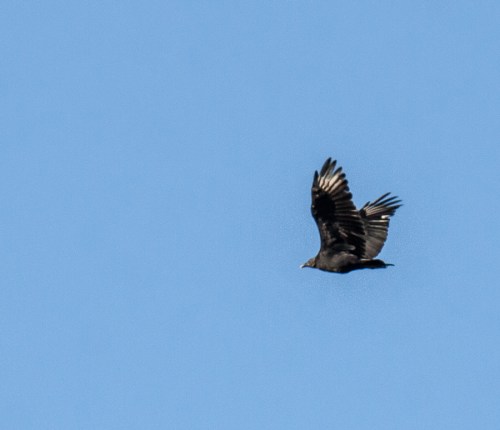
My eyes are unavoidably drawn to large birds in the sky. For me, it doesn’t really matter if it is a hawk, an osprey, or an eagle or, in this case, “only” a Black Vulture (Coragyps atratus) that I saw last week at Huntley Meadows Park. They are all impressive birds.

This bird was one of four Black Vultures that were circling overhead as I wandered through a remote area of my favorite marshland park. I love to watch these vultures as they soar through the sky searching for the scent of something dead to eat.

Where I live, we have both Black Vultures and Turkey Vultures. Most of the time, they are easy to tell apart, because the white patterns on the wings are different and their heads have different colors. As you can see in the photos, the Black Vulture has a black head, whereas the Turkey Vulture has a red head.

When vultures are circling around me like this, I follow the advice that was given to me several years ago and make sure I move from time to time. I wouldn’t want one of the vultures to think that I was dead.

Black Vulture

Black Vulture

Black Vulture

Black Vulture

© Michael Q. Powell. All rights reserved.

Read Full Post »

« Newer Posts - Older Posts »