Feeds:
Posts
Comments

Posts Tagged ‘green spring gardens’

One of the highlights of my visit on Monday to Green Spring Gardens was photographing a blossoming Japanese Apricot tree (Prunus mume). It was a little strange to see a tree with blossoms during the winter, but apparently it is normal for this species to blossom in mid-winter and late winter. The flowers are commonly known as plum blossoms and are a frequent theme in traditional painting in China and in other East Asian countries—the blossoms were also a favorite with the honey bees.

According to Wikipedia, the plum blossom is “one of the most beloved flowers in China and has been frequently depicted in Chinese art and poetry for centuries. The plum blossom is seen as a symbol of winter and a harbinger of spring. The blossoms are so beloved because they are viewed as blooming most vibrantly amidst the winter snow, exuding an ethereal elegance, while their fragrance is noticed to still subtly pervade the air at even the coldest times of the year. Therefore, the plum blossom came to symbolize perseverance and hope, as well as beauty, purity, and the transitoriness of life.”

I do not use my macro lens very much during the winter months and usually leave it at home. However, the mild weather that we have been having made me suspect that some flowers would be in bloom, so I put the macro lens on my camera—the busy bees turned out to be a big bonus.

I especially admired the efforts of the bee in the first photo. This bee did not want to wait for the bud to open, but instead burrowed its way to the pollen-filled center of the blossom-to-be.

Japanese Apricot tree

Japanese Apricot tree

Japanese Apricot tree

© Michael Q. Powell. All rights reserved.

Read Full Post »

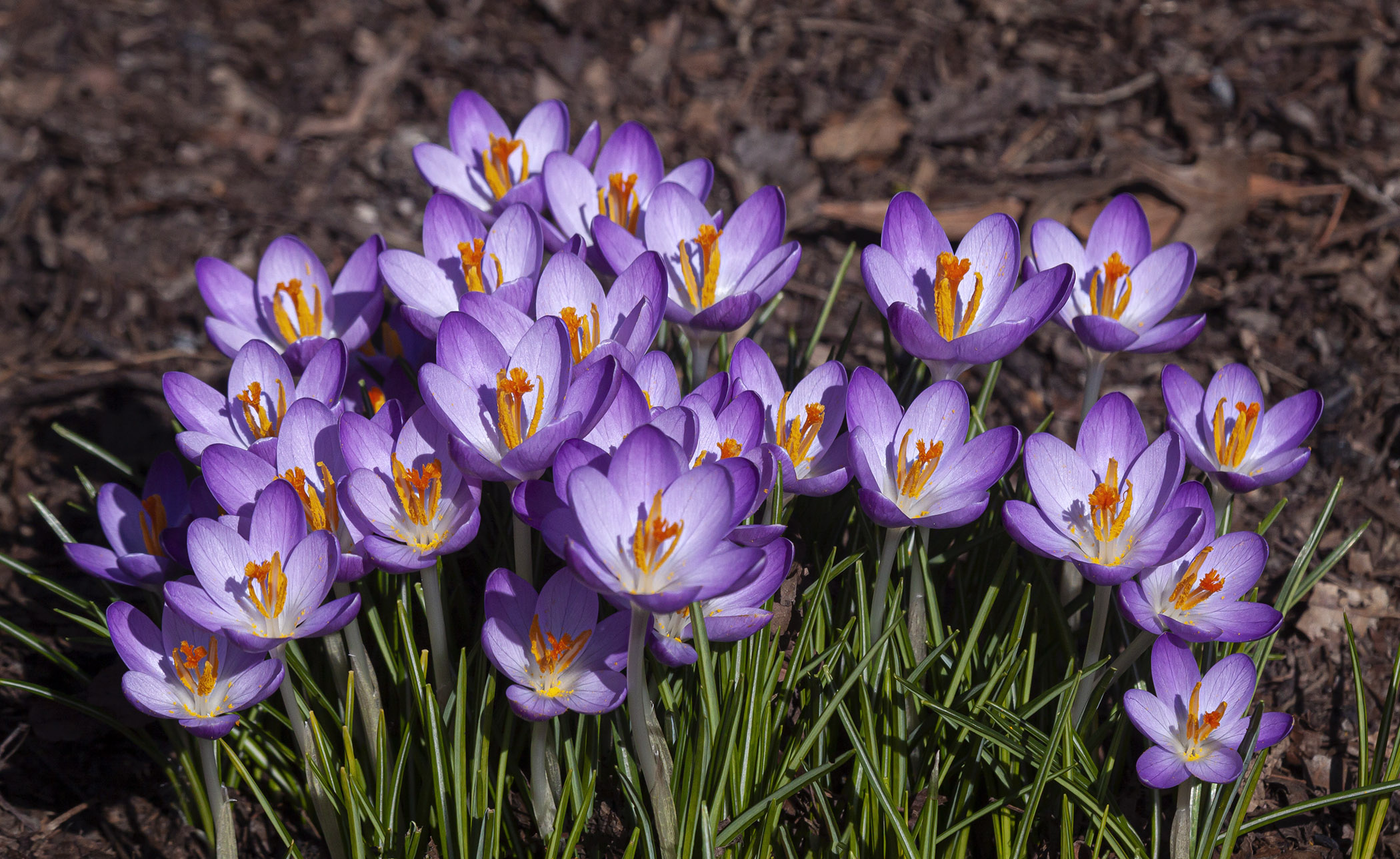
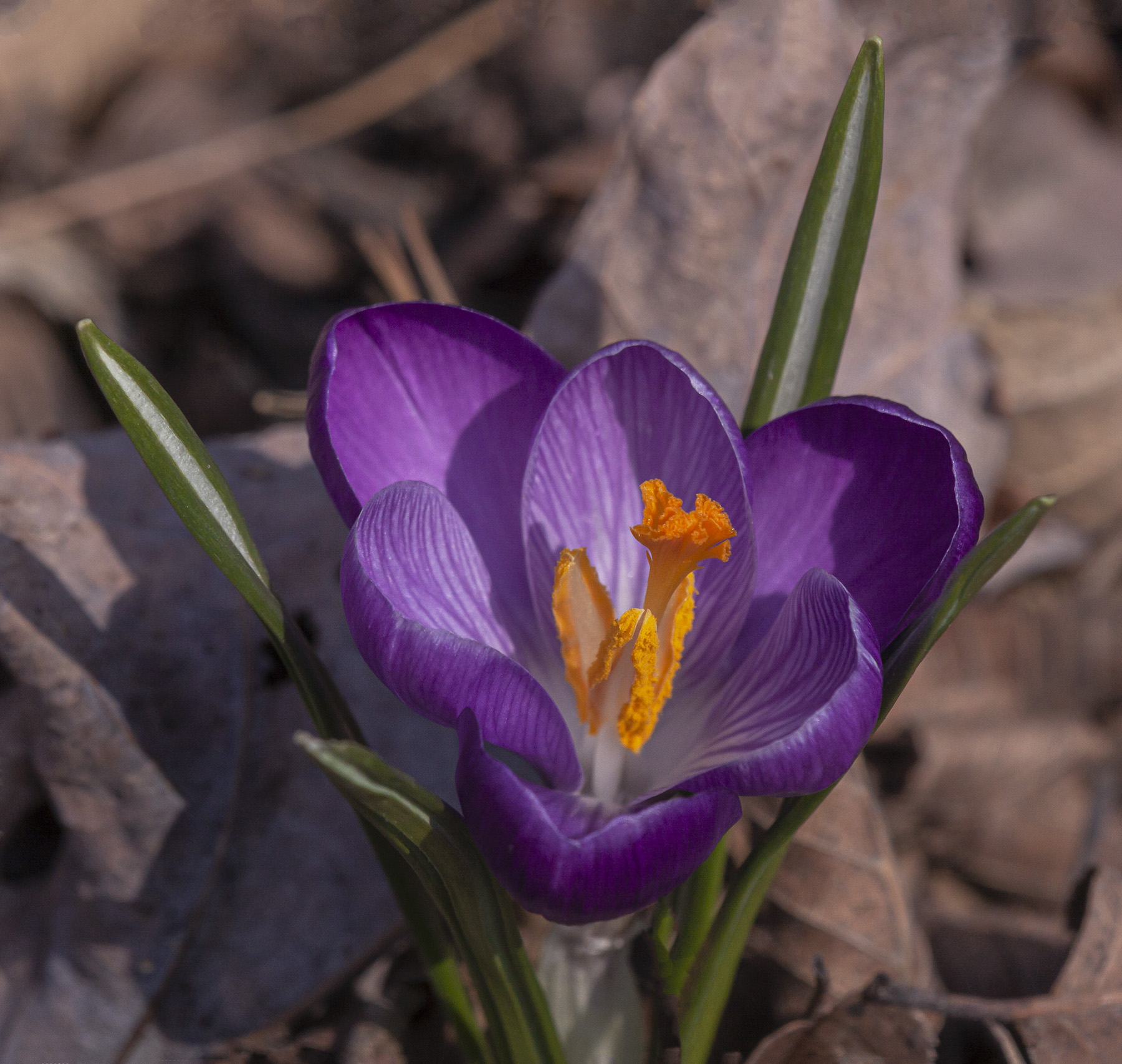
This winter has been usually mild and spring color is already starting to appear in our area. During a visit yesterday to Green Spring Gardens, a local county-run historical garden, I spotted crocuses in bloom at several locations. Finding crocuses was not too much of a surprise, since they are usually among the first flowers to appear each spring.  However, it was an unexpected bonus to be able to photograph a honey bee collecting pollen inside of one of the crocuses.

In many ways yesterday’s photography was a return to my roots. When I started getting more serious about photography seven years ago, I did a lot of shooting with my friend and mentor, Cindy Dyer. One of her many areas of specialization is macro photography of flowers and some of her flower images have even appeared on US postage stamps. From her I learned a lot about the technical aspects of photography, like composition and depth of field, but more importantly she encouraged and inspired me back then and continues to do so to this day. Thanks, Cindy.

I started off photographing flowers with a few insects, but gradually realized that I was more interested in shooting insects with a few flowers. I can appreciate the beauty of the crocuses in the second and third images below, but the first shot is more representative of my desired shooting style.

crocus

© Michael Q. Powell. All rights reserved.
Read Full Post »

The milkweed plants were dirty and dried up, but I knew from past experience that there might be ladybugs crawling around on them. The first two plants that I checked were full of aphids, a favorite food of ladybugs, but I did not see any ladybugs at all. As I approached a third plant, I saw a flash of red and spotted a small ladybug crawling quickly down the stem of the plant. I was not as close as I could have like to have been, but managed to capture some images before the ladybug disappeared from sight.

I like the way that this shot turned out because the reddish-orange of the ladybug really stands out against the blues and greens in the rest of the photos. In case you are curious, the little specks of yellow are aphids. In this case, the aphids were safe, for this ladybug seemed to be in too much of a hurry to stop for a snack.

ladybug

© Michael Q. Powell. All rights reserved.
Read Full Post »

Monarch butterflies (Danaus plexippus) are beautiful in any situation, but when you surround them with red, orange, and yellow flowers, they absolutely explode with color. I was thrilled when I spotted this Monarch during a short visit to Green Spring Gardens this past Saturday morning. The butterfly was initially quite skittish and flew all around before finally settling on what I believe to be some kind of lantana flower. I had to maneuver around to try to get a good shooting position, but the butterfly stayed put for a minute and accommodated me. I was super happy when I managed to include some of the colorful flowers in the background and I just love the way that the colors work so well together.

monarch

© Michael Q. Powell. All rights reserved.

Read Full Post »

I spotted this beautiful American Lady butterfly (Vanessa virginiensis) during a quick visit this past Saturday morning to Green Spring Gardens, a county-run historic garden not far from where I live. A lot of butterflies were active that day, but my eyes were immediately drawn to this American Lady, a species that I do not see very often. I had to chase it a bit before it stopped to feed on this flower, which was so popular that the American Lady had to share it with a much smaller skipper butterfly. The flower was growing near a fenced in area of public plots where people grow vegetables and the fence caused the striped effect in the background.

Although I spend most of my time photographing subjects in the wild, it was nice to visit a more cultivated place that was still ablaze with summer colors. I am quite conscious of the fact that the summer is slowly slipping away.

American Lady

© Michael Q. Powell. All rights reserved.

Read Full Post »

When I first started getting serious about photography almost seven years ago, I often went shooting with my photography mentor Cindy Dyer. Cindy is accomplished in many areas of photography, but she is particularly passionate about capturing the beauty of flowers with her trusty macro lens. I learned a lot about the art of photography by shooting flowers side by side with her and reviewing my images with her.

Yesterday she and I made a short visit to Green Spring Gardens, a historical, county-run garden not far from our neighborhood, and it was wonderful to see how many flowers were in bloom. I was especially attracted by the poppies that I saw growing in several areas of the gardens—the star-like centers of the poppies seemed to beckon me.

Here are a few photos of those wonderful poppies, which came in a surprising variety of colors.

purple poppy

white poppy

purple poppy

© Michael Q. Powell. All rights reserved.

Read Full Post »

Milkweed plants provide a wonderful habitat for all kinds of creatures, including this Large Milkweed Bug (Oncopeltus fasciatus) that I spotted earlier this week at Green Spring Gardens. These  bugs go through a fascinating series of physical transformations as they move though different nymph phases. A little over six years ago, I studied these bugs  pretty closely and documented their stages of development in a posting that I called Life phases of the large milkweed beetle. Be sure to check it out for more information and fascinating photos of these colorful little bugs.

I really like the combination of colors in this simple shot, colors that remind me a little of Christmas. However, I doubt that anyone would choose to feature this image on their annual Christmas card. 🙂

Large Milkweed Bug

© Michael Q. Powell. All rights reserved

Read Full Post »

Today I decided to feature two butterflies that I have seen over the past week. I saw them at different times and at different places, so normally I would not put them together in a posting.

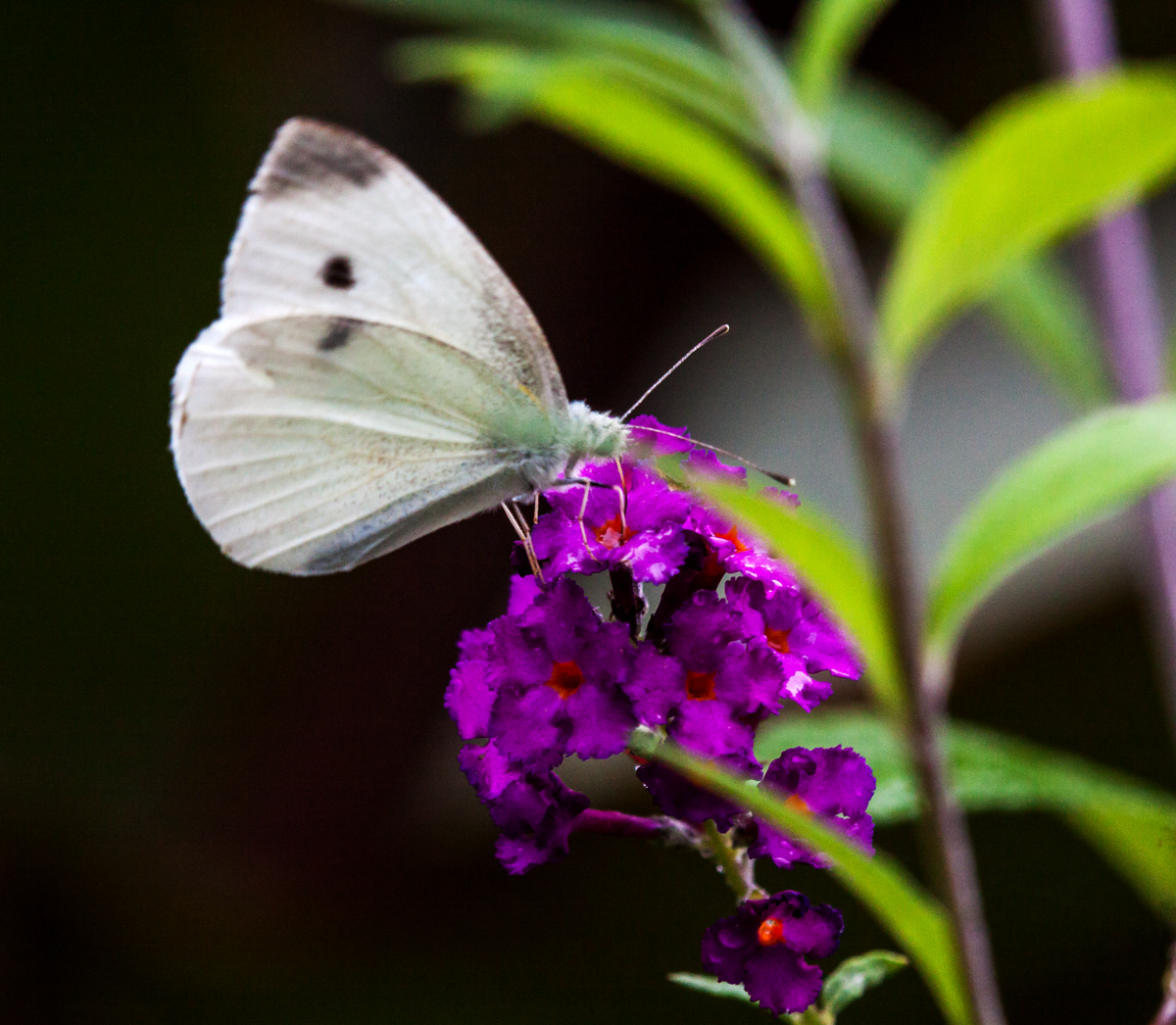
I was struck, however, by the contrast between the two of them. One of them, a Viceroy butterfly (Limenitis archippus), is brightly colored and hard to miss. The other, a Cabbage White (Pieris rapae) is so pale and nondescript that many people don’t notice it at all or dismiss it as being “only” a moth.

Beauty speaks to people in individual deeply personal ways. I find these two butterflies to be equally beautiful.

What do you think? Instinctively do you find one of these two to be more beautiful than the other?

Of course, there is no “right” answer. It seems to me that beauty is almost always subjective rather than universal. Our assessments of beauty tend to be influenced by a whole host of internal factors including our mood, personality, and background as much as by the external characteristics of the subject being considered.

Viceroy butterfly

Cabbage White butterfly

© Michael Q. Powell. All rights reserved


Read Full Post »

Normally I don’t do consecutive blog posts of the same subject, but I got such an overwhelmingly positive response yesterday to my images of Ruby-throated Hummingbirds (Archilochus colubris) that I decided to post a few more. All of these hummingbirds, the only species found in the eastern part of the US, will probably depart soon to winter in a warmer climate, so I figure I better take advantage of this opportunity while I have it.

The best chance to snap a photo of a hummingbird is when it hovers to gather nectar (or when it is perched), but I managed to capture the first image as the hummingbird was zooming on by. I love its body position.

From an artistic perspective, the second image is my favorite. The background is simplified and less cluttered than in other images and the bright color of the flowers really grabs the viewer’s eyes. The slightly blurred wings are in a wonderful position and help to emphasize the sense that the hummingbird is in motion.

The final shot was taken with a different camera. As I noted yesterday, I was shooting with my 180mm macro lens, but I also had my Canon SX50 superzoom camera with me. It has a long reach, but doesn’t handle fast action very well, so it mostly stayed in the camera bag. When one of the hummingbirds perched in a distant tree, however, I was able to pull it out and use it for this static portrait.


Ruby-throated Hummingbird

Ruby-throated Hummingbird

Ruby-throated Hummingbird

© Michael Q. Powell. All rights reserved

Read Full Post »

It was cloudy and there was intermittent rain, but some Ruby-throated Hummingbirds (Archilochus colubris) were active at Green Spring Gardens yesterday. My macro lens might not have been the optimal choice for photographing them, but it is what I had on my camera and I was pleasantly surprised by the results.

As I have noted many times before, I really like my macro lens, a Tamron 180mm lens. Because of the crop sensor of my Canon 50D DSLR, the lens has an equivalent field of view of 288mm, which lets me use if as a telephoto lens in a pinch. The only down side of the lens is that it does not have any image stabilization so I have to pay attention to my shutter speed and/or use a monopod as I was doing yesterday.

I noted that the hummingbirds seemed to like a particular kind of flower, so I planted myself in front of a patch of them and waited. The hummingbirds returned several times and I was able to decent shots. As I was waiting, it began to rain a bit, so I opened my umbrella and kept shooting—the hummingbirds did not seem to mind the light rain. It must have been quite a sight to see me with my umbrella in one hand and my camera on the monopod in the other.

For those of you who are interested in camera settings, I was shooting at ISO 1600 in aperture-preferred mode with an aperture setting of f/5. The relatively poor lighting meant that my shutter speed generally was 1/500 or slower, which was not fast enough to freeze the motion of the wings, but did allow me to capture the body fairly well when the hummingbird hovered.

I have a few more hummingbird shots that I may use in another posting, but wanted to share these initially.

Ruby-throated Hummingbird

Ruby-throated Hummingbird

Ruby-throated Hummingbird

© Michael Q. Powell. All rights reserved


Read Full Post »

I was thrilled to capture some shot of a Spicebush Swallowtail butterfly (Papilio troilus) this past weekend at Green Spring Gardens as it fed on a lantana flower. I am so used to more muted colors when I am shooting in the “wild” that the brightness of these flowers seem almost unnatural.

If you look closely at the butterfly’s legs in the first image, you will see that one of them is blurred. Obviously the butterfly was moving about and my camera’s shutter speed was too slow to stop the motion. In many cases I would be disappointed with that lack of sharpness, but I find that it acceptable here, because it doesn’t really distract the viewer’s eyes.

There are a number of dark-colored swallowtails in our area, but the Spicebush Swallowtail is the only one with a blue swoosh on its wings in the middle of a row of orange spots.

Spicebush Swallowtail

Spicebush Swallowtail

© Michael Q. Powell. All rights reserved.

Read Full Post »

There were only a few water lilies in bloom at the small pond at a local garden that I visited this past weekend. Surprisingly, they were all pink in color and not the white ones that I am more used to seeing—perhaps it is late in the season for the white ones. Not surprisingly, there were quite a few dragonflies buzzing about and I decided that I wanted to get a shot of one of them perched on one of the water lilies.

So I waited and hoped and waited some more. My patience was eventually rewarded when a tiny male Eastern Amberwing dragonfly (Perithemis tenera) landed on a partially open water lily bud and perched momentarily.

I really like the image that I managed to capture because of the way it conveys a sense of the mood of the moment, a calm, almost zen-like feeling of tranquility. The colors are subdued and the composition is minimalist—there is a real beauty in simplicity.

Dragonfly and water lily

© Michael Q. Powell. All rights reserved.


Read Full Post »

There were lots of flowers in bloom yesterday at Green Spring Gardens, a historic county-run garden not far from where I live. One of my favorites was the Zowie Zinnia and a Monarch butterfly (Danaus plexippus) seemed to like it a lot too.

I was at the garden with my dear friend and photography mentor, Cindy Dyer, and her husband. We were all taking a break at one point and I told Cindy that I was going to return to a patch of Zowie Zinnias to see if I could get a shot of a butterfly landing on one. We both recalled a photo that she took in 2010 (check out her blog posting) when an Easter Tiger Swallowtail butterfly appeared out of nowhere and landed on one of the two Zowie Zinnias that she was focusing on with her camera on a tripod.

Imagine her surprise when a couple of minutes later I returned with this photo. She grabbed her camera and went to the patch of zinnia, but, alas, the butterflies were not as cooperative for her as they had been for me.

Monarch butterfly and Zowie Zinnia

© Michael Q. Powell. All rights reserved.

Read Full Post »

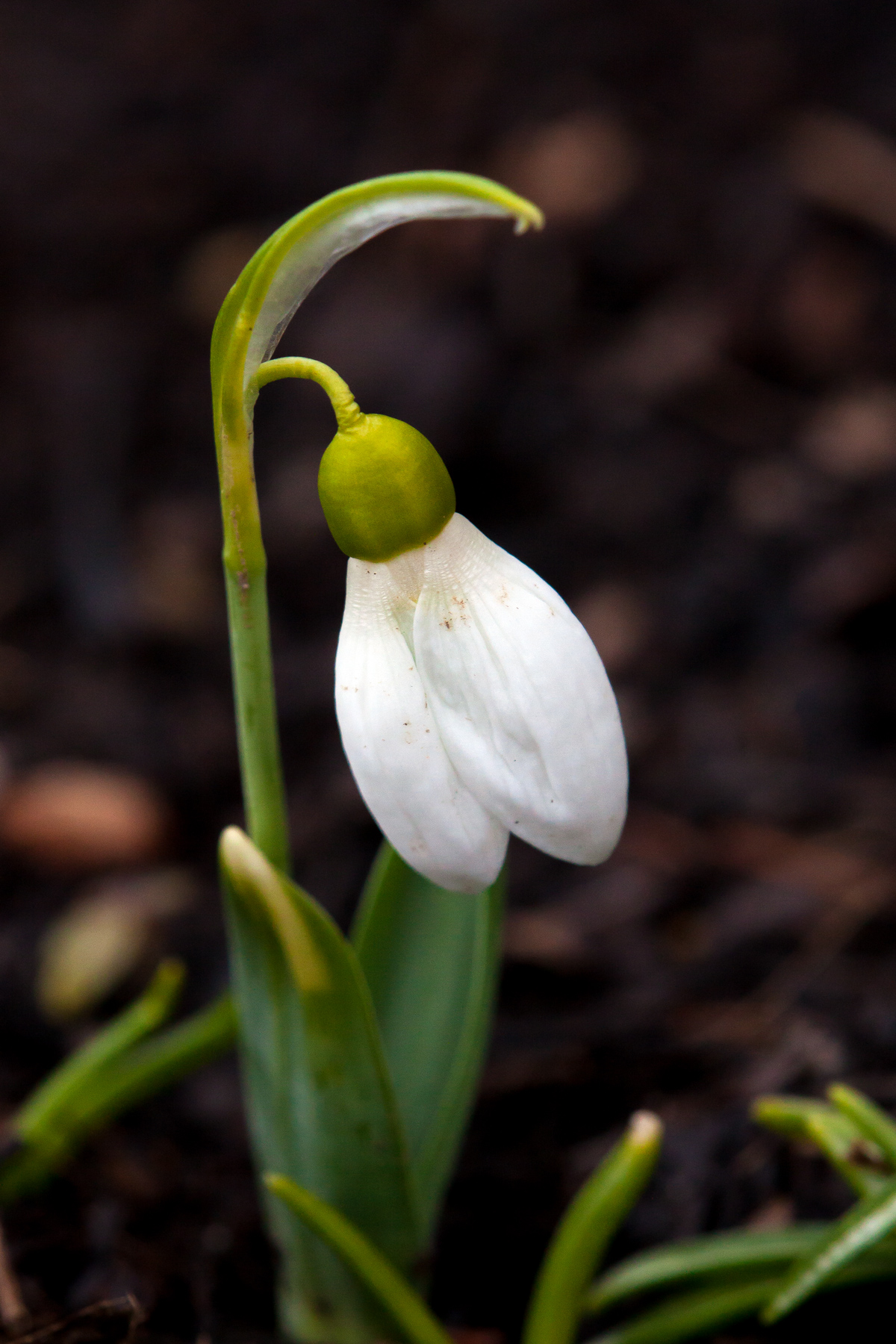
There were clumps of snowdrops scattered throughout Green Spring Gardens on Monday. I just love this simple little flower that is with us through much of the winter.

It won’t be long before the snowdrops are replaced by the more complex, more colorful flowers of the spring. At times I am impatient for the arrival of spring, but at other times I am simply content to enjoy the beauty of the modest snowdrop.

snowdrop

snowdrop

© Michael Q. Powell. All rights reserved.


Read Full Post »

Yesterday I took a break from bird photography and visited Green Spring Gardens, a county-run historic garden, with a macro lens on my camera rather than my long telephoto zoom lens. It is still a bit early for most flowers, so I was happy to spot these little purple flowers that had pushed their way to the surface. I think they may be crocuses, though I really don’t know flowers very well.

I got really low to get an interesting background and almost got stepped on by a runner—maybe it’s best not to wear a camouflage jacket when lying on the ground.

purple buds

© Michael Q. Powell. All rights reserved.

Read Full Post »

I love to watch bees and spotted this one recently at Green Spring Gardens. I was struck by the way it resembled a mountain climber (albeit with no ropes) as it hung upside-down from this shaggy flower—I have no idea how to effectively gather pollen from a flower like this one, but the bee seemed to be doing ok with its “tongue.”

bee

© Michael Q. Powell. All rights reserved

Read Full Post »

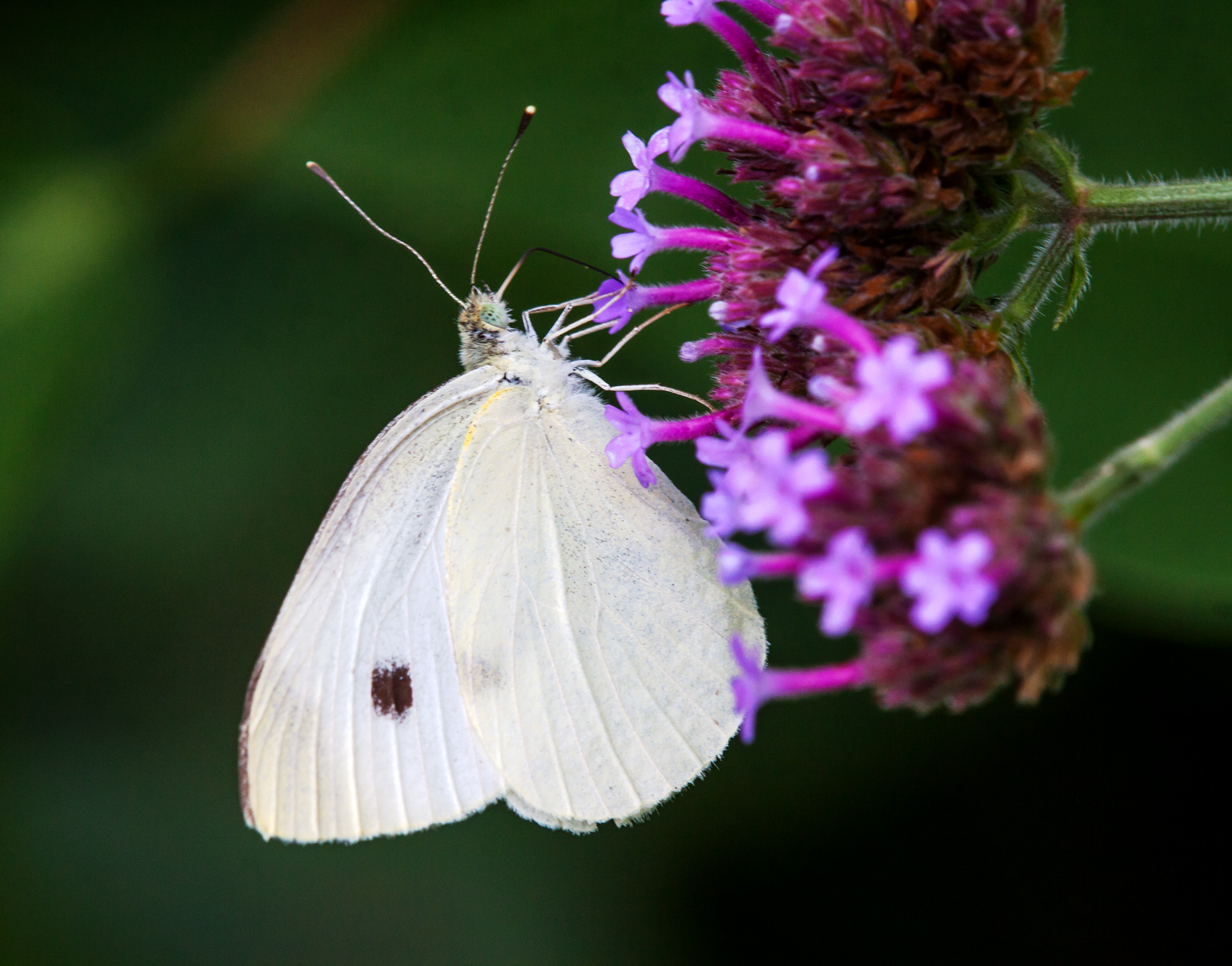
Cabbage White butterflies (Pieris rapae) are small and skittish and you probably don’t pay much attention to them—you might even think that they are merely moths. If you look closely, though, you’ll discover that they have beautiful, speckled green eyes.

I love the way that a macro lens reveals amazing details that are there, but that we never see or simply take for granted. I took these photos yesterday during a brief trip to Green Spring Gardens, a wonderful, county-run historic garden not far from where I live.

Cabbage White


Cabbage White

© Michael Q. Powell. All rights reserved

Read Full Post »

Flowers are beautiful, of course, but when it comes to taking photos, I seem to be equally (or more) attracted to insects among the flowers. Yesterday we finally had some sunshine here in Northern Virginia after three soggy days in a row and I made a trip to Green Spring Gardens with my mentor Cindy Dyer to check out the flowers in bloom.

The wind was blowing most of the afternoon, which turned many of the flowers into moving targets, but patience and persistence allowed me to get some shots of some of my favorites, like love-in-a-mist and columbines. I am still going through my images, but I was immediately attracted to this shot of a bee in flight that I captured as it moved from one iris to another.

I remember being a little surprised to see a bee gathering pollen from irises—there seemed to be much candidates nearby, including some large, showy peonies. The bee didn’t spend long in each iris and the long petals of the iris often hid the bee from view. As I was tracking the bee, I somehow managed to maintain focus and captured this whimsical little shot of it in mid-air. My shutter speed of 1/640 sec was not fast enough to freeze the wings, but I really like the blur of the wings, which enhances the sense of motion for me.

bee and iris


© Michael Q. Powell. All rights reserved

Read Full Post »

Best wishes for a blessed and happy Easter to all who are celebrating this day. Earlier this morning I went to an outdoor sunrise service at my church at 6:30 a.m. and I am not getting ready for our normal morning service in a couple of hours. Easter is a bit later this year than in some years in the past and it was already light and pleasantly warm when we began our service—in past years we were often bundled up and needed flashlights to read the programs.

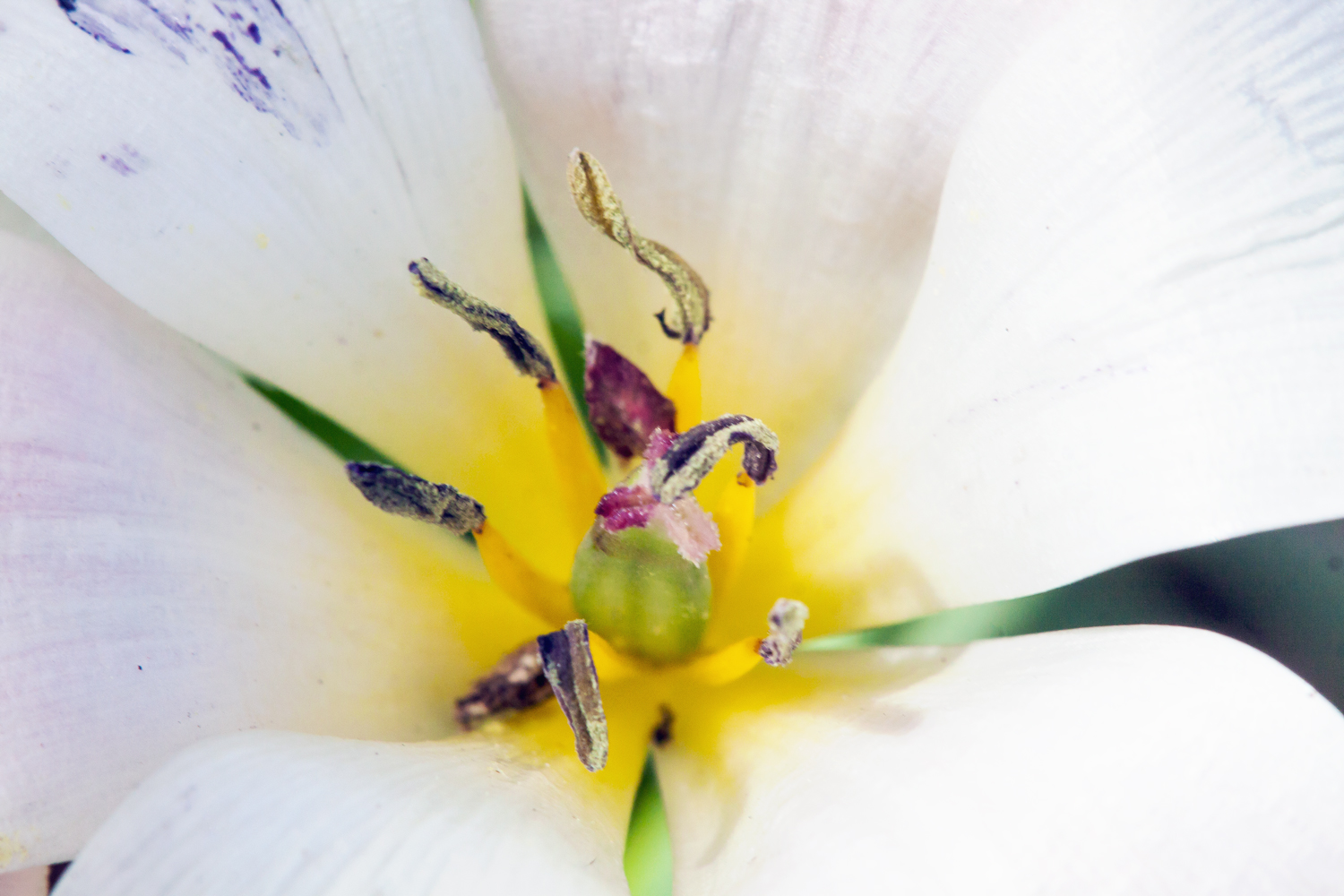
I chose two images to celebrate Easter. The first is a macro shot of a flower from a recent trip to Green Spring Gardens and it speaks to me of the growth and renewal of this season. The second is a shot of my PR (Prime Rib), my very own Easter bunny, who greets me each morning.

Happy Easter to all of you.

Easter

Prime Rib

© Michael Q. Powell. All rights reserved

Read Full Post »

Do bees drink water? As I was investigating the ponds at Green Spring Gardens again yesterday for signs of dragonflies, I spotted some bees landing in the shallow water. It looked like they were getting drinks of water, but I wondered if it was possible that they were somehow gathering nectar and/or pollen.

I did a little research and found out that bees do in fact drink water. One article at honeybeesuite.com described some of the reasons why bees bring water back to the hive. It also noted that, “Bees seem to prefer water that has some growth in it—such as green slime—rather than perfectly clean water.” and speculated that the bees can smell the growth and recognize it as a water source. That was certainly the case at the pond yesterday, where the water had all kinds of green gunk growing on it.

honey bee

© Michael Q. Powell. All rights reserved.
Read Full Post »

It’s still a little too early for dragonflies, but I did find some cool little bees yesterday afternoon at Green Spring Gardens in Alexandria, Virginia, a county-run historical garden not far from where I live. Longtime readers of the blog know that I love taking macro photographs and during summer months my trusty Tamron 180mm macro lens is on my camera most of the time.

Yesterday I decided to dust off my macro lens and search for insects. For most of the afternoon I came up empty-handed, but then I spotted a few bees gathering pollen. They kind of look like honey bees, but I don’t remember honey bees being that small. Grape Hyacinths (g. Muscari) are only a couple of inches tall and the first photo gives you an idea of the size of the bees.

Spring is finally here and I look for an explosion of insects soon. During this transitional time of the year I expect to be switching back and forth between my telephoto zoom lens, primarily for birds, and my macro lens, primarily for flowers and insects.

bee

bee

bee

© Michael Q. Powell. All rights reserved.

Read Full Post »

Earlier this week I chased after this beautiful little butterfly at Green Spring Gardens, in Alexandria, Virginia. I am pretty sure that it’s a Clouded Sulphur butterfly (Colias philodice), but have no idea of the identity of the flower on which it is feeding. Although at first glance it may look like I used flash for this image, a close examination of the shadows shows the direction of the bright sunlight. I was using spot metering for this light-colored subject, which meant that the background was significantly underexposed when getting a proper exposure of the primary subject.

Clouded Sulphur

© Michael Q. Powell. All rights reserved.

Read Full Post »

An Eastern Gray Squirrel (Sciurus carolinensis) was scampering across an open area at Green Spring Gardens last week. Suddenly it stopped, got up in its hind legs and turned to me with a half-smile. I think it was deliberately posing for me, so I took this shot.

The squirrel was so tall and upright in this pose that it looked like it was simply going out for a casual two-legged morning stroll through the garden, like so many of the people that were passing by us.

Eastern Gray Squirrel

© Michael Q. Powell. All rights reserved

Read Full Post »

I’ll often try to get shots of butterflies with their wings wide open, but when they turn sideward, you can sometimes get an equally spectacular view of them slowly sipping nectar. I can’t identify the flower, but the butterfly definitely is an Eastern Tiger Swallowtail (Papilio glaucus) that I chased about this past weekend at Green Spring Gardens.

Eastern Tiger Swallowtail

© Michael Q. Powell. All rights reserved

Read Full Post »

Butterflies are always beautiful no matter what their condition, but there is something really special about seeing a perfect specimen with its wings wide open, like this Eastern Tiger Swallowtail (Papilio glaucus) that I spotted this past weekend at Green Spring Gardens.

Eastern Tiger Swallowtail

© Michael Q. Powell. All rights reserved

Read Full Post »

The sun was shining through the wings of this Monarch butterfly (Danaus plexippus) from behind, making the butterfly glow like a stained glass window on Friday at Green Spring Gardens.
Monarch butterfly

© Michael Q. Powell. All rights reserved

Read Full Post »

A flash of light among the flowers caught my eye yesterday as I wandered about at Green Spring Gardens and I managed to capture this shot of a Ruby-throated Hummingbird (Archilochus colubris). I don’t see any red on its throat, so I’m guessing that it is a female or an immature male.
When I looked at the EXIF data I realized how lucky I was to get this shot, for the shutter speed used was only 1/250 of a second. That shouldn’t be fast enough to capture a hummingbird in flight and it also is not really fast enough to be shooting with at 552mm handheld with my zoom lens, even with its built-in image stabilization.
As you probably suspect, I wasn’t intentionally shooting with such a slow shutter speed. I had been shooting flowers in aperture priority mode in bright sunlight and had lowered my ISO to 250 right before I spotted the hummingbird from a distance. The hummingbird was darting in and out of the light among the flowers (I think the flower in the photo is a type of salvia flower). I knew that I would have only a limited chance to get a shot, so I aimed and shot with the existing settings.
I’m glad that I have used my Tamron 150-600mm so much this past year, because I was somehow able to rely on muscle memory and instincts to help me get this shot, though I must acknowledge that luck played a huge role too.
Ruby-throated Hummingbird
© Michael Q. Powell. All rights reserved

Read Full Post »

Great Blue Herons (Ardea Herodias) are so motionless when they are fishing that they look almost like statues. The Great Blue Heron that I spotted this morning at the edge of a pond at Green Spring Gardens actually was a statue that looked pretty realistic from a distance.

I’ve noticed that dragonflies are not fooled at all and I sometimes see them perching on the heron.

Great Blue Heron


© Michael Q. Powell. All rights reserved

Read Full Post »

Despite this summer’s scorching heat and high humidity, the bees of Green Spring Gardens were busy at work gathering pollen and sipping nectar during a recent visit to the gardens. I’m certainly no expert on bees, but it looks like there are several different varieties in the photos below.

I’m pretty confident that the bee in the final shot is a carpenter bee because its abdomen is bare and shiny, unlike that of the bumblebee, which has a hairy abdomen. If you look closely at that image, you’ll see that this bee appears to be a nectar robber—it is piercing the flower from the side to extract the nectar and thereby is not playing any role in pollinating the flower.

bee

bee

bee

© Michael Q. Powell. All rights reserved.

Read Full Post »

The leaves of the lotuses at Green Spring Gardens were well past their prime, but they turned out to be fascinating subjects for a series of abstract images.

lotus leaf

lotus leaf

lotus leaf

© Michael Q. Powell. All rights reserved.

Read Full Post »

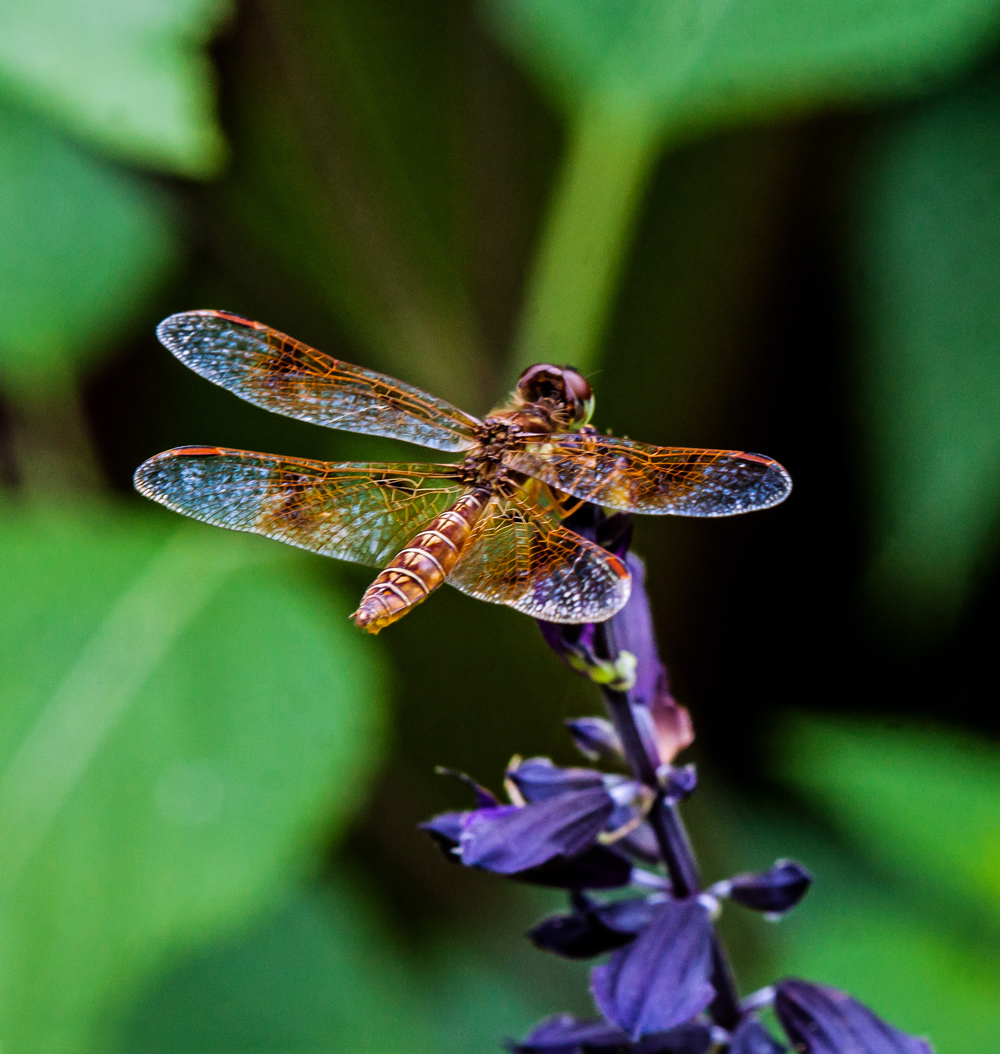
I don’t often see dragonflies in a garden, but spotted this female Eastern Amberwing dragonfly (Perithemis tenera) amidst the flowers earlier this week at Green Spring Gardens. There were lots of male Eastern Amberwings buzzing around the small ponds in another location at the gardens in hopeful expectation of finding a mate.

I have the impression that female dragonflies like to hang out in a different area from the males and then make an appearance at a time of their own choosing.

Eastern Amberwing

© Michael Q. Powell. All rights reserved.

Read Full Post »

« Newer Posts - Older Posts »