Feeds:
Posts
Comments

Posts Tagged ‘Alexandria VA’

It has been a while since I featured a mammal in my blog, so I thought that I would post a photo of this little muskrat (Ondatra zibethicus) that I encountered this past weekend at my local marsh. I observes muskrats there fairly often, but most of the time they are swimming away or are submerging themselves by the time my camera is ready.

This muskrat was poking about at the edge of a formerly inhabited beaver lodge when I first caught sight of him. He did not immediately perceive my presence, so I was able to creep close enough to him to get this shot using my 55-250mm zoom lens.

Unlike the beavers, which sleep during daylight hours, muskrats are active when it its light—in theory it should be easy to get a good shot of a muskrat. The reality, though, is that muskrats are small, fast, and elusive, so I have not yet been able to get many good shots of them.

muskrat1_blog

© Michael Q. Powell. All rights reserved
Read Full Post »

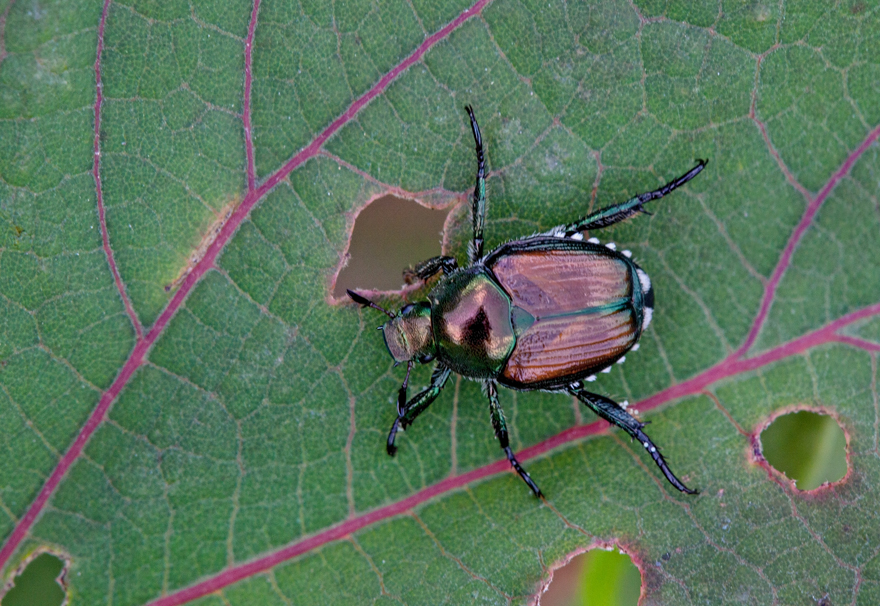
Japanese beetles (Popillia japonica) are very destructive, but also very beautiful and I sought to highlight both of these aspects in this image.

There were quite a few plant with holes chewed in them in one area of the marsh and I suspect that Japanese beetles were the culprits (this one sure looks guilty). I like the coloration and the reflectiveness of the insect’s body.  I’m not completely sure, but  I think that I see my own reflection as well as the sky in the part of the shell near the beetle’s head.

This was a situation in which I really enjoyed having my new 180mm macro lens. It allowed me to frame it the way in which I wanted without scaring away the beetle (and I did not have to do much cropping at all).

beetle_chew_blog© Michael Q. Powell. All rights reserved

Read Full Post »

I never fail to be excited by the sight of a large, powerful bird soaring through the air.

Earlier this month, as I was walking along Cameron Run, a tributary of the Potomac River, I spotted a bird heading right toward me. It kept getting bigger and bigger as it approached and I suspected it was a hawk or an eagle—it turned out to be an osprey. Fortunately I had my largest telephoto zoom lens, a Sigma 135-400mm, already on my camera and, after a few adjustments, I started snapping away.

I was shooting almost directly into the sun, so much of the detail of the osprey’s body are hidden in the shadows, but I was able to capture some of the details of its amazing wings, with a little backlighting. Click on the images to see a higher resolution view of some of these details.

It may seem that I am photographing insects and spiders these days, judging from my blog postings, but I continue to enjoy photographing birds. In fact, photographing birds in flight is one of the specific areas in which I hope to improve, so these photos may be a preview of coming attractions once summer is over.

osprey1_blogosprey2_blog

© Michael Q. Powell. All rights reserved

Read Full Post »

As I waited outside my neighbors’ townhouse so that we could travel to an indoor butterfly exhibit, I tried out my new macro lens in their garden and ended up with of my best butterfly shots of the day.

Cabbage White butterflies (Pieris rapae) are very common, but they are elusive when you try to photograph them. I managed to squeeze off only two shots before the butterfly flew away, but this shot illustrates why I love my 180mm macro so much. The small butterfly filled up much of the frame without me having to get right on top of it. The lens also captured a pretty good amount of detail too. If you click on the image, you can see some of the details of the butterfly’s green eye, for example.

Almost exactly a year ago, my photography mentor and muse,  Cindy Dyer, in whose garden I photographed this butterfly, challenged me to get a good image of a Cabbage White butterfly. A year later, I feel pretty confident in saying that I have met that particular challenge.

cabbage_yellow_blog© Michael Q. Powell. All rights reserved

Read Full Post »

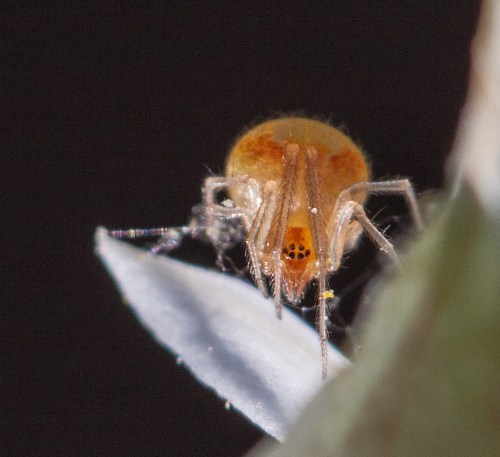
Is it just my imagination or do the eyes of this spider look like a smiley face to you too?

Eager to use my new macro lens, I went searching yesterday in my neighbors’ garden for subjects and came upon a tiny orange spider, which I have not yet been able to identify.

The spider was initially suspended in midair, but climbed up an invisible silken thread as I approached and took refuge in the shadow of white flower.

I boldly (or foolishly) tried photographing the spider handheld, but the images were blurry. Eventually I put the camera on my tripod and did my best to focus manually. For some shots, I used my pop-up flash to add a bit more light. Of course, it turned the background black, but I think that works for this shot.

In the original shot, the spider was upside down, but I decided it looked better when I rotated the image 180 degrees. I am fascinated with the multiple eyes of spiders.  There seem to a lot of different eye patterns in the different species of spider—a macro lens tends to make me look more closely at these kinds of details.

orange_spider_blog

© Michael Q. Powell. All rights reserved
Read Full Post »

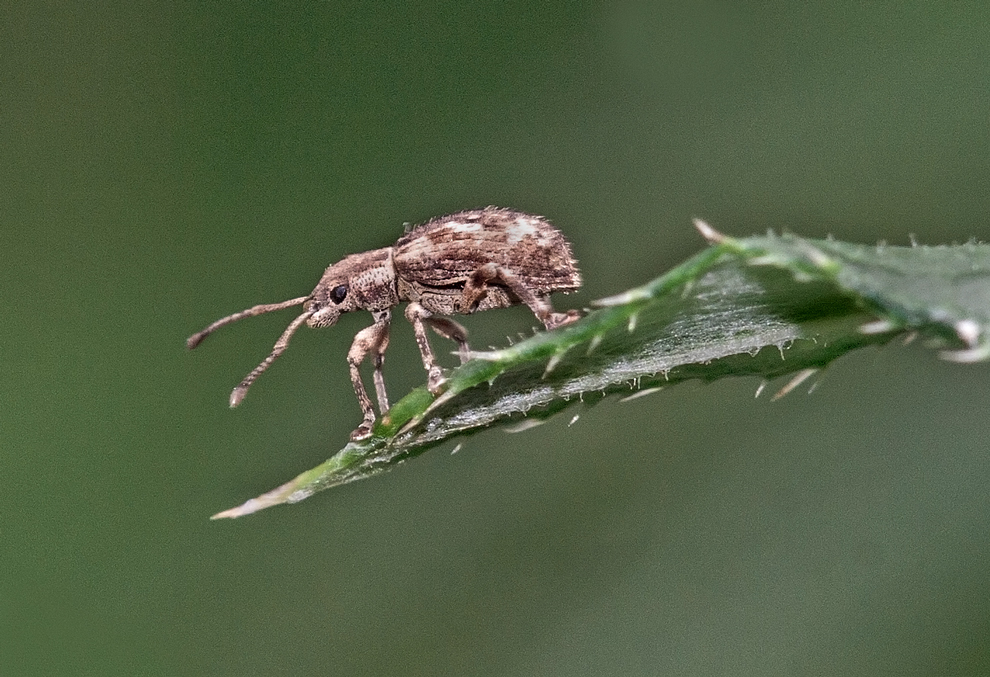
Last week, I stalked this little insect in my neighbors’ garden, trying hard to get a decent image of it with my 100mm macro lens. When it paused at the end of a leaf, I was able to get this shot, capturing some of the details of its body, which looks like a miniature dinosaur to me. Click on the photo to see some more details of the skin/shell of this little creature.

Normally I try to identify an insect before I post its photo, but in this case I am having trouble figuring out what it is. Perhaps one of my readers can help in identifying it.

Life_on_edge_blog

© Michael Q. Powell. All rights reserved
Read Full Post »

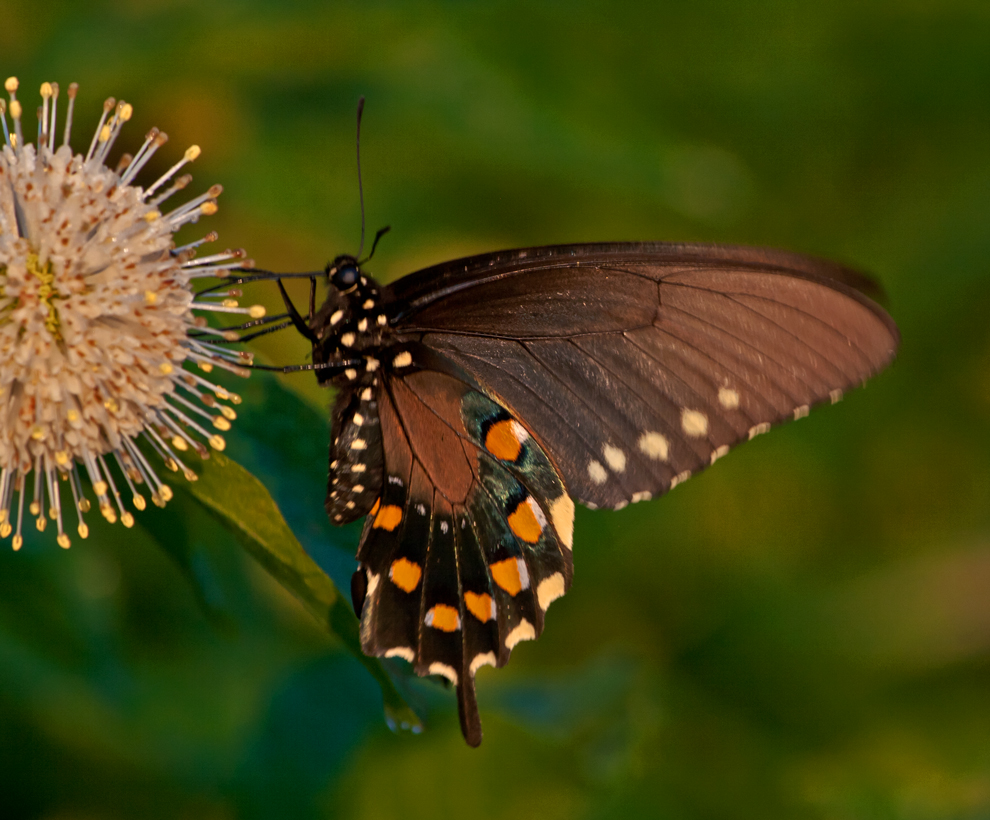
How many kinds of black swallowtail butterflies can there possibly be? Until yesterday, the only black swallowtail that I had ever encountered was the black variant of the female Eastern Tiger Swallowtail. (Check out my posting from last year to see the two variants of the female Eastern Tiger Swallowtail, a characteristic known as dimorphism.)

Yesterday, while walking along the boardwalk at my local marshland park, I came across a black butterfly feeding on a Buttonbush. Clearly it was a swallowtail and it was equally obvious that it was not an Eastern Tiger Swallowtail. I remembered that there was another black swallowtail called a Spicebush, so I figured that was what it had to be. When I checked out the photos of the Spicebush Swallowtail on-line, though, none of them seemed to match my butterfly exactly.

It was only today, when I was looking through photos with my photograph mentor, Cindy Dyer, that I realized that there was yet another black swallowtail and have concluded that the unknown butterfly is almost certainly a Pipevine Swallowtail butterfly (Battus philenor). It looks a lot like the Spicesbush, but the pattern of the orange dots are different, as pointed out in this posting by Don Lambert on the Earth Science Picture of the Day blog.

pipevine1_blogpipevine2_blog

© Michael Q. Powell. All rights reserved

Read Full Post »

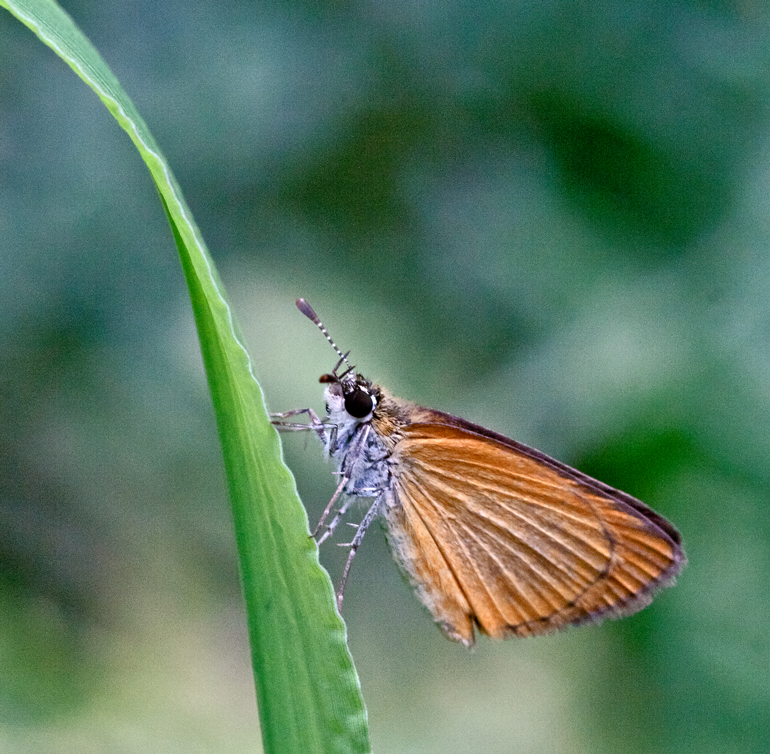
Although I enjoy chasing after large, colorful insects, I also will try to get shots of the smaller ones too, like this tiny butterfly that I think is a Least Skipper (Ancyloxypha numitor). Somehow this little butterfly struck me as having an attitude—maybe it’s because it looks like he is wearing a pair of Ray-Ban aviator sunglasses, like an insect Tom Cruise.

tiny_orange_blog

© Michael Q. Powell. All rights reserved
Read Full Post »

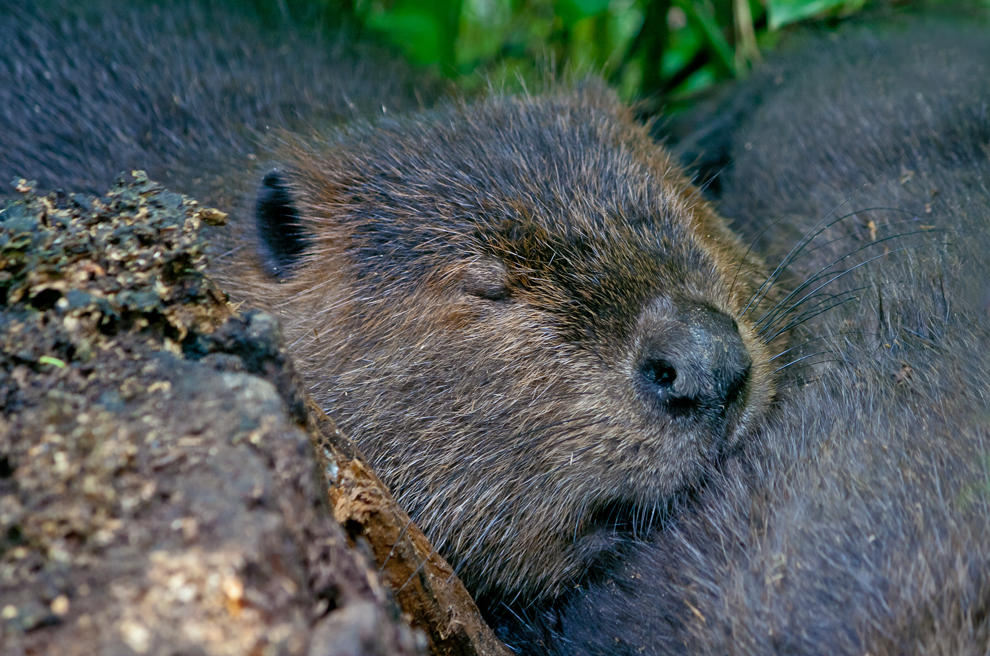
Last Friday, after some violent thunderstorms, I visited my local marshland park, where the staff alerted me that three beavers were sleeping on a patch of dry land near their lodge, which apparently had flooded. The three North American Beavers (Castor canadensis) were all snuggled together and reminded me a little of puppies. I am working up some more images, but thought that I would give a sneak preview of coming attractions.

beaver6_blog

© Michael Q. Powell. All rights reserved
Read Full Post »

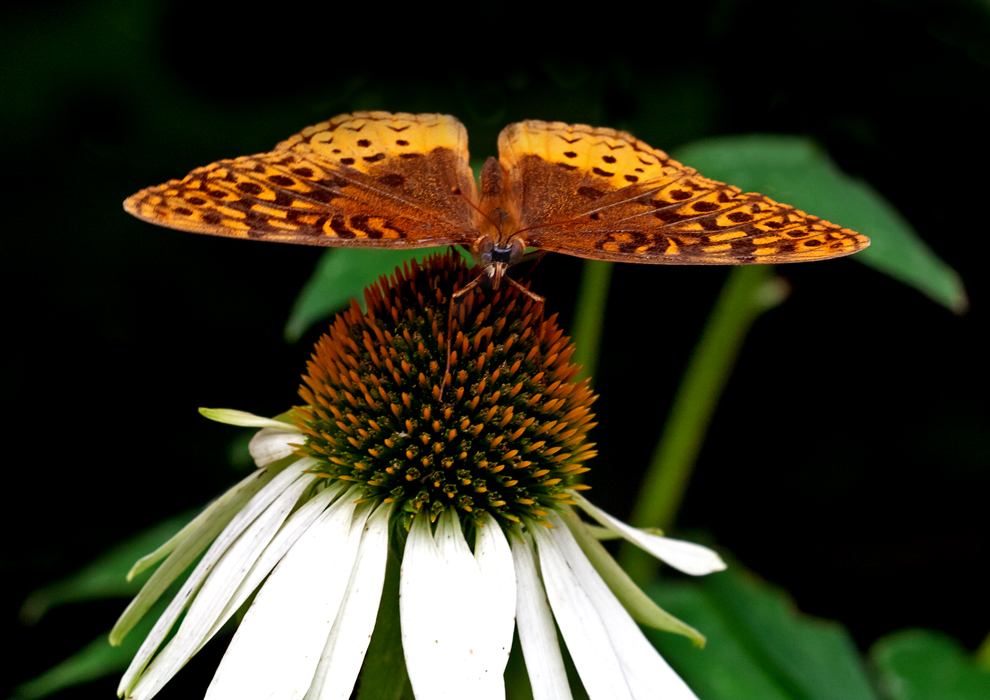
This Great Spangled Fritillary butterfly (Speyeria cybele) was so cooperative that I was able to get amazingly close to it with my 100mm macro lens and photograph it from some unusual angles.

This is the third (and final) posting from this session with the Fritilary (I love saying the butterfly’s name) and I realize that I have moved in a kind of progression. My first posting showed the butterfly from a “normal” perspective. Then I shifted to a somewhat unusual perspective in the second posting by shooting from below the butterfly.

In these final shots, I tried to get eye-to-eye with the fritillary. In the first image, I was almost directly over the butterfly and managed to capture some wonderful details. Who knew the butterfly would be so hairy? In the second shot, I tried to put myself on the same level as the Fritillary as it got nectar from a beautiful white cone flower. If you want to see the photos in greater resolution, click on the images.

fritillary5A_blogfritillary6_blog

© Michael Q. Powell. All rights reserved
Read Full Post »

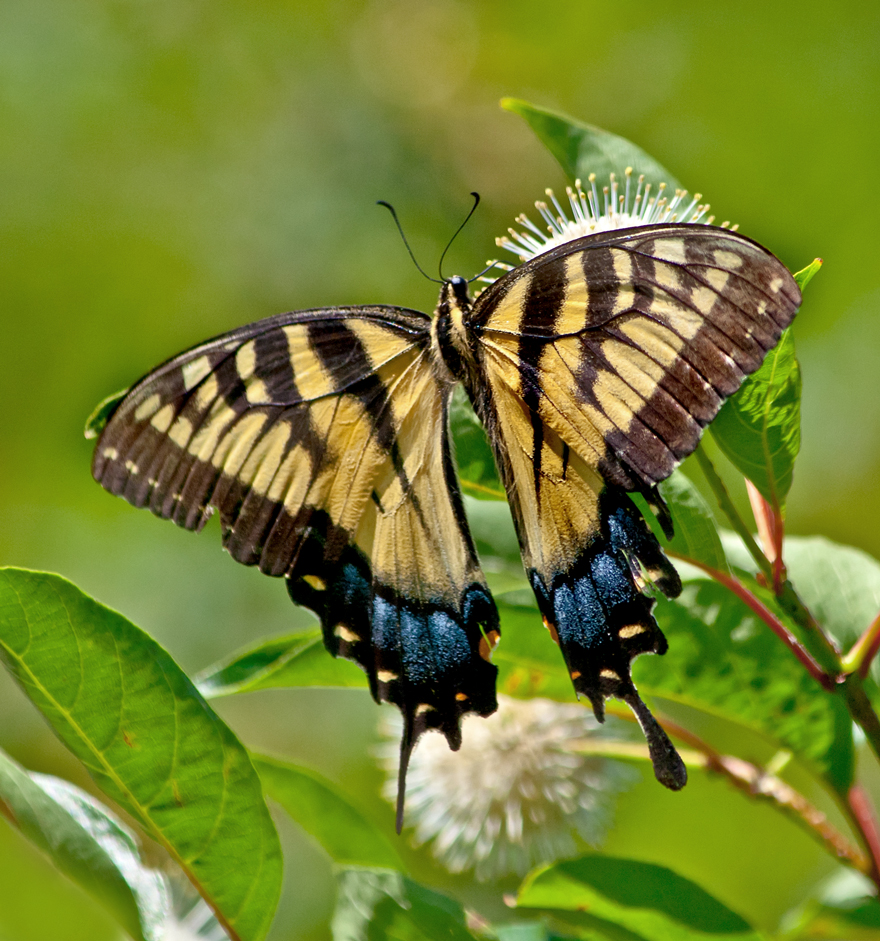
I am always amazed that butterflies can fly with wings that are severely damaged. This morning I encountered this beautiful female Eastern Tiger Swallowtail butterfly (Papilio glaucus) that had suffered some major damage to the area where the wings attach to the body. Despite the tears to the wings, the butterfly seemed unhindered in its flight and was busily at work, flying from bush to bush.

wounded_blog

© Michael Q. Powell. All rights reserved

Read Full Post »

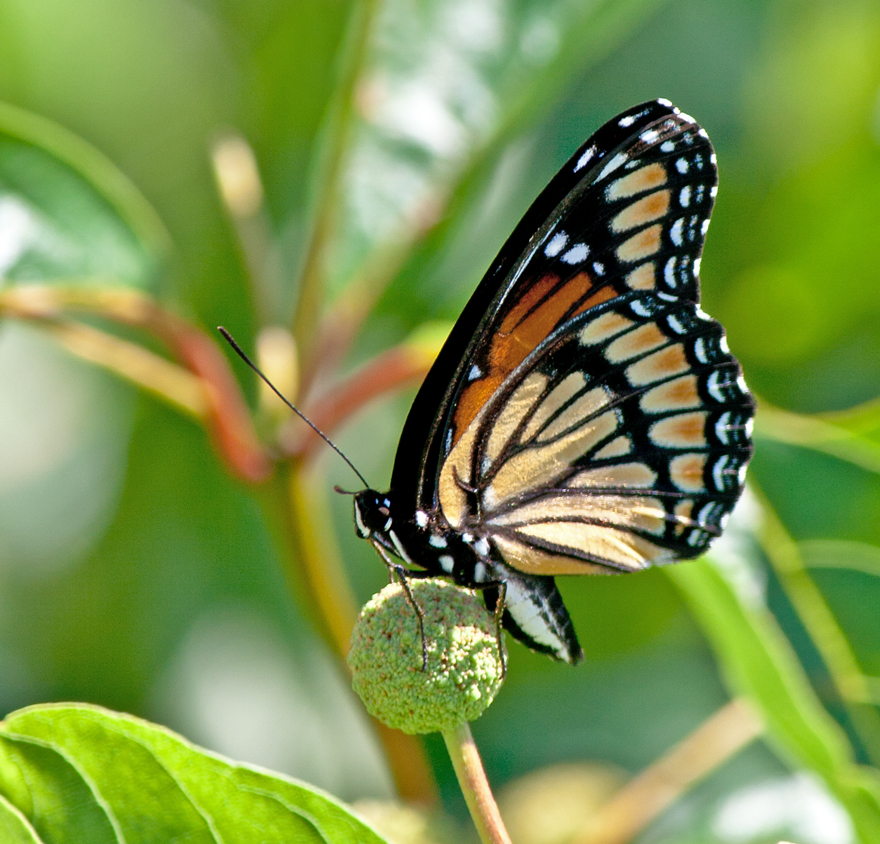
I haven’t seen a huge number of butterflies this summer, so I was happy to see a colorful butterfly this past weekend, which I believe is a Monarch butterfly (Danaus plexippus).

UPDATE: My tentative identification as a Monarch was not correct. Thanks to Jeremy Sell at The Life of Your Time for his help in identifying this as a Viceroy butterfly (Limenitis archippus archippus).

monarch_blog

© Michael Q. Powell. All rights reserved
Read Full Post »

It was fun chasing this Great Spangled Fritillary butterfly (Speyeria cybele) around my neighbors’ garden as it moved from flower to flower. I tried to capture it from different perspectives and got some artsy looking shots that I really like.

fritillary1_blog

fritillary3_blog

© Michael Q. Powell. All rights reserved
Read Full Post »

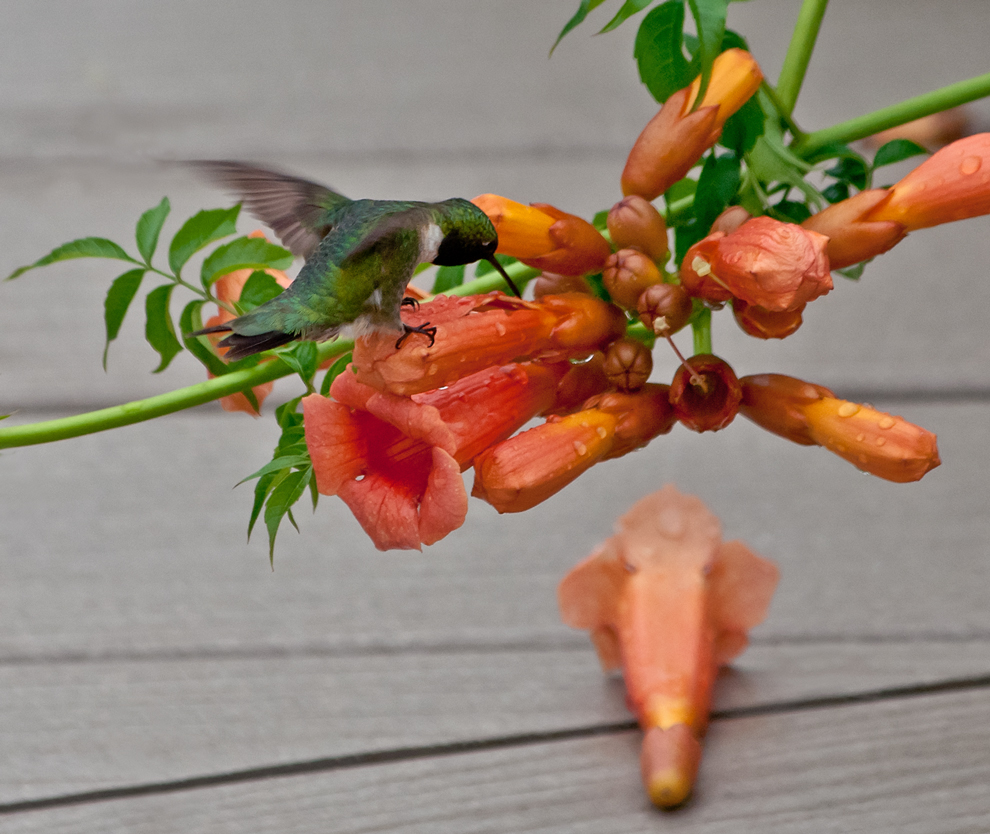
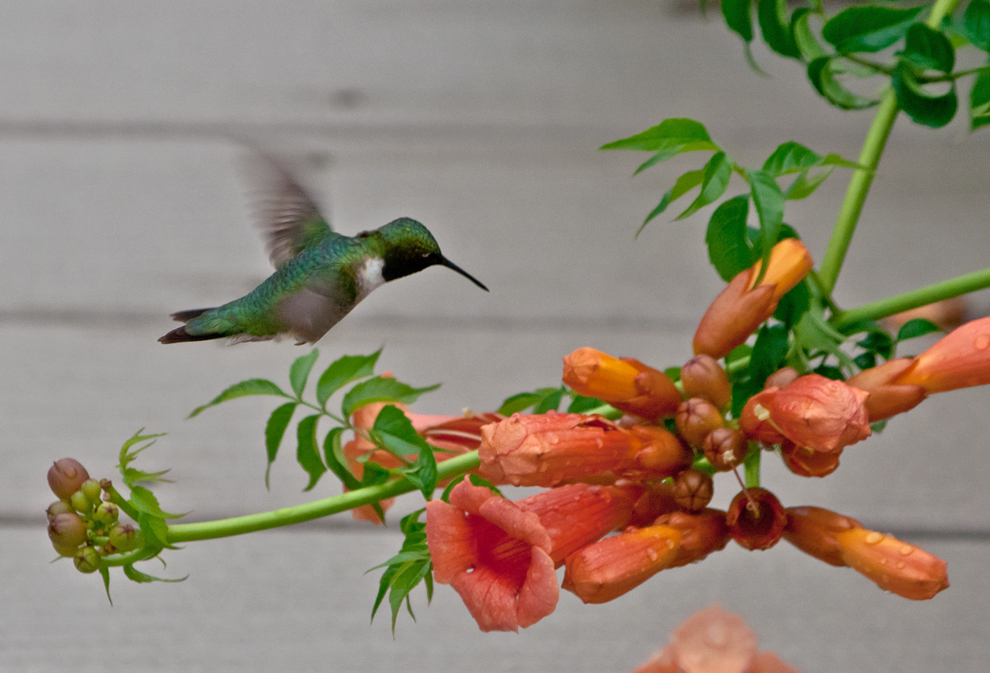
How do you get a sharp photo of a hummingbird’s wings? Apparently, if a hummingbird is hungry enough, it will extract the nectar from a flower before it has bloomed, and the leverage required may force it to perch on the flower, doing away with the necessity to fly its wings rapidly.

hummingbird1_blog

Walking on the boardwalk at my local marshland park, the last thing on my mind was a hummingbird—I was searching for butterflies and dragonflies.  As I turned a corner, I saw a flash of color and figured it was a butterfly. I took a closer look and realized it was a hummingbird, a Ruby-throated Hummingbird (Archilochus colubris).

hummingbird4_blog

The hummingbird was circling around a plant with red, trumped-shaped flowers that was partially hanging over the boardwalk. Most of the flowers had not yet bloomed, so the bird seems to have decided to use its bill to drill into the side of the unopened flowers to extract the nectar. That decision was largely responsible for me being able to get some shots, because it caused the hummingbird to hang around longer.

hummingbird2_blog

I realized that I had a limited window of opportunity and made a quick adjustment to my camera to increase the shutter speed of my camera, although that meant I had to narrow my depth of field. I also ended up shooting downward, with the gray composite boards of the boardwalk as the background. It was definitely a challenge to keep the camera focused on the hummingbird.

hummingbird3_blog

The photos are not perfect, but I am pretty happy that I was able to get photos at all, given that this is only the second time that I have seen a hummingbird in the wild. Next time, perhaps I’ll manage to get a more traditional shot of a hummingbird hovering in the air.

© Michael Q. Powell. All rights reserved
Read Full Post »

I continue to be amazed at the insects that visit my neighbors’ garden and yesterday I was thrilled to see this Great Spangled Fritillary butterfly (Speyeria cybele). The beautiful butterfly moved around a lot among the flowers and even returned after flying away, which gave me time to change lenses.

I took this shot of the butterfly on a cone flower with my 100mm macro lens. I wanted take the photograph at eye-level with the butterfly, but initially the background was too cluttered and there was too much light coming from the back, which caused the butterfly to be shadowy.  I decided to use my pop-up flash, suspecting that the background would go black and the detail of the butterfly would be revealed, which is what happened.

The result looks a little bit artificial, but I like the effect that I managed to achieve. I am working on a couple more images of the butterfly taken in natural light, so you may see it again soon.

fritillary2_crop_blog

© Michael Q. Powell. All rights reserved

Read Full Post »

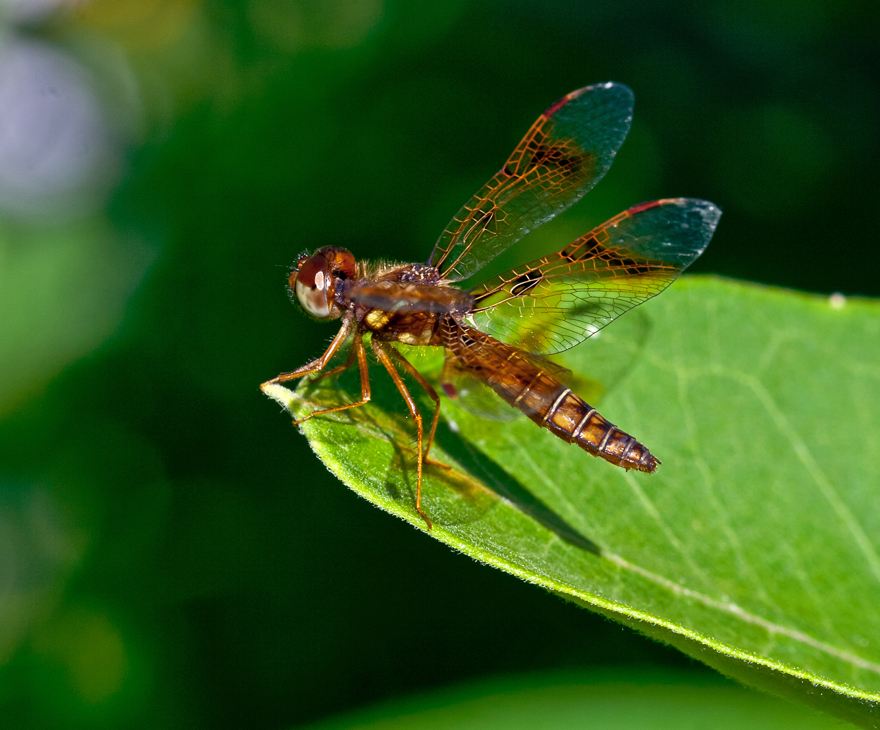
When I first spotted this dragonfly, I thought it was a wasp—it was that small. As I continued to observe it, however, I realized that it was a tiny dragonfly.

Its wings reminded me a little of a Halloween Pennant dragonfly (Celithemis eponina), one of the most exotic-looking dragonflies that I have ever photographed, but it was far too small. (Check out this previous posting for a look at the Halloween Pennant.)

This dragonfly seemed even smaller than the Eastern Amberwing dragonfly (Perithemis tenera), the smallest dragonfly that I had encountered, and I figured it couldn’t be an Eastern Amberwing, because it did not have amber wings. I was wrong. Once again I had allowed myself to be misled by the name of a species. It turns out that this is almost certainly a female Eastern Amberwing, and females have clear wings with brown spots, not amber wings.

I continue to be amazed at the dragonfly’s diminutive size. According to the Field Station at the University of Wisconsin at Milwaukee, Eastern Amberwings are considered to be wasp mimics, because of their coloring, their rapid, erratic flight, and the way they twitch their wings and abdomens when at rest. The Latin name tenera means “tender” or “delicate,” a description that seems to fit this little dragonfly quite well. If you want to learn more about the Eastern Amberwing, you should check out the Field Station website.

Large or small, at rest or in motion, dragonflies are one of my favorite photographic subjects at this time of the year. Their beautiful colors and incredible agility never cease to amaze me.

tiny1_blog

© Michael Q. Powell. All rights reserved

Read Full Post »

It was bound to happen. No more than I few days ago I lamented that I had never seen a dragonfly eating, in responding to a wonderful posting by Sue of Backyard Biology about dragonflies as super predators—you should check out her posting, unless you are squeamish about things like headless dragonflies.

Sure enough, this past weekend I was able to get some photos of a female Eastern Pondhawk dragonfly (Erythemis simplicicollis) with a bee that she had captured. Initially, I was just trying to get a photo of the beautiful emerald-colored dragonfly on the plant in the second photo. I didn’t even realize that she was cuddling a bee in her front legs, almost like a little baby.

Eventually she flew down from the plant to the edge of the boardwalk to enjoy her meal and I got the first shot. I had to lean over the edge of the boardwalk to get the photo and just barely avoided falling into the bushes below.

My usual experience is that I am so excited about photographing a subject the first time that I not very concerned about the quality of the images. I will keep my eyes open and hope to capture some more images of dragonflies feeding.

dragonfly_bee1_blogdragon_bee2_blog

© Michael Q. Powell. All rights reserved
Read Full Post »

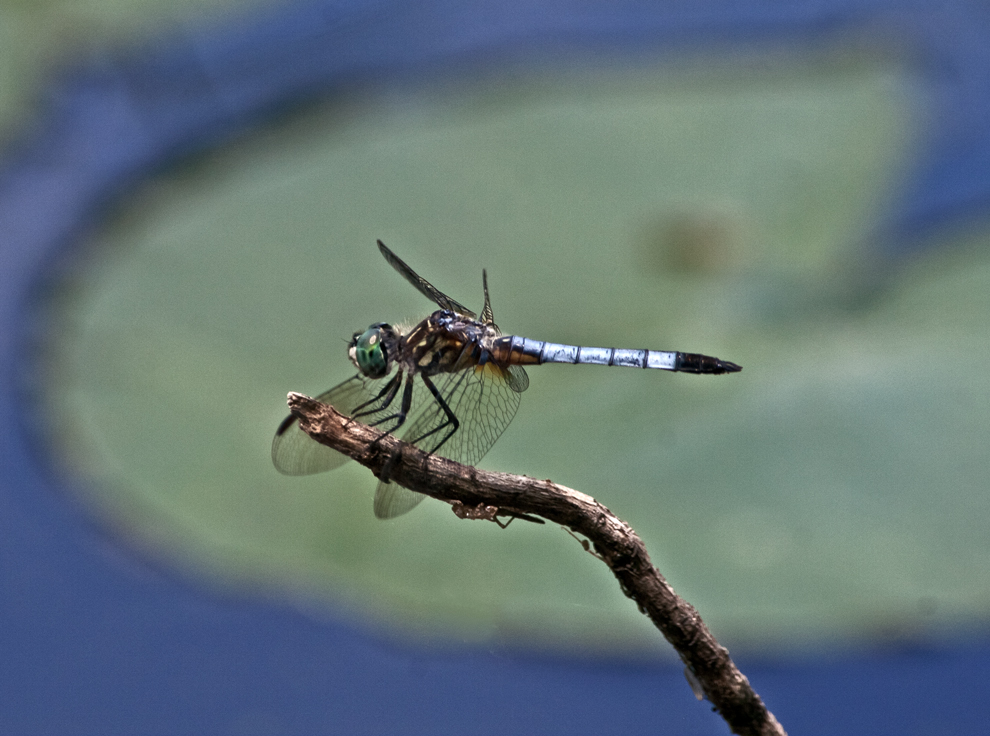
It’s not often that I have the luxury of consciously composing the background when I am photographing a dragonfly, but this Blue Dasher (Pachydiplax longipennis) was cooperative enough that I was able to frame the shot with a lily pad in the background. As a bonus, the colors of the background are a pretty good match for the colors of the dragonfly.

Who knew that dragonflies were so stylish? Maybe the coordinated colors helps the males to attract prospective mates. The less stylish dragonflies probably have to rely on the insect equivalent of eHarmony.com.

dasher_pad_blog

© Michael Q. Powell. All rights reserved
Read Full Post »

It seems like I have been seeing Green Herons (Butorides virescens) everywhere recently. Of course, that is an exaggeration, but within the last month I have encountered Green Herons in three separate locations.

Out of the three locations, this is the most suburban—a little pond at a local garden, surrounded by grass on most sides. The other locations are in marshy, wooded areas.

I observed this Green Heron this past weekend and think it is a juvenile. Normally I have trouble identifying juvenile birds, but adult Green Herons have yellow legs, while juveniles have greenish legs.

I happened to have my 100mm macro lens on my camera, so I had to try to inch my way toward the heron to get this shot. I like the heron’s pose with its head tilted up. Ideally I would have liked to blur out the background more, but I don’t find the green grass to be too distracting.

juvenile_green1_blog

© Michael Q. Powell. All rights reserved

Read Full Post »

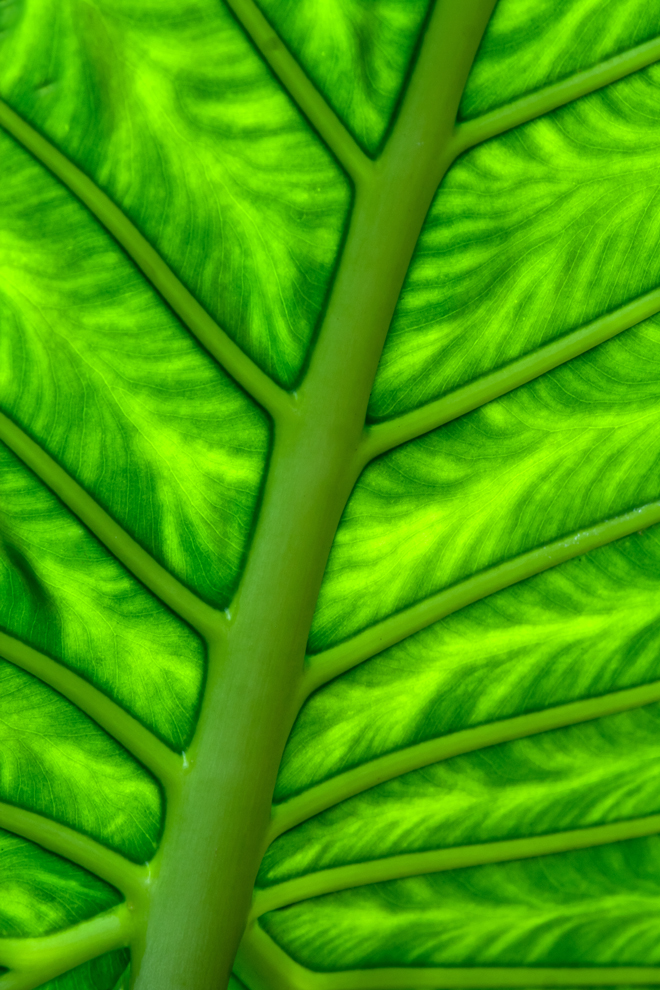
I love back lighting and I was really struck by the beauty of the light coming though the giant leaves of an Elephant Ear plant this past weekend, highlighting the details of the plant. The veins are very prominent and the colors and patterns are gorgeous.

This image is more abstract than my usual photos, but sometimes it’s nice to shoot something a little different.

ear_blog

© Michael Q. Powell. All rights reserved

Read Full Post »

Imagine what it would be like to climb out of the secure watery world that you have always known onto an exposed blade of grass to wait for a transformation to take place, a transformation from the inside.

Impatiently waiting for your skin to dry in the sun, you prepare to break out of your former body, unfurl your wings, and fly into the air. You’ve waited all your life for this moment, when you emerge as a dragonfly. How hard it must be to wait for the transformation to be complete. At last you take off, forever changed, leaving behind the empty outer shell as the sole evidence of your former existence.

shell_blog

© Michael Q. Powell. All rights reserved

Read Full Post »

As I was walking along the boardwalk at my local marsh in the early afternoon of a very hot and humid day this weekend, I spotted a deer in the brush, my closest encounter with a deer in a long time.

Immediately I stopped, fearful that I would spook the deer. The deer was close enough that I figured that I could get a good shot. I was wrong. The strong, harsh midday light was coming directly from the side, and despite my efforts to adjust my settings, virtually all of my shots had one side of the deer’s face with blown out highlights and the other side in deep shadows. It might sound artistic, but it wasn’t.

I slowly began to move toward the deer, hoping to get a more favorable lighting situation, when, sure enough, the deer turned around and ran away from me. I thought that all was lost, but then the deer stopped and turned to look back at me. Somehow, the deer had moved to a spot where there was a little shade and I managed to get this shot.

Frankly, my deer, I don’t give a damn that you chose to move away from me—I love you more from a distance.

deer1_blog

© Michael Q. Powell. All rights reserved
Read Full Post »

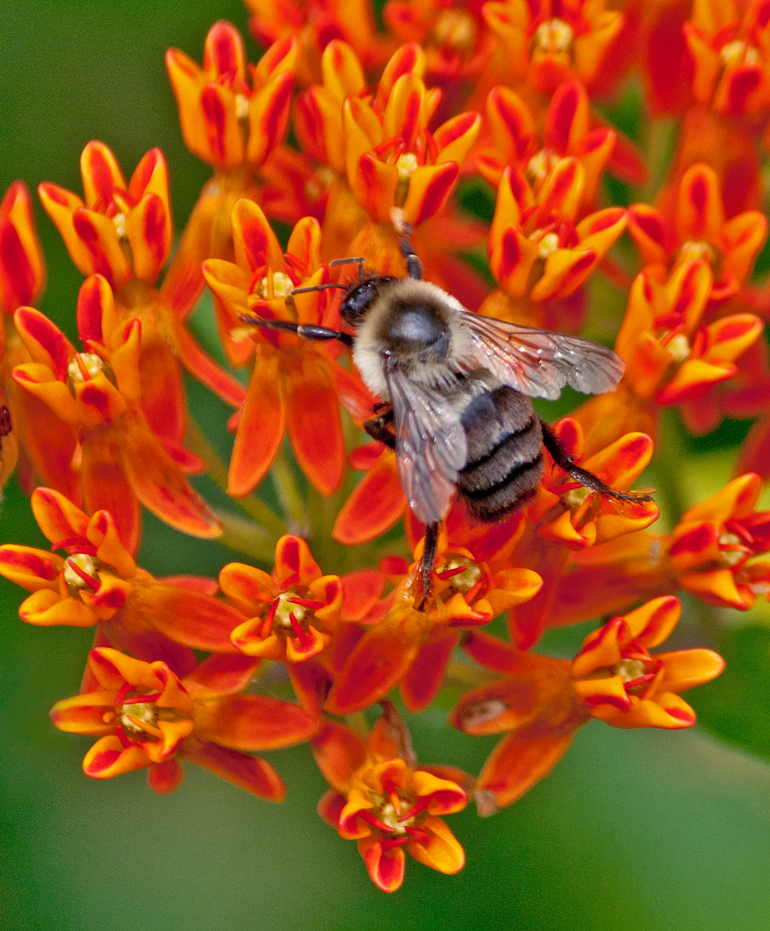
How do you approach each day? Do you embrace it with all of your energy, like this bumblebee seems to be doing as it leaps into a patch of Butterfly Weed (Asclepias tuberosa)? Most mornings, my body needs the stimulation of coffee and bright colors like those in this photo have the same effect in awakening my other senses.

I had never seen Butterfly Weed until a few days ago, when I encountered it at a local garden, and I was immediately captivated by its vibrant color. According to Wikipedia, it is a species of milkweed native to North America that attracts butterflies and hummingbirds (and obviously bees too).

I love the unusual position of this bee. It looks like he is skydiving, gliding through the air.

orange_bee_blog

© Michael Q. Powell. All rights reserved

Read Full Post »

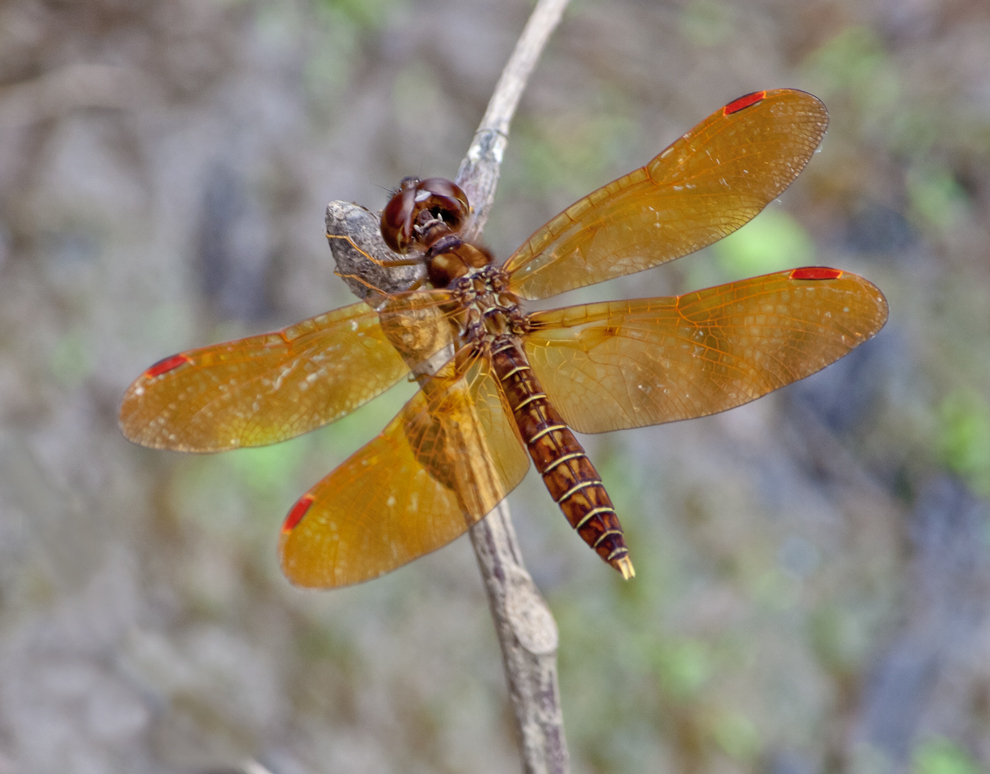
Earlier this week I posted some images of the Eastern Amberwing dragonfly (Perithemis tenera) in flight, but you can see the details of this tiny dragonfly better in this shot of one perched on a branch. It’s always a treat for me to get shots of these beautiful little dragonflies, because they are so small (less than one inch (25mm) and very active.

amberwing_branch© Michael Q. Powell. All rights reserved

Read Full Post »

It doesn’t get much more simple or more beautiful than this—a fuzzy bumblebee on a Purple Cone Flower (Echinacea purpurea).

I got as close as I could with my macro lens, eye-to-eye with the bee, and managed to capture some of the incredible details and colors of both the flower and the bee. Except for a minor amount of cropping and tweaking, this is pretty much what the image looked like when I first pulled it up on my computer.

It’s enjoyable to chase after more exotic creatures and environments to photograph, but it is reassuring to know that beauty is never far away—it is present in the ordinary.

big_bee_blog

© Michael Q. Powell. All rights reserved
Read Full Post »

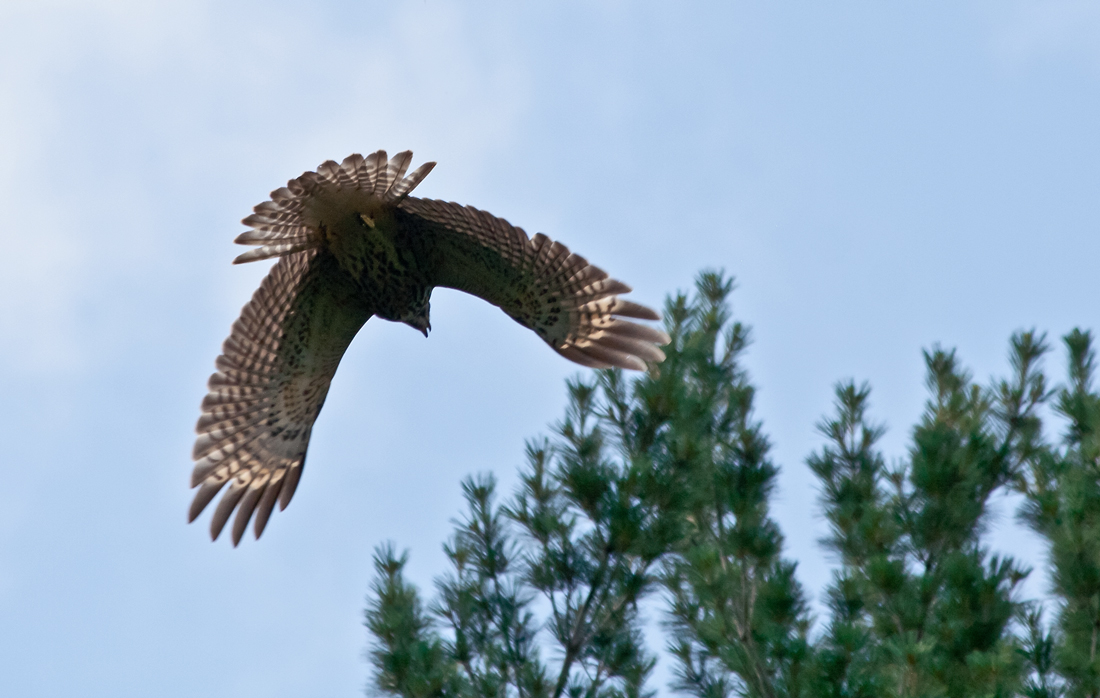
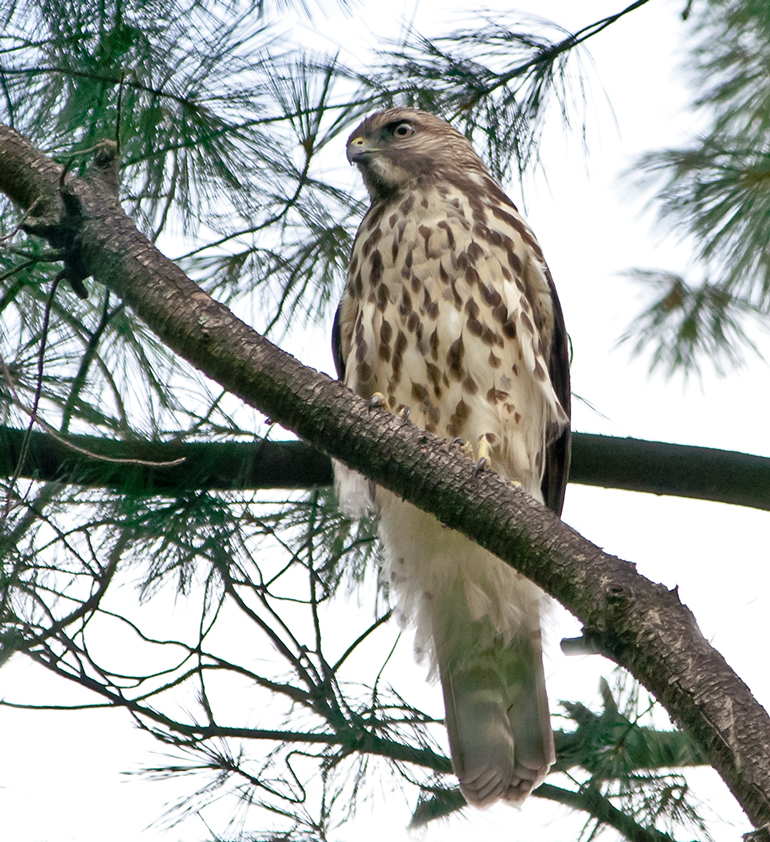
Why do hawks scream? That question ran through my head yesterday during a visit to a local garden, when the call of a hawk rang out almost continuously for long periods of time.

Twice I managed to see the hawk, which I think may be a Red-tailed hawk (Buteo jamaicensis) and got some shots of it. Although I was able to get a shot of the hawk perched on the limb of the tree (the second photo here), I prefer the first image.

I had observed the hawk flying to the branches of a tree that was relatively near to where I was. The photographic challenge for me was that the hawk was mostly in the shade and the sharp upward angle made it tough to get a good shot. After a few minutes on the branch, the hawk took off and I got a couple of photographs before the hawk disappeared into the trees.

I really like the outstretched wings and tail of the hawk as it took to the air. Note too that the hawk’s mouth is open—I think he was still screaming.

hawk3_bloghawk2_blog

© Michael Q. Powell. All rights reserved

Read Full Post »

Sometimes an insect or a spider is so small that it seems almost impossible to get a clear shot of it, which was the case the this morning with this tiny crab spider.It was located in a place where a tripod was not feasible and the spider kept changing its position.

I kept shooting and got this image that is kind of artsy. The spider ended up as merely one element of the composition. I especially like the limited color palette and the different shades of green and brown that are present in the image.

crab_blog

© Michael Q. Powell. All rights reserved
Read Full Post »

It’s tough enough to try to photograph any dragonfly in flight, but this past weekend I chased after some of the smallest ones, the Eastern Amberwing dragonflies (Perithemis tenera).

According to Bugguide, these dragonflies are typically 21-24mm in length, which is less than one inch. There were lots of Eastern Amberwings buzzing around the edges of a small pond at one of the local gardens that I like to visit. They were within range of the 100mm macro lens that I was using, but focusing was my big problem. Even though they tended to hover a bit, it was tough to get them in focus when focusing manually and impossible to do so with auto-focus.

The amber wings of this dragonfly are distinctive and I was happy to get some images that showcase the wings. The shots are not quite as sharp as they might have been if I had captured the dragonflies perched, but they seemed to be in constant motion and never posed for me. Focusing manually is still an adventure for me when the subject is moving, but it is a fun challenge.

amber1_blog

amber2_blog

© Michael Q. Powell. All rights reserved

Read Full Post »

This photo leaves me a little confused, because the larval shell to which this damselfly is clinging seems too big for its body and looks more like it belonged to a dragonfly.

There are plenty of places on the internet where you can read about the life cycle of dragonflies and damselflies, but the short version is that they spend most of their lives in the water as nymphs. There they go through a series of larval stages in which they shed their skin that has grown too tight. Just before they molt for the final time, they climb out of the water and, once the skin dries, the damselflies emerge. They then have to rest for a little while as their wings unfurl and their legs get stronger. Only then can they fly away.

This pretty little damselfly seems to be in the resting phase on a little rock ledge at the edge of a pond at a local garden. I wanted to try to get a bit closer, but the embankment where the ledge was located was steep and muddy and I would have had to be standing in the water to get a better angle.

I like the photo a lot and find it to be weirdly fascinating. The landscape is simple and rugged, with some texture in the foreground. The moulted shell still seems lifelike and seems to be looking at us with a slightly tilted head. The damselfly itself has the only color in the image and attracts the viewers’ eyes. There is a kind of tension in the damselfly’s pose, as it hangs on with all of its strength, waiting until the moment when it can fly away.

Imagine what it would be like waiting, waiting for the moment when you take to the air for the first time, leaving behind forever your old life in the water.

emerging_blog

© Michael Q. Powell. All rights reserved

Read Full Post »

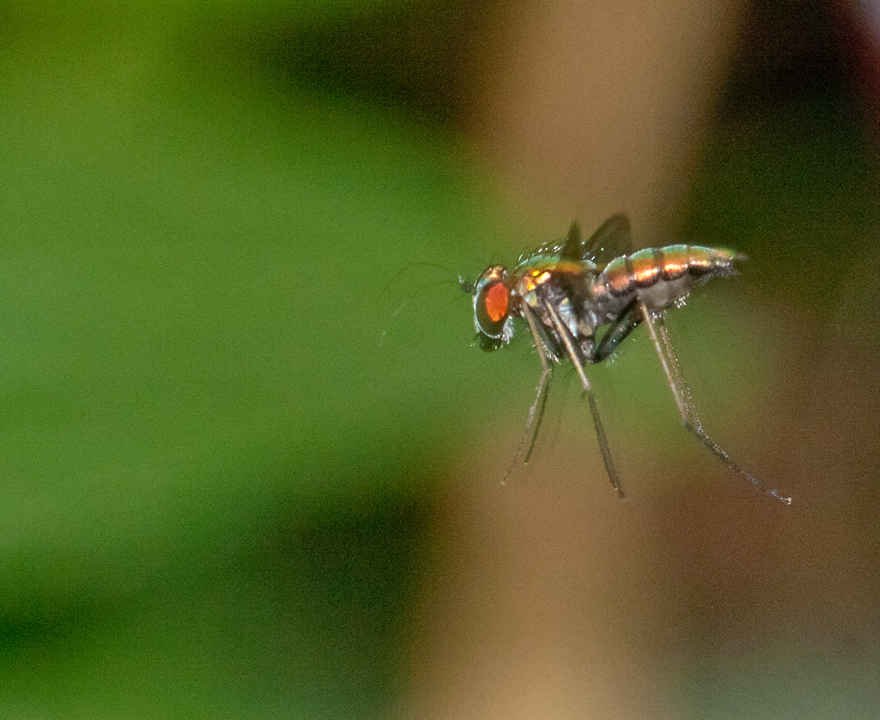
Yesterday evening when I saw a fly with a golden body perched on a leaf and decided to try to get a shot of it using my pop-up flash, several remarkable things happened.

Almost every time that I tripped the flash, the fly flew away for a split second and returned to the the leaf. Most of the the shots showed only a part of the fly’s body in the frame, but several of the images show the fly in mid-air, as you can see in the first and third image.

The flash also revealed that the fly is multi-colored to the point that I have named it a rainbow fly. (I have no idea of its real name). You can really see a lot of different colors in the second image, the only one that I managed to get of the fly sitting still.

Those who follow my blog know that I enjoy trying to capture shots of birds and insects in flight, but I never expected that I would get shots of a fly in flight, even accidentally. It shows once again the significant role that luck plays in getting interesting images.

fly1_blogfly3_blogfly2_blog

© Michael Q. Powell. All rights reserved
Read Full Post »

I have encountered some cool-looking spiders in the past, but I think that this Bold Jumping spider (Phidippus audax) just leaped to number one on my personal list.

I was checking out my neighbor’s garden (fellow blogger and photographer Cindy Dyer) this past weekend, when I saw a little movement among the flowers. The first thing that i noticed was the fuzzy body and I suspected that I had a jumping spider in front of me. It crawled all around a couple of different plants and most of the time it had its back to be. I tried to be patient as I waited for it to turn toward me, so that I could get a shot of its amazing eyes.

It is equally remarkable that the Bold (also known as Daring) Jumping spider has iridescent blue-green mouth parts that are technically known as chelicerae. At first, I thought the spider was eating something brightly colored that really made it stand out—you can’t really camouflage yourself when you have a color that distinctive.

This is the third species of jumping spider that I have now seen in this one little garden. I am not sure what attracts the spiders to it, but the garden has an equal attraction for me.

Jumping_spider_A_blogjumping_spiderB_blog

© Michael Q. Powell. All rights reserved
Read Full Post »

« Newer Posts - Older Posts »