August 19, 2017 by Mike Powell
Predator or prey? Dragonflies are fearsome predators, but they can also become prey—it’s the whole circle of life cycle in the natural world.
This past Friday as I was walking around Occoquan Bay National Wildlife Refuge, I spotted the twisted body of a dragonfly suspended in the air against a backdrop of the sky. Instinctively I knew that there must be a spider web there, although it was not initially visible. The wing pattern of the dragonfly made it easy to identify as a Common Whitetail (Plathemis lydia).
As I got closer, I realized that a large spider was holding onto the body of the dragonfly. I am not totally certain of the spider identification, but it looks to me like it is a Spotted Orbweaver (Neoscona crucifera). Often when I approach a spider, it will scurry to the edge of its web, but this spider defiantly stayed in place—it looked like it was determined not to give up its prey.
As many readers know, I really like dragonflies, but spiders have to eat too. Undoubtedly this scenario plays out multiple times each day, but it is still a little unsettling to see it face-to-face.

© Michael Q. Powell. All rights reserved
Posted in Arachnids, Dragonflies, dragonfly, Insects, Macro Photography, Nature, Photography, spiders | Tagged Canon 50D, Common Whitetail, Common Whitetail dragonfly, Neoscona crucifera, Occoquan Bay National Wildlife Refuge, Plathemis lydia, Spotted Orbweaver, Spotted Orbweaver spider, Tamron 180mm, Woodbridge VA | Leave a Comment »
August 19, 2017 by Mike Powell
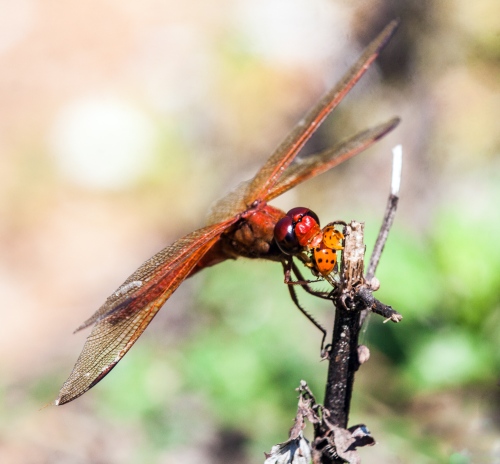
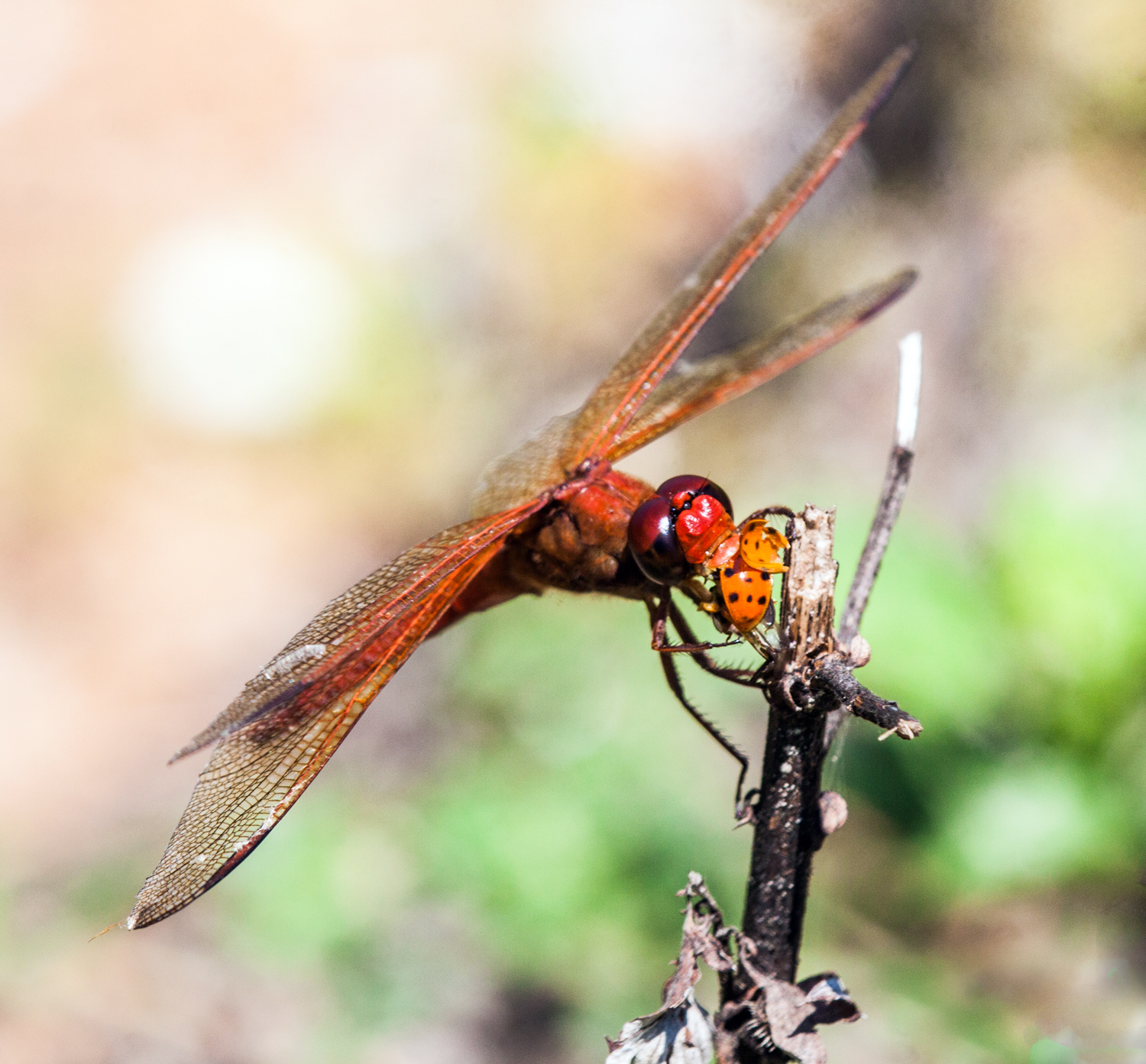
Dragonflies have to eat too, but I was a little shocked when I stumbled upon this Needham’s Skimmer dragonfly (Libellula needhami) munching on a ladybug or two yesterday at Occoquan Bay National Wildlife Refuge in Woodbridge, Virginia. Although I know that dragonflies are fearsome predators, I guess that I am not used to thinking of ladybugs as prey—they are usually depicted as cute, which is why they are seen so often on children’s clothing and furnishings.
© Michael Q. Powell. All rights reserved
Posted in Dragonflies, dragonfly, Insects, Macro Photography, Nature, Photography | Tagged Canon 50D, ladybug, Libellula needhami, Needham's Skimmer, Needham's Skimmer dragonfly, Occoquan Bay National Wildlife Refuge, Tamron 180mm, Woodbridge VA | 3 Comments »
August 18, 2017 by Mike Powell
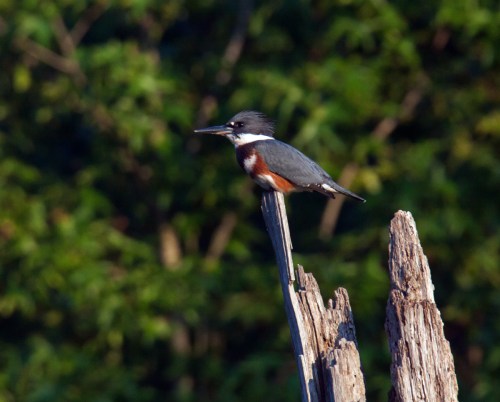
I spent a considerable amount of time one morning earlier this month at Huntley Meadows Park trying to get some shots of this skittish female Belted Kingfisher (Megaceryle alcyon). It was almost impossible to get really close, so I had to rely on my long telephoto zoom lens.


© Michael Q. Powell. All rights reserved
Posted in Birds, Nature, Photography, wildlife | Tagged Alexandria VA, Belted Kingfisher, Canon 50D, female Belted Kingfisher, Huntley Meadows Park, kingfisher, Megaceryle alcyon, Tamron 150-600mm | 5 Comments »
August 17, 2017 by Mike Powell
Although I tend to associate Monarch butterflies (Danaus plexippus) with milkweed, this Monarch was hungrily feeding on Queen Anne’s lace (Daucus carota) this past weekend at Huntley Meadows Park. I am not sure why, but I have seen significantly more Monarch butterflies this summer than in the past few years.

© Michael Q. Powell. All rights reserved
Posted in Butterflies, Flowers, Insects, Nature, Photography | Tagged Alexandria VA, Canon 50D, Danaus plexippus, Daucus carota, Huntley Meadows Park, Monarch, monarch butterfly, Queen Anne's Lace, Tamron 180mm | 3 Comments »
August 16, 2017 by Mike Powell
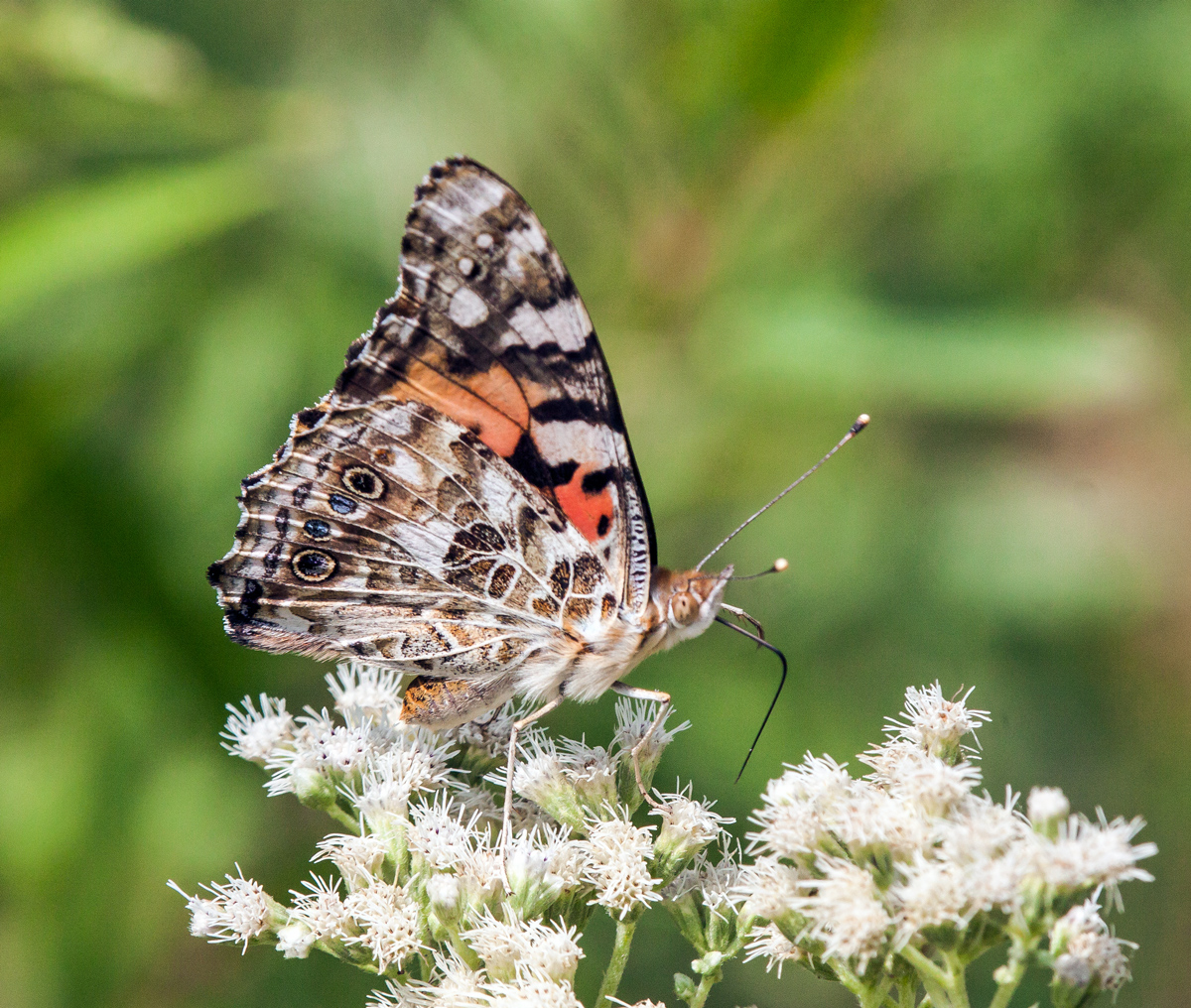
As I was exploring at Huntley Meadows Park this past weekend, I was thrilled to stumble upon this beautiful Painted Lady butterfly (Vanessa cardui), a species that I have not seen in several years. In the field, I couldn’t remember the differences between a Painted Lady and the similar-looking American Lady. Fortunately, there are plenty of resources on-line, including this helpful comparison page on bugguide.net that shows the differences between the two types. On the basis of the pattern of the eye spots, I concluded that this is almost certainly a Painted Lady.

© Michael Q. Powell. All rights reserved
Posted in Butterflies, Insects, Macro Photography, Nature, Photography, wildlife | Tagged Alexandria VA, Canon 50D, Huntley Meadows Park, Painted Lady, Painted lady butterfly, Tamron 180mm, Vanessa cardui | 4 Comments »
August 15, 2017 by Mike Powell
Several years ago, when I first started getting serious about photography, I probably would have called the insect in the photo a bee. My choices back then were simple—a black and yellow insect was either a bee or a yellowjacket. Now that I know a whole lot more about insects, I can readily identify the insect as a hoverfly (also referred to as flower fly) from the Syrphidae family.
When I spotted the hoverfly yesterday, I was struck by the way that its colors matched almost perfect those of the black-eyed Susans (Rudbeckia hirta) that were growing in abundance at Jackson Miles Abbott Wetland Refuge.

© Michael Q. Powell. All rights reserved
Posted in Flowers, Insects, Macro Photography, Nature, Photography | Tagged black-eyed susan, Canon 50D, family Syrphidae, flower fly, Fort Belvoir VA, hover fly, hoverfly, Jackson Miles Abbott Wetland Refuge, Rudbeckia hirta, Tamron 180mm | 5 Comments »
August 14, 2017 by Mike Powell
When I first encountered two insects this past weekend at Huntley Meadows Park, I thought they were mating. Looking a little closer, I realized it was a robber fly and its prey, which, after some research, I conclude is probably a Striped Horse Fly (Tabanus lineola). In addition to its unusual eyes, check out the sharp mouth parts of the horse fly that are used, I believe, for biting. Ouch!
There is a whole family of robber flies, known as Asilidae, of varying sizes and shapes, including the Red-footed Cannibalfly that I have featured several times recently. This robber fly was considerably smaller than a Red-footed Cannibalfly, but has many of the same general characteristics. They both grasp their prey with their long legs and inject it with saliva that paralyzes the victim. The saliva eventually liquifies the insides of the prey and the robber fly sucks out the liquified material through its proboscis. I think that the robber fly in the photo was in the middle of that process when I spotted it.

© Michael Q. Powell. All rights reserved
Posted in Insects, Macro Photography, Nature, Photography | Tagged Alexandria VA, Asilidae, Canon 50D, Huntley Meadows Park, robber fly, Striped Horse fjy, Tabanus lineola, Tamron 180mm | 3 Comments »
August 13, 2017 by Mike Powell
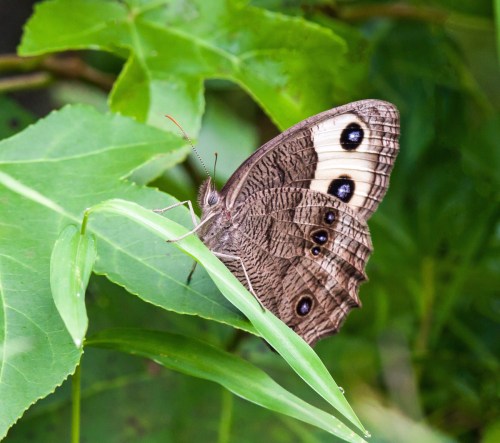
One of the little woodland butterflies that I see only rarely is the Common Wood Nymph (Cercyonis pegala). I was therefore pretty excited when I spotted this beauty on Friday while it was perched on a tree at Huntley Meadows Park. The yellow patch is so distinctive that it was pretty easy for me to identify this one, unlike so many other woodland butterflies that are mostly brown with different patterns and colors of eye spots on their wings.
© Michael Q. Powell. All rights reserved
Posted in Butterflies, Insects, Nature, Photography, wildlife | Tagged Alexandria VA, Canon 50D, Cercyonis pegala, Common Wood Nymph, Common Wood Nymph butterfly, Huntley Meadows Park, Tamron 180mm | 4 Comments »
August 12, 2017 by Mike Powell
In the insect world, Red-footed Cannibalflies (Promachus rufipes) are fearsome predators. Yesterday I spotted one at Huntley Meadows Park in Alexandria, Virginia that appeared to be subduing a Hummingbird Clearwing Moth (Hemaris thysbe) that it had just captured.
What happens next? Wikipedia describes the tactics of a robber fly, the family to which the Red-footed Cannibalfly belongs, in these words: “The fly attacks its prey by stabbing it with its short, strong proboscis injecting the victim with saliva containing neurotoxic and proteolytic enzymes which very rapidly paralyze the victim and soon digest the insides; the fly then sucks the liquefied material through the proboscis.”
Yikes!

© Michael Q. Powell. All rights reserved
Posted in Insects, Macro Photography, Nature, Photography, Summer, wildlife | Tagged Alexandria VA, beauty canon 50D, Hemaris thysbe, Hummingbird Clearwing Moth, Huntley Meadows Park, Promachus rufipes, Red-footed Cannibalfly, Tamron 180mm | 3 Comments »
August 11, 2017 by Mike Powell
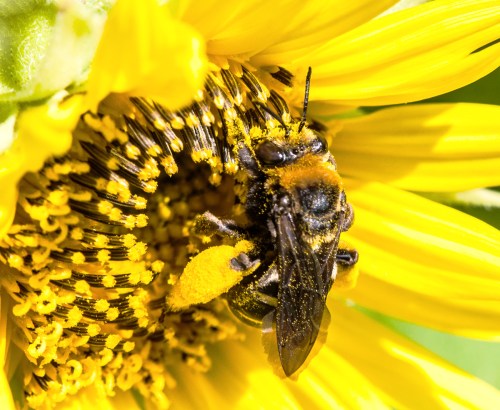
How much pollen can a bee transport at one time? As it circled the inside of a sunflower, this bee filled the pollen baskets on its hind legs with so much bright yellow pollen that I was afraid it would not be able to lift off and fly away. In addition to the very full pollen baskets, which looked like cotton candy to me, the bee was virtually covered with grains of pollen. My fears proved to be unfounded, and the overladen bee was able to carry away its golden treasure.
I think this bee is a bumblebee, though I am no expert on the subject of bees. According to Wikipedia, certain species of bees, including bumblebees and honeybees, have pollen baskets (also known as corbiculae) that are used to harvest pollen. Other bee species have scopae (Latin for “brooms”), which are usually just a mass of hair on the hind legs that are used to transport pollen.
© Michael Q. Powell. All rights reserved
Posted in Bees, Flowers, Macro Photography, Nature, Photography | Tagged bee, bumblebee, Canon 50D, McKee-Beshers Wildlife Management Area, pollen, Poolesville MD, sunflower, Tamron 180mm | 12 Comments »
August 10, 2017 by Mike Powell
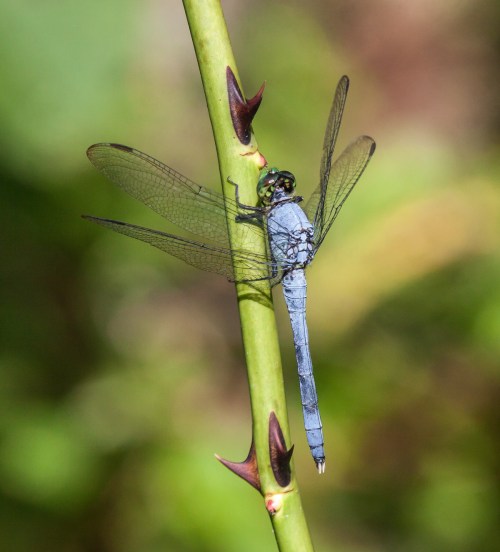
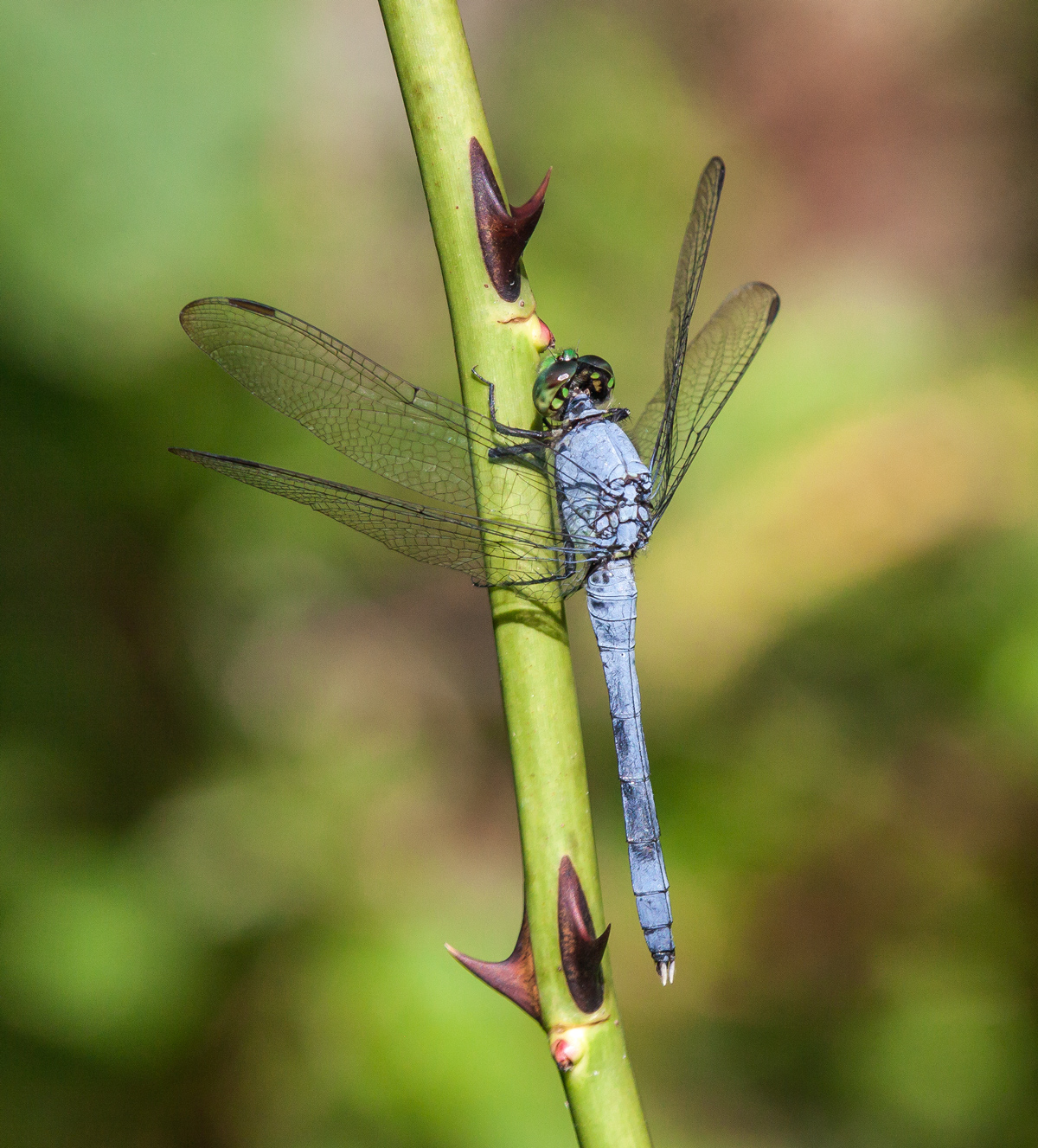
I don’t know about you, but if I were an insect with large, fragile wings, I think that I would avoid perching on vegetation with large thorns. This male Eastern Pondhawk dragonfly (Erythemis simplicicollis), however, is obviously bolder and more skilled than I am. With precision flying skills matching the parking abilities of an inner city driver, he has managed to squeeze into a space that seems barely large enough to accommodate him.
Pointless perching—that seems to be the point.
© Michael Q. Powell. All rights reserved
Posted in Dragonflies, dragonfly, Macro Photography, Nature, Photography, wildlife | Tagged Canon 50D, Eastern Pondhawk, Eastern Pondhawk dragonfly, Erythemis simplicicollis, male Eastern Pondhawk, McKee-Beshers Wildlife Management Area, Poolesville MD, Tamron 180mm | 15 Comments »
August 9, 2017 by Mike Powell
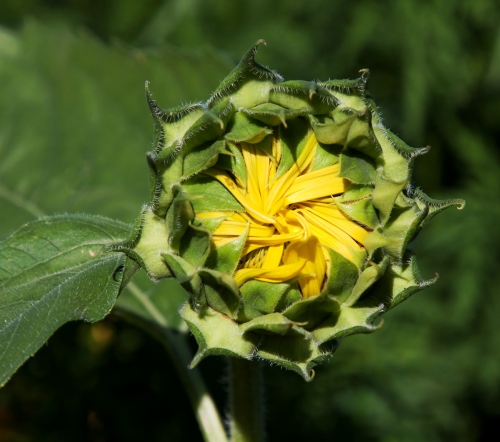
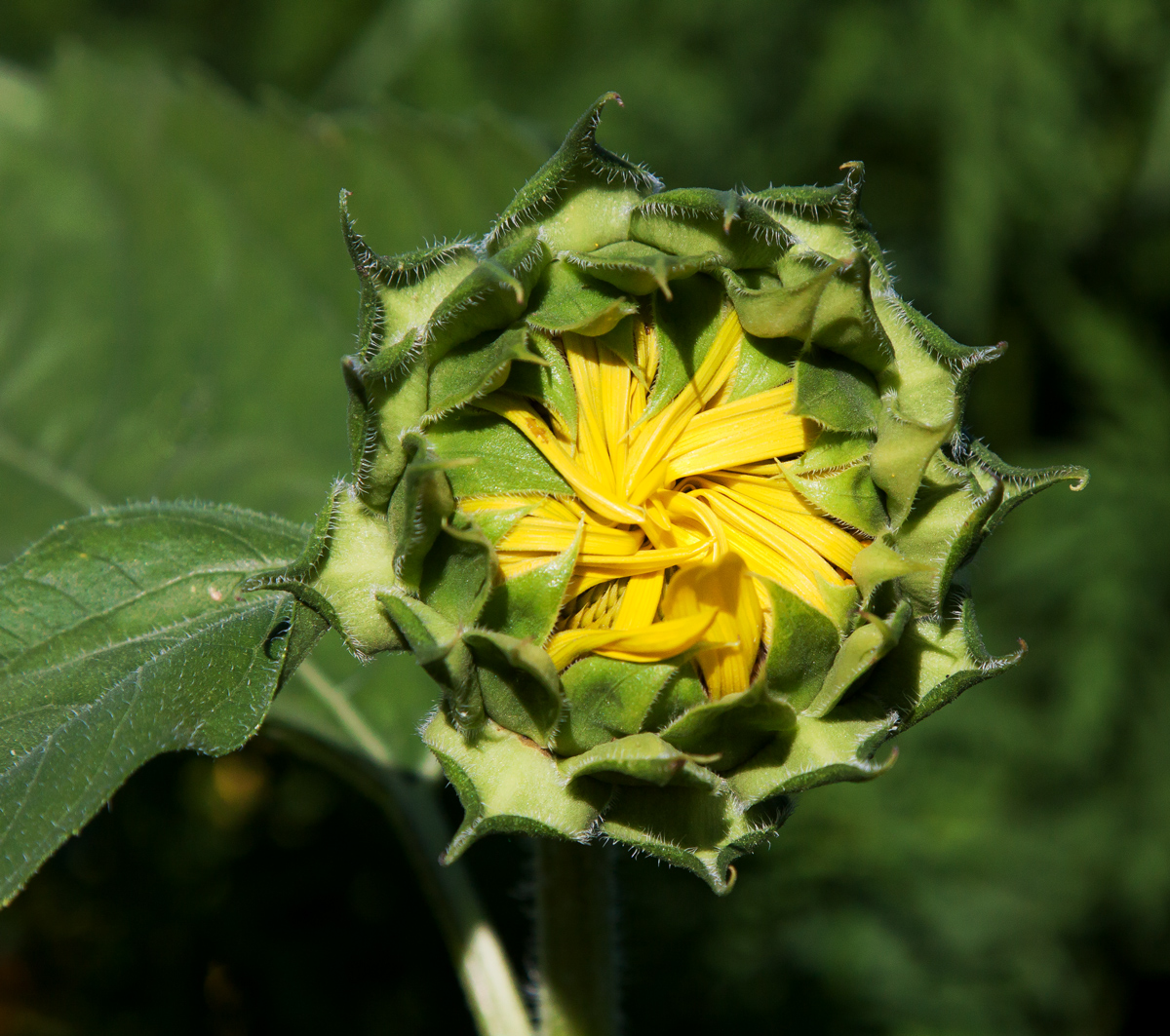
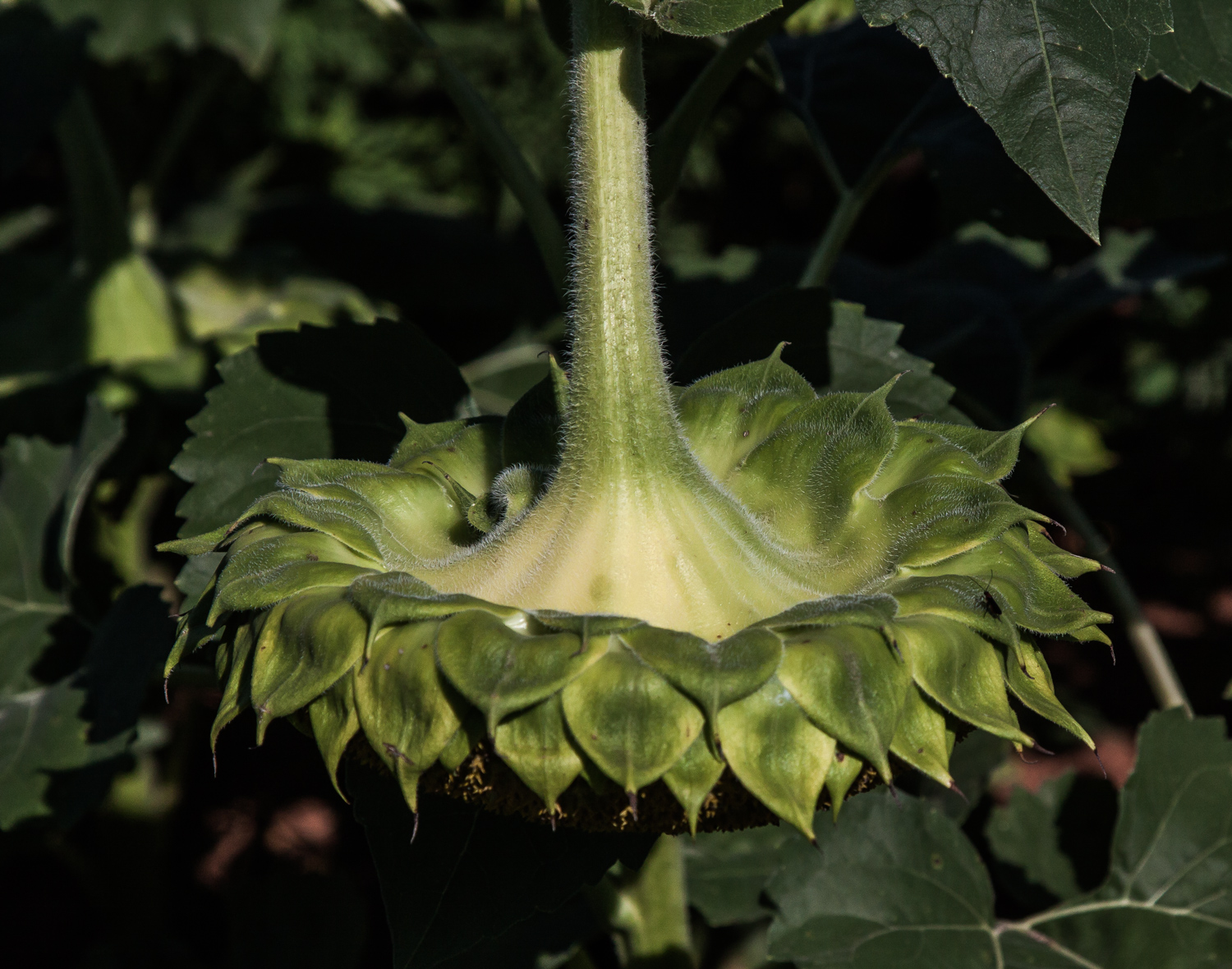
When you are confronted with a field of sunflowers, what’s the best way to photograph them? That was my challenge this past weekend at McKee-Beshers Wildlife Management Area in Poolesville, Maryland. Before I arrived, I though I would get a wide-angle view, filled with the bright yellows of the tall sunflowers. The reality was a little underwhelming, because the sunflowers had not grown very tall this year and many of them were past their prime.
So instead of going wide, I decided to move in closer and try to capture some of the details of the sunflowers. Here are a few images of single sunflowers in different stages of development. Some of the images are a little abstract and hopefully challenge readers to think beyond the normal shapes and colors that they associate with sunflowers.



© Michael Q. Powell. All rights reserved
Posted in Flowers, Nature, Photography | Tagged Canon 24-105mm, Canon 50D, McKee-Beshers Wildlife Management Area, Poolesville MD, sunflowers | 9 Comments »
August 8, 2017 by Mike Powell
I didn’t see the Green Heron (Butorides virescens) actually catch his breakfast last Friday morning at Huntley Meadows Park, but when he climbed up onto a protruding branch he gave me a quick look at the fish before swallowing it.

© Michael Q. Powell. All rights reserved
Posted in Birds, Nature, Photography, wildlife | Tagged Alexandria VA, Butorides virescens, Canon 50D, green heron, Huntley Meadows Park, Tamron 150-600mm | Leave a Comment »
August 7, 2017 by Mike Powell
Although it looks a bit like a tug of war, I think that these two Red-footed Cannibalflies (Promachus rufipes) actually were mating when I spotted them on Friday at Huntley Meadows Park. (Don’t ask me any anatomical questions–I am not sure how it works for them.)
This photo was taken from a pretty good distance away with my 150-600mm lens and is a little soft, but I thought I’d post it today as an accompaniment to my earlier macro shot of what I think is a female Red-footed Cannibalfly.

© Michael Q. Powell. All rights reserved
Posted in Insects, Macro Photography, Nature, Photography, wildlife | Tagged Canon 50D, mating Red-footed Cannibalflies, Promachus rufipes, Red-footed Cannibalfly, Tamron 150-600mm | 5 Comments »
August 7, 2017 by Mike Powell
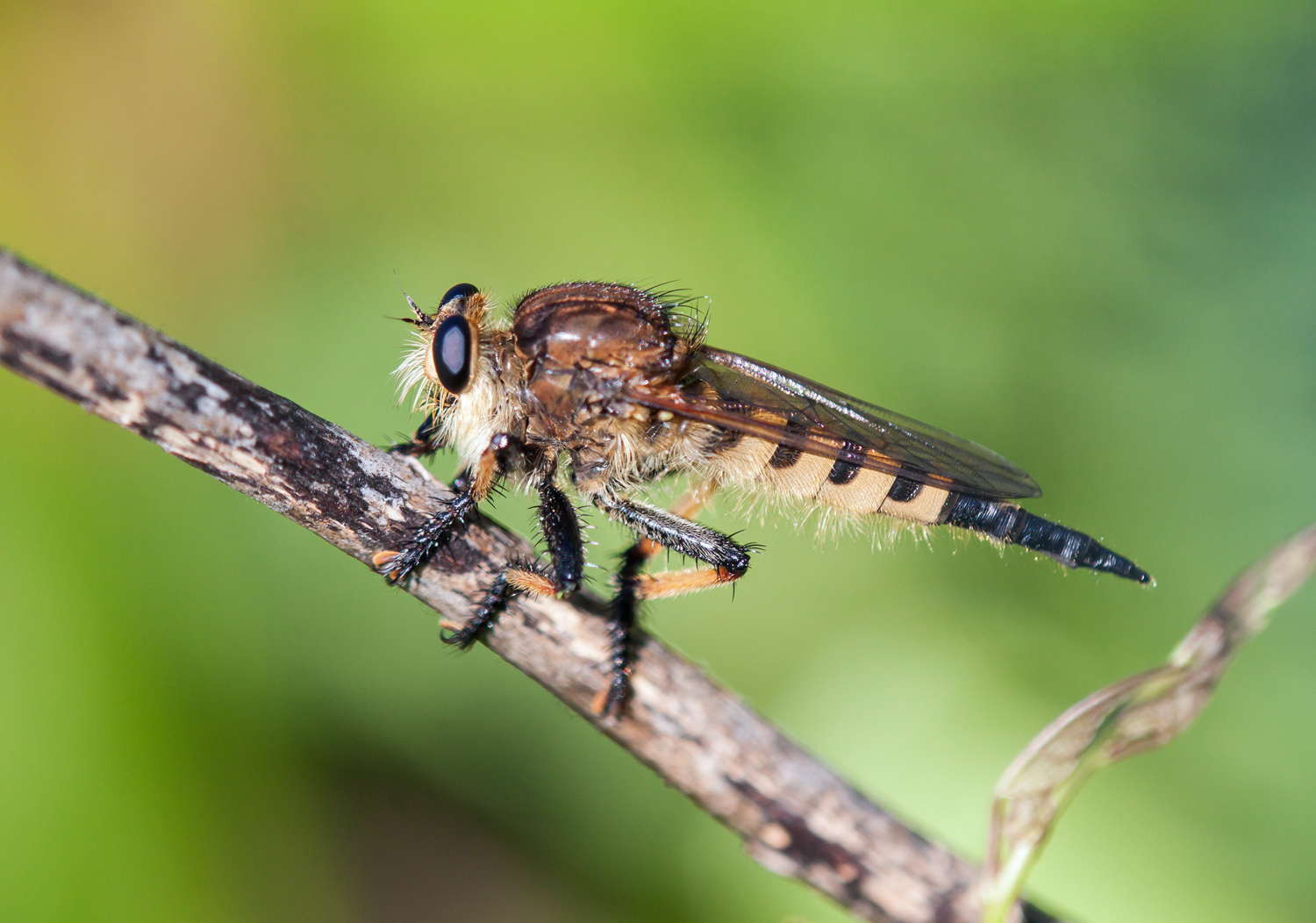
A Red-footed Cannibalfly (Promachus rufipes) is one of the coolest and creepiest insects that you can encounter in the wild. A type of robber fly, Red-footed Cannibalflies usually feed on other insects, but they reportedly are capable of taking down a hummingbird. I spotted this “beauty” during a visit this past weekend to McKee-Beshers Wildlife Management Area in Poolesville, Maryland after a fellow photographer pointed it out to me.
Red-footed Cannibalflies are special to me for an unusual reason—a posting that I did about one in August 2013 has proven to be my most widely viewed normal blog posting over time. (I did have a couple of postings about the rescue of an injured bald eagle that received a huge boost in readership when linked in local media reports, but that spike was a one-time occurrence and I tend to exclude those posts in my calculations.) The enduring popularity of that posting is a bit of a mystery to me. Yes, the subject is fascinating, but the accompanying photos are not really my best work.
Why then do I keep getting viewers for this posting? The posting, for example, had 512 views in 2015 and 612 views in 2016. During this year, there have already been 211 views, including 39 in August. I don’t know what kind of algorithms Google and the other search engines use in deciding how to rank order listings when searches are conducted, but somehow I have frequently made it onto the first page of the listings when a search is done for “red-footed cannibalfly.”
I receive offers all of the time for something called Search Engine Optimization (SEO) that promises me that, after I have paid a fee, my posting will rise higher on the Google results. I am not sure that it would be possible for me to get any higher on the list than I already am—I think that my posting has on occasion been as high as fourth on the Google results.
I am a little amused that my name may have become associated with Red-footed Cannibalflies in the minds of some viewers after a Google search. On the whole, readership statistics remain a mystery to me. I can sometimes guess which of my postings will have a good number of viewers when originally posted, but I am clueless in figuring out which ones will have additional views after a couple of days have passed.
For better or for worse, my postings seem to have a life of their own. I never know when or how a viewer somewhere in the world may stumble across my words and images. Wow! How cool is that?

© Michael Q. Powell. All rights reserved
Posted in Insects, Macro Photography, Nature, wildlife | Tagged Canon 50D, McKee-Beshers Wildlife Management Area, Promachus rufipes, Red-footed Cannibalfly, Tamron 180mm | 2 Comments »
August 6, 2017 by Mike Powell
This majestic osprey (Pandion haliaetus) was keeping a close watch on a fellow photographer and me as we pointed our long lenses in its direction as it perched high in a tree early one morning this weekend at Huntley Meadows Park.

© Michael Q. Powell. All rights reserved
Posted in Birds, Nature, Photography, Summer, wildlife | Tagged Alex, Canon 50D, Huntley Meadows Park, Osprey, Pandion haliaetus, Tamron 150-600mm | Leave a Comment »
August 6, 2017 by Mike Powell
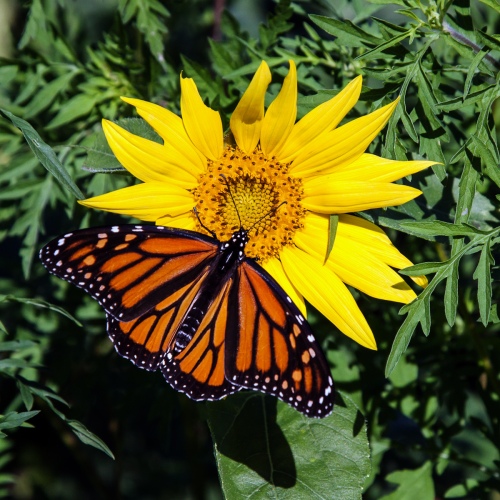
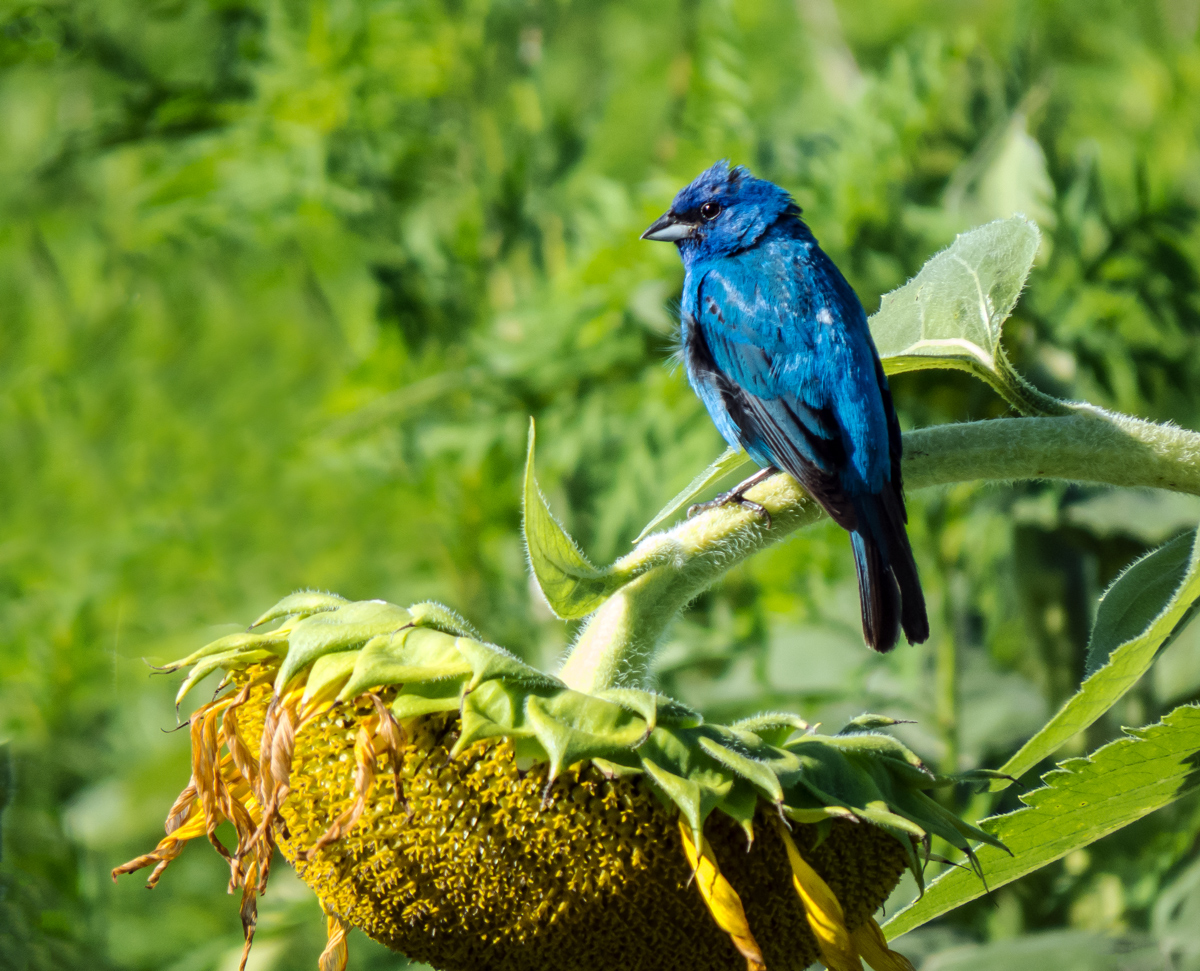
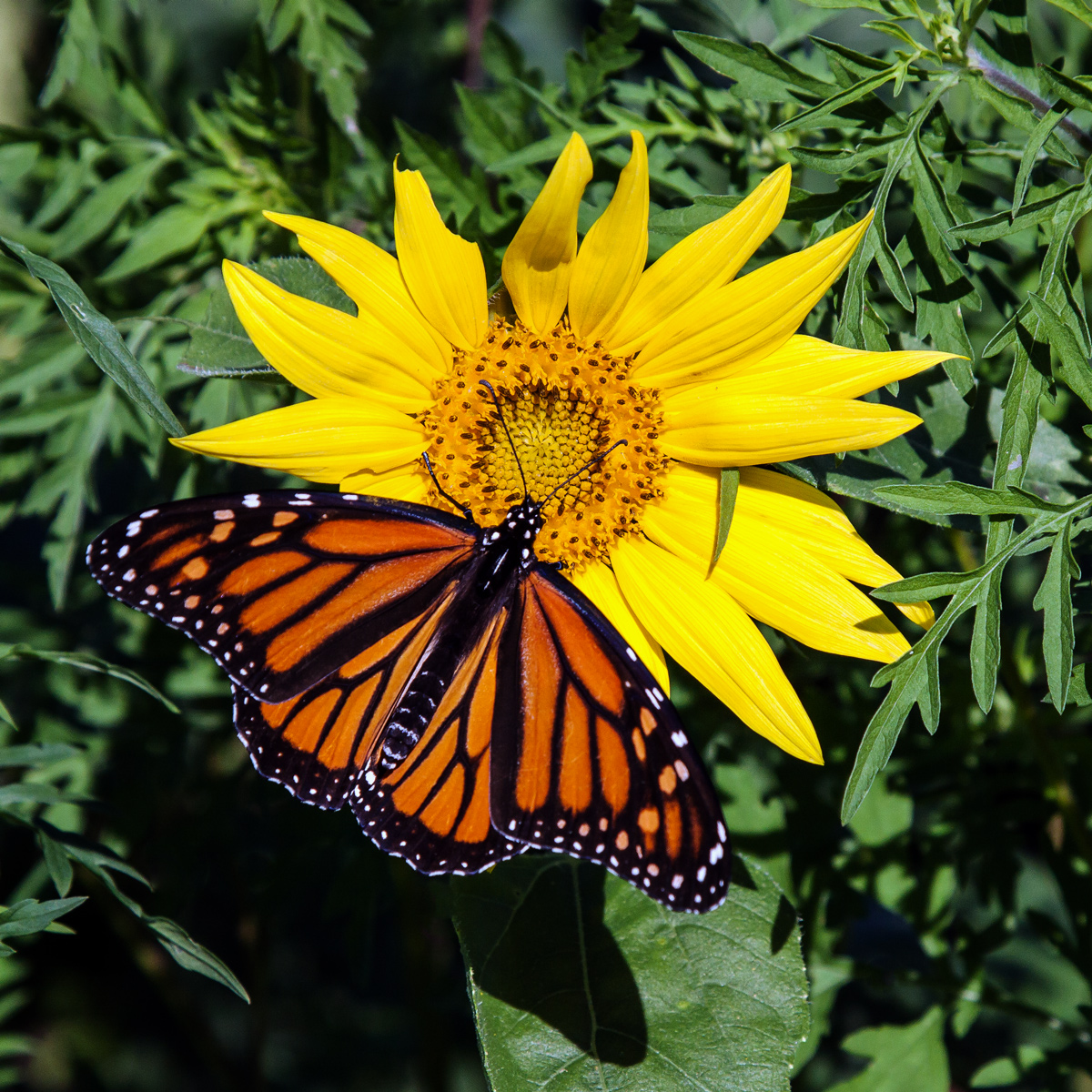
In the first sunflower field that we visited yesterday morning at McKee-Beshers Wildlife Management Area, many of the sunflowers were drooping because of the weight of their seeds. They may not have been very photogenic, but the birds and butterflies seemed to love them, like this Indigo Bunting (Passerina cyanea) and this Monarch butterfly (Danaus plexippus) that I spotted among the sunflowers.
Several photographer friends and I made the trip to the sunflower fields in Poolesville, Maryland, hoping to see endless rows of tall sunflowers. According to its website, McKee-Beshers has 30 acres of sunflowers planted in nine different fields. I think that the sunflowers may have been a little past their prime and appeared to be a little stunted in size, compared to some past years.
It was tricky to figure out what kind of gear to bring on a trek like this. I ended up using my super zoom Canon SX50 to photograph the Indigo Bunting, which was a first sighting for me of this beautiful bird, and my Canon 24-105mm lens on my normal Canon 50D DSLR for the butterfly. I had both of the cameras with me at all times, which gave me a pretty good amount of flexibility. I’ve seen some photographers walk around with two DSLR bodies, but that seems like a lot of weight to carry around, especially when you are moving through vegetation as I was doing as I waded through the rows of sunflowers.
I did take shot shots of the sunflowers and I’ll post some of them eventually. Folks who know me, though, are probably not surprised that my first instinct was to post images of birds and butterflies, rather than ones of the flowers alone.

© Michael Q. Powell. All rights reserved
Posted in Birds, Butterflies, Nature, Photography, Summer | Tagged Canon 24-105mm, Canon 50D, Canon SX50, Danaus plexippus, Indigo Bunting, McKee-Beshers Wildlife Management Area, monarch butterfly, Passerina cyanea, Poolesville MD, sunflowers | 14 Comments »
August 5, 2017 by Mike Powell
Early yesterday morning at Huntley Meadows Park, the Great Egrets (Ardea alba) were relaxing in the trees, awaiting the start of another beautiful day. When birds are as brilliantly white as egrets, it’s a challenge to get an exposure that retains the details in the feathers. I set the metering on my camera to spot metering and it seems to have worked pretty well. I even like the way that it darkened the background and made the egret stand out even more.

© Michael Q. Powell. All rights reserved
Posted in Birds, Nature, Photography, wildlife | Tagged Alexandria VA, Ardea alba, Canon 50D, Great Egret, Huntley Meadows Park, Tamron 150-600mm | 2 Comments »
August 4, 2017 by Mike Powell
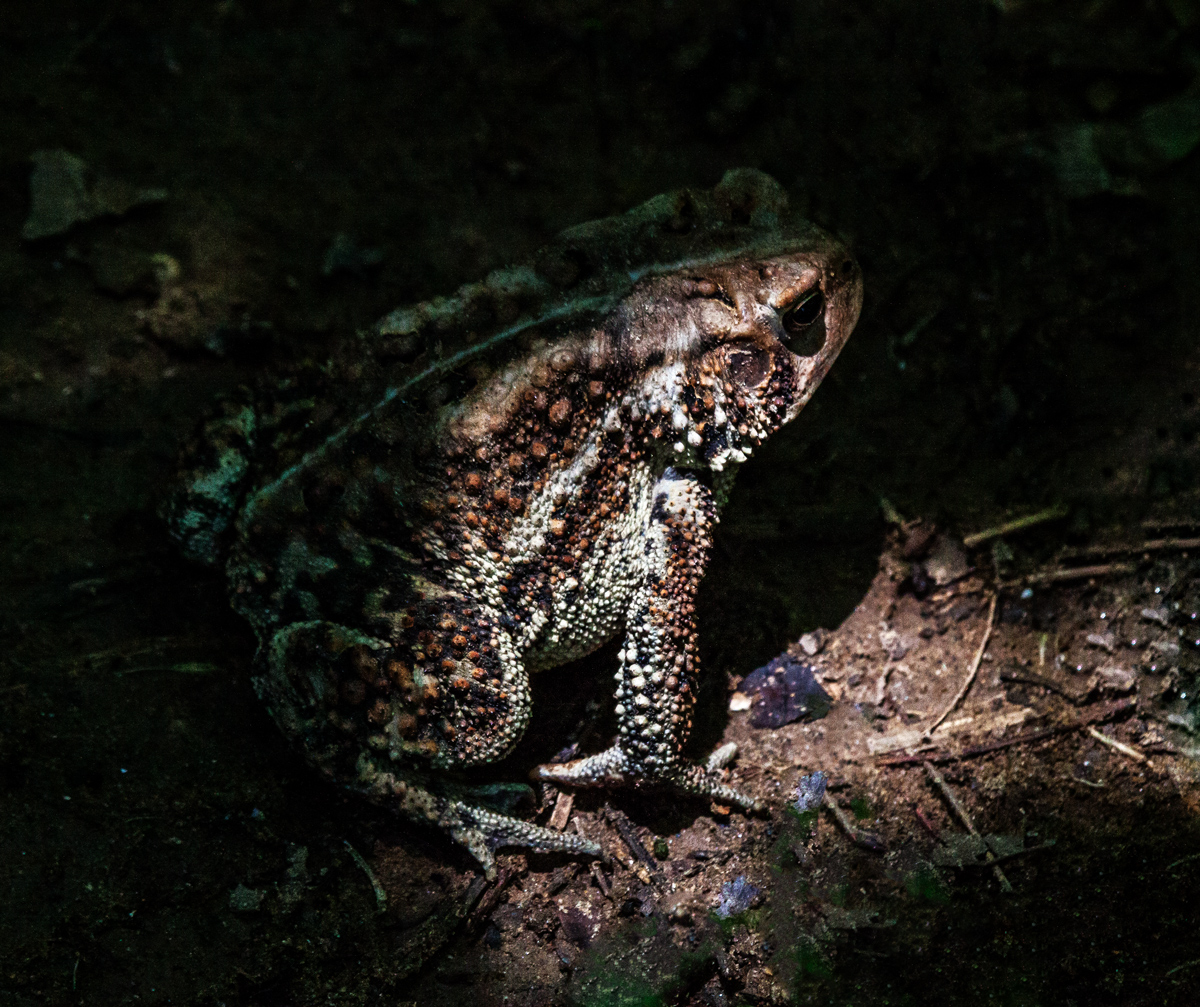
As I was walking along the Potomac River one day last month, I came upon this large toad, which I think might be a Fowler’s Toad (Anaxyrus fowleri). I was really struck by the way that the light and shadows helped to emphasize the very bumpy texture of the toad’s skin.

© Michael Q. Powell. All rights reserved
Posted in Amphibians, Nature, Photography, wildlife | Tagged Anaxyrus fowleri, Canon 50D, Fowler's Toad, Great Falls VA, Potomac River, Riverbend Park, Tamron 180mm, toad | 5 Comments »
August 4, 2017 by Mike Powell
Last weekend I spotted a shorebird in the distance while exploring Huntley Meadows Park. It was sharing a log with several turtles. Initially the little bird stayed on the opposite end of the log from the turtles. Gradually the curious and energetic bird moved closer and closer to the turtles. I couldn’t tell for sure, but it looked like the bird came close to pecking one of the legs of a turtle. Perhaps the bird was surprised when the turtle reacted or the turtle made a threatening move, but in any case the bird flew off after the brief encounter.
I was pretty conftdent that the bird was some kind of sandpiper, but I have never seen one with these markings. I posted to a Facebook group and got a quick response. What was the sandpiper I had spotted? It turned out to be a Spotted Sandpiper (Actitis macularius).


© Michael Q. Powell. All rights reserved
Posted in Birds, Nature, Photography, wildlife | Tagged Actitis macularius, Alexandria VA, Canon 50D, Huntley Meadows Park, sandpiper, spotted sandpiper, Tamron 150-600mm | 1 Comment »
August 3, 2017 by Mike Powell
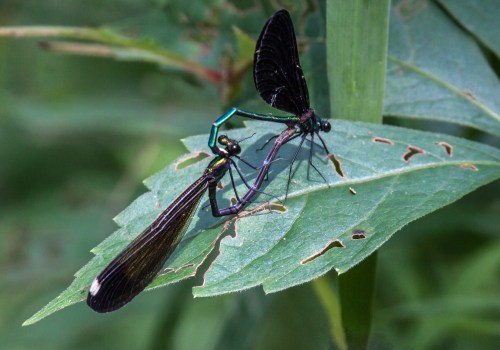
Damselfly mating is, to say the least, unusual and acrobatic. Yes, I felt a little like a voyeur as I observed this pair of Ebony Jewelwing damselflies (Calopteryx maculata) on Monday at Huntley Meadows Park.
Did you notice the sideways heart that their bodies form during this process? Yeah, I am a bit of a romantic, even when it comes to mating insects in the wild. I would recommend, though, that you not try this position at home, but leave it to the professionally trained damselflies. You might otherwise require an unplanned visit to a chiropractor.
© Michael Q. Powell. All rights reserved
Posted in damselfly, Insects, Macro Photography, Nature, Photography | Tagged Alexandria VA, Calopteryx maculata, Canon 50D, damselfly mating, Ebony Jewelwing, Ebony Jewelwing damselfly, Huntley Meadows Park, Tamron 180mm | 2 Comments »
August 2, 2017 by Mike Powell
Do you relax by hanging from a bar in the pull-up position? No, I don’t either, but this Mocha Emerald dragonfly (Somatochlora linearis) chose to do so on Monday when I spotted it at Huntley Meadows Park.
A couple of things really stand out whenever I am lucky enough to spot one of these beautiful dragonflies. Unlike many dragonflies, Mocha Emeralds don’t appear to like direct sunlight—they seem to hang out at small shaded streams, where the shadows and shade make photography difficult. Secondly, they often seem to hang vertically, which emphasizes their extraordinarily long slender bodies. Somehow they remind me of the super skinny young male models that many designers seem to favor, clothing them in garments that those of us with more normal physiques would never ever fit into—unlike those models, we have waists and hips.

© Michael Q. Powell. All rights reserved
Posted in Dragonflies, dragonfly, Insects, Macro Photography, Nature, Photography | Tagged Alexandria VA, Canon 50D, Huntley Meadows Park, Mocha Emerald, Mocha Emerald dragonfly, Somatochlora linearis, Tamron 150-600mm, Tamron 150-600mm telephoto | 7 Comments »
August 1, 2017 by Mike Powell
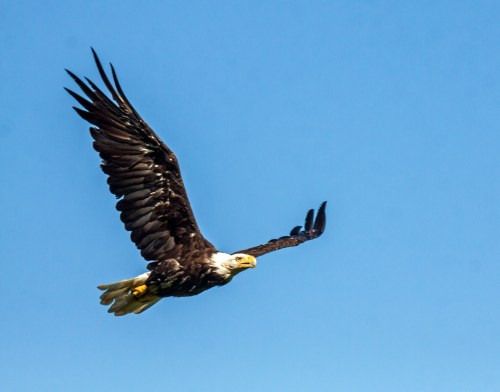
I was looking high and in the distance and the Bald Eagle (Haliaeetus leucocephalus) came in low and was almost on top of me before I saw it yesterday morning at Huntley Meadows Park. I had to scramble and pull back on my zoom lens to capture this image, which barely fit into the frame of the viewfinder. (The EXIF data for the shot indicate that it was shot at 309mm of my 150-600mm Tamron telephoto zoom lens.)
I feel like I should have been able to take better advantage of the situation that presented itself, but I am not disappointed. As I have noted repeatedly, any day with a bald eagle is a great day.
© Michael Q. Powell. All rights reserved
Posted in Birds, Nature, Photography, wildlife | Tagged Alexandria VA, Bald Eagle, birds in flight, Canon 50D, Haliaeetus leucocephalus, Huntley Meadows Park, Tamron 150-600mm | 6 Comments »
July 31, 2017 by Mike Powell
I love to watch bees and spotted this one recently at Green Spring Gardens. I was struck by the way it resembled a mountain climber (albeit with no ropes) as it hung upside-down from this shaggy flower—I have no idea how to effectively gather pollen from a flower like this one, but the bee seemed to be doing ok with its “tongue.”

© Michael Q. Powell. All rights reserved
Posted in Bees, Insects, Macro Photography, Nature, Photography | Tagged Alexandria VA, bee, Canon 50D, green spring gardens, Tamron 180mm | Leave a Comment »
July 31, 2017 by Mike Powell
Cardinal flowers (Lobelia cardinalis) are now in bloom at Huntley Meadows Park. In addition to being beautiful, these vivid red flowers attract butterflies, like this Spicebush Swallowtail butterfly (Papilio troilus) that I spotted this past weekend at the park.

© Michael Q. Powell. All rights reserved
Posted in Butterflies, Flowers, Nature, Photography, Summer | Tagged Alexandria VA, Canon 50D, cardinal flower, Huntley Meadows Park, Lobelia cardinalis, Papilio troilus, Spicebush Swallowtail, Spicebush Swallowtail butterfly, Tamron 150-600mm | 7 Comments »
July 30, 2017 by Mike Powell
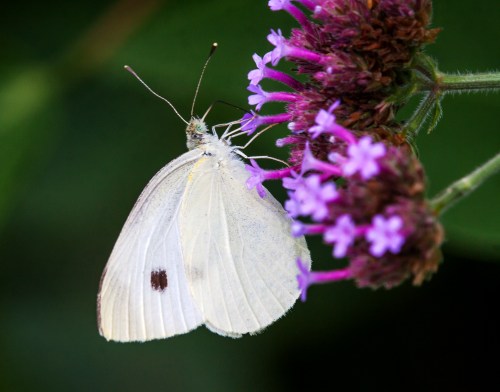
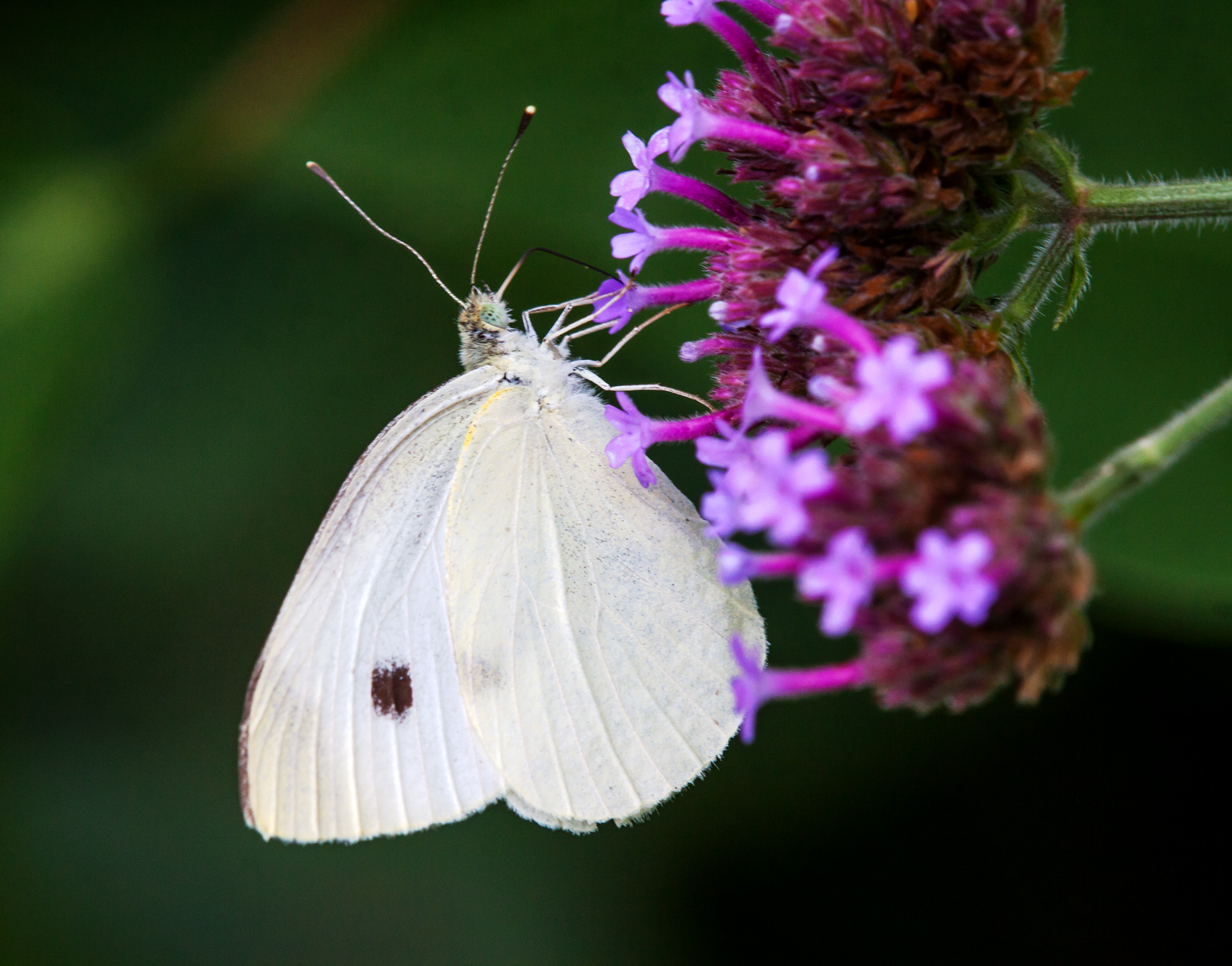
Cabbage White butterflies (Pieris rapae) are small and skittish and you probably don’t pay much attention to them—you might even think that they are merely moths. If you look closely, though, you’ll discover that they have beautiful, speckled green eyes.
I love the way that a macro lens reveals amazing details that are there, but that we never see or simply take for granted. I took these photos yesterday during a brief trip to Green Spring Gardens, a wonderful, county-run historic garden not far from where I live.

© Michael Q. Powell. All rights reserved
Posted in Butterflies, Flowers, Insects, Macro Photography, Nature | Tagged Alexandria VA, Cabbage White, Cabbage White butterfly, Canon 50D, green spring gardens, Pieris rapae, Tamron 180mm | 2 Comments »
July 29, 2017 by Mike Powell
This female Ruby-throated Hummingbird (Archilochus colubris) must have been feeling tired or lazy yesterday afternoon at Huntley Meadows Park. Rather than going in through the opening in the trumpet vine flower and helping to pollinate it, she opted to drill in through the side of the flower to get to the nectar.

© Michael Q. Powell. All rights reserved
Posted in Birds, Nature, Photography, wildlife | Tagged Alexandria VA, Archilochus colubris, Canon 50D, hummingbird, Huntley Meadows Park, Ruby-throated Hummingbird, Tamron 150-600mm, trumpet vine | 3 Comments »
July 29, 2017 by Mike Powell
It looks like a massive amount of fluorescent Silly String has exploded onto parts of the marshland at Huntley Meadows Park, but I believe it is in reality a parasitic plant known as dodder. Early yesterday afternoon a White-tailed Deer (Odocoileus virginianus) found it to be so tasty that it was willing to ignore the people passing on the boardwalk less than ten feet away.
In taking this photo, I did something that I rarely do—I used the 150mm setting of my 150-600mm telephoto zoom lens. The deer was so close that I could capture only its head and shoulders, even with the lens at its widest setting.

© Michael Q. Powell. All rights reserved
Posted in animals, Nature, Photography, wildlife | Tagged Alexandria VA, Canon 50D, dodder, Huntley Meadows Park, Odocoileus virginianus, Tamron 150-600mm, white-tailed deer | 12 Comments »
July 28, 2017 by Mike Powell
There is not denying that it is exciting to capture unusual moments, like a snake swallowing a catfish, or to photograph a new species, as I have done recently with dragonflies. For me, though, there is something equally satisfying about returning to a familiar location and observing ordinary subjects. It is a different kind of challenge to present the ordinary in an extraordinary way, in a way that makes people stop and realize that natural beauty surrounds them every single day.
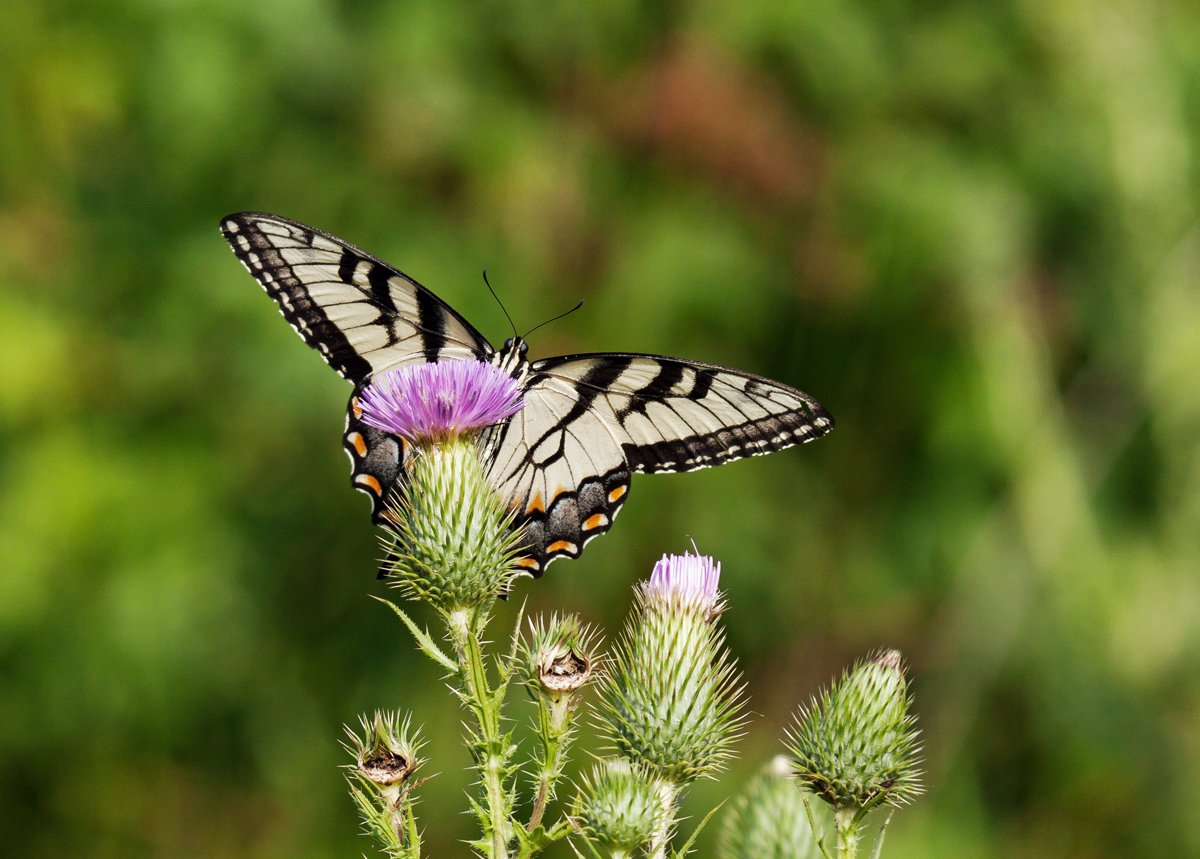
Last week, butterflies were really active at Huntley Meadows Park. When I am in a garden, it is easier for me to guess where a butterfly will fly next, but in the wild, butterfly behavior is a little more unpredictable. When I noticed that a stand of what looks to be some kind of thistle was beginning to open, I hoped that the Eastern Tiger Swallowtail (Papilio glaucus) that was flying about would be attracted to it. Eventually it flew to the thistle and I was able to capture this image.
Spectacular? No, not really. Beautiful? I’d say so. The image works for me, because it has just enough stopping power to cause views to recall how beautiful ordinary butterflies can be, to rekindle the childhood memories of being excited by butterflies, and to remember how exciting it was abandon caution and simply and joyfully chase after butterflies.

© Michael Q. Powell. All rights reserved
Posted in Butterflies, Insects, Nature, Photography, Summer | Tagged Alexandria VA, Canon 50D, Eastern Tiger Swallowtail, Eastern Tiger Swallowtail butterfly, Huntley Meadows Park, Papilio glaucus, Tamron 150-600mm | 6 Comments »
July 27, 2017 by Mike Powell
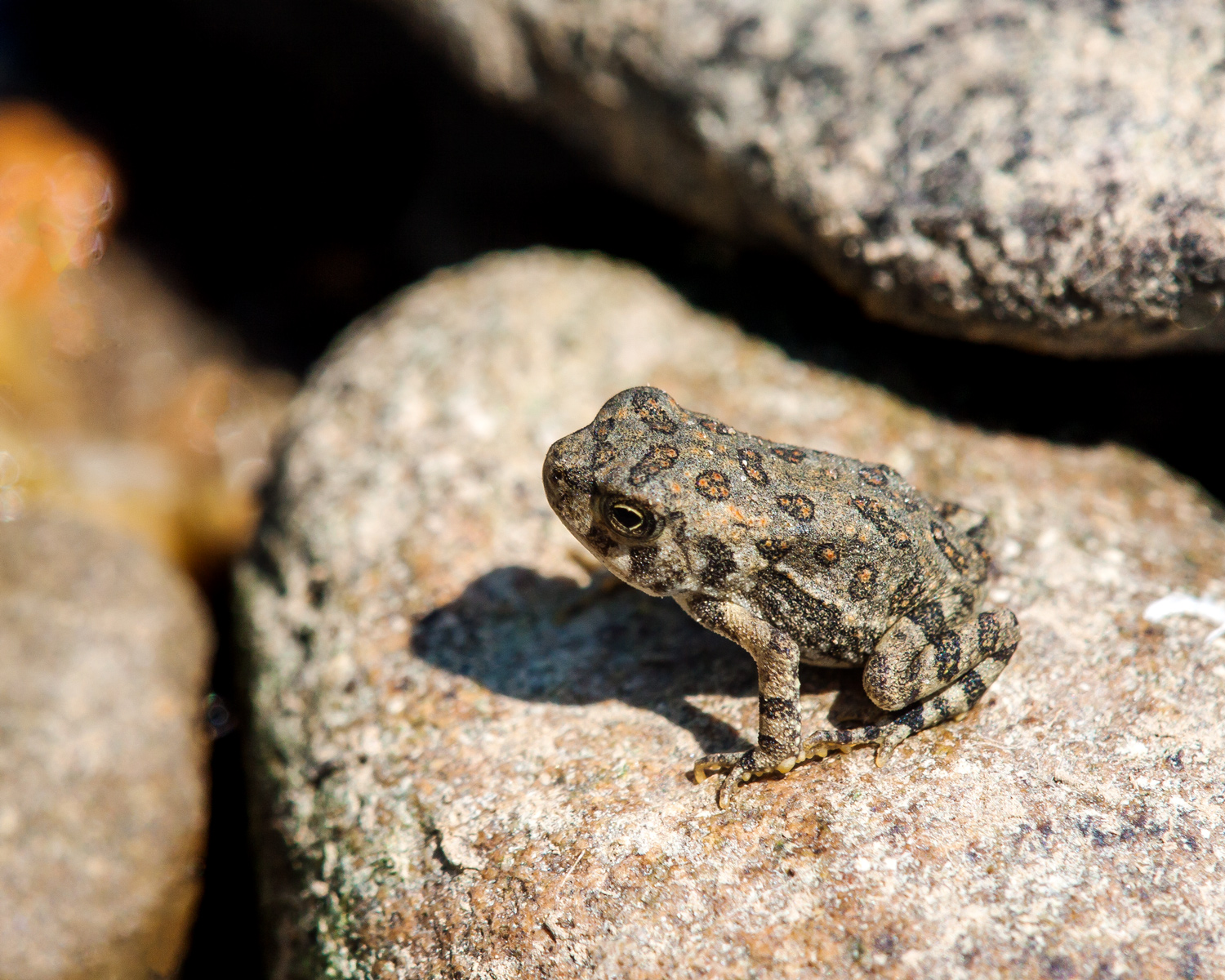
As I walked along a trail paralleling the Potomac River one morning last week, I noticed some movement near the water’s edge. Moving closer, I spotted some tiny frogs—they seemed to be only about an inch or so in size (25 mm). Many of them hopped away as I continued my approach, but one of them jumped onto a rock and posed for me.
I was able to capture a lot of details of this frog, but am having trouble identifying its species. I have a lot more experience identifying birds and insects—I am not a frogman. Despite my ineptitude at identification, I really like the photo and the way that the background seems to mirror the colors, patterns, and texture of this tiny frog.

© Michael Q. Powell. All rights reserved
Posted in Amphibians, frog, Macro Photography, Nature, Photography | Tagged Canon 50D, frog, Great Falls VA, Potomac River, Riverbend Park, Tamron 180mm | 9 Comments »
July 26, 2017 by Mike Powell
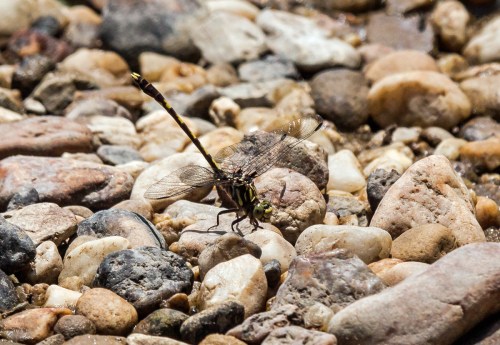
Sanddragon on the rocks? No, it’s not a tropical summertime drink—it is simply a description of a dragonfly that I saw earlier this month in a somewhat unusual location.
Common Sanddragon dragonflies (Progomphus obscurus) have been one of my favorite dragonfly species from the moment I first encountered them at Huntley Meadows Park a few years ago as I was exploring a remote area of the park. I almost literally stumbled upon them and didn’t really know what species they were at the time. I sent photos off to my local dragonfly expert Walter Sanford and he was able to identify them for me.
Since that time I have learned a lot more about the species, including the fact that they emerge on the sandy banks of streams. (Many other dragonfly nymphs attach themselves to vegetation growing out of the water and leave their discarded exoskeletons attached to the vegetation when they emerge.) Last year I even had the awesome experience of watching the emergence of a Common Sanddragon and documented it in series of images in a blog posting called Metamorphosis of a Dragonfly.
This year I have had an unusually hard time finding Common Sanddragons, because the creeks where I normally find them have had unusually high water levels, leaving all of the sandy areas underwater. Earlier this month while I was exploring Jackson Miles Abbott Wetland Refuge, which is rapidly becoming one of my favorite locations for finding dragonflies, I decided to check out the creek that runs through the refuge. It is actually part of the same creek where I was used to finding sanddragons, but is further downstream.
I noticed that part of a sandbar was exposed, but I didn’t think that it would be suitable for sanddragons, because it was covered with small rocks. I decided to investigate it anyways and my persistence was rewarded when a male Common Sanddragon flew in and perched on one of the rocks.
Sanddragon on the rocks? It was definitely a refreshing experience for me on a hot summer day. Any ideas on the appropriate ingredients for a cocktail with that name?
© Michael Q. Powell. All rights reserved
Posted in Dragonflies, dragonfly, Nature, Photography, Summer | Tagged Canon 50D, Common Sanddragon, Common Sanddragon dragonfly, Dogue Creek, Fort Belvoir VA, Jackson Miles Abbott Wetland Refuge, Progomphus obscurus, Tamron 180mm | 3 Comments »
« Newer Posts - Older Posts »
















 Mike Powell