Feeds:
Posts
Comments

Archive for the ‘Portraits’ Category

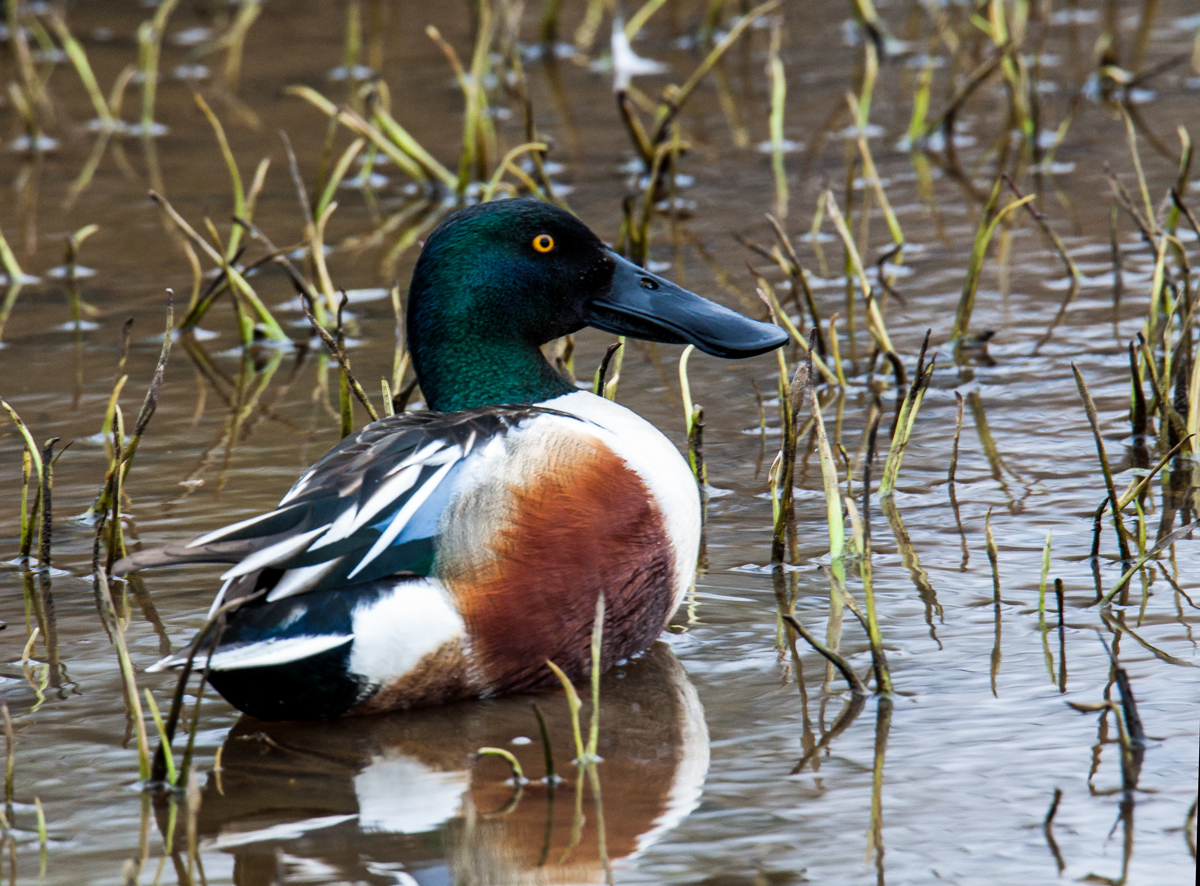
With new vegetation springing up near the edges of the ponds at Huntley Meadows Park, some of the ducks are now hanging out within range of my camera rather than in the middle of the pond. This past weekend I was able to capture the unusual beauty of this male Northern Shoveler (Anas clypeata).

No matter how many times I have seen it, I never fail to be amazed at the disproportionately long bill of the Northern Shovelers. They look to me like they were drawn by the cartoonists at Disney, who deliberated exaggerated their features for comic effect.

It wouldn’t surprise me to see Northern Shovelers in a Disney feature film at some point in time.

Northern Shoveler

© Michael Q. Powell. All rights reserved.

Read Full Post »

Early Friday morning I heard a gnawing sound coming from under the boardwalk at Huntley Meadows Park. I watched and waited and eventually the head of a North American Beaver (Castor canadensis) broke the surface of the water. The beaver chewed on sticks for a few minutes a short distance away from me and then disappeared as suddenly as it had appeared.

This encounter took place just before 7:00 in the morning when it was just getting light. Although I had my tripod with me, I figured that setting it up would require so much movement that I would scare away the beaver. Knowing I wanted to get as low an angle as I could, I slowly sat down on the boardwalk, which was elevated above the water by about two feet (61 cm), and rested my telephoto zoom lens on my camera bag for stability.

I checked the EXIF data for these shots and they were all taken with camera settings of about ISO 1600, f/7.1, 1/15 second, and a focal length of 552mm. Not surprisingly, when the beaver was actually moving, the shutter speeds were too slow to stop the motion, but I did manage to get some shots that were reasonably sharp.

North American Beaver

North American Beaver

North American Beaver

© Michael Q. Powell. All rights reserved.


Read Full Post »

The marsh at Huntley Meadows Park is alive with the sound of frogs and toads—it’s the start of the breeding season.

Yesterday, I captured this shot of an Eastern American Toad (Anaxyrus americanus americanus) as he was calling out to females. It’s amazing how long the toad is able to hold that long, high-pitched trill, as much as 20 to 30 seconds according to the Virginia Herpetological Society.

His expanded pouch (officially called a dewlap) reminds me of my childhood days, when I would attempt to blow large bubbles with the ever present bright pink bubble gum. One of my favorite gums was called Bazooka and the individually wrapped pieces of gum included a comic strip starring Bazooka Joe. (For more information about Bazooka, check out this Wikipedia article.)

I’ve decided I want to call this little guy Bazooka Joe and my unofficial name for the Eastern American Toad is the Bubble Gum Toad. As a side note, fellow photographer and blogger Walter Sanford has given nicknames to several of my lenses and he calls my Tamron 150-600mm lens Bazooka Joe. This, of course, is more a reference to the anti-tank rocket launcher than to the bubble gum—the size and length of the lens brings to mind a bazooka. (If you are not familiar with this weapon, check out this Wikipedia article.)

In case you are curious, I captured this image of Bazooka Joe with Bazooka Joe.

Eastern American Toad

© Michael Q. Powell. All rights reserved.

Read Full Post »

I love the serene beauty of the early morning. The light is soft, often tinged with pastel shades of pink and orange, and colors are especially saturated. The water is frequently still and mirror-like, providing for the possibility of perfect reflections.

On Monday I spotted this male Northern Shoveler (Anas clypeata) as he slowly made his way across one of the ponds at Huntley Meadows Park. The special characteristics of the post-dawn period made this striking bird even more spectacular than normal.

This photo is a visual response to those who occasionally ask me why I enjoy getting up so early in the morning—words are not necessary.

Northern Shoveler

© Michael Q. Powell. All rights reserved.

Read Full Post »

Yesterday morning I had a portrait session with a male Northern Cardinal (Cardinalis cardinalis) who wanted to update his presence on social media. Nowadays, he said, it takes more to attract a mate than merely putting on displays and singing loudly and he wanted to set himself apart from his rivals.

We tried a number of different poses in an effort to give him an artsy, mysterious look that would simultaneously suggest vulnerability and passion. We even tried a full-body portrait, because he knows that some of the lady cardinals are interested in more than just his handsome face.

Northern Cardinal

Northern Cardinal

Northern Cardinal

Northern Cardinal

© Michael Q. Powell. All rights reserved.


Read Full Post »

It is really nice when I am petsitting to have new subjects to photograph. Katie, a beautiful young German Shepherd, stayed with me last night and I took this shot as she was sitting on my couch, keeping a close eye on P.R., my rabbit.

Katie seemed utterly fascinated by the rabbit and intently watched him as he moved about his cage. P.R. (which is short for “Prime Rib”was more or less oblivious to Katie, even when they were only inches apart. I suspect that P.R. does not view dogs as predators, probably because she grew up with with a dog in the household.

The challenges of photographing a pet indoors are different from photographing wildlife outdoors, but so many of the basic principles carry over. This image looks a bit like a studio shot, because I was able to direct the light of a desk lamp so that it fell on one side of Katie’s face (and amazingly she sat still for a moment).

German Shepherd

© Michael Q. Powell. All rights reserved.

Read Full Post »

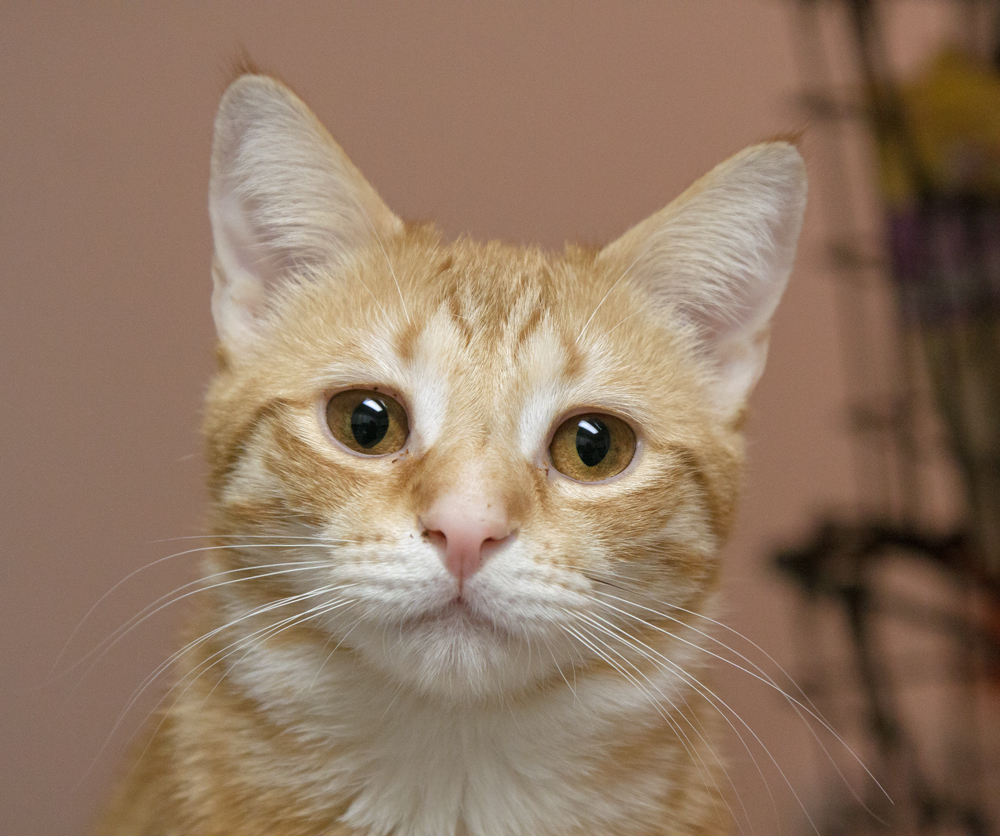
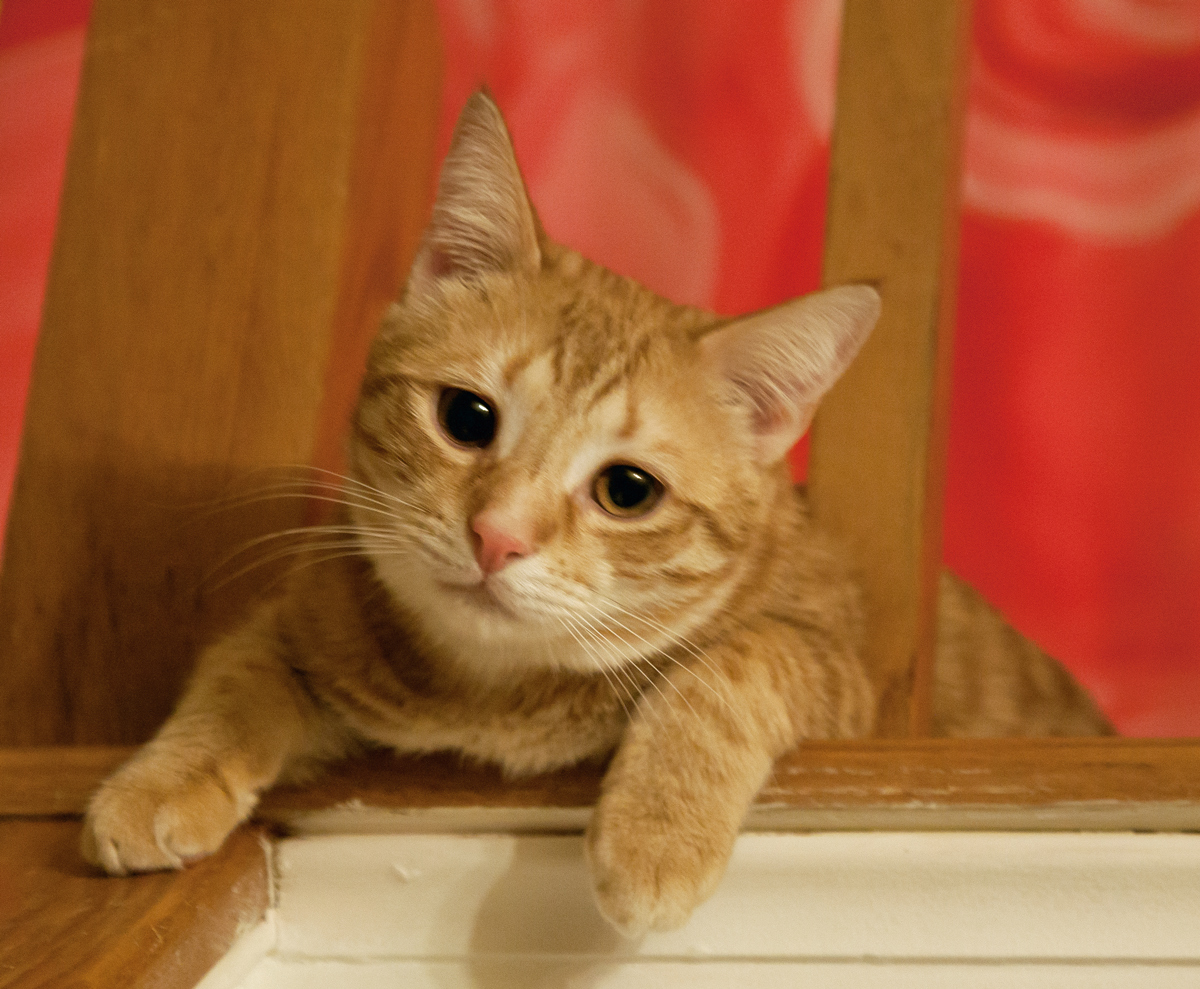
My long weekend of catsitting is coming to an end today, so I decided I needed to do a posting on Queso, the youngest member of the cat trio. Queso is still a kitten and is full of energy and curiosity. He loves to antagonize his two older “brothers” and will sometimes pounce on them when they least expect it.

Cindy Dyer and her husband Michael rescued Queso when they found him abandoned in the bushes outside of a Mexican restaurant. That initial experience and his orange-yellow fur caused them to name him Queso.

Tomorrow (or possibly later today), I’ll be back to my more typical wildlife and nature photos. It’s been a fun challenge this past weekend to shoot “wild” animals in an indoor setting with available light.

Queso

Queso

© Michael Q. Powell. All rights reserved.

Read Full Post »

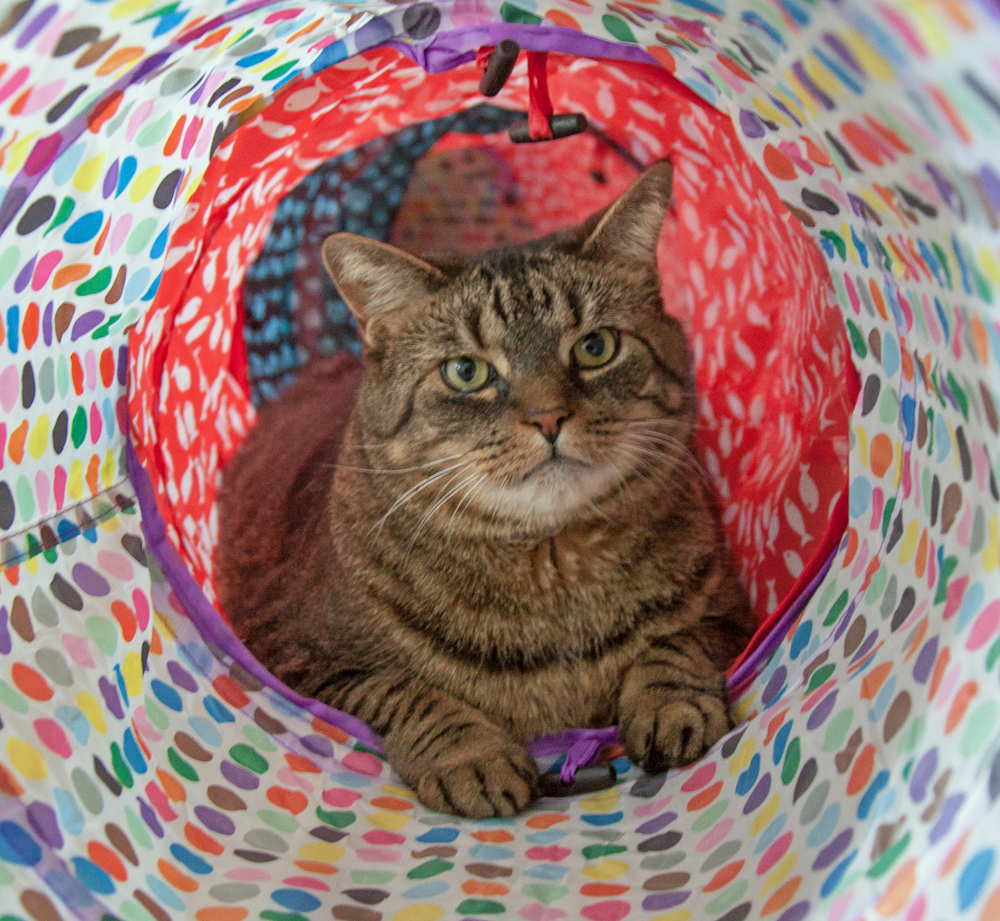
Lobo is another one of the cats that I am watching this weekend. He and Pixel, the cat that I featured previously, were adopted at the same time. According to my friend Cindy Dyer, she wanted to name him “JPEG,” but her husband protested, so they settled on the name “Lobo.”

Lobo has always seemed exotic and mysterious to me, with piercing eyes that look like they could hypnotize me if I stare into them too long.

Lobo

© Michael Q. Powell. All rights reserved.

Read Full Post »

I am catsitting for the weekend, which means that I have three new subjects to photograph. The cats all have distinctive personalities, so I decided to post photos of them separately.

Only a photographer and graphic designer like my dear friend and mentor Cindy Dyer would name a cat “Pixel.” Of the three cats, Pixel is generally the most sedentary. He loves to sprawl out on the carpet when he is not eating. He loves to ear and was starting to turn into a Mega-Pixel before he was put on a diet.

Here are a few shots of Pixel from yesterday that capture some of his different moods. I took them indoors using available light with my Canon 24-105mm lens, a lens that I rarely use when photographing wildlife.

Pixel

Pixel

Pixel

© Michael Q. Powell. All rights reserved.

Read Full Post »

As the early morning sunlight hit the cattails yesterday at Huntley Meadows Park, this male Red-winged Blackbird (Agelaius phoeniceus) seemed to be contemplating the start of the new day.

Red-winged Blackbird

© Michael Q. Powell. All rights reserved.

Read Full Post »

The White-throated Sparrow (Zonotrichia albicollis) is one of the few sparrows that I can reliably identify, thanks to its distinctive markings. I love the little white “goatee” and the touch of bright yellow near its eyes.

Like most sparrows, White-throated Sparrows seem to spend a lot of time poking about in the underbrush, where they are hard to see. During this past week, when the ground has been covered with snow, I’ve managed to get some close-up shots of them in relatively exposed positions.

I really like the way that the green vine provides an organic framing element in the first image. The sparrow in the second image was awash with bright light as it perched on a rotten stump at Huntley Meadows Park. The details of the stump were blown away, but the bird itself seems to have been properly exposed (and the background is wonderful).

White-throated Sparrow

White-throated Sparrow

Michael Q. Powell. All rights reserved.

Read Full Post »

Early yesterday morning I trudged through the crusted snow to my favorite spot at Huntley Meadows Park. Along the way I saw a Bald Eagle and a hawk, so I knew that it was going to be a good day.

My favorite spot is a beaver pond in a somewhat remote area of the park. l like to sit at the edge of the pond and watch and wait as a feeling of peace and serenity gradually envelops me. It seems so far removed from the hurried rat race characteristic of the Washington D.C. area and has a restorative effect on my overall well-being.

The pond is frozen now, so I am able to sit on one of the logs that make up the beaver dam and extend my feet over the ice. I place a big plastic bag on the log and sit on a folded towel, so it’s pretty comfortable, even when the temperature is below freezing, as it was yesterday.

As I was looking toward a Great Blue Heron to my left, I detected some movement out of the corner of my right eye. I stopped breathing for a moment when I saw that a Red Fox (Vulpes vulpes) was standing on the ice. It looked like the fox had been planning to cross the pond and stopped when it spotted me.

Our eyes met for a moment as I took a few shots. Then the unthinkable happened. I pressed my shutter button and the shutter did not engage. Glancing down at my camera, I saw that the battery had died—several hours of freezing temperatures had temporarily drained the battery. This had happened before, although never at a critical moment, so I had another battery in my pocket.

I tried to change the battery as quickly as possible, but the additional movement spooked the fox a little and and it turned around and made its way back to the far bank of the pond. I managed to get a final shot of the fox after the battery change. The fox’s face is not visible, but at least you can see its bushy tail.

Red Fox

Red Fox

Michael Q. Powell. All rights reserved.

Read Full Post »

A female Red-winged Blackbird (Agelaius phoeniceus) paused for a moment to pose as she foraged for food in the cattails of Huntley Meadows Park earlier this month.

Red-winged Blackbird

© Michael Q. Powell. All rights reserved.

Read Full Post »

What lenses do you generally carry with you when you go out to shoot wildlife? This past year I have kept my Tamron 150-600mm lens on my camera the majority of the time and sometimes switch to my Tamron 180mm macro lens. The third lens that I have with me generally is a Canon 50mm lens that I use only occasionally.

While I was going to be away in Vienna, I decided to lend my long lens to a friend. We got into a conversation about the lens when I delivered it to him and I noted that one of th disadvantages of the Tamron zoom was that it is slow, with a maximum aperture of f/6.3 when extended to 600mm.

I contrasted the speed of the long lens with that of my “nifty fifty” that has a maximum aperture of f/1.8. In order to demonstrate how much more light I could get at f/1.8, I had him hold a couple of his guinea pigs and I took some portrait shots handheld in the limited available indoor light with the lens wide open. With a human subject, I would probably have been uncomfortably close, but the guinea pigs didn’t seem to mind.

Finally I took a few shots using the 180mm wide open at f/3.5. It was quite a bit harder to frame the squirming guinea pig at the greater distance, but I got a few shots that look almost like I used studio lighting.

I think my friend learned a bit more about the lenses (and I ended up lending him the 50mm lens too) and I rediscovered the joy of switching lenses and zooming with my feet.

gp1_web

gp6_blog

gp2_web

gp4_web

gp8_blog

© Michael Q. Powell. All rights reserved.


Read Full Post »

I’ve finally made my way through all the photos that I took of my recent encounter with a Red Fox (Vulpes vulpes) at Huntley Meadows Park in Alexandria, Virginia and found some more good ones to post. My dear friend and photography mentor Cindy Dyer helped me to select these and to get them ready for printing.

There is a photo contest at the park and the entry deadline is tomorrow, so we were scrambling to get a fox image ready to submit. There is a limit of four photographs per photographer and I’m pretty sure that the first one below is the fox photo that I will enter, along with photos of a bluebird, an eagle, and a dragonfly. This is the first time I’ve ever printed any of my photos bigger than snapshot size—the submission images will be 11 inches by 14 inches (29 x 36 cm) matted to 16 inches by 20 inches (41 x 51 cm)—and the first time that I have entered a contest.

If you haven’t seen my previous posting with photos of this session with the fox, check out Fox at water’s edge and Fox at water’s edge—part two.

Red Fox

Red Fox

Red Fox

Red Fox

Red Fox

Red Fox

© Michael Q. Powell. All rights reserved.


Read Full Post »

I’m still making my way through my photos from my recent encounter with a Red Fox (Vulpes vulpes), trying to decide which ones I like most. What an unexpected pleasure it is to have so many shots from which to choose.

I am so thankful and feel blessed that I had the chance to observe the fox in the wild for a relatively extended period of time. For more info on the encounter, check out my initial posting Fox at water’s edge.

Here are a couple more of my initial favorite images from the shoot. Stay tuned for another possible posting if I decide that I simply have to share a few more images.

Red Fox

Red Fox

© Michael Q. Powell. All rights reserved.

Read Full Post »

A couple of days ago I began a posting with the words “Redheads tend to be stunning, rare, and elusive” and I could easily have used those words to describe the Red Fox (Vulpes vulpes) that I encountered yesterday morning at Huntley Meadows Park.

The fox appeared to be hunting at the edge of the water of one of the ponds in a remote part of the park. I was standing at the edge of the water on the other side of a beaver pond from the fox when it emerged from the vegetation and walked to the water. I don’t think the fox was ever aware of my presence. I tried to stay composed and motionless as I snapped away with my camera.

Initially I thought the fox was simply getting a drink of water, but it walked along the shore for a few minutes as though it were seeking prey. Eventually it faded back into the brush and the magical moments came to an end,

I’m still going through my photos, but here’s an initial favorite. I suspect there will be a follow-up posting or two, but I can’t contain my excitement about the encounter and the fact that I was able to capture some images.

fox

© Michael Q. Powell. All rights reserved.


Read Full Post »

When you are face-to-face with this toad, you might notice that he has a few skin issues, but when you see him from the side, you realize that he has a serious problem that anti-acne cream surely will not cure.

I don’t often see toads at my local marshland park, so I couldn’t help but move in for a closer look when I spotted this one last weekend. At the park, we have both Fowler’s toads (Anaxyrus fowleri) and Eastern American Toads (Anaxyrus americanus) and I have trouble telling them apart. To make matters worse, according to the Virginia Herpetological Society, these species hybridize, “making identification difficult.”

I was pretty amazed when I looked at my shots to see all of the different textures and patterns on the toad’s body body. There are warts and weaves and different kinds of stripes. I’m happy too that I was able to capture the toad’s toes, which most often are hidden.

toad

toad

© Michael Q. Powell. All rights reserved.


Read Full Post »

Do you pay any attention to the nondescript little birds pecking about in the underbrush? Do you even notice them?

I love trying to capture images of impressive, powerful hawk, owls, and eagles. There is no denying their beauty. However, I’ll also stop and try to get a glimpse of the small birds too, for I have learned that they have a special beauty all their own.

I am especially happy when I can get an unobstructed view of one of them, like this Carolina Wren (Thryothorus ludovicianus) that I spotted yesterday at my local marshland park.

The beautiful little wren seems full of personality and exudes a positive, happy attitude.

Don’t let that beauty go unnoticed.

Carolina Wren

© Michael Q. Powell. All rights reserved.

Read Full Post »

I just love the beautiful blue eyes and distinctive markings of the male Great Spreadwing damselfly (Archilestes grandis) and I was thrilled when I spotted one on Saturday at Huntley Meadows Park in Alexandria, Virginia.

I wonder if it damages this little guy’s self-esteem to be called a “damsel?” Perhaps he looks with envy at his odonate brethren with the more macho-sounding “dragon” in their names. Do we need a more gender-neutral name for damselflies?

Great Spreadwing damselfly

© Michael Q. Powell. All rights reserved.

Read Full Post »

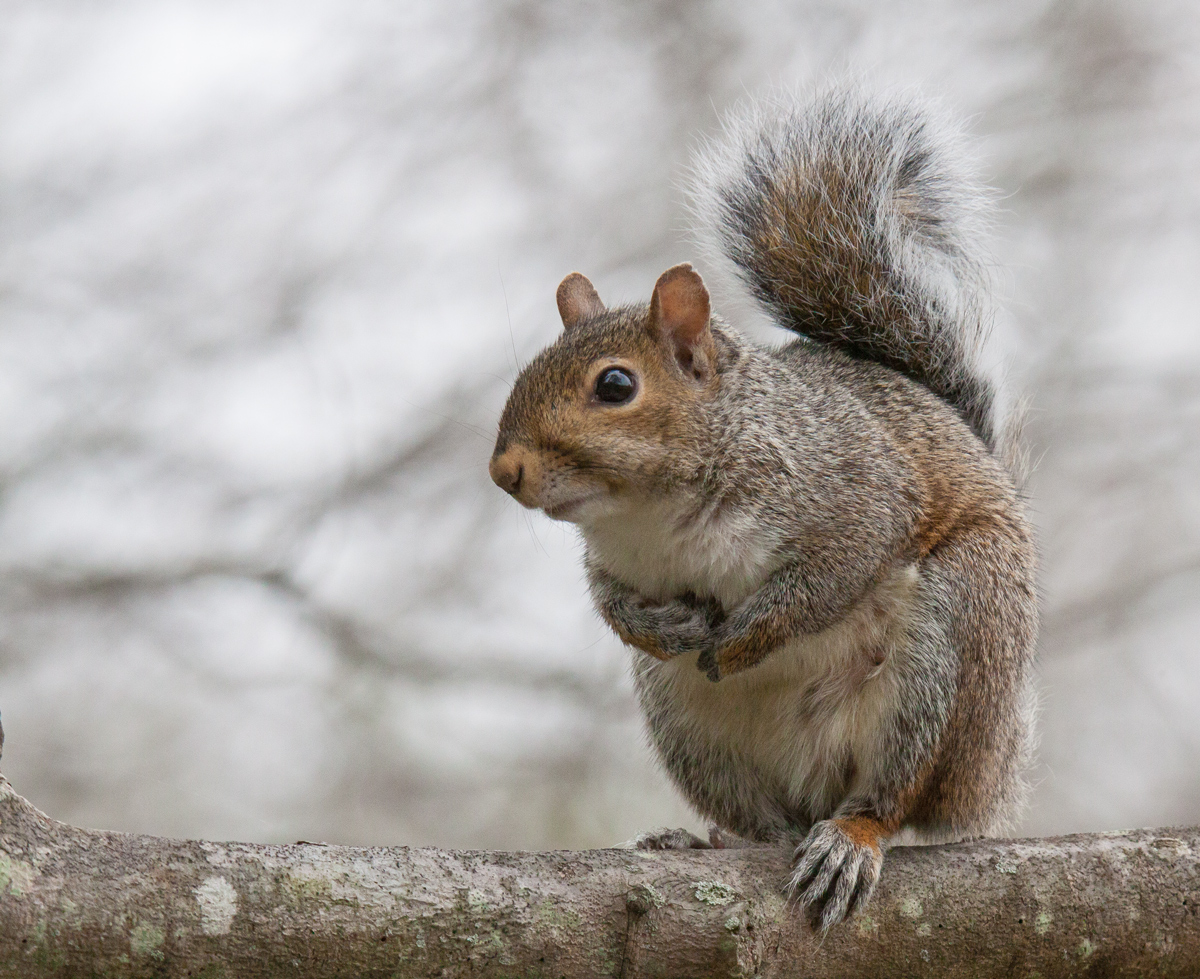
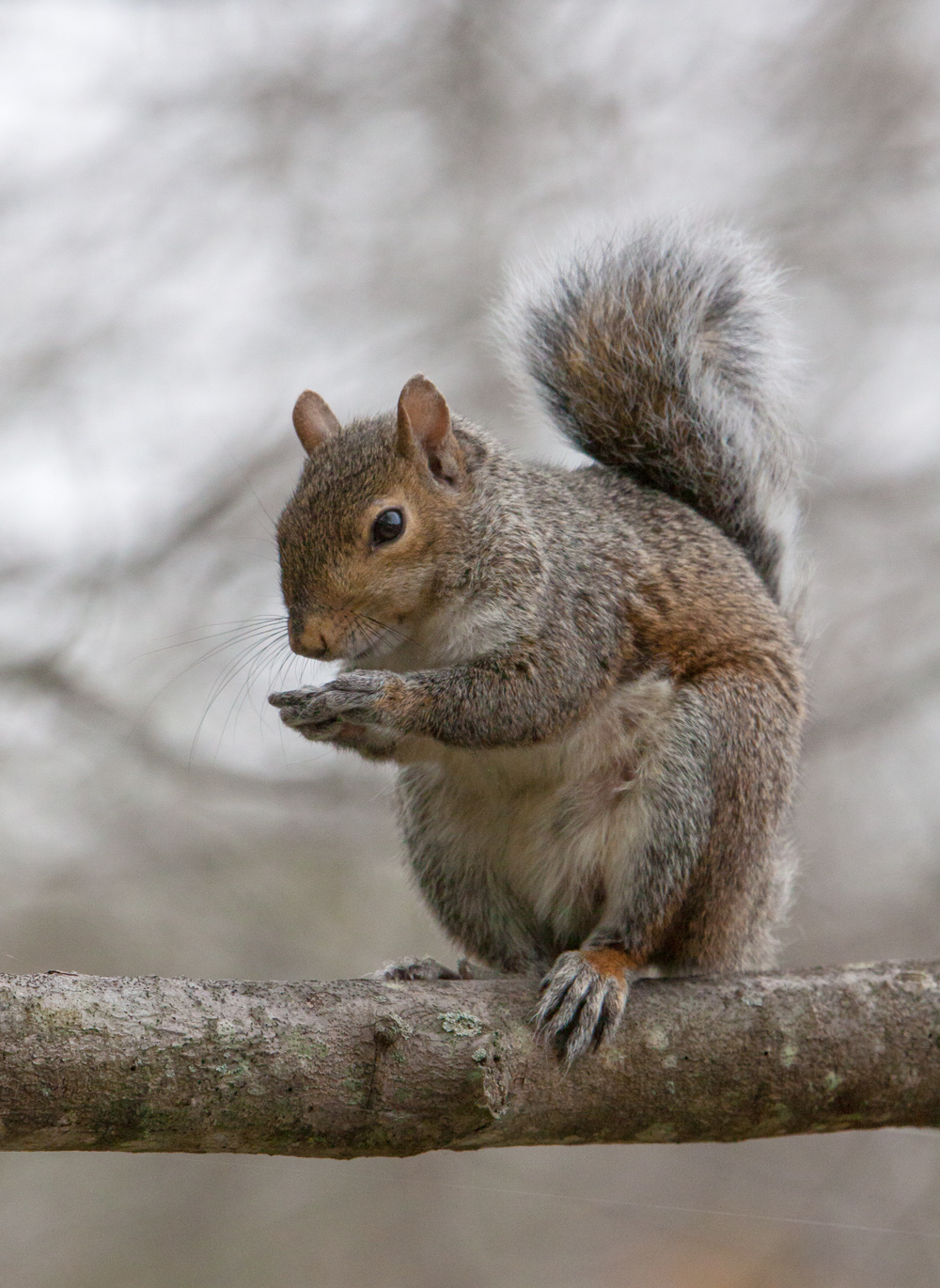
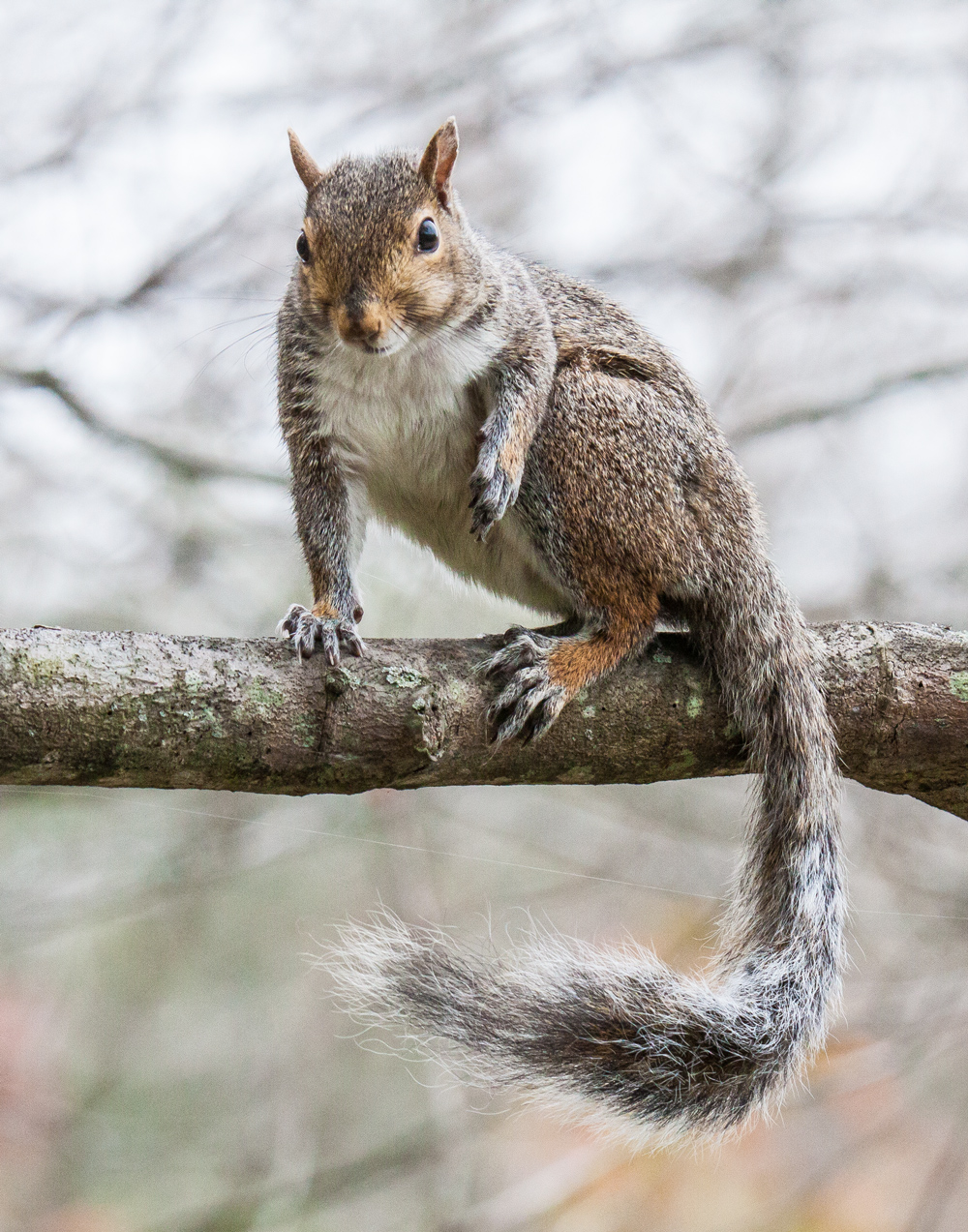
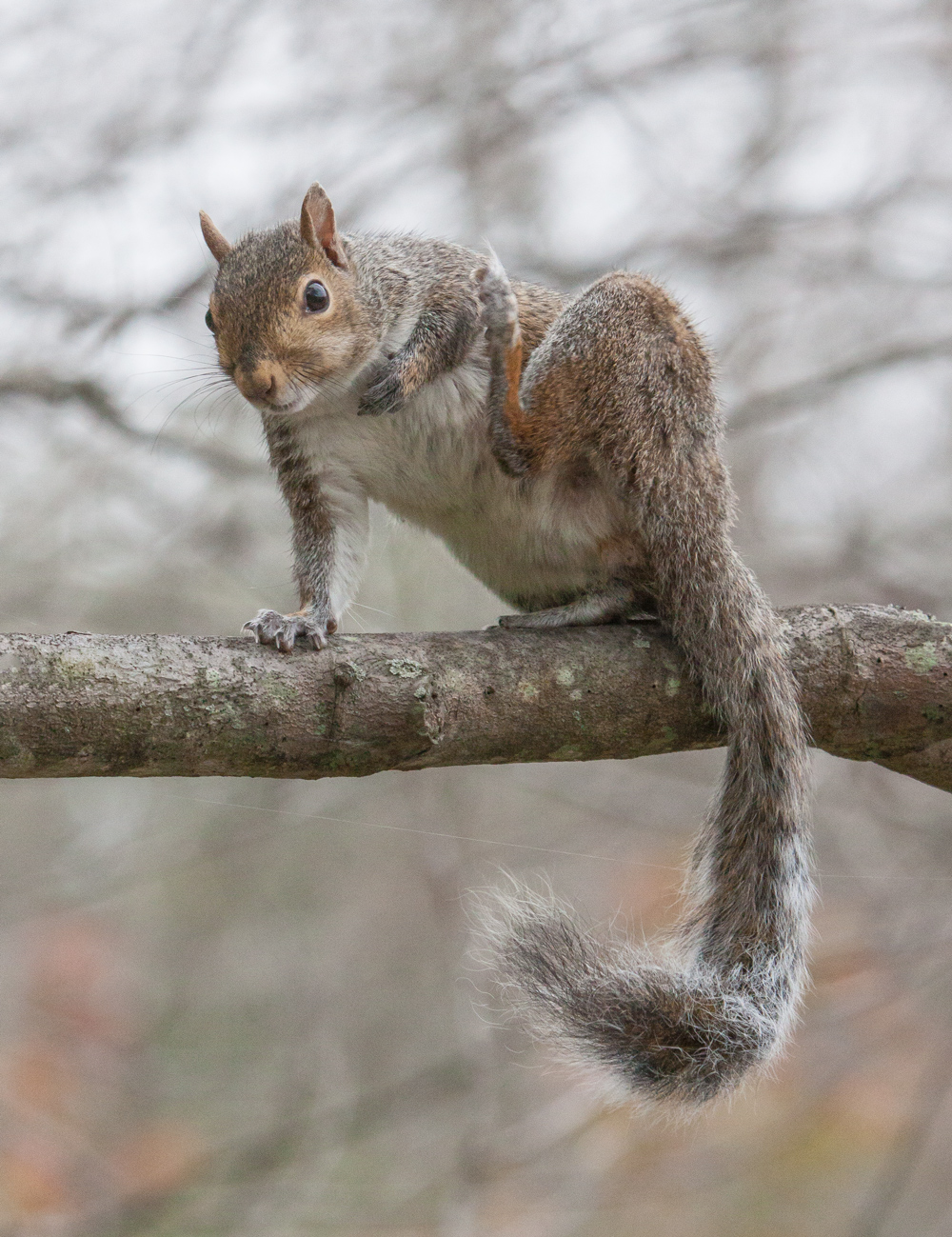
When you happen to catch sight of a squirrel, do you just keep walking? I love to watch squirrels. They are so energetic and industrious, traits that I admire in humans as well.

Last week, this Eastern Gray Squirrel (Sciurus carolinensis) at Huntley Meadows Park seemed to be posing for me and we had our own little portrait session. The squirrel made many minor adjustments to its body position to provide mw with a lot of different looks. Towards the end of our photo shoot, the squirrel had to take a short break.

Sometimes when you have an itch, you just have to scratch it, as you can see in the final image.

Eastern Gray Squirrel

Eastern Gray Squirrel

Eastern Gray Squirrel

Eastern Gray Squirrel

Eastern Gray Squirrel

© Michael Q. Powell. All rights reserved.

Read Full Post »

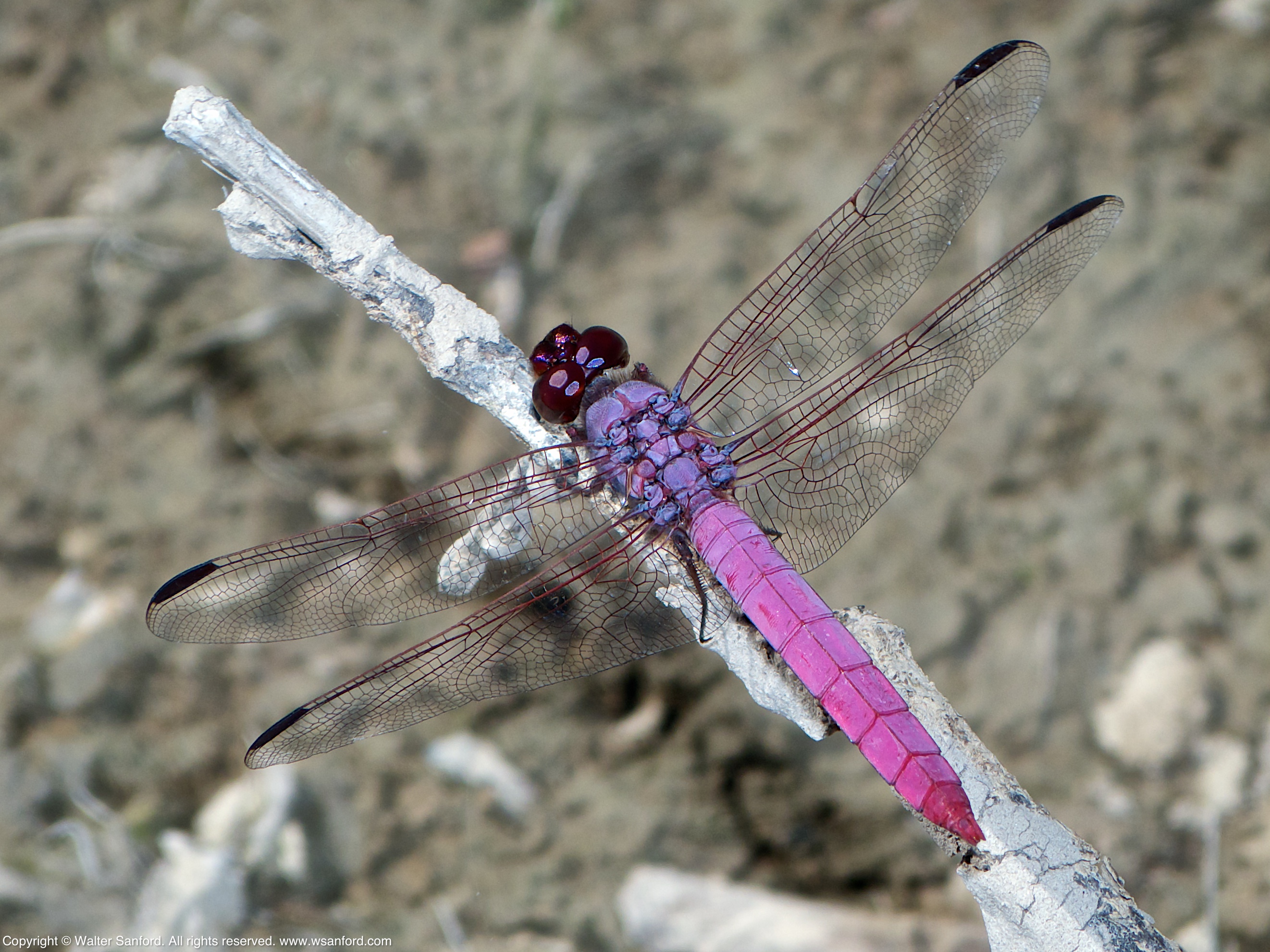
A pink dragonfly? Fellow photographer and good friend Walter Sanford was not hallucinating when he recently spotted this Roseate Skimmer dragonfly at Huntley Meadows Park, one of only a small handful of sightings ever of this species in Virginia.

He spotted one last year too, but this year managed to capture a wonderful series of images of this beauty. Be sure to check out his original posting as well as other spectacular images on his blog.

waltersanford's avatarwalter sanford's photoblog

Breaking news: I discovered a new species of dragonfly at Huntley Meadows Park — a Roseate Skimmer dragonfly (Orthemis ferruginea). This is the first official record of Orthemis ferruginea in Fairfax County, Virginia.

Actually, I discovered this species last year but was unable to shoot a photo to prove I wasn’t hallucinating pink dragonflies! On 10 September 2014, I spotted a male Roseate Skimmer that made one patrol around a pool near an old beaver lodge (one that overlapped the boardwalk that goes through the central wetland area), landed for one second (no kidding) and flew upstream along Barnyard Run; I never saw it again. This year, I have photographic proof.

This individual is a male, as indicated by its coloration and terminal appendages.

A Roseate Skimmer dragonfly (Orthemis ferruginea) spotted at Huntley Meadows Park, Fairfax County, Virginia USA. This individual is a male. 23 SEP 2015 | Huntley Meadows Park | Roseate Skimmer (male)

Dig that crazy metallic purple face!

A Roseate Skimmer dragonfly (Orthemis ferruginea) spotted at Huntley Meadows Park, Fairfax County, Virginia USA. This individual is a male. 23 SEP 2015 | Huntley Meadows Park | Roseate…

View original post 272 more words

Read Full Post »

How was your summer? Did you take a vacation and relax or at least take some time off from work?

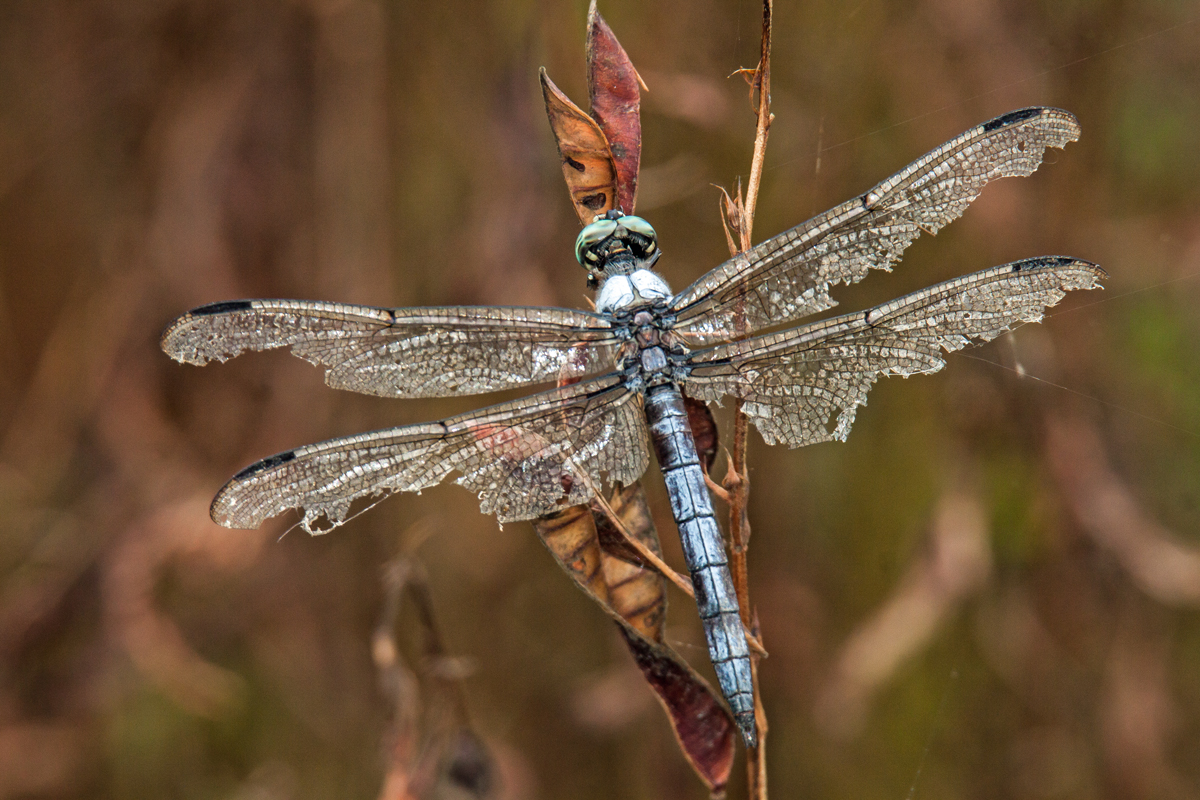
There are no vacations for dragonflies. It looks like this has been a long, hard summer for the male Great Blue Skimmer (Libellula vibrans) that I spotted earlier this month, judging from the almost shredded condition of his wings. Yet somehow, he is still able to fly and continues to survive

Autumn is almost upon us and the number of dragonflies that I observe is dropping. Before long, only a few hardy species will remain. For now, I take joy in seeing the tattered survivors, whose beauty is undiminished in my eyes.

Great Blue Skimmer

© Michael Q. Powell. All rights reserved.

Read Full Post »

When taking photos, do you ever just point and shoot? Now I realize that there is an entire class of consumer cameras with mostly automatic settings that are referred to as “point and shoot cameras,” but that’s not what I am talking about here. What I am asking is whether you ever just point your camera in the general direction of a subject and engage the shutter without actually framing the shot with the viewfinder or even the LCD on the back of the camera.

Why would you do that? I have a fascination with street photography. Conceptually I like the idea of taking photos of strangers, often at close range, in interesting urban settings. However, I have not been able to overcome my inhibitions and fears about capturing these kinds of images.

As I was returning by Metro back to my Northern Virginia suburb from a trip to the District of Columbia, I noticed  a guy with a bicycle standing in front of me. He had a racing-style bike and was carrying what appeared to be a fully inflated spare tube in his hand. It was an intriguing scene and I decided to try to capture it. With my camera balanced on my camera bag on my lap, I pointed the camera in his direction and took a number of shoots, zooming in and out with my 24-105mm lens. A few times, I peeked at my results and adjusted the angle and direction of my camera. I slightly adjusted the angle of a couple of the shots you see below, but kept the one that was really skewed just like it came out of the camera—I just like the different look that it has.

I felt safe and secure in taking these shots, because the sounds of the moving train more than covered any noise coming from my shutter. I even felt emboldened to take some shots of a young lady sitting across the aisle from me. She had assumed what I consider to be the classic Metro pose. She had headphones on and was sitting upright, absorbed in her own world. There seems to be an unwritten Metro code that strangers do not interact with each other, and usually go to pains not to look each other in the eye.

I think I will try my experiment again to try to get used to the idea of taking photos of strangers, albeit surreptitiously. I am not ready to become the next Cartier-Bresson, but it’s a start.

rider3_blog

rider1_blog

rider4_blog

rider2_blog

© Michael Q. Powell. All rights reserved.

Read Full Post »
“Blue eyes
Baby’s got blue eyes
Like a deep blue sea
On a blue blue day”

Somehow the words to the old Elton John song come to mind when I gaze into the stunning blue eyes of this Blue-faced Meadowhawk (Sympetrum ambiguum). This dragonfly was unusually cooperative and let me move in to take this close-up portrait with my macro lens.

Blue-faced Meadowhawk

If you have never heard “Blue Eyes” or just want a blast from the past, here’s a link to a YouTube video of Elton John performing the song.

© Michael Q. Powell. All rights reserved.


Read Full Post »

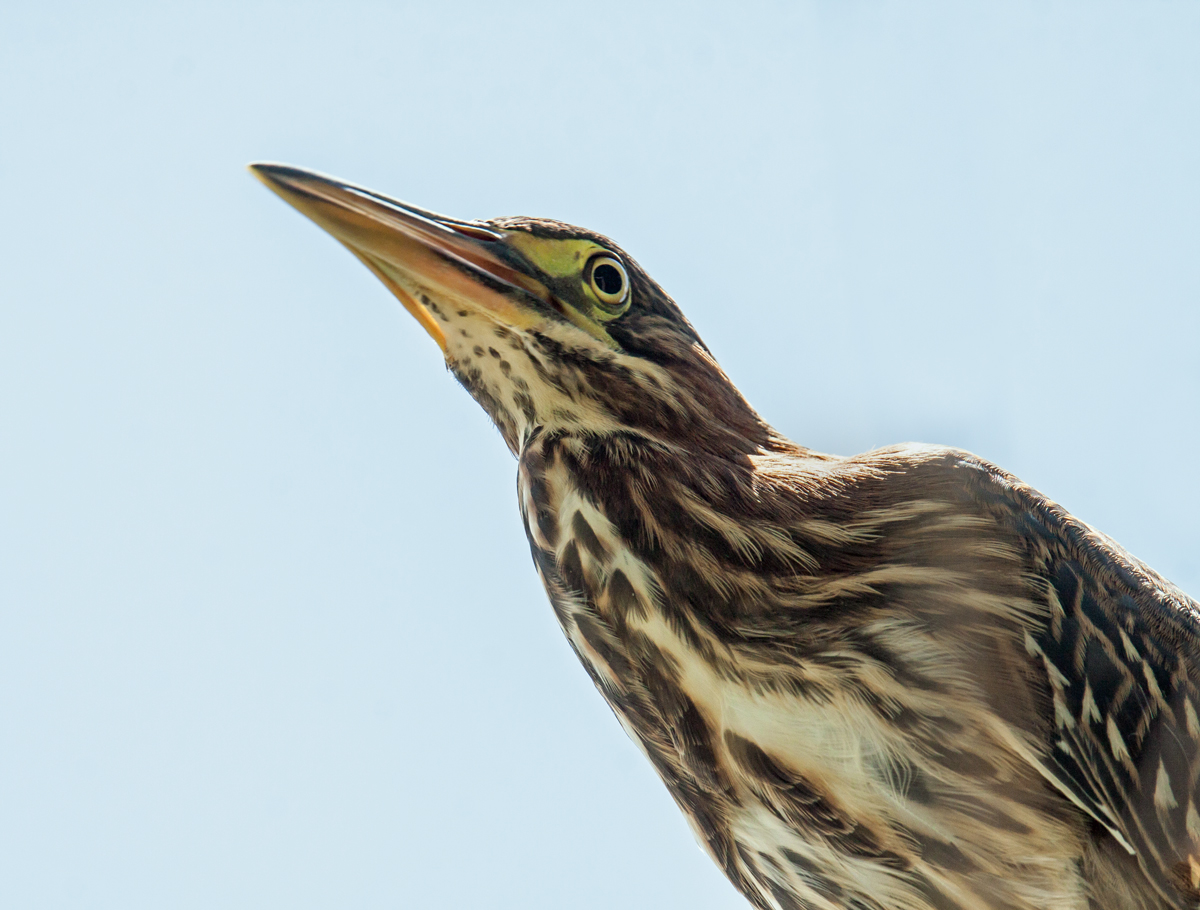
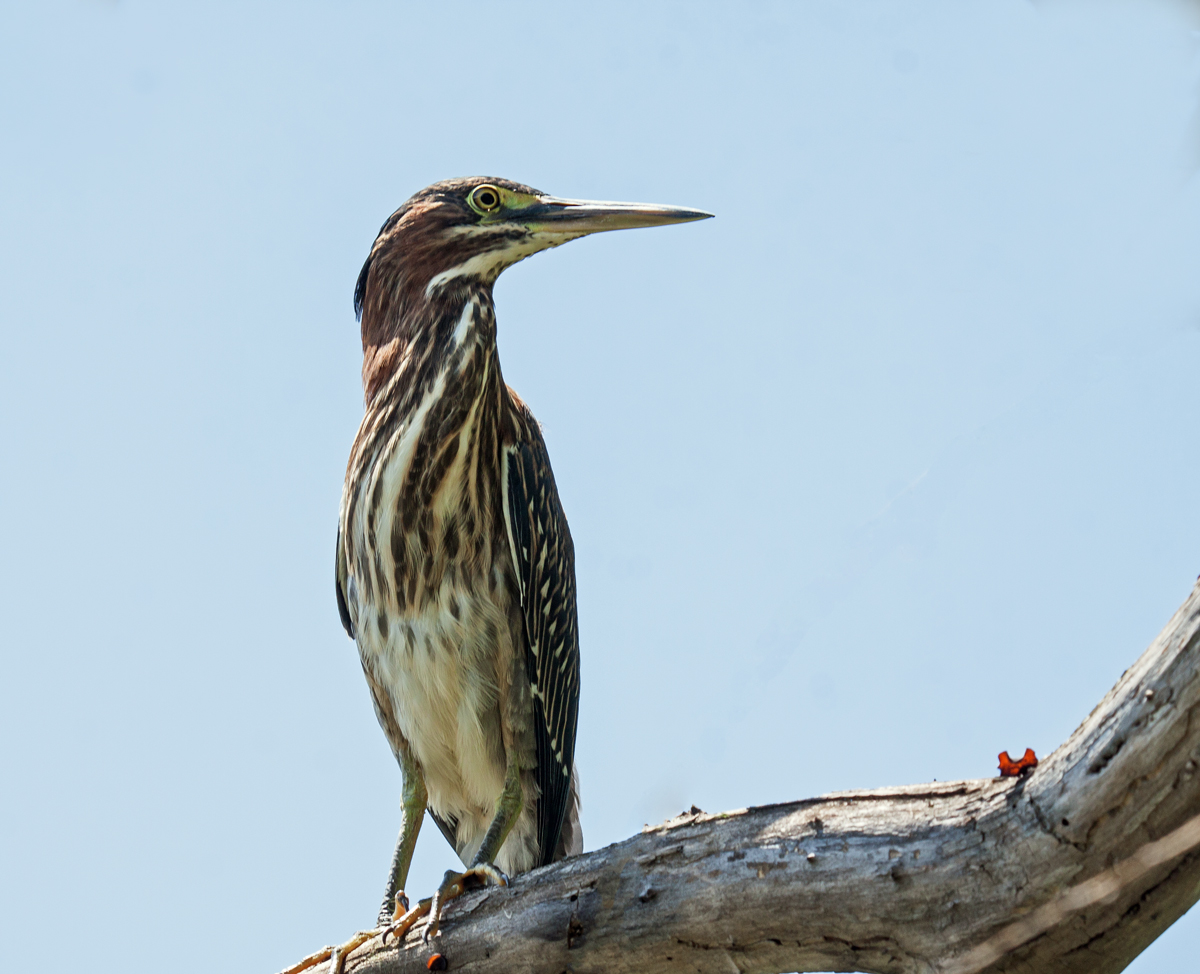
Yesterday as I was exploring Ben Brennan Park, a suburban park in Alexandria, Virginia with a pond, I spotted a young Green Heron (Butorides virescens) in a tree. I took some initial shots and then was able to creep up to the tree and shoot almost directly up.

I have taken numerous photos of Green Herons, but this is the first time that I’ve ever taken a shot showing the underside of the bill. I love to shoot familiar subjects hoping to see them from new perspectives or engaging in interesting behavior.

Green Heron

Green Heron

Green Heron

heron4_up_blog

© Michael Q. Powell. All rights reserved.

Read Full Post »

How do you capture the details of a pure white bird as it flies in an out of the light? That was my challenge this past weekend when I tried to photograph Great Egrets (Ardea alba) at my local marshland park.

Many of my past shots of egrets have been unsuccessful, usually because they are overexposed and the highlights and details are blown out. I’ve tried using exposure compensation with only minimum success.

This time, I remembered to switch to spot metering and had greater success. Sure, the backgrounds are a bit underexposed, but I think that the darkness helps the highlight the beauty of the egret.

Great Egrets seem a little awkward when in the water, but when they take to the air, it’s like watching a ballet.

Great Egret

Great Egret

Great Egret

© Michael Q. Powell. All rights reserved.

Read Full Post »

The Green Heron (Butorides virescens) was mostly in the shadows yesterday as I observed him at the edge of a small stream. When he bent down, his face was briefly illuminated and I managed to capture this action portrait with a fascinating interplay of light and darkness.

Green Heron

© Michael Q. Powell. All rights reserved.

Read Full Post »

Recently Green Herons (Butorides virescens) have been more numerous than in the past at my local marshland park. Most of the time these little herons are obscured by the vegetation at the water’s edge or by the branches of the trees in which they like to roost.

Early one morning last week, however, I watched one of them stalking potential prey from a log in an open area. The little heron seemed focused, but relaxed. From time to time the Green Heron would become more alert and rigid and he would stare more intently at the water.

On this occasion, they were all false alarms and I didn’t see him catch anything for breakfast. Eventually he seemed to give up and flew off, presumably to a better location for catching something to eat.

Green Heron

Green Heron

Green Heron

© Michael Q. Powell. All rights reserved


Read Full Post »

When a friend pointed toward a small pond and said he saw a bronze frog, I thought he was talking about a metal figurine. I had never even heard of bronze frogs and certainly had not seen one before.

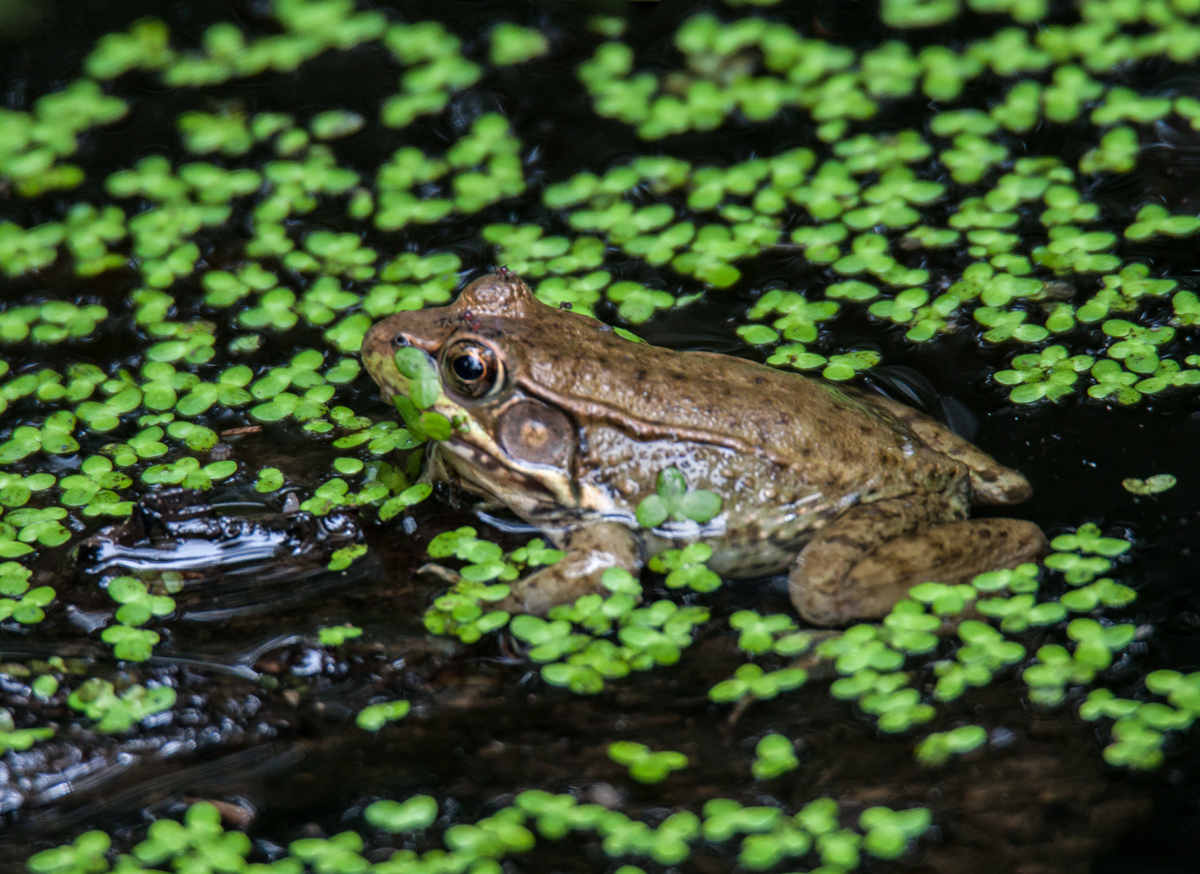
Bronze Frogs (Rana clamitans clamitans) are a subspecies of the Green Frog (Rana clamitans) and I must confess that I really can’t tell them apart from the other subspecies, the Northern Green Frog (Rana clamitans melanota), because there is a significant amount of color variation.

Identification aside, I really like the way that this frog is surrounded by and partially covered with duckweed as he tries to stay cool on a hot day in July.

bronze frog

© Michael Q. Powell. All rights reserved

Read Full Post »

I’ve spent most of my life living in the suburbs, so domestic livestock is kind of a novelty for me. My eyes are particularly drawn to animals as striking as this horse with a “rock star” hair style that reminds me of the beautiful horses of Iceland that I have seen featured in numerous photo shoots.

This past weekend I traveled to a winery in rural Delaplane, Virginia for an engagement party. After a wonderful celebration, I stopped at an adjacent farm that had a petting zoo. I was immediately attracted to three horses in the field that had long flowing manes blowing in the breeze. The horses walked right towards me and initially I thought they anticipated that I might have food. When they got closer, I realized that I was standing right behind a pile of hay that had been placed in the field and they more or less ignored me and munched on the hay.

I had a 24-105mm lens on my camera and ended up taking most of my shots at close range using the wide end of the lens. This was the first time that I have ever taken photos of an animal with anything other than a telephoto lens and I was happy with the results. I remember seeing some close-up photos a year or two ago that a blogger had taken of a buffalo using a wide-angle lens and thinking it would be interesting to try something like that. Unlike the buffalo shooter, though, I did not have to shoot from inside of a vehicle.

I don’t know anything about horse breeds, but these small, stocky horses with the incredible flowing hair reminded me of images that I have seen of the horses of Iceland. My dear friend and photographic mentor Cindy Dyer made a trip to Iceland last year and came back with some amazing photos, including this posting with a similar horse, although it is quite literally a horse of a different color.

Cindy has talked with me and a few fellow photographers about possibly traveling to Iceland next year. I would love to have the chance to experience firsthand the wondrous natural beauty of Iceland and to see more beautiful horses with “rock star” hair.

star2_blog

star1_blog

Michael Q. Powell. All rights reserved.

Read Full Post »

« Newer Posts - Older Posts »