Posted in Art, Autumn, Birds, Nature, Photography, wildlife, tagged Ardea herodias, Canon 50D, Great Blue Heron, Nik Collection, Occoquan Bay National Wildlife Refuge, silhouette, silhouettes, Silver Efex Pro 2, Tamron 150-600mm, Woodbridge VA on October 24, 2018|
17 Comments »
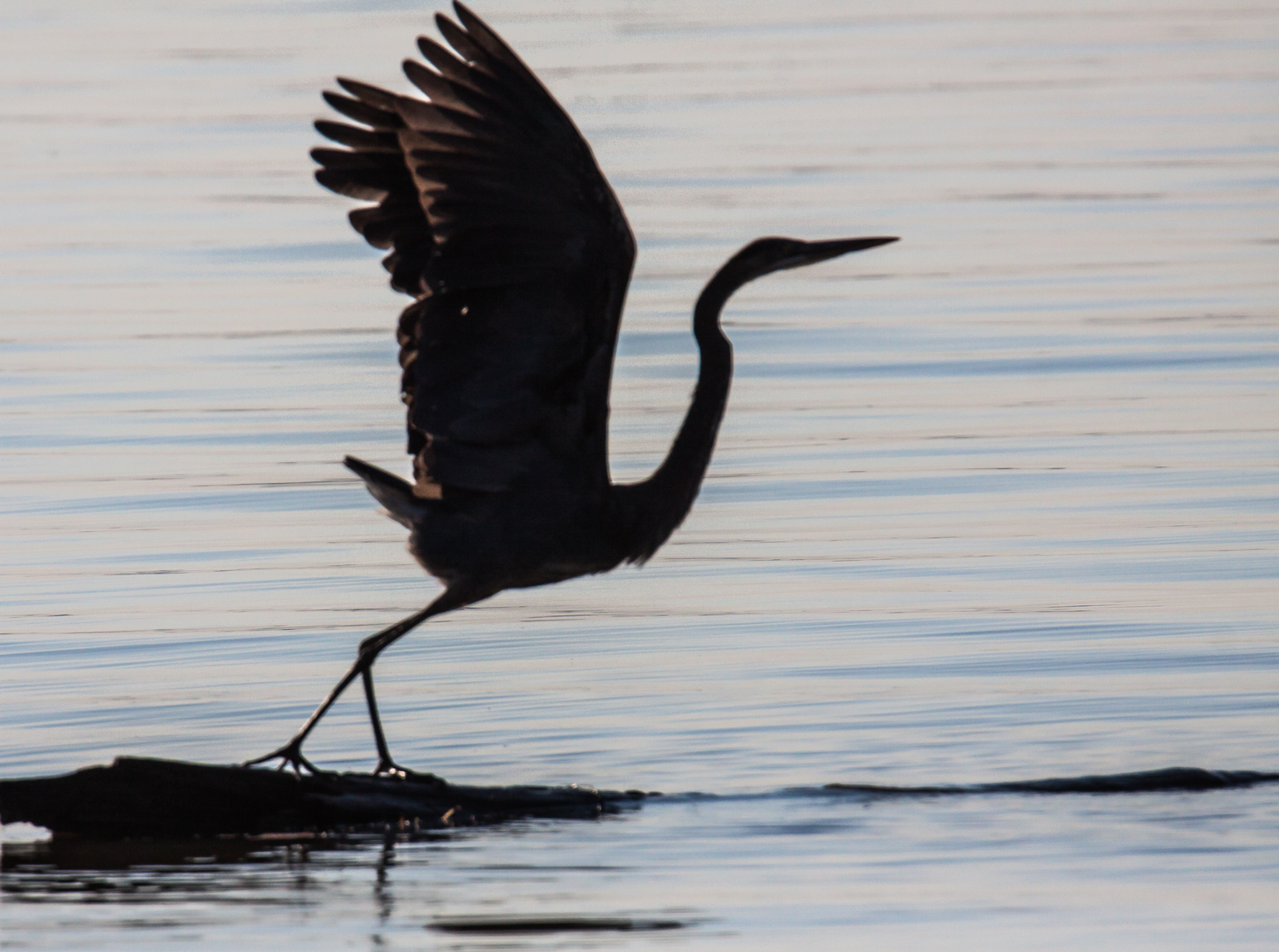
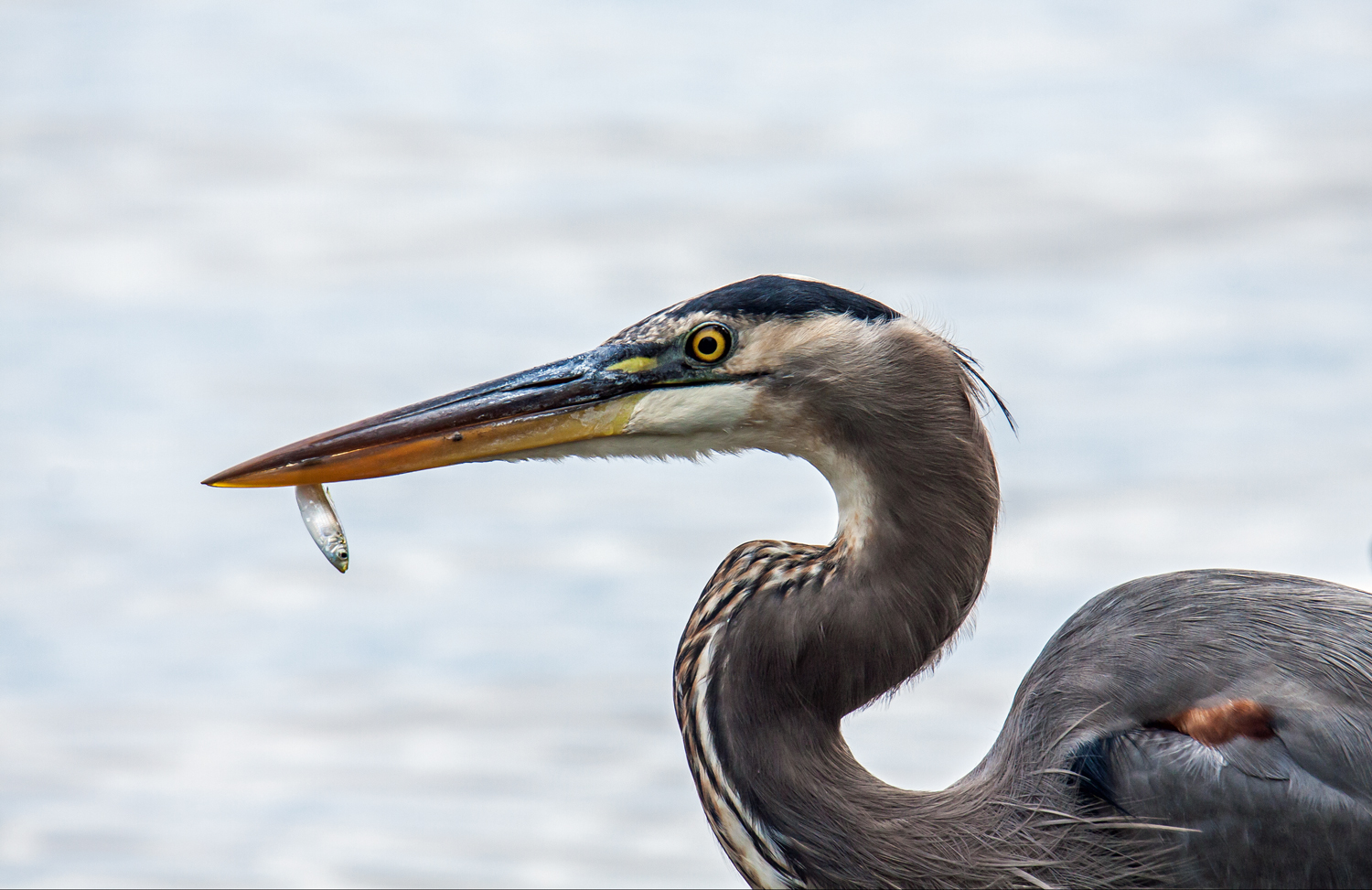
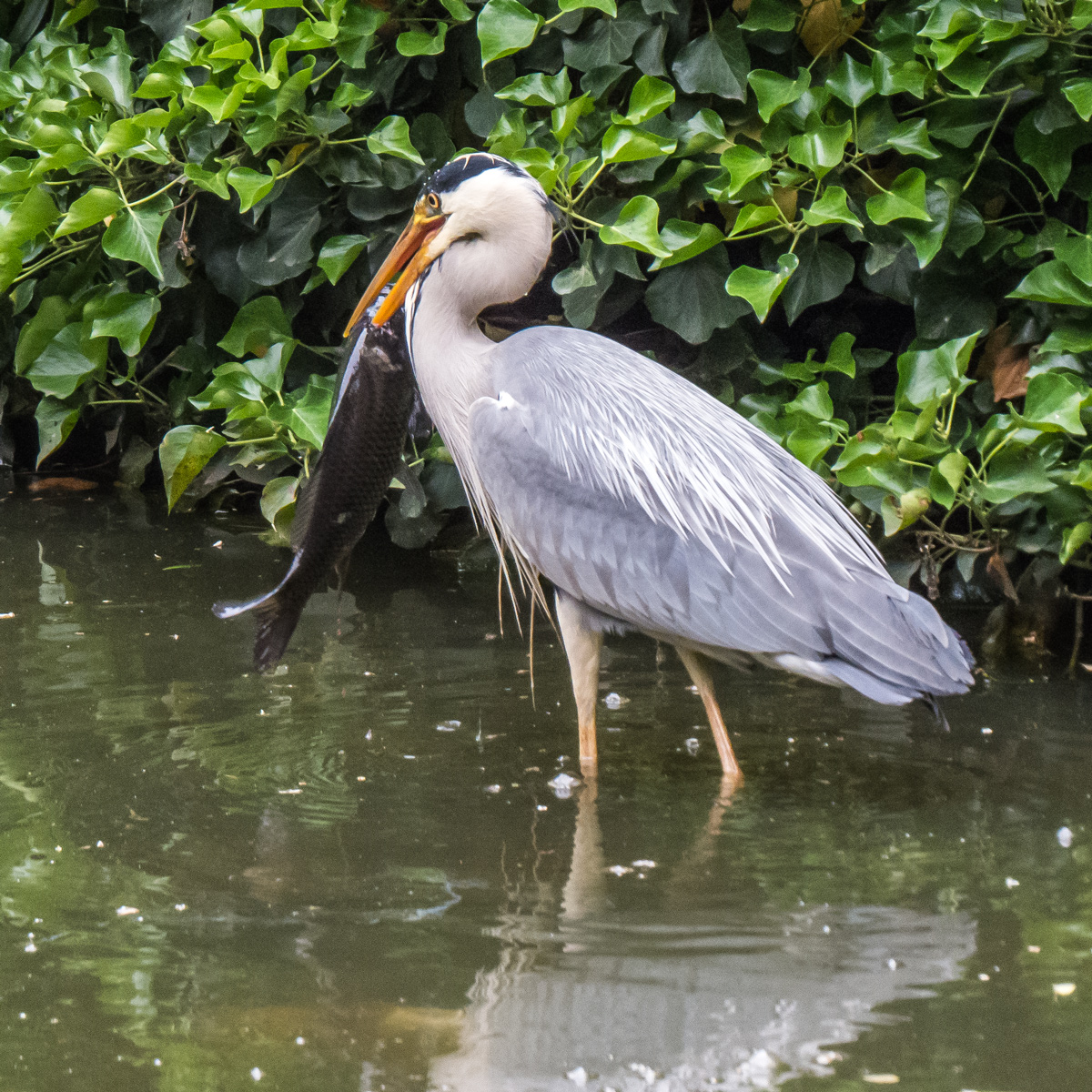
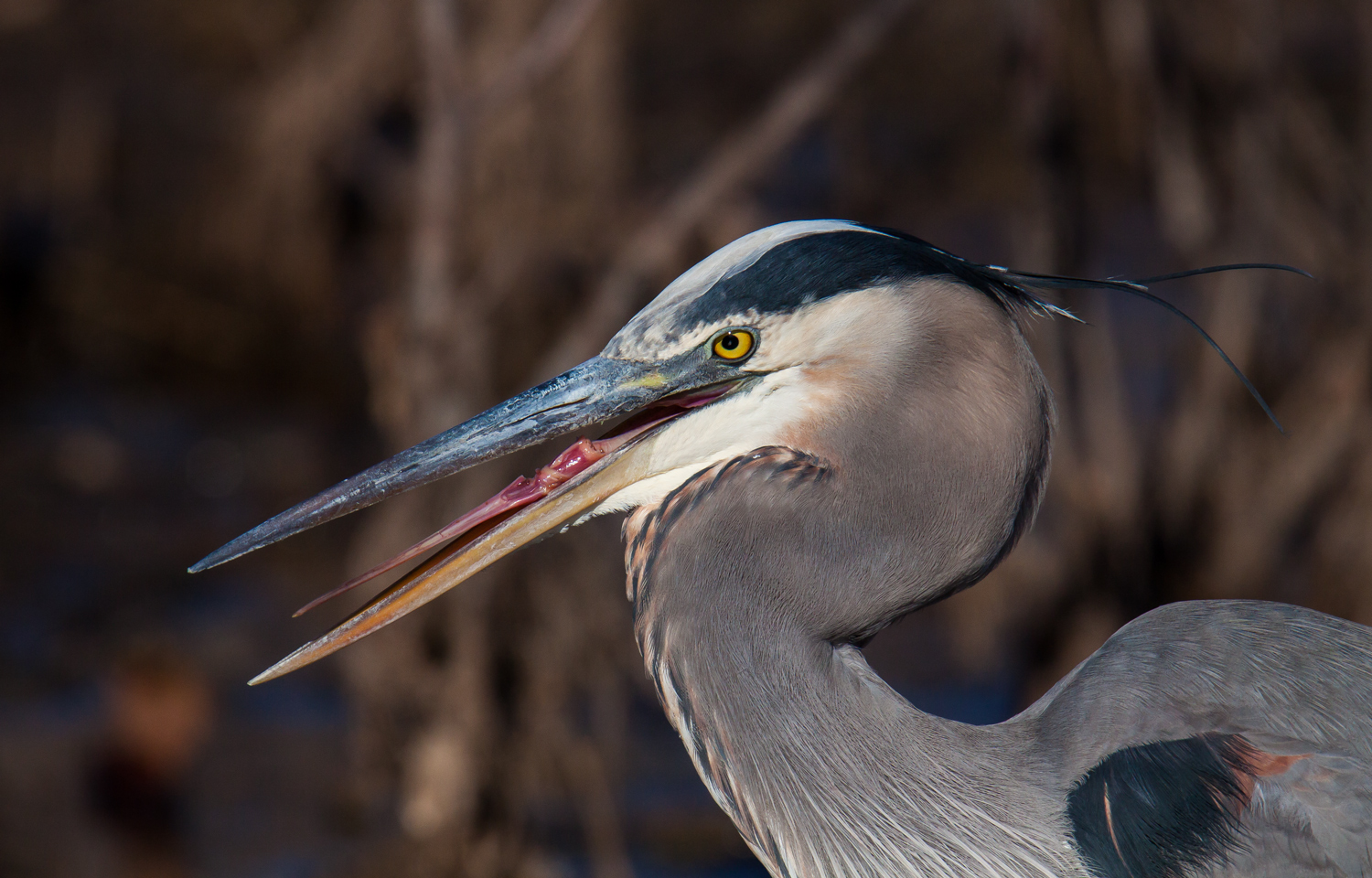
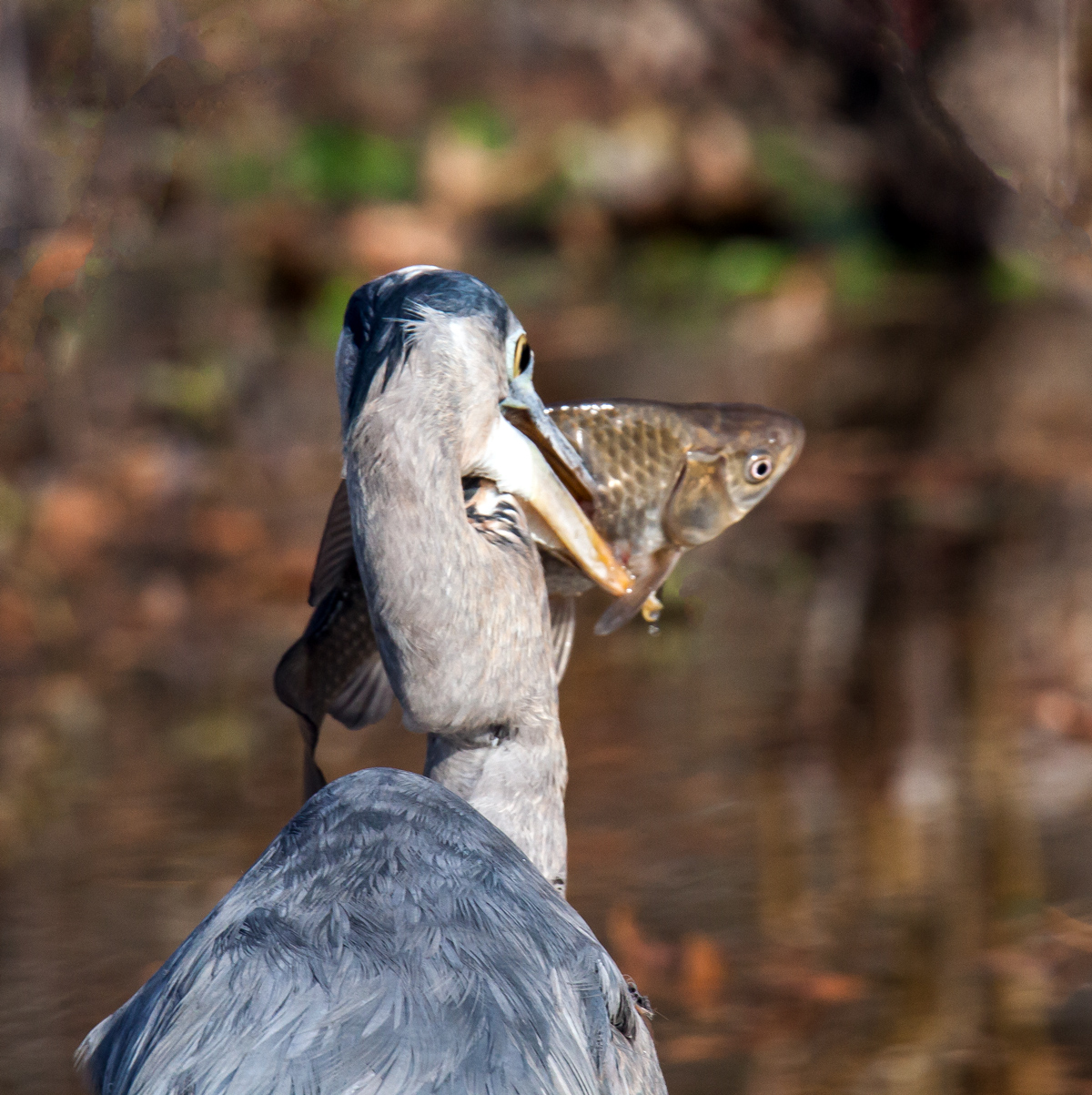
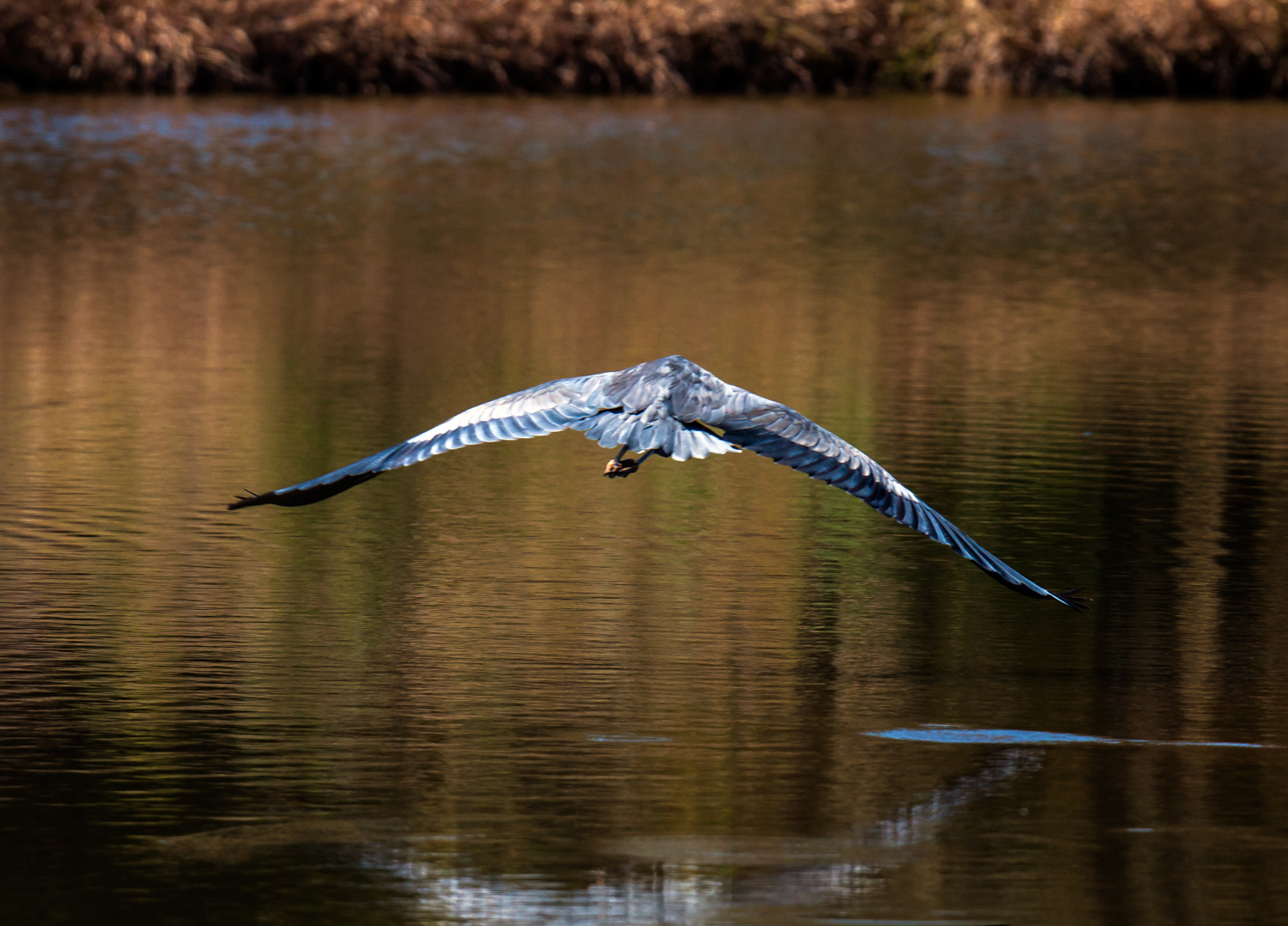
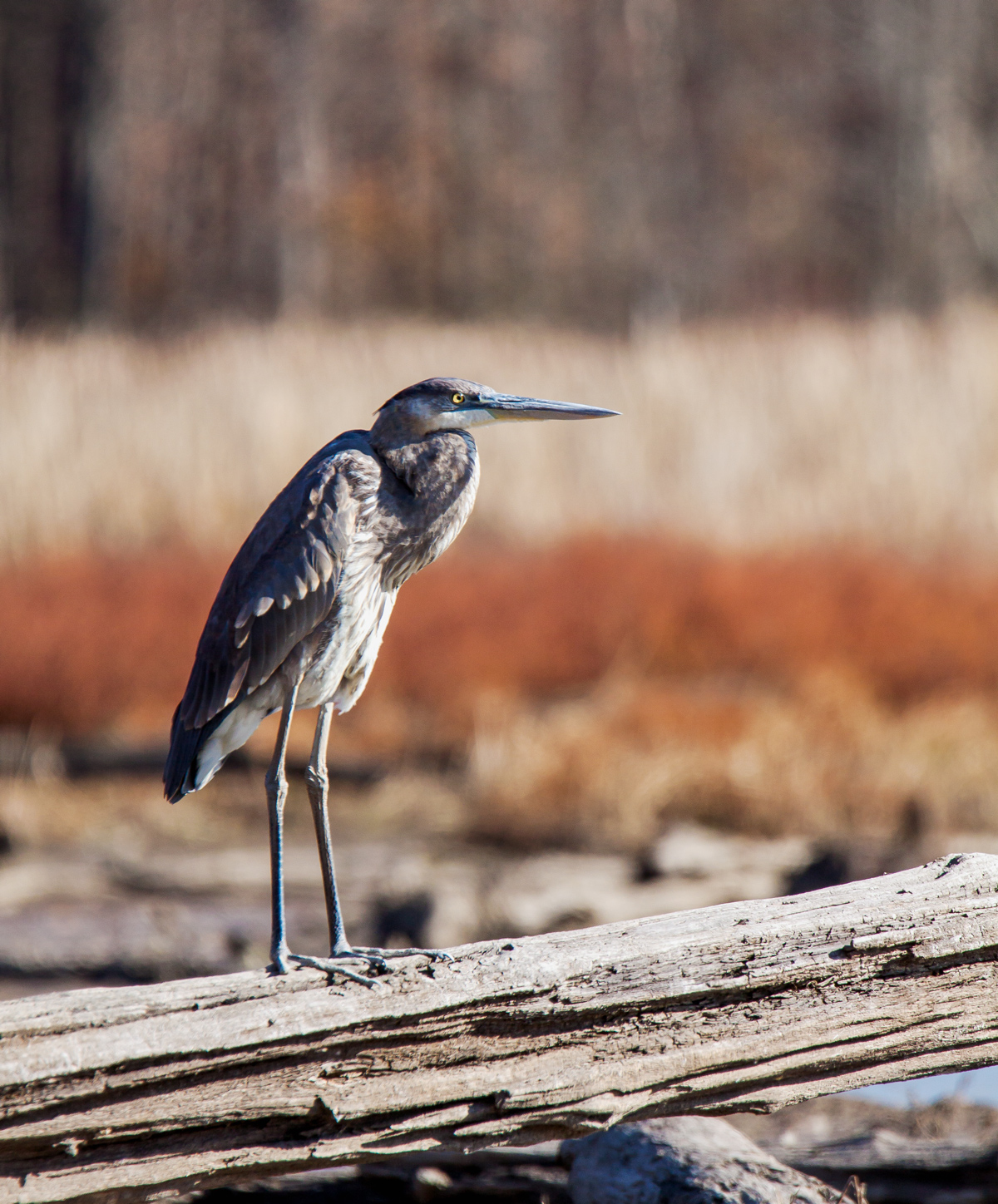
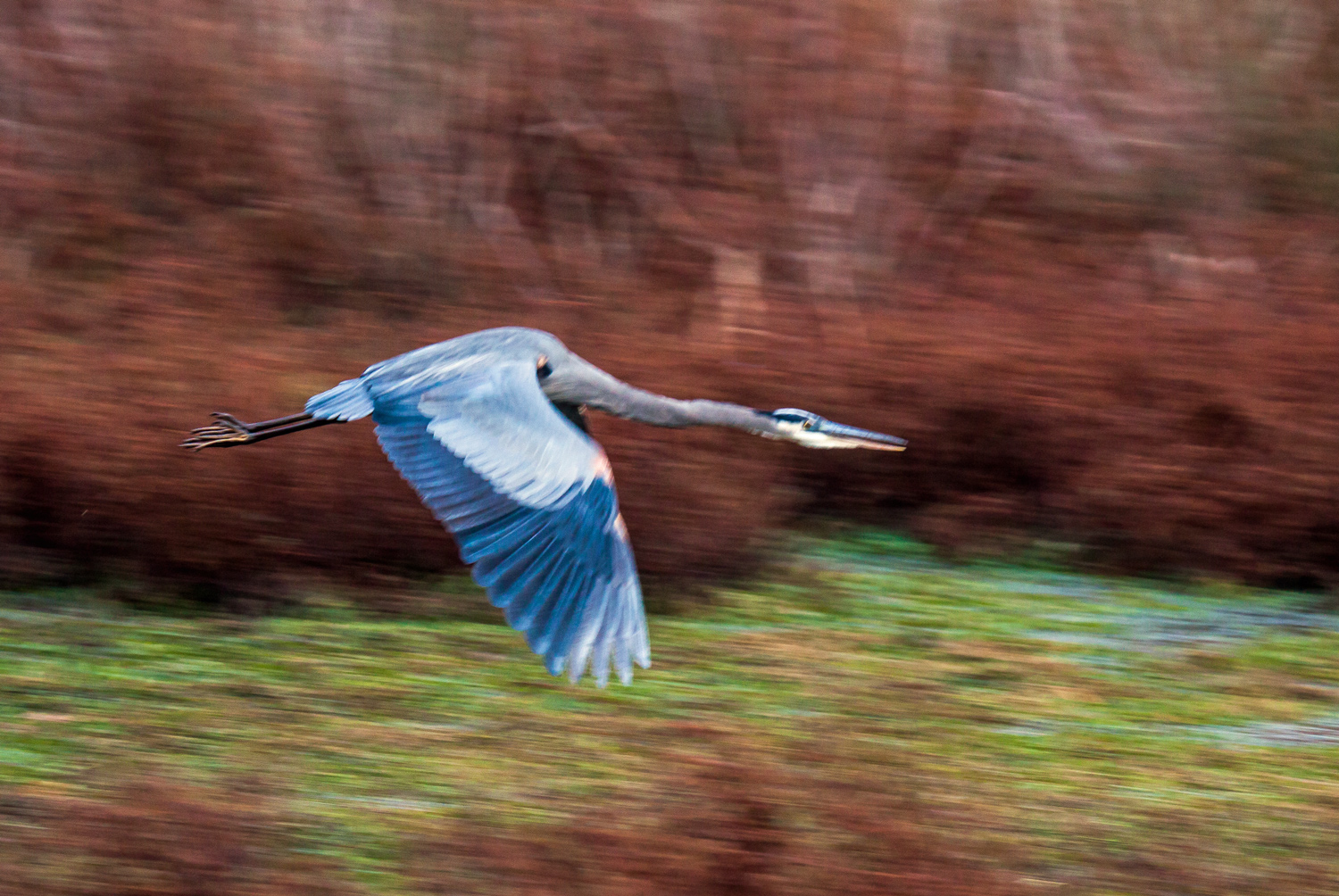
I suspected that this Great Blue Heron (Ardea herodias) at Occoquan Bay National Wildlife Refuge would be silhouetted because I was shooting into the light. I was going to make some adjustments to my camera settings, but it took off before I could do so and I captured a cool series of images.


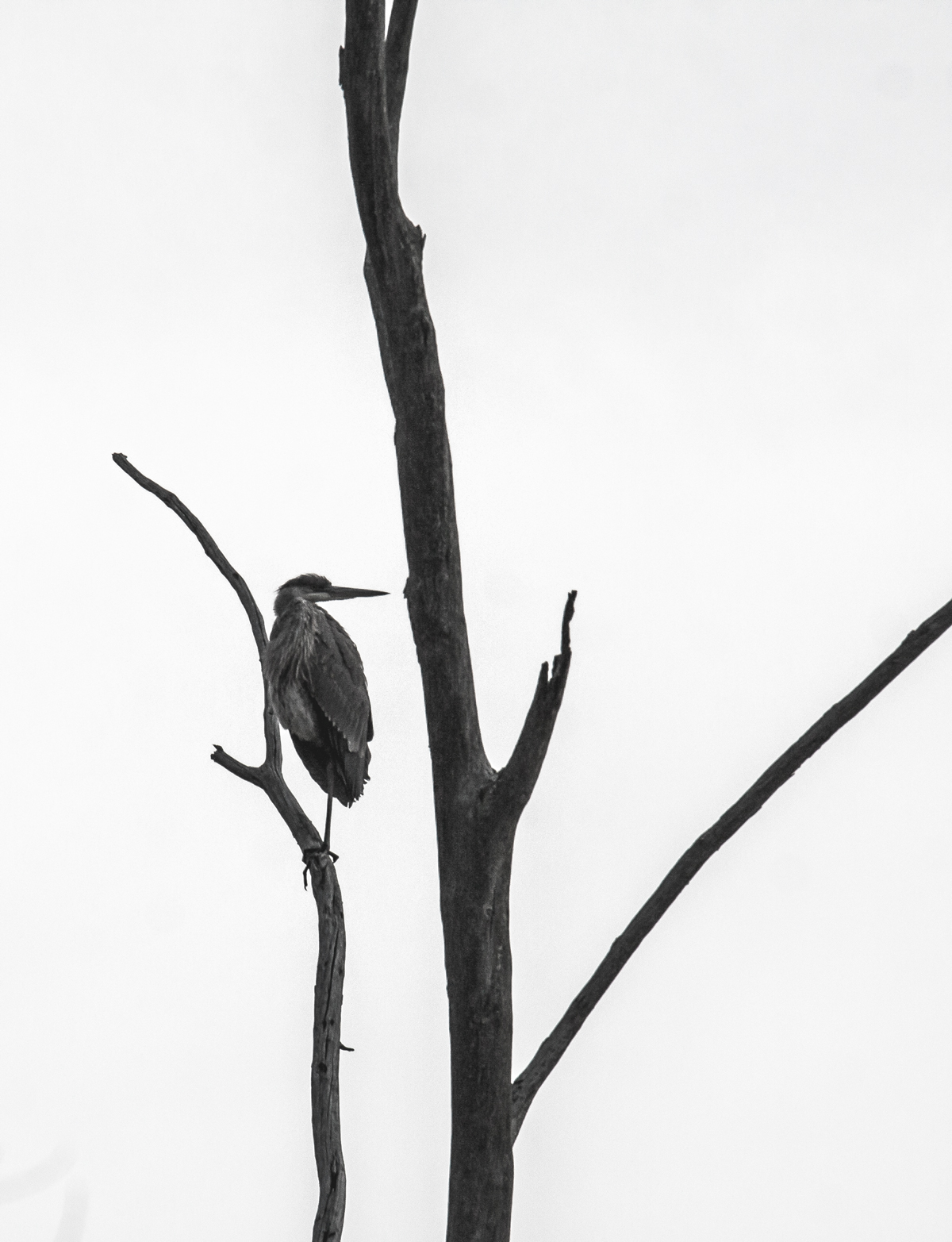
I liked the way that a few details of the feathers were visible in the images and the pink and blue streaks in the background were a nice touch. I decided, however, to play around with one of the images and opened the second shot in SIlver Efex Pro 2, a black and white conversion software program that is part of the Nik Collection.
One of the filters turned the heron into a completely black silhouette—with some birds, identification would be a problem, but the shape of the heron is unmistakable here. Another filter created the effect of a pinhole camera and you can see the result in the final images. There is something about that final image that really appeals to me.
I tend to strive for realism in my photos and normally do only a minimal amount of post-processing. I had so much fun, though, playing around with the different effects you can achieve with software that I suspect I will consider doing so again in the future.


© Michael Q. Powell. All rights reserved.
Read Full Post »


















 Mike Powell
Expressing our differences
Posted in Birds, commentary, Nature, Photography, wildlife, tagged Alexandria VA, Ardea herodias, Canon 50D, Great Blue Heron, herons, Huntley Meadows Park, Tamron 150-600mm on November 8, 2016| 5 Comments »
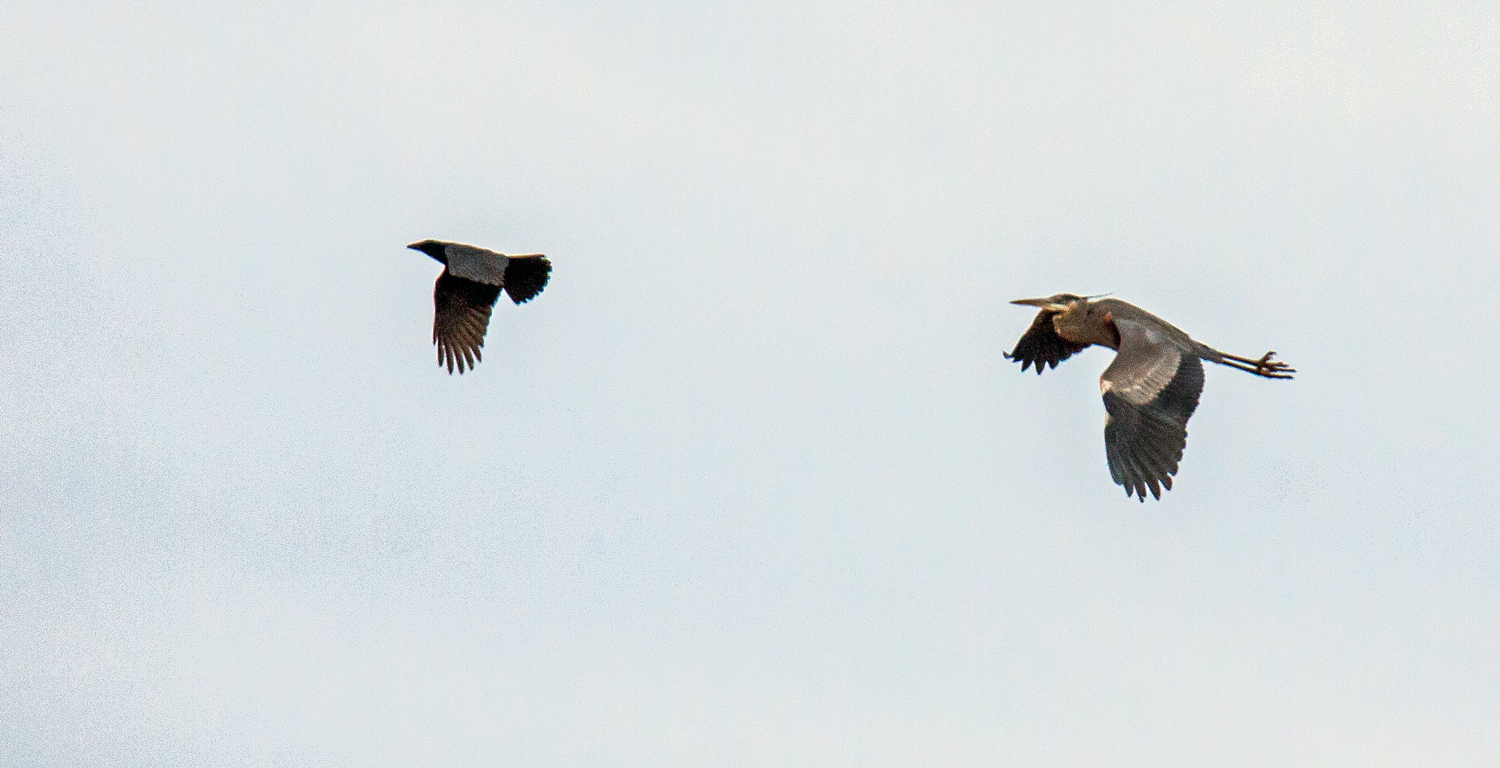
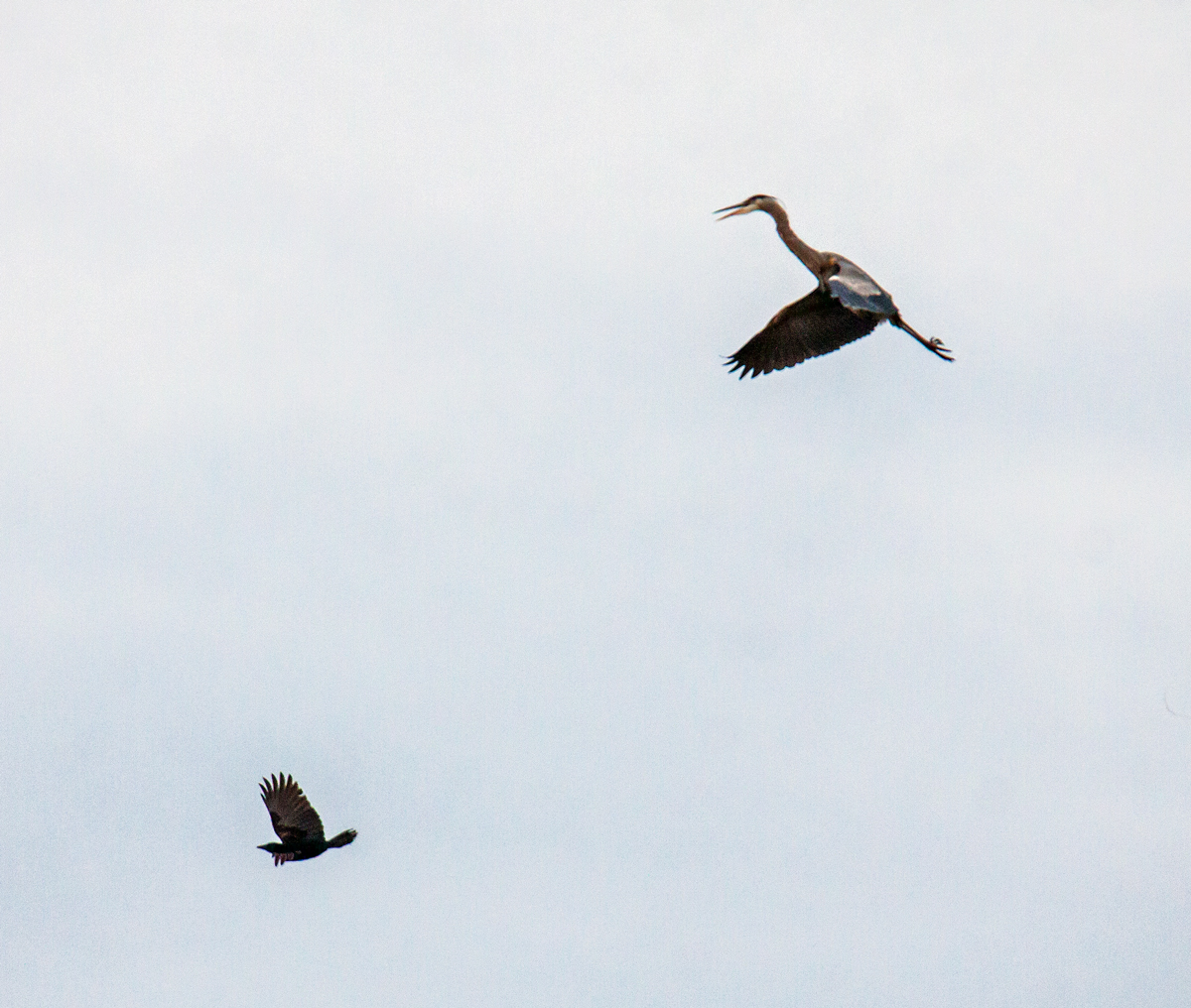
Why were the Great Blue Herons (Ardea herodias) prancing about on Saturday with their heads tilted upward and their wings displayed? Surely this was some kind of elaborate courting ritual.
As Tina Turner famously sang, “What’s love got to do with it?” Apparently this is how these herons defend their feeding territories. Really? According to the Cornell Lab of Ornithology, one of my favorite sources of information on birds, “Great Blue Herons defend feeding territories from other herons with dramatic displays in which the birds approach intruders with their head thrown back, wings outstretched, and bill pointing skyward.”
If only we could be so dignified in expressing our differences instead of squawking loudly and aggressively at each other.
© Michael Q. Powell. All rights reserved.
Share this:
Read Full Post »