Feeds:
Posts
Comments

Archive for the ‘Travel’ Category

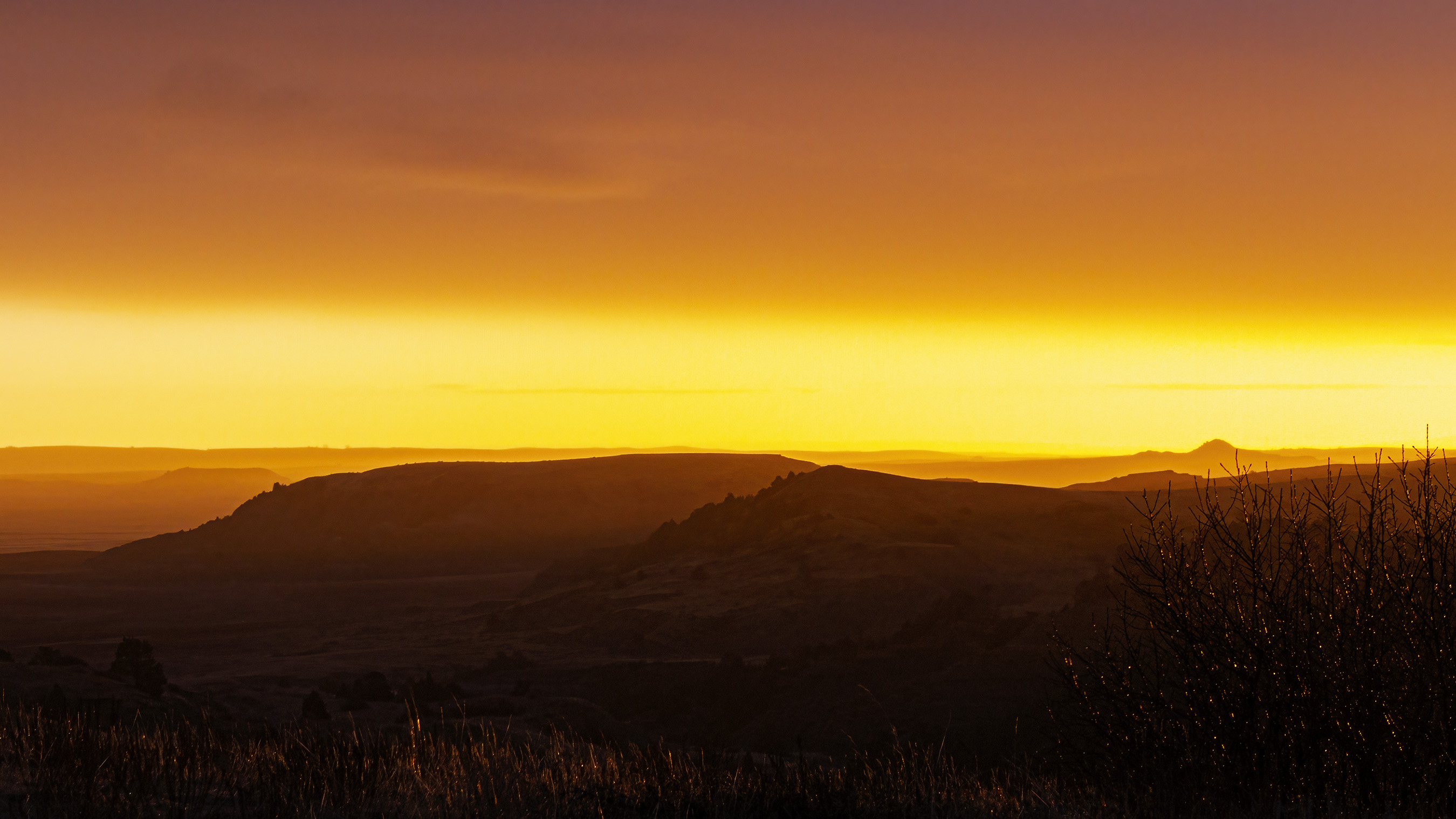
I am finally more or less caught up with my photos from my road trip to Seattle and back. Here are a couple of my favorite shots of the trip, when I captured the sunrise on 5 November at Theodore Roosevelt National Park in Medora, North Dakota. It was dark and cold when I crawled out of my sleeping bag that morning, but I really wanted to try to see the sunrise.

The sun rises and sets each day, but each one is unique, affected by a whole host of uncontrollable factors, including meteorological conditions and the landscape. Sometimes the sun arrives slowly and subtly and sometimes it explodes into view. Professional landscape photographers scout locations in advance and figure out the optimal locations to catch the sunrise. I simply got into my car and began to drive slowly on the road through the park.

As I was driving I came upon this view as I rounded a corner just as the sun was rising over the horizon. Results are unpredictable when you point your camera directly at the sun, but somehow I managed to get it almost right in the first shot below—well at least I got a cool image that I like. When I moved the camera to the side a little so the sun was no longer in the frame, I was able to capture the final photo. I really like the sort of layering in the background, as the sun painted the various land features.

I am not sure if I will do a posting tomorrow, when those of us in the United States will be celebrating Thanksgiving. In case there is posting tomorrow, let me thank all of you now who pause for a moment to look at my photos or read my rambling prose. Thanks for all of your support and encouragement over the years.

sunrise

sunrise

© Michael Q. Powell. All rights reserved.
Read Full Post »

I am finally nearing the end of my photos from my brief stay in Theodore Roosevelt National Park in North Dakota at the beginning of November. I captured quite a few images of wild horses, bison, and prairie dogs at the national park and it has been a real joy reviewing the photos on my computer and relive the memories after my return home. Normally I try to post images on my blog that are a week old or less, but I figure that you will forgive me for posting images that are three weeks old.

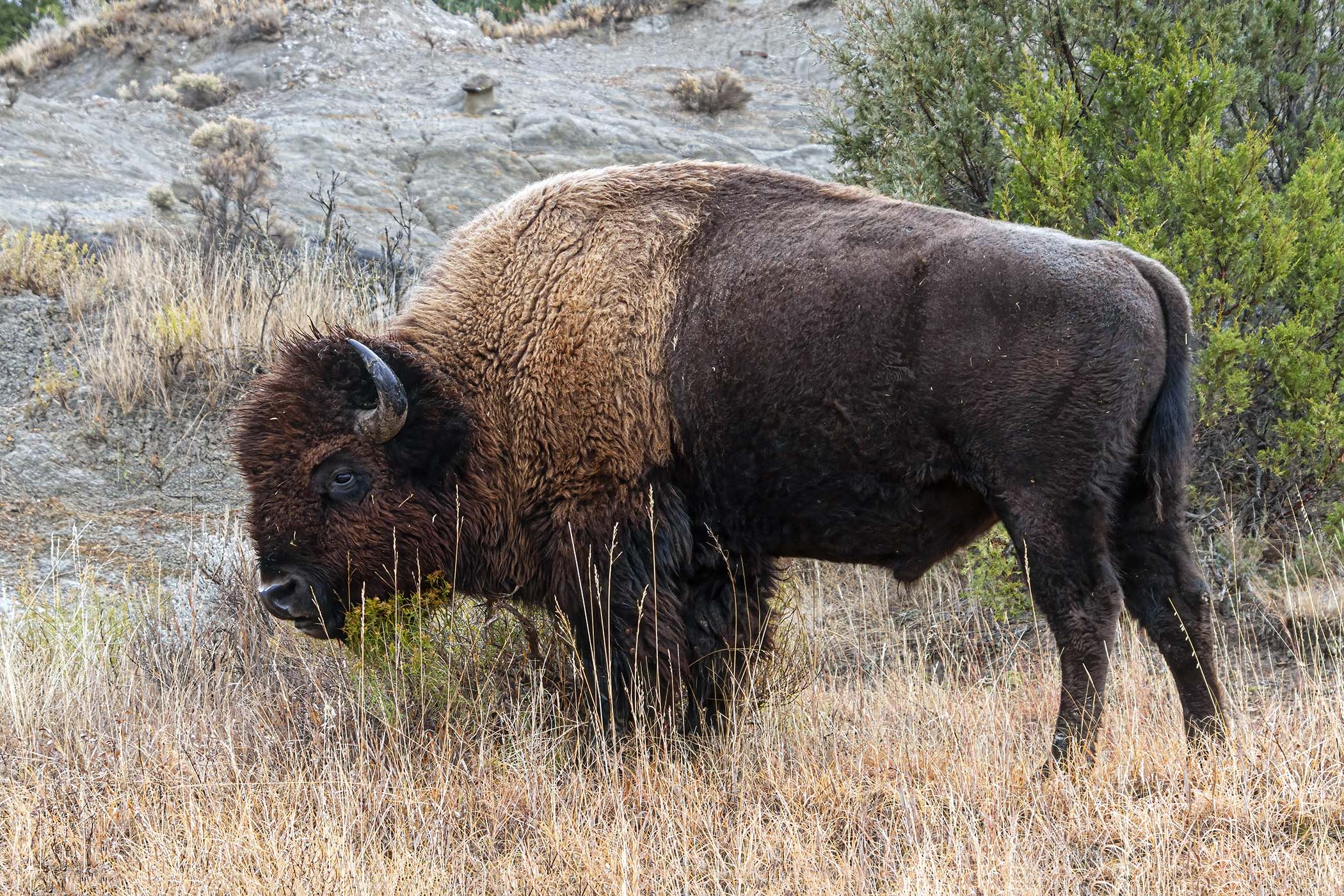
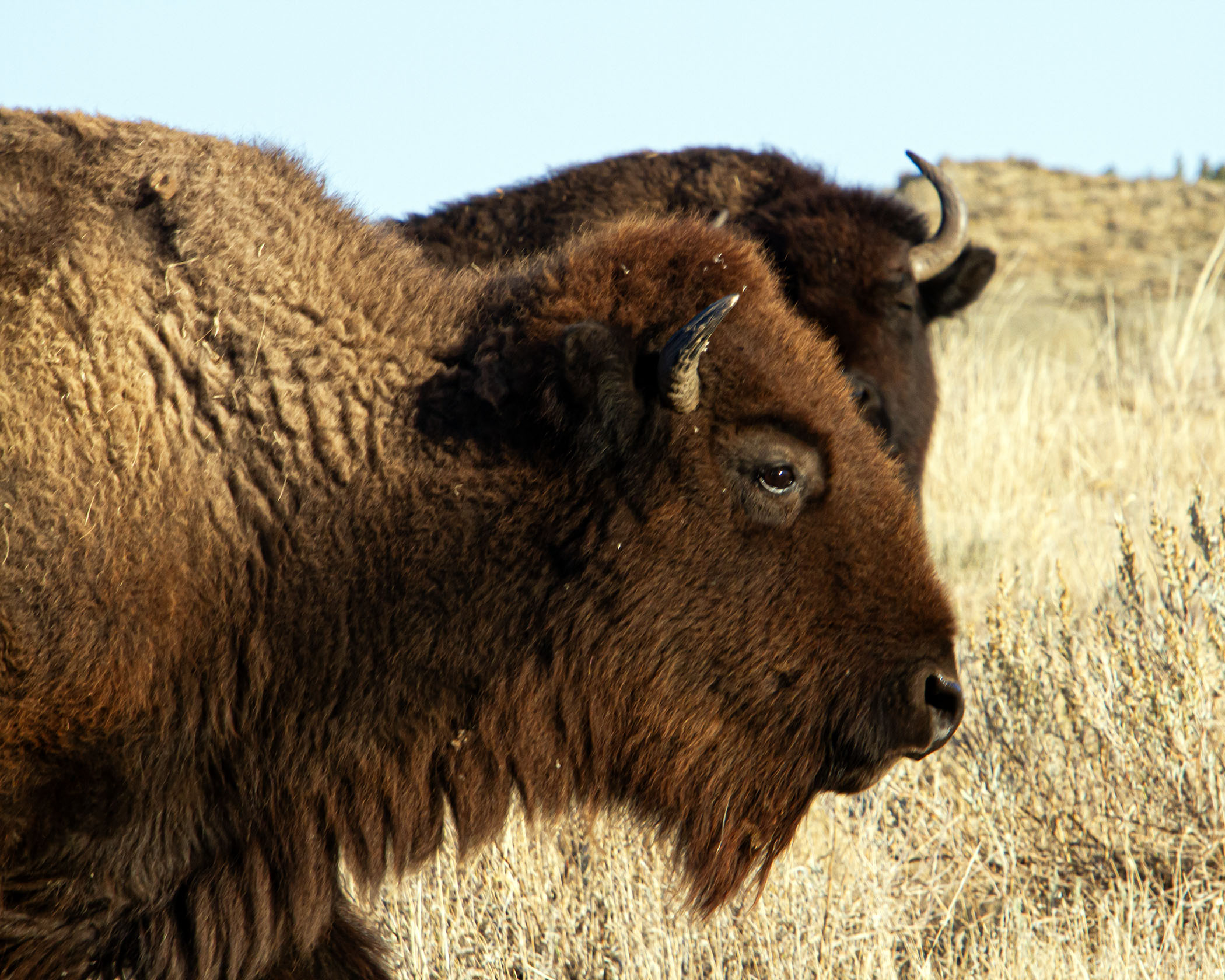
Here are a few selected images of American Bison (Bison bison) that I spotted at the park in early November. Most often the were simply grazing, so frequently I would try to capture some interesting background, as in the first photo below. I was quite excited to spot the young bison in the second photo. It was quite a bit smaller than the adults, but already seemed to be growing horns.

The bison in the final photo lifted its head momentarily, allowing me to capture this informal portrait. It may look like I was really close to the bison, but I was using a telephoto zoom lens on my camera and I am pretty sure that I took the shot from inside my car. However, the bison was close enough that I had to zoom out a little to 322mm (on an 18-400mm lens) to fit the bison’s enormous head in the frame.

American Bison

American bison

American Bison

© Michael Q. Powell. All rights reserved.


Read Full Post »

Although I returned from my road trip out West several weeks ago, I am still going through some of the images that I captured. One of the real highlights of the trip was staying for a few nights in Theodore Roosevelt National Park in North Dakota. Unlike some other national parks in that part of the USA, like Yosemite and Glacier National Parks, this park is uncrowded and I was able to drive slowly on its roads and observe a variety of wildlife species.

One of my favorites was the bands of wild horses that live in the national park. It’s estimated that there are about 200 wild horses in the park, though it is hard to know for sure. Most of the time I spotted some of the horses at a distance, out of the range of my telephoto lens, but I did have a few closer encounters and was able to capture some decent images of them.

It was interesting to note that the horse in the final photo is wearing what looks to be some kind of tracking collar. I am not sure if this is a normal practice at the national park or if the horse is part of some special study.

I grew up watching lots of Western show on television, like The Rifleman, Bonanza, and Gunsmoke. As a result, I have a special fondness for cowboys and find it really cool to see wild horses and bison herds.

wild horses

wild horse

wild horse

© Michael Q. Powell. All rights reserved.

Read Full Post »

When I was a child, I recall hearing and singing an old American folk song called “Home on the Range.” Its lyrics speak of a home where buffalo roam and “the deer and the antelope play.” Those words kept coming back to me earlier this month during my brief stay at Theodore Roosevelt National Park in North Dakota.

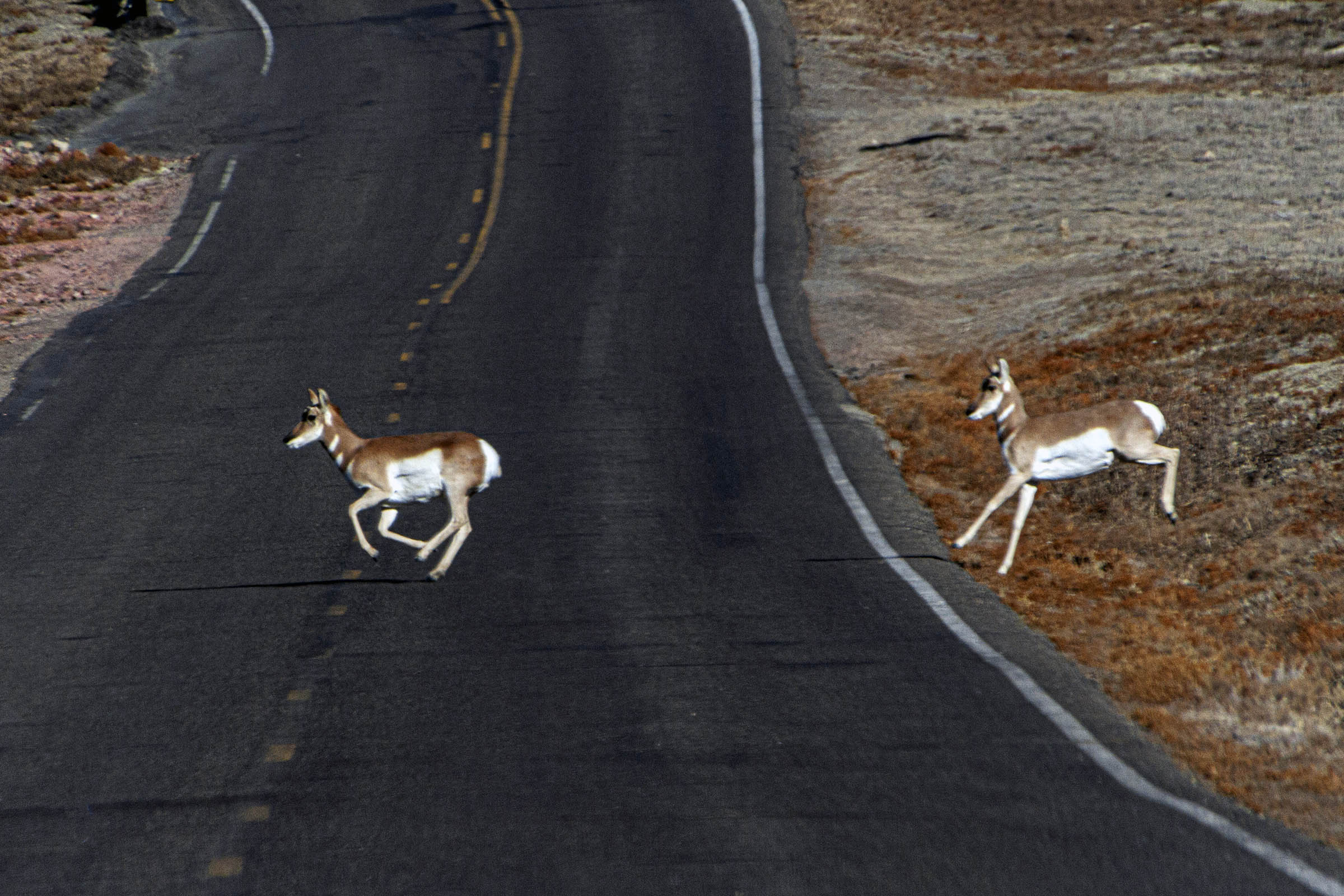
Over the years I have learned that the song is technically inaccurate, because there are no antelopes in North America. However, the Pronghorn (Antilocapra americana) closely resembles the antelopes of the Old World and are known colloquially as “American antelope.” The closest living relatives of pronghorn, though, are the giraffe and the okapi, an animal often referred to as the “forest giraffe” found in the Democratic Republic of the Congo. Of note, the pronghorn is the fastest land mammal in the Americas, capable or reaching speeds of up to 55 miles per hour (88 km/h).

When I first spotted these pronghorns, they were coming down the side of a hill and preparing to cross the road on which I was traveling. There were two young pronghorns and one an adult, that I presumed was their mother. I focused primarily on the young ones, as you can see in the first two photos, and finally got a shot of the adult as the the pronghorns were climbing a hill on the other side of the road. If I remember correctly, I took the first two photos through the windshield of my car.


pronghorn

pronghorn

Pronghorn

© Michael Q. Powell. All rights reserved.

Read Full Post »

Earlier this month I spotted a coyote (Canis latrans) at Theodore Roosevelt National Park in North Dakota. The coyote was hanging around a prairie dog town (you can see a prairie dog in the background) and magpies accompanied it, hoping to scavenge some tasty remnants.

I took these photos from inside my car with the windows open, hoping that no other cars would come by and disturb the coyote. Fortunately it was early in the morning and I was able to watch the coyote without interruptions. The coyote was unsuccessful in its hunt while I was there and eventually moved on.

Although we have coyotes at the wildlife refuge where I do a lot of my photography in Northern Virginia, this was my first time seeing and photographing one.

coyote

coyote

coyote

© Michael Q. Powell. All rights reserved.

Read Full Post »

It is always a challenge to shoot directly into the sun. You never quite know what kind of sun flares will make their way into you photo or how much your subject will become a silhouette. Still I can’t help but attempt to capture a photo whenever the opportunity presents itself.

My gamble paid off last week when I captured this cool image of an American Bison (Bison bison) last week at Theodore Roosevelt National Park in Medora, North Dakota. It was just after sunrise and the sun was still quite low on the horizon, creating a distorted, elongated shadow of the bison. You can see only a few details of this magnificent animal, but the shape of the profile of the bison makes it easy to identify the primary subject.

Luck plays often plays a significant role when it comes to wildlife photography, but I can’t help but think of the old adage, usually attributed to Wayne Gretzky, “You miss 100 % of the shots that you don’t take.” While I am not a fan of the “spray and pray” approach to photography, I do think it is worthwhile to take a shot whenever something catches your eye—sometimes you will be pleasantly surprised by the results.

© Michael Q. Powell. All rights reserved.

Read Full Post »

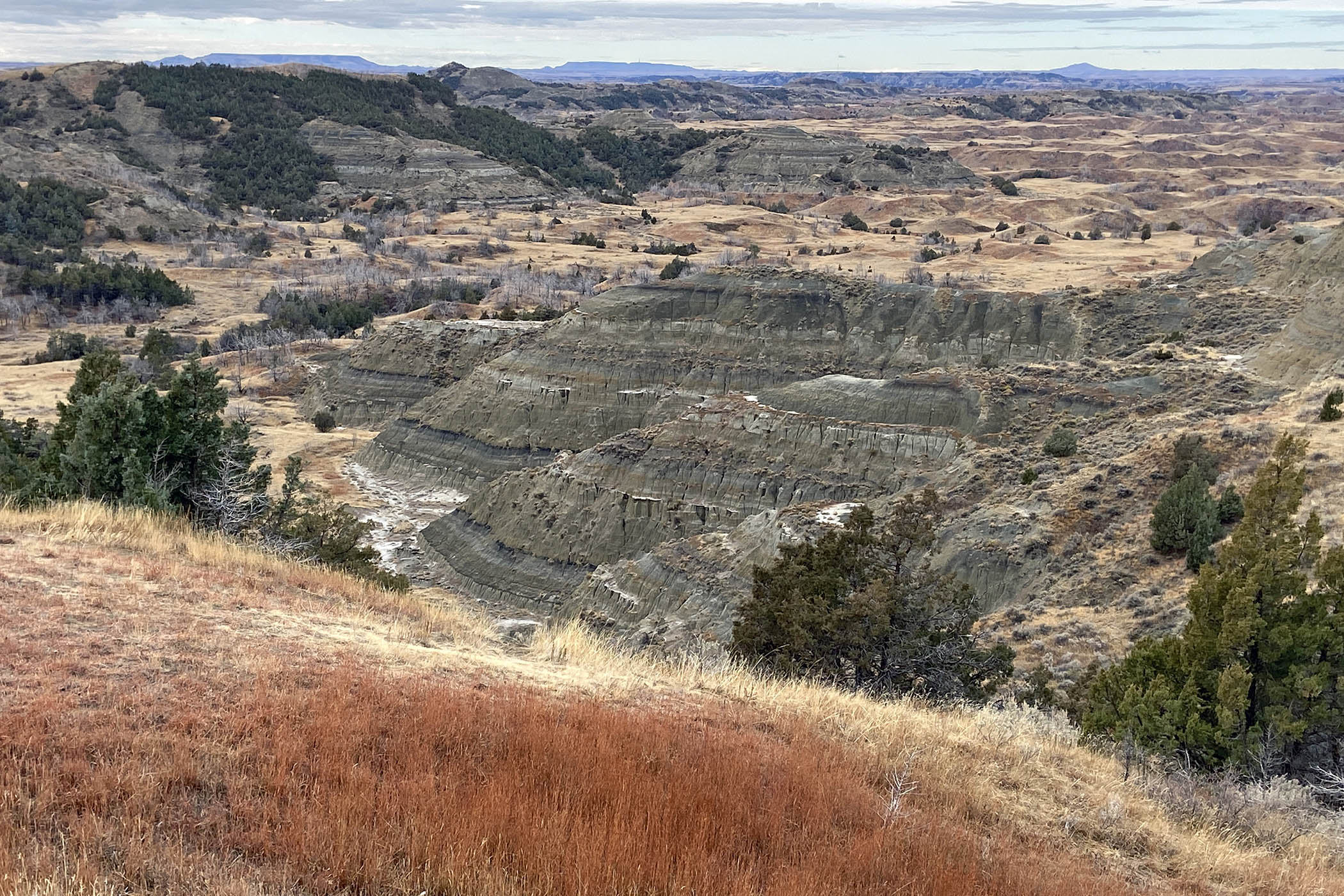
After a frigid night camping at Theodore Roosevelt National Park in North Dakota, I awoke early Tuesday morning to catch the sunrise. It was not super spectacular, but I was able to capture some of the color as the sun rose over the mountains.

When the sun was a little higher in the sky, I was able to get a better view of the spectacular landscape with incredible rock formations, as you can see in the final photo. I encourage you to click on that photo to get an enlarged view of the details of the landscape. In this part of the country, these terrain features are referred to as “buttes,” though it is not always clear exactly what make a “butte” a “butte,” rather than a “hill” or “mountain.” No matter what you call them, these terrain features are breath-taking.

sunrise in North Dakota

sunrise in North Dakota

buttes in North Dakota

© Michael Q. Powell. All rights reserved.

Read Full Post »

Two years ago I had the awesome opportunity to view some of the wild horses at Theodore Roosevelt National Park in North Dakota at relatively close range. During my recent visit to the same national park, I was not quite as lucky and spotted wild horses only in the distance.

The horses were grazing on an elevated spot, so I was forced to shoot at an upward angle. Consequently my shots of them all had only the sky in the background. Still, I was really happy to be able to spot some wild horses during the somewhat limited time that I spent at the park.

wild horse

wild horse

© Michael Q. Powell. All rights reserved.


Read Full Post »

The Little Missouri River runs through Theodore Roosevelt National Park in North Dakota and I was delighted to capture these shots of it during a recent visit there. There were some indications of autumn colors in the foliage and vegetation and especially in the reflections in the water, as you can see in the second photo below.

Little Missouri River

Little Missouri River

© Michael Q. Powell. All rights reserved.


Read Full Post »

During my recent visit to Theodore Roosevelt National Park in North Dakota I encountered several colonies of Prairie Dogs (Cynomys ludovicianus). It was a lot of fun observing these active little creatures scurrying in and out of their interconnected holes.

Some of them seemed to be foraging for food, but many of them seemed to be playing and/or interacting with each other. I had the impression that some of them were youngsters, but they never stood still long enough for me to get an impression of their relative sizes.

prairie dog

prairie dog

prairie dog

© Michael Q. Powell. All rights reserved.

Read Full Post »

One of the highlights of my recent visit to Theodore Roosevelt National Park in Medora, North Dakota was having the chance to see quite a few American Bison (Bison bison). Unlike during a previous visit there two years ago, the bison were not blocking the road, but some of them were alongside the edges of the road.

These mammoth creatures seemed to be almost as large as my KIA Soul, so I often stayed inside my car when taking photographs of them. I ventured outside of the relatively friendly confines of my little car only when the bison were a good distance away from me.

bison

bison

bison

© Michael Q. Powell. All rights reserved.

Read Full Post »

On several of my drives through Theodore Roosevelt National Park in North Dakota I spotted Mule deer (Odocoileus hemionus) with fawns. I was always struck by the proportionally large ears on the youngsters—apparently they grow into them as they age.


deer and fawn

deer and fawn

© Michael Q. Powell. All rights reserved.

Read Full Post »

I captured this shot of a mule deer (Odocoileus hemionus) early in the morning during my recent visit to Theodore Roosevelt National Park in Medora, North Dakota. I woke up before dawn and crawled out of my warm sleeping bag on a frigid morning to drive slowly through the park.

I spotted several small groups of mule deer grazing alongside the park roads and this was my favorite shot of one of them.

© Michael Q. Powell. All rights reserved.

Read Full Post »

After making my way last week through Montana and the panhandle of Idaho, it felt good to finally reach the state of Washington. There were still a few hours of driving to go, including the mountain pass at Snoqualmie Pass at 3022 feet (921 meters), but I felt like I was on the home stretch of my cross-country drive.

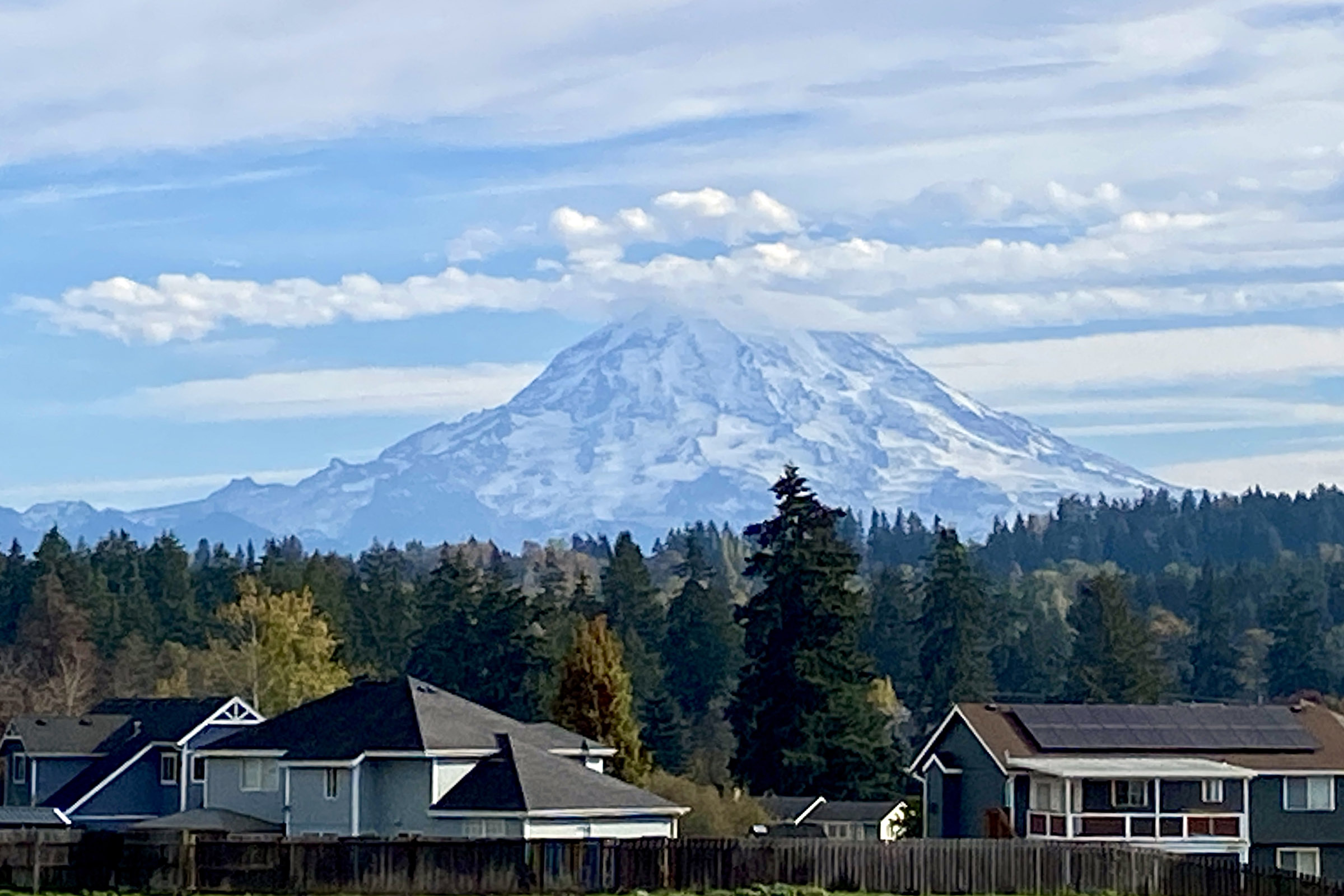
The views were breathtaking as I made my way through the mountains and occasionally I would catch a glimpse of the glacier-capped peak of Mount Rainier. Even through there was a lot of haze, I was able to get a decent shot of the mountain from one of the rest areas along the highway.

With an officially recognized summit elevation of 14,410 ft (4392 meters), Mount Rainier, also known as Tahoma, is the highest mountain in the state of Washington. When conditions are good, the mountain is visible from almost the entire the Seattle/Tacoma area.

Mount Rainier

© Michael Q. Powell. All rights reserved.

Read Full Post »

I got up early to catch the sunrise at Theodore Roosevelt National Park in South Dakota on 13 October during a road trip to visit family. I had spent the previous night tent camping in the park where temperatures dropped down into the 20’s (about minus 3 degrees C). I was warm enough in my little tent, though its outer surface was covered with frost when I first woke up.

It was dark when I started to drive slowly along the roads in the national park, but gradually the rising sun began to illuminate the spectacular landscape with its warm light. Here a couple of images that I was able to capture with my iPhone 11, which did a good job in somewhat difficult lighting conditions.

sunrise in South Dakota

© Michael Q. Powell. All rights reserved.


Read Full Post »

Beauty expresses itself in so many different ways. That was the thought that was running through my head as I reviewed my photos from my recent visit to Washington D.C. to photograph lotuses and water lilies at Kenilworth Park and Aquatic Gardens. Actually I had a similar thought when I was there with my camera—how could I possibly capture a sense of the moment, of the shapes and colors that were overwhelming my senses?

I have already shared some photos of Sacred Lotuses and American Lotuses in previous blog postings, but I have so many more images that I like that I feel compelled to share a few more images of Sacred Lotuses (Nelumbo nucifera). I hope you don’t mind.

Sometimes I describe what I like about the photos in a blog posting, but this time I will let you enjoy them without my commentary. My only recommendation is that you click on the images to see more of the details of these wonderful flowers. Enjoy the experience as seen through my eyes and the lens of my camera.

Sacred Lotus

Sacred Lotus

Sacred Lotus

Sacred Lotus

© Michael Q. Powell. All rights reserved.
 

Read Full Post »

As I was seated in my car at a stoplight, I glanced across the intersection at the traffic in the oncoming lanes and was delighted to spot a giant dragonfly on the side of a U-Haul truck. I grabbed my camera off of the passenger seat where it was seated and managed to take this photo before the lights changed.

In case you are viewing this and cannot read the words on the graphic, it say “#105 Venture Across Canada, British Columbia, A Secret Urban Wilderness/Un Coin Sauvage Et Secret En Ville, Burn Bog.” According to its website, Burns Bog is “a raised bog ecosystem covering approximately 3,000 hectares of the Fraser River delta between the south arm of the Fraser River and Boundary Bay” in the greater Vancouver area of British Columbia. The site claims that the bog is the largest undeveloped urban landmass in North America at 8,000 acres.

I think that my eyes are so finely tuned to recognizing the shape of a dragonfly that I manage to spot them in the most unlikely places, like on the side of a U-Haul truck.

U-Haul dragonfly

© Michael Q. Powell. All rights reserved.

Read Full Post »

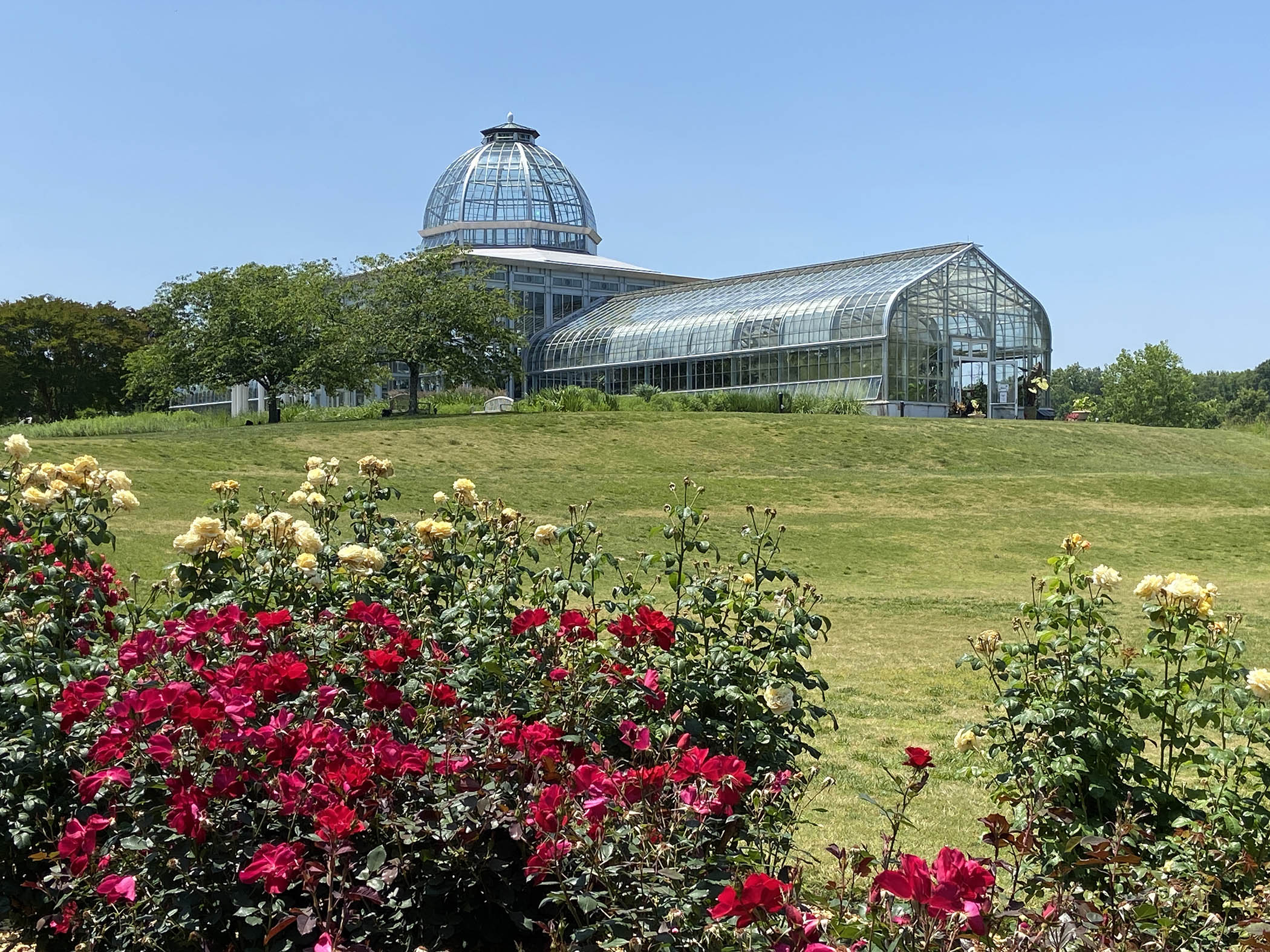
Earlier this month I made a trip to Lewis Ginter Botanical Garden, an amazing garden located outside of Richmond, Virginia, with my dear friend and photography mentor Cindy Dyer. Although I spent a lot of time enjoying the beauty of the flowers, I periodically paused to capture images with my iPhone of some of the structures and art through the garden that captured my attention.

Normally I try to get close to my subjects using either a telephoto or macro lens. In this case, however, I was focused on capturing more of the “big picture” and the wide angle of the iPhone was perfect for doing so.

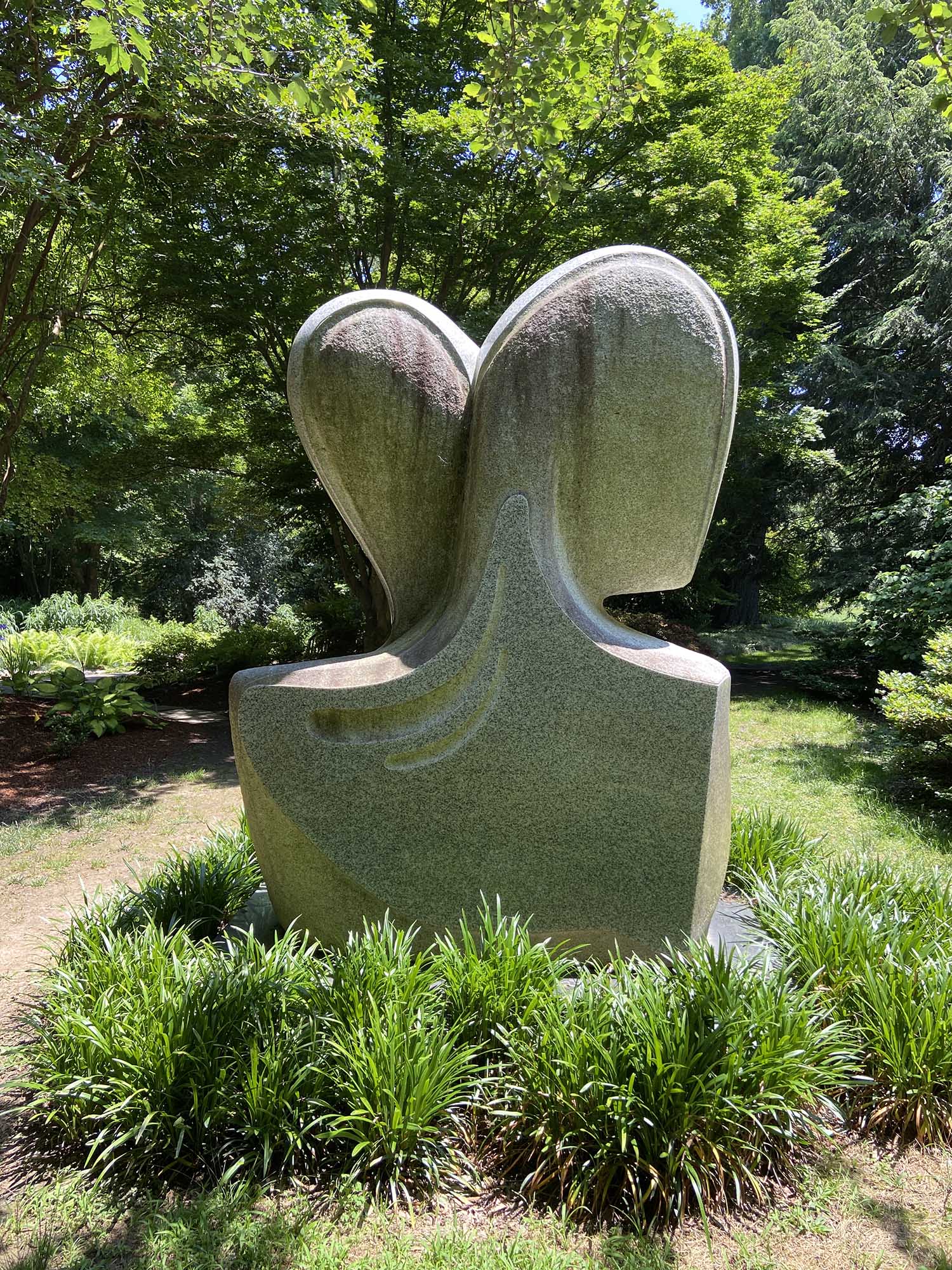
The sculptures in the second, fourth, and sixth images are part of a special exhibition called “Incanto: An Oasis of Lyrical Sculpture” by sculptor Kate Raudenbush and poetry by Sha Michele. Please check out this link for an explanation of the significance and meaning of these sculptures and the two others that make up the exhibition. “Five intricately designed, allegorical sculptures accompanied by poetry invite a journey of self-discovery and connection with others and the natural world.”

Lewis Ginter Botanical Garden

Lewis Ginter Botanical Garden

Lewis Ginter Botanical Garden

Lewis Ginter Botanical Garden

Lewis Ginter Botanical Garden

Lewis Ginter Botanical Garden

© Michael Q. Powell. All rights reserved.


Read Full Post »

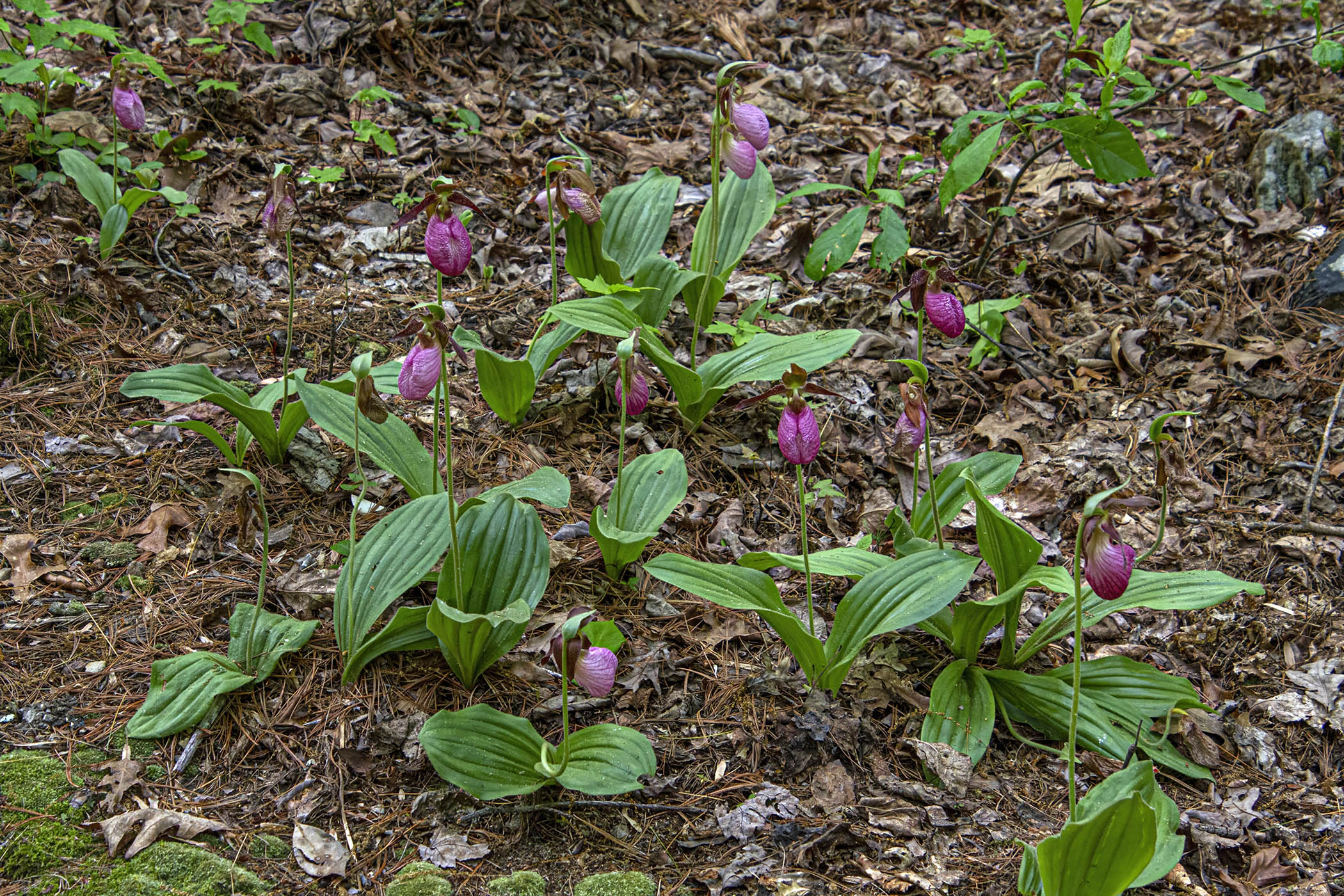
I was happy this past weekend to see that Pink Lady’s Slipper orchids (Cypripedium acaule) were still in bloom in Orkney Springs, Virginia during my recent church retreat at Shrine Mont. Last year at about the same time of the year I spotted a few of them and was successful in finding some when I searched that same general location. The retreat center is located in a mountainous and cooler area of the state, which means that the growing season for flowers is a little behind my area, where the lady’s slippers faded a few weeks ago.

At first I spotted only a few of these fragile little flowers, but eventually I came upon a large patch of almost a dozen of them, as you can see in the final photo. It was a bit of a challenge for me to compose photos of flowers, because I am so used to taking pictures of wildlife. I have to admit, though, that I enjoyed having the luxury of taking my time to compose my shots—with wildlife I often have to react quickly to capture a fleeting moment, so composition is not usually my top priority.

Pink Lady's Slipper

Pink Lady's Slipper

Pink Lady's Slipper

Pink Lady's Slipper

© Michael Q. Powell. All rights reserved.

Read Full Post »

I live in a suburban townhouse community, which means that the scenery is not particularly photogenic if I walk around at dawn. This weekend, however, I attended a church retreat at Shrine Mont, a facility owned by the Episcopal Diocese of Virginia. Shrine Mont is located in the Shenandoah Valley near the border with West Virginia, in the tiny village of Orkney Springs.

I stayed in a small cottage with some other members of my church and when I woke up in the pre-dawn hours, I was able to grab some coffee and begin to walk down the road. One of my favorite buildings in the area is the post office for the village. I love the quaintness of the structure, with the chairs on the covered porch and the Coca-Cola signs. I was happy that I was able to capture the lighting provided by various sources inside and outside the building.

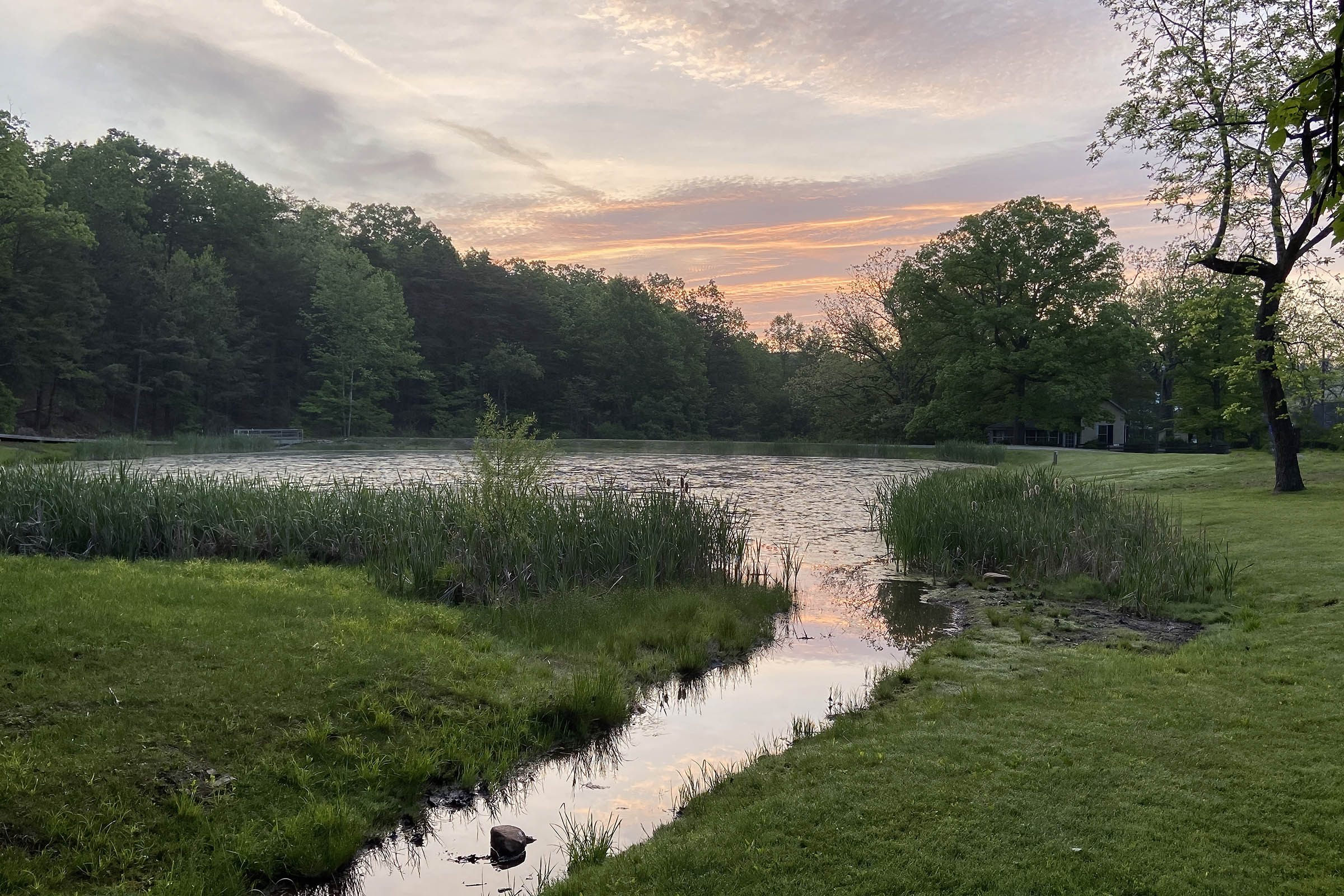
There was not very much color in the sky, but I was able to capture a bit of it in the sky and its reflection in the waters of a small pond that I passed. The final shot shows several of the main buildings of Shrine Mont. The large building, now called Virginia House, used to be the Orkney Spring Hotel and was privately owned until it was purchased by the Diocese of Virginia in 1979. According to Wikipedia, the Virginia House is believed to be the largest wooden structure in Virginia—it dates to the 1870s and is on the National Historical Register.

I love to capture the moments when the sky is beginning to lighten, but the electric lights are still on. It is a beautiful and peaceful period and a wonderful way to start the day.

Orkney Springs Post Office

Shrine Mont Pond

Virginia House, Shrine Mont

© Michael Q. Powell. All rights reserved.


Read Full Post »

Last Sunday I encountered this young buck in the woods while I was exploring a trail in Bastrop, Texas. I think that we spotted each other about the same time and we eyed each other with curiosity. After the deer had checked me out, it slowly walked into the woods and disappeared from sight.

I believe that this is a Texas White-tailed Deer (Odocoileus virginianus texana). According to the Texas Parks and Wildlife website, there are estimated to be some three to four million white-tailed deer in the state.

Texas white-tailed deer

Texas white-tailed deer

© Michael Q. Powell. All rights reserved.

Read Full Post »

I began my drive to Texas a couple of weeks ago by traveling the entire 105 mile (170 km) length of Skyline Drive in Shenandoah National Park during the early morning hours and was treated to scenes like these when the fog was hanging low in some of the valleys. The maximum speed limit on this road is 35 mph (56 kph), so I was able to enjoy the scenery as I drove along the crest of the Blue Ridge Mountains. There were also numerous viewing areas, where I could pull off the road and capture some shots before resuming my drive.

I tried to time my drive so that I would be there for the actual sunrise, but I arrived a bit too late. Fortunately there was still some color in the sky, so I was able to capture some of the beauty of the early morning.

Skyline Drive

Skyline Drive

Skyline Drive

© Michael Q. Powell. All rights reserved.

Read Full Post »

I am now safely back in Virginia after my 1534 mile (2468 km) drive home from Texas. My time in Texas was wonderful, especially the wedding that I attended, but unfortunately I contracted COVID shortly thereafter. As a result, I extended my time in Texas by several days as I recovered from my symptoms that were mercifully mild and short in duration. In addition to the initial two Pfizer shots, I have had three booster shots, including the new “bivalent” version, which I believe helped to mitigate the effect of the virus.

Thankfully I was not alone and was dogsitting for the happy couple’s two delightful dogs, who helped to keep me company during my five day isolation. I love the long shadows of the early morning and late afternoon and captured this first image one morning when I was walking Oscar, their English Spaniel—this is my favorite kind of “selfie” shot. Freckles, their Cocker Spaniel, requires shorter walks because of an injury and was waiting our return at home, where I captured the second image. As was the case with treats, I decided that I had better give the two dogs equal treatment in this blog posting. 🙂

For the record, a photo of Freckles first appeared in the blog in February 2013, when she was only a year old, in a posting entitled “Dogsitting on a Saturday night.” The couple adopted Oscar, who is also about ten years old, two years ago and this is his first appearance in the blog.

I will probably be taking it a bit easy for the next week or so, but I am sure that I will find some interesting recent photos of my adventures in nature to share with you all.

Oscar

Freckles

© Michael Q. Powell. All rights reserved.

Read Full Post »

As I begin my final preparations for hitting the road for my long drive home, it somehow seemed appropriate to post this image of a Wandering Glider dragonfly (Pantala flavescens) that I spotted on Sunday in Bastrop, Texas. Wandering Gliders, also know as Globe Skimmers or Globe Wanderers, are considered to be the most widespread dragonfly on the planet, with a good population on every continent except Antarctica, although they are rare in Europe, according to Wikipedia.

My drive will be a bit over 1500 miles (2414 km), which sounds like a long distance to travel. However, Wandering Gliders “make an annual multigenerational journey of some 18,000 km (about 11,200 miles); to complete the migration, individual Globe Skimmers fly more than 6,000 km (3,730 miles)—one of the farthest known migrations of all insect species,” according to Wikipedia. Yikes!

Wandering Glider

© Michael Q. Powell. All rights reserved.

Read Full Post »

I was a little shocked to encounter this fuzzy little North American Opossum (Didelphis virginiana) yesterday while walking on a trail through the woods in Bastrop, Texas. The opossum, which is also known as a Virginia Opossum, was in the middle of the trail, walking slowly in my direction.

We spotted each other at about the same time, I think, and we both stopped and looked closely at each other. Fortunately I had the presence of mind to bring my camera up to my eye and take a few shots. Having decided that I was a potential threat, the opossum turned its back to me and slowly waddled into the underbrush, giving me a good look at its hairless tail.

opossum

opossum

© Michael Q. Powell. All rights reserved.
 

Read Full Post »

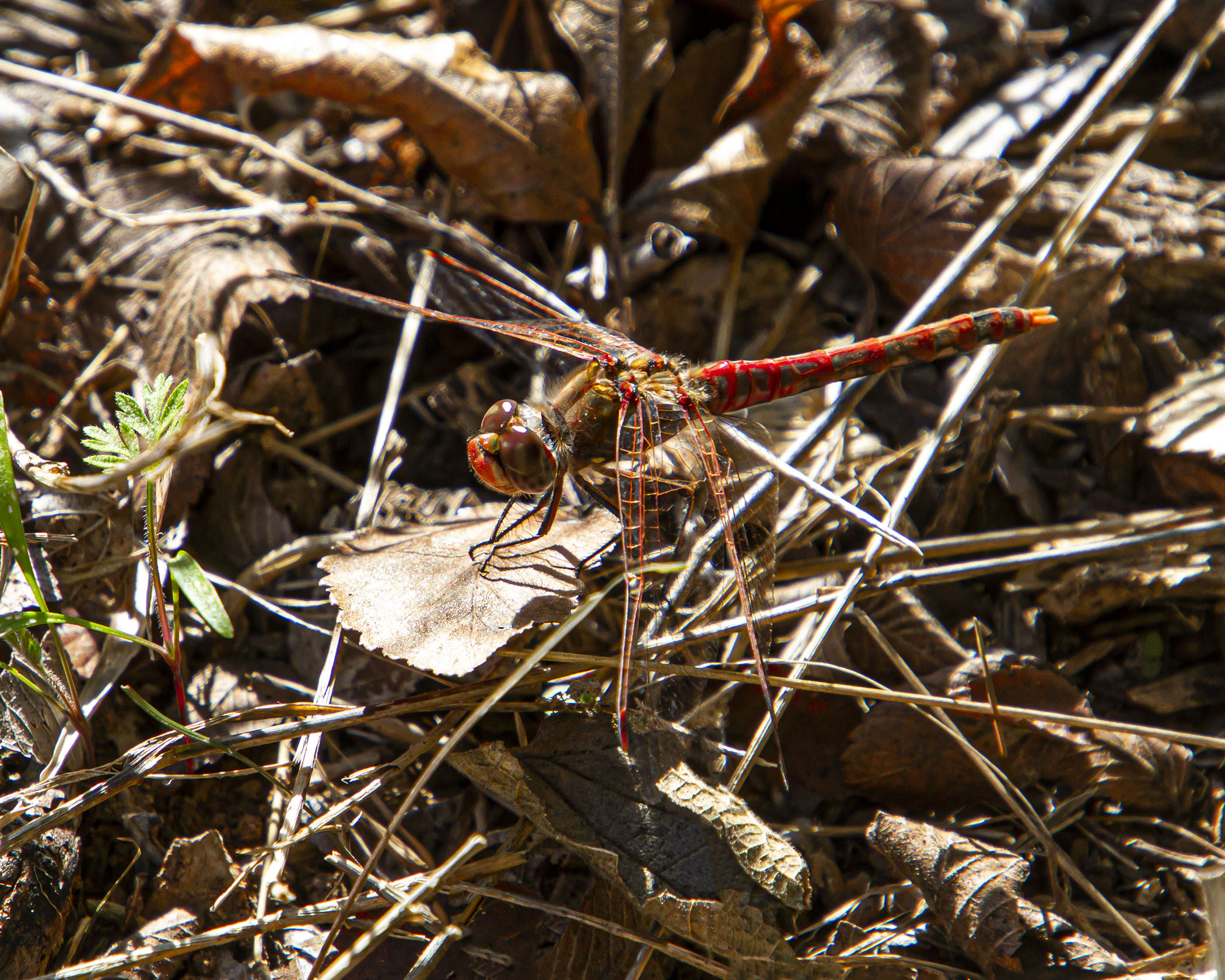
I am continuing to find cool-looking dragonflies here in Bastrop, Texas, including these handsome ones that I think are Variegated Meadowhawks (Sympetrum corruptum). I spotted them yesterday as I was exploring a meadow adjacent to the Colorado River.

The first two photos show the same dragonfly on two different perches. As you can see, this species, like other meadowhawk species, likes to perch low on the ground, which makes it tough to get a clear shot.

The coloration of this species is very similar to that of the Autumn Meadowhawk that I am used to seeing in Northern Virginia. However, the dark banding on the abdomen and the red veining on the wings are quite distinctive, leading me to judge that this may instead be a Variegated Meadowhawk.

The final photo shows an immature dragonfly. I am a little less confident of my identification of this one, but I think that it might be an immature Variegated Meadowhawk. I am used to the dragonflies in my home area and feel a lot less confident with my identifications when I am traveling.

Variegated Meadowhawk

Variegated Meadowhawk

Variegated Meadowhawk

© Michael Q. Powell. All rights reserved.

Read Full Post »

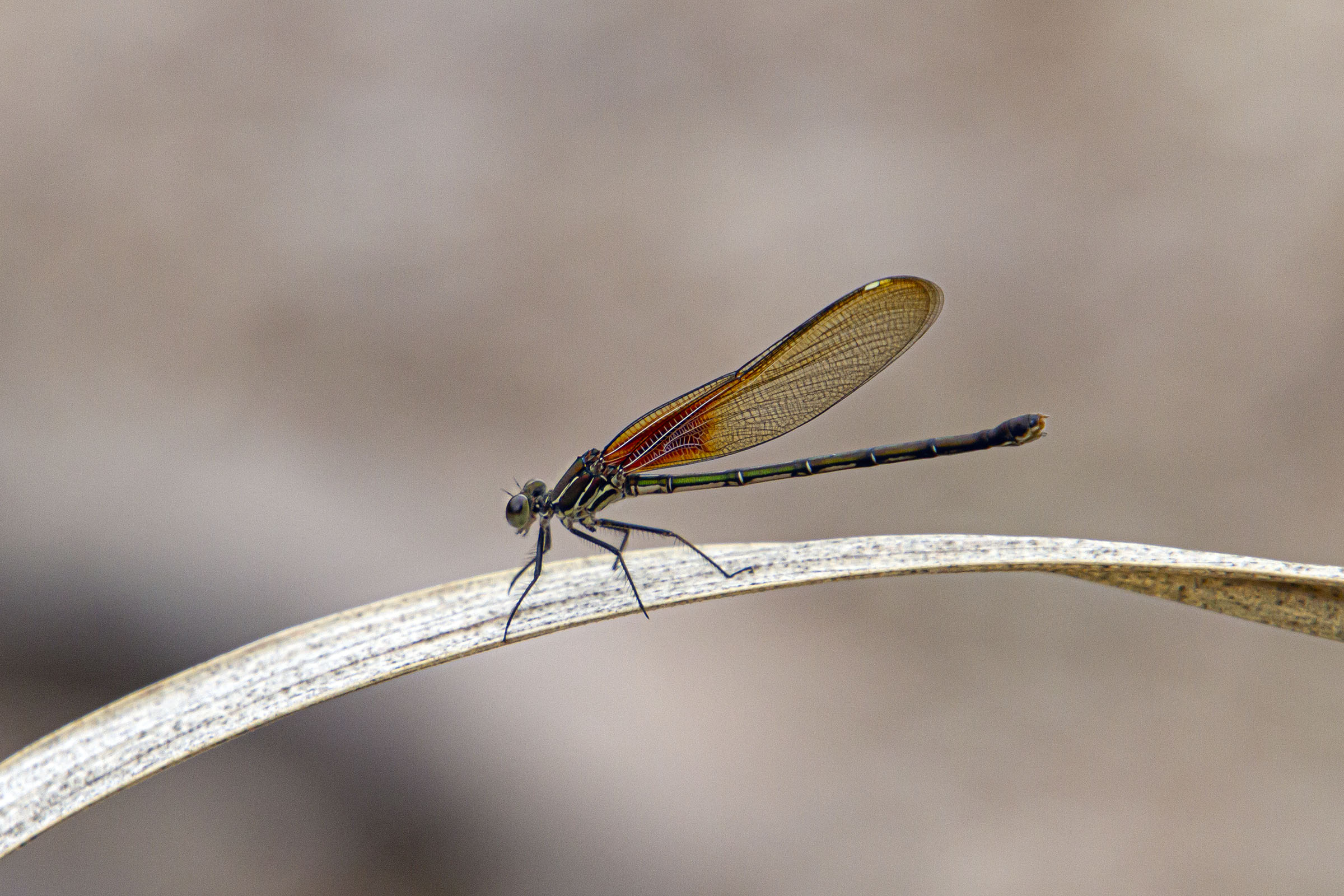
This past week I managed to get some more shots of American Rubyspot damselflies (Hetaerina americana) along the Colorado River in Bastrop, Texas. The sun was shining that day, unlike during my previous encounter with this species when the weather was overcast. This extra light helped to bring out the amazing colors and patterns on these spectacular damselflies.

The male in the first image displays well the bright ruby patch for which this species is named. Though they do not have such a distinctive red spot, the females in the second and third images are equally beautiful. I encourage you to click on the images to get a closer look at the wonderful details of these damselflies.

American Rubyspot

American Rubyspot

American Rubyspot

© Michael Q. Powell. All rights reserved.

Read Full Post »

I have always admired photos of Roseate Skimmers (Orthemis ferruginea), a spectacular dragonfly species in which mature males are bright pink in color. There have been a handful of sighting over the years of Roseate Skimmers at one of the parks I visit in Northern Virginia, but until last week I had never seen one.

A little over a week ago, when I spotted the dragonfly in the first photo, I knew almost immediately that it was a Roseate Skimmer, because of the shockingly pink color of its body. Later that day and on a subsequent walk along the Colorado River in Bastrop, Texas, I spotted other Roseate Skimmers, but did not realize that was what they were until much later.

Why did I have such trouble with their identification? When it comes to dragonflies, mature males tend to be brighter in color and have more distinctive markings than their female counterparts that have drab colors that are somewhat similar across species. Additionally, immature males often have the same coloration as the females.

So, when I posted the second photo below in an earlier posting and thought is might be a Variegated Meadowhawk, I was absolutely wrong. According to some experts in Facebook groups and at Odonata Central, the dragonfly is an immature male Roseate Skimmer.

The dragonfly in the final photo is a female Roseate Skimmer that I photographed a few days ago. Note how the coloration is similar to that of the dragonfly in the second photo. How do you tell them apart? If you look closely at the terminal appendages at the end of the abdomen (the “tail”) of the two dragonflies, you should be able to see that they are quite different in shape. Most often, those terminal appendage are key in distinguishing immature male dragonflies from females.

In a few days I will be heading home from Texas. It has been fascinating to see quite a few dragonflies, some of which have been new for me. Even here, though, I suspect that the season may be coming to a close soon. Earlier in the week temperatures were in the mid-80’s (29 degrees C), but I awoke this morning to a temperature of 41 degrees (5 degrees C) and we will drop even closer to the freezing level over the next couple of days.

Roseate Skimmer

Roseate Skimmer

Roseate Skimmer

© Michael Q. Powell. All rights reserved.
Read Full Post »

Yesterday I spotted this really cool-looking dragonfly as I was exploring a meadow area beneath some power lines just off a trail along the Colorado River in Bastrop, Texas. My primary purpose for coming to Texas was to participate in a wedding last Saturday, but I am staying a few extra days to watch the couple’s two dogs while they are away on their honeymoon.

In a recent post, I featured photos of some dragonflies that I had spotted here in Bastrop last week. I identified one as a Russet-tipped Clubtail, a species I am used to seeing, but when I posted a photo in Odonata Central, an expert informed me that it was a female Narrow-striped Forceptail dragonfly (Aphylla protracta)

I believe that the dragonfly in this image is from that same species, possibly a male. I am not at all familiar with forceptail dragonflies, so I can’t tell if the terminal appendages (the “tail”) are the right shape. Whatever its identity, I love the image that I managed to capture of this beautiful dragonfly as it was briefly perching.

Narrow-striped Forceptail


© Michael Q. Powell. All rights reserved.

Read Full Post »

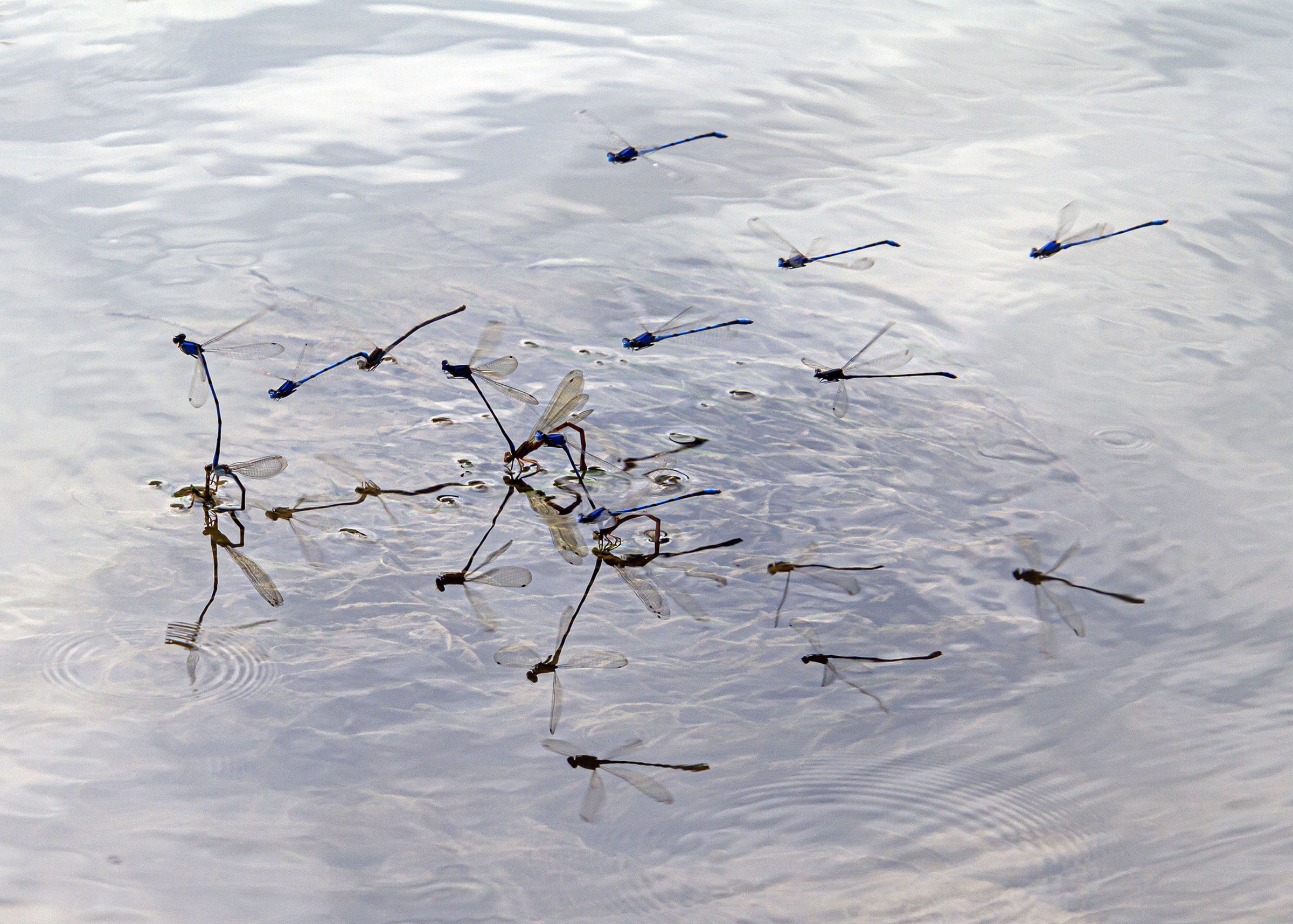
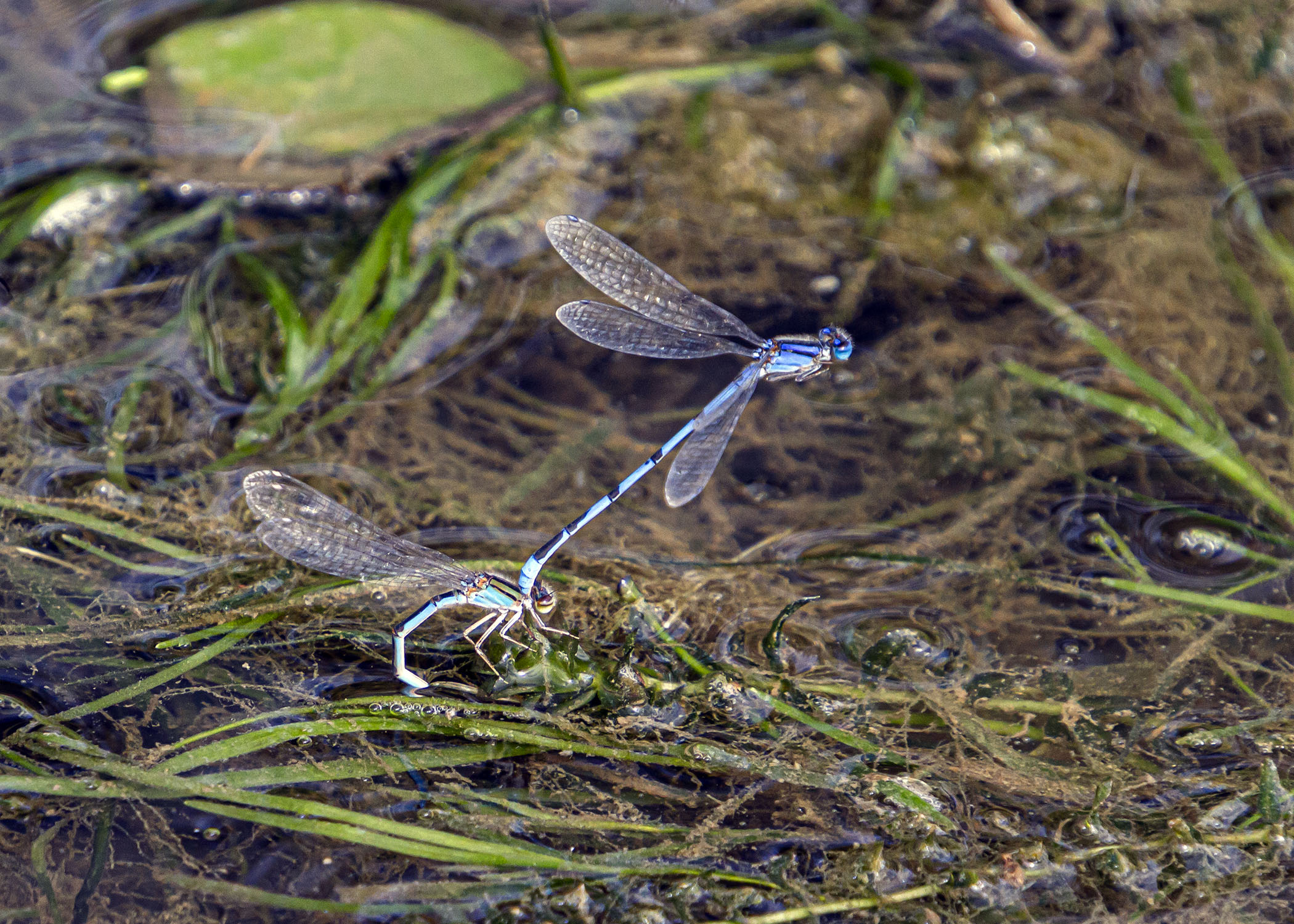
I don’t know what was so special about this spot on the Colorado River in Bastrop, Texas, but lots of couples in tandem as well as some single damselflies were concentrated in one small area last week. I love the way that the reflections in the water of the various flying damselflies makes it look like there were twice as many damselflies as were actually present.

The couple in the second image found a somewhat more private spot where the female can deposit her eggs underwater in the vegetation, while the male continues to grasp her head.

damselflies

damselflies

© Michael Q. Powell. All rights reserved.


Read Full Post »

Older Posts »