Feeds:
Posts
Comments

Posts Tagged ‘Washington D.C.’

Whenever I see Water Lilies in bloom, I immediately think of one of my favorite artists—Claude Monet. During the last thirty years of his life, water lilies (Nymphéas in French) were the main focus of his artistic production. One of the museums that I most love visiting is the Musée de l’Orangerie in Paris, because it houses eight massive water lily murals by Monet in two specially-built oval rooms. It is incredibly peaceful to just sit in one of those rooms, surrounded by those amazing paintings.

During a visit to Kenilworth Park and Aquatic Gardens in Washington D.C. in mid-July, I chose to focus my attention on capturing portraits of individual flowers (or a couple, in the case of the first photo), rather than trying to capture the expanse of water lilies in multiple ponds. There is something really peaceful and pure about water lilies that calms and soothes me and tends to put me into a contemplative mood.

I have returned from my short road trip to Massachusetts and Maine and am still feeling a bit of residual fatigue after spending almost twelve hours in my car yesterday. I hope to resume my normal posting schedule with some new photos soon. Thanks to all of you who have continued to read some of my older postings while I have been mostly absent from the internet this past week.

water lily

water lily

water lily

© Michael Q. Powell. All rights reserved.


Read Full Post »

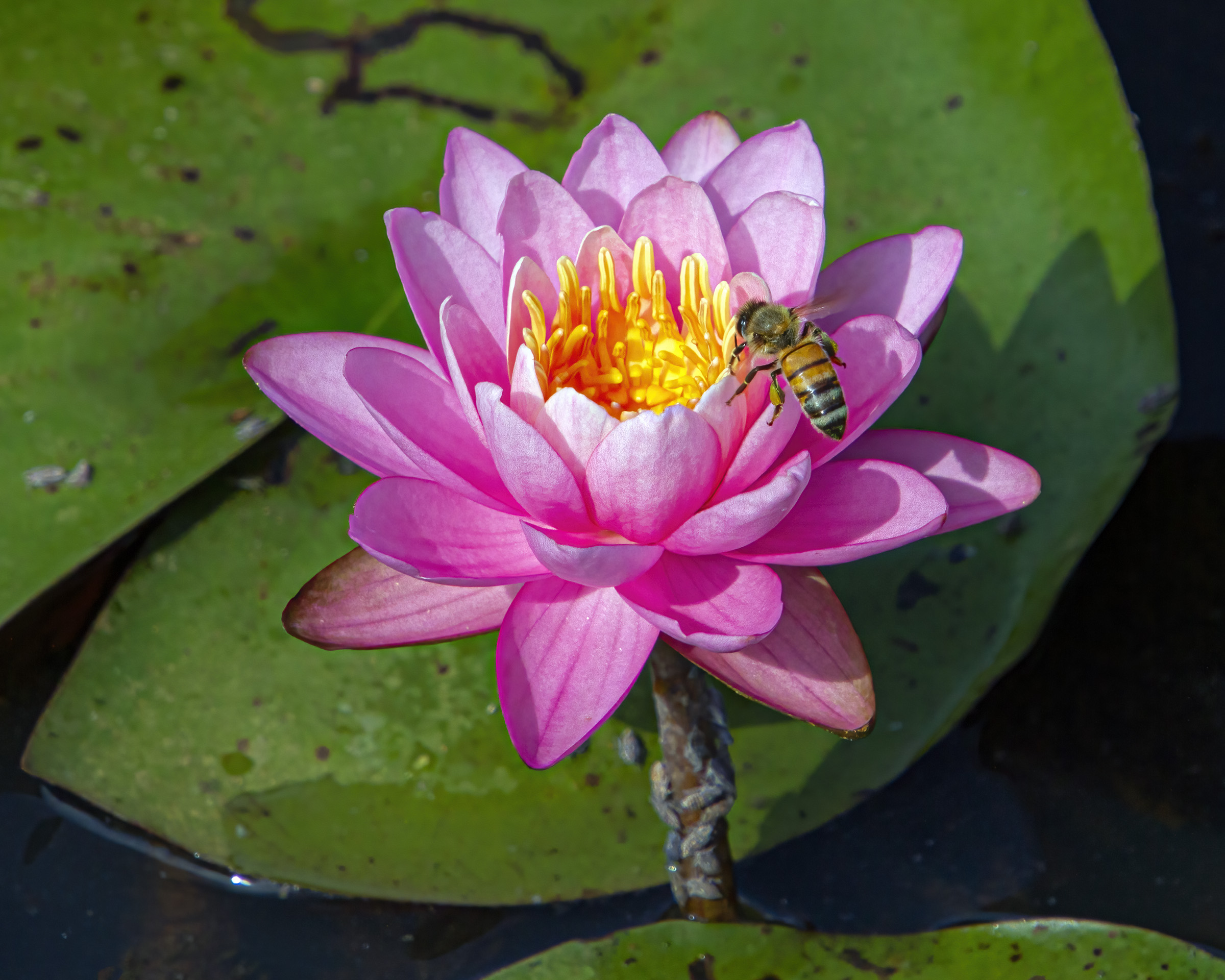
There must have been something really special about this pretty pink water lily at Kenilworth Aquatic Gardens. A honey bee was attracted to it and plunged headfirst into the center of the flower after perching momentarily on a petal. A bumble bee decided to join in the action and for a brief period worked side-by-side with its smaller cousin gathering pollen and nectar.

As I was looking at the photos on my computer, I couldn’t help but notice the cluster of tiny insects on the stem of the water lily. What were they? I posed the question in a Facebook forum and it turns out that they are probably Common Waterlily Planthoppers (Megamelus davisi).  I took photos of several other nearby water lilies, but this was the only one in which I saw the planthoppers. There must have been something really special about this pink water lily that caused it to attract so many insects.

water lily

water lily

© Michael Q. Powell. All rights reserved.

Read Full Post »

Beauty expresses itself in so many different ways. That was the thought that was running through my head as I reviewed my photos from my recent visit to Washington D.C. to photograph lotuses and water lilies at Kenilworth Park and Aquatic Gardens. Actually I had a similar thought when I was there with my camera—how could I possibly capture a sense of the moment, of the shapes and colors that were overwhelming my senses?

I have already shared some photos of Sacred Lotuses and American Lotuses in previous blog postings, but I have so many more images that I like that I feel compelled to share a few more images of Sacred Lotuses (Nelumbo nucifera). I hope you don’t mind.

Sometimes I describe what I like about the photos in a blog posting, but this time I will let you enjoy them without my commentary. My only recommendation is that you click on the images to see more of the details of these wonderful flowers. Enjoy the experience as seen through my eyes and the lens of my camera.

Sacred Lotus

Sacred Lotus

Sacred Lotus

Sacred Lotus

© Michael Q. Powell. All rights reserved.


Read Full Post »

Most of the beautiful lotus flowers that I photographed last week at Kenilworth Park and Aquatic Gardens in Washington D.C. were Sacred Lotuses (Nelumbo nucifera), a plant that is native to Asia. In one small area of the gardens, I spotted some American Lotuses (Nelumbo lutea), a species that is native to North America. Unlike Sacred Lotuses, which tend to be pinkish in color, the flowers of American Lotuses are white or pale yellow in color and the American Lotus is sometimes called a Yellow Lotus.

It was mid-morning when I took these shots and the sun was shining brightly, so I had to deliberately underexpose the shots to keep the white highlights from getting blown out—that is why the backgrounds look so dark. I like the effect and find that it adds a bit of drama to the images, especially the first one.

American Lotus

American Lotus

American Lotus

© Michael Q. Powell. All rights reserved.


Read Full Post »

I was delighted to spot several frogs sitting on lily pads during my recent trip to Washington D.C. to visit Kenilworth Park and Aquatic Gardens. In the first photo, the cute little frog was perched on some large lily pads from a water lily species from South America. These lily pads have raised edges that always remind me of a tart pan. Reportedly this type of lily pad can grow to as much as 10 feet (3 meters) in diameter and can support a considerable amount of weight if it is evenly distributed.

The second and third photos show the same frog perched on a flatter-style lily pad. I think that this frog is a Green Frog (Lithobates clamitans), although I must confess that I have trouble telling green frogs from bullfrogs. I really like the eye-to-eye pose in the final photo in which the frog’s face reminds me a lot of Kermit the Frog from the Muppets.

frog on lily pad

frog on lily pad

frog on lily pad

© Michael Q. Powell. All rights reserved.

Read Full Post »

Last Thursday I visited Kenilworth Park and Aquatic Gardens in Washington D.C. with my photography mentor Cindy Dyer to photograph the lotuses and waterlilies that we knew would be in bloom. This facility is the only national park site devoted to cultivated water-loving plants and features over 45 ponds filled with a variety of water lilies and lotuses, according to the Friends of Kenilworth Aquatic Gardens website. Sacred Lotus (Nelumbo nucifera)

The official website of the park describes it more poetically as a place “where water and wind dance.” “Deep within Kenilworth lies an oasis, hidden behind trees and cattails. It’s a place where beavers build their homes and turtles sleep on logs. Lotus blooms rise from the muck and lilies sit on the water. The wind dances with the dragonflies, rustling through the trees, carrying the song of the birds until it brushes across your face, fading to a whisper, saying “come join.” ”

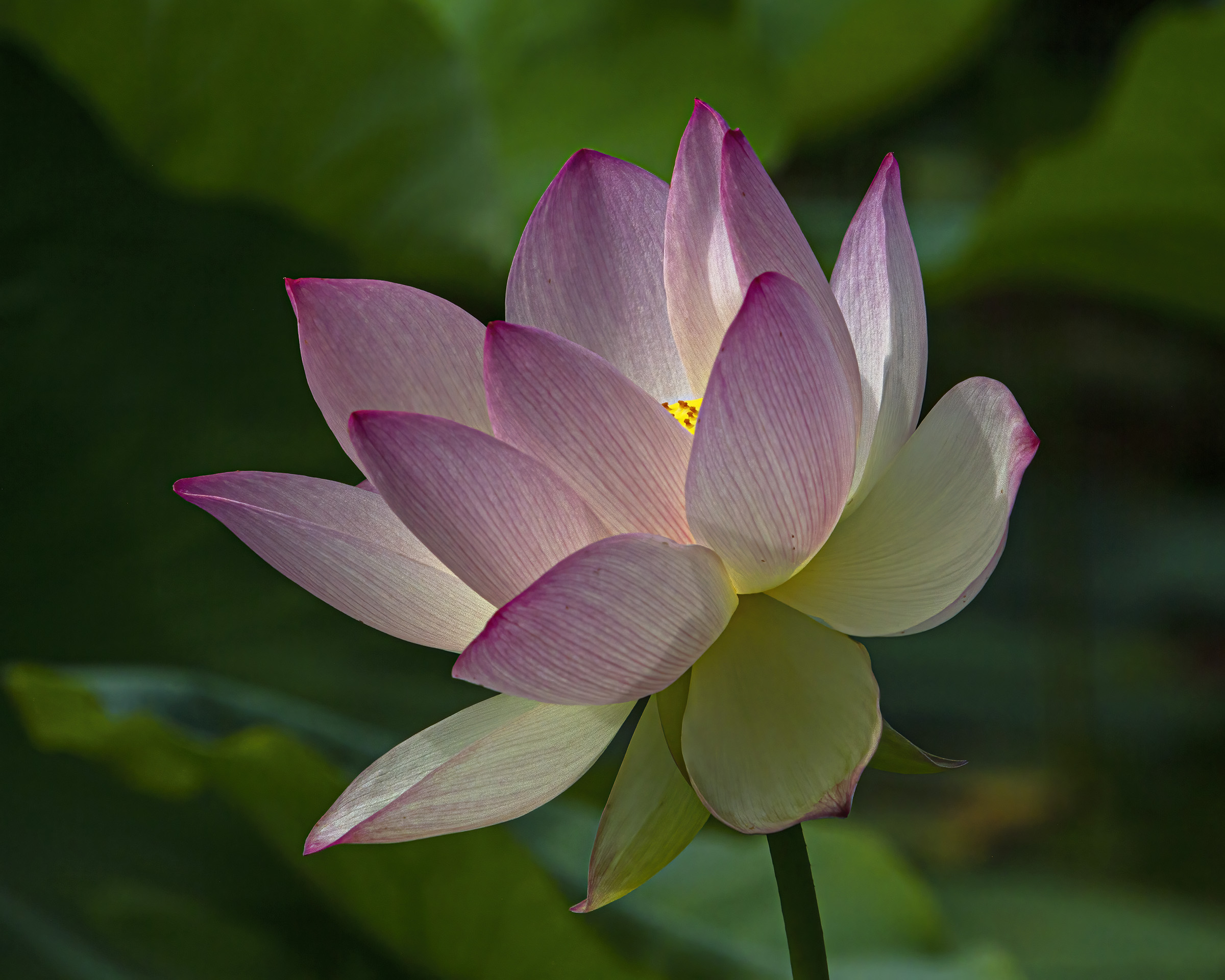
One of the “stars” of the aquatic gardens is the Sacred Lotus (Nelumbo nucifera) and I spent a good amount of time trying to capture images of these spectacular flowers. We arrived at the gardens relatively early, but it was still a challenge to photograph the flowers without getting harsh highlights. I particularly like the first photo in which I managed to capture both a flower and the showerhead-like seedpod that remains after the petals have fallen away.

In my final photo, I zoomed in to create a Georgia O’Keeffe-like vibe. My friend Cindy used a handheld diffuser to block some of the sunlight, which allowed me to capture the saturated color of this particular flower—most of the other flowers were a lighter pink, like the ones in the first and second photos.

Sacred Lotus

Sacred Lotus

Sacred Lotus

© Michael Q. Powell. All rights reserved.

Read Full Post »

This past Thursday I was privileged to attend an exhibition/demonstration “From Conflict to Creativity” that featured amazing works of art by military veterans. The event was held in Washington D.C. in the Thomas Jefferson Building of the Library of Congress. I managed to capture a few images of the buildings’s Great Hall with my iPhone as I passed through it on the way to the event room.

There was so much color and pattern and detail everywhere in the Great Hall that I felt almost overwhelmed. One of my favorite elements was the skylights in the ceiling that I have shown in the second image—I love stained glass windows. The final photo shows a painting called Melpomene by Edward Emerson Simmons.

“When its doors opened to the public in 1897, the Library of Congress represented an unparalleled national achievement, the “largest, costliest, and safest” library in the world. Its elaborately decorated interior, embellished by works of art from nearly fifty American painters and sculptors, linked the United States to classical traditions of learning and simultaneously flexed American cultural and technological muscle.” If you want additional information on the art and architecture of this Great Hall, check out this link on the Library of Congress website, the source of the quotation that I used to begin this paragraph.

Library of Congress

Library of Congress

Library of Congress

© Michael Q. Powell. All rights reserved.

Read Full Post »

Normally you cannot gain access to the inside of a Mormon Temple if you are not a member of The Church of Jesus Christ of Latter-day Saints. When one is built, open houses are held for a period of time and them the temple is dedicated and access is thereafter limited. The Mormon Temple in Washington D.C. has been under renovation the last four years and for the first time in almost 50 years, open house tours are  being offered there until 11 June. The Temple is scheduled to be rededicated on 14 August 2022.

Yesterday I had the chance to visit this amazing structure. It is the the third largest Mormon temple in the world (behind the temples in Salt Lake City and Los Angeles) with an interior space of 160,000 square feet (14864 square meters) and is the tallest at 288 feet (88 meters) at its highest point, the spire with a golden Angel Moroni with a trumpet, shown in the third photo below. There are six spires covered in 24 carat gold and the building is encased in white Alabama marble.

During our tour we visited six of the seven floors of the temple including the Baptistry (for ancestors), the Brides Room, Instruction Rooms, the Celestial Room, and the Sealing Rooms. The interiors are elegantly furnished and decorated, combining beauty with function. We were not permitted to take photos within the Temple, but there are number of videos on line showing the Washington D.C. Temple, including this one put out by the Mormon Church Newsroom that chronicles the renovation and shows the new interior.

There were lots of friendly volunteers throughout the Temple to help direct visitors and to answer any questions that we had. A lot of information about the Temple, including galleries of photos and historical information, can be found at the dctemple.org website. Although some of my personal beliefs are at odds with the teachings of the Mormon Church, I think that it is valuable to learn more about about others and to seek to understand more deeply what they believe—too often we rely on half-truths and falsehoods when looking at “others.”


Mormon Temple

Mormon Temple

Mormon Temple

© Michael Q. Powell. All rights reserved.

Read Full Post »

I love water lilies and one of my favorite places to see them is Kenilworth Park and Aquatic Gardens, a National Park Service site located in the northeastern corner of Washington, D.C. My photography mentor Cindy Dyer photographed water lilies there that were featured in 2015 on US Postal Service stamps and I helped her during a presentation she did at the special dedication ceremony for the postage stamps—check out Cindy’s blog posting entitled Special dedication ceremony for Water Lilies Forever Stamps for additional information.

Yesterday I traveled with Cindy to Kenilworth Gardens to drop off some matted prints for the gift store and it was fascinating to see the aquatic gardens in the off-season. It is much too early for water lilies to be blooming, but I could see lots of lily pads floating on the surface of the small ponds.

The lily pads were mostly colored in shades of rust and orange and I was able to capture some “artsy” shots of them. Obviously there photos are different from my more typical wildlife shots, but I like mixing it up and challenging myself to photograph different subjects. It forces me to stretch myself creatively outside of my comfort zone, which I believe is a good thing.

lily pad

lily pad

lily pad

© Michael Q. Powell. All rights reserved.

Read Full Post »

I have previously featured water lilies and lotuses that I photographed during a trip earlier in July to Kenilworth Park and Aquatic Gardens. Those flowers were beautiful, of course, but the flower that really grabbed my attention was this alien-looking one that looks like a spider or a Portuguese man o’ war. From what I have been able to find on the internet, I believe that this is a Cahaba lily (Hymenocallis coronaria), an aquatic, perennial flowering plant species that is also known as a shoal lily, or shoals spider-lily.

I was quite a challenge to try to figure out how to photograph this wild-looking flower that spreads out in all directions. I think that this angle gives you a pretty good look at all of the plant parts without being too distracted by the busy background. In many ways the image becomes an almost an abstract one, because the viewer initially takes in the shapes and colors without immediately being able to tell what the main object is.

Cahaba lily

© Michael Q. Powell. All rights reserved.


Read Full Post »

I love elongated shadows, like those cast by this Slaty Skimmer dragonfly (Libellula incesta) couple that I photographed earlier this month in Washington D.C. at Kenilworth Aquatic Gardens. The dragonflies were in the “tandem” position, with the male in the front grasping the female with the tip of his abdomen. I am always amazed that the two dragonflies are able to fly united after they have hooked up like this.

slaty skimmer

© Michael Q. Powell. All rights reserved.


Read Full Post »

Water lilies always bring to mind the paintings of Claude Monet, my favorite artist. Monet produced a series some 250 paintings of water lilies (Nymphéas in French) that were the main focus of his artistic production over the last thirty years of his life. One of the museums that I most love visiting is the Musée de l’Orangerie in Paris, because it houses eight massive water lily murals by Monet in two specially-built oval rooms. It is an incredible, meditative experience to just sit in one of those rooms, surrounded by those amazing paintings. (For more details on the water lily murals, including a virtual visit, click here.)

Conditions were considerably more chaotic than calm on 10 July when I visited  Kenilworth Aquatic Gardens in Washington D.C. with several photographer friends. The weather was comparatively cool and comfortable, a welcome respite from the heat and humidity of recent days, and bustling throngs of people had gathered at the park to view the lotuses and water lilies. Fortunately the crowds concentrated in clusters at a few spots and I was able to explore many of the other lily ponds in peace.

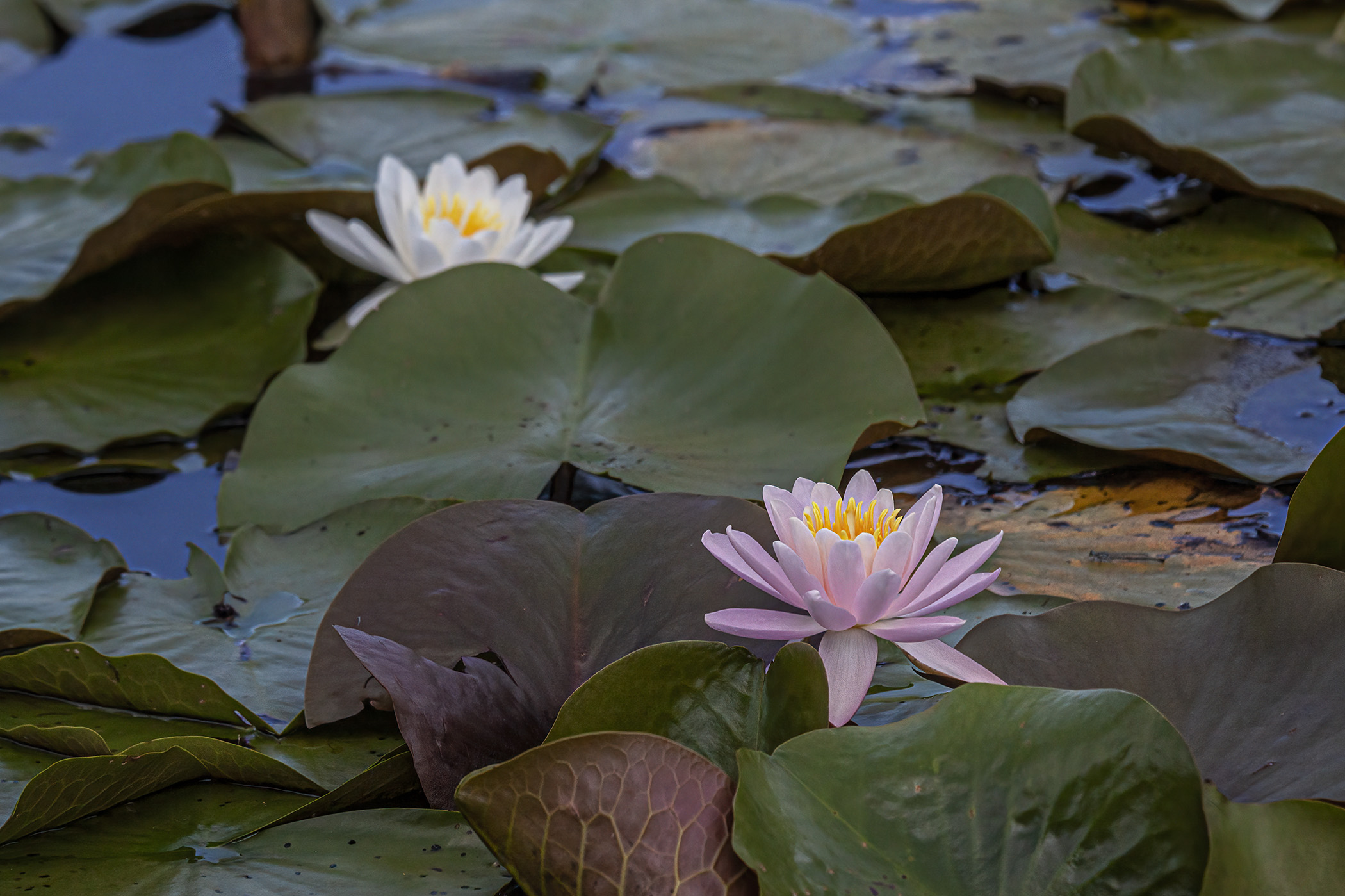
One of the things that I love most about water lilies is the way that they seem to glow from within with a soft, warm light. It is always a challenge to figure out how to capture the beauty of the water lilies. Normally I concentrate on individual flowers, but for the first photo I decided to capture a wider view with two flowers in the midst of a carpet of lily pads.

As you can see, lily pads were inevitably a component in all of my compositions. Sometimes the lily pads make me smile. Why? Maybe it is just me, but when I look at the final photo, I can’t help but think of Pac-Man, a beloved video game of my younger days. I never really got into the complicated video game systems as technology advanced, but really enjoyed the relative simplicity of Pong and Pac-Man.


water lilies

water lily

water lily

water lily

© Michael Q. Powell. All rights reserved.


Read Full Post »

I captured this image last Saturday at Kenilworth Aquatic Gardens and love the way that it shows lotuses at various stages of development, from budding to flowering to turning into seed pods. I have included a close-up shot of a seed pod, in case you have never looked closely at one. These seed pods always get a mixed reaction from my friends—some find them to be fascinating, while others find them to be creepy.

lotus

Lotus seed pod

© Michael Q. Powell. All rights reserved.


Read Full Post »

What is the most common dragonfly that you see in the summer? One of the most frequently seen dragonflies where I live is the Blue Dasher (Pachydiplax longipennis). As some of you know, I have long had a “thing” for Blue Dashers and my very first posting on this blog over nine years ago featured a Blue Dasher.

Blue Dasher dragonflies can be quite striking in appearance, especially when they choose photogenic perches. This past Saturday I visited Kenilworth Aquatic Park and Gardens in Washington D.C. with some friends and noted that there were lots of Blue Dashers buzzing about amidst the lotuses and water lilies. One of my goals for the day was to photograph these cool little dragonflies in as interesting a way as I could.

Dragonfly photographers and bird photographers often have a common problem—their subjects like to perch on bare branches and there is only so much they can do to make the photos interesting. I tried hard to capture images of Blue Dashers when they perched, often momentarily, in an unusual spot. In these three images, I think the vegetation and backgrounds add visual interest to the shots without taking attention away from the primary subject.

Blue Dasher

Blue Dasher

Blue Dasher

© Michael Q. Powell. All rights reserved.

Read Full Post »

On Saturday I traveled with a few fellow photographers to Kenilworth Park and Aquatic Gardens, a National Park Service site in Washington D.C. whose main attractions are the the numerous water lilies and lotuses in a series of interlocked cultivated ponds. It was tough for me to figure out how to tackle photographic subjects like these and I must confess that I spent a fair amount of time chasing after the numerous dragonflies that were present at the park.

Here are a few shots of some of the lotuses that I encountered that day. The first image is a peek through the petals at the distinctive seed pod in the center of one lotus. The second shot shows a lotus in full bloom. Only about half of the lotus plants that I encountered were flowering and many of them were beyond the reach of the lens that I was using or were in harsh, direct sunlight, so I was happy to capture this one so well. The final photo shows a lotus bud with petals that are just beginning to open.

I think it is good to push myself sometimes to photograph different subjects and to step outside of my comfort zone. It forces me to think creatively about what I am doing and how I am approaching the subject. Flexibility is a key ingredient in all of this, which seemed appropriate as I was trying to get into the lotus positions.


lotus

lotus

lotus

© Michael Q. Powell. All rights reserved.

Read Full Post »

I spent some of my favorite moments during my recent trip to Paris exploring again the Rodin Museum and its wonderful outdoor sculpture garden. There is something really special about seeing sculptures outdoors, where the time of day, the season, and the weather can make them come alive in new ways that are not possible in the controlled confines of an indoor museum.

When I travelled to Washington D.C. on Saturday, one of my goals was to see some of the Rodin sculptures that I recalled were in the Hirshhorn Sculpture Garden. The garden is sunken slightly below ground level and as I descended I immediately spotted the large sculpture known as The Burghers of Calais (Les Bourgeois de Calais). This multi-person sculpture is very well-known and I had seen another casting of it recently in Paris. (According to French law, there can be only 12 original castings of a Rodin sculpture, and both the one that I saw in Paris and this one are original castings.)

I couldn’t remember the story behind the sculpture, so I turned to Wikipedia. From a factual perspective, the sculpture commemorates an event during the Hundred Years’ War, when Calais, a French port on the English Channel, was under siege by the English for about eleven months. As you study the faces and the postures of the men in the sculpture, you realize that it is much more than a monument to a historical event.

According to Wikipedia, “Edward, the king of England, offered to spare the people of the city if six of its leaders would surrender themselves to him, presumably to be executed. Edward demanded that they walk out wearing nooses around their necks, and carrying the keys to the city and the castle. One of the wealthiest of the town leaders, Eustache de Saint Pierre, volunteered first and five other burghers joined with him. Saint Pierre led this envoy of volunteers to the city gates. It was this moment, and the poignant mix of defeat, heroic self-sacrifice, and willingness to face imminent death that Rodin captured in his sculpture.”

The sculpture in the second image is known simply as The Walking Man (L’homme qui marche). I am amazed at Rodin’s skill in capturing a sense of movement in such an incomplete figure. For me, it’s like a three-dimensional sketch that has come to life.

The final Rodin sculpture that I wanted to highlight is known as the Crouching Woman (also known as Lust). I find the pose of the woman to be intriguing and the Rodin Museum, which has a terracotta version of the sculpture, asserts that it “looks like a compact block with limbs gathered together and pressed tightly against the torso. This block-like sculpture reflects Rodin’s aesthetic analysis of Michelangelo’s sculpture: it is a work that, to quote the great Italian artist, could roll down a hill without breaking.”

These Rodin sculptures remind me of Paris, but in a greater sense, they highlight my heightened appreciation for the work of artists. Sometimes artists capture beauty and other times they create beauty (and often they do both at the same time). What is beauty? That will have to be the subject of a separate blog someday.


Burghers of Calais

The Walking Man

Crouching Woman

© Michael Q. Powell. All rights reserved.

Read Full Post »

I have lived in the Virginia suburbs of Washington D.C. for over 25 years. Like most people who live in the region, I rarely travel into the city except when I have guests. We tend to look a bit negatively at tourists, who impede our paths and generally get in the way as we rush about trying to get important things—primarily work—accomplished. It is a bit of a stereotype, but it does seem to be that most people in this area are very focused and driven.

As I continued to struggle to readapt to “normal” life after my glorious three weeks in Paris, I started to wonder how things would look differently if I approached Washington D.C. with the same sense of awe and enthusiasm that I felt for Paris. What if I stopped taking for granted all of the treasures our nation’s capital has to offer and looked at them with fresh eyes?

Saturday, I grabbed the camera gear and the raincoat that I used in Paris and rode into the city on the Metro system. I had a relaxing time visiting several of the Smithsonian museums, which all have no admission fee, so you don’t have to exhaust yourself trying to get your money’s worth. I may cover my museum experience in another posting.

What struck me the most during the day, however, was the view that greeted me when I walked out of the National Gallery of Art at closing time. It was starting to get dark and lights had come on, gently illuminating some of the buildings. As I looked to the left, I could see the U.S. Capitol Building, home of Congress, and to the right in the distance was the Washington Monument, with a part of the Lincoln Memorial visible behind it. Wow!

Now I realize that most people don’t have Washington D.C. in their backyard, but I encourage you to look afresh at the area in which you live. Imagine that you have traveled thousands of miles to see its unique beauties. For me, that change in attitude helped me to look beyond the familiar and better appreciate the beauty that was always there. I had always used that approach in my wildlife photography and only now realize how it can be broadened into so many other areas of my life.

U.S. Capitol

Washington Monument

U.S. Capitol

© Michael Q. Powell. All rights reserved.

Read Full Post »

A few days ago I made a trip to the National Zoo in Washington D.C. and one of my highlights was visiting the massive Amazonia exhibit. While walking through the indoor rain forest, I could hear activity high in the trees and caught sight of some brightly colored small bird. I think there are also several varieties of monkeys that I did not spot and all kinds of amphibians and fish.

I was shocked and thrilled when a Roseate Spoonbill (Platalea ajaja) flew over and perched a few feet away from me when I was observing an exotic duck. I had previously marveled at the photos of Roseate Spoonbills posted by photographers in Florida and other southern US states, but had never seen one before. The spoonbill seemed to be a bit curious about my presence and willingly posed for me.

It was nice that the Roseate Spoonbill was so cooperative, because I had only a single lens with me, a Canon 24-105mm zoom lens. Initially I was worried that most subjects would be too far away for me to capture with the modest telephoto reach of the lens, but it proved to be perfect when taking portraits of the spoonbill who was less than three feet (one meter) away from me.

My wonderful experience with this beautiful bird increases my desire to see a spoonbill in the wild. I really enjoy visiting zoos, particularly ones like the National Zoo that, I believe, make special efforts to care for the animals. The zoo gives me a chance to observe animal behavior, including animals that I am not likely to see in the wild, but it can never be a replacement for the overall experience of observing animals, birds, and other wondrous creatures in their natural environment.

Roseate Spoonbill

Roseate Spoonbill

Roseate Spoonbill

© Michael Q. Powell. All rights reserved.

Read Full Post »

How long a lens do you need to photograph birds? Conventional wisdom dictates that you need a lens with a focal length of at least 300mm and ideally much longer than that. I generally use my Tamron 150-600mm lens when I anticipate shooting birds, especially small ones. If I want to get even closer, the zoom lens of my Canon SX50 has a field of view equivalent to 1200mm.

On Friday, I traveled into Washington D.C. to visit some friends using the Metro subway. I planned to walk a lot and I didn’t want to weigh myself down with all kinds of gear, so I put a 24-105mm lens on my DSLR. For those of you who are not technically oriented, this lens goes from mildly wide angle to mildly telephoto.

The camera and lens combination is less than ideal for photographing birds. I couldn’t help myself, however, when I spotted some birds in an urban park and decided to attempt to get some shots. My first attempt was with a Carolina Wren and it was a disaster—it was small and fast and so skittish that I could not get a decent shot.

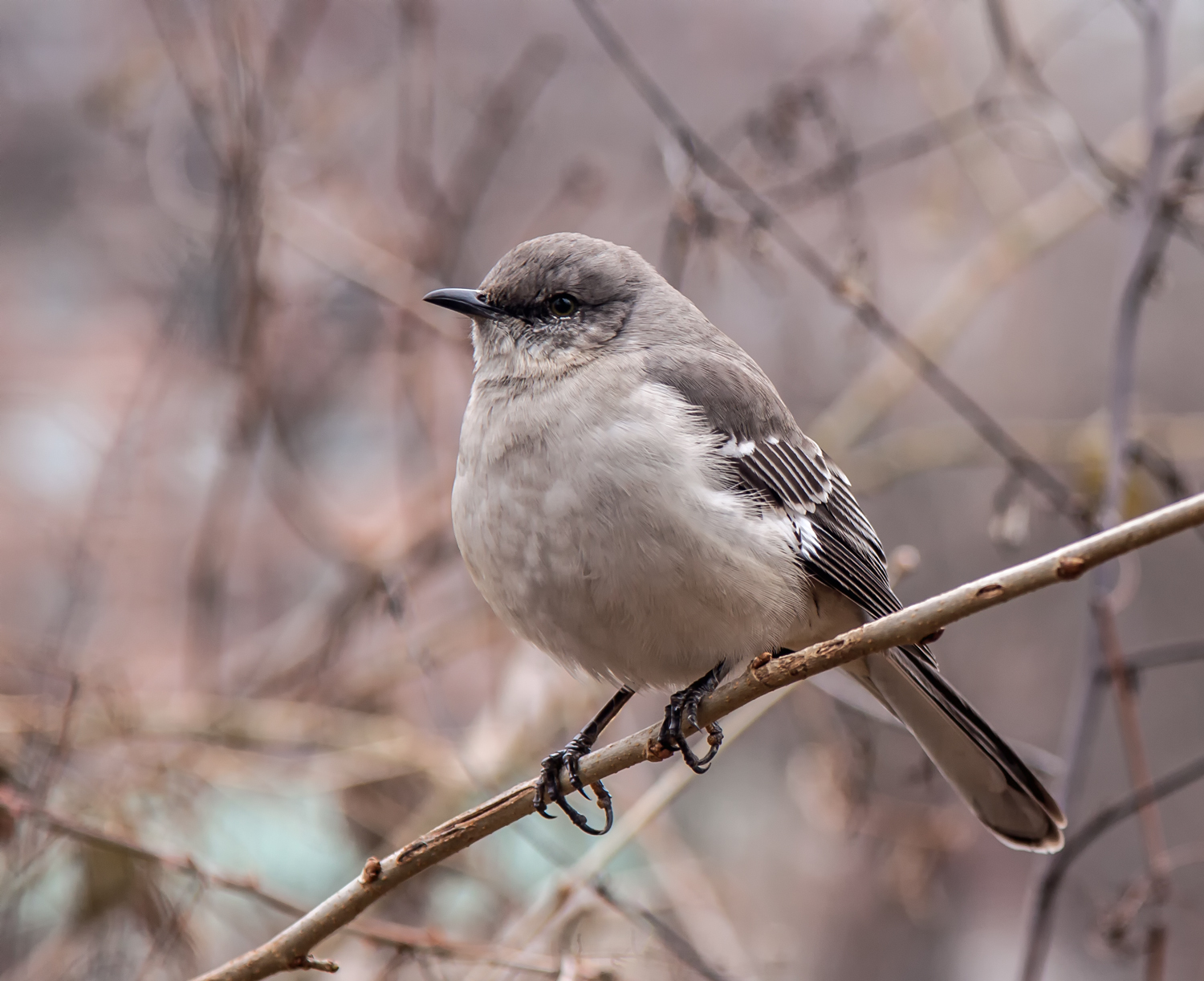
Then I spied a Northern Mockingbird (Mimus polyglottos) perched on a bush in the distance. I took some initial shots and then slowly began to move forward. Eventually I was able to get to within about three feet (one meter) of the mockingbird and captured this image.

This incident served as a reminder not to limit myself to following conventional wisdom. It is definitely possible to take a good bird photo without a long telephoto lens. Why not take landscape photos with a long telephoto lens instead of a wide angle lens?

No matter what lens I have on my camera (or what camera I am using), I try to keep my eyes open for possible subjects. I will then try to capture those subjects as well as I can within whatever equipment I happen to have with me. It turns out that gear is often not the most critical element in making good images—simply being there is half the battle.

Northern Mockingbird

© Michael Q. Powell. All rights reserved.

Read Full Post »
As I look out my window today, piles of snow from the snowstorm earlier this week remind me that winter is not yet over. I discovered, however, that some plants are already in bloom (or almost in bloom) yesterday during a visit to Dumbarton Oaks, a historic museum, research center, and garden in Washington DC.

I am definitely not an expert when it comes to flowers, but if I had to guess, I’d say that the flower in the first image is a crocus, those in the second image are snowdrops, and those in the final image are forsythias. Even in I am incorrect in my identification, it was a real joy to see some colors and signs of life after so many long gray days this winter.

I can’t wait for spring to arrive.

crocus

snowdrops

forsythia

© Michael Q. Powell. All rights reserved.


Read Full Post »

As I was walking across the Key Bridge from Georgetown on Wednesday night, I glanced down at the Potomac River and saw that the Kennedy Center was aglow with rainbow colors. I believe that the colors were part of the celebration of the Kennedy Center Honors, an annual honor given to those in the performing arts for their lifetime of contributions to American culture. Honorees receive a medallion that hangs from a rainbow colored ribbon.

Most of the landmarks shown here will be familiar only to locals, but some of you may recognize the Washington Monument in the middle left in the photo. In case you are curious, I took this shot with a Canon A620 camera, an old 7.1 megapixel point-and-shoot camera that I carry with me sometimes because it fits easily into my pocket. I leaned against the railing of the bridge to take this shot in what turned out to be a one second exposure.

Although I know what the subject matter of the image is, I enjoy it equally as a kind of abstract, man-made landscape, a beautiful combination of lines and shapes and colors, with some of them reflected in the dark waters of the river.

Kennedy Center Honors

© Michael Q. Powell. All rights reserved.


Read Full Post »

I just love the vibrant colors of the tropical water lilies at Kenilworth Park and Aquatic Gardens, like this one that I photographed on Sunday during a brief trip there. These gardens, located in a part of Washington D.C.,  are run by the National Park Service and have acres of ponds with all kinds of lotuses and water lilies. The tropical water lilies are in small cement ponds behind the visitor center and are one of my favorite spots to visit.

tropical water lily

tropical water lily

tropical water lily

© Michael Q. Powell. All rights reserved.

Read Full Post »

With most of my dragonfly shots, I try to get as close as I can to the dragonfly, either my moving or by zooming, in order to highlight my subject. If I am not able to do so, I will often crop the image during post-processing.

Sometimes, though, I will intentionally keep my distance and will carefully compose the image to include more environmental elements. That was the case yesterday during a quick trip to Kenilworth Park and Aquatic Gardens with my photography mentor Cindy Dyer. Cindy needed to drop off some prints at the gift shop and I had a few minutes to grab a few shots.

Dragonfly perches generally are not very interesting, often just dried-out branches sticking out of the water. I was excited, therefore, when I spotted a male Slaty Skimmer dragonfly (Libellula incesta) perching on a purple Pickerelweed plant (Pontederia cordata).  I positioned myself to capture an additional pickerelweed plant in the background, pretty sure that it would be out of focus and not be too distracting. The cool colors and the sinuous curves of the plants in the background combine to create an “artsy” image that I really like.


Slaty Skimmer

© Michael Q. Powell. All rights reserved.

Read Full Post »

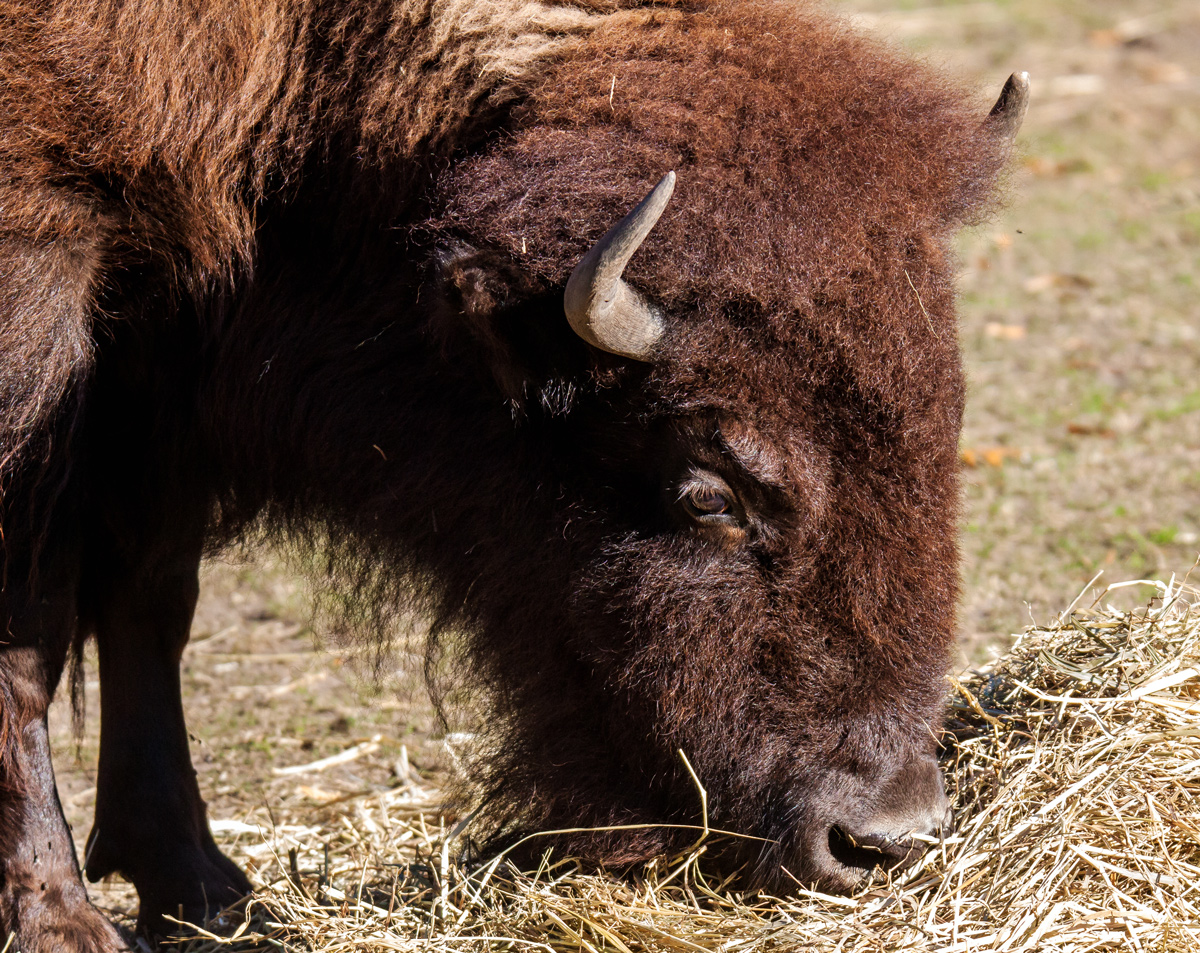
“Don’t mess with me while I am eating.” That seemed to be the message that an American Bison (Bison bison) was sending to me during a recent trip I made to the National Zoo. The bison had lifted its enormous head, twisted it violently in my direction, and looked right at me. It then returned to calmly munching on some hay.

Who knew that bisons had such flexible necks?

American Bison

American Bison

© Michael Q. Powell. All rights reserved.

Read Full Post »

Otters are so much fun to watch. They seem to be very inquisitive and playful. One of their favorite pastimes appears to be chasing each other around.

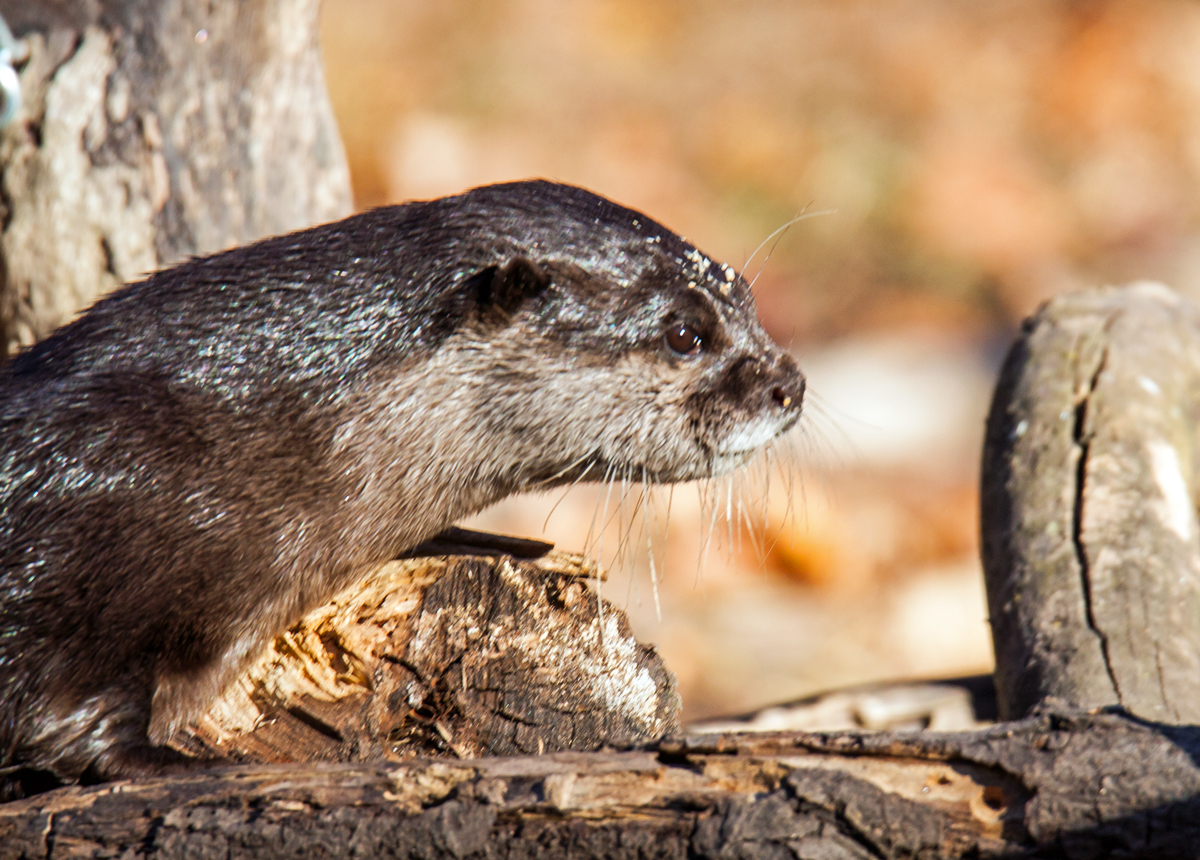
I am familiar with the North American River Otter (Lontra canadensis) and have been lucky enough to see one in the wild at my local marshland park. These images, however, are of Asian Small-clawed Otters (Aonyx cinerea) that I observed at the National Zoo in Washington D.C. last Monday.

There is a large group of these otters in an enclosure on the Asia Trail and I spent quite a while watching their antics. They seem to be in almost constant motion in and out of the water, so it was a fun challenge trying to get some shots of them.

Asian Small-clawed Otter

Asian Small-clawed Otter

Asian Small-clawed Otter

© Michael Q. Powell. All rights reserved.

Read Full Post »

Most of the times that I have visited the National Zoo the Giant Pandas (Ailuropoda melanoleuca) have been indoors, but this past Monday I was thrilled to see that they were outdoors and active. There are two levels for viewing the pandas and I was on the upper level, giving me an unobstructed view and some relief from the large crowds.

Here are a couple of my favorite shots. The first one is of the youngest panda at the zoo, Bei Bei, who is a bit over a year old, and the second image shows him with an adult panda that I assume is his mother.

panda at the National Zoo

pandas at the National Zoo

© Michael Q. Powell. All rights reserved.

Read Full Post »

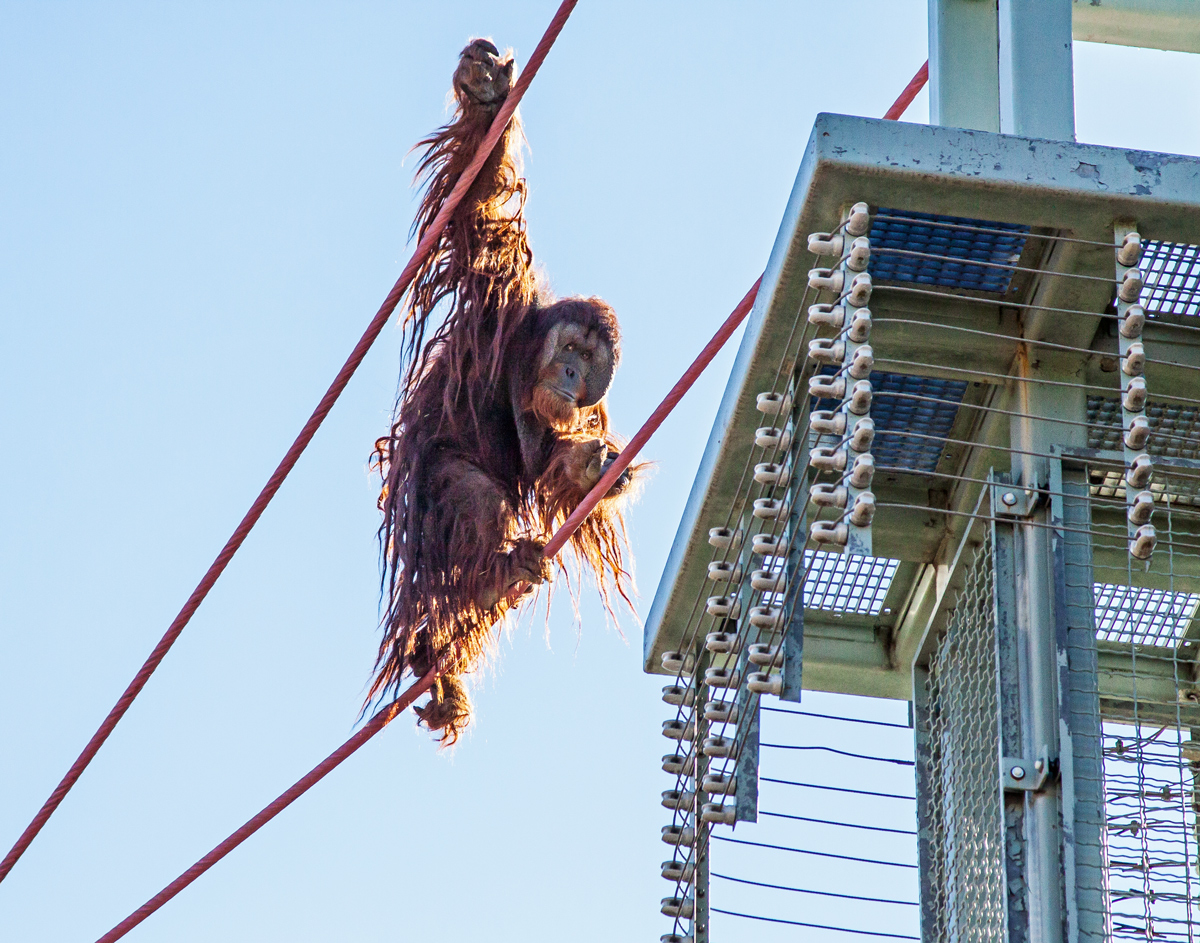
It was really cool (and only slightly disconcerting) to look up and see a hairy orangutan crossing almost directly overhead on a pair of ropes while I was visiting the National Zoo on Monday.

A series of ropes and towers connects the Great Ape House with another building called the Think Tank. The orangutans can move freely back and forth between the buildings at certain times of the day. Their overhead transit system crosses one of the major roads in the zoo and there are no nets or any other obstructions between visitors and the orangutans.

As you can see from one of the images, there is some kind of system on the towers that keeps the orangutans from climbing down one of the intermediate towers. I was amazed at how effortlessly the orangutan moved and never really worried that it might lose its grip and fall into my arms.

orangutan at National Zoo

orangutan at National Zoo

Orangutan at National Zoo

Orangutan at National Zoo

© Michael Q. Powell. All rights reserved.

Read Full Post »

The National Zoo in Washington D.C. is a wonderful place to explore and has the added bonus of having no admission fee. On Monday I wandered around the zoo for several hours, visiting some of my favorite animals and taking a lot of photos.

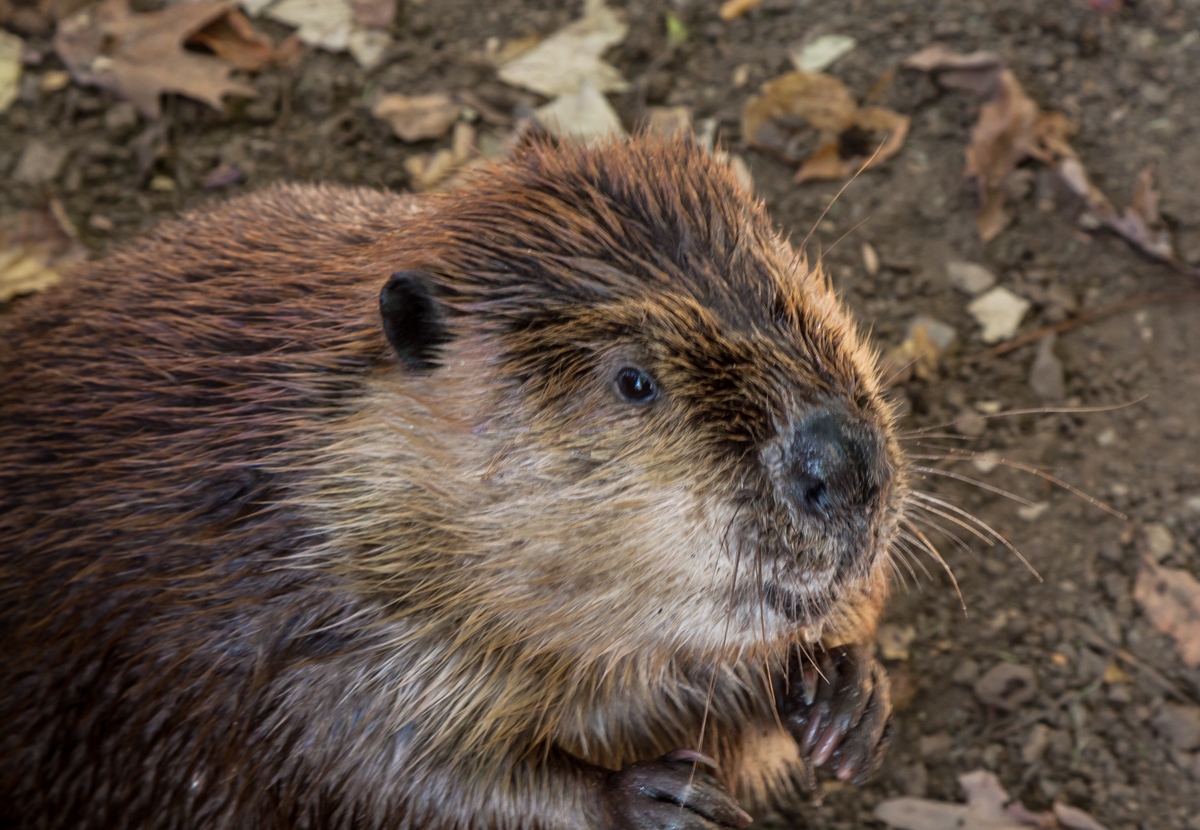
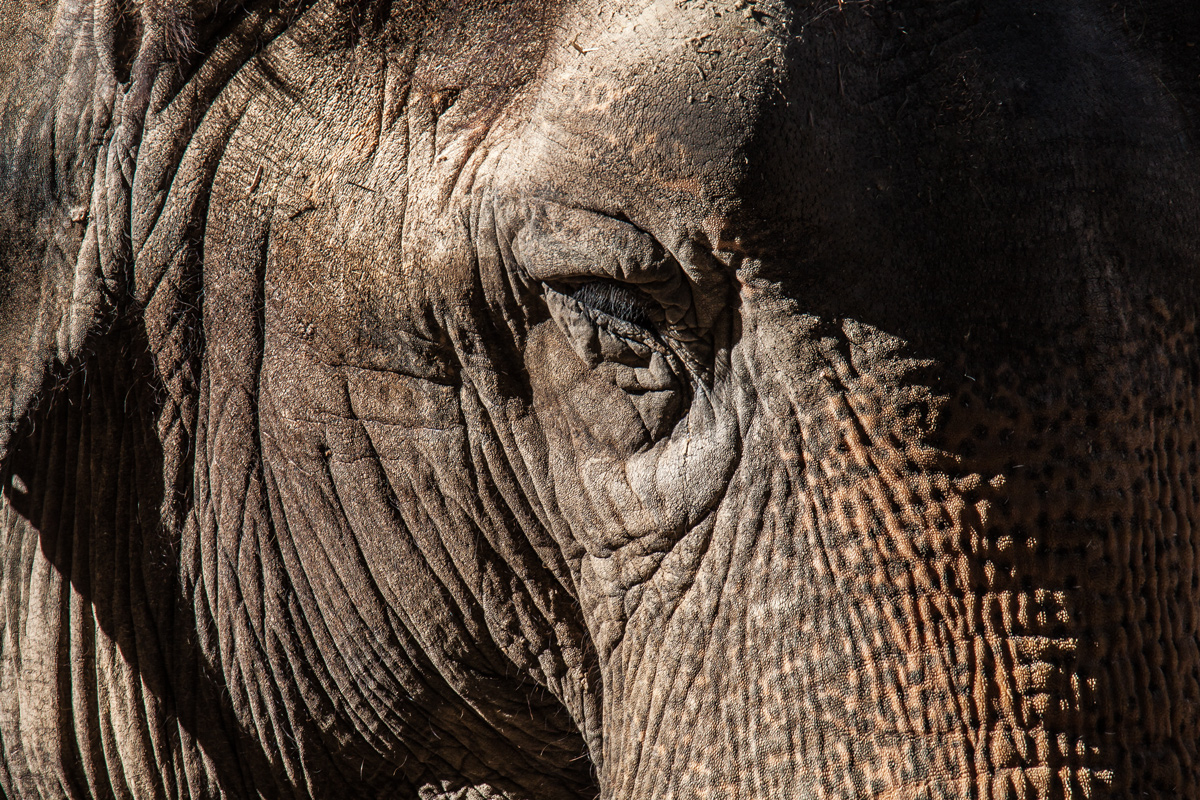
Here are some of my initial favorite images: a lioness, a cheetah, a beaver, and an elephant.

lioness at National Zoo

cheetah at National Zoo

beaver at National Zoo

elephant at National Zoo

© Michael Q. Powell. All rights reserved.

Read Full Post »

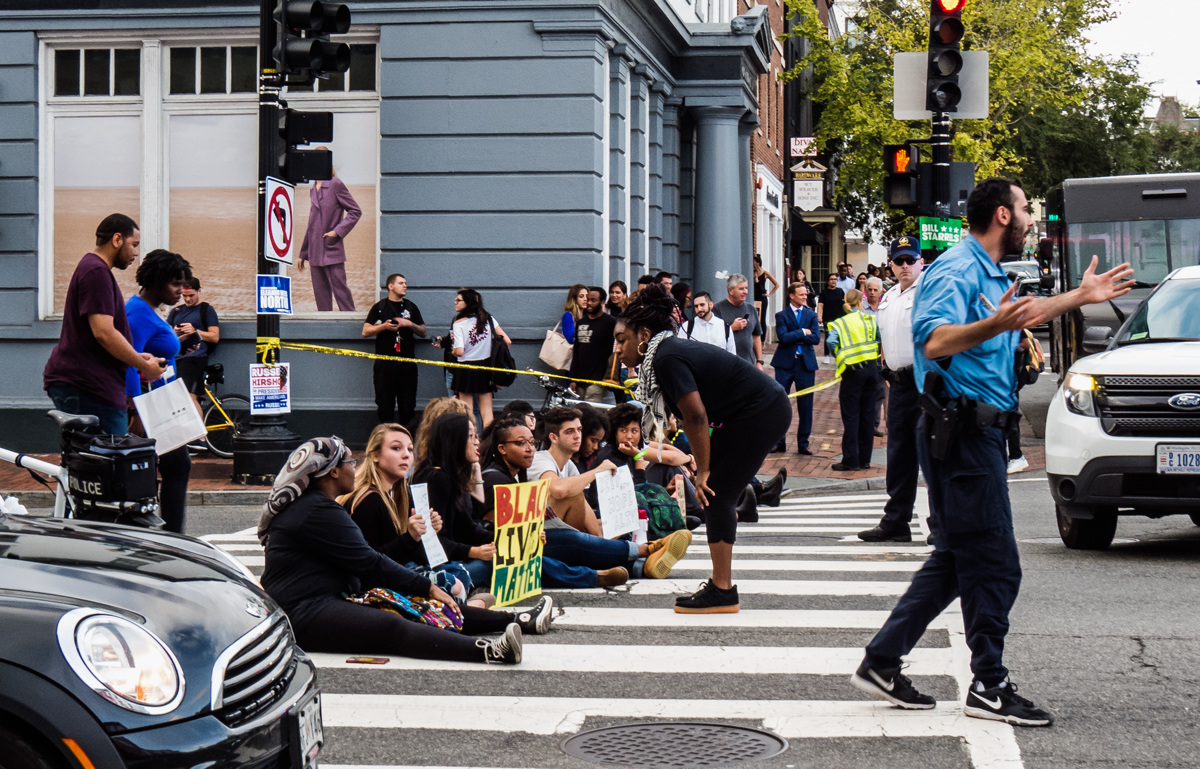
Last Friday about 5:30 pm I was in the Georgetown area of Washington D.C. right at the time when a small group of protesters caused M Street to be closed by sitting in middle of the lane heading toward Key Bridge, one of only a few bridges linking the capital city with Virginia. Here are a few shots of the protesters and the police.

Readers who follow my blog know that I am not used to this kind of photography and I wasn’t really sure how to approach the subject. Roads and intersections were blocked off with yellow tape, preventing me from getting good angles for the shots. It was a small group of protesters and they looked to be of college age, prompting me to wonder if they were from nearby Georgetown University. All varieties of policemen were present to control the crowd and direct traffic onto side streets—there were bicycle cops and motorcycle cops in addition to the expected police squad cars.

I was happy that I happened to have my Canon SX50 superzoom with me, because the zoomed allowed me to frame some shots differently without having to move around a lot. In the end I chose three shots to post that captured different aspects of protest, mostly focusing on the human element.

Protest in Georgetown

Protest in Georgetown

Protest in Georgetown

© Michael Q. Powell. All rights reserved.

Read Full Post »

There is something really special about water lilies (g. Nymphaea)—it’s easy for me to understand why impressionist painter Claude Monet was obsessed with them. During my recent visit to Kenilworth Park and Aquatic Gardens in Washington D.C. many of the water lilies were closed up, probably because of the extreme heat of the midday sun, but I did manage to get some shots.

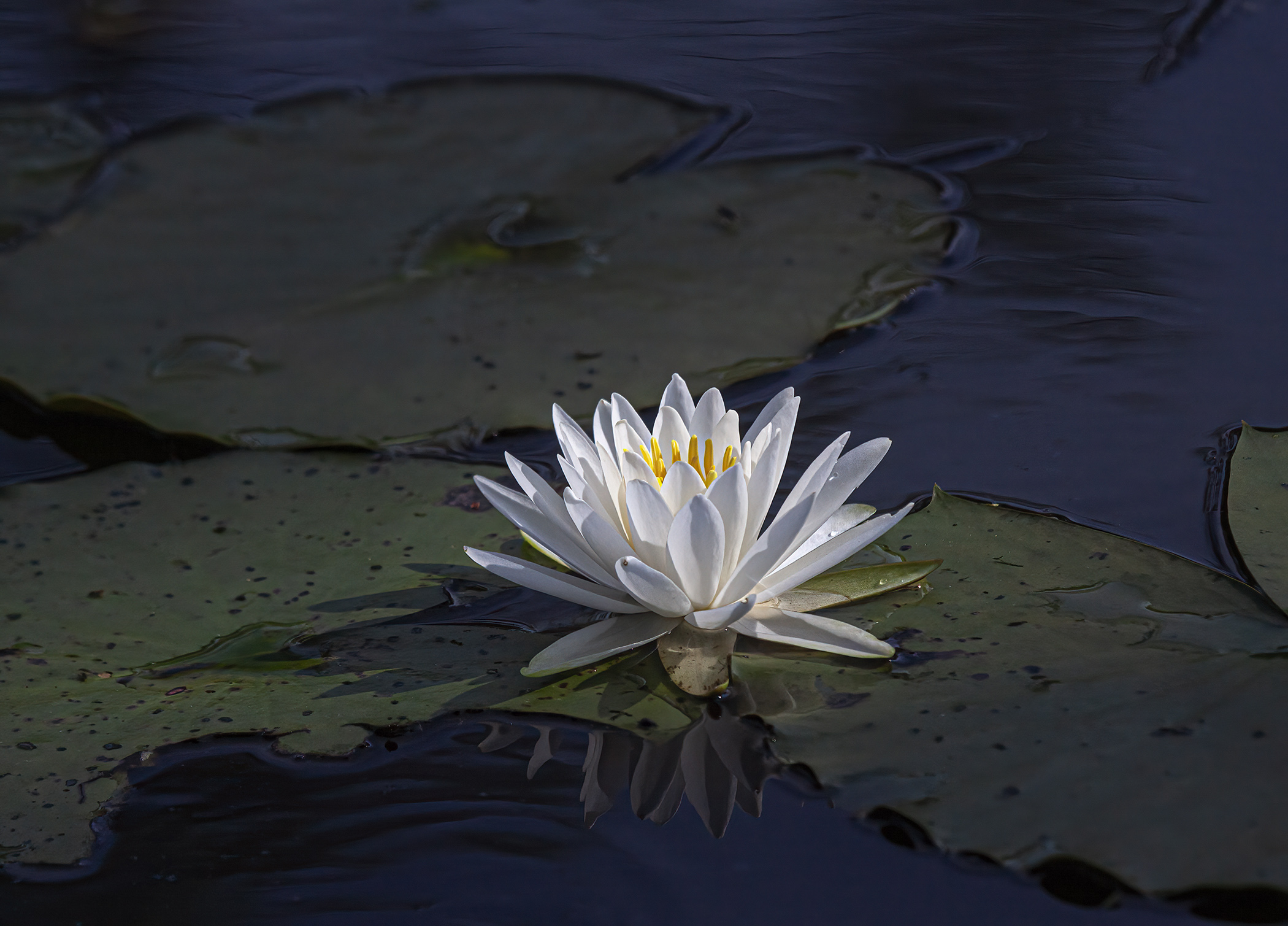
The traditional white water lilies tend to have a calming effect on me. For those folks looking for a bit more passion, there were also some fiery red water lilies.

Water lily

water lily

water lily

© Michael Q. Powell. All rights reserved.

Read Full Post »

Normally I try to move in really close to my subjects using a telephoto or macro lens. Yesterday, however, I decided to try to “see” the world differently by using a wider lens (24-105mm) during a quick trip with my photography mentor Cindy Dyer to Kenilworth Park and Aquatic Gardens in the Anacostia area of Washington D.C. to check out the water lilies and lotus flowers.

The trip was a spur-of-the-moment decision while we were eating lunch, so we knew that we would miss out on the soft early morning light that we both prefer. However, the weather was beautiful, with the temperatures and humidity less oppressive than in recent weeks, so we decided to brave the Washington D.C. area traffic to check out the park.

Cindy is no stranger to the park. Last year four of her images of water lilies from the park appeared on US postage stamps, which were so popular that half a billion were printed. Check out this link to see information about these stamps. Earlier this year, one of Cindy’s images of Sacred Lotuses at the park was on one of the 16 postage stamps issued to commemorate the centennial of the National Park Service. Check out this link for more information about that stamp.

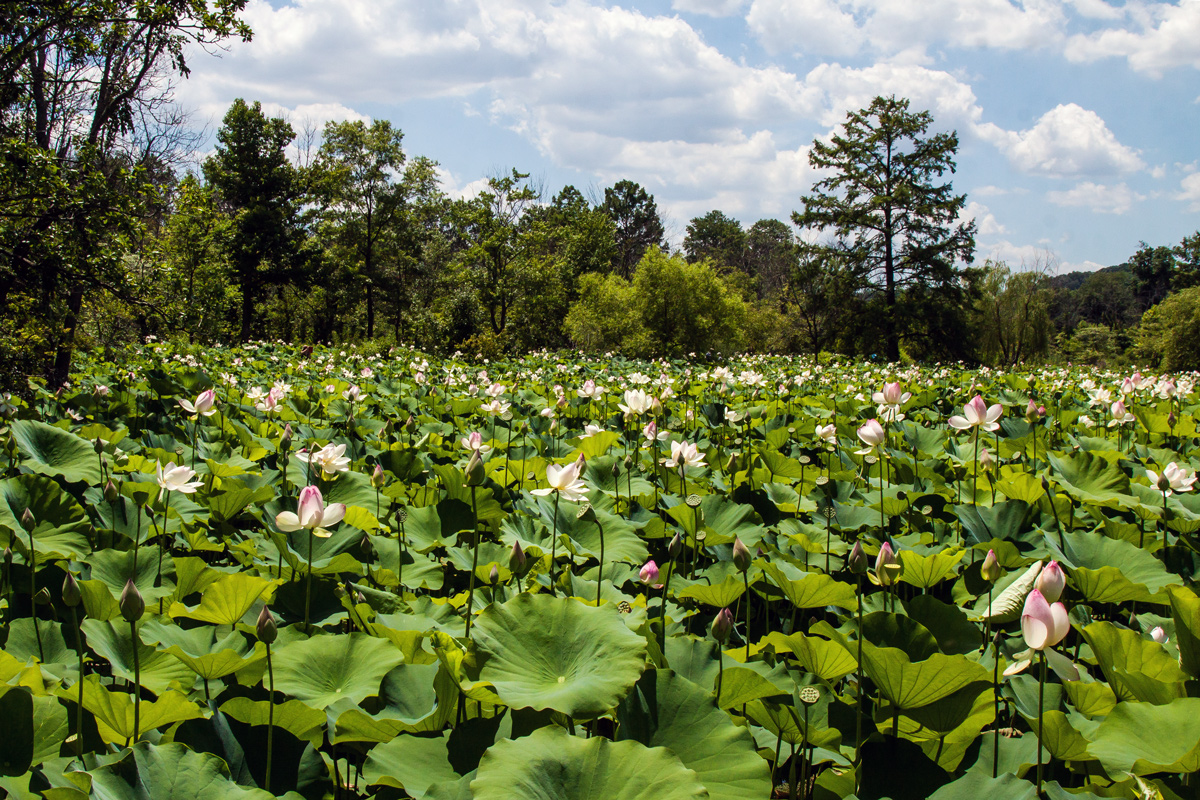
Here are some of my images of Sacred Lotuses (Nelumbo nucifera) from yesterday as I tried to step back a bit and see the flowers as part of a larger landscape. Initially I struggled a bit as I kept focusing on details, but my mind and my eye grew accustomed to the idea that the lens was not going to let me get in close. Gradually I started to see things differently and to frame my photos accordingly.

Kenilworth Park and Aquatic Gardens

Acres and acres of lotuses

Kenilworth Park and Aquatic Gardens

Lotuses fading into the distance

Kenilworth Park and Aquatic Gardens

Lotus and seed pod

© Michael Q. Powell. All rights reserved.

Read Full Post »

Older Posts »