This is the time of the year when warblers are moving through the area in which I live and bird photographers have been congregating at Occoquan Bay National Wildlife Refuge, a local hotspot for warblers and other birds that, unlike many other parks, has been open during this shutdown. Not wanting to risk contact with so many people, I have been avoiding this refuge for the most part, even though it is my favorite place to take photos.
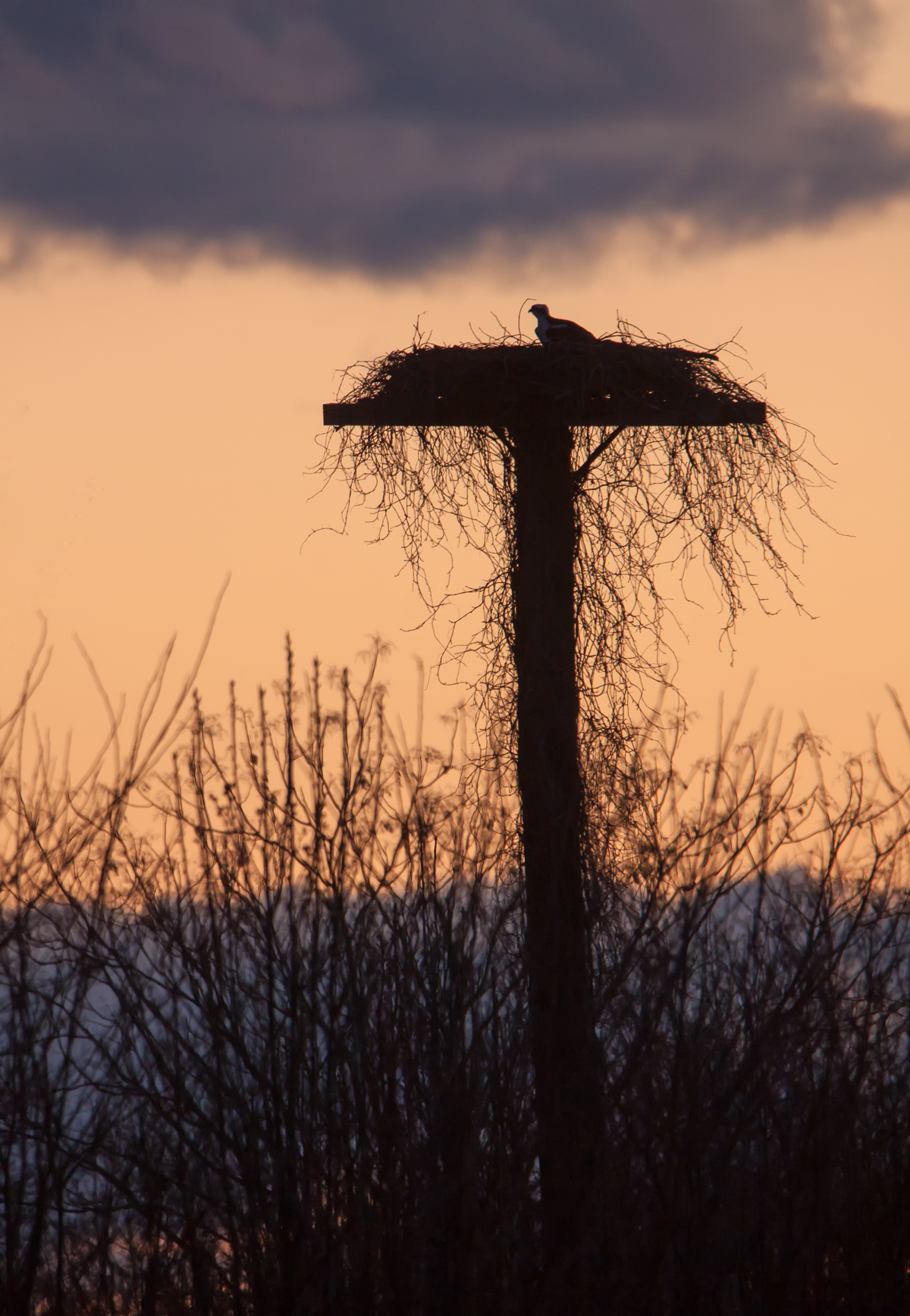
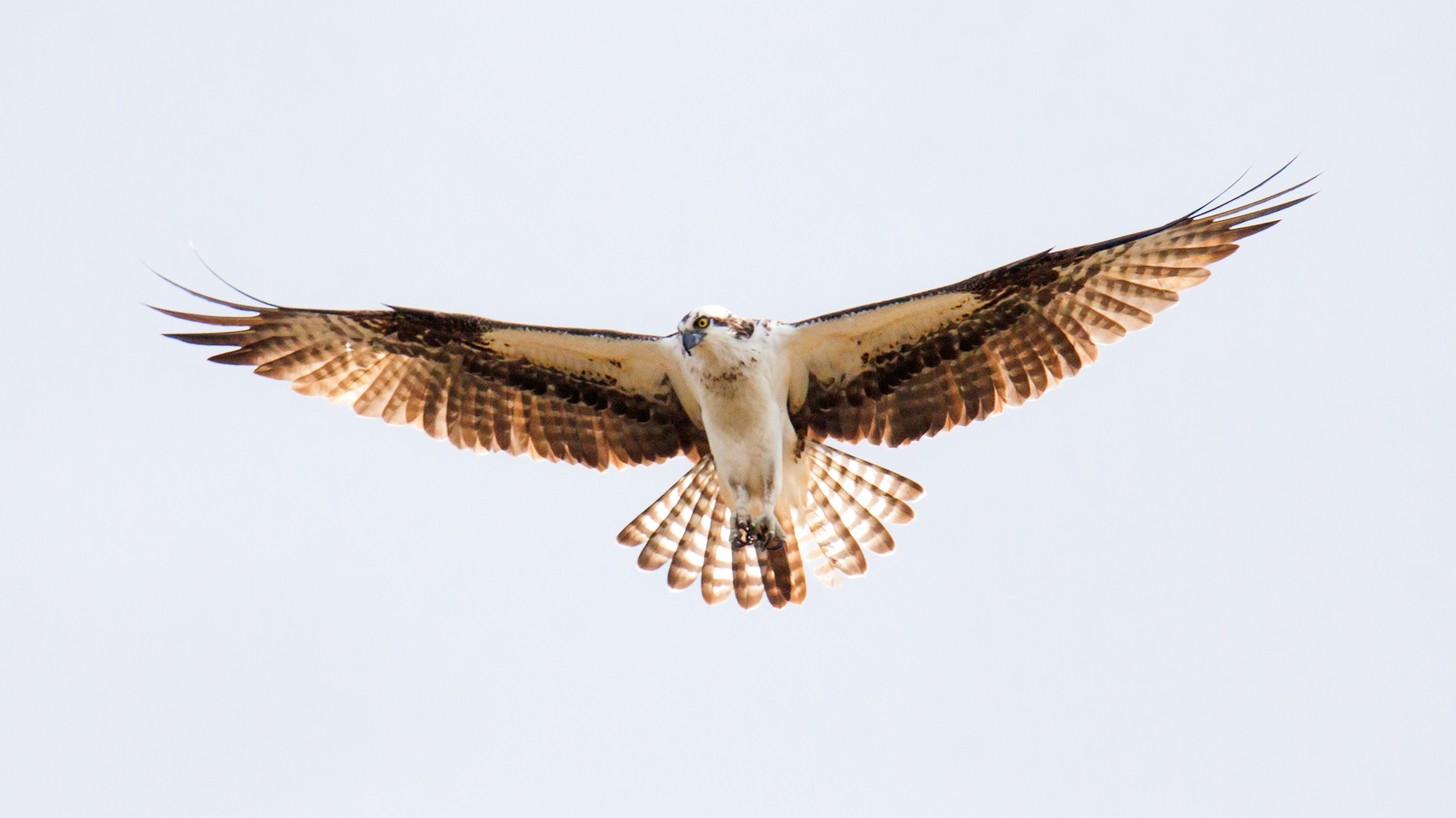
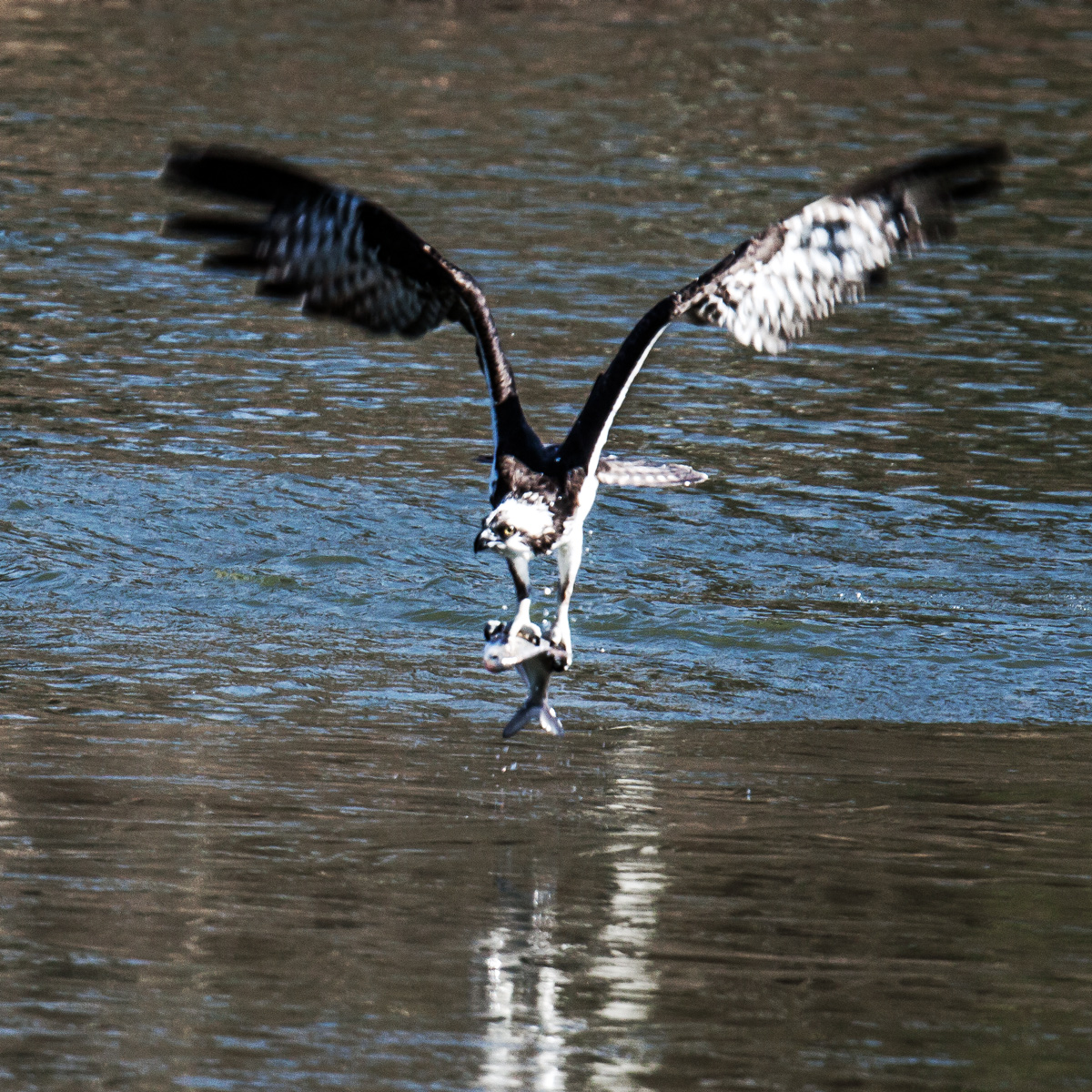
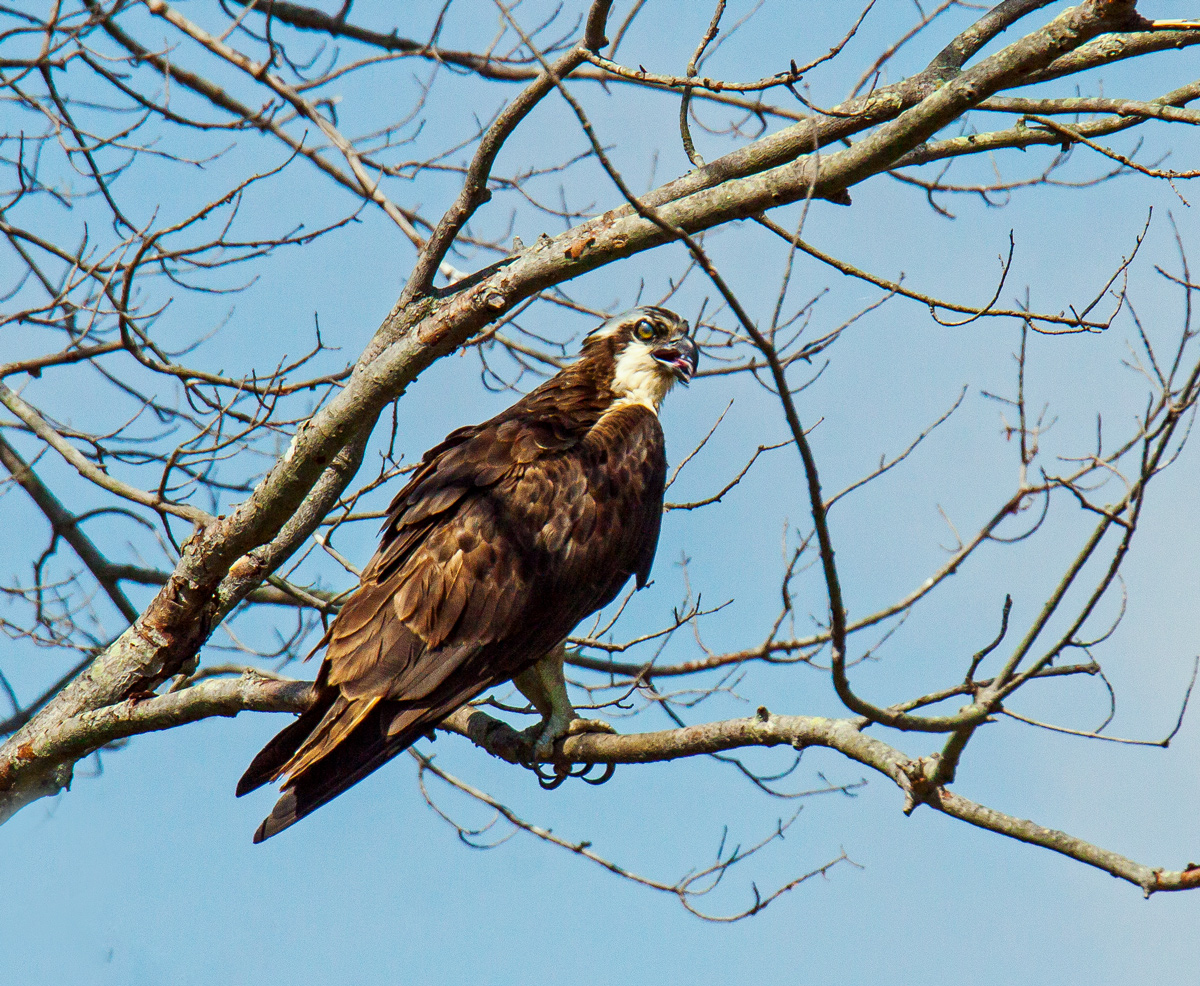
Last week, though, I made a trip to the wildlife refuge on a weekday morning when the weather was less than optimal. As I had hoped, the weather kept most of the other photographers away and I was able to visit some of my favorite spots. I checked out several osprey nests, hoping to see some baby ospreys. The ospreys were no longer sitting on any of the nests, but I could not tell if there were baby ospreys in them or not.
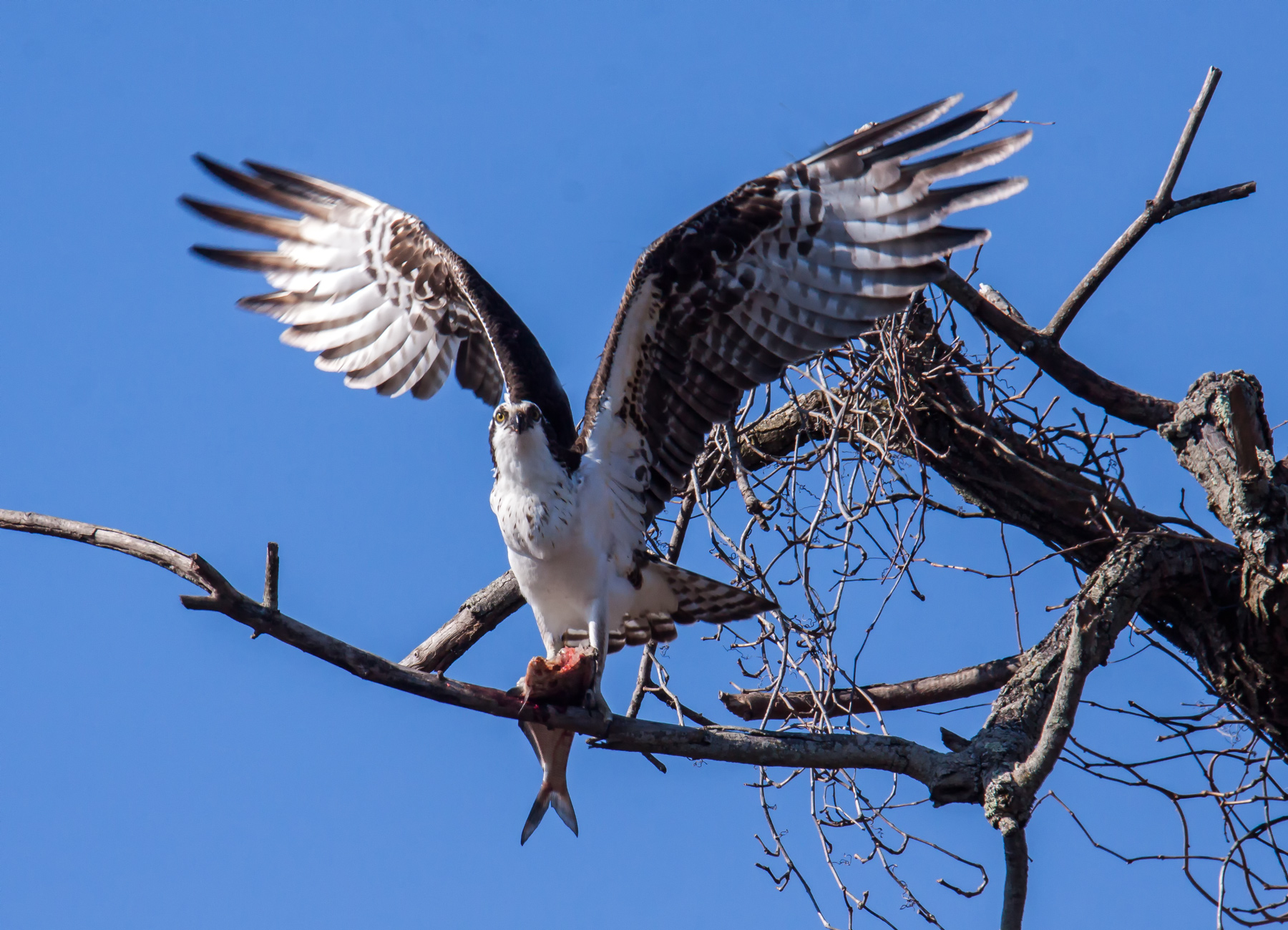
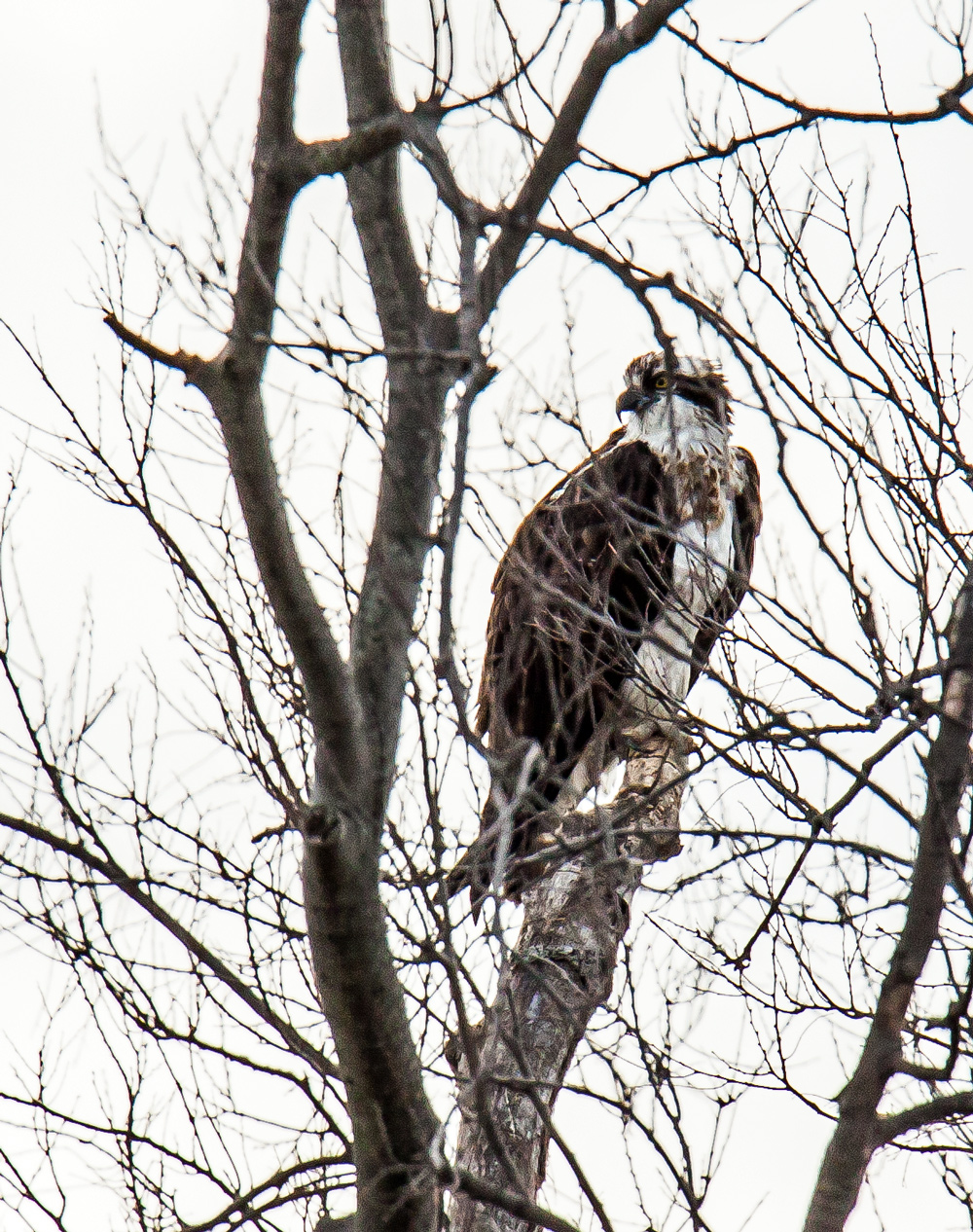
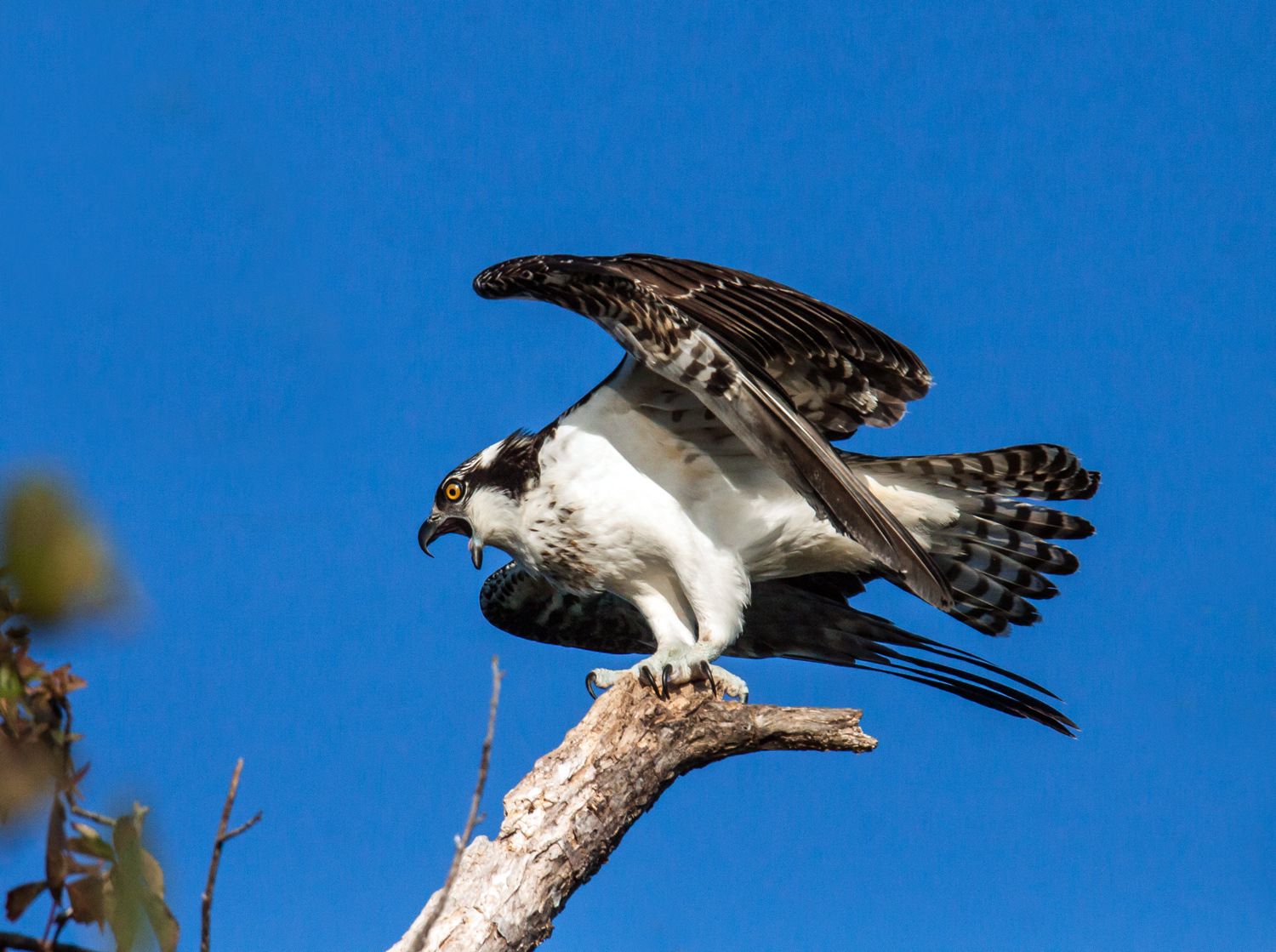
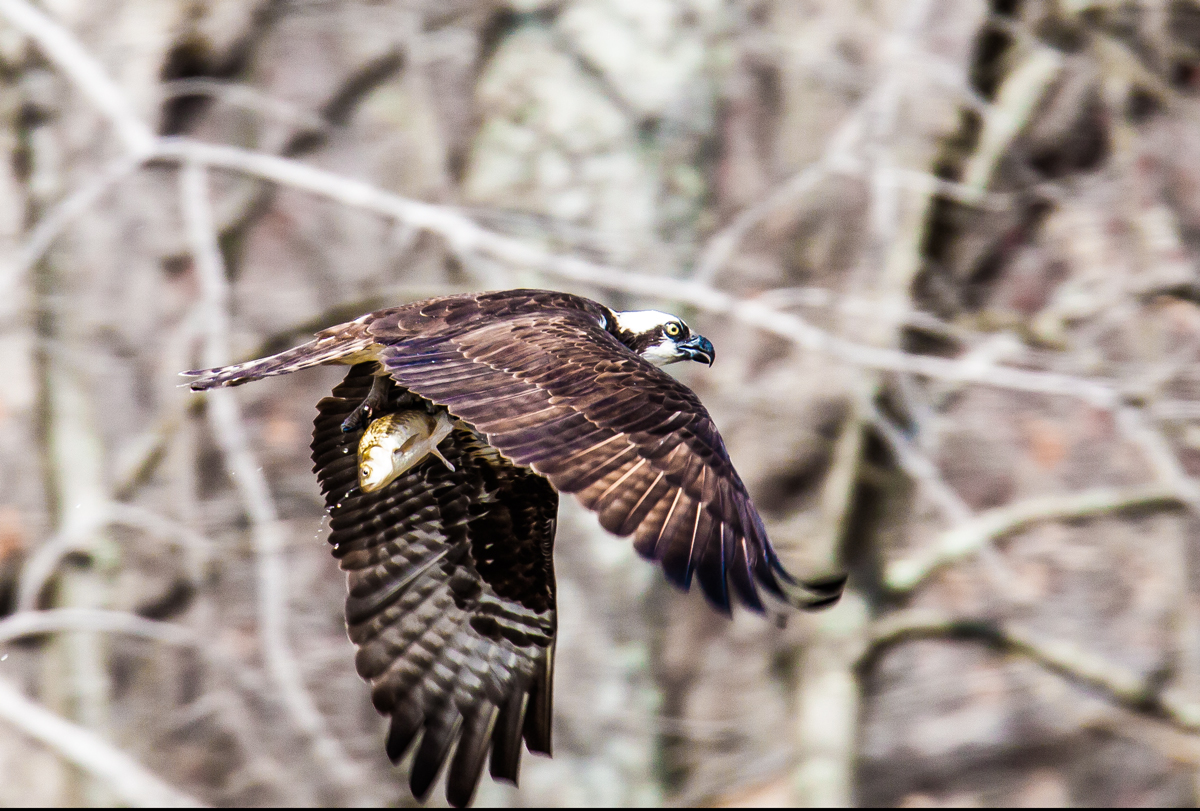
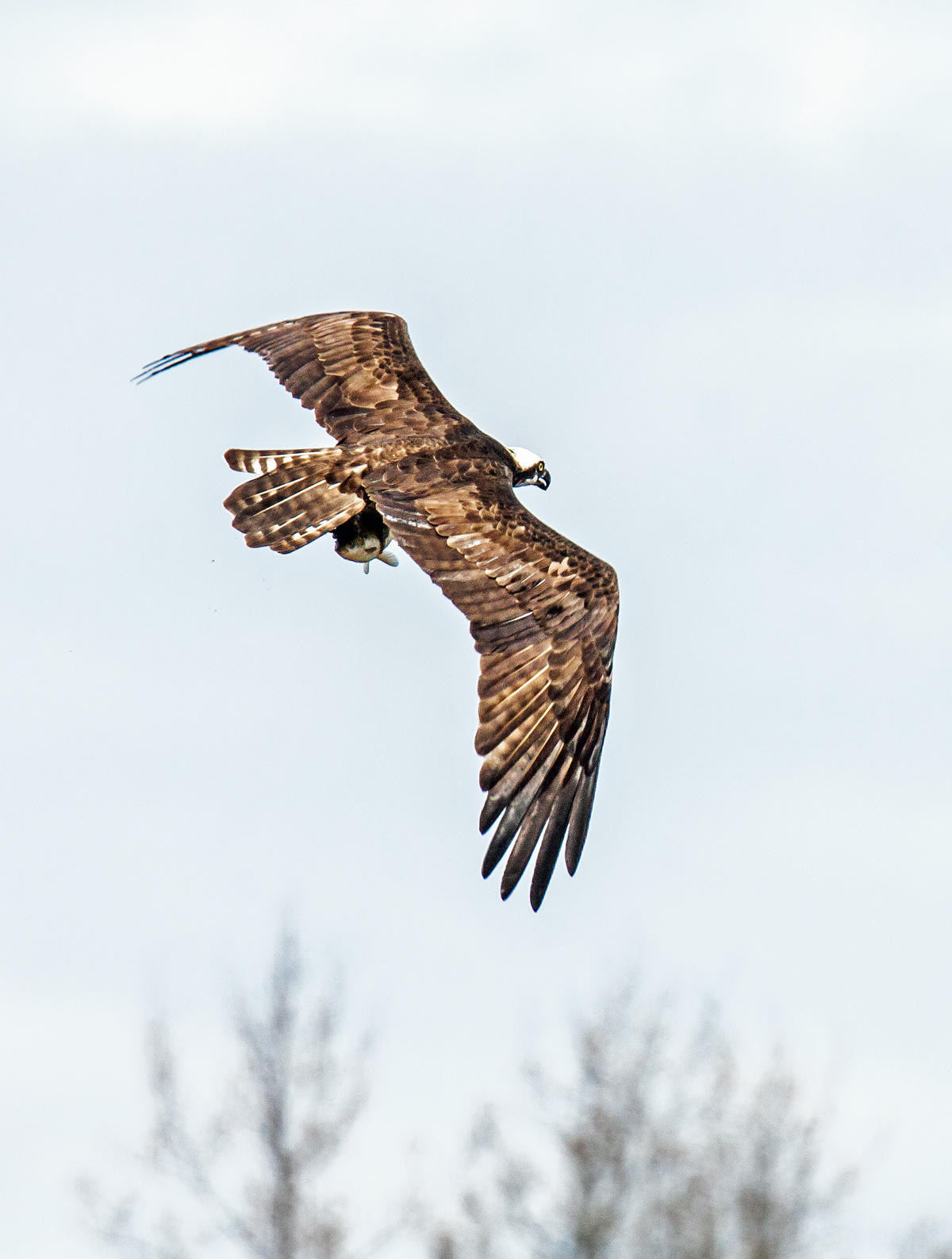
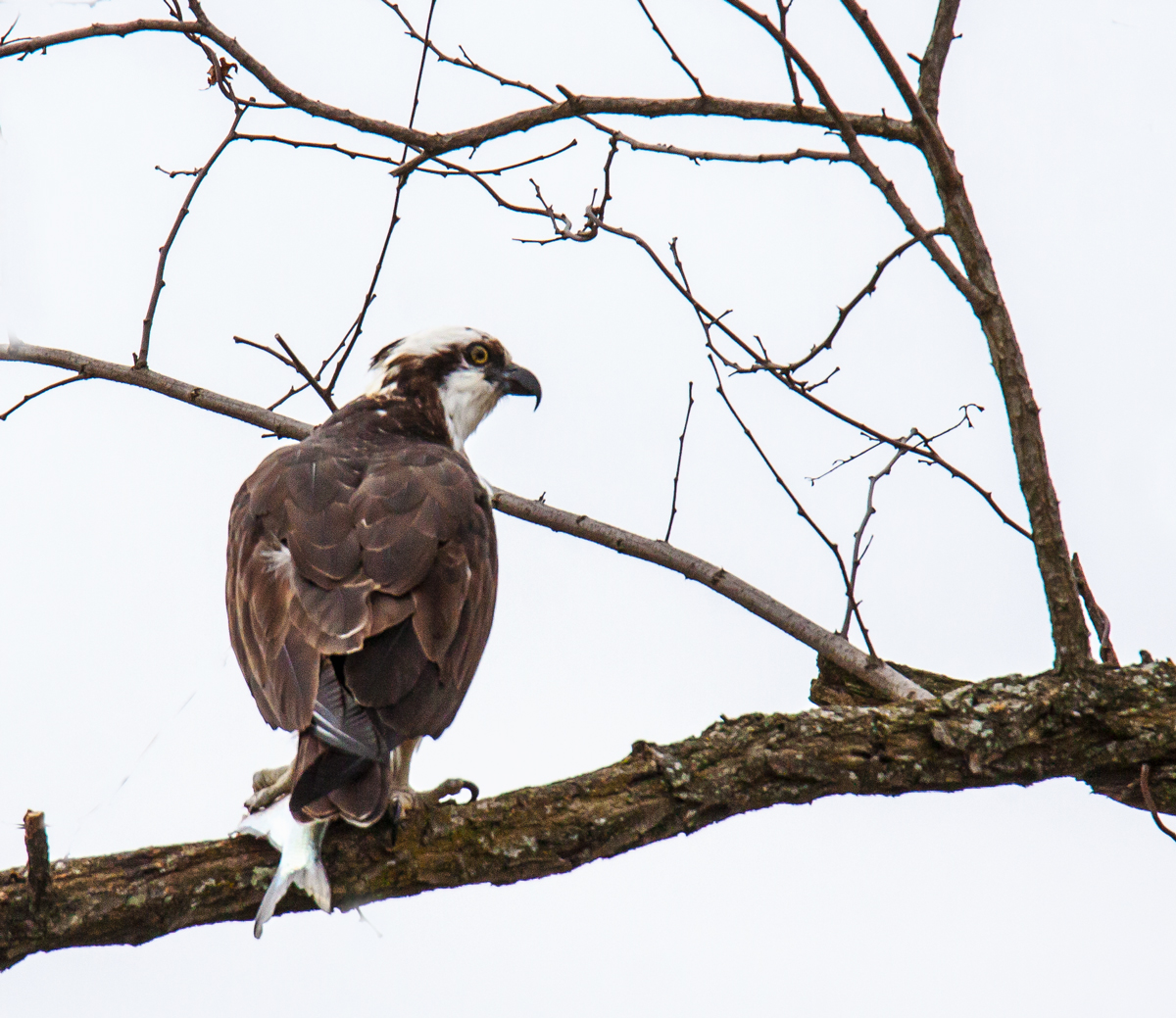
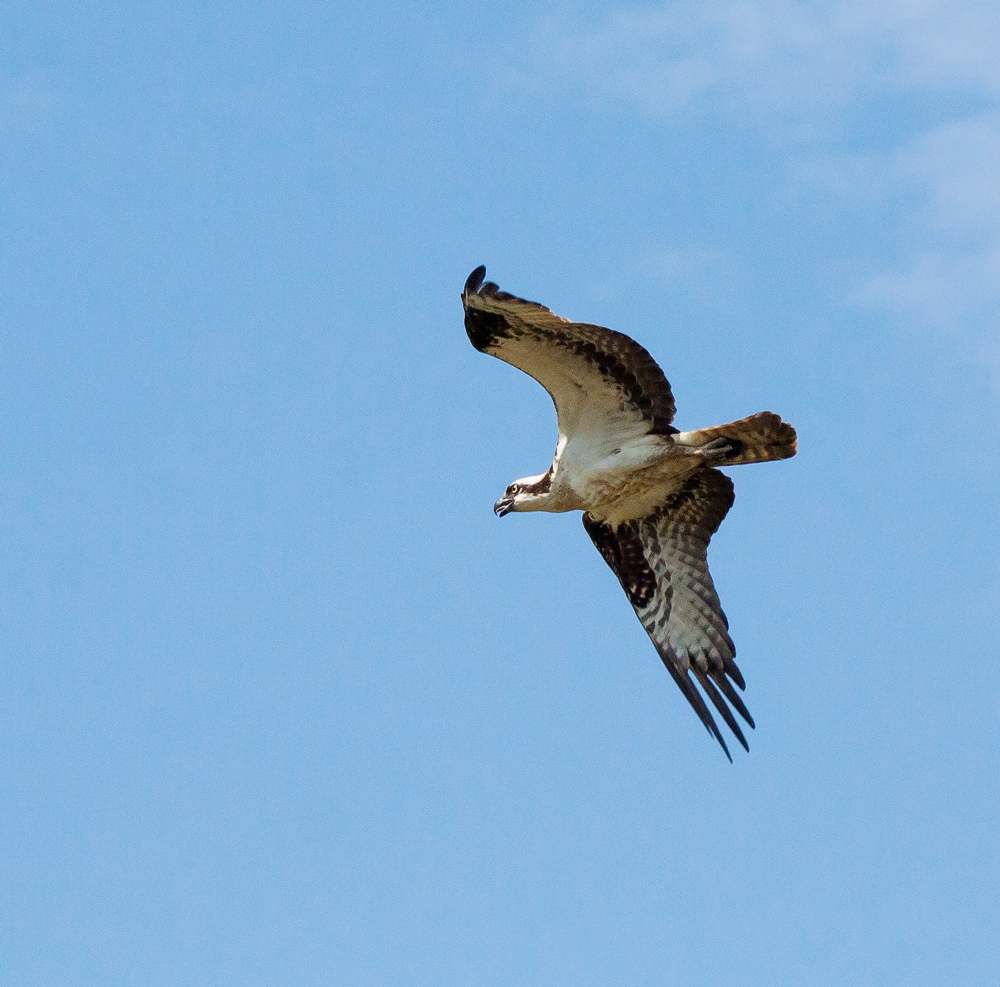
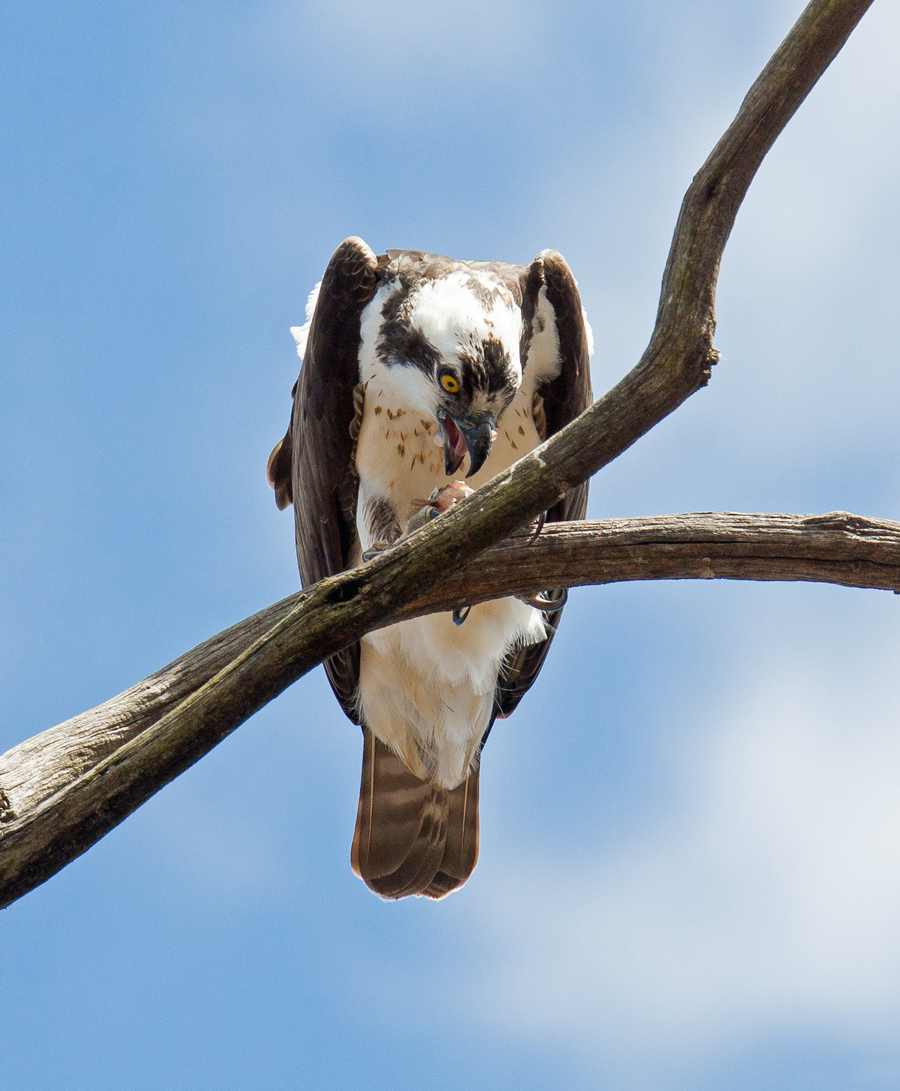
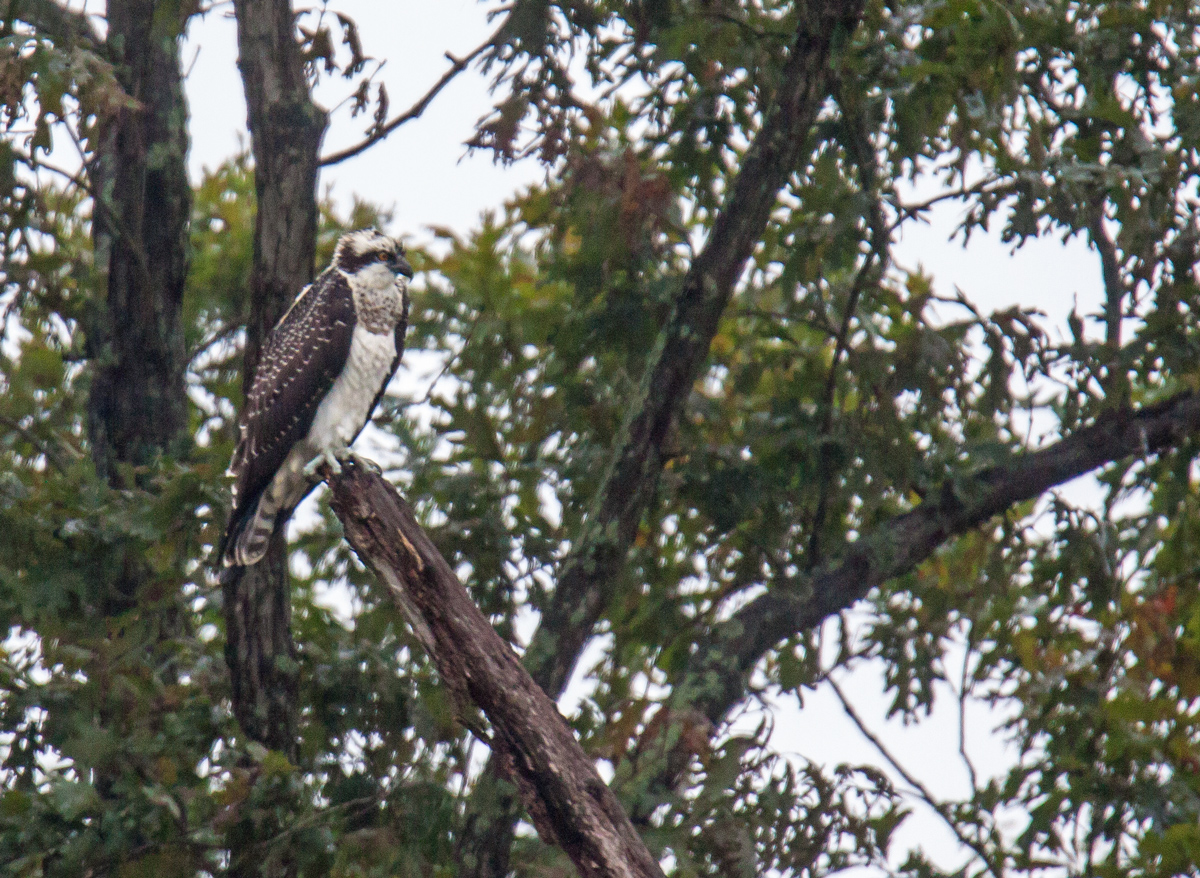
Peering through the branches near one nest, I spotted this perched Osprey (Pandion haliaetus) with a fish in its talons. The osprey was at the stage of consumption when quite often it will take the remaining portion to its mate. I never did see its mate, but was happy to capture this shot before the osprey flew away.

© Michael Q. Powell. All rights reserved.






















 Mike Powell