Feeds:
Posts
Comments

Posts Tagged ‘Canon SX50’

Yesterday I was on a biking/walking trail that follows Cameron Run, a tributary stream of the Potomac River, when I heard the unmistakable  rattling call of a Belted Kingfisher (Megaceryle alcyon). As I moved through the vegetation to investigate, I spotted a kingfisher perched on a rock jutting out of the water. I had my Canon SX50 zoomed out to its maximum length, but it wasn’t enough—I needed to get closer.

As I made my way slowly down a steep slope, my footing gave way and I unceremoniously slid for a short distance on my back side. No surprisingly I spooked the kingfisher. What was surprising was that the kingfisher did not fly up into the trees, but instead he flew to a more distant smaller rock that was barely bigger than he was. (You can tell that it is a male because, unlike the female, he does not have chestnut stripe across his chest.)

The kingfisher soon took to the air and was joined by another one. They proceeded to fly back and forth over a portion of the stream, calling out loudly the entire time. They didn’t actually buzz me, but they did fly in my general direction a couple of times before veering off. What was going on?

I got a somewhat blurry shot of the second kingfisher, a female, that confirmed my suspicion that this was a couple. According to the Cornell Lab of Ornithology website, “During breeding season the Belted Kingfisher pair defends a territory against other kingfishers. A territory along a stream includes just the streambed and the vegetation along it, and averages 0.6 mile long. The nest burrow is usually in a dirt bank near water. The tunnel slopes upward from the entrance, perhaps to keep water from entering the nest. Tunnel length ranges from 1 to 8 feet.”

This behavior suggests to me that there could be baby kingfishers in the area. I certainly didn’t see any babies and suspect that a nest would probably be on the opposite side of the stream from where I took these photos, an area that is more remote and inacessible.
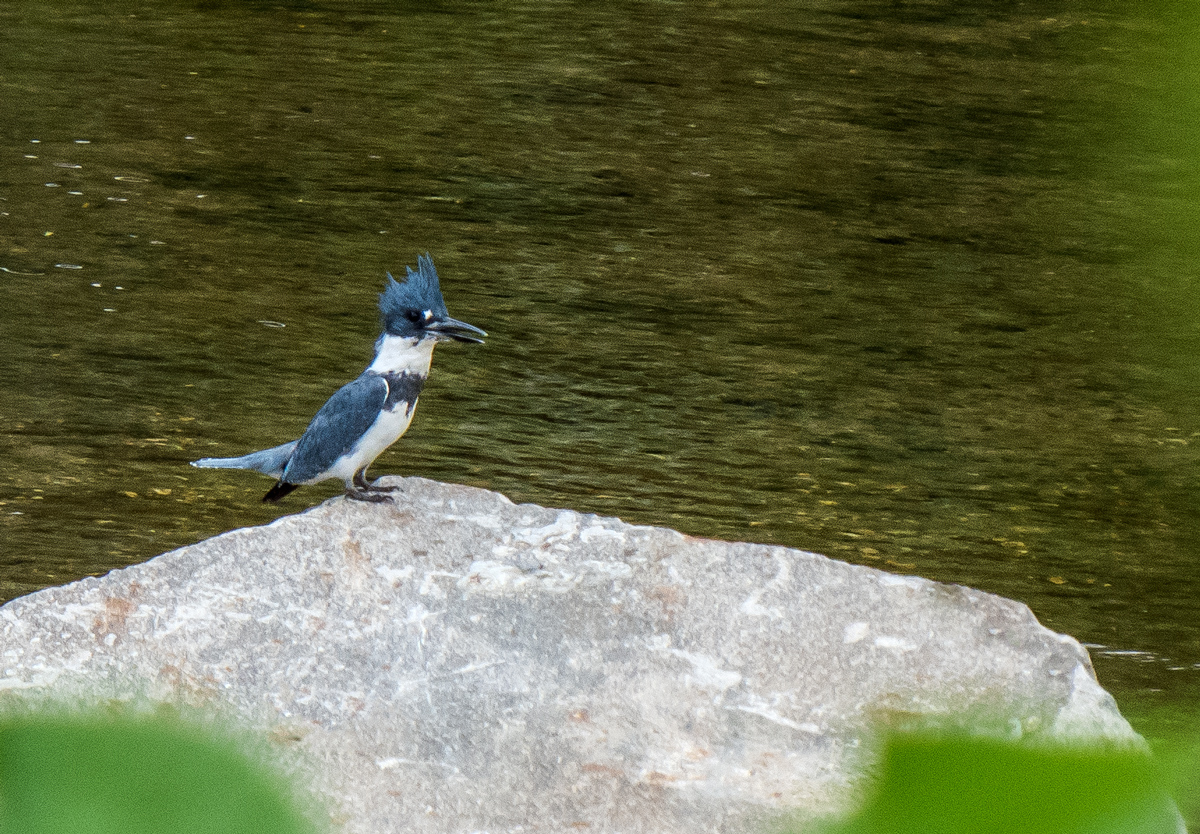
Belted Kingfisher

Belted Kingfisher

© Michael Q. Powell. All rights reserved

Read Full Post »

It doesn’t really matter where I am—if I see a butterfly, I am almost certainly going to chase after it with the hope of capturing an image. That was certainly the case last week in Brussels when I spotted this tiny butterfly and managed to take this shot of it.

As some of you may recall, I am now using a superzoom Canon SX50 when I am travelling. I haven’t used it very often, so I am still learning its capabilities and limitations. I am pretty happy with the way the camera was able to capture some of the small details of this butterfly, including its extended proboscis, and the way that it rendered the out of focus flowers in the background. I am not ready to give up my DSLR, but I will certain consider taking the SX50 with me on those occasions when I just don’t feel like hauling my DSLR and multiple lenses.

butterfly in Brussels

© Michael Q. Powell. All rights reserved
Read Full Post »

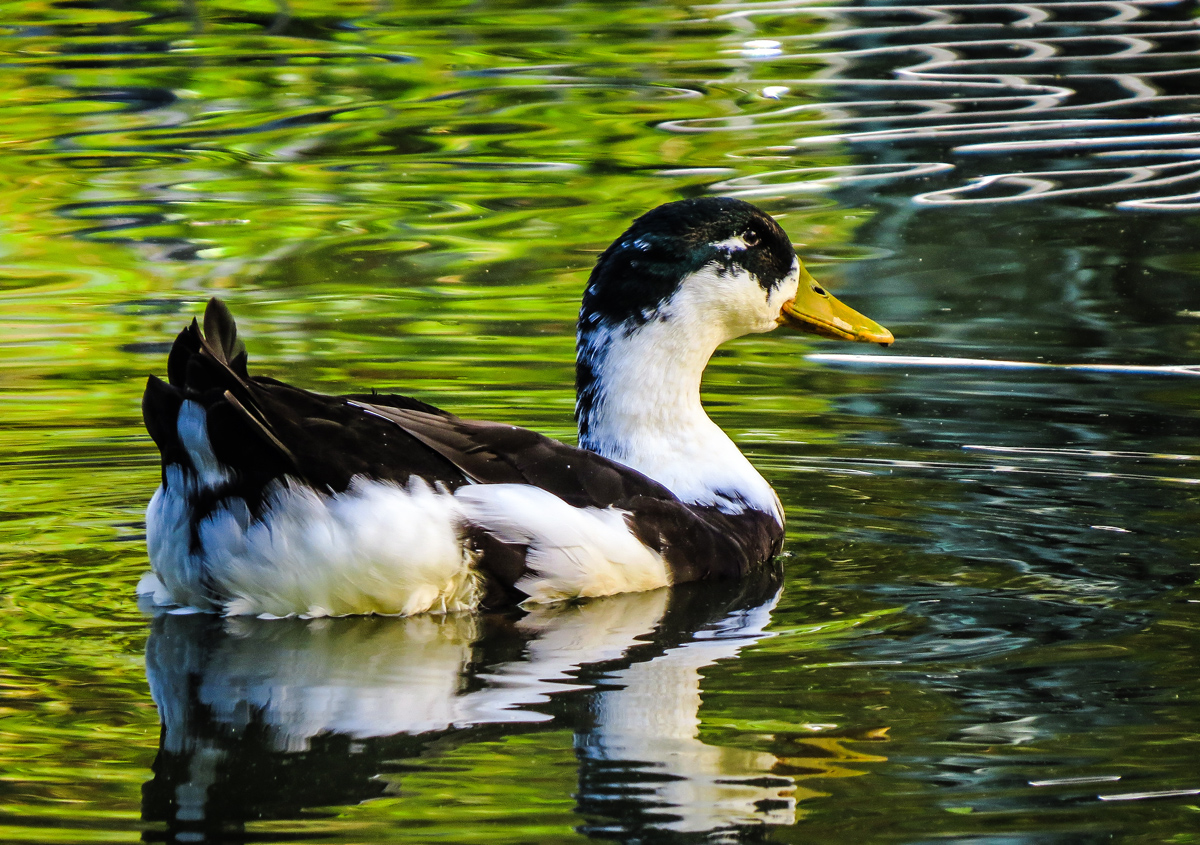
The sun was shining so brightly in Brussels one day last week that even the ducks looked to be wearing sunglasses. Although I can clearly see the eye in the white patch of feathers, my mind keeps getting tricked into thinking the eye must be hidden behind the dark lenses of the “sunglasses.”

I spotted these ducks in the same little pond adjacent to the botanical garden of Brussels where I saw the dragonflies that I wrote about in an earlier posting. These ducks sort of look like mallards, but the colors are really different, especially those of the black and white duck. Perhaps these are hybrids or domesticated ducks.

I’d welcome comments and thoughts about the identification of these ducks that were a welcome sight for me as I explored Brussels. I realize that I really miss nature and wildlife when I am in an urban setting.

duck in Brussels

Duck in Brussels

ducks in Brussels

© Michael Q. Powell. All rights reserved


Read Full Post »

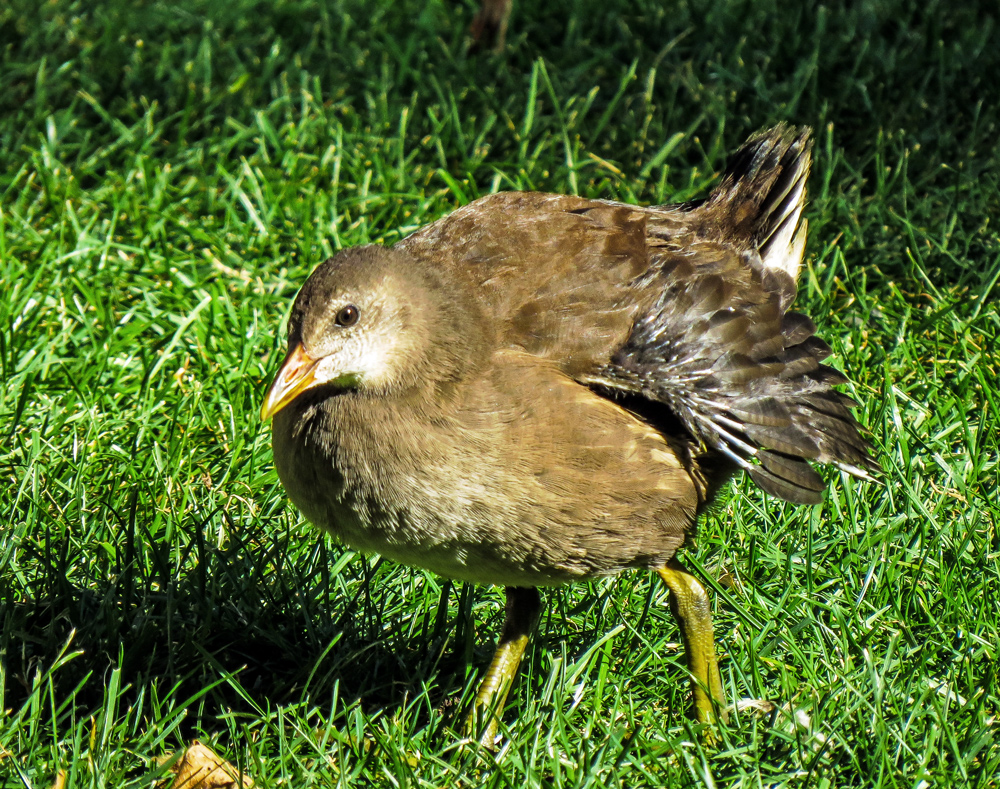
When I am traveling, all of the new species that I encounter seem rare and exotic, even if they are common in the local area. That may well be the case with these Eurasian Common Moorhens (Gallinula chloropus) that I encountered in Brussels this week. I love the way the bright colors of the adult’s bill are enhanced by the contrast with its rather drab plumage.

Eurasian Common Moorhen

Eurasian Common Moorhen

When I saw some younger birds pecking about, it didn’t immediately strike me that they might also be moorhens. When I studies my photos, however, I could see the start of the bright coloration on the bills and a similar bill shape, so I think this final photo is of an immature common moorhen.

Eurasian Common Moorhen

I took these photos with my superzoom Canon SX50 at a small pond adjacent to the botanical garden of Brussels, not far from Place Rogier in the center of the city.

© Michael Q. Powell. All rights reserved


Read Full Post »

Today was a beautiful sunny day in Brussels, Belgium and I had some free time to explore the city. I have been in Brussels for short business trips a number of times in recent years and have already visited many of the attractions in the center of the city.  Today I decided to look for some of the kinds of wildlife that I love to photograph, so I made my way to a park that leads to the Botanical Garden of Brussels.

I was encouraged a little when I saw some ducks and turtles in the small pond there and my level of excitement really soared when I spotted some dragonflies flying about. The only problem was that the dragonflies refused to land. When I have my normal DSLR and my favorite lenses, I’ll try to capture in-flight shots, but when I am traveling for work, I tend to leave all that gear at home and use a point-and-shoot camera. My current travel camera is a Canon SX50. It has an amazing zoom lens, but really is not responsive enough to photograph moving dragonflies.

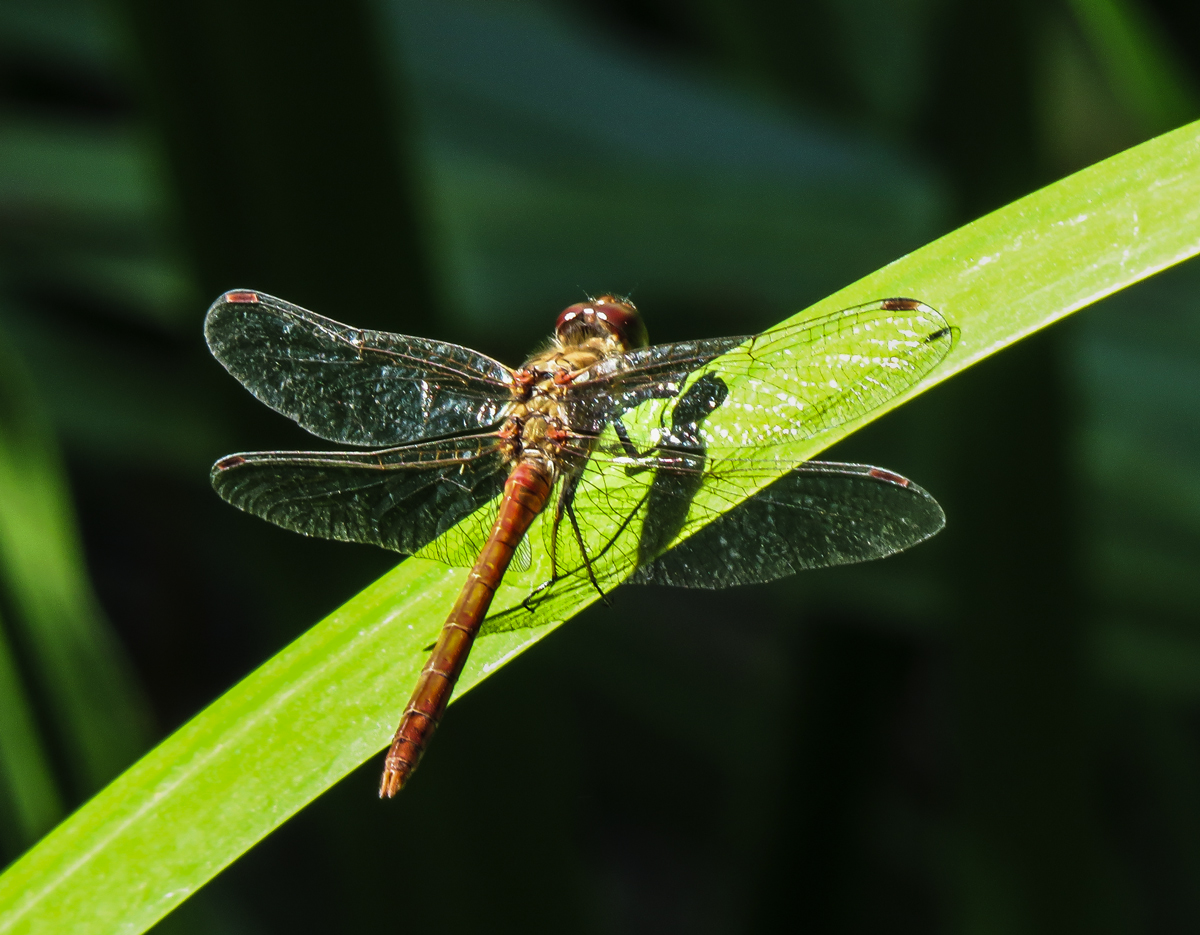
A bit later, I made my way to the opposite side of the tiny pond and discovered the staging area for the dragonflies. Every now and then a dragonfly would perch very briefly on the vegetation. It took quite a few tries, but eventually I got a few shots. I don’t know anything about European dragonfly species, so I can’t really identify the ones that I photographed today. They look pretty similar to ones that I have seen at home and certainly they belong to the same families, but I’d sure welcome assistance in identifying the species.

Today was a day full of unexpected treats. I don’t expect to see bright days full of sunshine during trips to Europe and I didn’t really expect to find dragonflies in Brussel’s urban center.

UPDATE: I have done a bit more research on the internet and it looks to me like the dragonflies in the first two photos below may be Migrant Hawkers (Aeshna mixta).

dragonfly in Brussels

dragonfly in Brussels

butterfly in Brussels

© Michael Q. Powell. All rights reserved


Read Full Post »

I love trying to capture unusual reflections, like this cityscape of Vienna that was reflected last week in the tuba of a band that was playing in the center of the city.

Reflection of Vienna

© Michael Q. Powell. All rights reserved.

Read Full Post »

I am now home from Vienna and as I was reviewing my photos from the trip I came across this image. What could be more adorable than a baby duckling trying to imitate its mother, especially with Mother’s Day only a week away?

I took this shot last week in Vienna, Austria at the Volksgarten, where a family of Mallard ducks (Anas platyrhynchos) had taken up residence in a fountain.

Mallard Mom and duckling

© Michael Q. Powell. All rights reserved.

Read Full Post »

I am usually averse to photographing unknown people in public, but the drivers of the fiakers, the two-horse carriages that offer short tours in Vienna, are such a colorful group of characters that I couldn’t resist grabbing a few shots from a distance.

fiaker driver

fiaker driver

fiaker driver

driver4_blog

© Michael Q. Powell. All rights reserved.

Read Full Post »

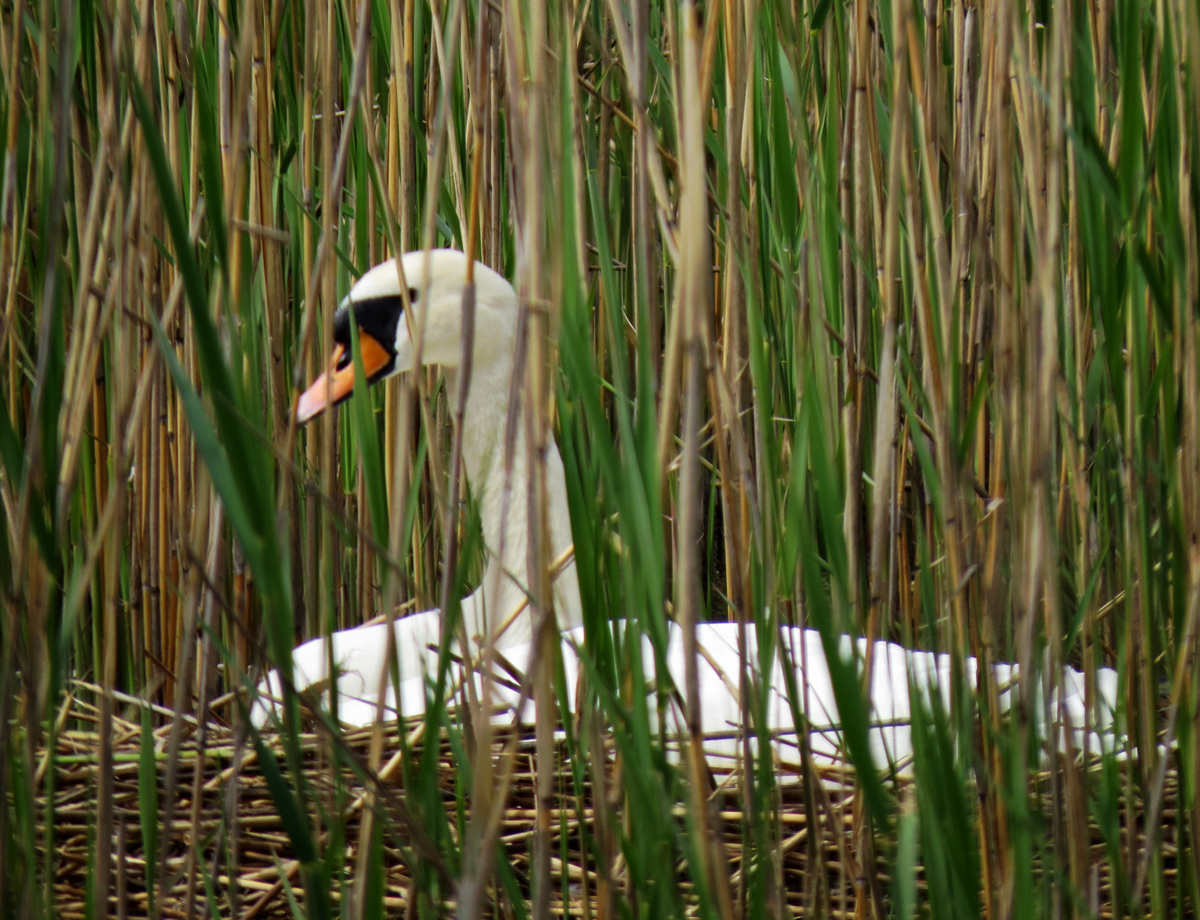
During my two walks through the Donau-Auen National Park in Vienna, Austria I encountered Mute Swans (Cygnus olor) in several locations swimming about and foraging for food. Their beauty and grace was remarkable and their white feathers were dazzling—it is easy to see why they have inspired music and ballet. Through the reeds I also spotted a female swan sitting on a nest. I would love to have seen baby swans, but I guess it’s still a bit too early.

As I was doing a little research, I was a bit surprised to learn that Mute Swans are not native to North America—they are an introduced species. I grew up outside of Boston, Massachusetts and my earliest memories of swans are the pedal-powered swan boats in the Boston Public Garden. According to Wikipedia, those swan boats have been in operation since 1877.

Mute Swan

Mute Swan

Mute Swan

© Michael Q. Powell. All rights reserved.

Read Full Post »

At this time of the year I love to try to photograph insects, but during my brief visit to Vienna, Austria the weather has been cool, windy, and sometimes rainy. The only insect that I was able to capture was this green-eyed moth that I spotted at the Donau-Auen National Park. I did a quick internet search,so far but have not been able to identify this insect.

When I am on business trips, I generally don’t travel with my Canon 50D DSLR and multiple lenses. I had been using a Canon PowerShot A620, a 2005 vintage 7.1 megapixel point-and-shoot camera. However, a while back I purchased a Canon SX50, a super zoom camera, to use as my new travel camera and I have used this trip to Vienna to test it out. I knew that it would be pretty good for long range shots, and have featured some images of birds this week that I photographed with the SX50.

What would it do, though, with smaller subjects? Would it be able to capture details? When I examined this image of the small green-eyed moth, I was pleased to see that the camera did a pretty good job in rendering details, such as the antennae and the eye.

I am still playing around with the different settings of the camera in an attempt to maximize the quality of the images it delivers, but my initial impressions are quite favorable.

Green-eyed moth

© Michael Q. Powell. All rights reserved.

Read Full Post »

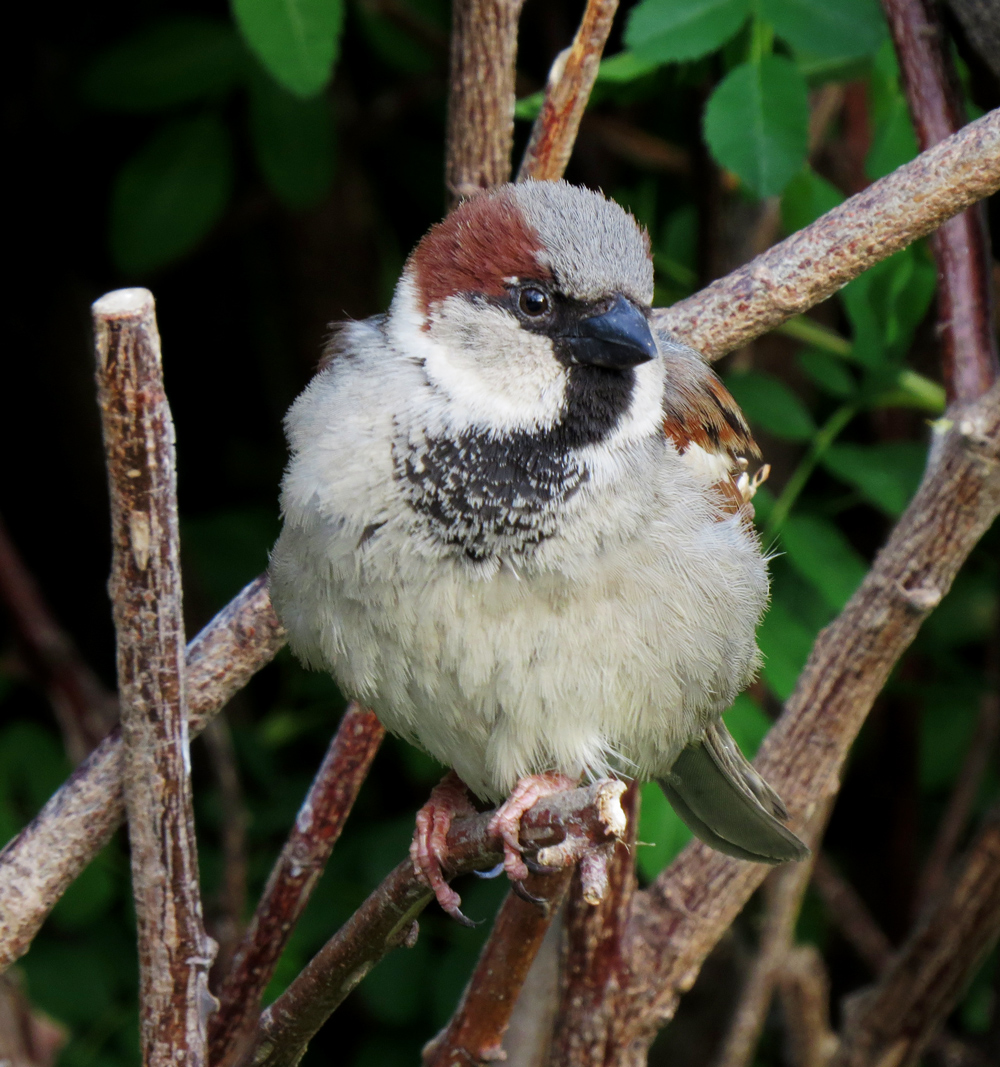
The locals must have thought I was a bit crazy as I maneuvered about taking photos of some House Sparrows (Passer domesticus) in the Volksgarten, one of the many beautiful public parks in Vienna, Austria. After all, House Sparrows are among the most ordinary-looking and common birds in the city.

Most of the time the sparrows were in constant motion, but a couple of them perched for short periods of time and I was able to capture a few images of the female and male House Sparrows that highlight their beauty.

sparrow5_blog

House Sparrow

House Sparrow

House Sparrow

© Michael Q. Powell. All rights reserved.


Read Full Post »

When I saw this bird bobbing its head as it moved forward in the waters at the Donau-Auen National Park in Vienna, Austria, I knew immediately that it had to be a coot. From certain angles, it looked just like an American Coot (Fulica americana), a species that I have seen regularly this spring. When it turned its head, however, I noted that it had a white shield on its forehead that its American counterparts lack. After a little research, I learned that this is a Eurasian Coot (Fulica atra).

Eurasian Coot

Eurasian Coot

coot1_blog

Eurasian Coot


© Michael Q. Powell. All rights reserved.


Read Full Post »

Perhaps the coolest bird that I managed to spot during my recent walk through part of the Donau-Auen National Park in Vienna, Austria  was a Black Woodpecker (Dryocopus martius).  The woodpecker was pecking away at a log on the ground, which allowed me to capture some relatively close shots of this large woodpecker.

I had never seen a woodpecker like this one, but it was not hard to find an identification on-line, give the size and coloration of the bird. According to Wilkipedia, the Black Woodpecker is “closely related to and shares the same ecological niche in Europe as the Pileated Woodpecker of North America.”

Black Woodpecker

Black Woodpecker

Black Woodpecker

Black Woodpecker

Black Woodpecker

© Michael Q. Powell. All rights reserved.

Read Full Post »

I had some free time yesterday and walked about in the Donau-Auen National Park here in Vienna. Some of the birds that I saw behaved the same as familiar species, but had a different appearance, like this goose, which I think is a Greylag Goose (Anser anser).

I spotted this goose from a distance and zoomed in and got a few shots. Despite the fact that I was a considerable distance from it, the goose could sense my presence and took off at a moment when I was looking through the viewfinder, permitting me to capture an action shot that almost filled the frame.


Greylag Goose

Greylag Goose

Greylag Goose

© Michael Q. Powell. All rights reserved.

Read Full Post »

It was dreary and overcast when I arrived yesterday afternoon in Vienna, Austria for a short trip, but my spirits were lifted when I spotted two adorable ducklings swimming in a fountain in a public garden.

There were two sets of Mallard duck adults (Anas platyrhynchos), so I wasn’t sure which ones were the parents, but is was clear that the ducklings had lots of supervision and protection. There was a wooden ramp leading out of the fountain and a couple of floating wooden platforms to make the surroundings a bit more comfortable for the ducks.

The limited light and the speed of the ducks made photography a bit of a challenge, but I did manage to get a couple of snapshots of these urban wildlife creatures.

duckling in Vienna

duckling in Vienna

© Michael Q. Powell. All rights reserved.


Read Full Post »

« Newer Posts