Posted in Dragonflies, dragonfly, Insects, Nature, Photography, Summer, wildlife, tagged Canon 50D, Gray Petaltail, Gray Petaltail dragonfly, Lorton VA, Occoquan Regional Park, Tachopteryx thoreyi, Tamron 180mm on August 2, 2019|
2 Comments »
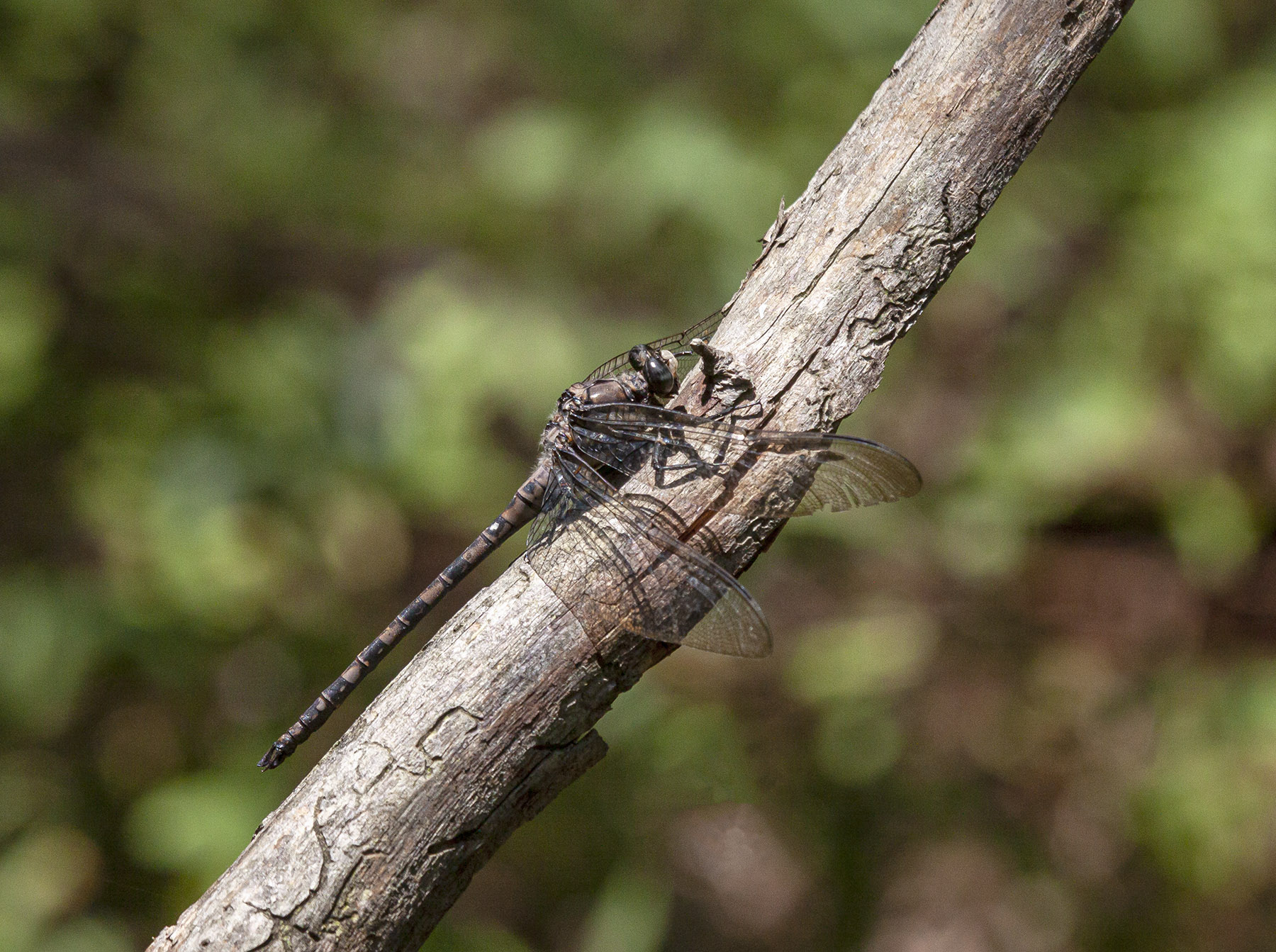
Although we still have quite a lot of summer remaining, some of my favorite dragonfly species have already disappeared for the season. I have been fortunate this year to see Gray Petaltail dragonflies (Tachopteryx thoreyi) on multiple occasions in several different locations. A little over a week ago I spotted this one at Occoquan Regional Park on the date that the Dragonflies of Northern Virginia website lists as the tail end of the season for this species. It is quite possible that I will have to wait until next year to see another one.
Gray Petaltails are remarkable dragonflies. They will sometime perch on you, which can be a bit disconcerting because they are so large and you can hear them when they fly by your head. Additionally, many scientists view this species as an ancient one. According to the website cited above, Gray Petaltails are “our oldest and most primitive dragonfly; species almost identical to petaltails flew alongside dinosaurs during the Jurassic period. Imagine petaltails and a herd of Brontosaurus sharing the same giant, fern-filled forests.”
It is hard to know exactly how long dragonflies have been around, but according to Wikipedia, fossils of very large dragonfly ancestors with wingspans of 30 inches (750 mm) have been found that are 325 million old. Given the ferocity of most dragonflies as predators, I am happy that modern day dragonflies are quite a bit smaller in size.

© Michael Q. Powell. All rights reserved.
Read Full Post »


 Mike Powell