Feeds:
Posts
Comments

Archive for October, 2015

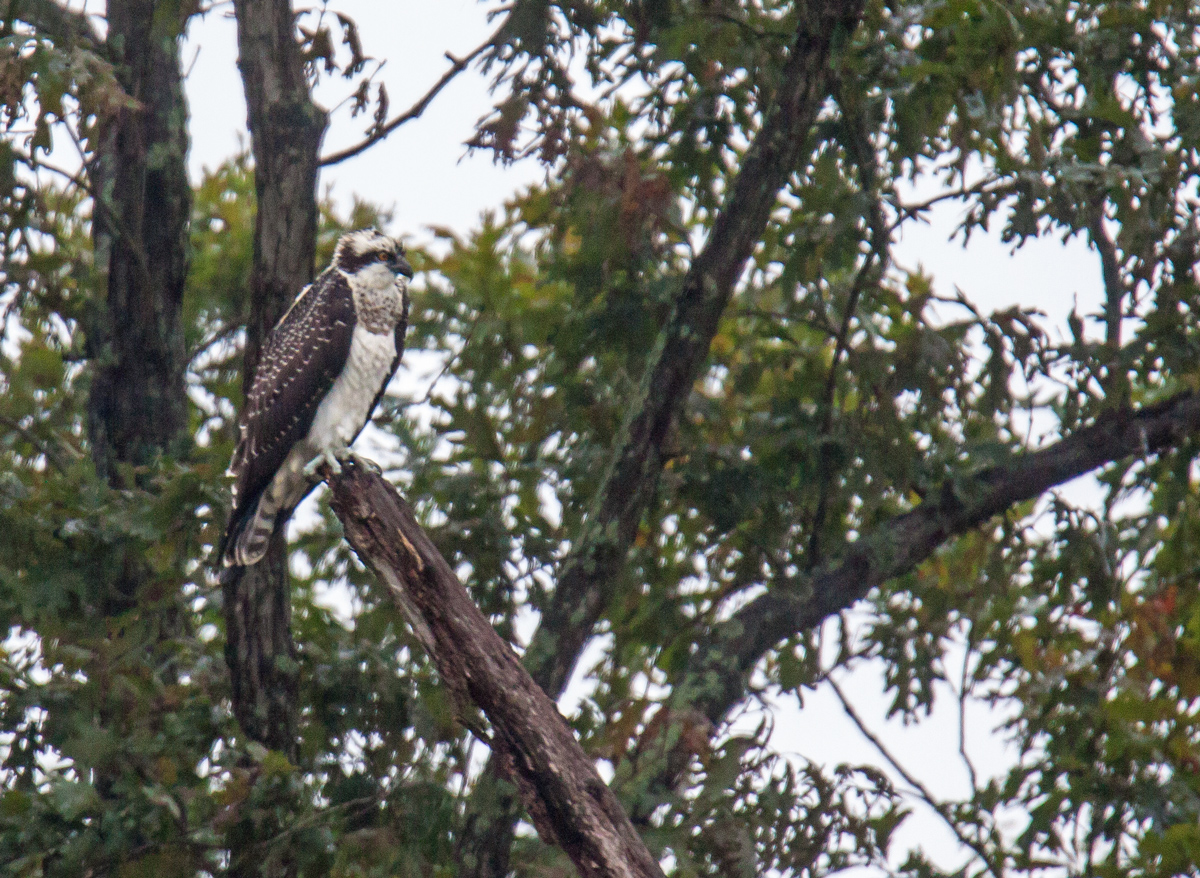
On Saturday morning, this juvenile Osprey (Pandion haliaetus) at Huntley Meadows Park seemed interested in only one thing—seeking shelter from the rain. The osprey was hunched over and seemed to be doing its best to retain body heat on a cold, wet, and windy day. Although it could almost certainly see me across the water of the pond, the young bird showed no inclination to move from its comfortable, sheltered perch.

The scalloped edges of the wing feathers are what cause me to think this is a juvenile osprey—the wings are a solid brown in adults.

osprey

osprey

osprey

© Michael Q. Powell. All rights reserved.

Read Full Post »

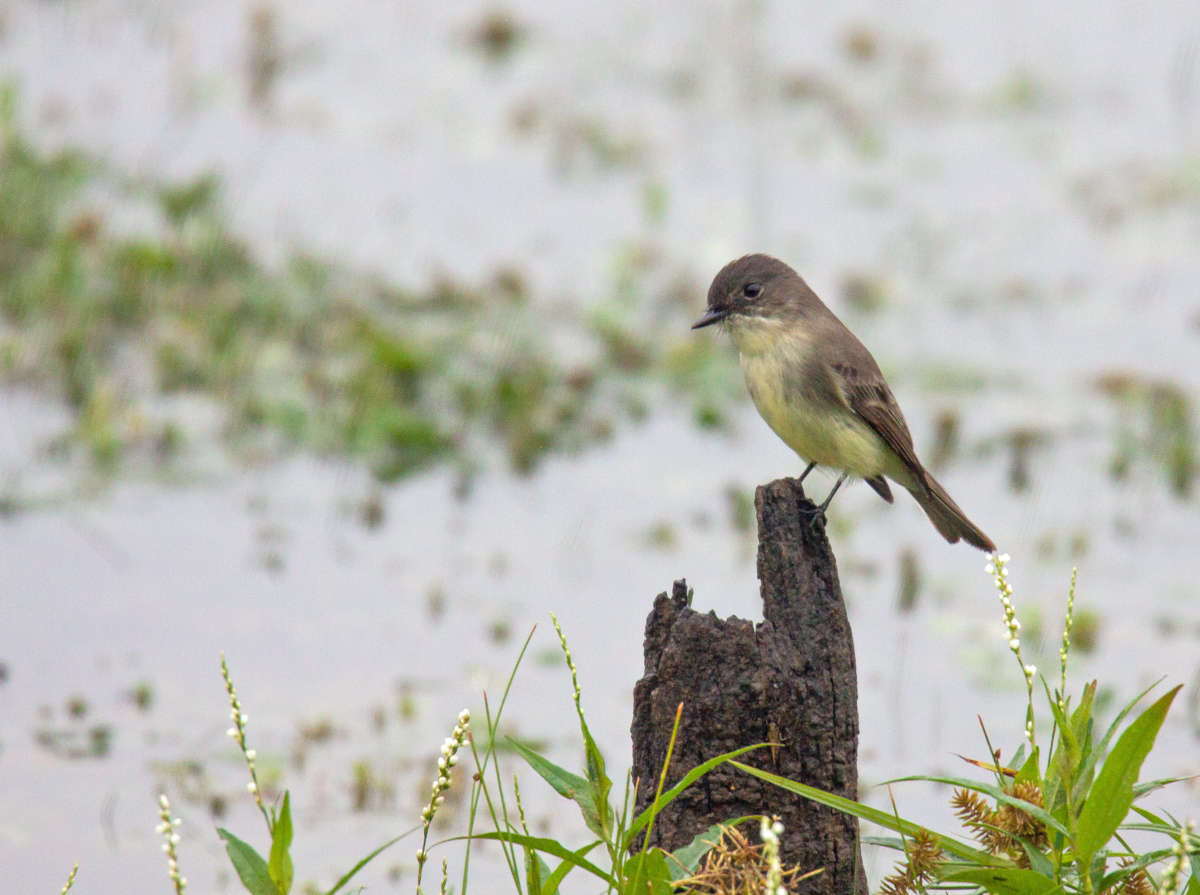
Despite the light rain, a few birds were flying about at Huntley Meadows Park yesterday morning. It was beautiful and peaceful, a feeling that I was able to partially capture in this image of one of my rainy day feathered friends, an Eastern Phoebe (Sayornis phoebe).

Eastern Phoebe

© Michael Q. Powell. All rights reserved.

Read Full Post »

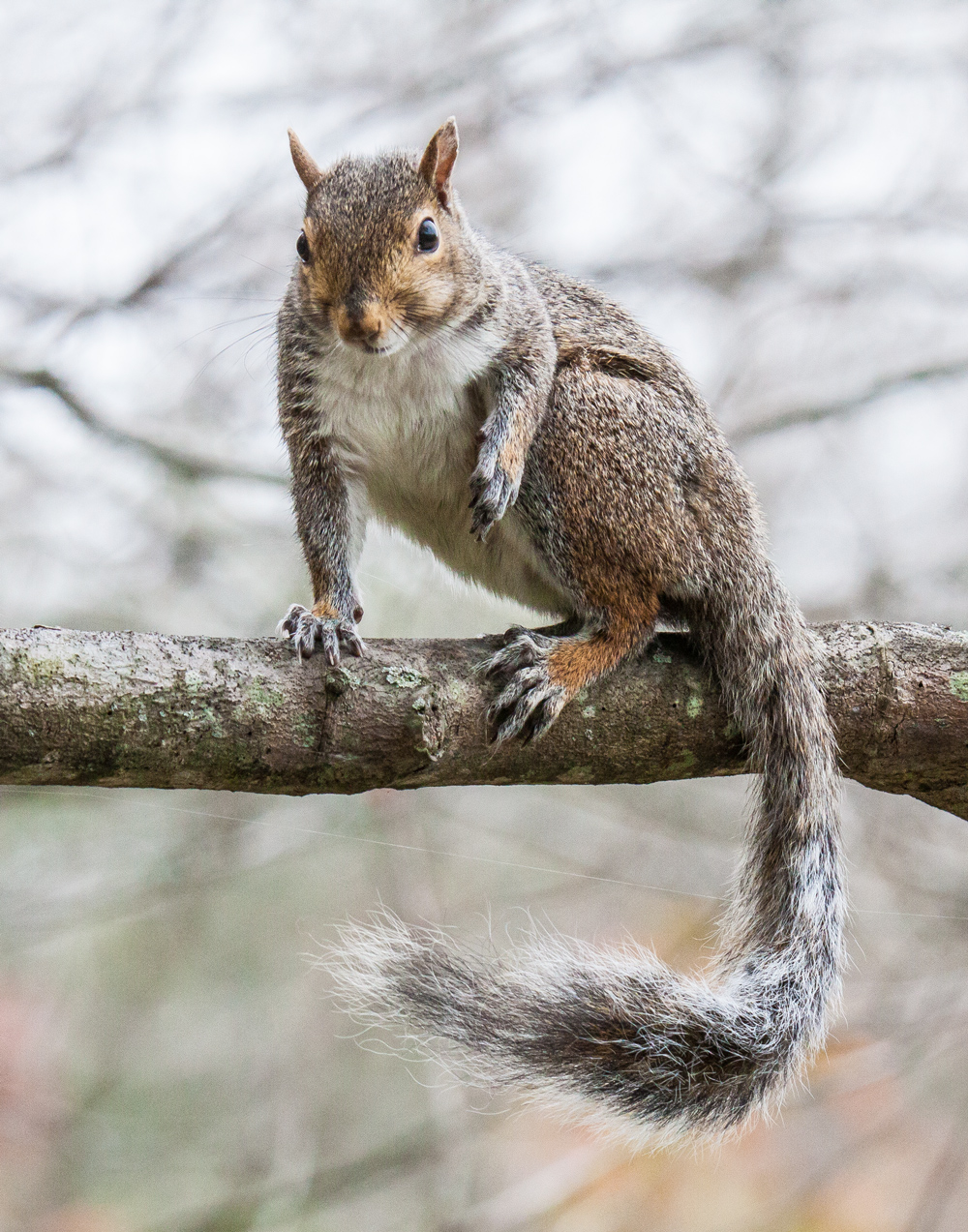
When you happen to catch sight of a squirrel, do you just keep walking? I love to watch squirrels. They are so energetic and industrious, traits that I admire in humans as well.

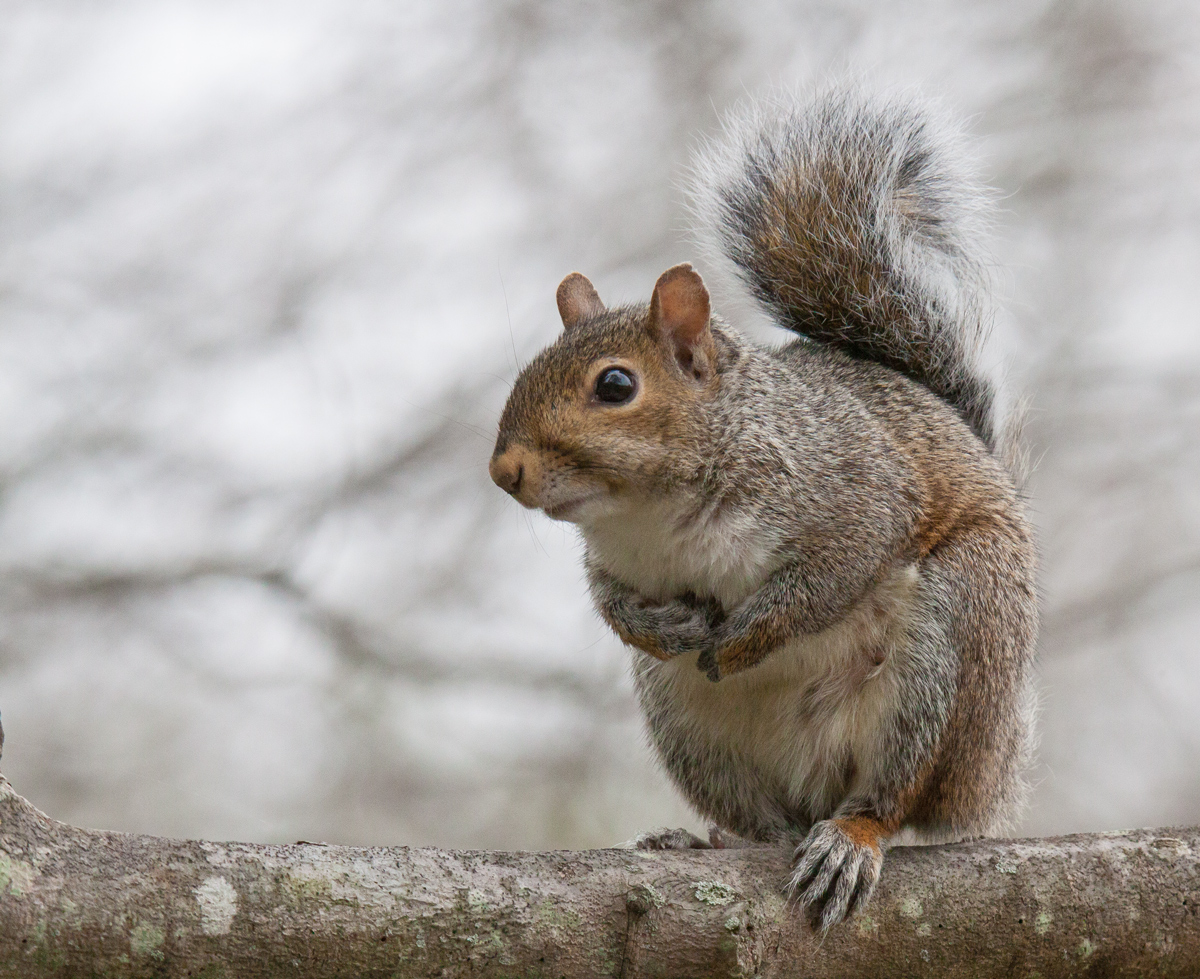
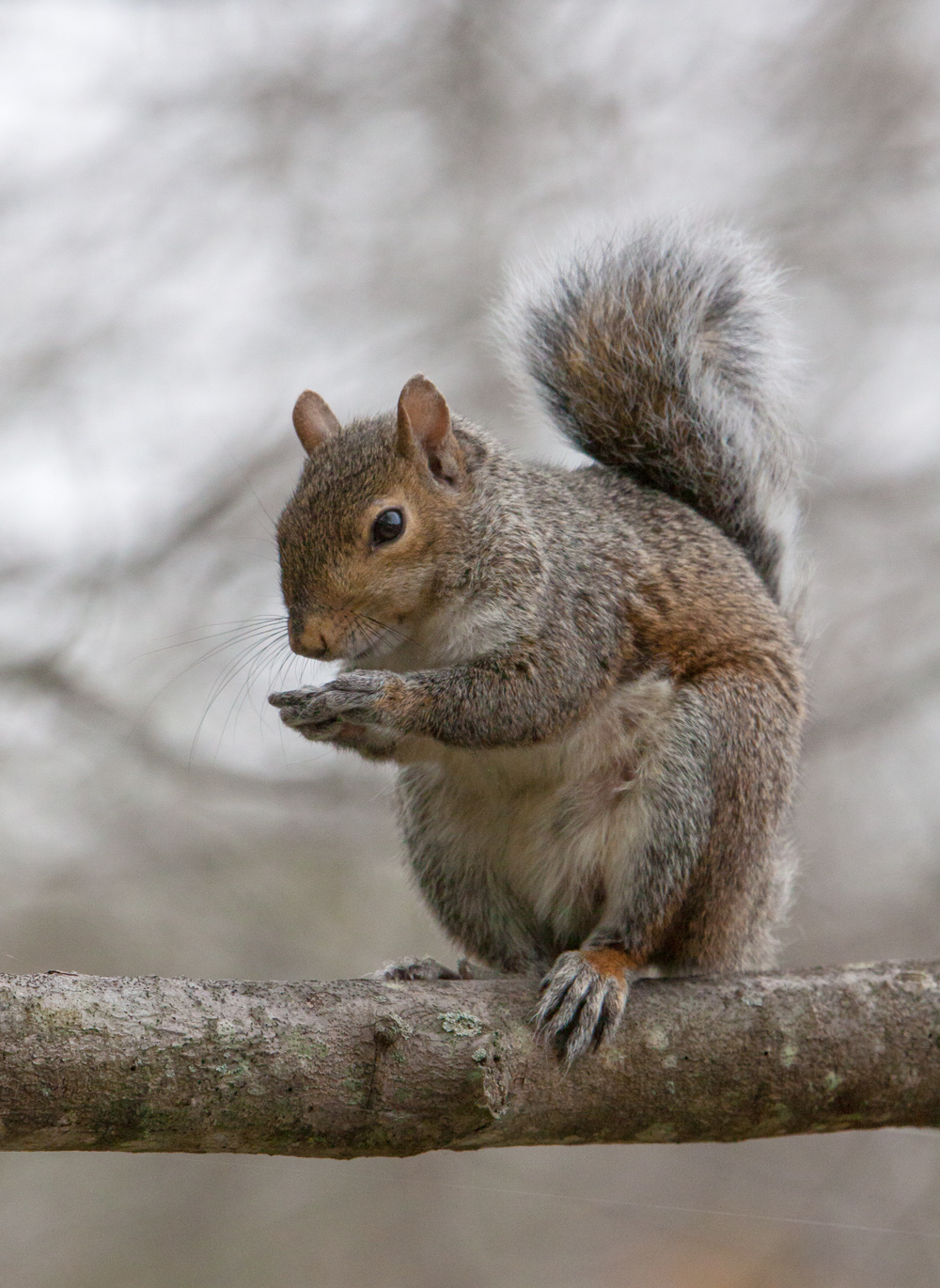
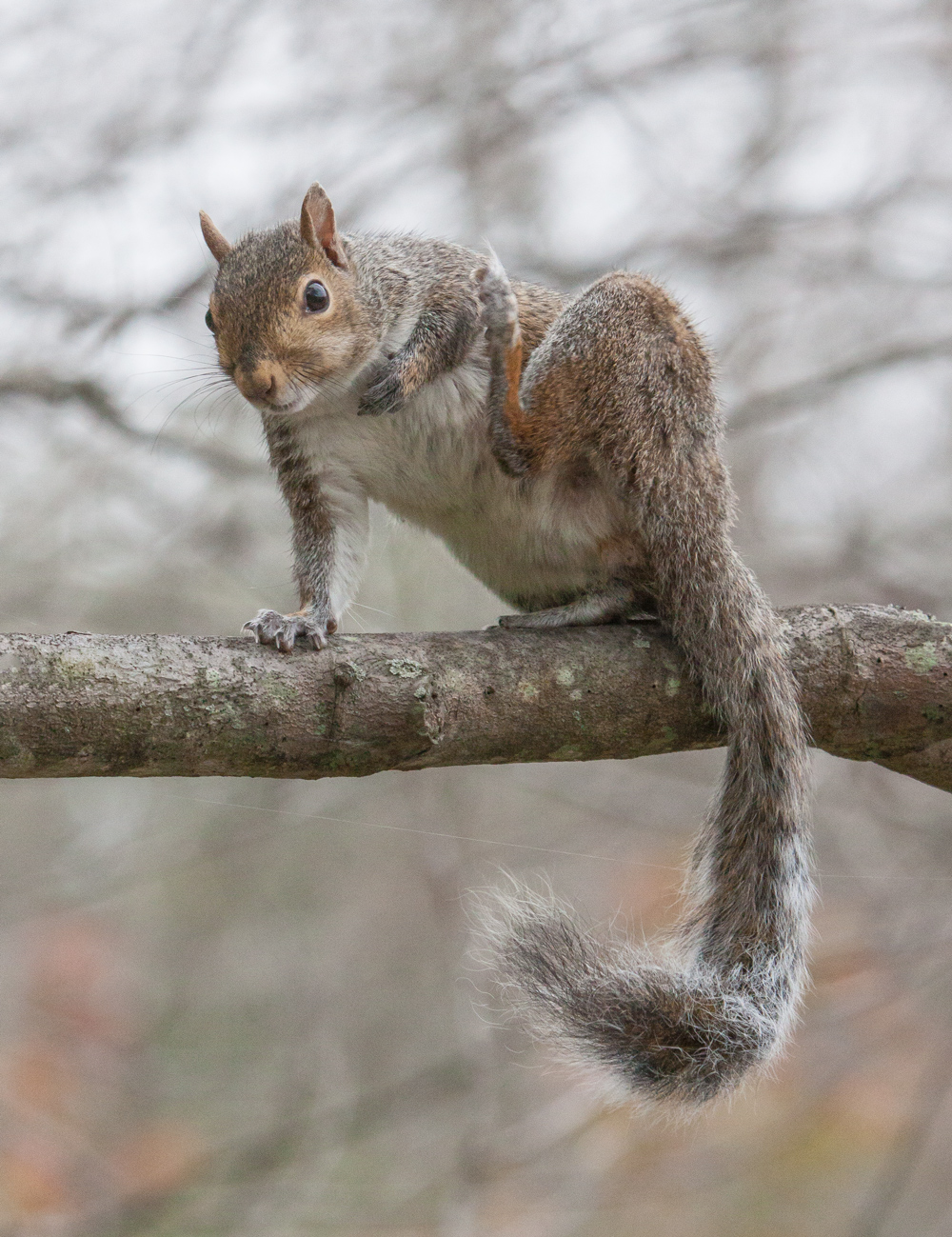
Last week, this Eastern Gray Squirrel (Sciurus carolinensis) at Huntley Meadows Park seemed to be posing for me and we had our own little portrait session. The squirrel made many minor adjustments to its body position to provide mw with a lot of different looks. Towards the end of our photo shoot, the squirrel had to take a short break.

Sometimes when you have an itch, you just have to scratch it, as you can see in the final image.

Eastern Gray Squirrel

Eastern Gray Squirrel

Eastern Gray Squirrel

Eastern Gray Squirrel

Eastern Gray Squirrel

© Michael Q. Powell. All rights reserved.

Read Full Post »

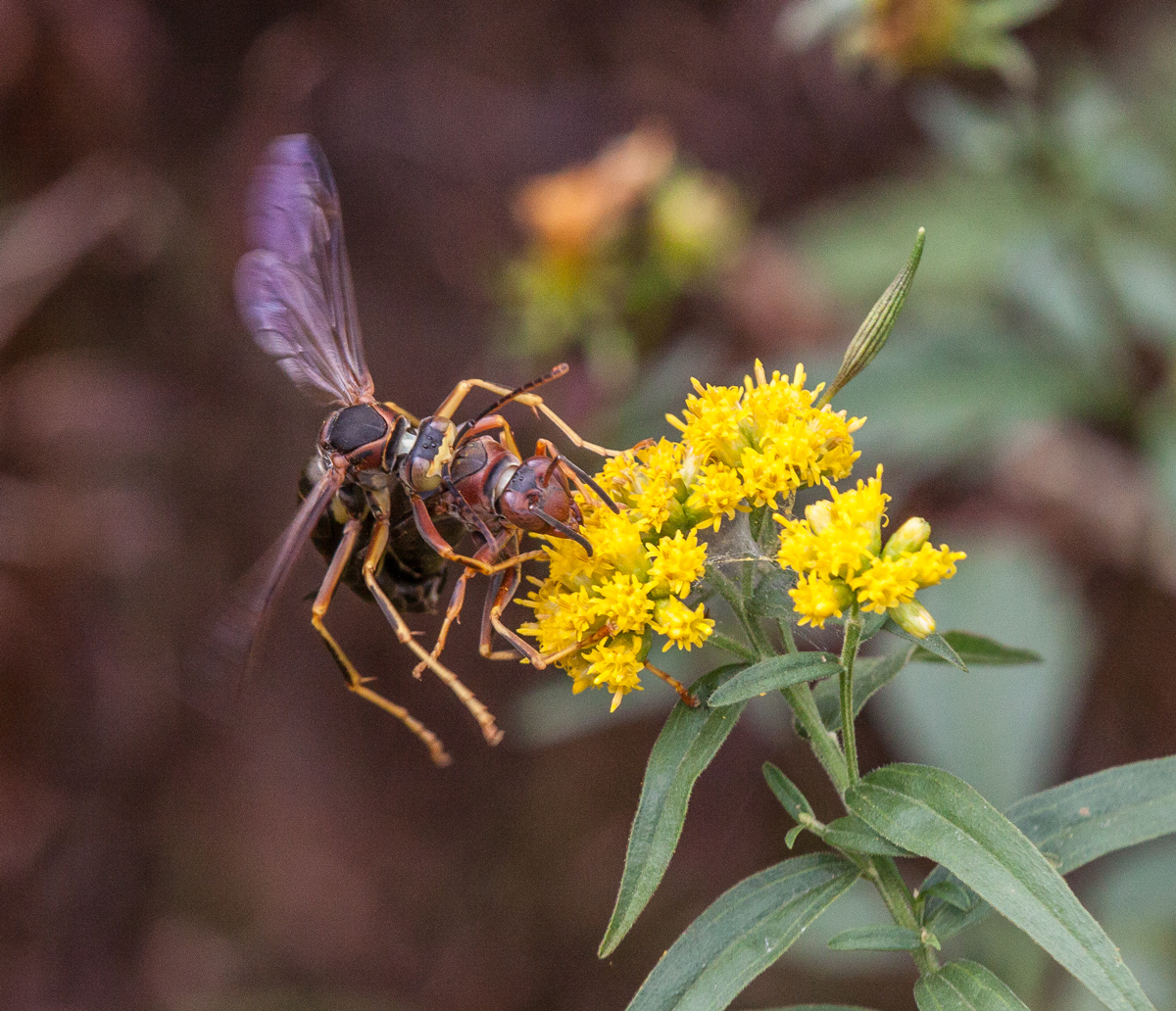
Cole Porter famously wrote that, “Birds do it, bees do it, even educated fleas do it…”  Apparently he could have included wasps, judging from this shot I took on Monday of mating wasps at Huntley Meadows Park.

I had my macro lens on my camera and was checking out a yellow flowering plant, which I think is goldenrod, when I heard the buzzing of an insect. I assumed that it was a bee, but when it landed, I realized it was a wasp. As I looked through my viewfinder and focused more closely on the subject, it became apparent that it was not one wasp—it was a mating pair.

They didn’t stay long, but I was able to get a reasonably clear shot of the couple as they “do it.”

If you are not familiar with the Cole Porter song that I referenced, “Let’s Do It (Let’s Fall in Love), check out a YouTube video of Ella Fitzgerald singing a jazzy version or a more traditional arrangement by Conal Fowkes.

mating wasps

© Michael Q. Powell. All rights reserved.

Read Full Post »

I have been seeing Common Green Darner dragonflies (Anax junius) hunting high over the fields the last couple of weeks as they prepare for migration, but have not been able to get any shots of them. In theory, they are easier to photograph when they land, but these dragonflies like to hang vertically low to the ground, often in areas with heavy vegetation. I have been repeated frustrated by spotting them only after they have taken to the air as I got close to them.

This past Friday, though, I saw one land nearby when I was already in a field of waist-high vegetation. Judging from the blue abdomen, it’s a male Common Green Darner. I was struck by the relatively dark color of much of the abdomen of this particular individual. When doing a little research at my favorite website for local dragonflies, dragonfliesnva.com, I learned that Common Green Darners deal with the problem of cool weather “by having dark-colored platelets in their blood that rise to the surface when it’s cold, darkening their abdomen color, therefore attracting more sun. On bright, hot days, those dark platelets sink, and the abdomen turns bright bluagain, now reflecting light.”

The dragonfly was surrounded by dried vegetation and there was no way that I could get an uncluttered background for my shots. Fortunately, however, the the colors of the vegetation are so muted that the gorgeous blue and green of the dragonfly really stand out. In the first shot, I zoomed all the way to try to capture the maximum amount of detail, while in the second shot I pulled back a little on the zoom to capture the dragonfly’s entire wingspan.

Common Green Darner

Common Green Darner

© Michael Q. Powell. All rights reserved.

Read Full Post »

« Newer Posts